Timeless design in the automotive world is not just about aesthetics; it’s about creating a vehicle that resonates with enthusiasts and casual drivers alike, regardless of the era. The following cars have not only captured hearts when they were first released but continue to influence automotive design today. Their iconic status is a testament to the power of thoughtful design that transcends trends.
Jaguar E-Type
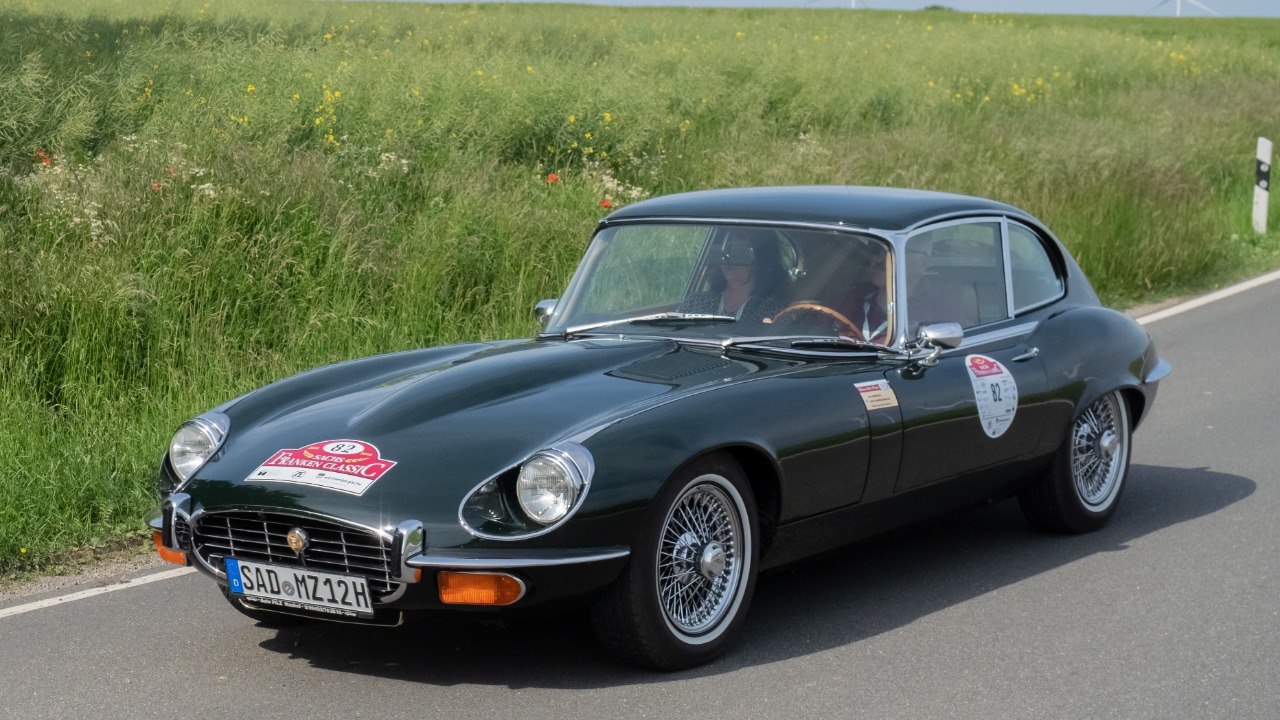
Launched in 1961, the Jaguar E-Type is often hailed as one of the most beautiful cars ever made. Its long hood, short rear, and sleek lines create an aesthetic that remains striking to this day. Enzo Ferrari famously called it “the most beautiful car ever made,” and I can understand why. The E-Type’s blend of performance and beauty was revolutionary, boasting speeds of up to 150 mph thanks to its powerful inline-six engine.
Even today, the E-Type continues to inspire modern Jaguar designs. Its timeless silhouette is a reference point for enthusiasts and designers alike. Whether it’s the classic Series 1 or the more refined Series 3, the E-Type epitomizes how effective design can elevate a vehicle beyond mere transportation. Its legacy endures, proving that great design can indeed withstand the test of time.
Porsche 911

Since its introduction in 1964, the Porsche 911 has become synonymous with sports car excellence. Its distinctive shape has evolved over the decades but remains instantly recognizable. The 911’s rear-engine layout and taut handling have made it a favorite among driving enthusiasts, and its design has influenced countless imitators.
The 911 has been updated continuously, but the essence remains unchanged; each iteration feels familiar yet fresh. From the classic 911 Carrera to the modern Turbo models, the design captures the spirit of performance and luxury. With over 1 million units sold, the Porsche 911 is a prime example of how timeless design can perpetuate a brand’s legacy while adapting to modern technology.
Ford Mustang
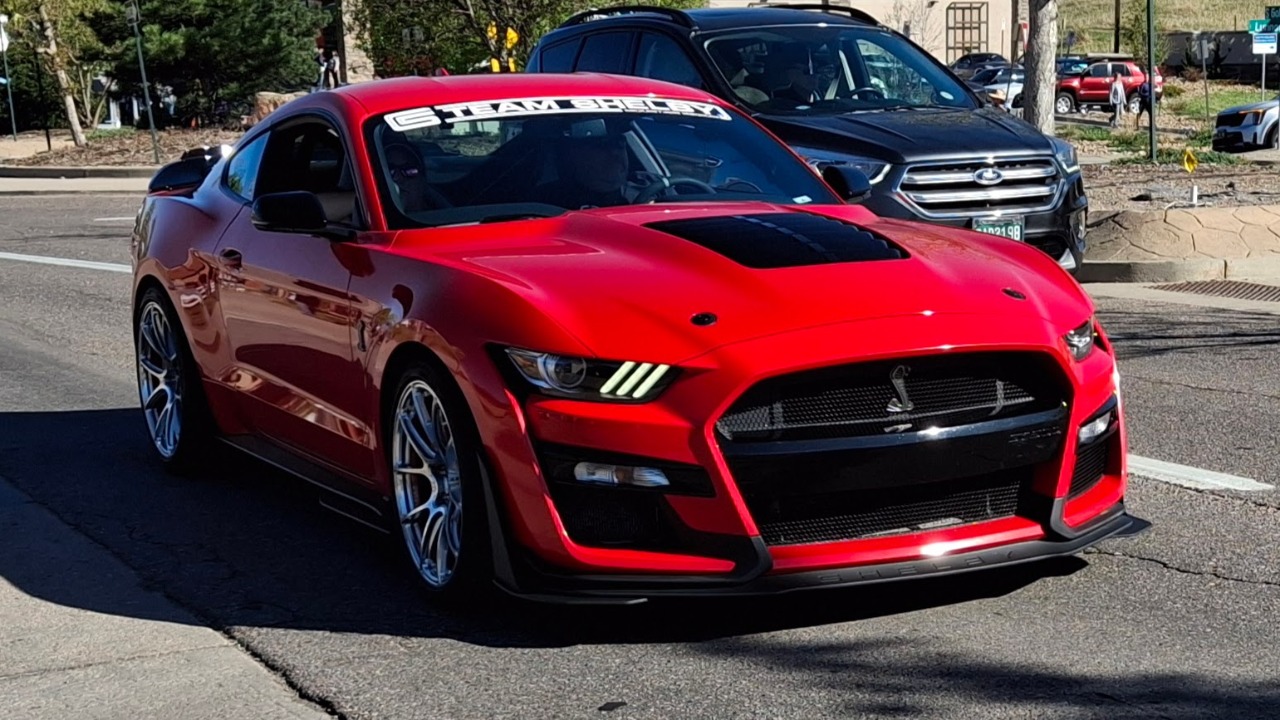
Unveiled in 1964, the Ford Mustang quickly became an American icon. Its aggressive stance, long hood, and short rear deck have set the standard for muscle cars. The Mustang captures the essence of freedom and rebellion, making it a symbol of the 1960s culture. With over six generations, the Mustang has evolved while keeping its classic design elements intact.
The recent models, such as the 2020 Ford Mustang Shelby GT500, showcase how the design has been modernized without losing the original appeal. The Mustang’s ability to adapt while remaining true to its roots is a testament to its timeless design, proving that a car can be both classic and contemporary.
Volkswagen Beetle

First produced in 1938, the Volkswagen Beetle is one of the best-selling cars of all time. Its distinctive rounded shape and simple mechanical design have made it a beloved vehicle around the globe. The Beetle’s unique styling was originally conceived as a “people’s car,” and it certainly fulfilled that vision, appealing to families and individuals alike.
Throughout its production run, the Beetle underwent several updates, but its core design remained intact. Even with the final production model released in 2019, the Beetle’s charm continues to captivate new generations. Its impact on automotive culture and design is undeniable, making it a timeless classic that will always have a place in history.
Chevrolet Corvette

Since its debut in 1953, the Chevrolet Corvette has been a symbol of American sports car culture. The Corvette’s sleek lines and powerful performance have made it a favorite among car enthusiasts. From the iconic C1 to the modern C8, each generation has pushed the boundaries of design and engineering.
The Corvette’s mid-engine layout introduced in the C8 represents a significant shift, allowing for improved weight distribution and handling. Yet, the essence of the Corvette remains unchanged—performance paired with striking aesthetics. The evolution of this American classic illustrates how timeless design can adapt while maintaining its core identity, proving its place in automotive history.
Mercedes-Benz 300SL
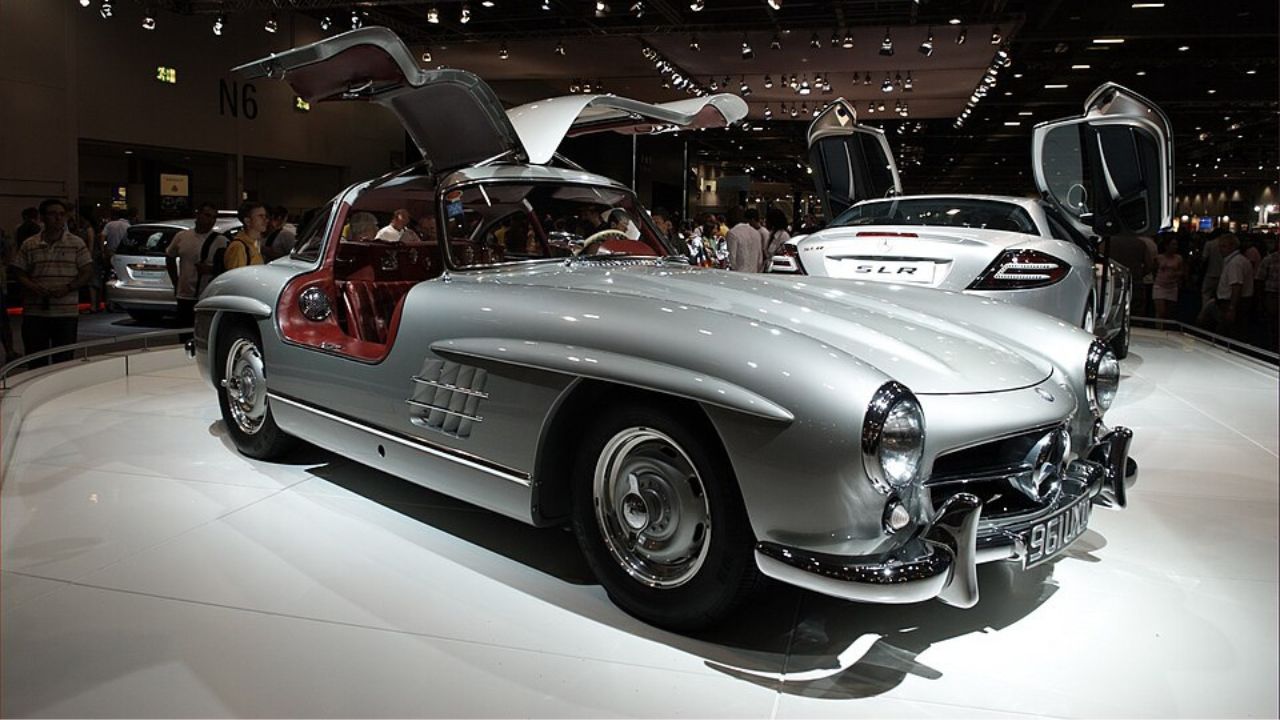
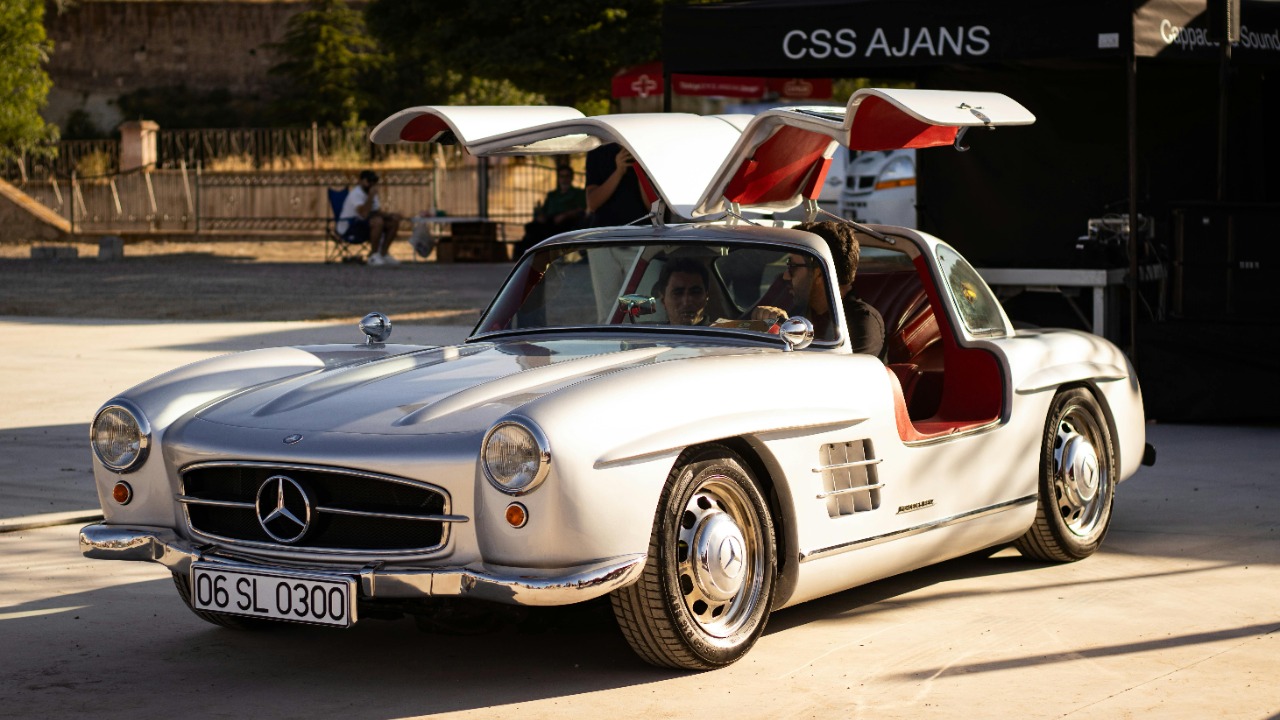
The 1952 Mercedes-Benz 300SL is often celebrated for its distinctive gullwing doors and elegant lines. As one of the first production cars to feature fuel injection, it was a technological marvel of its time. The 300SL’s design was not only functional but also visually captivating, combining performance with luxury.
Even decades after its production ended, the 300SL continues to inspire modern luxury sports cars. The fusion of style and engineering excellence makes it a true automotive masterpiece. Its classic design elements can still be seen in contemporary Mercedes models, proving that good design endures through time and innovation.
Mini Cooper

CC BY-SA 4.0
Since its launch in 1959, the Mini Cooper has become an icon of compact car design. Its small footprint, combined with a spacious interior, made it a practical choice for urban driving. The Mini’s charming and quirky styling has captivated car lovers for generations, and its racing pedigree has solidified its place in automotive history.
Modern iterations of the Mini have embraced its classic design while incorporating contemporary features, ensuring its relevance in today’s market. The enduring popularity of the Mini Cooper showcases how effective design can transcend time and trends, making it a beloved choice for driving enthusiasts and everyday commuters alike.
Alfa Romeo Spider
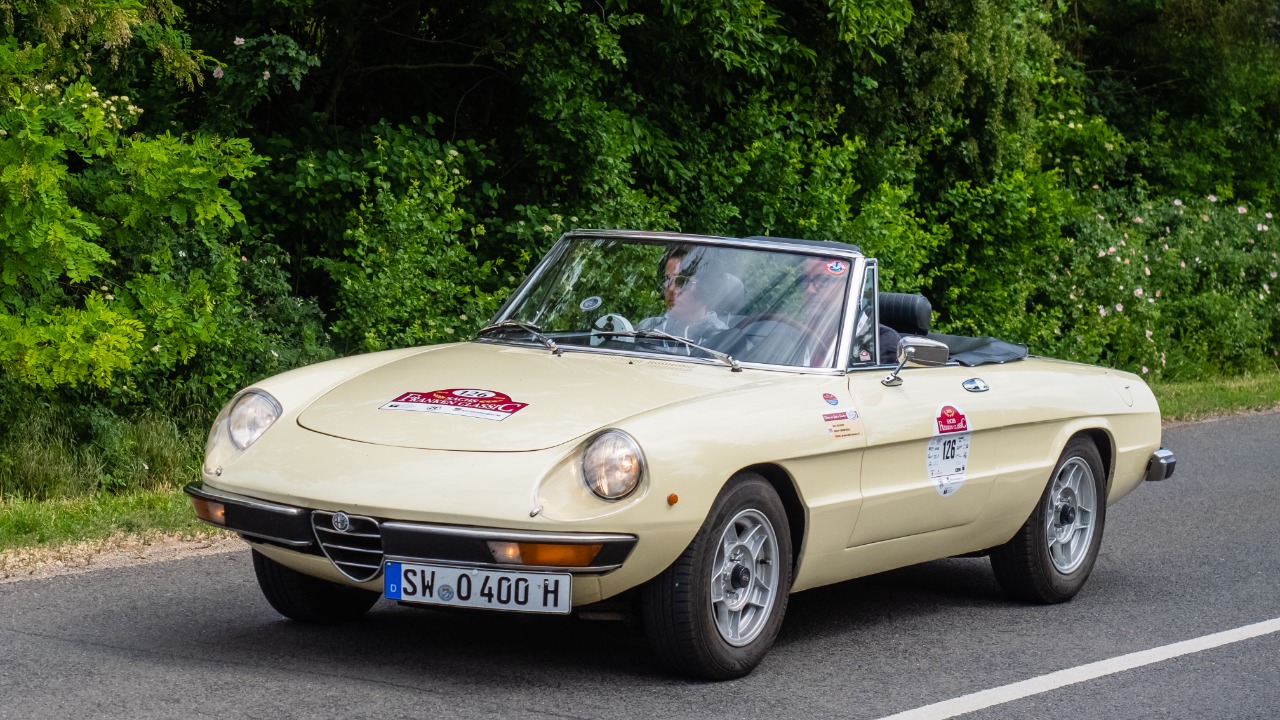
First introduced in 1966, the Alfa Romeo Spider is celebrated for its classic Italian styling and spirited performance. The design, characterized by its long hood and short rear, has remained iconic, making it a favorite among vintage car aficionados. The Spider’s elegant silhouette and open-top driving experience have made it a symbol of freedom on the road.
Throughout its production run, the Spider evolved, yet each new model retained the essence of its predecessor. The combination of beautiful design and engaging driving dynamics has solidified its status as a timeless classic. Today, the Alfa Romeo Spider remains a sought-after vehicle, illustrating the enduring appeal of thoughtful automotive design.
Ferrari 250 GTO
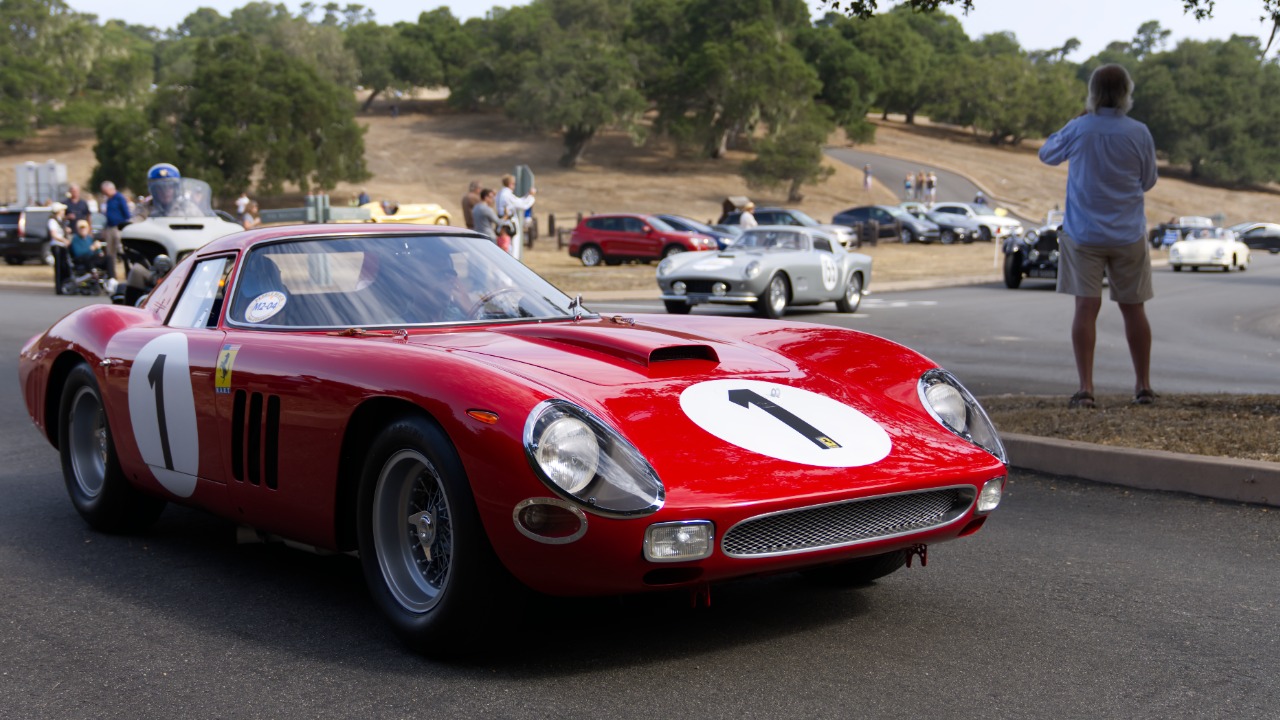
The Ferrari 250 GTO, produced between 1962 and 1964, is considered one of the most beautiful cars ever made. Its aerodynamic shape and elegant lines were ahead of its time, making it a standout in both design and performance. With only 39 units produced, the 250 GTO has become a collector’s dream, fetching prices in excess of $40 million at auctions.
Its racing pedigree, combined with its stunning aesthetics, has cemented the Ferrari 250 GTO’s status as a timeless classic. The 250 GTO continues to inspire modern Ferrari models, proving that true design excellence can resonate through generations, making it one of the most iconic vehicles in automotive history.
More from Fast Lane Only
- Unboxing the WWII Jeep in a Crate
- 15 rare Chevys collectors are quietly buying
- 10 underrated V8s still worth hunting down
- Police notice this before you even roll window down
*Research for this article included AI assistance, with all final content reviewed by human editors.