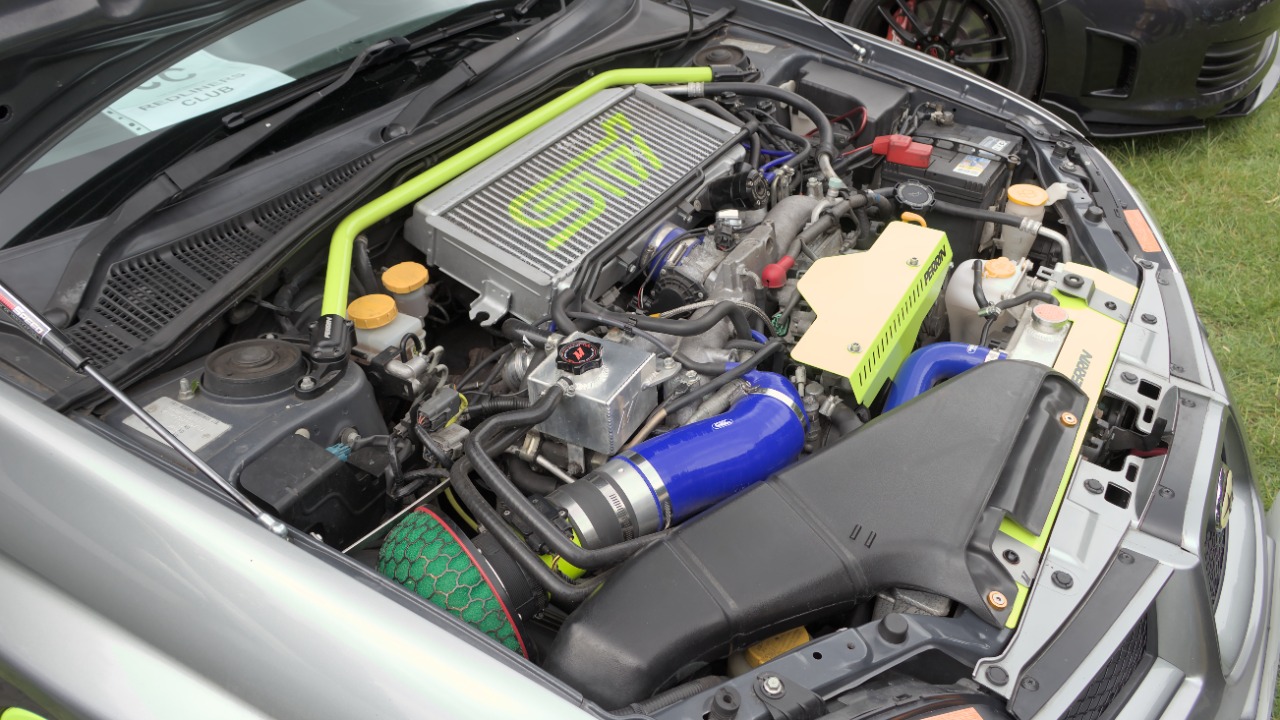
When it comes to automotive engineering, certain car engines have proven their ability to endure tremendous stress while delivering reliable performance. These engines are not just powerful; they are built to last, handling everything from daily commutes to high-performance racing conditions. Here’s a look at nine remarkable engines that have stood the test of time and continue to impress enthusiasts and professionals alike.
Toyota 2JZ-GTE
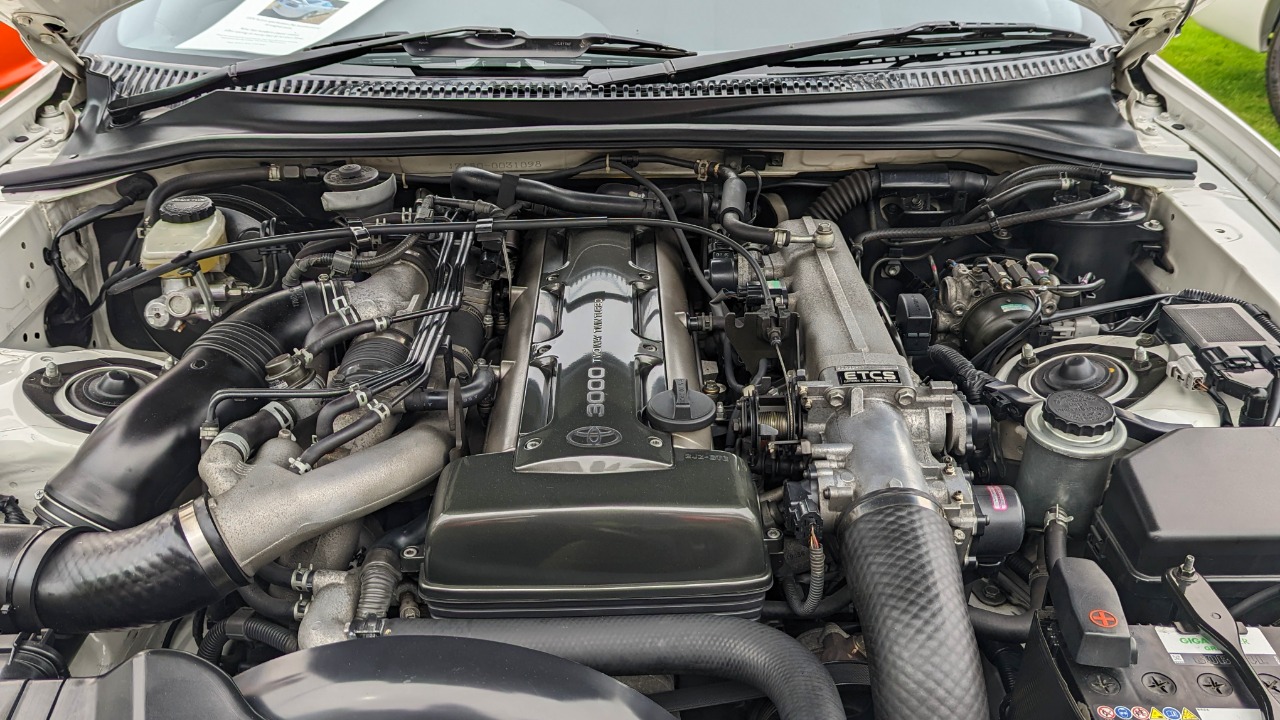
The Toyota 2JZ-GTE is a legendary inline-six engine, widely recognized for its robust construction and incredible tuning potential. Introduced in the 1991 Toyota Supra MK4, this engine quickly became a favorite among tuners and racers. With a cast iron block and a forged steel crankshaft, it is designed to withstand high levels of boost without compromising reliability. Many enthusiasts have reported pushing over 800 horsepower from a stock 2JZ-GTE with just a few modifications. This engine is not only a staple in the performance community but also a testament to Toyota’s engineering prowess. For those looking to understand its reliability further, the discussion on Reddit reveals insights from various owners.
With a factory twin-turbo setup, the 2JZ-GTE delivers exceptional power while maintaining smooth operation. It’s no wonder that it’s often found in drag racing circuits and street racing scenes. The engine’s ability to handle constant stress has made it a benchmark for many performance engines, inspiring countless builds and modifications. Its legacy lives on, proving that the 2JZ-GTE can handle the most demanding situations while still delivering an exhilarating driving experience.
Honda K20
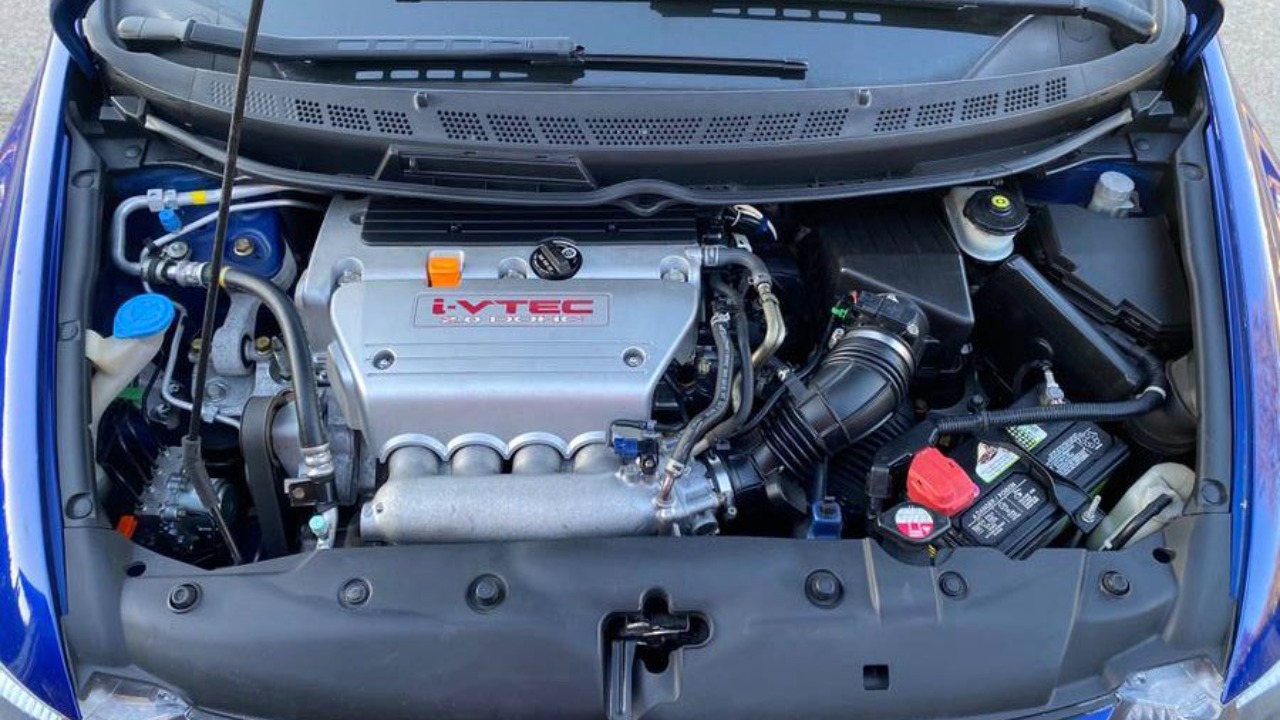
The Honda K20 engine series is a prime example of engineering excellence in the compact car segment. Launched in 2001, it features a lightweight aluminum block and a DOHC design, making it one of the most efficient and reliable engines in Honda’s lineup. Its versatility allows it to be found in various models, including the Civic Si and the Acura RSX. The K20 is known for its high-revving nature, often reaching up to 8,000 RPM, which adds to its sporty character. Many owners appreciate its ability to remain reliable under stress, a fact supported by countless forums discussing the longevity of Honda engines.
What sets the K20 apart is its tuning potential. The engine can easily handle modifications, allowing enthusiasts to extract more power while maintaining reliability. With a strong aftermarket support, many have successfully achieved significant horsepower gains without sacrificing the engine’s longevity. The K20’s reputation for being able to withstand stress while providing an engaging driving experience is well-deserved, making it a favorite among performance enthusiasts and daily drivers alike.
Ford 5.0 Coyote V8
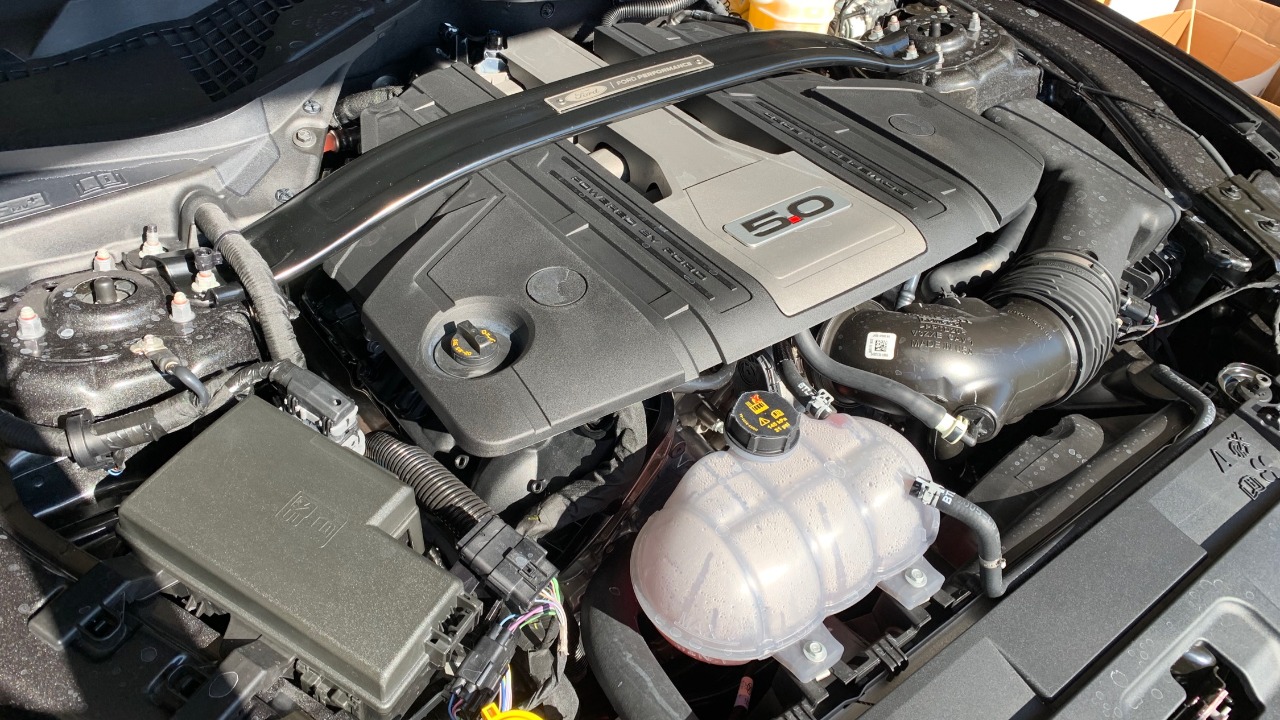
The Ford 5.0 Coyote V8 has become a hallmark of modern American muscle, known for its robust performance and durability. Debuting in the 2011 Ford Mustang, this engine features a lightweight aluminum construction and an advanced DOHC design. Its ability to produce impressive horsepower and torque figures makes it a favorite among performance enthusiasts. It’s not uncommon to see Coyote engines in modified Mustangs pushing over 700 horsepower while still maintaining reliability. Thanks to its solid engineering, the Coyote can handle the rigors of both street and track driving, making it a versatile choice for many.
One of the standout features of the 5.0 Coyote is its advanced technology, including variable valve timing and direct fuel injection. These innovations not only enhance performance but also contribute to fuel efficiency, which is essential for daily driving. The engine’s strong bottom end allows it to withstand high-stress applications, making it a popular choice for both street builds and competitive racing. With the support of a thriving aftermarket community, Ford’s Coyote V8 continues to be a reliable powerhouse that meets the demands of modern performance.
Chevrolet LS V8
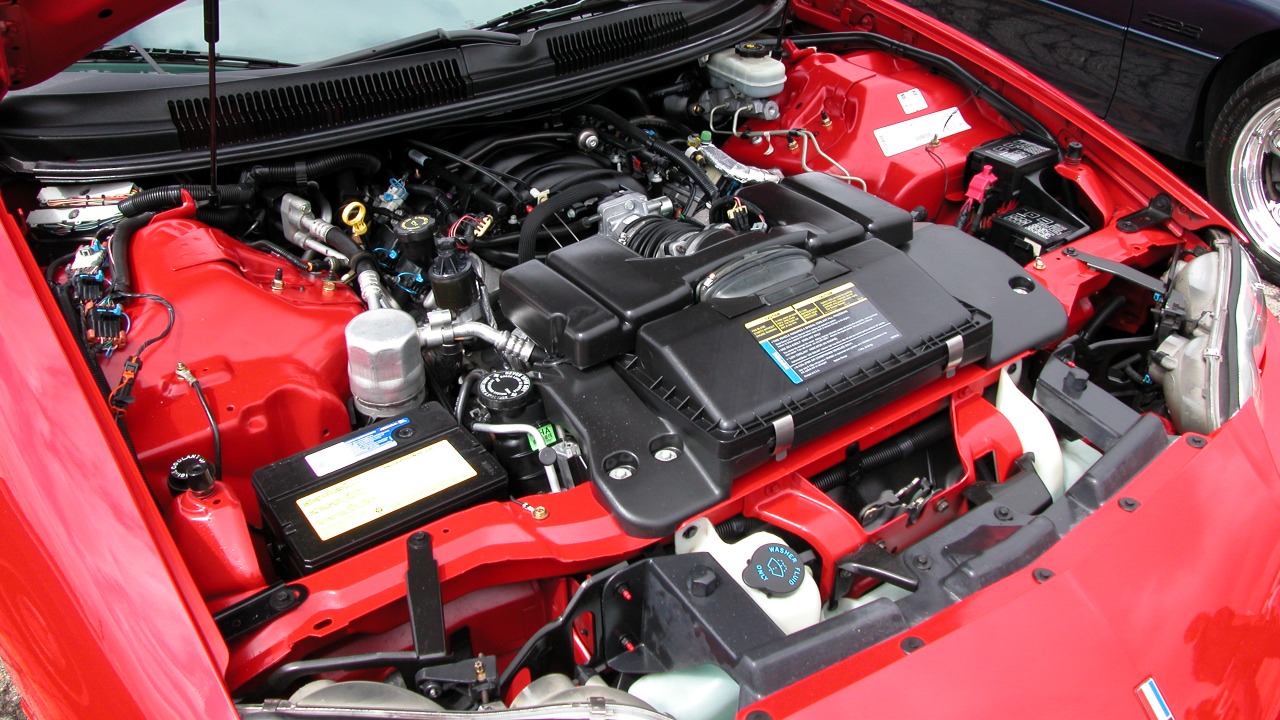
The Chevrolet LS V8 engine is often hailed as one of the most versatile and reliable engines in automotive history. Introduced in the late 1990s, the LS series has powered everything from sports cars to trucks, showcasing its adaptability. Its robust design features an aluminum block for weight savings and iron for strength, allowing it to handle high horsepower and torque outputs. Enthusiasts often turn to the LS platform for custom builds, as it’s known to easily exceed 600 horsepower with minimal modifications. This reliability under stress is a significant reason for its popularity in the racing community.
What truly sets the LS V8 apart is its extensive aftermarket support, providing a plethora of performance parts and tuning options. Whether you’re building a street machine or a track-focused racer, the LS platform has proven it can withstand the pressures of high performance without compromising reliability. Notably, many racers have shared their experiences with the LS engines, such as those documented on Facebook, showcasing the engine’s ability to endure repeated stress during races. The LS series continues to be a staple in the automotive world, known for its performance and reliability.
Subaru EJ20/EJ25
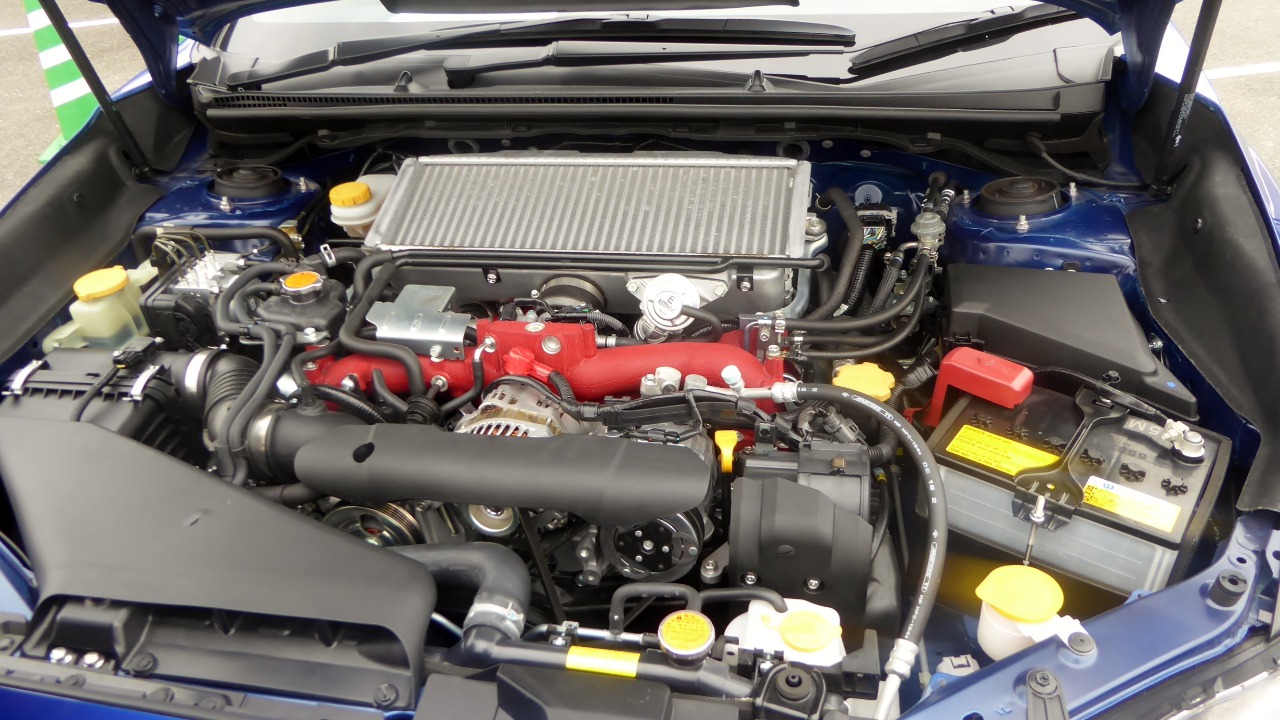
The Subaru EJ20 and EJ25 engines have built a reputation for their durability and performance, particularly in the world of all-wheel-drive vehicles. These flat-four engines are known for their low center of gravity, which enhances vehicle stability and handling. The EJ series has powered notable models like the Subaru Impreza WRX and Forester, making it a favorite among rally enthusiasts. Its unique boxer engine design allows for efficient power delivery and a distinctive sound, contributing to its appeal. Many owners find that these engines can handle high-performance applications without significant reliability concerns, even under constant stress.
Subaru’s turbocharged variants, particularly the EJ20, are renowned for their ability to handle boost while maintaining reliability. The engine’s robust construction includes forged internals, enabling it to withstand the rigors of motorsport. Numerous Subaru owners have reported running their EJ engines well beyond the 200,000-mile mark with proper maintenance, showcasing their longevity. For those interested in exploring the EJ series further, many online communities share tips and experiences. The Subaru EJ20/EJ25 engines are a shining example of how engineering can result in both performance and durability.
Nissan RB26DETT
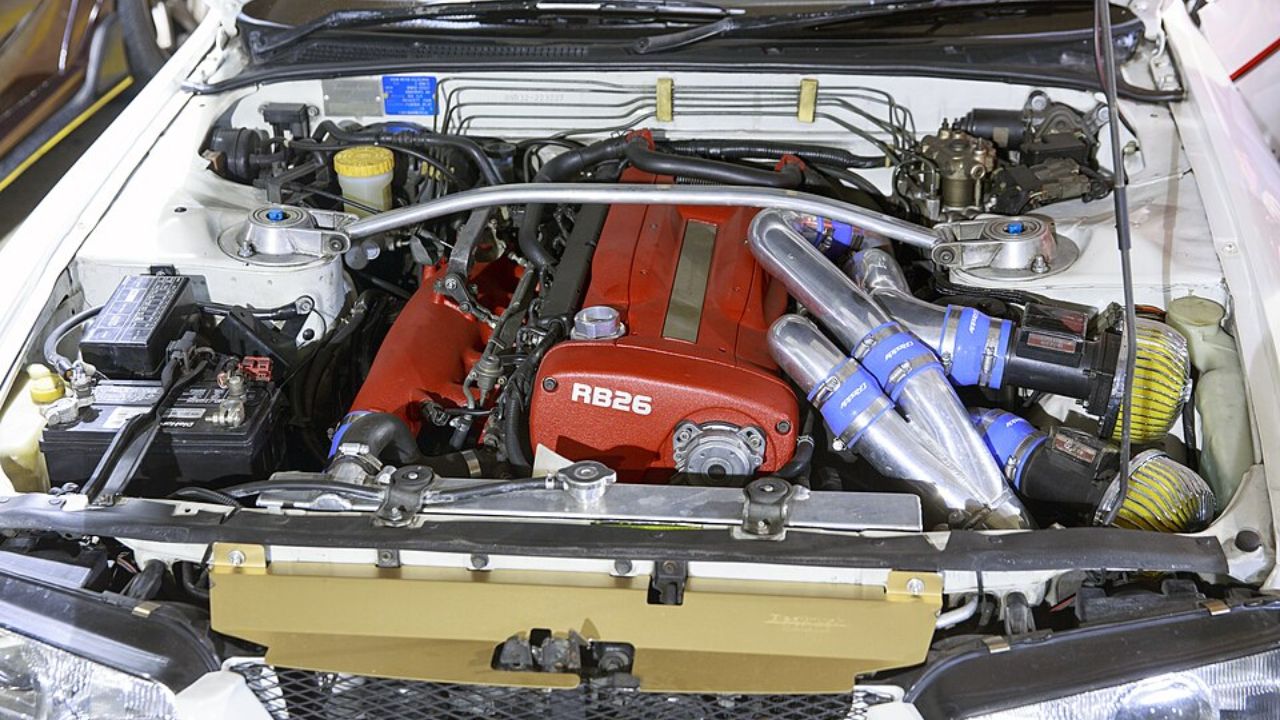
The Nissan RB26DETT engine is a legendary inline-six powerhouse that has garnered a cult following among car enthusiasts and racers. Found in the Nissan Skyline GT-R, this engine is revered for its strength and capability to handle high horsepower levels. The RB26 features a cast iron block and a forged steel crankshaft, providing a solid foundation for tuning. Many enthusiasts have successfully pushed the RB26DETT to over 1,000 horsepower, showcasing its resilience under extreme conditions. Its reputation for reliability is well-documented in motorsport, as the engine has been a dominant force in various racing series.
One of the key features of the RB26DETT is its twin-turbo setup, which allows for quick power delivery and impressive acceleration. Beyond just raw power, the engine’s design minimizes stress on components, enhancing longevity even when pushed to their limits. The extensive aftermarket support ensures that modifications can be made while maintaining reliability. For those looking to delve deeper into the RB series, numerous forums and discussions online highlight the engine’s capabilities and owner experiences. The RB26DETT remains a testament to Nissan’s engineering excellence, standing strong in the face of constant stress.
BMW M54
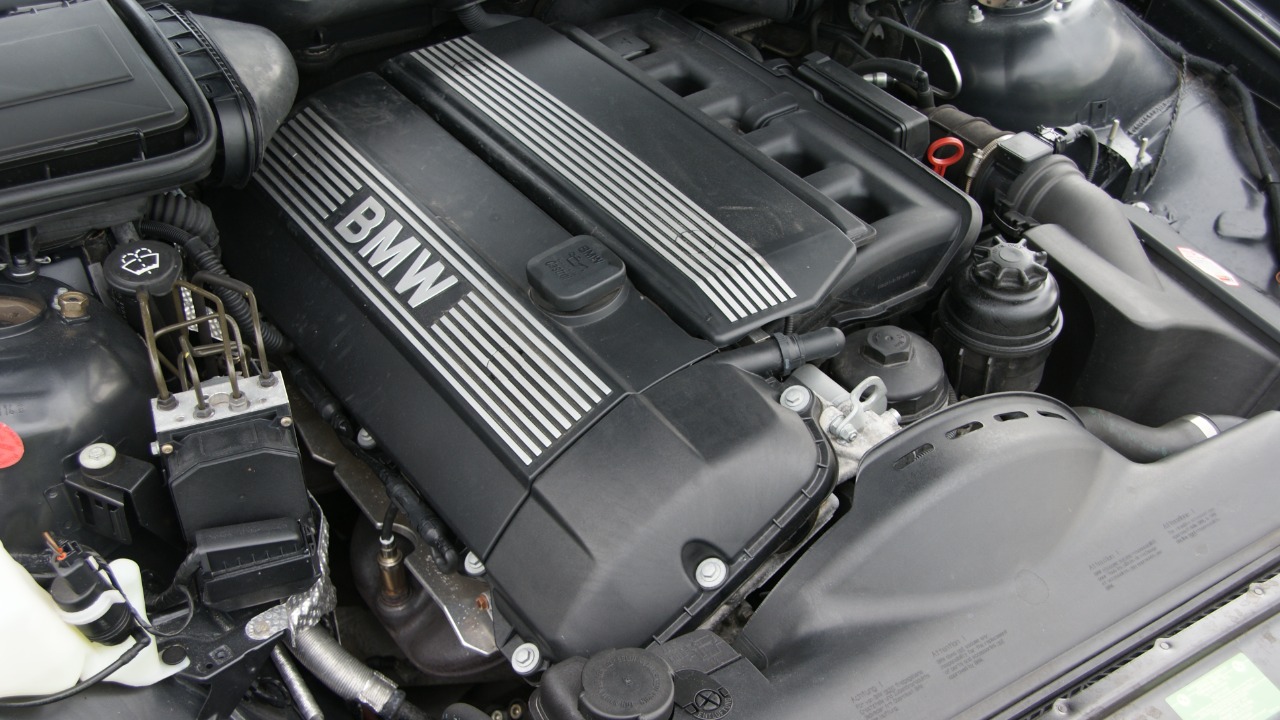
The BMW M54 engine is an inline-six engine that has gained a reputation for its balance of performance and reliability. Introduced in the early 2000s, it powered models like the BMW 3 Series and Z4. The M54 is known for its smooth operation and strong torque delivery, making it a favorite among BMW enthusiasts. Its robust design features an aluminum block and a forged steel crankshaft, enabling it to handle daily driving as well as spirited driving. Many owners appreciate the M54 for its longevity, with many engines reaching over 200,000 miles with proper maintenance.
One of the standout features of the M54 is its ability to be easily modified for increased performance. With a variety of aftermarket options available, many enthusiasts have successfully boosted power while retaining reliability. The engine is celebrated not only for its performance but also for its ability to endure high-stress situations, whether on the track or during spirited drives. For those interested in learning more about the M54’s capabilities, there are numerous online communities sharing tips and experiences. The BMW M54 continues to be a respected engine, known for its engineering excellence and enduring performance.
Mercedes-Benz OM617
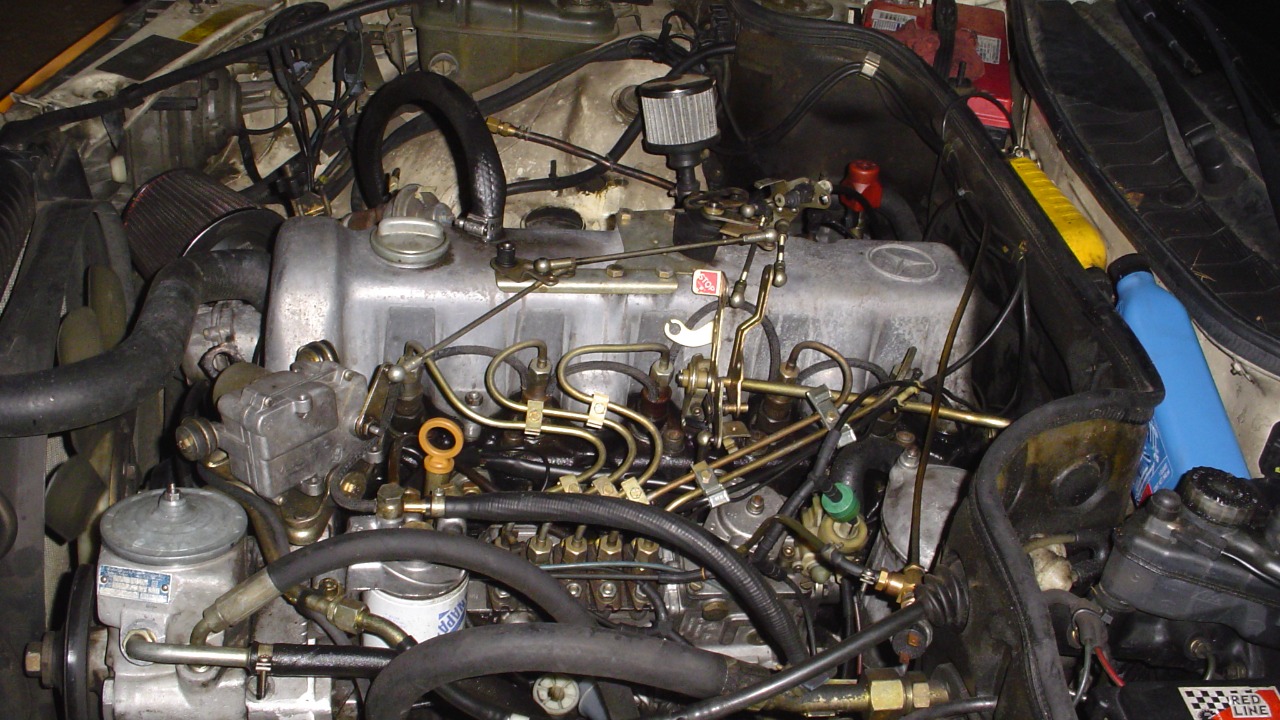
The Mercedes-Benz OM617 engine is a robust inline-five diesel engine that has stood the test of time, known for its reliability and longevity. Produced from the mid-1970s to the early 1990s, this engine powered models like the Mercedes-Benz W123 and W126. The OM617 is renowned for its ability to handle high mileage, with many owners reporting their engines exceeding 500,000 miles without major issues. Its solid construction, featuring a cast iron block and forged steel components, makes it ideal for both everyday driving and long-distance journeys.
One of the defining characteristics of the OM617 is its simplicity and ease of maintenance, which has endeared it to both enthusiasts and everyday drivers. Diesel engines are known for their durability, and the OM617 is no exception, often praised for its ability to endure constant stress. This engine has become a popular choice for conversions and off-grid applications, showcasing its versatility. For those looking to explore more about the OM617, online forums provide a wealth of information on maintenance and modifications. The Mercedes-Benz OM617 remains a testament to German engineering, known for its reliability and longevity.
Volkswagen 1.9 TDI
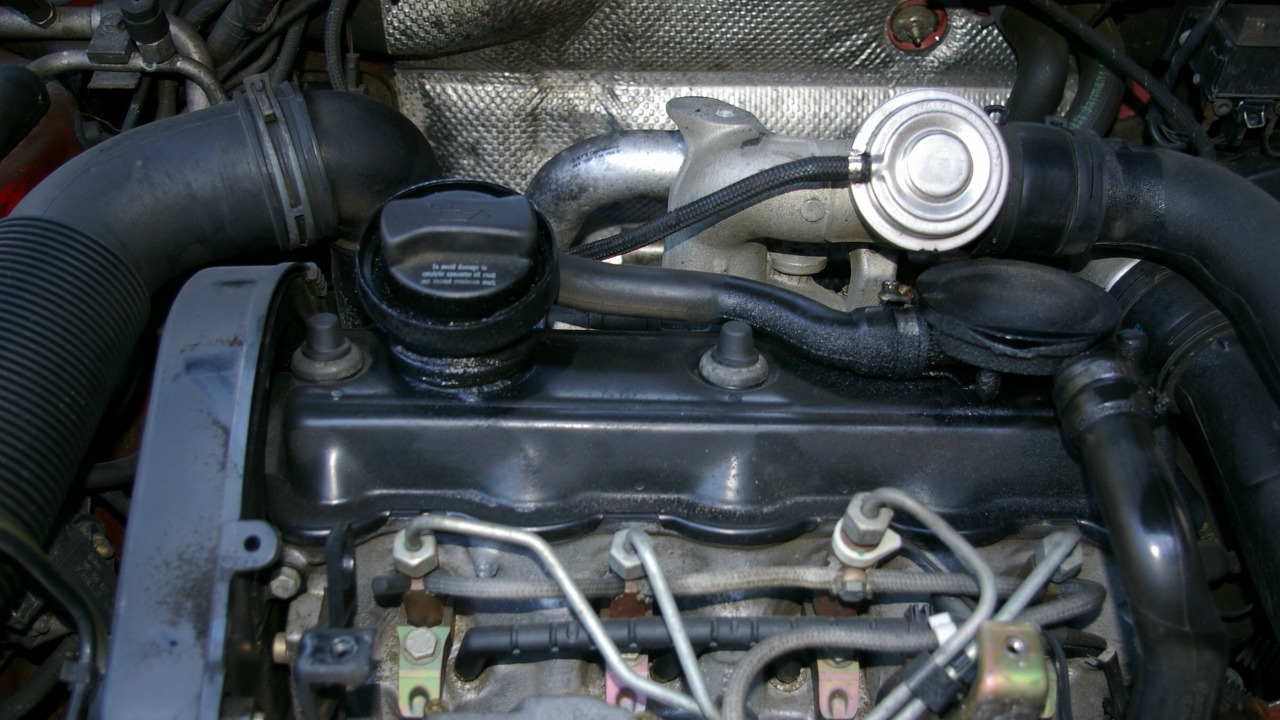
The Volkswagen 1.9 TDI engine has become synonymous with diesel reliability, known for its fuel efficiency and longevity. Introduced in the 1990s, this engine powered various models, including the Golf and Jetta, quickly gaining a reputation for its ability to endure high mileage. The 1.9 TDI is characterized by its simple design, featuring a robust iron block that can withstand high stress levels while delivering impressive torque. Many owners report achieving over 300,000 miles with proper maintenance, making it a popular choice for long-distance drivers.
What sets the 1.9 TDI apart is its adaptability. The engine is known for its tuning potential, allowing enthusiasts to extract more power without sacrificing reliability. Many have successfully modified the engine for increased performance, further solidifying its place among reliable diesel engines. For those interested in learning more about the 1.9 TDI’s capabilities, there are numerous online resources and communities discussing maintenance and upgrades. The Volkswagen 1.9 TDI is a shining example of how a well-engineered diesel engine can deliver performance, efficiency, and longevity under constant stress.
More from Fast Lane Only
- Unboxing the WWII Jeep in a Crate
- 15 rare Chevys collectors are quietly buying
- 10 underrated V8s still worth hunting down
- Police notice this before you even roll window down
*Research for this article included AI assistance, with all final content reviewed by human editors.