Performance cars have a way of capturing our imaginations, often becoming legends in their own right. However, some incredible models have faded into the background, overshadowed by newer machines or simply forgotten by the passage of time. Here are nine forgotten performance cars that truly deserve another look, showcasing unique engineering and exhilarating driving experiences that continue to resonate with enthusiasts today.
Mazda RX-7 (FC3S)
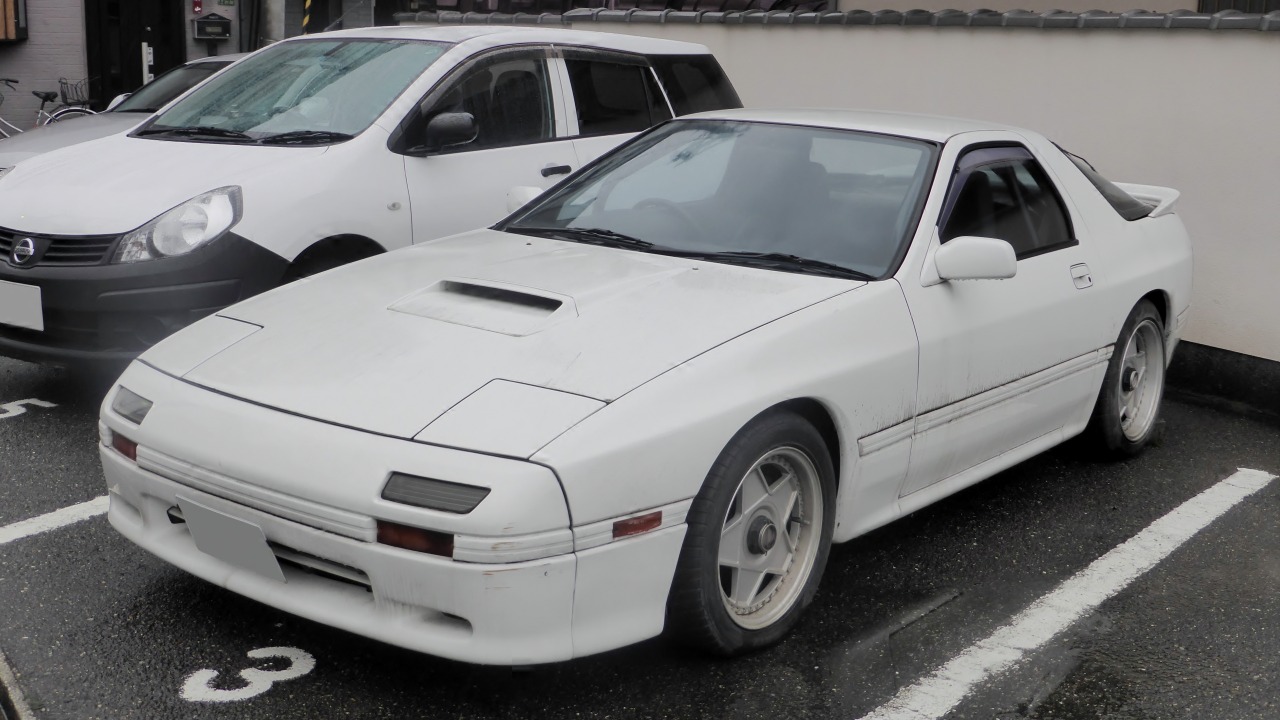
The Mazda RX-7 FC3S, produced between 1986 and 1992, is a prime example of rotary engine performance. With its lightweight chassis and balanced handling, the RX-7 offers a driving experience that is hard to match. The 1.3-liter twin-rotor engine produces up to 255 horsepower in the later Turbo II models, allowing for nimble acceleration and an exhilarating top speed of about 150 mph.
Even today, the RX-7 remains a favorite among car enthusiasts and tuners alike, often featured in popular culture and racing games. The unique rotary engine gives it a distinct character, appealing to those looking for something different. If you’re curious about the RX-7’s legacy, you can explore more about its history and impact on the performance car market here.
Ford Sierra RS Cosworth
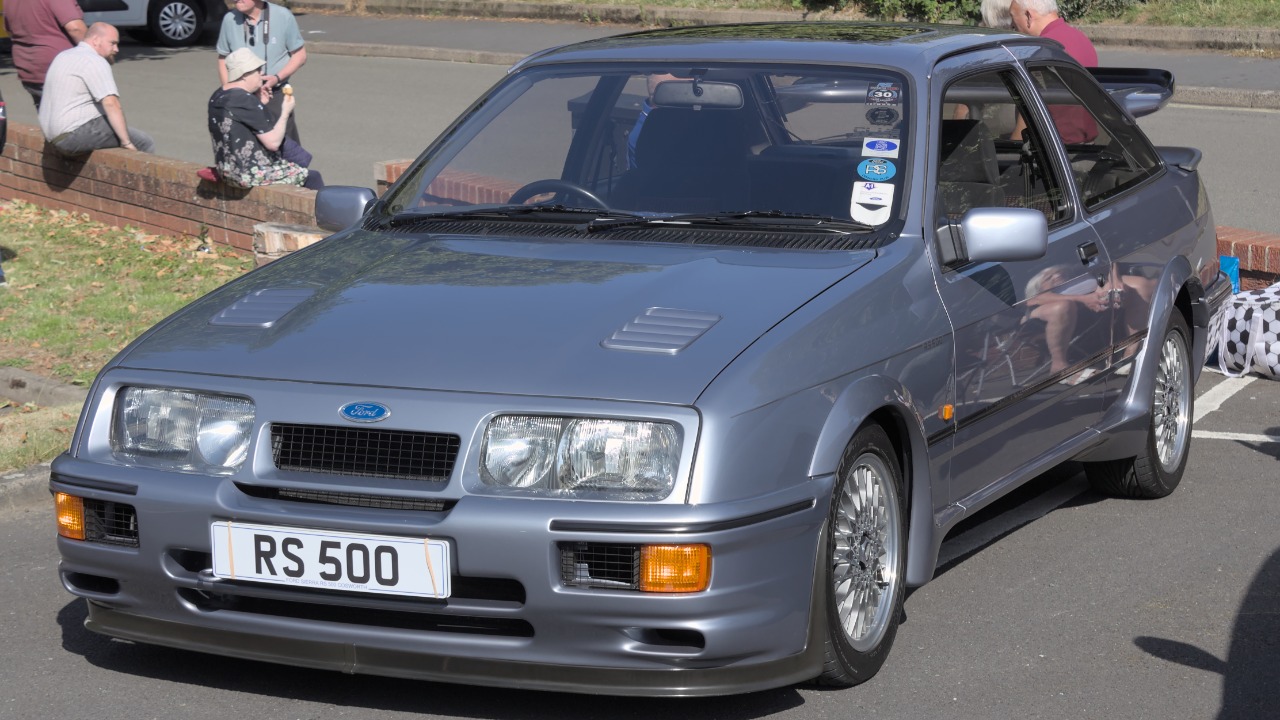
The Ford Sierra RS Cosworth, produced from 1986 to 1992, is a British icon known for its turbocharged performance and rally-inspired design. With a 2.0-liter inline-four engine that produced up to 204 horsepower, the RS Cosworth could sprint from 0 to 60 mph in just 6.2 seconds. Its aerodynamic body and rear spoiler not only gave it a distinctive look but also improved stability at high speeds.
This car was a game-changer in motorsports, dominating Group A racing and solidifying its place in automotive history. The Sierra RS Cosworth’s blend of practicality and performance makes it a worthy candidate for a revival, as its appeal continues to resonate with collectors. For a deeper dive into its significance, check out this interesting article here.
Toyota Celica GT-Four
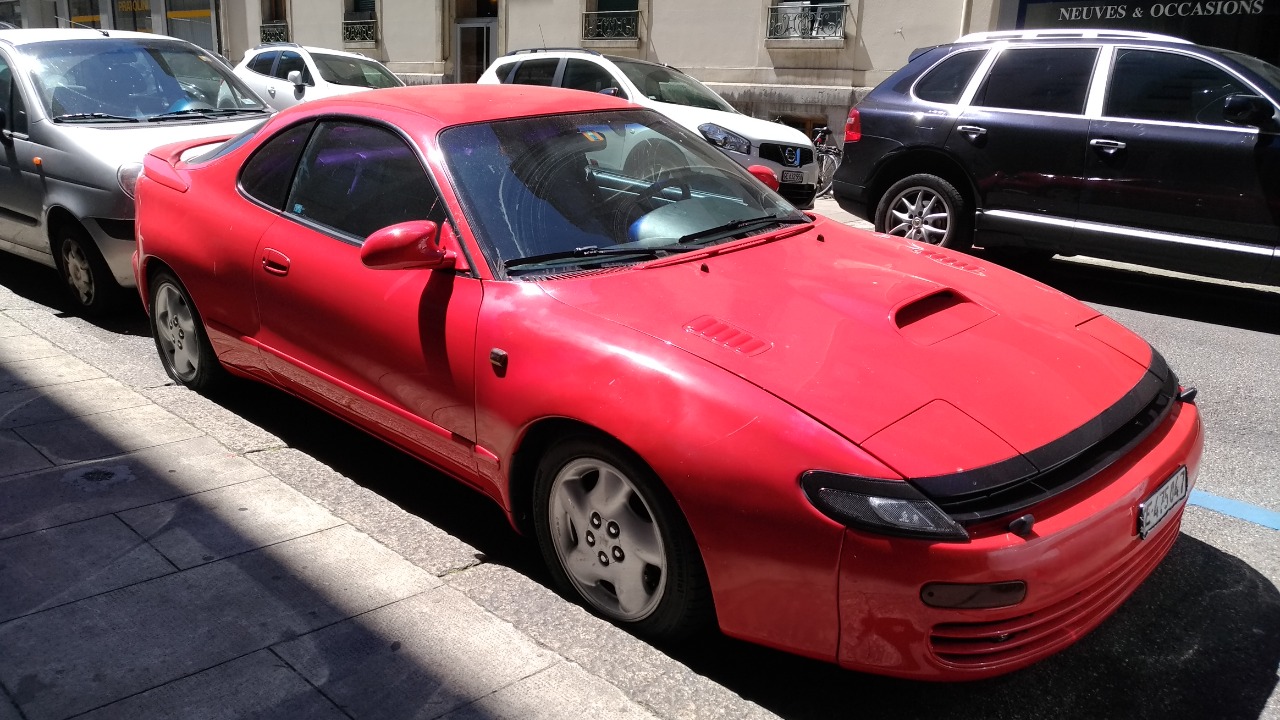
The Toyota Celica GT-Four, particularly the ST185 model produced from 1989 to 1993, was a powerhouse in the world of rally racing. With its all-wheel-drive system and a turbocharged 2.0-liter inline-four engine producing around 200 horsepower, it was built for performance and agility. The Celica GT-Four’s combination of everyday usability and thrilling driving dynamics made it a unique offering in its class.
Fans of the group B rally scene still celebrate the GT-Four’s legacy, marking it as a pioneer of the rally-inspired performance cars that followed. Its robust construction and impressive handling capabilities make it a compelling choice for driving enthusiasts. If you want to reminisce about its rally history, learn more about the Celica GT-Four here.
Mitsubishi 3000GT VR-4
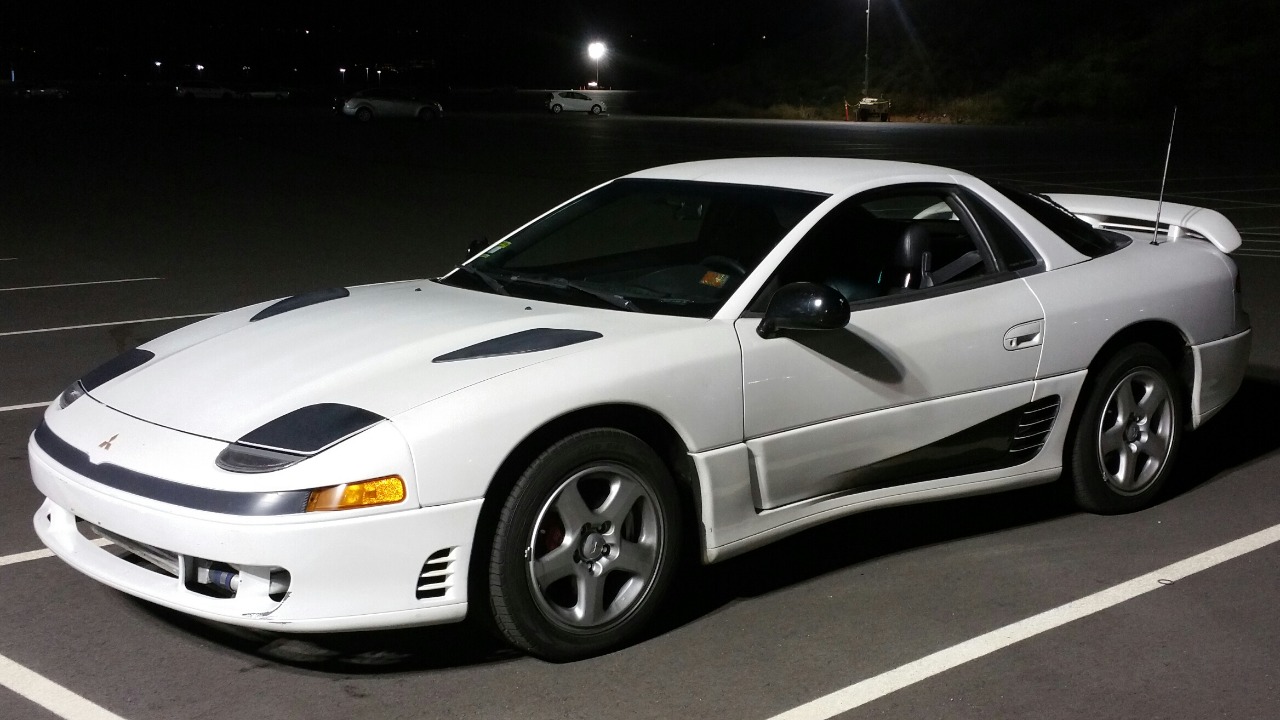
The Mitsubishi 3000GT VR-4, produced from 1990 to 1999, was a technological marvel of its time. Equipped with a twin-turbocharged 3.0-liter V6 engine, it boasted up to 320 horsepower, making it one of the most powerful cars of the 1990s. The VR-4 featured advanced technologies like all-wheel drive, active aerodynamics, and an electronically controlled suspension, providing an exhilarating driving experience.
Despite its impressive specs, the 3000GT VR-4 has largely been overshadowed by its competitors, but its unique blend of performance and technology deserves recognition. It remains a favorite among car enthusiasts and tuners who appreciate its potential for modification and performance upgrades. To explore its engineering innovations, check out some insights here.
Nissan 240SX (S13)
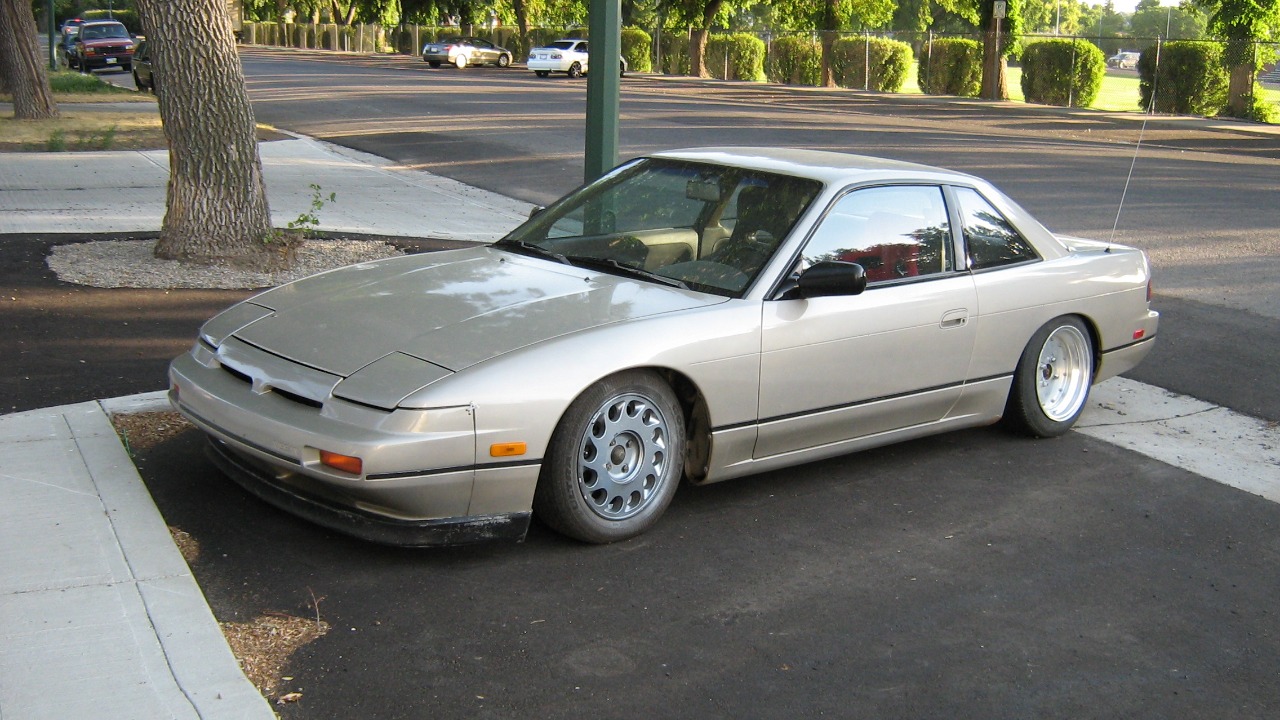
The Nissan 240SX (S13), produced from 1989 to 1994, is a lightweight sports coupe known for its rear-wheel-drive layout and tunability. With a 2.4-liter inline-four engine, it produces around 155 horsepower, making it a favorite among drifting enthusiasts and tuners. The 240SX offers excellent handling characteristics thanks to its balanced weight distribution and responsive steering.
Over the years, the 240SX has developed a strong following, particularly within the drifting community. Its affordability and aftermarket support have made it a popular choice for modifications, allowing drivers to extract even more performance from this classic. If you’re curious about the 240SX’s contributions to motorsports, there’s plenty to discover about its role in the tuning scene.
Honda Prelude (Fourth Generation)
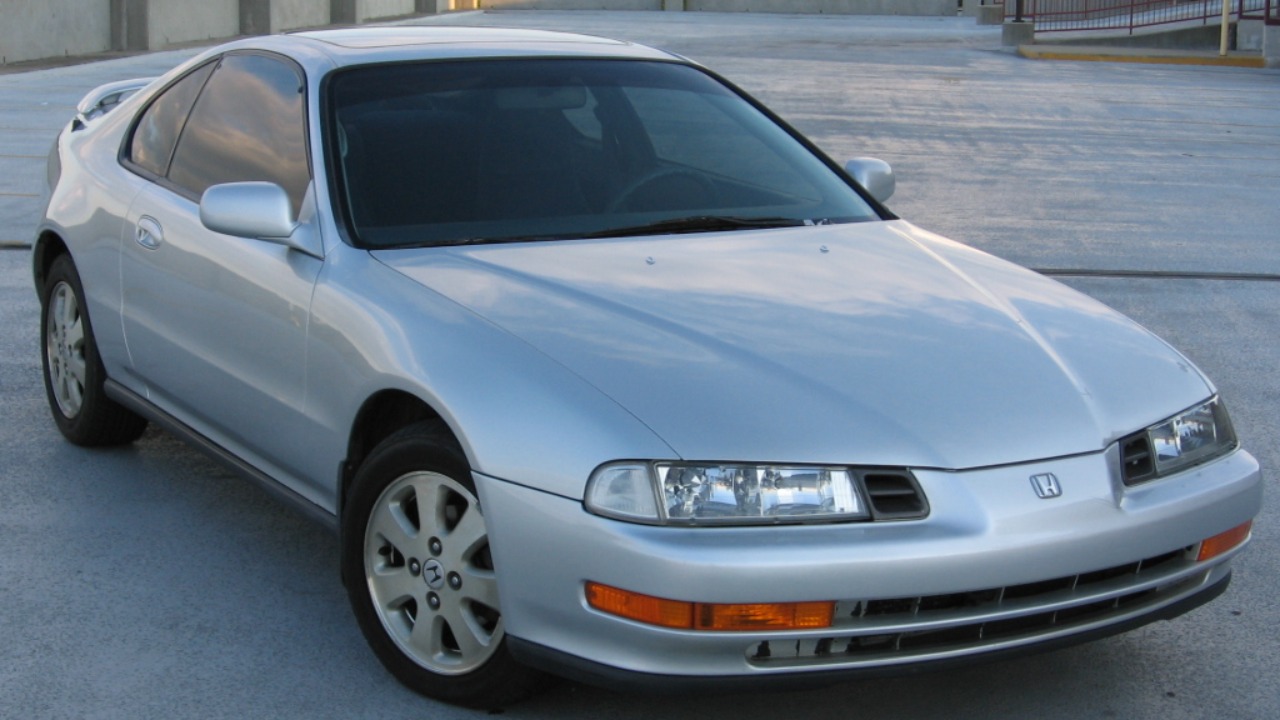
The fourth-generation Honda Prelude, produced between 1992 and 1996, is often overlooked in the realm of performance cars. This model featured a 2.2-liter inline-four engine, which could produce up to 190 horsepower in the VTEC-equipped models. The Prelude was known for its exceptional handling and sporty design, making it a fun and engaging drive.
Honda’s engineering excellence is evident in the Prelude’s lightweight chassis and advanced technology, including four-wheel steering in later models. While it may not boast the same iconic status as other Hondas, the Prelude remains a beloved choice among enthusiasts who appreciate its unique blend of performance and practicality. Discover more about the Honda Prelude’s legacy and why it deserves another look.
Chevrolet Corvette C4
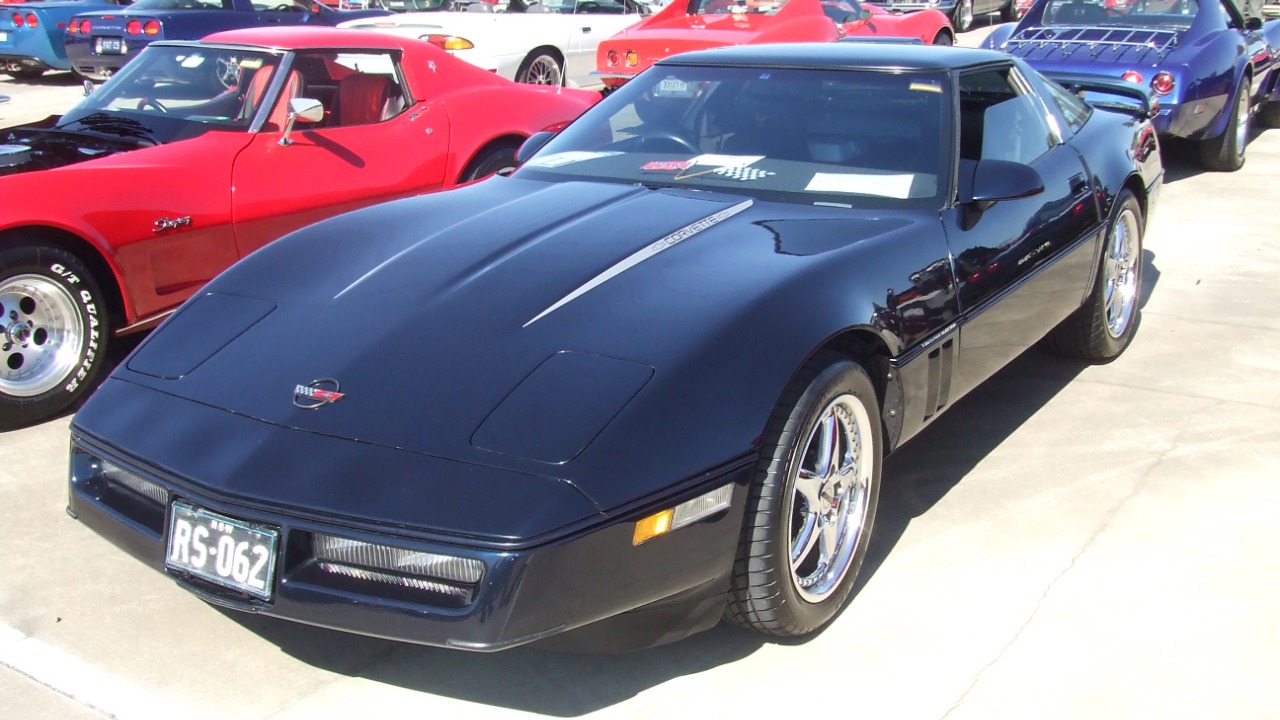
The Chevrolet Corvette C4, produced from 1984 to 1996, is often overshadowed by its more modern successors. However, this iteration of the iconic Corvette offers a compelling blend of performance and style. Equipped with a 5.7-liter V8 engine, it produced between 230 and 300 horsepower, depending on the model year and trim.
The C4 was revolutionary for its time, featuring a new design and advanced technology, such as digital instrumentation and lightweight materials. It was a car that pushed the boundaries of American performance, and its affordability in the used car market makes it an attractive option for enthusiasts today. For a deeper look into the Corvette C4’s impact, you can find interesting insights online.
Subaru SVX
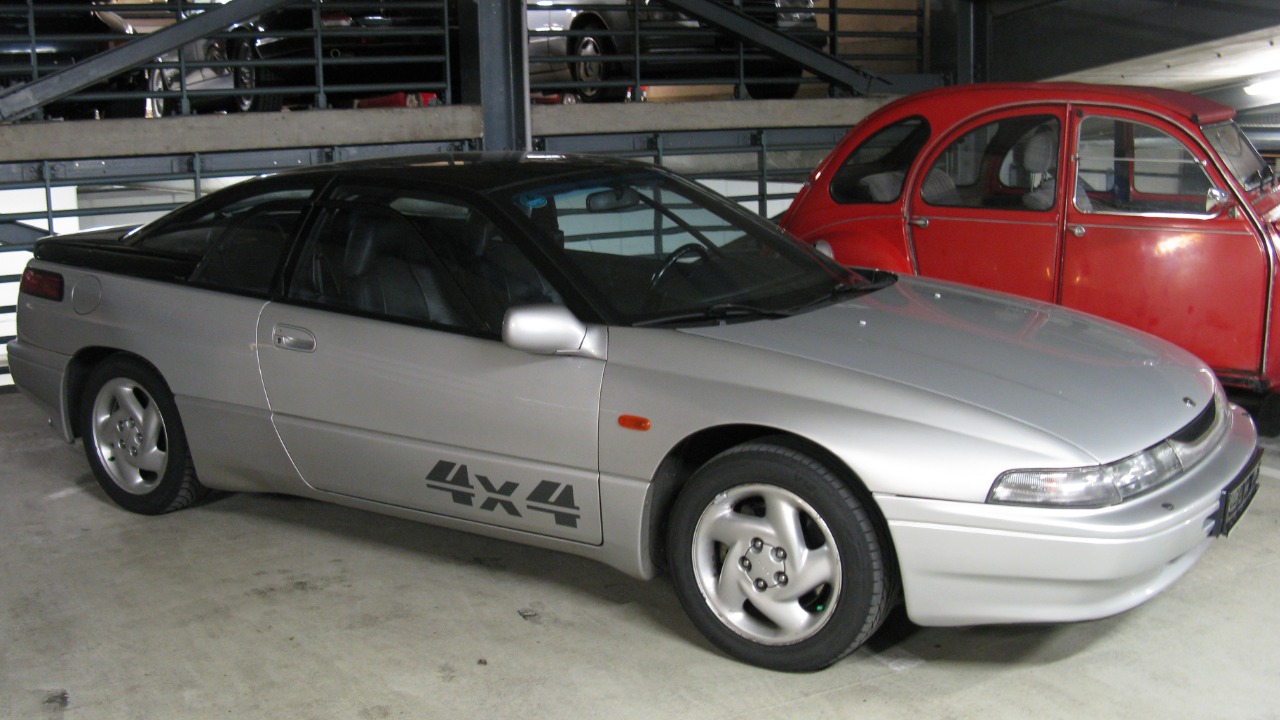
The Subaru SVX, produced from 1991 to 1997, is a unique entry in the world of performance cars. With its striking design and a 3.3-liter flat-six engine producing 230 horsepower, the SVX offered a driving experience that was both smooth and powerful. Subaru’s signature all-wheel-drive system provided excellent traction, making it a great choice for various driving conditions.
Despite its innovative features and sporty design, the SVX never gained the recognition it deserved, often being overlooked by mainstream enthusiasts. Its rarity today makes it a fascinating option for collectors looking for something different. If you’re intrigued by the Subaru SVX, there’s a wealth of information available about its design and engineering.
Pontiac Fiero GT
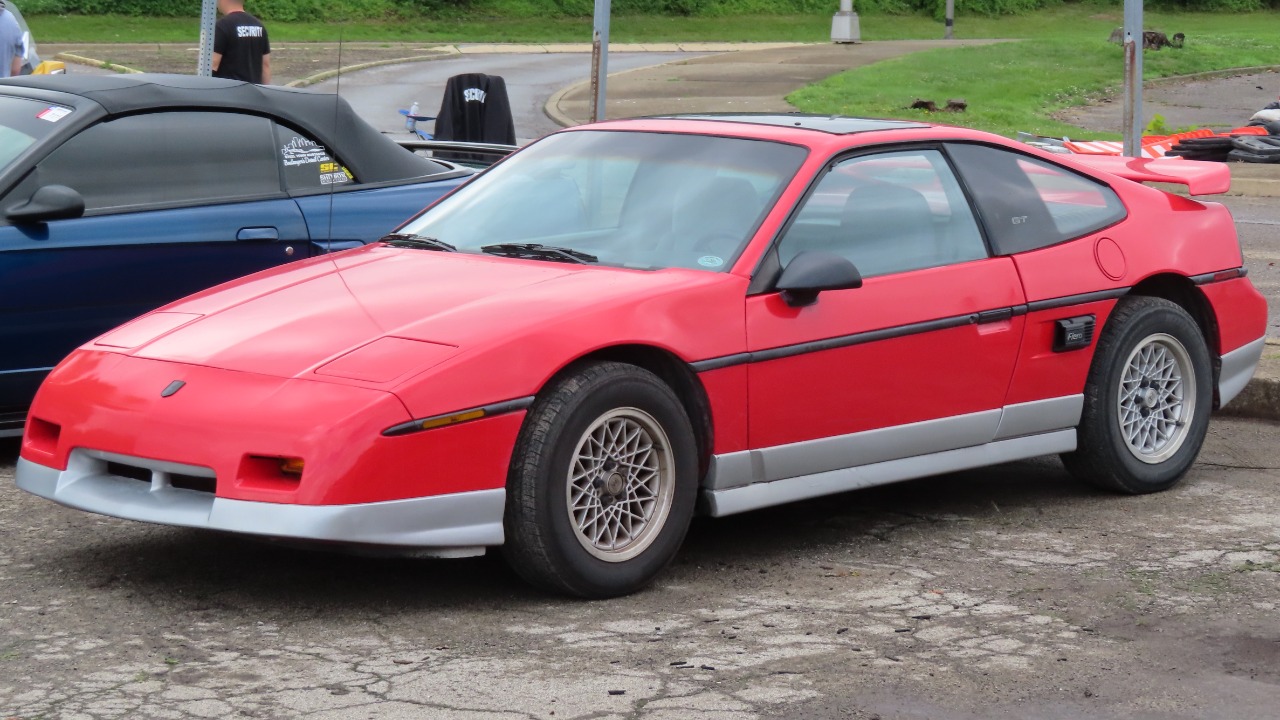
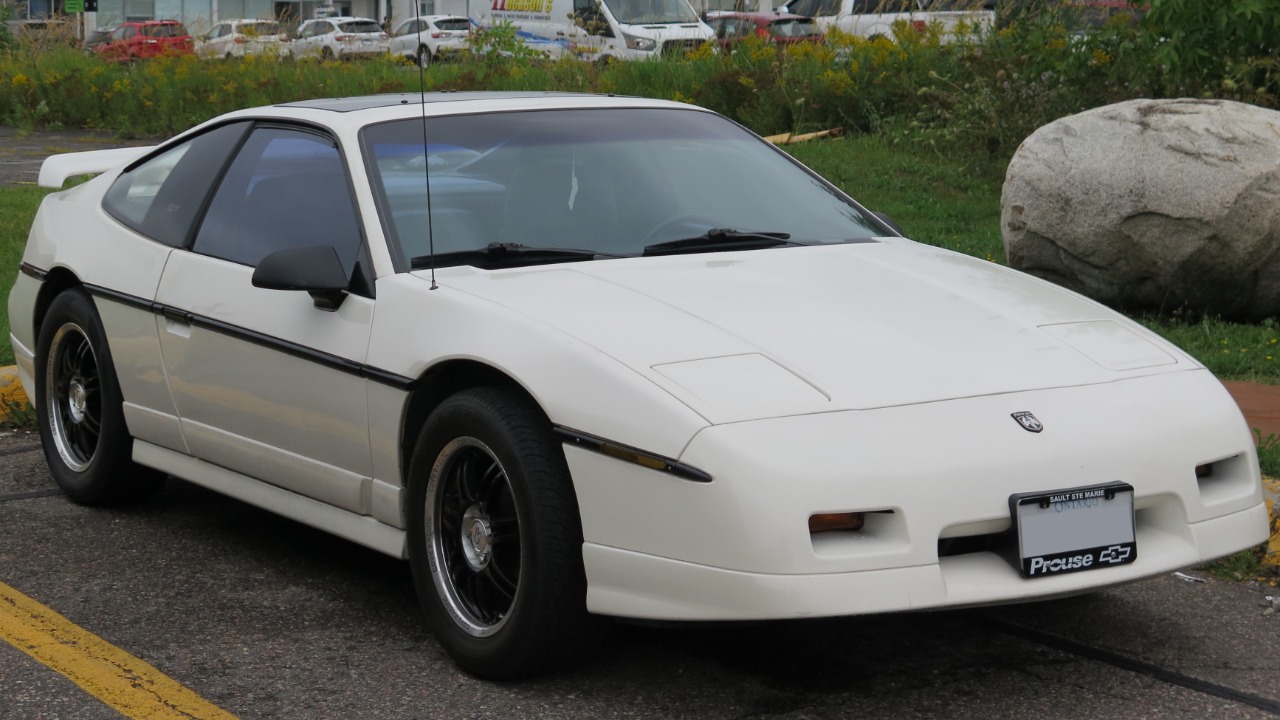
The Pontiac Fiero GT, produced from 1984 to 1988, was one of the first mid-engine sports cars sold in the United States. With a 2.8-liter V6 engine delivering up to 140 horsepower, the Fiero GT offered a unique combination of performance and affordability. Its lightweight construction and agile handling made it a fun car to drive, especially on winding roads.
However, the Fiero GT faced criticism during its production, which has led to its relative obscurity today. Despite this, the model has a dedicated fan base, and many enthusiasts appreciate its innovative design and potential for modification. If you’re curious about the Fiero’s legacy, there is much to learn about its role in American automotive history.
More from Fast Lane Only
- Unboxing the WWII Jeep in a Crate
- 15 rare Chevys collectors are quietly buying
- 10 underrated V8s still worth hunting down
- Police notice this before you even roll window down
*Research for this article included AI assistance, with all final content reviewed by human editors.