Many legendary automobiles became successful by challenging accepted ideas rather than following them. Through unconventional engineering, bold styling, or innovative design, these cars proved there was more than one path to greatness. Their willingness to break tradition helped them stand apart and left a lasting influence on automotive history.
Citroën DS
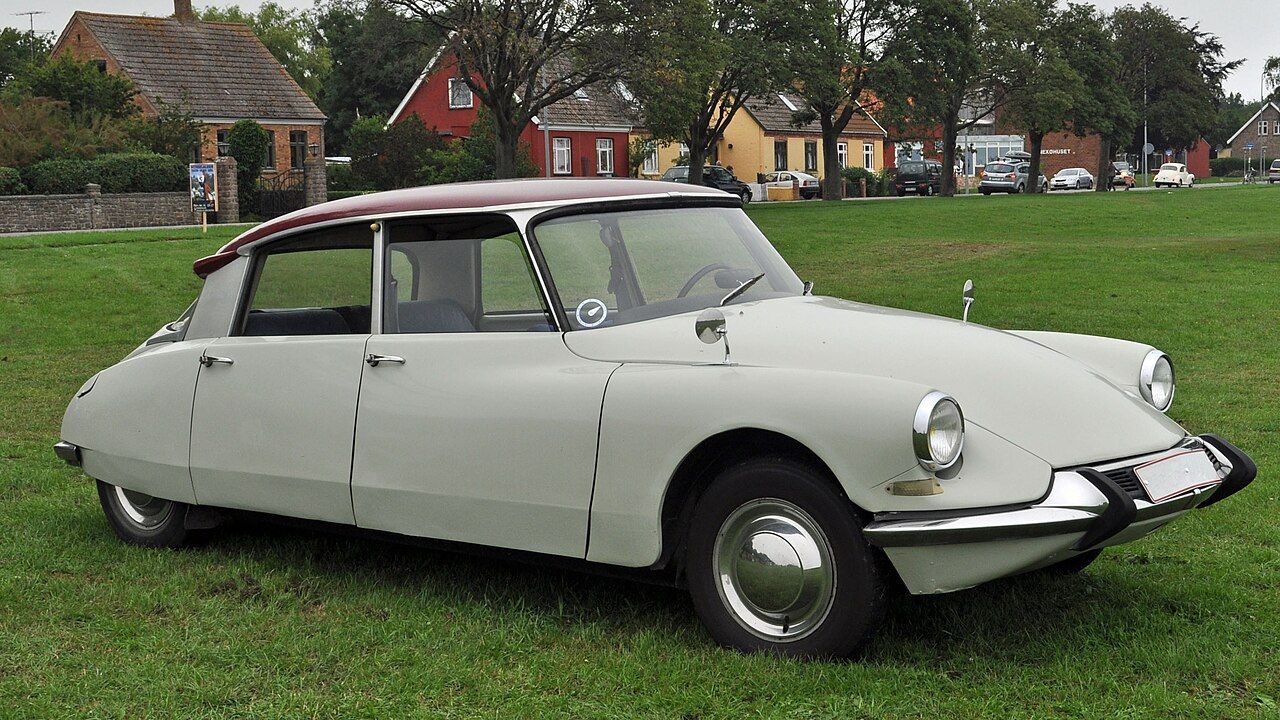
The Citroën DS stunned the automotive world with hydropneumatic suspension, aerodynamic styling, and advanced engineering that seemed decades ahead of its time. Rather than following conventional European design, it introduced groundbreaking ideas that transformed ride comfort and vehicle technology. The DS remains one of history’s most innovative automobiles.
Chevrolet Corvair
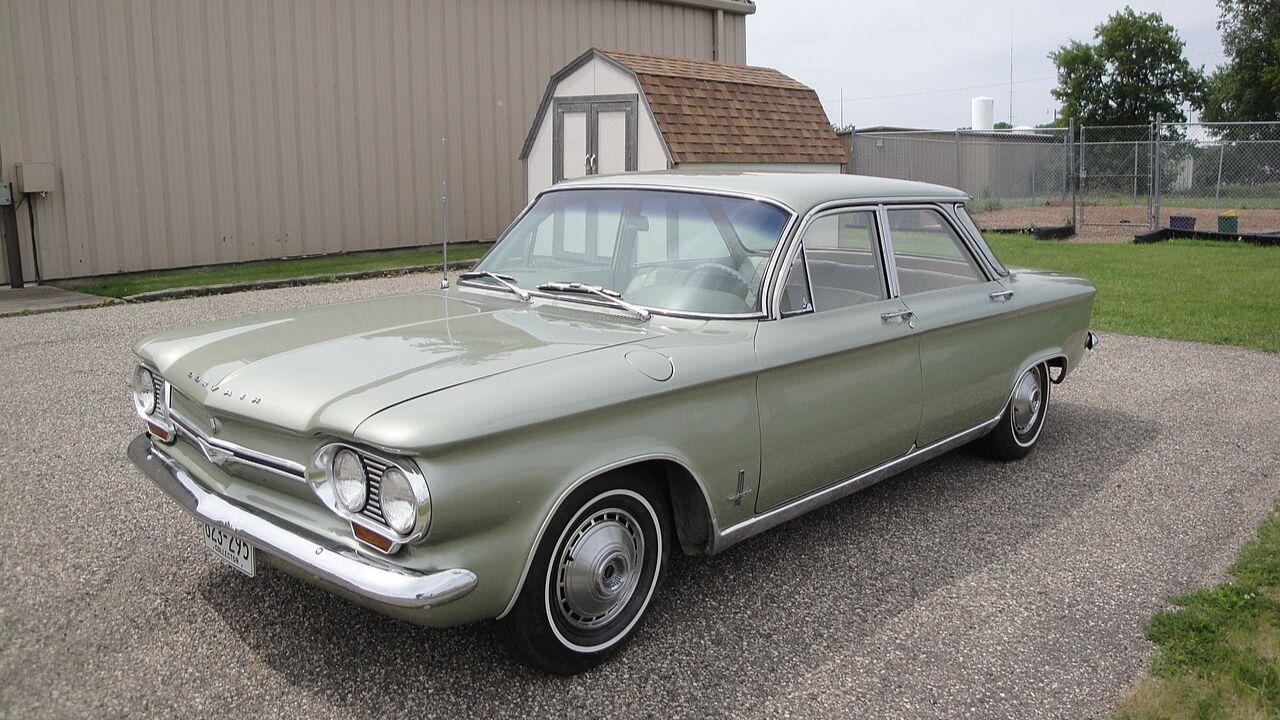
The Chevrolet Corvair rejected traditional Detroit engineering with its rear-mounted air-cooled flat-six engine and independent suspension. While most American manufacturers favored large front-engine layouts, Chevrolet pursued a completely different direction. Its unique approach secured the Corvair a lasting place in automotive history.
Mini Cooper
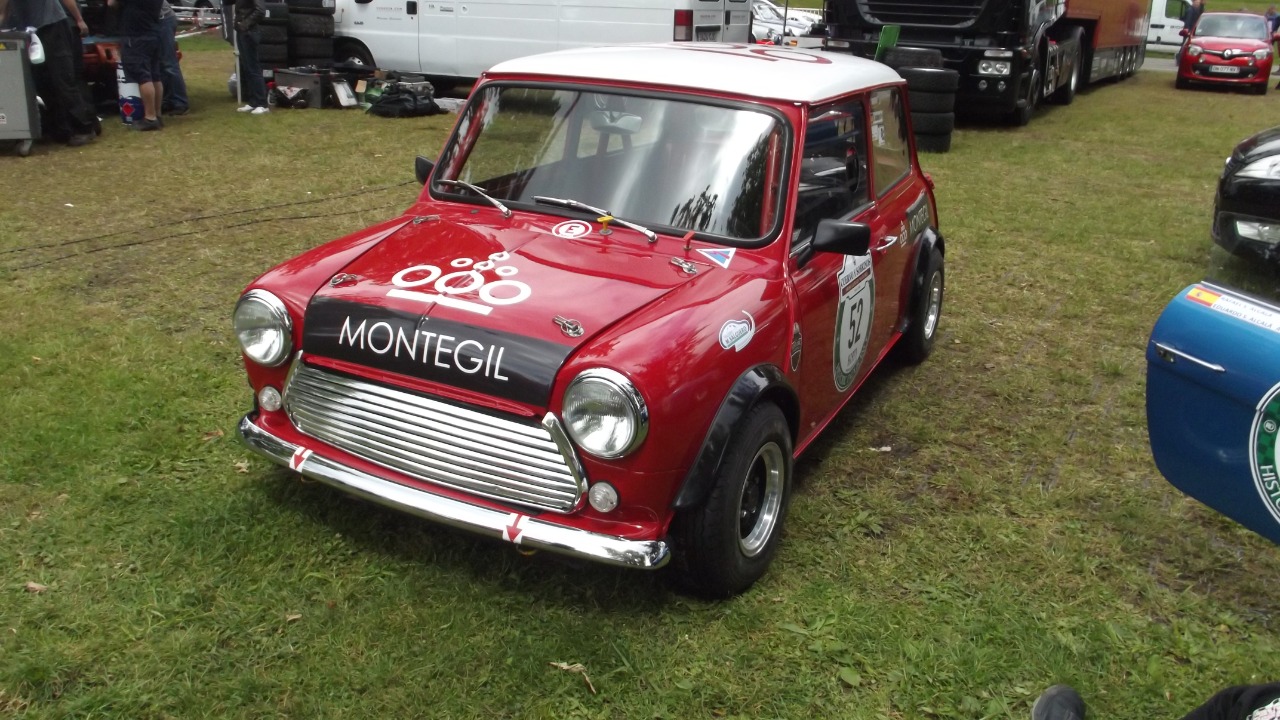
The original Mini Cooper revolutionized small-car design through its transverse engine and front-wheel-drive layout, maximizing interior space within remarkably compact dimensions. Its lightweight construction and agile handling made it both practical and entertaining. Countless modern compact cars continue following the formula it introduced.
Porsche 911

The Porsche 911 retained its rear-engine layout despite industry trends favoring front- or mid-engine designs. Continuous refinement transformed what many considered a compromise into one of the world’s greatest sports car platforms. Its unmistakable character became central to Porsche’s enduring success.
Tucker 48
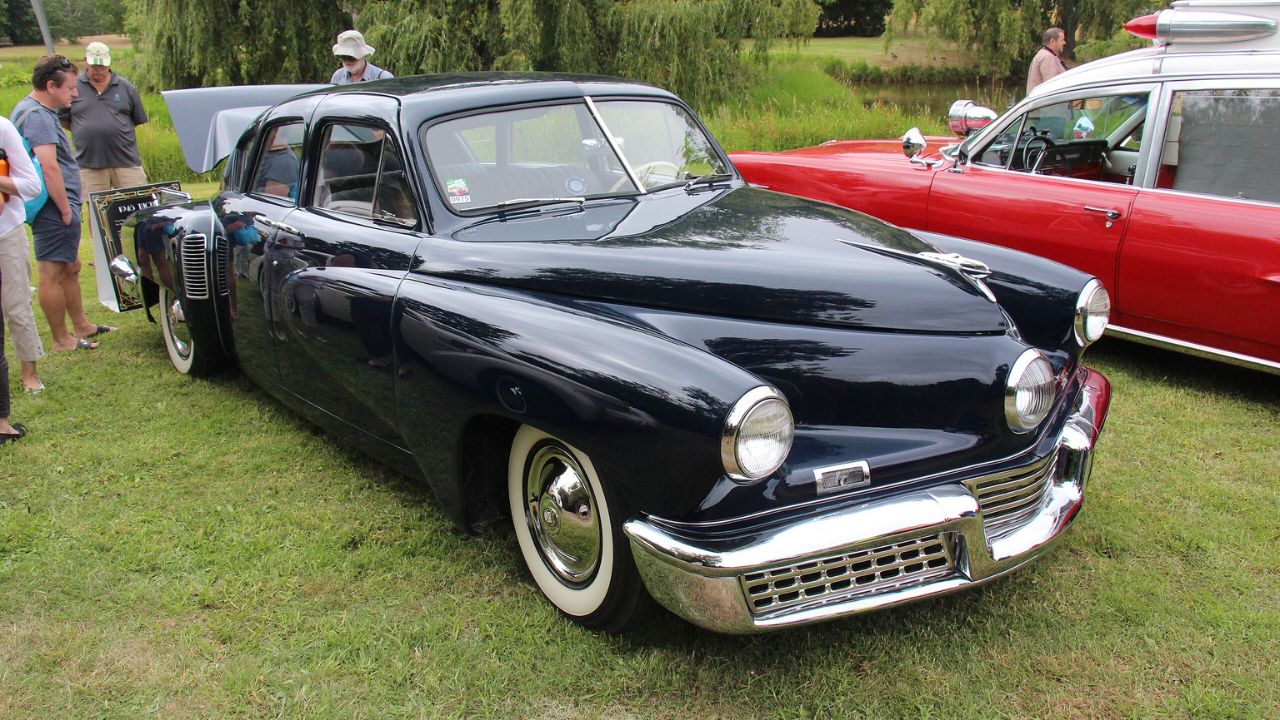
The Tucker 48 introduced advanced safety features and bold engineering innovations rarely seen in postwar American automobiles. Although production remained extremely limited, its reinforced passenger compartment, center headlight, and other ideas anticipated technologies that became common many years later.
AMC Eagle
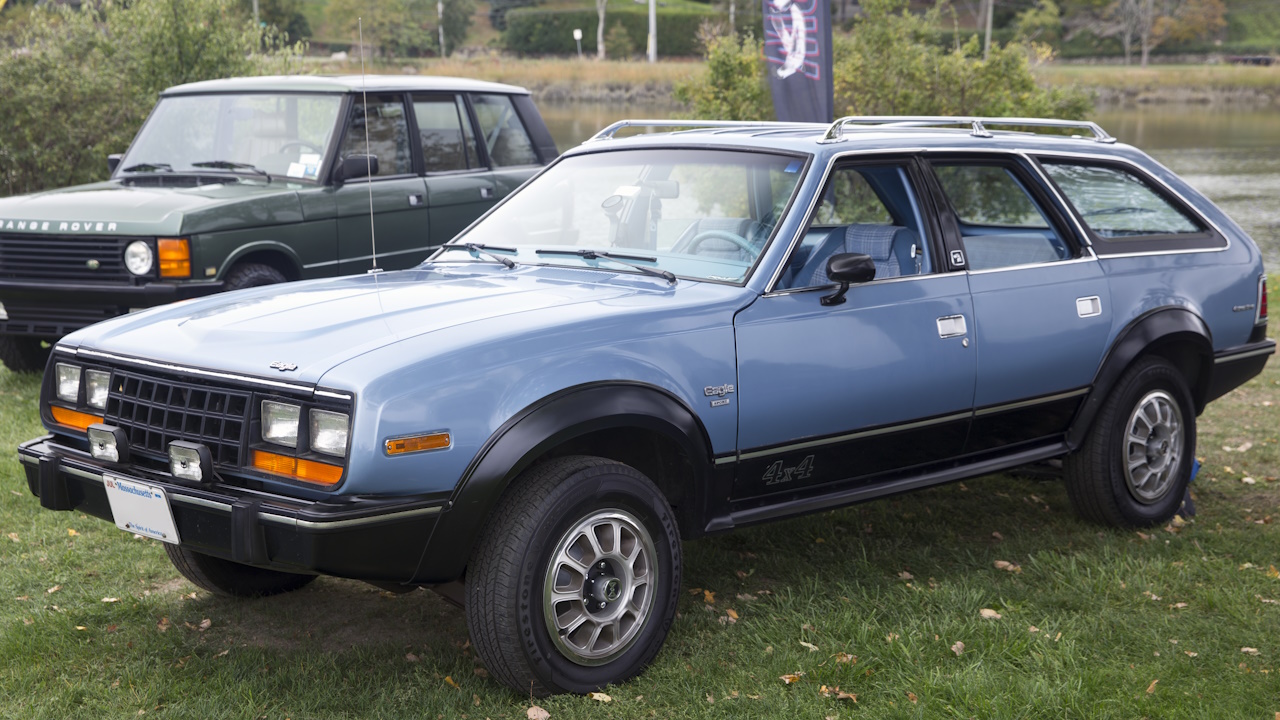
The AMC Eagle successfully blended passenger-car comfort with full-time four-wheel drive decades before crossover SUVs dominated the market. Buyers initially viewed it as unconventional, but its versatile design eventually proved remarkably forward-thinking. The Eagle pioneered an automotive formula that became an industry standard.
Mazda RX-7
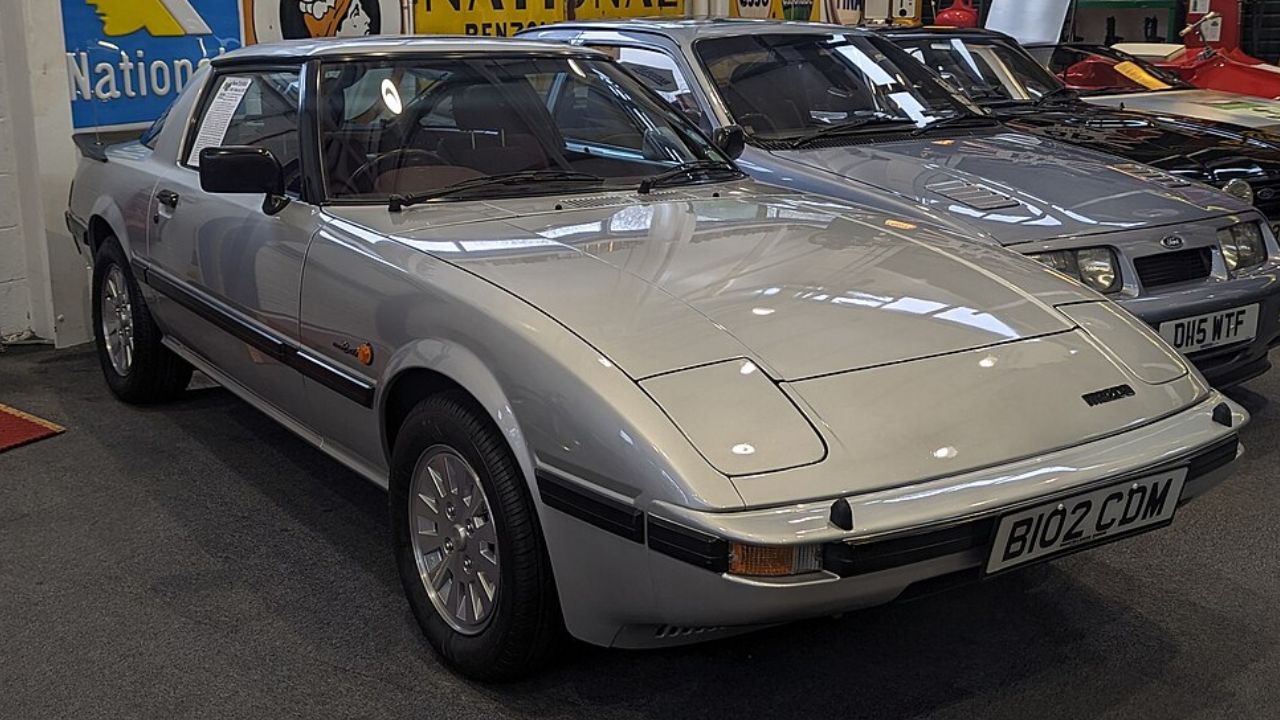
The Mazda RX-7 embraced the compact rotary engine instead of a traditional piston powerplant. Its lightweight design, balanced handling, and unique power delivery created a driving experience unlike its competitors. The RX-7 became the world’s most successful rotary-powered sports car through this distinctive engineering choice.
Oldsmobile Toronado

The 1966 Oldsmobile Toronado demonstrated that front-wheel drive could power a large American luxury coupe without sacrificing performance or refinement. Its advanced drivetrain challenged long-standing industry assumptions while influencing future front-wheel-drive development. The Toronado remains one of Detroit’s boldest engineering achievements.
Tesla Roadster
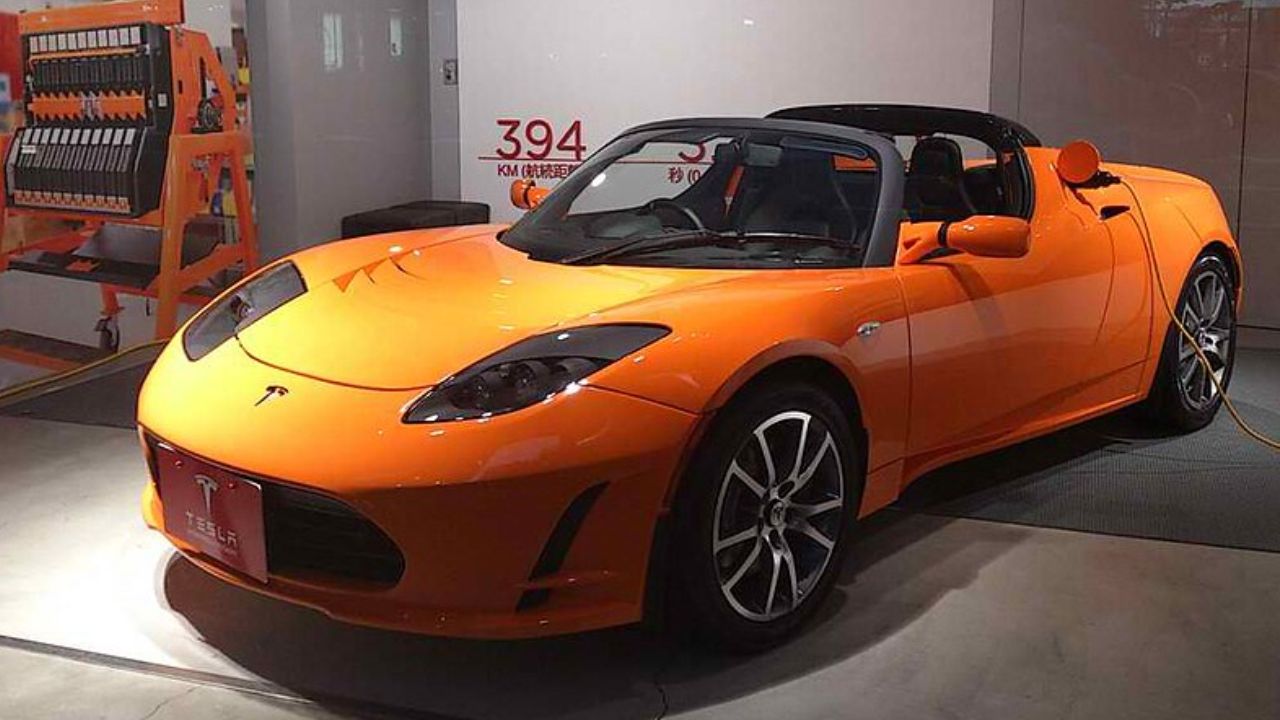
The original Tesla Roadster proved that an electric sports car could deliver exhilarating acceleration and practical driving range. Instead of treating electric propulsion as a compromise, it showcased its performance potential. The Roadster changed perceptions of electric vehicles and helped accelerate the industry’s transition toward electrification.
More from Fast Lane Only
- Unboxing the WWII Jeep in a Crate
- 15 rare Chevys collectors are quietly buying
- 10 underrated V8s still worth hunting down
- Police notice this before you even roll window down
*Research for this article included AI assistance, with all final content reviewed by human editors