Some trucks earn their reputation through advertising, but others build it one hard job at a time. Mechanics have seen certain pickups survive neglected maintenance, heavy loads, rough roads, and years of work that would finish lesser vehicles. These trucks are remembered because their basic engineering gave owners something increasingly rare: a machine that simply kept working.
Toyota Land Cruiser 70 Series pickup
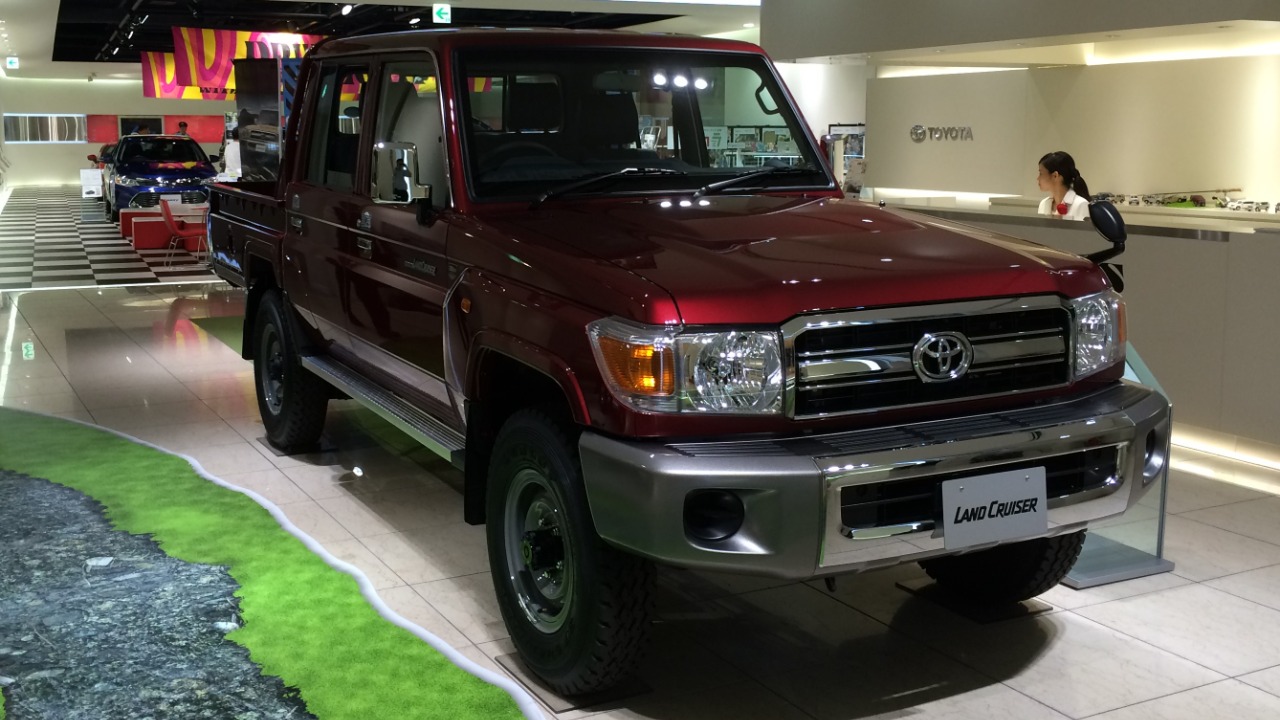
The Land Cruiser 70 Series pickup was designed for places where a truck could not afford to be delicate. Its heavy-duty construction, rugged four-wheel-drive system, and durable engines made it a favorite for demanding work in remote areas. The interior was basic, but that simplicity was an advantage when reliability mattered more than luxury. Mechanics respect these trucks because they were built around serviceability and toughness rather than unnecessary complexity.
Ford F-250
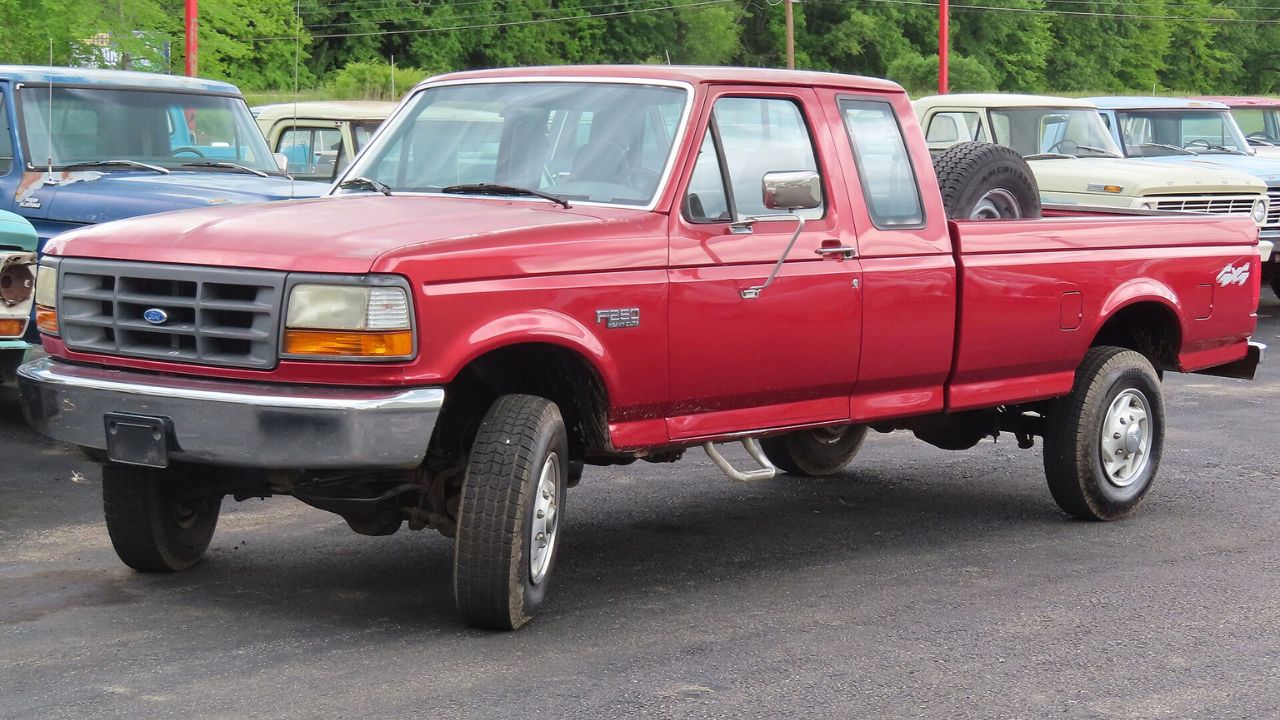
The Ford F-250 has spent generations doing jobs that put serious demands on a pickup. Its heavier-duty chassis and suspension gave it an advantage when hauling equipment, towing trailers, and working around farms and construction sites. Depending on the generation, buyers could choose from a variety of durable gasoline and diesel engines. The F-250 became a familiar workhorse partly because it was designed with enough strength to handle tasks that would overwhelm a lighter-duty truck.
Chevrolet K20
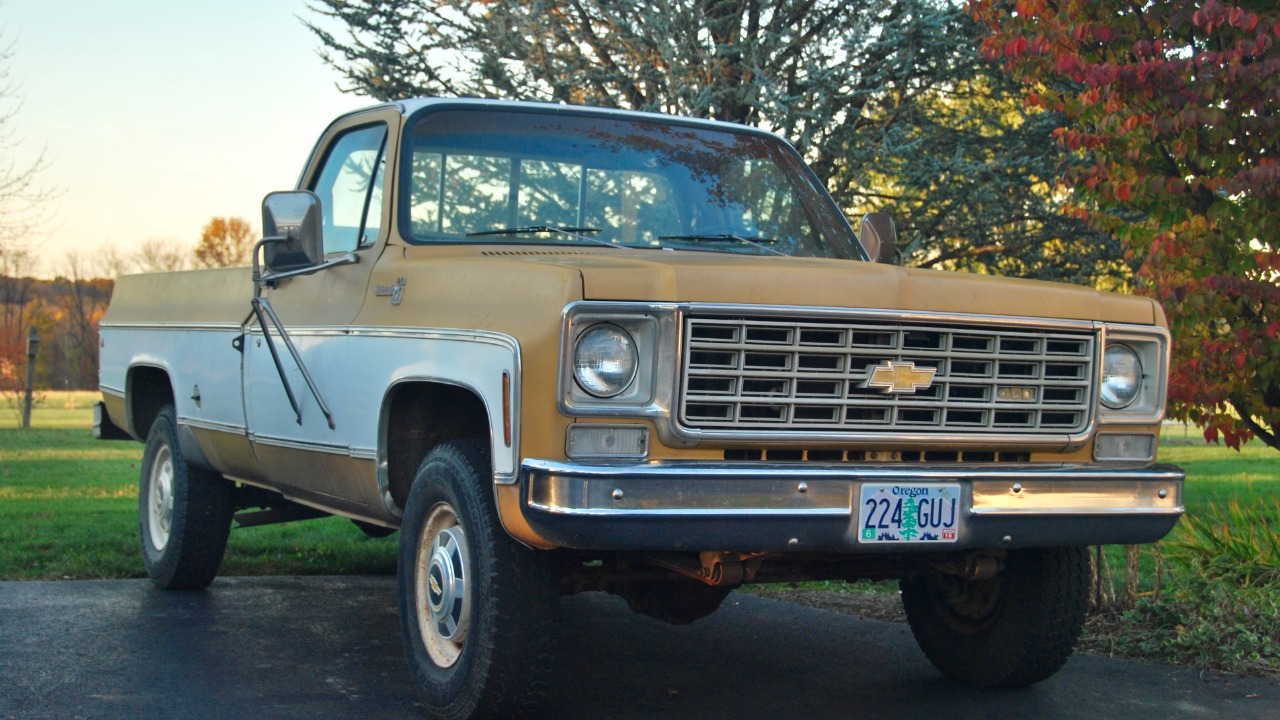
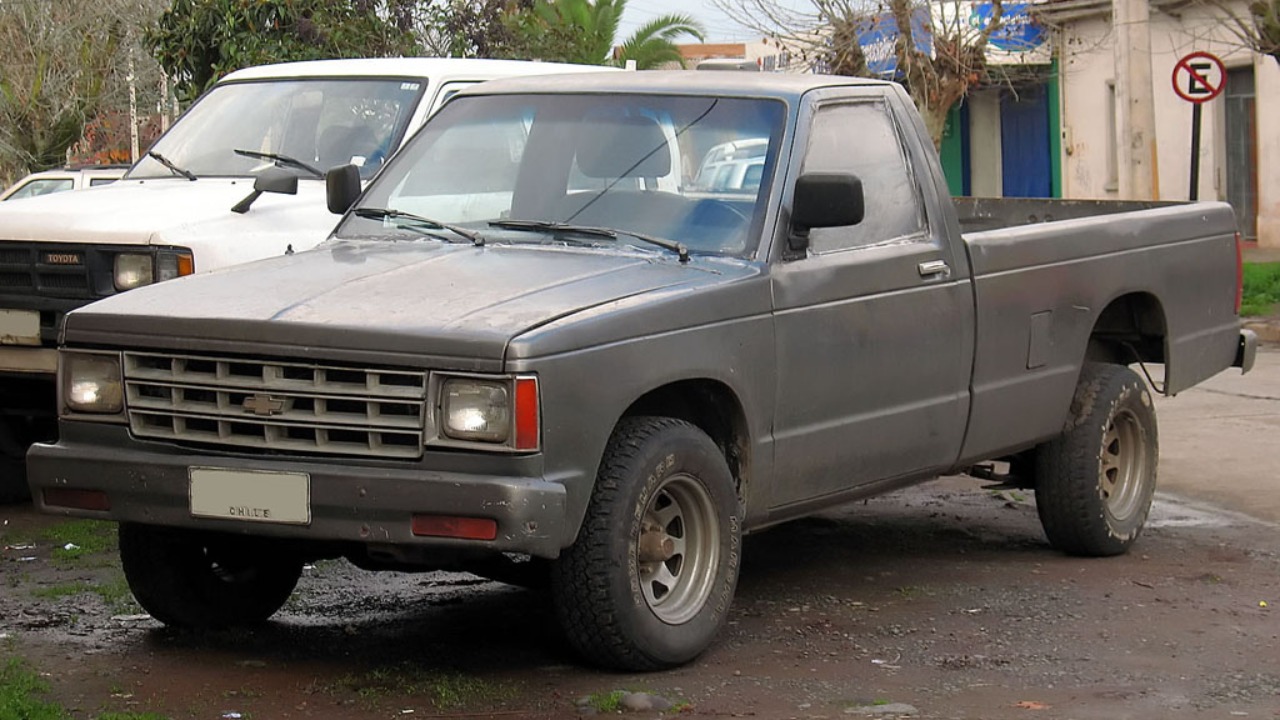
The Chevrolet K20 was built during an era when pickups were expected to serve as actual work equipment. Its four-wheel-drive system, sturdy frame, and traditional drivetrains gave it the ability to handle rough terrain and heavy-duty chores. Many examples were used on farms, ranches, and construction sites for years. Mechanics appreciate the relatively straightforward mechanical layout, which makes older K20s easier to understand and repair than many newer trucks.
Dodge W200
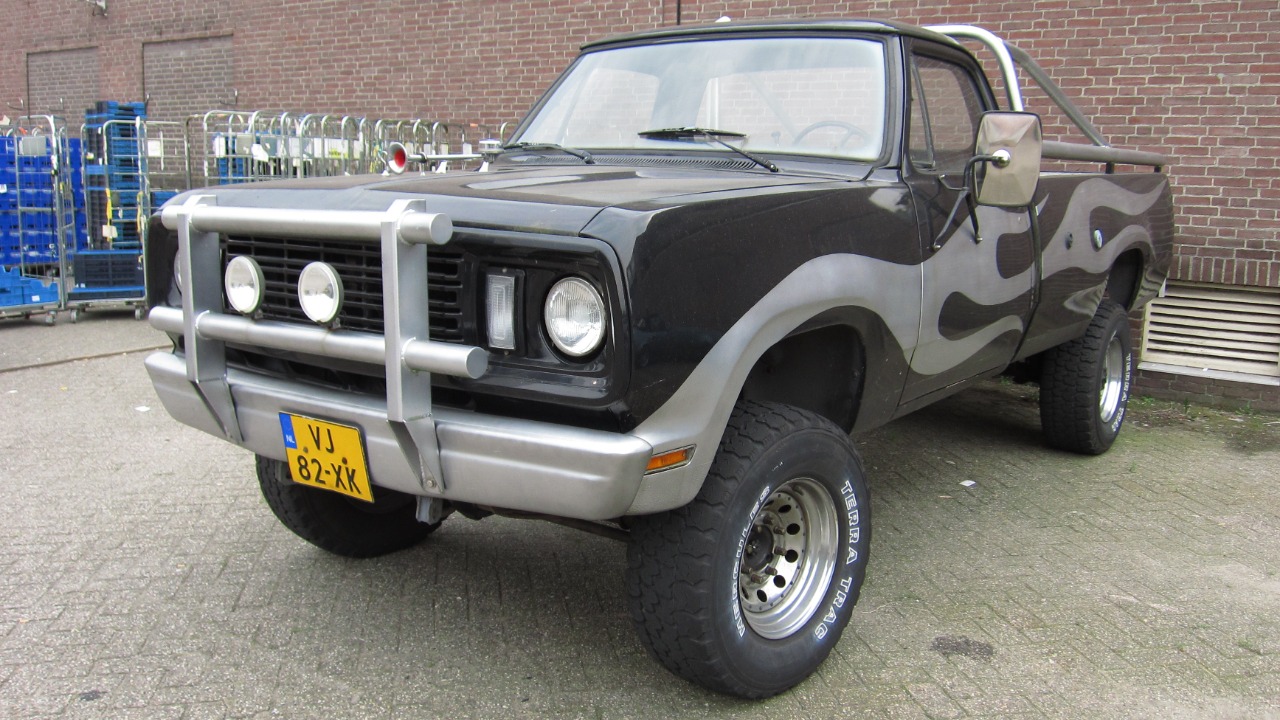
The Dodge W200 was a serious four-wheel-drive work truck with a reputation for rugged construction. Its solid axles, heavy-duty chassis, and conventional drivetrain made it well suited to rough terrain and demanding jobs. These trucks were not particularly refined, but they were designed to tolerate abuse. A well-maintained W200 can still attract attention because it represents a time when a pickup’s usefulness was measured by what it could accomplish rather than how many features it offered.
International Harvester Scout II
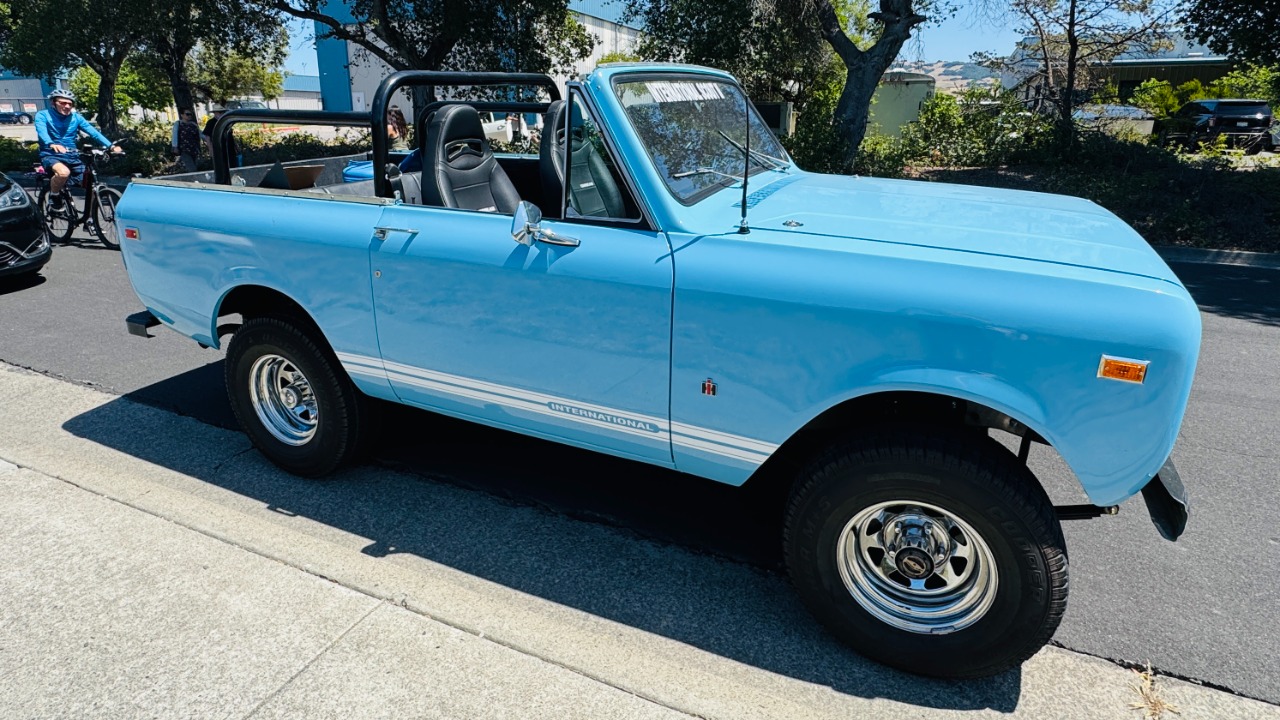
The Scout II was technically more than just a pickup, but its rugged utility made it a favorite among people who needed a vehicle capable of working off-road. Its body-on-frame construction and four-wheel-drive system gave it serious durability credentials. The mechanical design was relatively straightforward, making repairs possible without the specialized equipment required by newer vehicles. Surviving examples remain popular because they combine genuine utility with the toughness expected from an old-school International Harvester.
Ford F-350
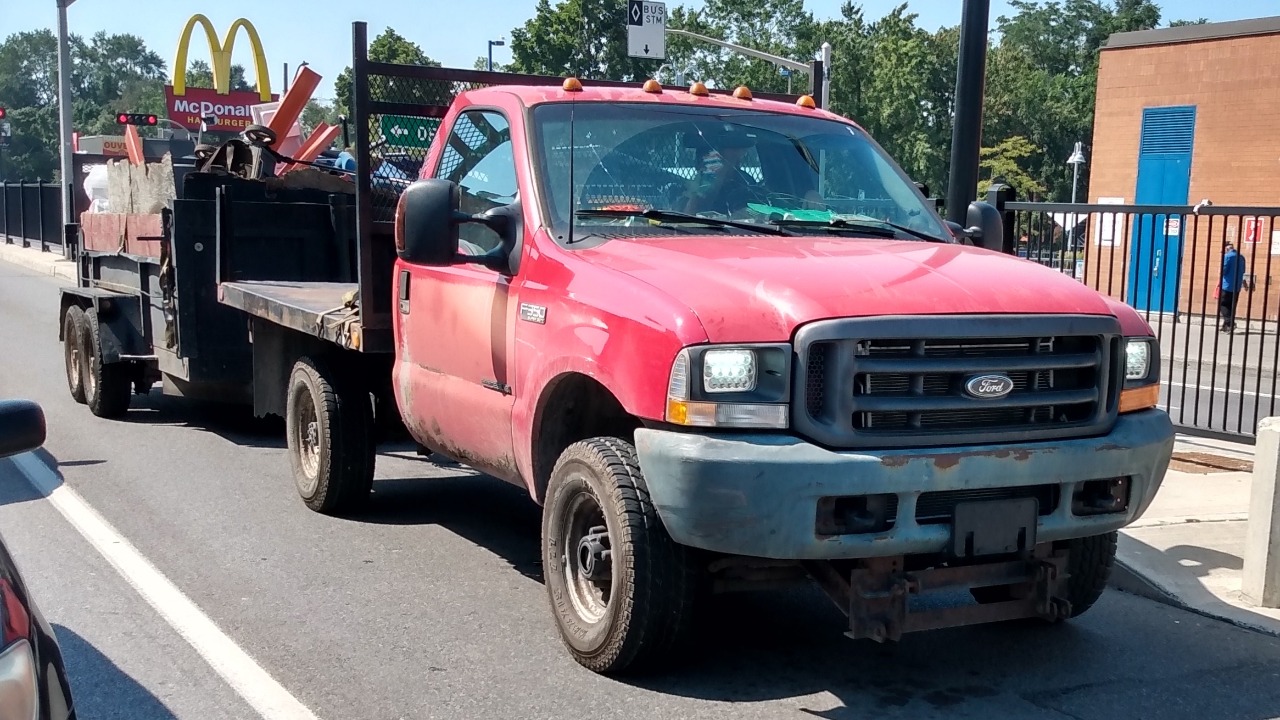
The F-350 was built for owners who needed more than a conventional half-ton pickup could provide. Its heavier chassis, suspension, and axles allowed it to handle substantial loads and trailers without being pushed beyond its intended role. Generations equipped with durable diesel engines became especially popular with commercial users. Mechanics recognize that the truck’s longevity often comes from having enough hardware for the job rather than constantly operating at the limits of a lighter truck.
Chevrolet C30

The Chevrolet C30 was a work-oriented pickup that put durability ahead of comfort and styling. Its heavy-duty construction made it useful for towing, hauling, farming, and commercial work, while familiar Chevrolet engines and transmissions kept repairs relatively straightforward. Many were used hard without receiving much attention beyond basic maintenance. That history gives the C30 an impressive reputation today. A solid survivor can still look ready for another decade of work despite being several decades old.
GMC Sierra 2500

The Sierra 2500 has long occupied the heavy-duty portion of GMC’s pickup lineup, giving it the hardware needed for demanding work. Depending on the generation, owners could choose from durable gasoline engines and heavy-duty diesel options. The truck’s substantial frame and suspension were designed for towing and hauling rather than occasional light-duty use. Mechanics tend to appreciate trucks that are not constantly operating beyond their design limits, and the 2500’s extra capacity provides exactly that advantage.
Nissan Patrol pickup

The Nissan Patrol’s pickup variants combined a rugged four-wheel-drive platform with a useful cargo bed. They were especially valuable in regions where roads could be rough and repair facilities limited. Heavy-duty construction and straightforward mechanical systems helped the trucks withstand demanding conditions. While less familiar to American buyers than a Ford or Chevrolet, the Patrol has a strong international reputation for toughness. Mechanics who have worked with these trucks understand why they have remained trusted utility vehicles for decades.
Isuzu Faster

The Isuzu Faster was a compact pickup built around straightforward utility. Its modest size made it easy to maneuver, while its engines and chassis were designed for practical work rather than high performance. Diesel versions became particularly valued in markets where fuel economy and durability mattered. These trucks often served businesses and tradespeople for years. Their reputation comes from being simple enough to maintain and sturdy enough to tolerate the daily abuse that working pickups routinely receive.
Mazda B-Series
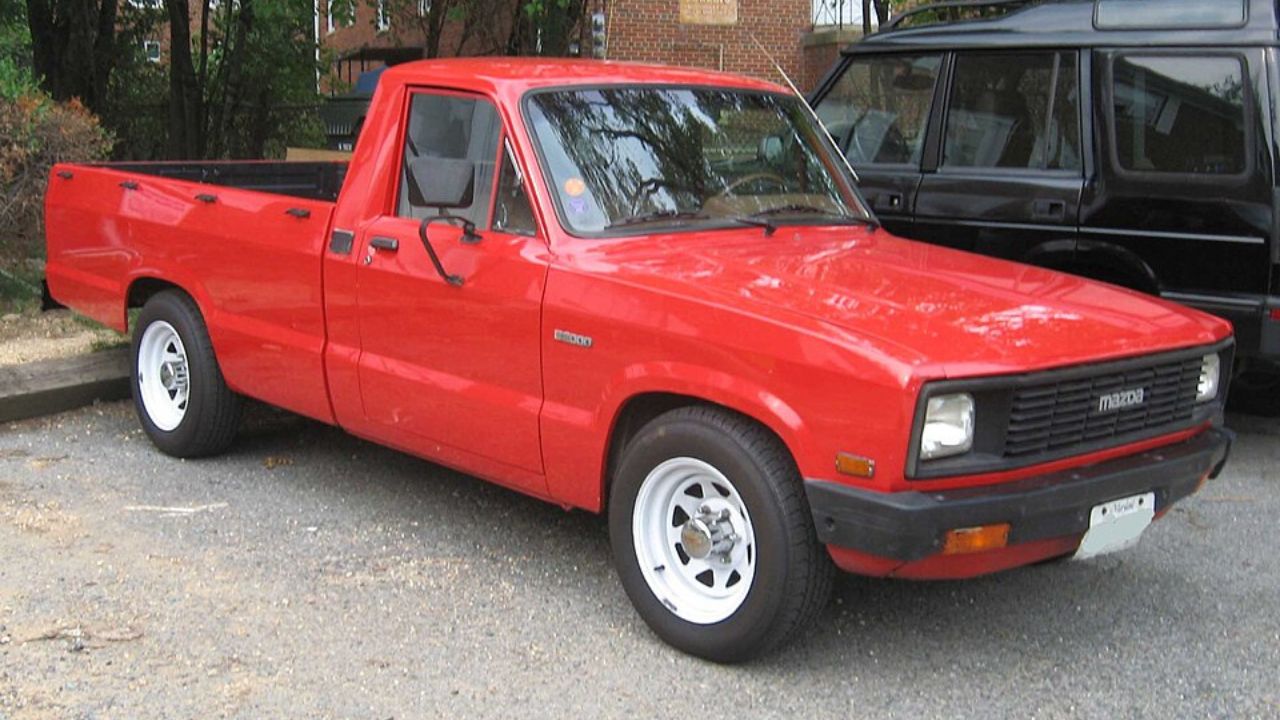
The Mazda B-Series became a dependable compact pickup for owners who wanted useful truck capability without the size of a full-size American model. Its straightforward construction and relatively simple engines made it easy for mechanics to service. Many were used by tradespeople, small businesses, and families, giving them a wide range of real-world applications. The B-Series was never marketed as an unstoppable monster, but its ability to keep performing ordinary jobs for years helped create a loyal following.
Mitsubishi Mighty Max

The Mitsubishi Mighty Max was another compact pickup that earned respect by keeping things relatively simple. Its small footprint made it useful in cities and tight work areas, while available four-wheel drive expanded its capability. The truck’s conventional mechanical layout meant many repairs could be handled without the complexity associated with newer pickups. It may not have the same collector recognition as a classic American truck, but mechanics familiar with these pickups often appreciate how much work they could handle.
Ford Courier
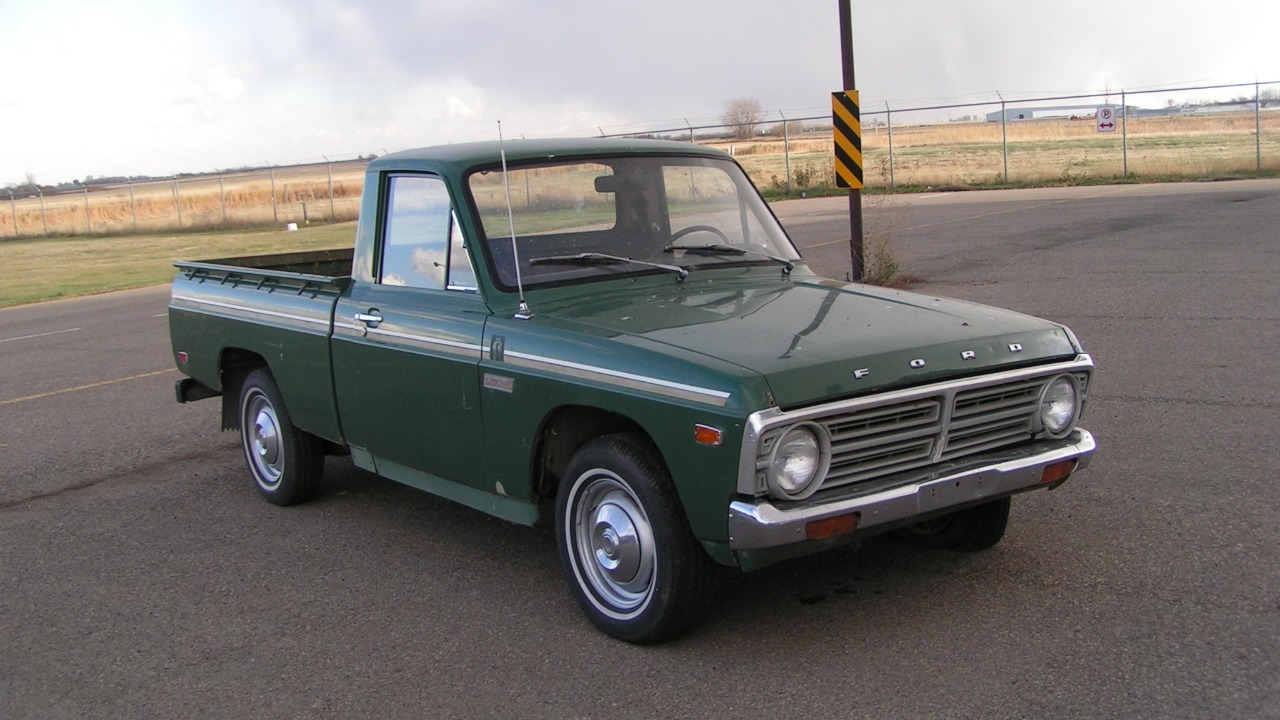
The Ford Courier was one of the early compact pickups sold in the American market, giving buyers a smaller alternative to full-size trucks. Its compact dimensions and straightforward mechanical design made it practical for light hauling and everyday transportation. The Mazda-based platform was relatively simple compared with larger domestic pickups of the same period. Today, surviving Couriers are uncommon, but their reputation remains interesting because they demonstrate how a small, uncomplicated truck could become a dependable long-term workhorse.
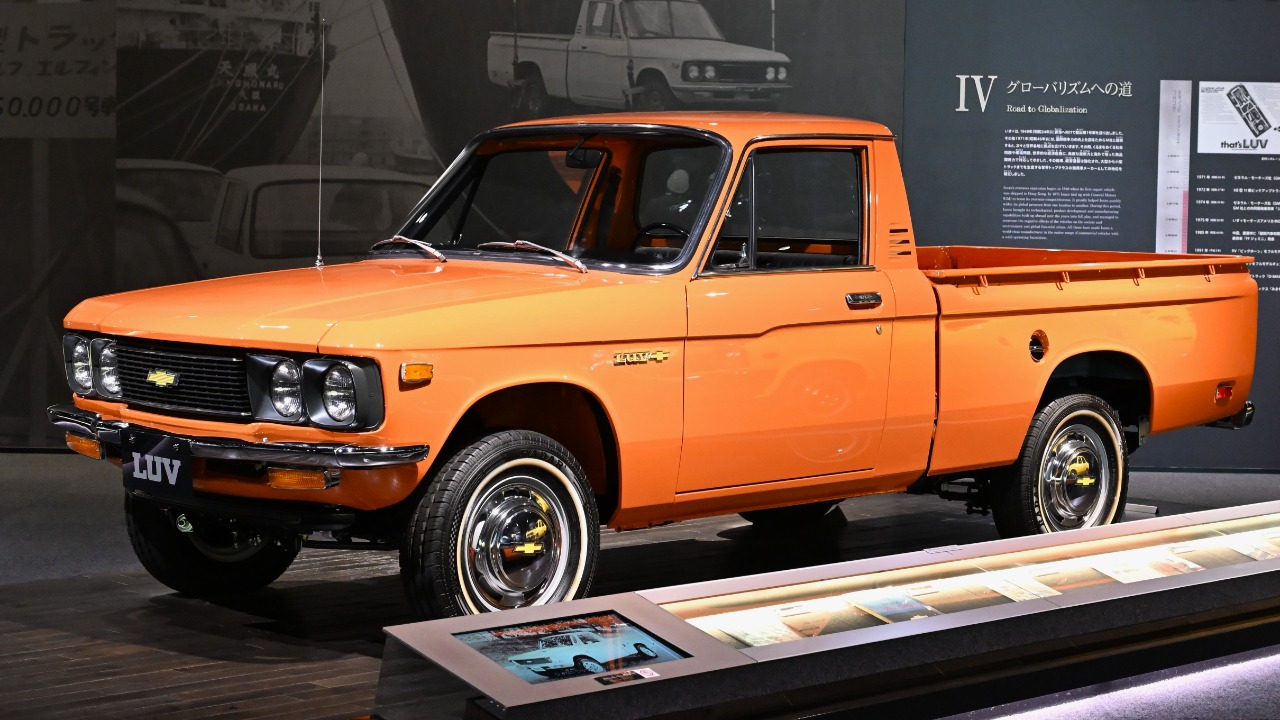
Chevrolet LUV
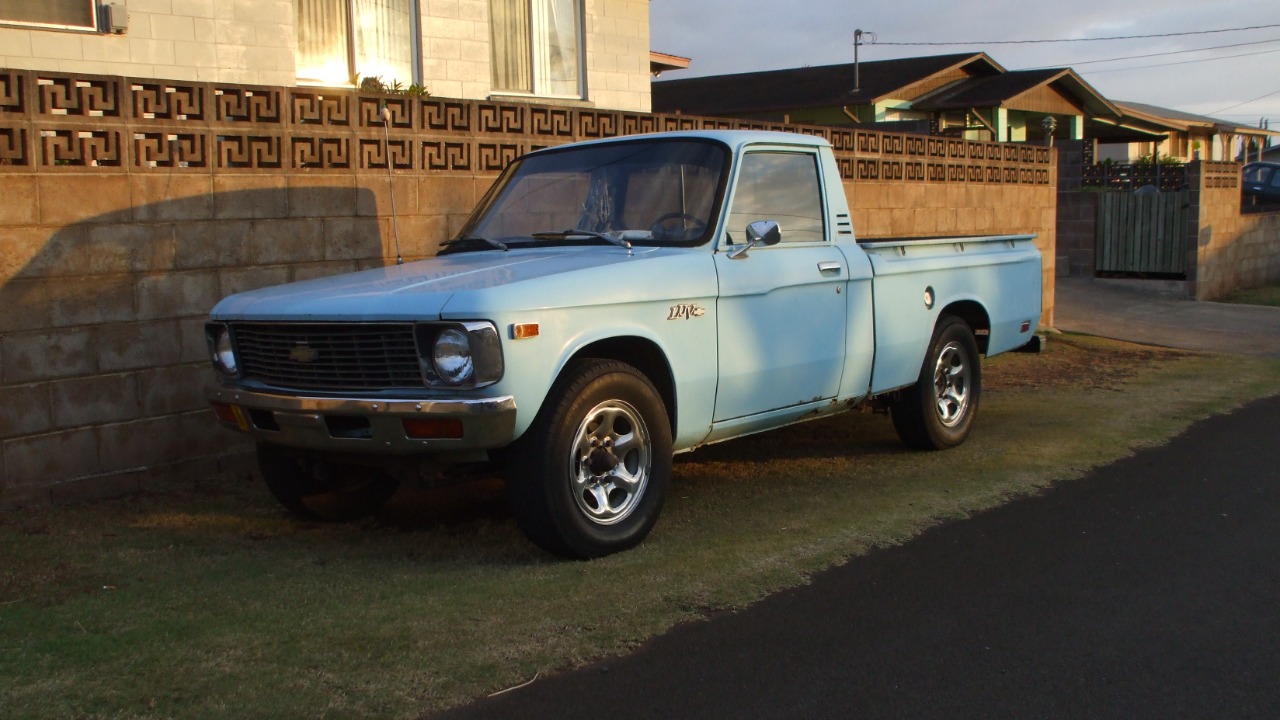
The Chevrolet LUV brought compact Japanese pickup engineering into Chevrolet’s American lineup. Its smaller size made it economical and maneuverable, while its straightforward construction suited basic hauling duties. It was not designed to compete directly with heavy-duty domestic pickups, but many owners appreciated its simplicity. The LUV became particularly useful for people who needed a bed without wanting a large truck. Its uncomplicated nature is one reason surviving examples still attract enthusiasts interested in early compact pickups.
Ford F-450
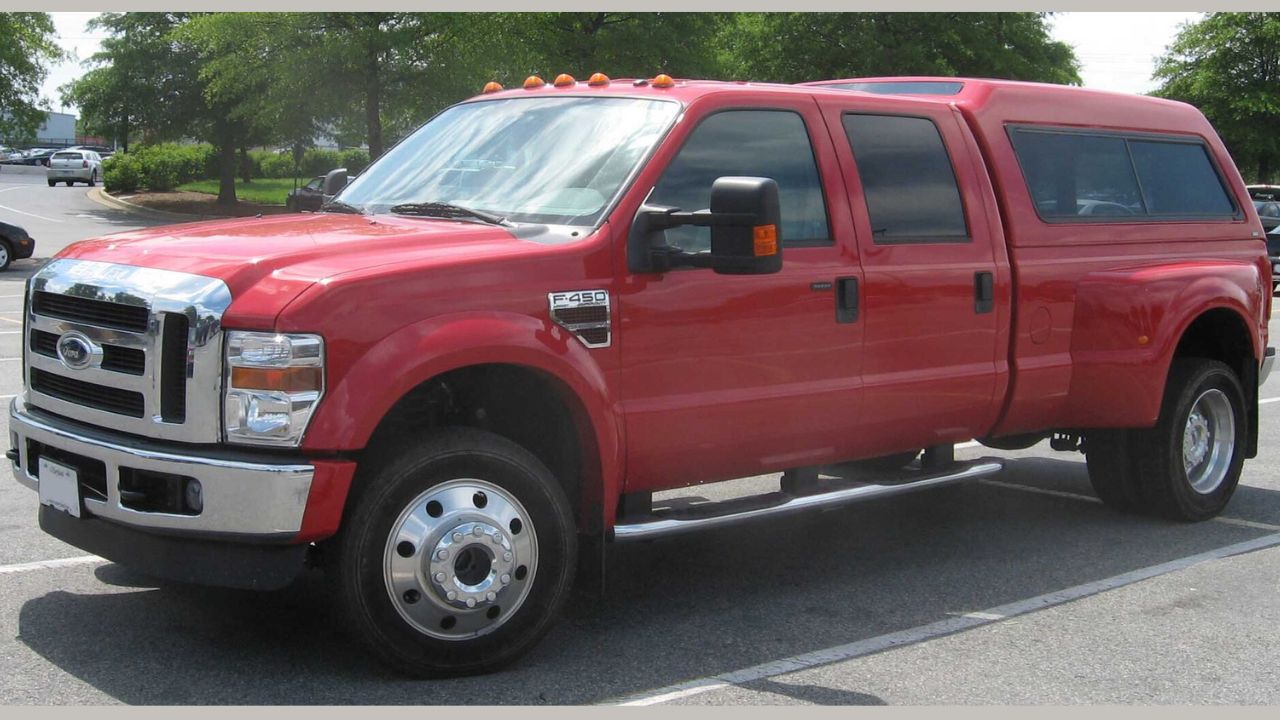
The F-450 sits firmly in heavy-duty territory, where durability is often closely tied to having enough capacity for the job. Its robust chassis, axles, brakes, and suspension allow it to handle serious towing and hauling demands. Commercial operators have relied on versions of the F-450 for demanding work, putting its hardware through conditions far beyond normal commuting. Mechanics often point to this kind of extra capacity as an important part of long-term durability.
Chevrolet Silverado 3500

The Silverado 3500 was designed for owners who needed substantial towing and payload capability. Heavy-duty components and powerful engine options gave it the ability to handle work that would put excessive strain on lighter pickups. Its widespread use also means mechanics have extensive experience working on the platform. That combination of strong hardware, broad parts availability, and familiar engineering makes the 3500 a truck that can remain useful long after its newer counterparts have accumulated expensive problems.
GMC Sierra 3500
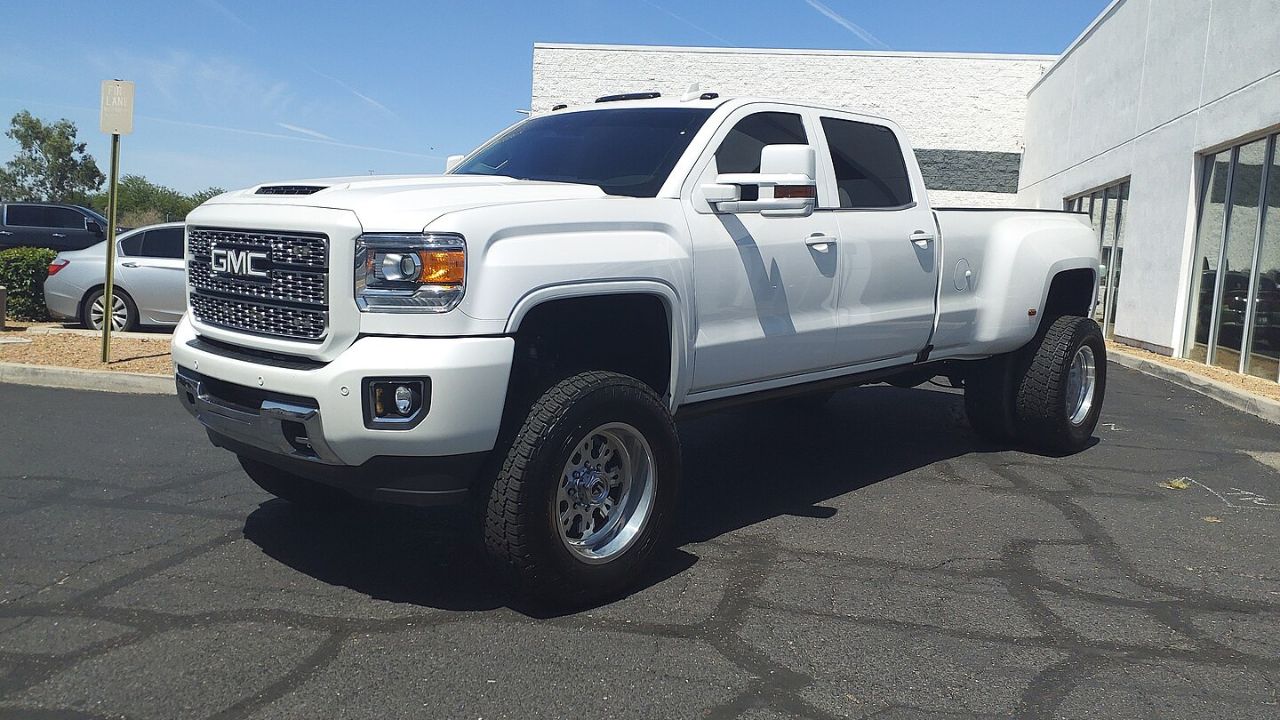
The Sierra 3500 shares the same basic heavy-duty philosophy as other one-ton pickups, emphasizing strength and working capacity. Its sturdy chassis and available diesel powertrains made it a popular choice for towing, construction, agriculture, and commercial applications. The truck’s durability is not based on being indestructible, but on having components designed for serious workloads. When maintained properly, that extra capacity can translate into a long service life even under demanding conditions.
Toyota Tundra

The Toyota Tundra developed a strong reputation among owners who wanted a full-size pickup with Toyota’s approach to durability. Earlier generations were known for robust V8 powertrains, sturdy construction, and relatively straightforward mechanical systems. Many were used for towing, hauling, commuting, and recreational work without major modifications. The Tundra may not have the enormous production history of the F-Series, but its reputation for longevity has made it a serious choice among buyers who plan to keep a truck for many years.
Nissan Titan

The Nissan Titan entered the full-size pickup market with a straightforward approach centered on a strong V8 and traditional truck construction. Its rugged frame and substantial drivetrain gave it the capability expected from a full-size work truck, while the relatively simple powertrain made it familiar to mechanics. The Titan never matched the sales numbers of the major domestic pickups, but that does not diminish its durability credentials. For owners who found the right configuration and maintained it properly, the Titan could be a remarkably long-lived truck.
More from Fast Lane Only
- Unboxing the WWII Jeep in a Crate
- 15 rare Chevys collectors are quietly buying
- 10 underrated V8s still worth hunting down
- Police notice this before you even roll window down
*Research for this article included AI assistance, with all final content reviewed by human editors.