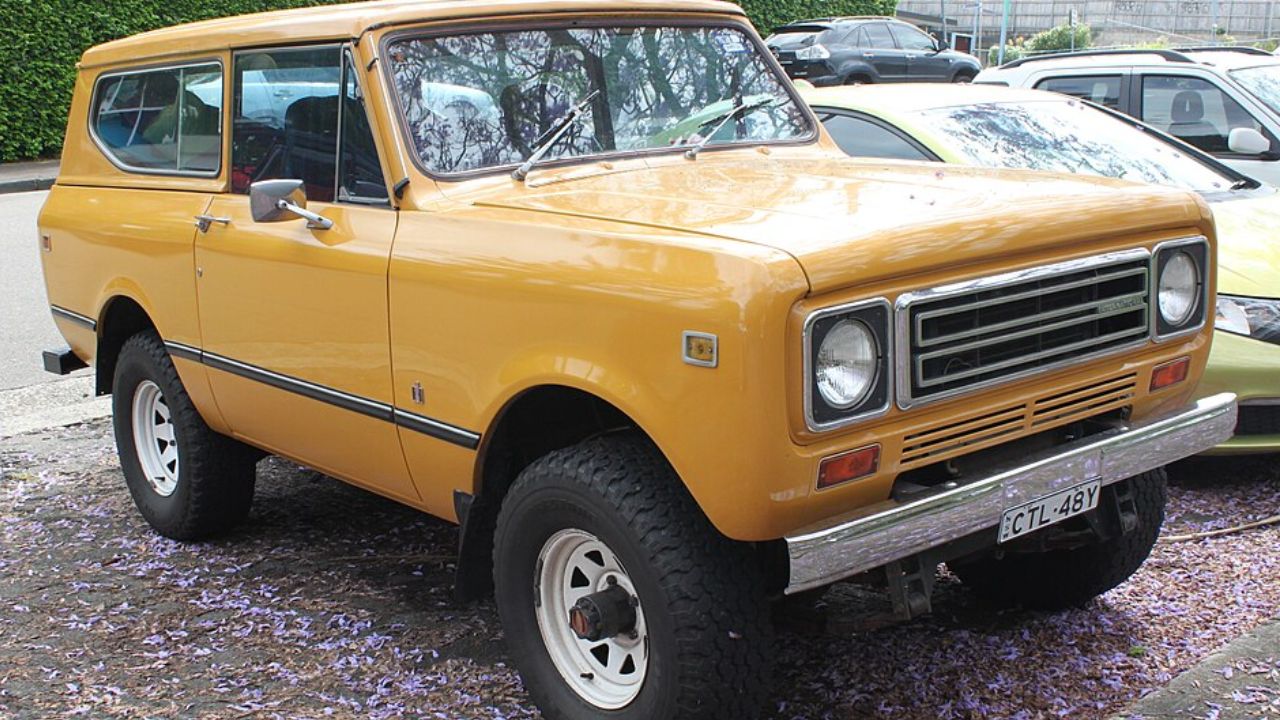
It started like the kind of small favor that’s almost a reflex in tight-knit car circles: someone needs a vehicle for a bit, and someone else has the perfect old rig sitting ready. A man says he loaned out his 1978 International Harvester Scout II, expecting it to return with maybe a little extra dust and a thank-you. Instead, he claims it came back “not the same truck,” and now the disagreement has turned into a messy, emotional tug-of-war over what exactly happened while it was gone.
On paper, it’s a dispute about a vehicle. In real life, it’s about trust, boundaries, and a classic 4×4 that means more than its resale value. Anyone who’s ever poured weekends into a project car understands why this kind of story hits a nerve.
A vintage 4×4 with a lot of memories baked in
The 1978 Scout II sits in that sweet spot of old-school utility and nostalgic cool. It’s boxy, mechanical, and charming in a way modern SUVs can’t quite imitate, even when they try. The owner describes it as a long-term project that became part weekend hobby, part rolling time capsule.
According to the account, it wasn’t a show-truck queen, but it wasn’t a beater either. It had quirks, sure, but those quirks were known and managed—the way owners of vintage vehicles tend to keep a running mental spreadsheet of noises, leaks, and “don’t forget to” items. That’s exactly why, he says, he was cautious about who drove it.
The loan that felt simple at the time
He says the loan happened after a request from someone he knew well enough to trust. The Scout II, in this telling, was offered with basic expectations: bring it back in one piece, don’t abuse it, and keep communication open. Nothing fancy—just the usual handshake-level assumptions people make when they lend something valuable to someone they believe won’t be reckless with it.
There’s a particular kind of optimism that comes with lending a classic vehicle. You picture a short trip, a careful driver, and a smooth return. You don’t picture mystery modifications, missing parts, or a new set of problems that weren’t there before.
“It came back wrong,” he says—and not in a small way
When the Scout returned, he claims it didn’t look or feel like the same vehicle he handed over. The concerns, he says, went beyond cosmetic scuffs. He describes inconsistencies—signs that parts may have been swapped, removed, or replaced with cheaper alternatives, plus mechanical issues that weren’t present before.
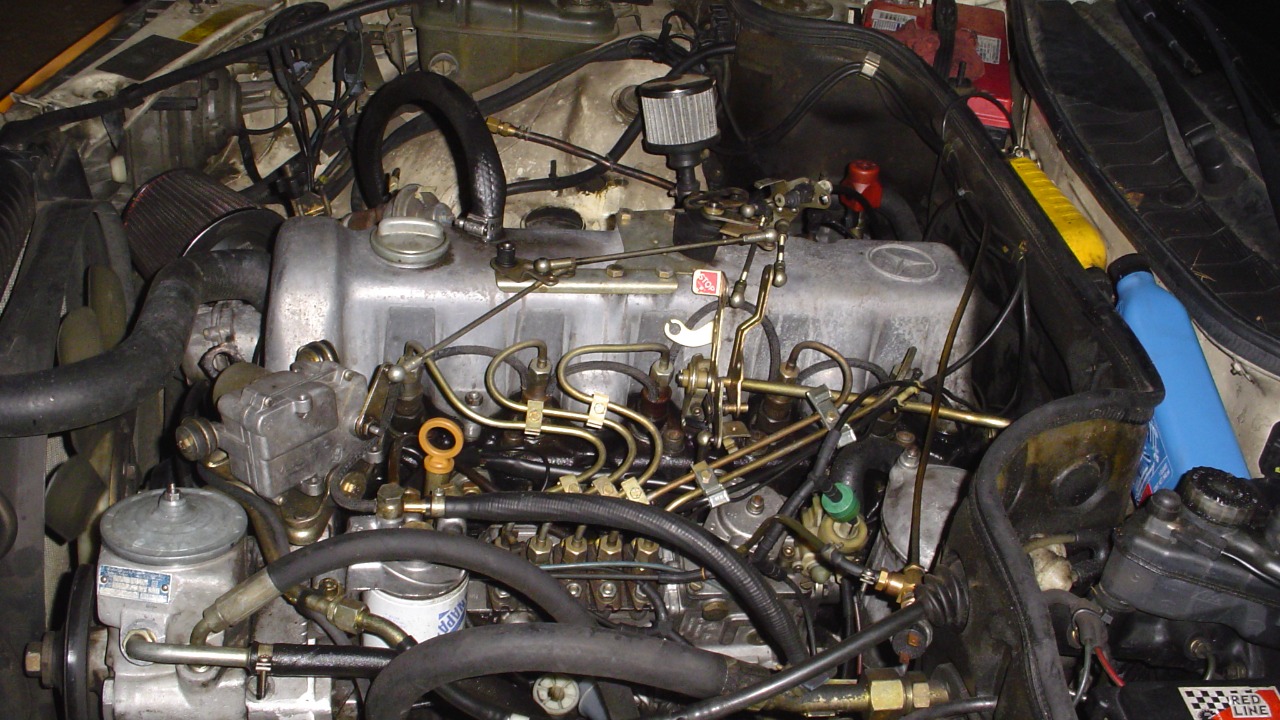
In stories like this, the details matter: a different carburetor, a mismatched distributor, unfamiliar wiring, missing trim, or a drivetrain that suddenly clunks when it didn’t before. He hasn’t publicly laid out a full parts list, but he insists the changes were noticeable enough that he immediately questioned what had happened while it was out of his hands.
And then there’s the most frustrating category of all: the stuff you can’t prove with a quick glance. A classic can be driven hard without leaving a neat receipt. Overheating, over-revving, off-road stress, or a “friend of a friend” trying to fix something quickly can leave a vehicle technically running, but aging a year in a weekend.
A disagreement over responsibility, or a misunderstanding that snowballed
He says the person who borrowed it didn’t see things the same way. In his account, there were explanations and pushback—claims that nothing significant changed, or that issues were pre-existing, or that any fixes were improvements. That’s the part that makes these disputes so sticky: two people can look at the same vehicle and tell completely different stories about what’s “normal” and what’s “damage.”
To car people, “I fixed it” can mean “I solved a real problem with correct parts and careful work.” To someone under pressure, it can also mean “I did whatever got it moving again.” Neither version is automatically malicious, but the gap between them is where friendships and family ties tend to get dented.
Why a Scout II isn’t just “an old truck”
The Scout II isn’t as mainstream as a classic Bronco or a vintage Blazer, but it has a devoted following. Parts can be found, but not always quickly, and not always cheaply—especially if you’re trying to keep things period-correct. Even when parts are available, the real cost is time: troubleshooting, sourcing, waiting, installing, and then discovering the next issue.
That’s why the owner’s frustration rings familiar. If someone replaces a component with the wrong version, you’re not just out a part—you’re out the hours you’ll spend undoing the “repair,” plus the money to put it back the way it was. It’s like lending a favorite cookbook and getting it back with half the pages replaced by printouts from the internet.
What usually happens next in disputes like this
When a loaned vehicle returns with alleged damage or alterations, the first step is usually the least dramatic: documentation. People start digging for old photos, maintenance logs, receipts, and messages that show what the vehicle looked like and what condition it was in beforehand. If the disagreement escalates, it can turn into formal demands for reimbursement or the cost to restore the vehicle to its prior state.
In many cases, mechanics become accidental referees. An inspection can help clarify whether a failure looks like long-term wear or sudden abuse, and whether installed parts match the vehicle’s prior configuration. It’s not always definitive—cars are complicated, and coincidences do happen—but it can move the discussion from vibes to evidence.
The bigger lesson: lending keys is lending risk
If there’s a moral hiding inside this story, it’s that lending a classic vehicle is never as casual as it feels in the moment. Keys aren’t just keys; they’re access to a fragile set of systems that rely on the right warm-up, the right fuel, the right habits, and a driver who knows what an unfamiliar noise means. Even well-intentioned borrowers can do damage simply by treating an older vehicle like a modern one.
People who’ve been around classics for a while often set simple guardrails: written expectations, a short test drive together, a “call me if anything feels off” rule, and sometimes a hard no. It sounds awkward until you compare it to the awkwardness of staring at your vehicle afterward and thinking, “Wait… why does this look different?”
Where it stands now
The owner says he’s focused on getting the Scout II back to the condition it was in before the loan—or at least understanding what changed and why. Whether that ends in repayment, repairs, or a long cooling-off period between the two people involved is still unclear. What is clear is that the Scout II has become the center of a story that’s about more than horsepower.
For anyone watching from the sidelines, it’s a reminder that vintage vehicles come with vintage-level complications. And if someone asks to borrow your classic, it’s okay to pause, take a breath, and remember: the only thing harder than rebuilding an old truck is rebuilding trust after it doesn’t come back the same.
More from Fast Lane Only