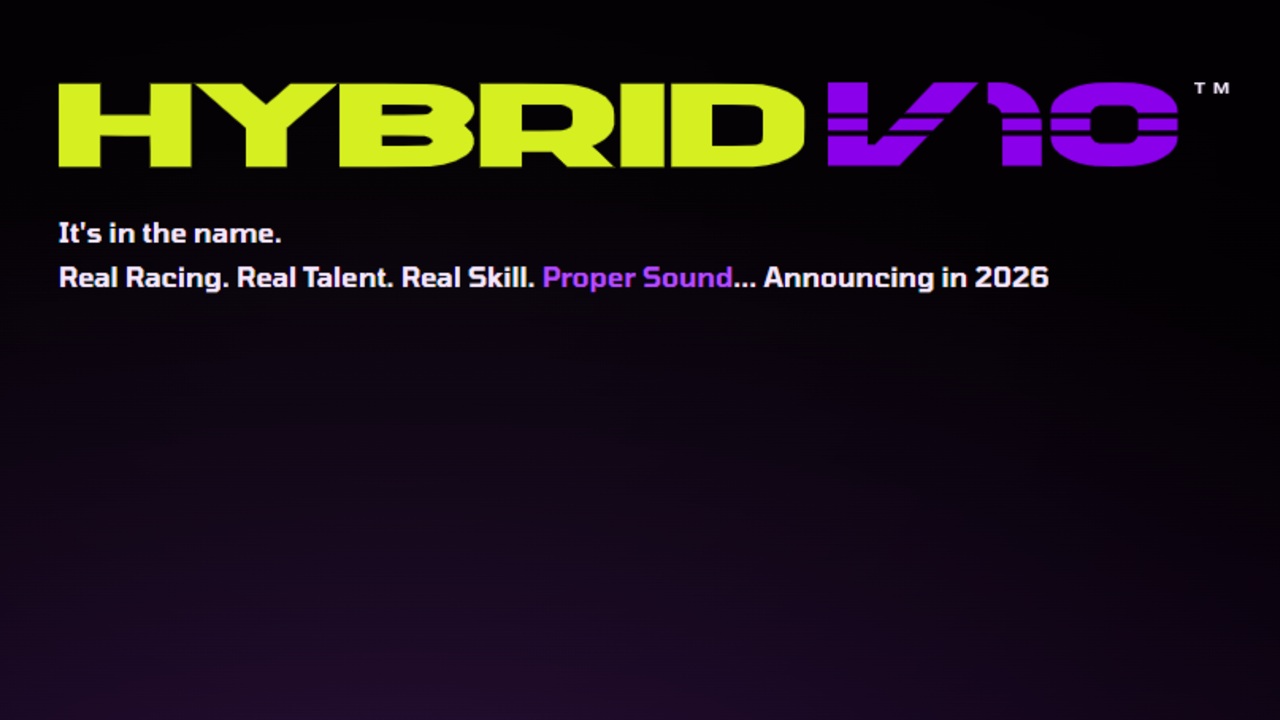
Anthony Hamilton is stepping out of the Formula 1 paddock shadows with a project that aims directly at the sport his son helped define. His planned HybridV10 series, built around loud, high revving engines and fan centric events, is pitched as a modern alternative to Formula 1’s increasingly complex hybrid era. If it delivers on its promise of spectacle, access and innovation, it could become the most serious challenger yet to grand prix racing’s grip on single seater prestige.
From manager to architect of a new series
Anthony Hamilton, father of seven time Formula 1 world champion Lewis Hamilton, has spent years as a behind the scenes operator, but HybridV10 marks a shift into being a championship architect in his own right. Reporting on a new company registration linked to Hamilton Sr describes a structure designed to handle promotion, media and multiple formats, a clear signal that this is not a vanity project but a fully fledged motorsport platform in the making. The same reporting notes that the move comes as talk grows around Lewis and his eventual retirement from Formula 1, underlining how the Hamilton name is being positioned to carry weight beyond the factory teams and title fights that have defined the past decade.
Early outlines of the project describe HybridV10 as a series built to celebrate the intensity and emotion of classic grand prix racing while still using hybrid technology. A detailed concept note explains that the platform is intended to be “more than a race weekend,” with events framed as destination experiences that combine competition with entertainment and fan engagement. That framing, together with the formal company structure created by Hamilton Sr, suggests a long term commercial play rather than a short lived exhibition series, and it places the Hamilton family at the center of a new attempt to reshape how top level single seater racing is packaged and sold.
V10 nostalgia with a hybrid twist
The core hook of HybridV10 is right there in the name, a promise to bring back the sound and feel of V10 engines that many fans still associate with Formula 1’s most visceral era. One report on the project notes that Lewis Hamilton’s father has announced a championship in which the beloved V10s will return, a detail that immediately sets the series apart from the 1.6 liter turbo hybrids that have powered Formula 1 since 2014. Another description of the technical package confirms that HybridV10 will feature visually dramatic single seater race cars powered by V10 and V8 hybrid power units, blending old school architecture with modern energy recovery rather than simply recreating a museum piece.
Crucially, HybridV10 is not planned as a spec series. The technical framework is described as “non spec,” with teams allowed to develop their own solutions within cost disciplined rules that encourage creativity without unsustainable spending. Every team is expected to start from the same foundation, but success will be defined by how performance is achieved, not by identical hardware. That approach is a deliberate contrast to many junior and alternative series that rely on single suppliers, and it echoes the engineering freedom that helped make V10 era Formula 1 a hotbed of innovation. By combining that freedom with hybrid power units, Hamilton Sr is trying to tap nostalgia while still aligning with contemporary expectations around technology and efficiency.
Timing the launch against Formula 1’s next reset
HybridV10 is not arriving in a vacuum. A timeline linked to the new company registration states that a full announcement is planned for 2026, aligned with Formula 1’s next major regulation change and new hybrid rules. That timing is strategic. As Formula 1 prepares to overhaul its power units and chassis to meet fresh sustainability and cost targets, Hamilton Sr is positioning his series as an alternative vision of what modern single seater racing can be, one that keeps the sound and spectacle that some fans fear will be further diluted by the next rulebook. The fact that the project is being finalized just as speculation around Lewis Hamilton’s long term future intensifies only sharpens the sense that HybridV10 is designed to ride a broader narrative shift in the sport.
The 2026 window also gives HybridV10 time to lock in circuits and partners that fit its “destination event” philosophy. A separate report on how track owners are trying to turn circuits into attractions beyond racing, with year round facilities and entertainment, mirrors the language used in the HybridV10 concept about building events that are more than a few hours of on track action. By launching in parallel with Formula 1’s new era, Hamilton Sr can approach venues that are already investing in fan experiences and offer them a second headline product, one that promises louder cars, more visible engineering and a governance model built around long term trust rather than short term spectacle.
A fan first, membership driven model
Where HybridV10 diverges most sharply from Formula 1 is in how it proposes to treat its audience. The series blueprint describes a “fan first approach” that aims to unlock creativity, identity and opportunity, with fans treated explicitly as the customer rather than a distant revenue stream. Entry to the ecosystem is framed as transparent, scalable and long term focused, and the platform is built around membership driven engagement that keeps supporters involved rather than holding them at a distance. That language points to subscription style access, voting rights or structured feedback loops, all designed to make fans feel like stakeholders in the championship’s direction.
The governance structure is equally pointed. HybridV10 is set to operate under an independent, commission style model guided by a “World Commission ethos,” with the platform described as built to endure, not to chase short term outcomes. In practice, that suggests a rules and commercial framework insulated from the kind of rapid, entertainment led tweaks that have sometimes unsettled Formula 1’s traditionalists. By making engineering visible and understandable again, and by emphasizing that talent, commitment and potential matter more than background, the series is also trying to address long standing concerns about accessibility and diversity in top level motorsport. The promise that motorsport will become locally relevant wherever HybridV10 appears hints at community programs and regional engagement that go beyond a typical fly in, fly out race weekend.
Can HybridV10 really challenge Formula 1?
Any new championship that talks about V10 engines and non spec cars will inevitably be measured against Formula 1, and HybridV10 is clearly designed with that comparison in mind. The project’s architects stress that it will deliver sound, spectacle and excitement without removing the elements that made earlier eras so compelling, a subtle critique of Formula 1’s quieter, more complex hybrid generation. At the same time, by embracing hybrid power units and cost discipline, Hamilton Sr is acknowledging that the financial and environmental realities that shaped Formula 1’s current rules cannot simply be ignored. The question is whether this balance of nostalgia and pragmatism can attract manufacturers, independent teams and drivers who might otherwise aim for grand prix seats.
There are signs that the concept could resonate with high profile racers. One early analysis suggested that Max Verstappen could become a fan of the championship Lewis Hamilton’s father is launching, precisely because it brings back the kind of raw engine character that many drivers grew up admiring. If HybridV10 can secure a grid that mixes established names with rising talent, and if its commission style governance can deliver consistent, credible officiating, it will present a compelling alternative narrative to Formula 1’s tightly controlled world championship. Yet the project’s own documents acknowledge that trust and longevity will be critical, which is why the platform is being built to endure rather than to chase quick headlines. For now, what is clear is that Anthony Hamilton is no longer content to watch Formula 1 evolve from the sidelines. With HybridV10, he is trying to shape what the next era of top tier single seater racing looks and sounds like, and he is doing it on his own terms.
More from Fast Lane Only: