

The rising popularity of hybrid cars has sparked a debate on whether they are truly cost-effective in the long run. Factors such as fuel savings, maintenance costs, and resale value all play a role in determining the overall cost of owning a hybrid vehicle compared to traditional gasoline cars. By examining these aspects, we can assess if hybrids provide financial benefits over time.
Fuel Efficiency and Savings
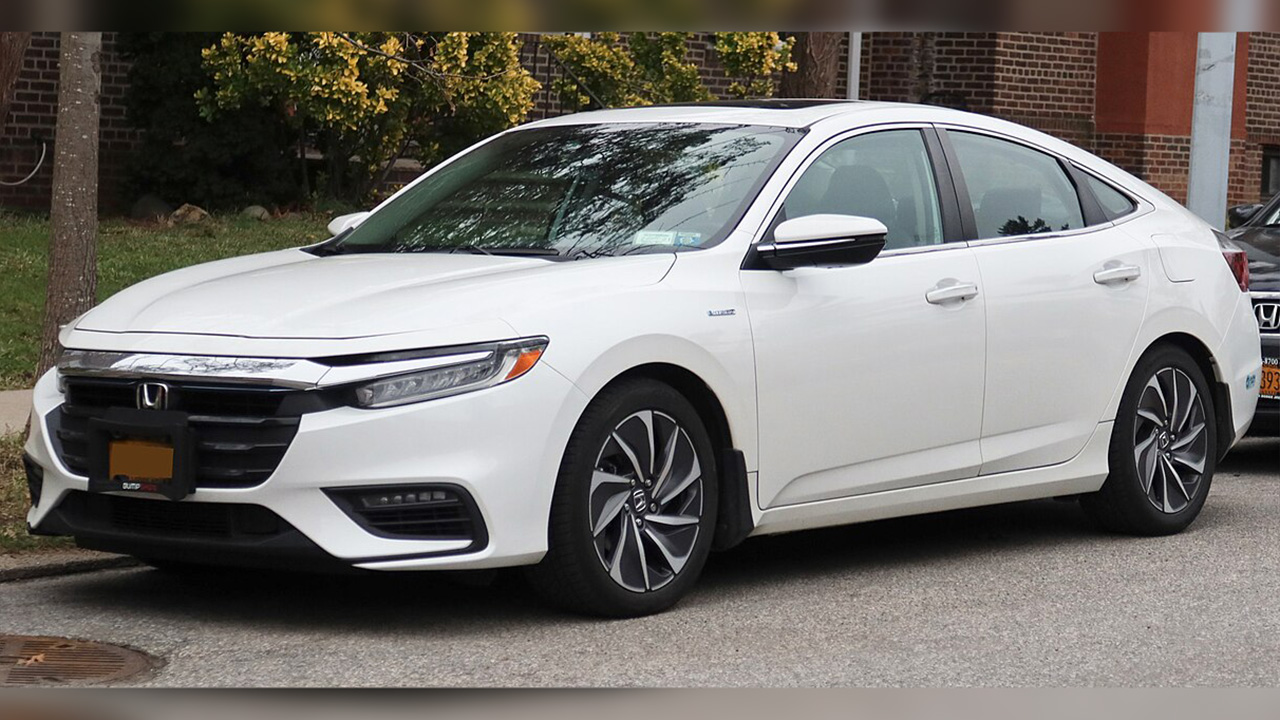
When it comes to fuel efficiency, hybrid cars often outperform traditional gasoline-powered vehicles. According to Consumer Reports, hybrids like the Toyota Prius and Honda Insight can save substantial amounts on fuel, particularly for those who frequently drive in urban environments. The regenerative braking systems and efficient energy management in hybrids contribute to this improved fuel economy.
Long-term fuel cost savings are another significant advantage of owning a hybrid vehicle. A study published in ScienceDirect highlights that over a vehicle’s lifetime, hybrid owners can save thousands of dollars in fuel costs compared to those driving traditional gasoline cars. However, the extent of these savings can be heavily influenced by fluctuating gasoline prices. When gas prices soar, hybrid drivers find themselves saving even more at the pump, thus enhancing the cost-effectiveness of these vehicles.
Maintenance and Repair Costs
Routine maintenance is a crucial factor in the overall cost of vehicle ownership. According to Barker Honda, hybrid cars generally require less frequent maintenance compared to gasoline cars. For instance, the regenerative braking system significantly reduces brake wear, leading to less frequent brake replacements. However, when maintenance is needed, the costs can be higher due to the specialized technology involved.
One concern for potential hybrid car buyers is the longevity and replacement cost of hybrid batteries. While hybrid batteries are designed to last many years, they do eventually require replacement. Studies on battery life cycles show that many hybrid batteries can last over 100,000 miles or more, but when replacement is necessary, it can be costly. However, technological advancements are continually improving battery longevity and reducing replacement expenses.
Depreciation and Resale Value

Depreciation is another critical aspect to consider when evaluating the long-term costs of hybrid vehicles. Data from automotive sources indicate that hybrids generally have a higher resale value compared to gasoline cars. This is partly due to the growing demand for environmentally friendly vehicles, which bolsters their market value. Models like the Toyota Prius have shown stable resale values over the years, making them an attractive option for those concerned about depreciation.
However, not all hybrids hold their value equally. Factors such as brand reputation, initial cost, and market demand play significant roles in determining depreciation rates. As consumer interest in sustainable transportation continues to grow, we may see an upward trend in the resale values of hybrids, further enhancing their cost-effectiveness.
Environmental and Incentive Considerations

Beyond financial factors, the environmental benefits of hybrid cars also contribute to their appeal. Hybrids produce fewer emissions than traditional gasoline cars, which aligns with global sustainability goals. Studies on sustainability highlight that reducing one’s carbon footprint can enhance the perceived value of owning a hybrid, especially for environmentally conscious consumers.
Government incentives and tax benefits further sweeten the deal for hybrid car buyers. Many regions offer tax credits, rebates, or reduced registration fees for hybrid owners, which can offset the initial purchase cost. However, these incentives can vary widely depending on location and may change over time as governmental policies evolve. Keeping an eye on potential regulatory changes is crucial for prospective buyers looking to maximize their cost savings.
Cost Comparisons and Case Studies
To truly understand the cost dynamics of hybrid versus gasoline vehicles, examining real-world case studies can be enlightening. For instance, a comprehensive analysis available on JSTOR provides insights into the lifetime costs of various hybrid models compared to their gasoline counterparts. These studies often factor in initial purchase prices, fuel efficiency, maintenance, and depreciation, offering a holistic view of total ownership costs.
Furthermore, total cost of ownership models, such as those discussed in ScienceDirect articles, are invaluable for potential buyers. These models consider all aspects of vehicle ownership, from upfront costs to ongoing expenses, and help consumers make informed decisions. Real-world experiences from hybrid car owners also provide practical insights into long-term costs and benefits, often highlighting unexpected savings or challenges encountered.
Like Fast Lane Only’s content? Be sure to follow us.
Here’s more from us:
*Created with AI assistance and editor review.






Leave a Reply