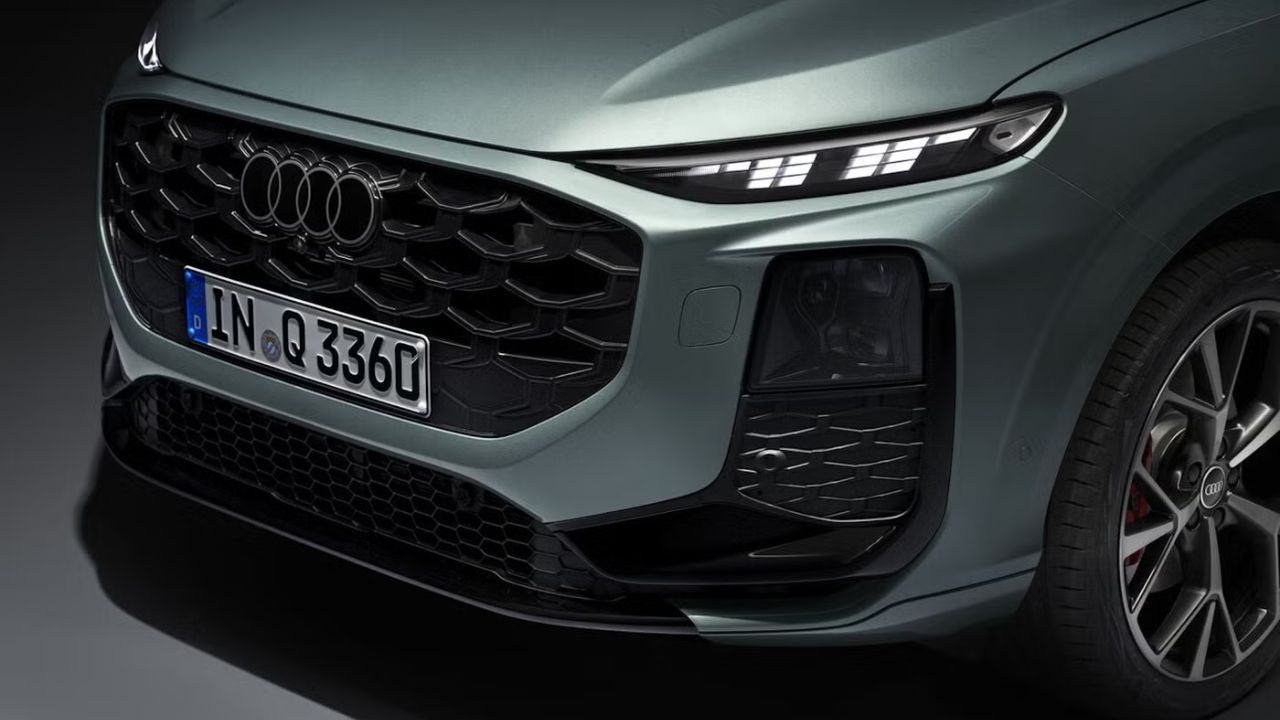
Audi is bringing its advanced adaptive headlight technology to U.S. vehicles, marking a long-awaited rollout of lighting systems that have already been widely used in Europe for years. The move signals a shift in U.S. regulatory acceptance of more intelligent automotive lighting, which can dynamically adjust beam patterns to improve visibility without blinding other drivers.
The update reflects both regulatory progress and growing demand for safety tech that goes beyond traditional fixed-beam headlights.
What happened
Audi has begun introducing its latest adaptive lighting systems—often referred to as matrix-style LED headlights—into vehicles destined for the U.S. market. These systems use multiple individually controlled LEDs that can selectively dim or brighten sections of the beam in real time.
Instead of simply switching between low and high beams, the system can “shape” the light output to avoid oncoming traffic while still fully illuminating the road ahead. This allows drivers to maintain maximum visibility in dark conditions without manually adjusting headlights or compromising safety for others on the road.
For years, this technology was widely available in Europe but limited or restricted in the United States due to regulatory constraints around headlight behavior standards. Recent updates in U.S. lighting regulations have now opened the door for more adaptive systems, allowing automakers like Audi to finally deploy the feature at scale.
Why it matters
Adaptive headlights represent a major step forward in nighttime driving safety. By intelligently controlling light distribution, they reduce glare for other drivers while improving a driver’s ability to detect pedestrians, animals, and road hazards.
The technology is particularly valuable on highways and rural roads, where high beam usage is common but frequently must be toggled off to avoid dazzling oncoming traffic. With adaptive systems, drivers can effectively keep “high beam-level visibility” active almost continuously without violating safety constraints.
The rollout also highlights how U.S. automotive regulations are gradually aligning with global standards. Many advanced lighting technologies have reached Europe and parts of Asia earlier, but adoption in the U.S. has historically lagged due to stricter or different technical requirements. Audi’s expansion of this feature signals a closing gap between markets.
From a competitive standpoint, adaptive lighting is becoming a key differentiator in the premium segment. As safety systems increasingly rely on software and sensors, headlights are evolving from simple illumination tools into intelligent, adaptive safety components integrated into a vehicle’s broader driver-assistance ecosystem.
What to watch next
The rollout of adaptive headlights in the U.S. is expected to expand across more Audi models over time, likely starting with higher-end trims before reaching mainstream offerings.
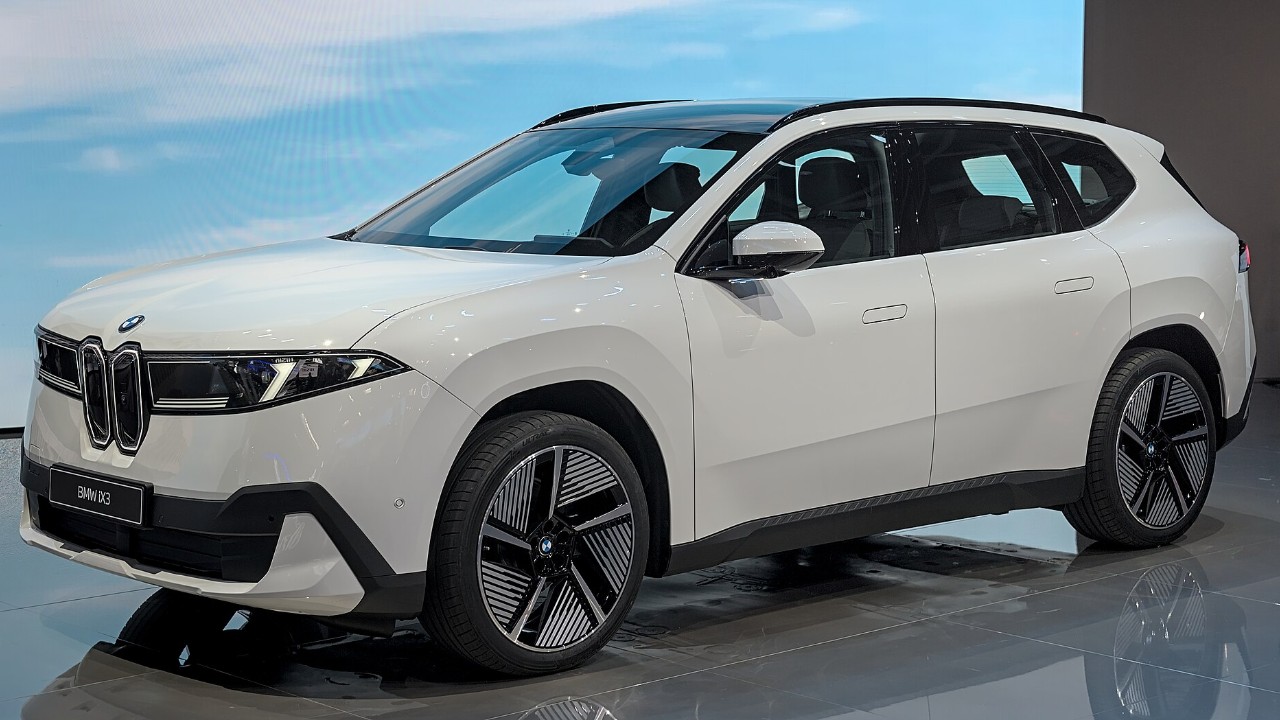
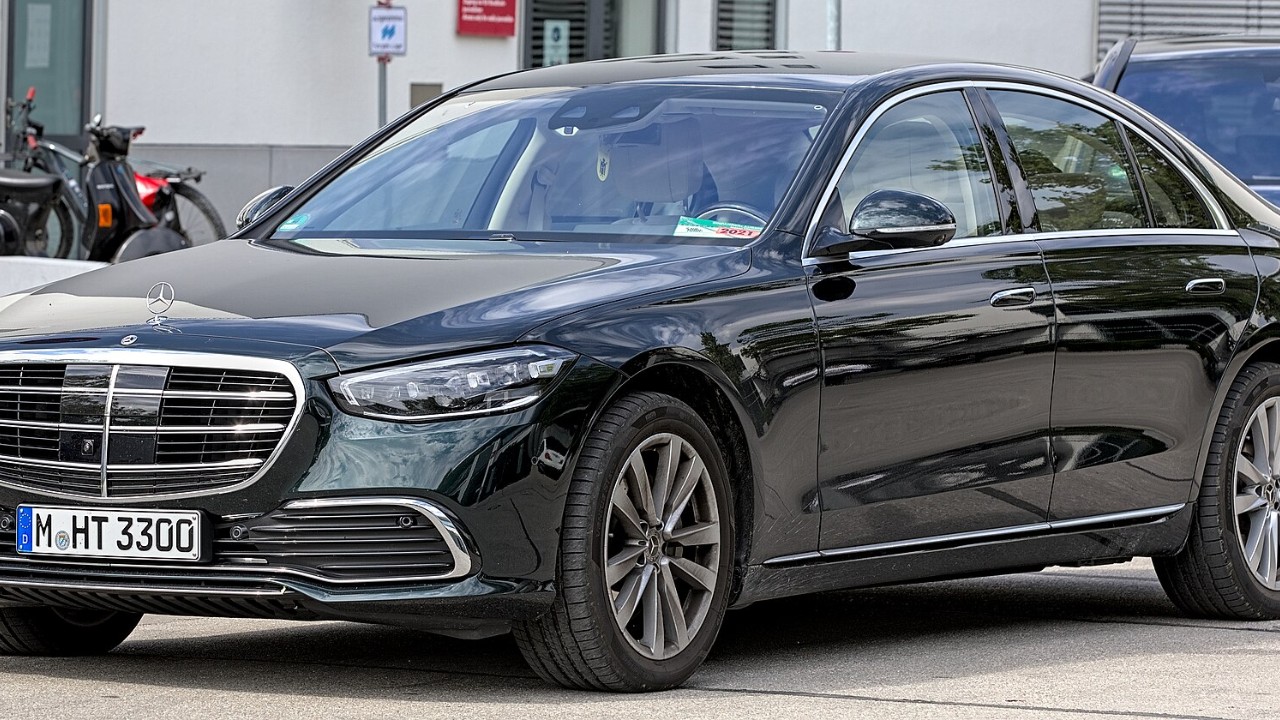
Other luxury automakers are also expected to accelerate similar deployments, as regulatory approval now makes broader adoption more feasible. Brands such as BMW and Mercedes-Benz already offer comparable systems in other regions and are positioned to expand them in the U.S. as well.
Future versions may integrate even more advanced features, including predictive lighting based on navigation data, camera-assisted hazard detection, and enhanced pedestrian illumination zones.
For now, Audi’s U.S. launch of adaptive headlights marks a significant milestone in automotive lighting—bringing smarter, safer nighttime driving technology to one of the world’s largest vehicle markets after years of delay.
More from Fast Lane Only