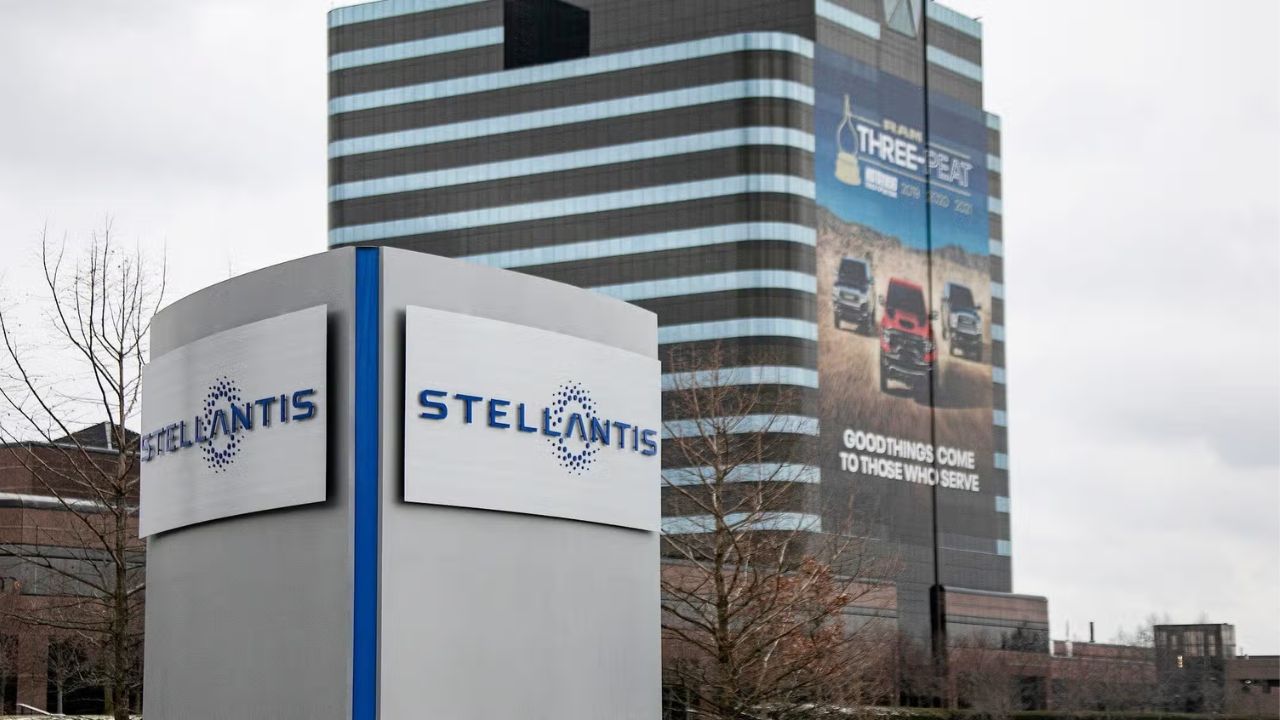
Stellantis is preparing a major push in the United States with a $7 billion investment plan aimed at launching 11 new or refreshed models by 2030. The strategy is designed to strengthen its position in one of the world’s most competitive automotive markets while accelerating electrification, platform upgrades, and brand revitalization across its portfolio.
The plan signals a long-term restructuring effort as Stellantis balances traditional combustion models with a growing lineup of hybrid and electric vehicles.
What happened
Stellantis’ multi-year investment program focuses on expanding production capacity, modernizing manufacturing plants, and developing new vehicle platforms tailored for the U.S. market. The company intends to introduce 11 new models across its key American brands, covering a mix of SUVs, trucks, and electrified passenger vehicles.
The investment is expected to support multiple brands under the Stellantis umbrella, including Jeep, Ram, Dodge, and Chrysler. A significant portion of the funding is directed toward electrification efforts, including battery-electric and hybrid systems designed to meet tightening emissions regulations and shifting consumer demand.
In addition to new vehicle launches, the plan includes upgrades to existing factories in the U.S., aimed at improving efficiency, increasing automation, and enabling flexible production lines that can build both combustion and electric models on shared platforms.
The strategy also reflects Stellantis’ broader push toward software-defined vehicles, where over-the-air updates, connected services, and digital features become central to the ownership experience.
Why it matters
The $7 billion commitment underscores how critical the U.S. market remains for global automakers. For Stellantis, which owns a diverse portfolio of legacy American and European brands, success in the U.S. is essential for maintaining global profitability and brand relevance.
The focus on 11 new models by 2030 highlights the scale of transformation required to stay competitive in a market increasingly dominated by electrified SUVs and trucks. Consumers are demanding more efficiency, advanced technology, and lower emissions without sacrificing performance or capability.
It also reflects intensifying competition from both traditional rivals and new entrants. Legacy automakers are racing to modernize lineups, while electric-only manufacturers continue to pressure established brands on pricing, software, and innovation.
For Stellantis, the challenge will be balancing its iconic internal combustion vehicles—particularly high-margin performance and truck models—with the transition toward electrification. Brands like Dodge and Jeep face especially high expectations as they move into hybrid and electric performance segments.
What to watch next
The rollout of the 11 new models will be closely watched for how Stellantis distributes them across its brands and powertrains. Jeep and Ram are expected to remain central to the company’s U.S. strategy, particularly in the SUV and pickup segments where demand remains strong.
Electrification progress will be another key indicator. The success of Stellantis’ U.S. plan will depend heavily on battery supply chains, charging infrastructure development, and consumer adoption of electric trucks and SUVs.
Finally, the pace of factory upgrades will determine how quickly Stellantis can adapt production lines to flexible, multi-energy platforms. If executed effectively, the investment could position the company for long-term competitiveness in a rapidly changing automotive landscape.
More from Fast Lane Only