In 1969, Pontiac blended raw V8 power with upscale features in a way few American manufacturers had done before. The result wasn’t a stripped-down muscle car or a bloated cruiser—it was something in between. The Grand Prix marked Pontiac’s move into the personal luxury performance space, where form, function, and fury could share the same badge. Here are eight facts that explain how Pontiac pulled it off.
It started with the Grand Prix redesign in 1969

For 1969, Pontiac gave the Grand Prix a ground-up overhaul using a modified A-body chassis. They stretched the nose, tightened the rear, and created a fastback profile that looked nothing like the sedans it shared parts with. The base engine was a 400-cubic-inch V8, with optional 428s pushing as much as 390 horsepower.
The response was immediate. Sales jumped from under 32,000 in 1968 to over 112,000 in 1969—more than triple the year prior. Pontiac had found the sweet spot between presence and performance.
The SJ package brought luxury and power

The Grand Prix SJ wasn’t just a trim—it was a message. The SJ offered the high-output 428 V8 rated at 390 hp, along with firmer suspension, upgraded gauges, and exclusive interior appointments. It made luxury muscle a real category for Pontiac.
Later SJs featured the 455 and leaned harder into comfort, but early models were all about torque and swagger. If you ordered an SJ in 1969, you got one of the quickest full-size coupes GM ever built.
Interiors were a cut above the typical muscle car

Pontiac didn’t hold back inside the Grand Prix. The dashboard wrapped around the driver, more aircraft than car, and was trimmed with real wood. Bucket seats, a center console, and a full gauge cluster came standard.
Options included power accessories, air conditioning, tilt-wheel, and 8-track audio. It felt a class above the GTO—even though it shared much of the same DNA. This wasn’t just a fast car. It was a fast car you could spend hours in comfortably.
It introduced the longest single-piece hood in GM history

The 1969 Grand Prix had a hood that stretched over 66 inches—longer than anything GM had installed on a production car at the time. It wasn’t just about drama. That hood had to cover big-block V8s and reinforce the car’s low, commanding stance.
It became a defining design feature. No matter the trim level, every Grand Prix looked like it meant business from the moment you saw it in your rearview mirror.
Pontiac offered serious V8 options

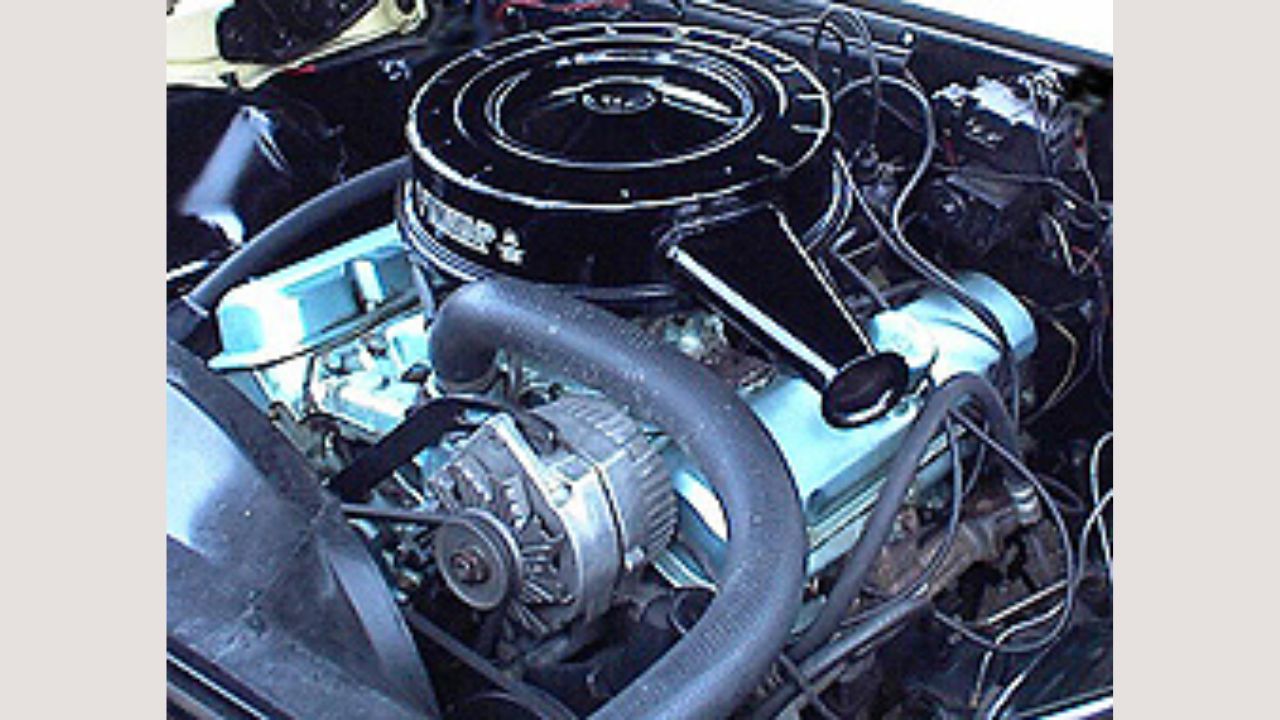
Under the hood, Pontiac offered a full spread of powertrains. The 400ci was standard, but the 428 and later the 455 delivered serious performance. The 428 HO with 390 hp and 460 lb-ft of torque gave the Grand Prix real street credibility.
Even as emissions regulations tightened in the mid-’70s, Pontiac kept tuning for usable torque and strong off-the-line performance. The Grand Prix was never slow—and it never pretended to be.
Styling blended muscle cues with luxury touches
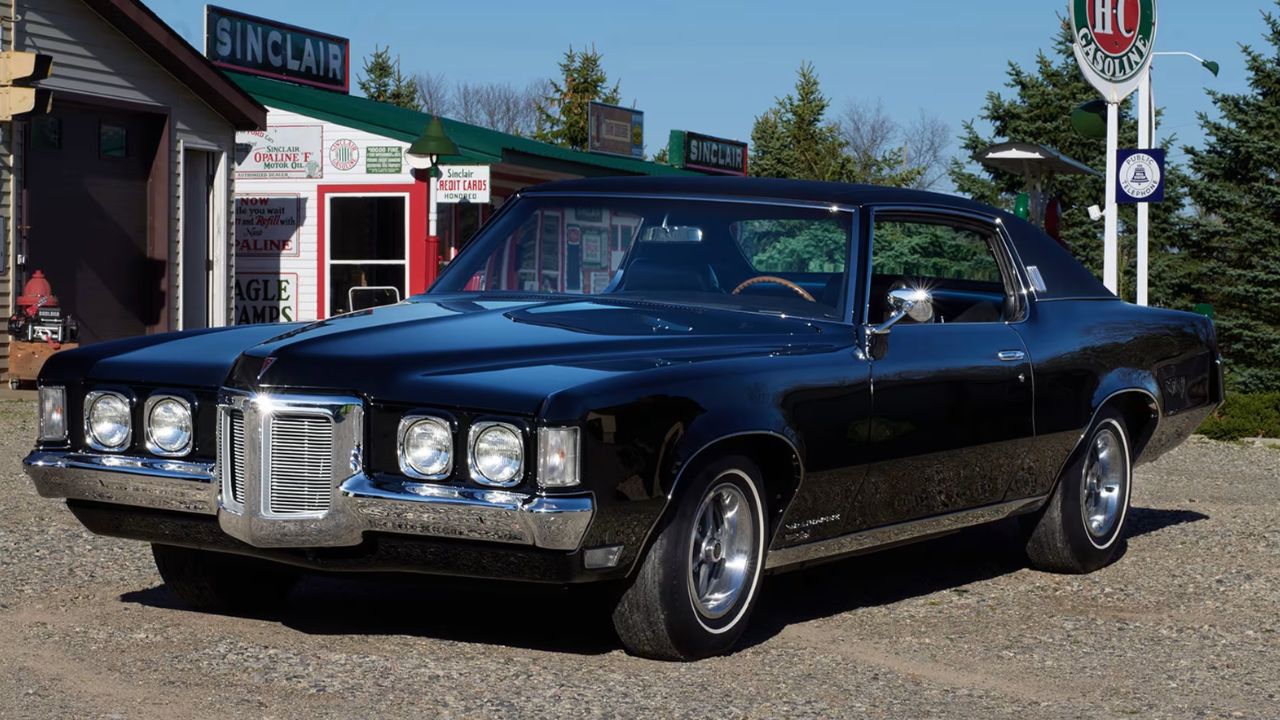
The early Grand Prix wore recessed grilles, hidden headlights, and a long, sculpted body. It had muscle car proportions, but with a level of restraint. Chrome was used sparingly at first but grew more prominent in later models.
Even as the design shifted toward personal luxury cues like opera windows and padded tops, it never lost its sharp profile. Pontiac managed to evolve the car without dulling its attitude.
It became a sales leader in personal luxury

The redesigned Grand Prix blew past expectations in 1969, outselling the Ford Thunderbird and establishing Pontiac as a leader in the growing personal luxury market. By 1973, annual sales topped 150,000 units.
That success didn’t just boost Pontiac’s numbers—it shaped GM’s entire strategy. The Buick Regal, Olds Cutlass Supreme, and Chevy Monte Carlo all took cues from what the Grand Prix proved possible.
It blurred the line between muscle and grand touring

The Grand Prix wasn’t just a muscle car or a luxury coupe—it was Pontiac’s take on American grand touring. With big power, sharp handling (for its size), and upscale trim, it delivered something few cars could at the time.
While the muscle era faded under insurance pressure and emissions rules, the Grand Prix carried on. It proved that power and comfort weren’t mutually exclusive—and for a brief period, Pontiac was the only one doing both well.
Like Fast Lane Only’s content? Be sure to follow us.
Here’s more from us:
*Created with AI assistance and editor review.