Jet engines have always been a marvel of modern engineering, captivating enthusiasts with their power, capabilities, and unique sounds. For aviation aficionados, the auditory experience of a jet engine can evoke nostalgia and excitement. Some engines are celebrated not only for their technical prowess but also for the distinctive and memorable roars they produce.
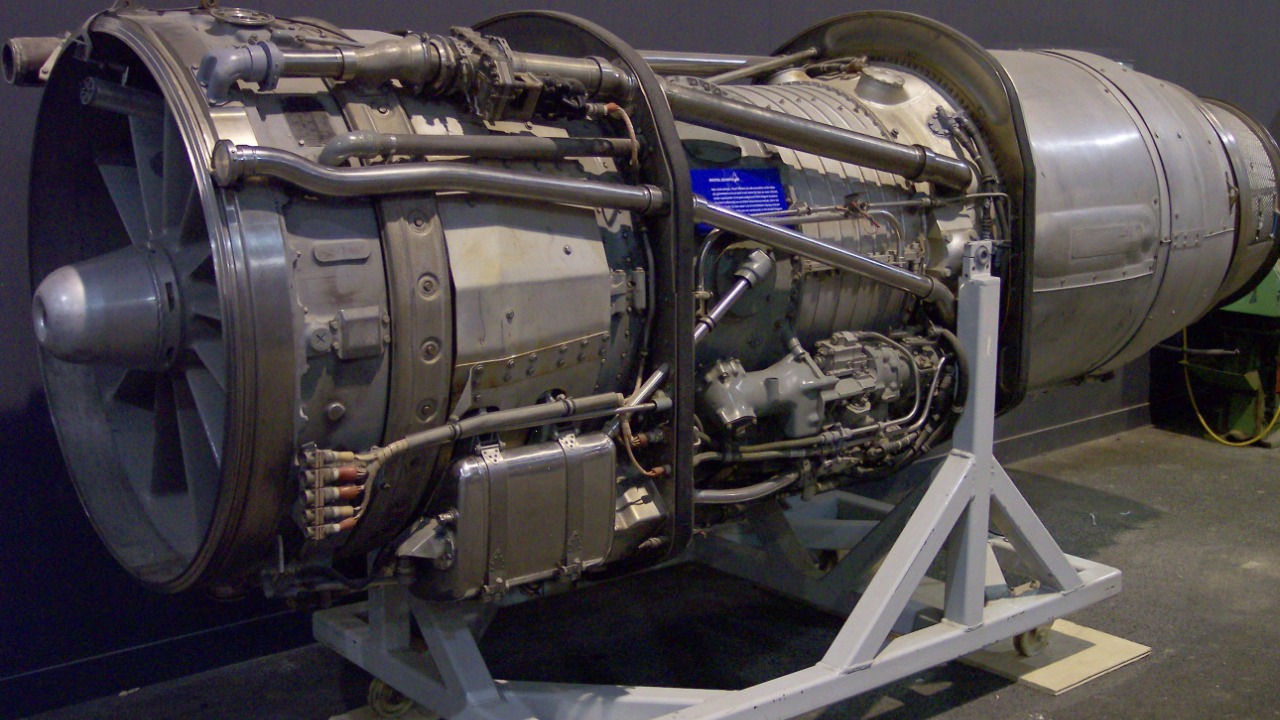
The Iconic Whistle of the Rolls-Royce Olympus
Image Credit: unknown – CC BY-SA 3.0/Wiki Commons
Few sounds in aviation history are as iconic as the whistle produced by the Rolls-Royce Olympus engines on the Concorde. This sonic symphony was synonymous with the era of supersonic travel, captivating passengers and aviation enthusiasts alike. The Olympus engines were designed to operate at high speeds, and their unique whistle was a byproduct of the complex airflow dynamics at play.
The engineering marvel behind the Olympus engine’s sound profile lies in its advanced design features. The engines were equipped with afterburners and operated at high pressure, which contributed to the distinct acoustic signature. Additionally, the specific materials used in the construction and the precise alignment of the engine components played crucial roles in shaping the sound. These elements combined to create a noise that was as recognizable as the aircraft itself, embedding the Olympus engines in the annals of aviation history.
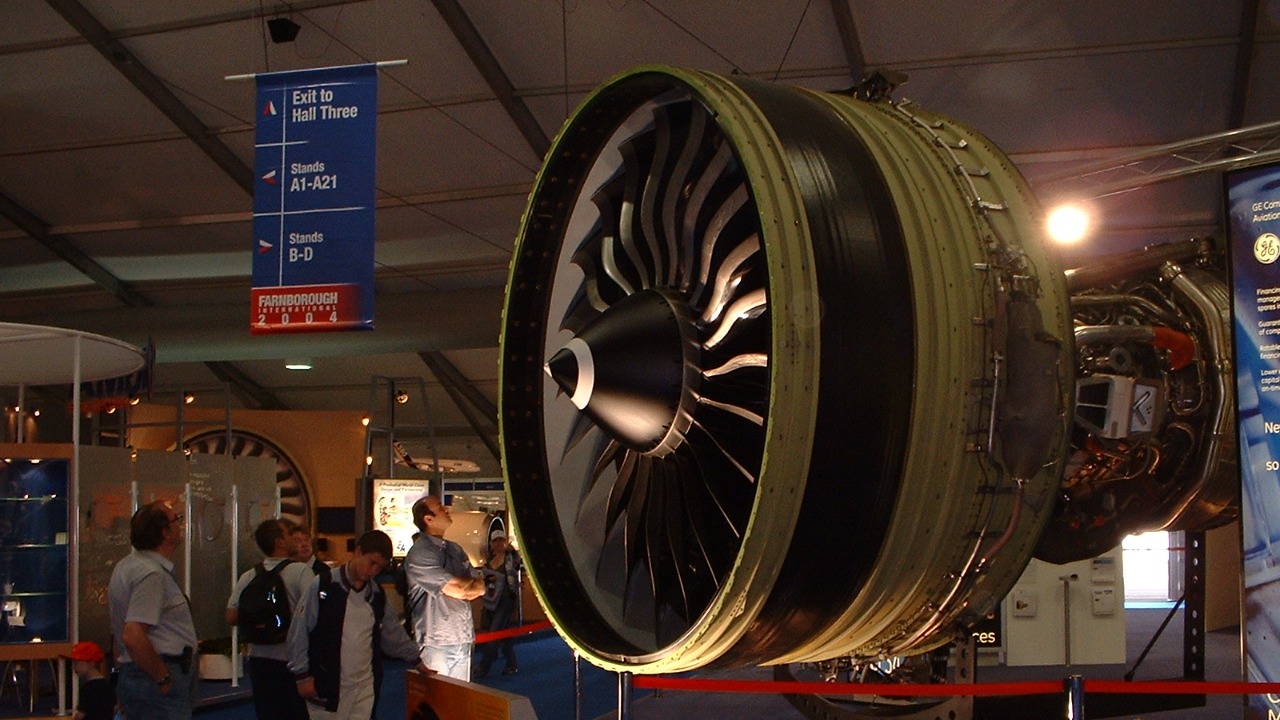
General Electric’s Roaring Giants
Image Credit: Sovxx – CC BY-SA 3.0/Wiki Commons
The GE90 engine, used on the Boeing 777, is renowned for its deep, powerful roar during takeoff—a sound that signifies power and technological achievement. This engine, a creation of General Electric, stands as one of the most powerful in the aviation industry, known for its ability to support long-haul flight capabilities. The unmistakable roar is revered by aviation fans and is often described as a sound of unparalleled strength.
The engineering and acoustics that resulted in the GE90’s unique acoustic signature are noteworthy. The engine’s size, along with its advanced fan blade design, enables it to produce a sound that resonates with intensity. The composite materials used in the fan blades and the engine’s overall architecture contribute to this auditory phenomenon, making it a favorite among those who appreciate the power of aviation technology.
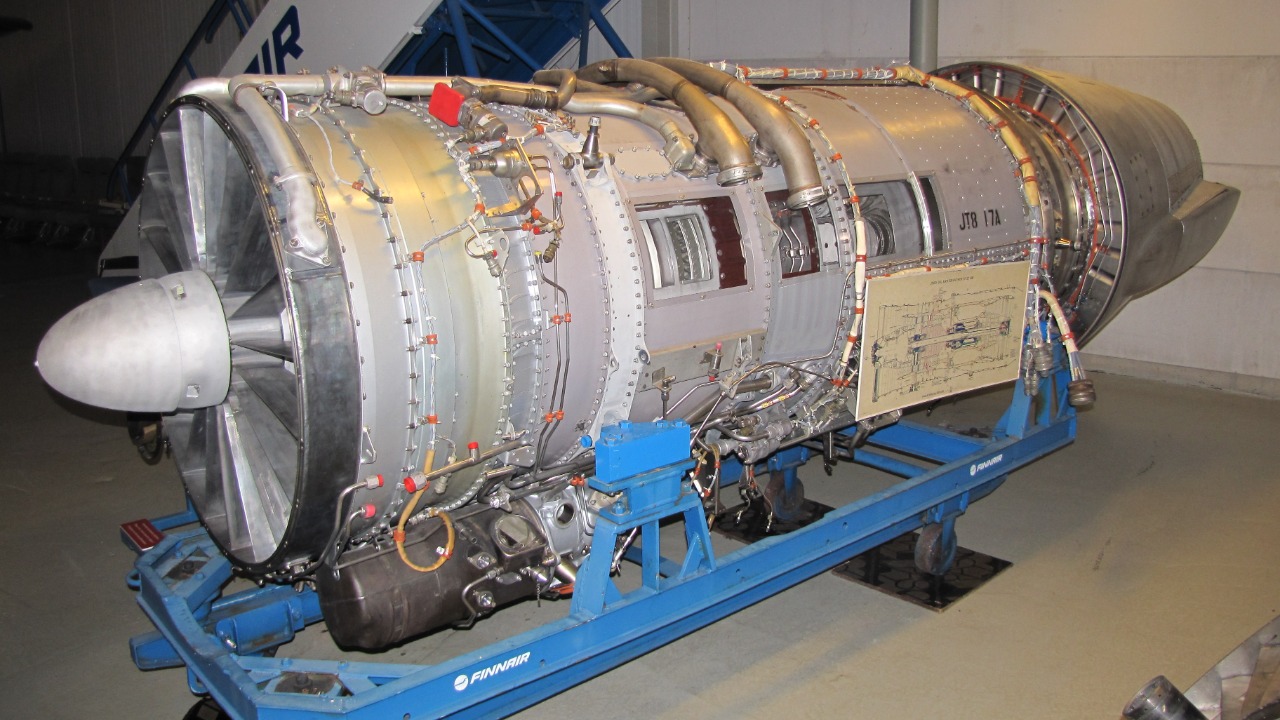
Pratt & Whitney’s Screaming Eagles
Image Credit: MKFI – Public domain/Wiki Commons
The JT8D engine’s classic roar is a sound that evokes nostalgia for many aviation enthusiasts. Known for powering classic airliners like the Boeing 727 and the Douglas DC-9, the JT8D has a distinctive noise that has left a lasting impact on aviation history. Its sound is often associated with the golden age of air travel, a time when jet engines were celebrated for their raw power and distinctive auditory signals.
This sound and its nostalgia are not merely about noise; they represent a connection to a bygone era of aviation. The JT8D’s impact extends beyond its auditory profile, shaping passenger experiences and leaving an indelible mark on those who flew in the aircraft it powered. The roar of the JT8D is a testament to the engineering prowess of the time, capturing the imagination of all who heard it.
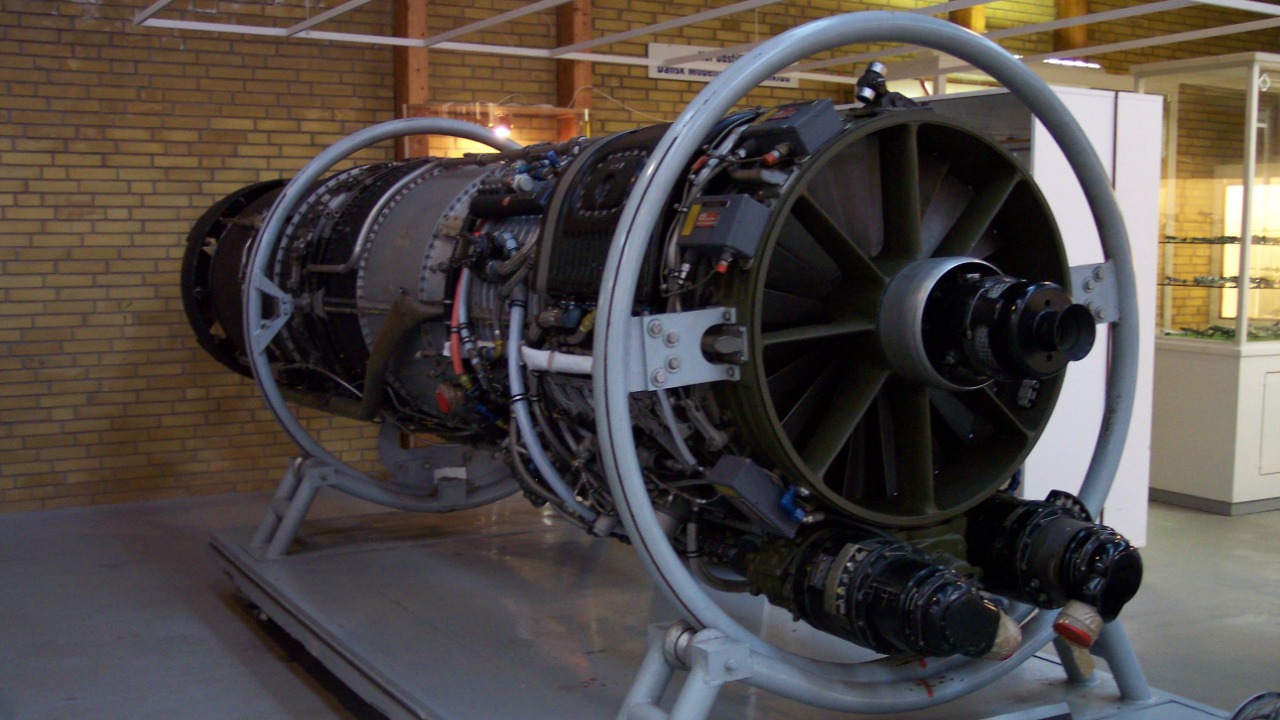
The Thunderous Symphony of the J79
Image Credit: unknown – CC BY-SA 3.0/Wiki Commons
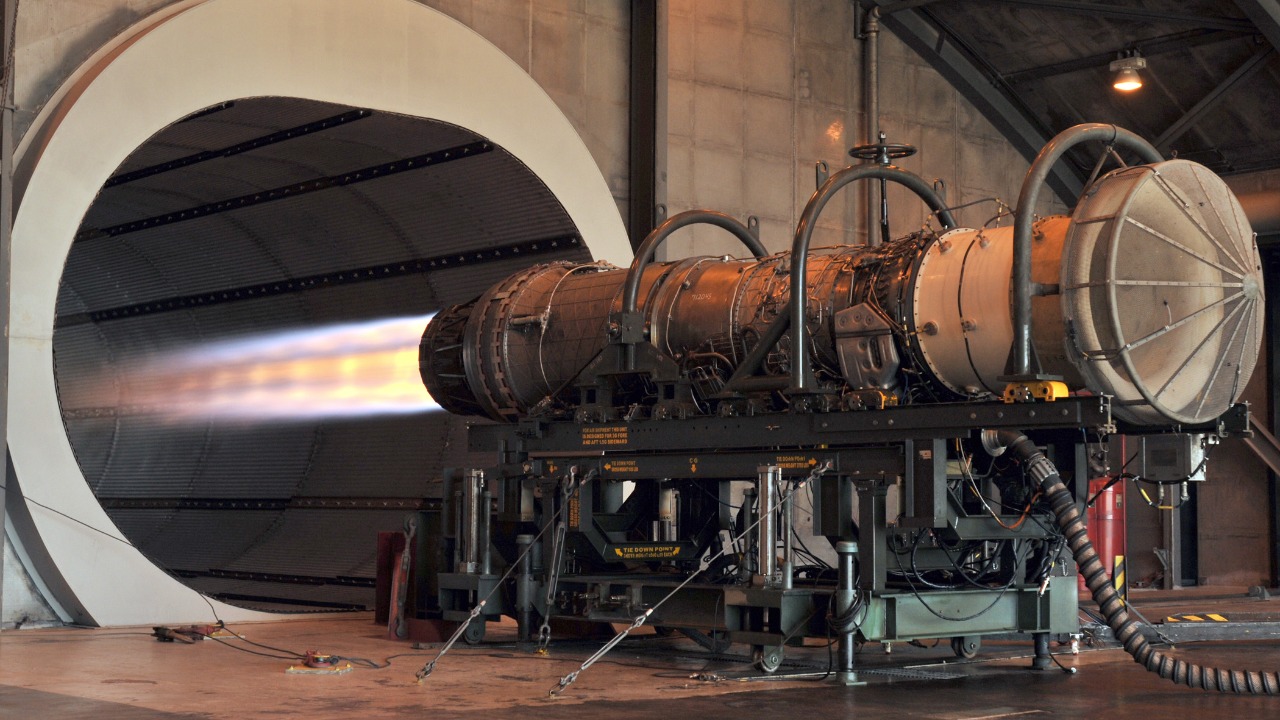
The J79 engine, famous for powering the F-4 Phantom, is synonymous with military might and the thunderous noise that defined military jet operations during the Cold War. This engine was a powerhouse of sound and performance, known for the sonic booms it produced during high-speed maneuvers. The auditory experience of the J79 is one of raw power and technological innovation, emblematic of a time when military aviation was at the cutting edge.
Technological innovations in the J79 made it a powerhouse of sound and performance. The engine’s design included advanced materials and construction techniques that allowed it to operate at exceptional speeds without sacrificing reliability. These innovations contributed to the J79’s thunderous symphony, ensuring its place in the history of military aviation soundscapes.
The High-pitched Harmony of the CFM56
Image Credit: Blervis – CC BY-SA 4.0/Wiki Commons
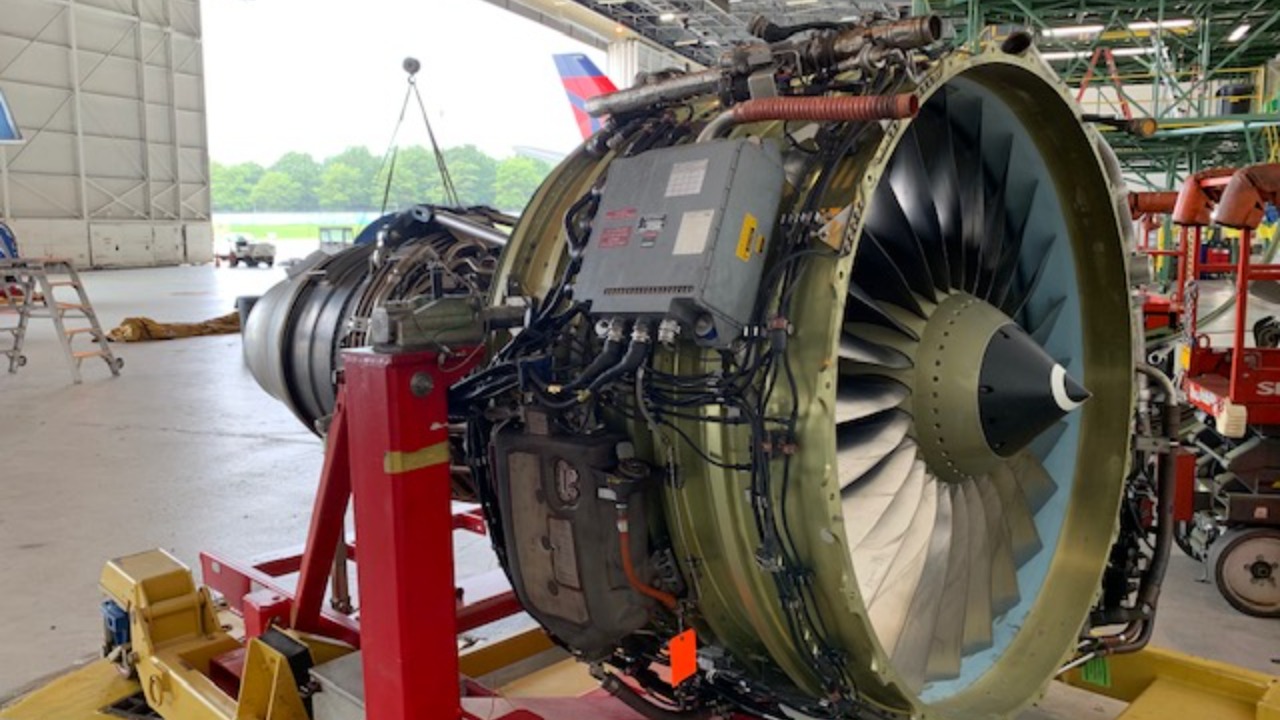
The CFM56 engine is a modern workhorse, used in aircraft like the Boeing 737 and the Airbus A320. It balances power and efficiency while maintaining a distinct sound that is both modern and recognizable. This engine represents the evolution of jet engine acoustics, where advancements in noise reduction have been made without compromising its unique auditory profile.
The evolution of sound in the CFM56 highlights the industry’s commitment to reducing noise pollution while preserving the character of jet engine sounds. Despite modern regulations and technological changes, the CFM56 maintains its distinctive sound profile, a testament to the balance between engineering innovation and acoustic identity. This high-pitched harmony is a favorite among those who appreciate the modern advancements in aviation technology.
Bobby Clark is the founder and editor of Fast Lane Only, covering performance cars, automotive news, recalls, classic vehicles, consumer automotive topics, and enthusiast culture. His work focuses on making automotive news engaging, accessible, and informative for both enthusiasts and everyday drivers.
Welcome!
Welcome to Fast Lane Only—We are an independent automotive publication covering performance cars, automotive news, recalls, classic vehicles, industry trends, and enthusiast culture.
From the rarest collector’s cars to the high-performance machines turning heads today, we bring you stories, specs, and insider looks at the rides that matter. If it’s fast, legendary, or owned by someone famous, you’ll find it here. Buckle up and stay in the fast lane!