BMW is moving rapidly into electric vehicles, yet it is refusing to abandon the big combustion engines that built its modern performance reputation. Even as battery-powered models take center stage, the company is keeping V8 and V12 power on the road for customers who still equate luxury and speed with cylinders and displacement. That decision sets BMW apart from rivals that are trimming their engine lineups and signals a more gradual, multi‑track transition to an electric future.
Behind the strategy is a clear message: the era of the V8 and V12 is not over yet, especially in markets where demand for traditional performance remains strong. BMW is betting that it can meet tightening emissions rules, expand its electric range, and still satisfy enthusiasts who want the sound and feel of a large combustion engine.
Electric pivot, combustion backbone
BMW is publicly committed to expanding its electric portfolio, but it is not treating that shift as a clean break from combustion technology. Executives have confirmed that the company will continue to build vehicles with V8 and V12 engines even as the core lineup tilts toward battery power, positioning these large engines as a parallel track rather than a relic. A spokesperson has described the plan as a dual approach in which electric models grow in volume while high‑end combustion cars remain available for buyers who insist on traditional performance.
This is not a token gesture. Reporting indicates that BMW intends to keep producing large engines as part of a broader strategy that balances regulatory pressure with customer expectations and brand identity. While some competitors are rapidly downsizing to four‑ and six‑cylinder hybrids, BMW is deliberately preserving its upper‑tier engines, signaling that the company sees continued commercial and marketing value in keeping V8 and V12 power in the showroom.
U.S. and Middle East demand keeps big engines viable
The most important reason these engines survive is simple: customers in key regions still want them. BMW has described appetite for V8 engines in the United States as “above average,” a phrase that underscores how strongly Americans continue to favor eight‑cylinder performance cars and SUVs. That demand is robust enough that the company expects U.S. buyers to keep choosing V8‑powered models in the near term, which makes it difficult to justify retiring those engines purely for strategic signaling.
BMW has also pointed to the Middle East as another market where V8 engines remain central to its business. In that region, large, powerful sedans and SUVs are closely tied to perceptions of status and capability, and customers have shown little interest in downsizing to smaller engines. Together, the United States and the Middle East provide a commercial foundation that allows BMW to keep investing in V8 technology while it scales up electric production elsewhere.
Production lines and Munich’s extended role
Keeping big engines alive is not just a marketing decision, it is a manufacturing commitment. BMW has decided that production of certain engine components in Munich will continue beyond an earlier cut‑off point that had been set as part of its electrification roadmap. Extending that timeline signals that the company expects meaningful demand for V8 engines well into the next product cycle, enough to justify keeping specialized tooling and expertise in place at one of its most important facilities.
This choice also reflects how BMW views its industrial flexibility. By maintaining engine component production in Munich, the company preserves the ability to adjust its mix of combustion and electric vehicles in response to market shifts rather than locking itself into a single technology path. That flexibility is particularly valuable when U.S. demand for V8 engines is described internally as stronger than average, and when the company is still gauging how quickly customers in different regions will embrace full electrification.
M division, Rolls‑Royce, and the V12 exception
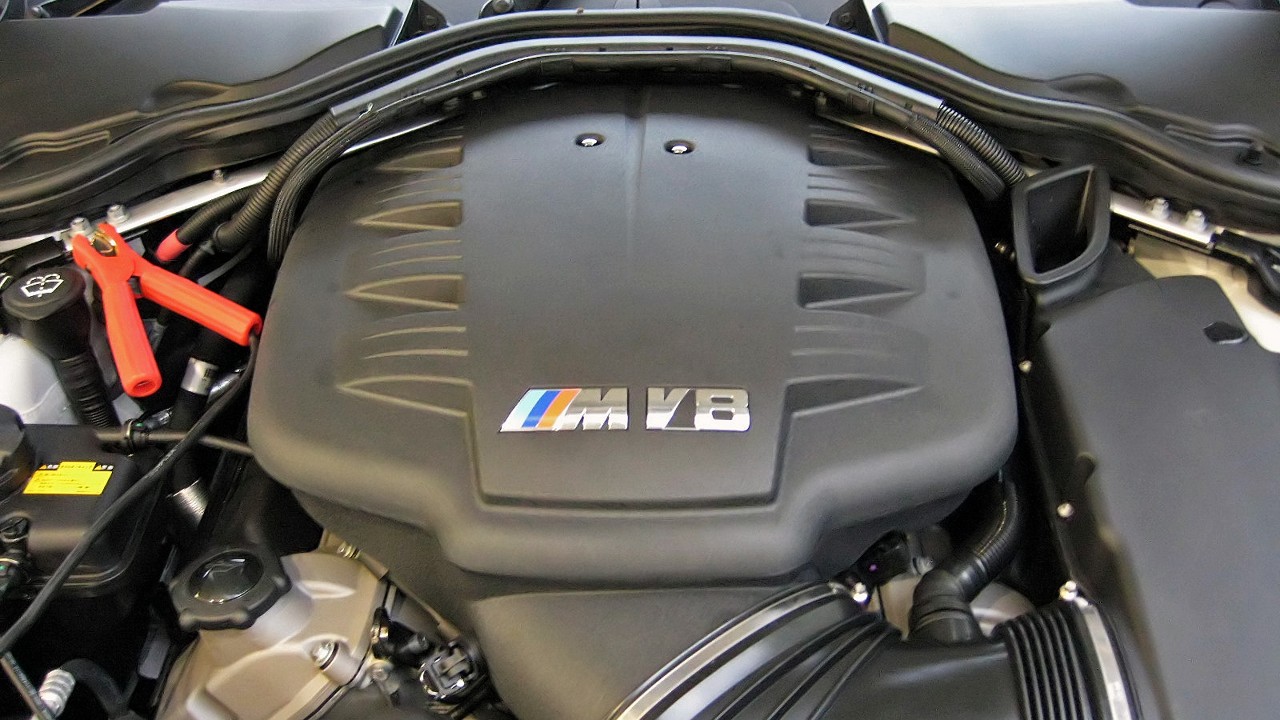
BMW’s performance and ultra‑luxury brands are central to its decision to keep large engines in play. The company has made clear that its iconic inline‑six and V8 engines will continue to power M division models, including upcoming versions of the BMW M5 and BMW M8 that are being positioned to rival Audi RS and Mercedes AMG performance flagships. These “performance monsters,” as one report described them, rely on the instant response and character of large combustion engines, and BMW is not ready to surrender that territory to competitors.
The V12, while rarer, is not disappearing either. BMW has stated that Rolls‑Royce will continue to use a twelve‑cylinder engine, keeping one of the industry’s last V12s in production. The company has explained that it can meet Euro 7 emissions standards with optimization of the exhaust system and catalysts, which gives it a technical path to keep the Rolls‑Royce V12 alive even as regulations tighten. Although BMW has no plan to reintroduce a V12 under its own badge, it clearly sees value in maintaining that engine for Rolls‑Royce customers who expect effortless, twelve‑cylinder power.
Regulation, Euro 7, and the limits of downsizing
Regulatory pressure in Europe is often cited as the death knell for large engines, but BMW is using engineering rather than abandonment to respond. Company representatives have said that Euro 7 requirements can be met for V12 applications through targeted changes in exhaust treatment and catalyst design, which they describe as a significant advantage. That approach allows BMW to comply with stricter rules without fully surrendering the characteristics that define its top‑tier engines.
At the same time, the company acknowledges that engine downsizing is real, with many V8s across the industry already replaced by turbocharged four‑ and six‑cylinder units and hybrid systems. BMW’s stance is not a denial of that trend but a refusal to let it dictate every product decision. By keeping its inline‑six, V8, and Rolls‑Royce V12 in production while expanding electric offerings, BMW is effectively arguing that the future of performance and luxury will be plural, with batteries and big engines coexisting for longer than many expected.
More from Fast Lane Only