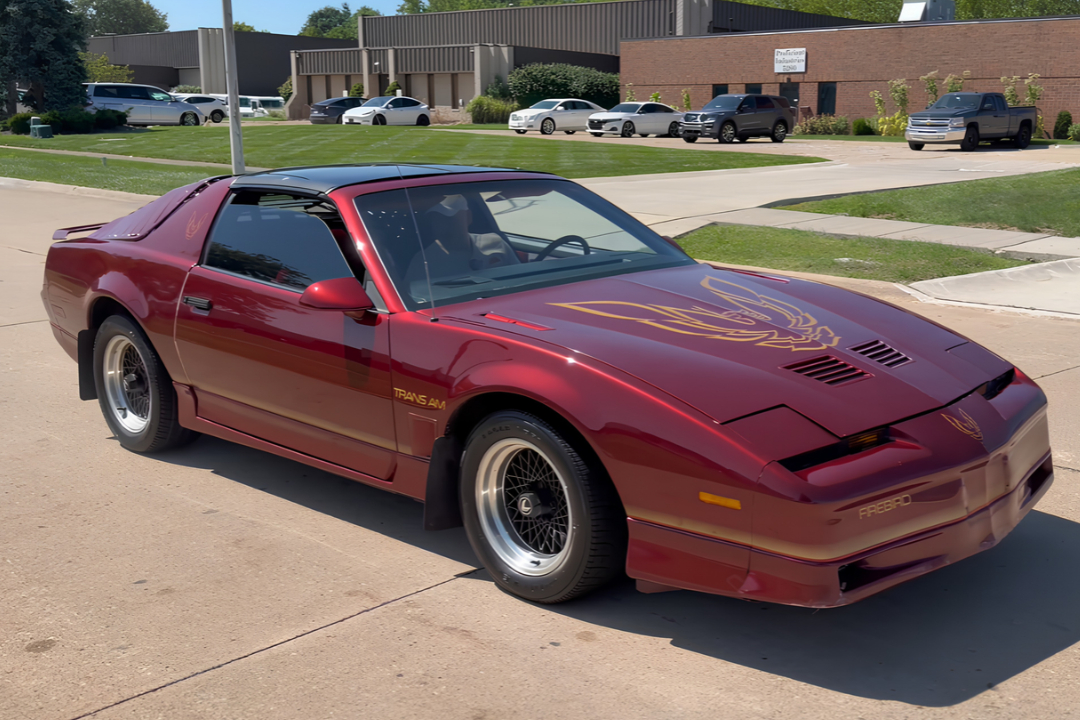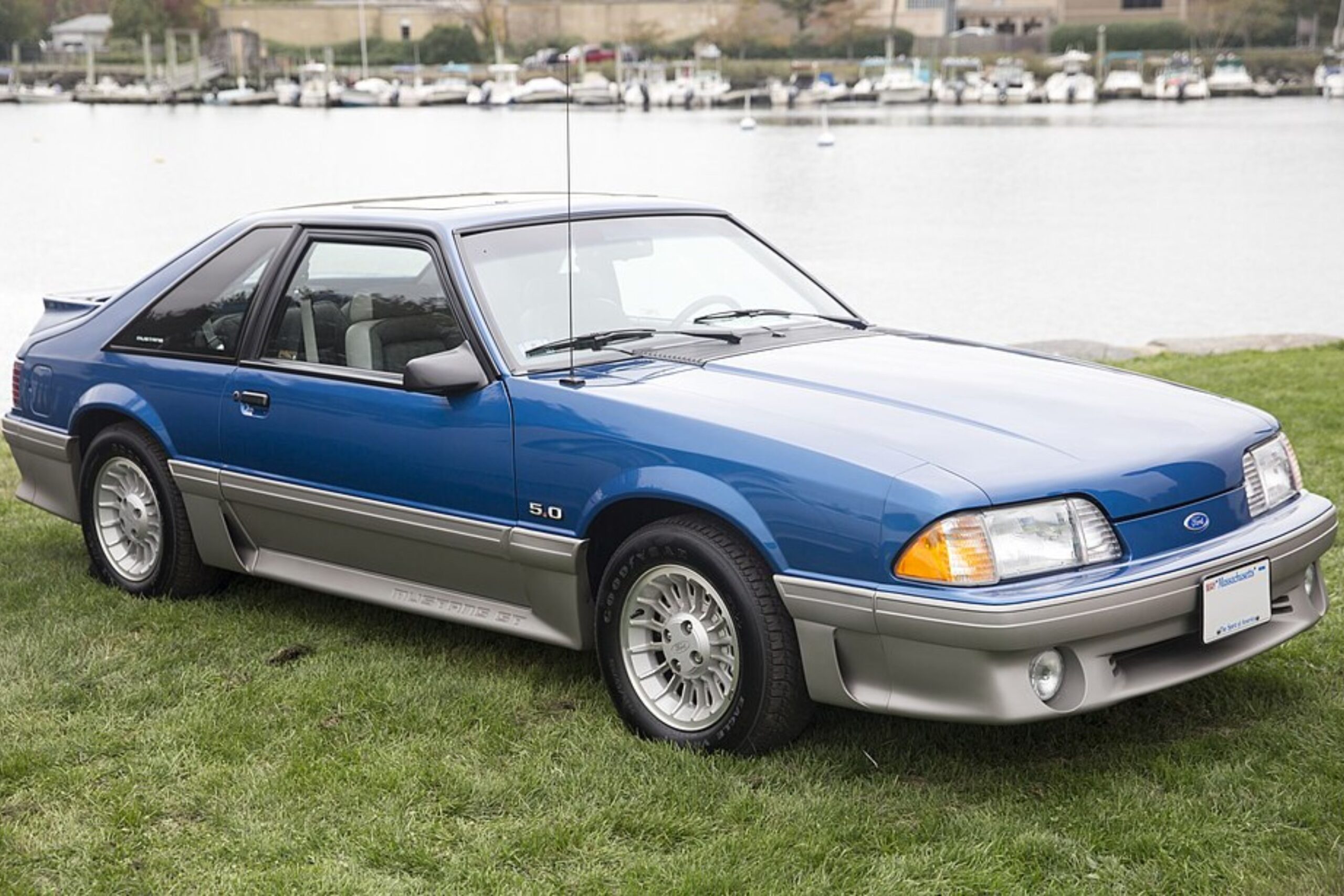
It started like a lot of weekend car deals do: a quick message, a meetup, a few laps around the block, and a handshake. The buyer had been hunting for a clean Fox Body Mustang for a while, the kind that still makes people grin at stoplights. The price was $14,000 cash, and the car looked like it was worth every bill.
Then came the part nobody thinks will happen to them. After the money changed hands and the excitement settled, the buyer learned the VIN on the Mustang didn’t match the Mustang at all. According to the paperwork trail, that VIN belonged to a completely different car.
A Fox Body deal that felt normal—until it didn’t
On the surface, it checked the right boxes. The Mustang presented well, ran strong, and had the sort of vibe that makes you picture summer nights and classic rock radio. The seller seemed prepared, had a story for the car, and didn’t raise obvious red flags during the meetup.
That’s why these situations sting so much. Most buyers aren’t expecting a forensic investigation when they’re just trying to buy a fun project or weekend cruiser. If the car looks right, drives right, and the seller seems normal, it’s easy to assume the VIN is just another boring detail.
The moment the VIN didn’t add up
The issue came to light when the buyer went to handle post-sale paperwork and verification. A routine VIN check—through insurance, the DMV, a registration service, or even a quick database lookup—returned results that didn’t match a Fox Body Mustang. Different make, different model, different identity entirely.
That’s when the stomach-drop sets in. Because if the VIN doesn’t belong to the car, the car effectively doesn’t exist in the way the legal system needs it to. And without a clean path to title and registration, that shiny Mustang can turn into a driveway ornament fast.
How can a Mustang wear the wrong VIN?
There are a few ways this can happen, and not all of them start as a Hollywood-level crime plot. Sometimes it’s a sloppy mistake involving paperwork from a parts car or a previous owner who swapped components and didn’t document anything properly. Other times, it’s more deliberate: a VIN tag moved from one car to another to “fix” a title problem.
The darker version is what people call “re-VINning” or “VIN cloning,” where someone uses a legitimate VIN from another vehicle to disguise a stolen car or a car with a serious history. A Fox Body is a prime target because they’re popular, easy to modify, and old enough that a lot of documentation has been lost or muddied over decades. Basically, they’re lovable chaos on four wheels—sometimes more chaos than you bargained for.
What this means for the buyer (and why cash makes it worse)
Paying $14,000 in cash feels clean and simple until it isn’t. Cash leaves very little trail, and if the seller disappears or denies everything, the buyer can be stuck trying to prove the deal even happened. A bill of sale helps, but it’s not the same as having bank records, a cashier’s check receipt, or an escrow-style transaction.
The bigger issue is legal ownership. If the VIN on the car isn’t legitimate, the title may be invalid, or the title may be tied to a different vehicle entirely. That can block registration, insurance claims, and resale—and in some cases, law enforcement could treat the car as stolen property until it’s sorted out.
Why Fox Body Mustangs get caught in these messes
Fox Bodies sit in a sweet spot: affordable enough that people buy them as projects, valuable enough that clean ones pull real money, and old enough that they’ve often had multiple owners and multiple “phases.” Engine swaps, dash swaps, front-end conversions, and full restorations are normal in this world. Unfortunately, paperwork doesn’t always keep up with wrenching.
Also, the market has changed. A Fox Body that might’ve been a $4,000 beater years ago can now be a five-figure car, especially if it’s rust-free or nicely built. Higher prices attract more attention, and not all of it is the good kind.
The red flags people wish they’d noticed sooner
In VIN-mismatch situations, there are a few patterns that show up again and again. A seller who insists on meeting in a parking lot instead of at a home address, a title that looks “fresh,” or paperwork that seems oddly incomplete are common. Another big one is pressure: “I’ve got three other people coming tonight, so you’ve gotta decide now.”
Physical clues can matter too. VIN plates that look tampered with, rivets that don’t match factory style, or inconsistent stickers in door jambs can be hints. None of these are slam-dunks by themselves—cars get repainted, panels get swapped—but when the story and the details don’t line up, that’s when you slow down.
What typically happens next
When a VIN mismatch is discovered, the buyer usually has three immediate priorities: stop driving it, gather documentation, and figure out whether the title can be corrected. That might mean contacting the DMV, a state police vehicle inspection unit, or a licensed VIN inspector, depending on where the buyer lives. The goal is to determine what the car actually is, where it came from, and whether it can be assigned a legitimate identity through proper channels.
If the VIN belongs to a different car that’s currently registered to someone else, things get complicated quickly. The buyer may have to treat the Mustang like a potential stolen vehicle until authorities say otherwise. And even if it isn’t stolen, it still might be impossible to title without a bonded title process, a reconstructed title path, or a state-assigned VIN—steps that take time, money, and patience.
How to protect yourself before buying a classic or project car
The frustrating part is that a little prevention often beats months of cleanup. Before handing over money, it’s smart to verify the VIN in multiple places on the car and confirm it matches the title exactly. It’s also worth running a VIN history check and calling your local DMV to confirm the title format and any lien status rules.
It helps to pay in a traceable way or, at minimum, create a paper trail: a detailed bill of sale, photos of the seller’s ID (if they’ll allow it), and photos of the VIN and title at the time of sale. Meeting at a bank, DMV office, or tag agency can feel awkward, but awkward is cheaper than a $14,000 lesson. And if the seller refuses any reasonable verification, that’s usually the clearest message you’ll get.
A reminder that “clean” isn’t just paint-deep
The Mustang may have looked perfect sitting there in the sun, and it may have driven exactly like a Fox Body should—loud, lively, and a little mischievous. But the identity of a car lives in its VIN, and when that doesn’t match, everything else becomes a question mark. It’s one of those situations where the car can be totally real while the paperwork is totally wrong.
For buyers chasing old-school horsepower, this story is a tough but useful nudge. Check the boring stuff, even when the fun stuff is calling your name. Because nothing kills the joy of a new ride faster than learning it’s legally somebody else’s car.
More from Fast Lane Only
- Unboxing the WWII Jeep in a Crate
- 15 rare Chevys collectors are quietly buying
- 10 underrated V8s still worth hunting down
- Police notice this before you even roll window down
*Research for this article included AI assistance, with all final content reviewed by human editors.