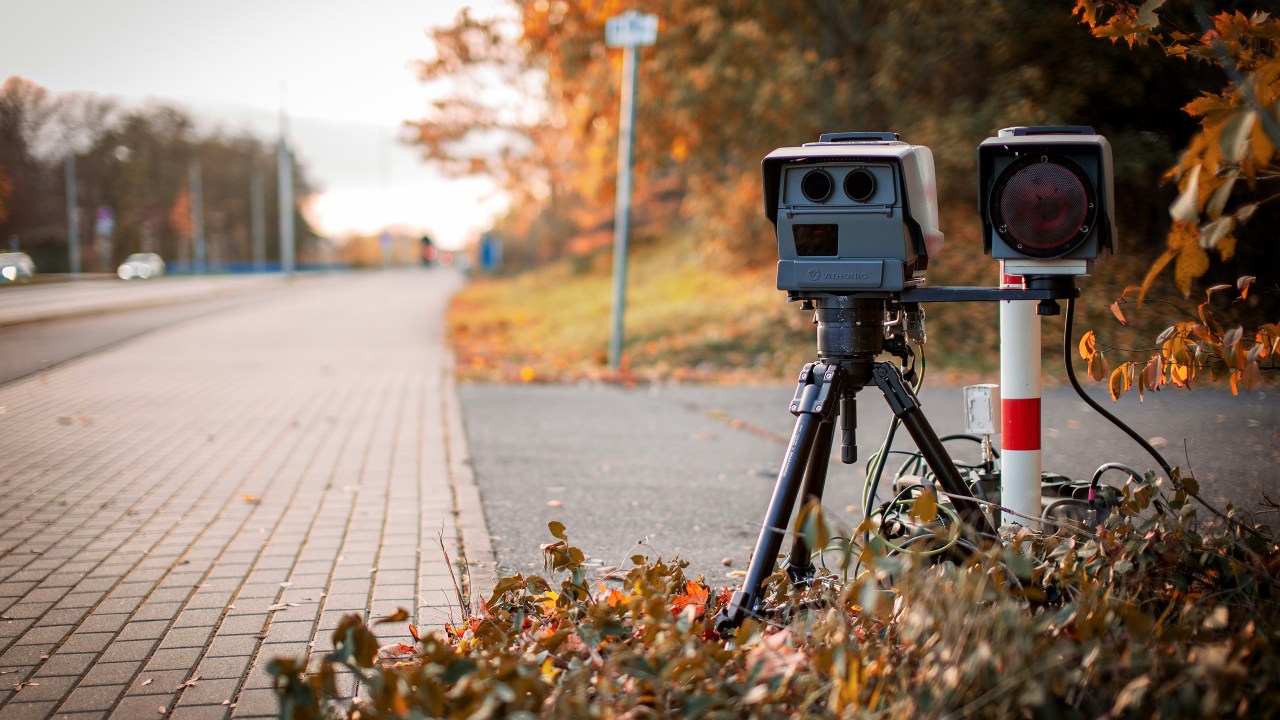
California is shifting from traditional traffic stops to automated radar systems that can clock a speeding car, capture its license plate and trigger a ticket with little or no human involvement. The move reflects a broader effort to cut deadly crashes on some of the state’s most dangerous roads by relying on cameras and software instead of patrol cars and sirens. As cities begin to deploy these systems, the debate is no longer about whether automated enforcement is coming, but how it will work and who it will affect.
The change is unfolding first in a handful of large and midsize cities that have pushed for new authority from Sacramento to use cameras for speed and red light enforcement. Their early experiments, backed by state legislation and local safety campaigns, are setting the template for how automated radar enforcement could spread across California in the next few years.
From pilot authority to automated tickets
The legal foundation for California’s new camera programs is a set of state laws that give local governments explicit permission to use automated systems for traffic enforcement. Lawmakers have approved local California governments to establish automated traffic enforcement systems that can monitor speed limits and red light compliance, then issue fines based on the recorded violations. One key framework is described in California AB 645, a Vehicles speed safety system pilot program that outlines how selected jurisdictions can test camera-based enforcement on a limited basis, including rules for where cameras can be placed and how long the pilot can run.
State officials have framed these laws as part of a broader push to reduce traffic deaths, especially on corridors with a history of severe crashes. An update on the implementation of AB 645 describes a five year pilot structure and a process that requires each participating city council district to weigh in on camera locations, which is meant to keep decisions tied to documented safety problems rather than revenue goals. Separate statewide summaries of new California laws going into effect in 2026 note that lawmakers have approved automated traffic enforcement systems more broadly, signaling that what begins as a pilot in a few cities is expected to inform a larger rollout.
San Francisco and the Bay Area test the model
San Francisco is one of the first places in California to move from legislative authority to actual hardware on poles. City transportation officials have described why they are introducing speed safety cameras as a first for California, pointing to corridors like Geary Boulevard where high speeds have contributed to serious and fatal crashes. A city blog on why we are introducing speed safety cameras explains that the goal is to change driver behavior, not simply to punish, and it lays out a fine structure that starts with lower penalties for modest speeding and escalates for more extreme violations, with warning policies built in before full enforcement begins.
The city has already begun installing equipment. A report on the installation of 33 speed cameras in San Francisco notes that the devices are being placed on streets with a history of collisions and that fines can exceed $500 for the most severe offenses under the current legislation. According to that account, fines will start being mailed after an initial warning period, and the city is required to post information about camera locations and rules so drivers are not caught off guard. Nearby, San Jose is also preparing to use automated enforcement, with local coverage describing plans by the San Jose Department of Transportation to install new speed and red light cameras as part of a broader safety strategy, and a separate report indicating that Jose officials expect to install 33 new traffic speed cameras across the city to reduce serious crashes.
Los Angeles, Malibu and the Southern California push
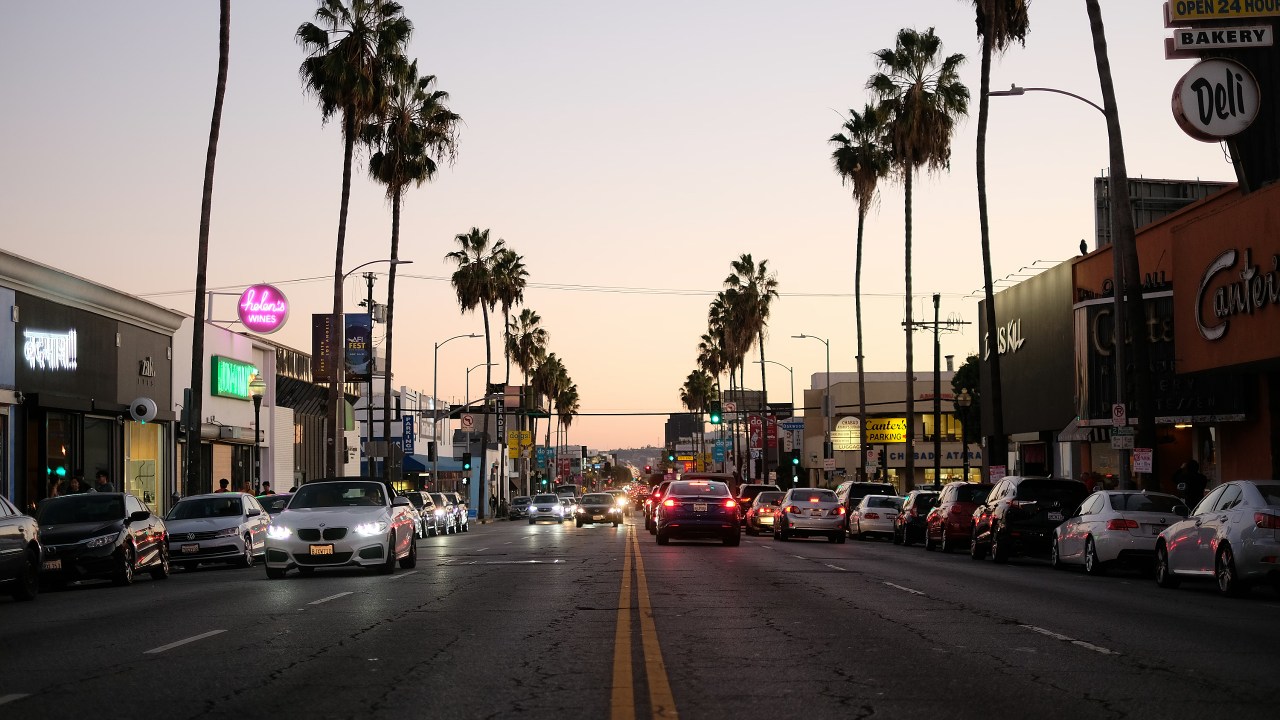
In Southern California, Los Angeles and Malibu illustrate both the promise and the challenges of automated radar enforcement. A detailed update on the process to implement AB 645 explains that Los Angeles is part of the five year pilot and that city leaders have identified dangerous corridors where speed cameras could help cut road fatalities. Yet another report on speed cameras on dangerous roads in Los Angeles notes that the city has lagged behind on actually installing the devices, even after state law gave permission, highlighting bureaucratic delays and debates over how to prioritize locations.
Along the coast, Malibu is moving more aggressively. A statewide summary on safer roadways describes how the Governor highlighted speed safety in Malibu along the Pacific Coast Highway, referencing SB 1297 by Senator Ben as a tool to allow cameras to monitor speed limits and issue fines on that notoriously hazardous stretch. Local reporting under the headline Malibu Moves Ahead with Speed Cameras on PCH, Enforcement Set to Begin by Fall describes how the City of Malibu is advancing its own program on the Pacific Coast Highway, with a focus on reducing speed related collisions and fatalities. Together, these efforts show how different Southern California jurisdictions are using the same state authority in distinct ways, with Malibu treating cameras as an urgent response to a single deadly corridor and Los Angeles wrestling with a more sprawling network of dangerous streets.
How the systems work and who gets ticketed
Although each city has some flexibility, the basic mechanics of California’s automated radar enforcement are similar. Cameras are paired with radar or similar sensors that measure a vehicle’s speed as it passes a fixed point. When a car exceeds a set threshold above the posted limit, the system captures images of the license plate and sometimes the driver, then forwards that data to a processing center where a citation can be generated and mailed. In San Francisco’s program, described in the city’s explanation of why we are introducing speed safety cameras, fines are tiered based on how far over the limit a driver is traveling, with lower penalties for modest violations and higher ones for extreme speeding, and the city has committed to an initial period of warnings before full fines are imposed.
State level summaries of new California laws going into effect in 2026 emphasize that automated traffic enforcement systems must follow due process rules, including clear notice to vehicle owners and options to contest tickets. A separate analysis of a new California program that could impose strict penalties on the worst speeders notes that, on average, CHP officers issue about 1,600 citations each month to drivers traveling far above the limit, and that automated systems are being considered as a way to reach the most dangerous behavior more consistently. In San Francisco, the report on the installation of 33 speed cameras underscores that fines can exceed $500 for the most severe offenses, which is intended to target the small share of drivers responsible for the highest risk speeding.
Equity, safety outcomes and the road ahead
Supporters of California’s camera programs argue that automated enforcement can be more consistent and less biased than traditional traffic stops, while critics worry about privacy, due process and the risk of disproportionate impacts on low income drivers. An advocacy report titled Speed Safety Systems, Why California Cannot Afford to Wait points to data from 2023 showing that the California State traffic safety picture includes a high share of deaths linked to speeding, and it argues that delays in implementation from city to city continue to put lives at risk. The same report stresses that cameras should be placed based on crash data and that revenue should be reinvested in safety improvements rather than general budgets, to avoid the perception that the systems are simply cash machines.
Local leaders are trying to balance those concerns. A San Francisco announcement under the banner Mayor Lurie Takes Major Step to Improve Public Safety, Kicks Off New Phase of First in the State Automated Speed Camera Program describes how the city is pairing camera deployment with public outreach and engineering changes, such as safer crosswalks and signal timing, to prevent auto collisions. Statewide, a judicial branch summary of new California laws going into effect in 2026 notes that lawmakers have approved automated traffic enforcement systems alongside reforms like limiting license revocations, which suggests an effort to modernize penalties while avoiding the harshest long term consequences for drivers. As more cameras switch on in San Francisco, Jose, Malibu and eventually other cities like Oakland, Long Beach and Glendale, the real test will be whether crash and fatality numbers fall enough to convince skeptical residents that automated radar tickets are worth the tradeoffs.
More from Fast Lane Only: