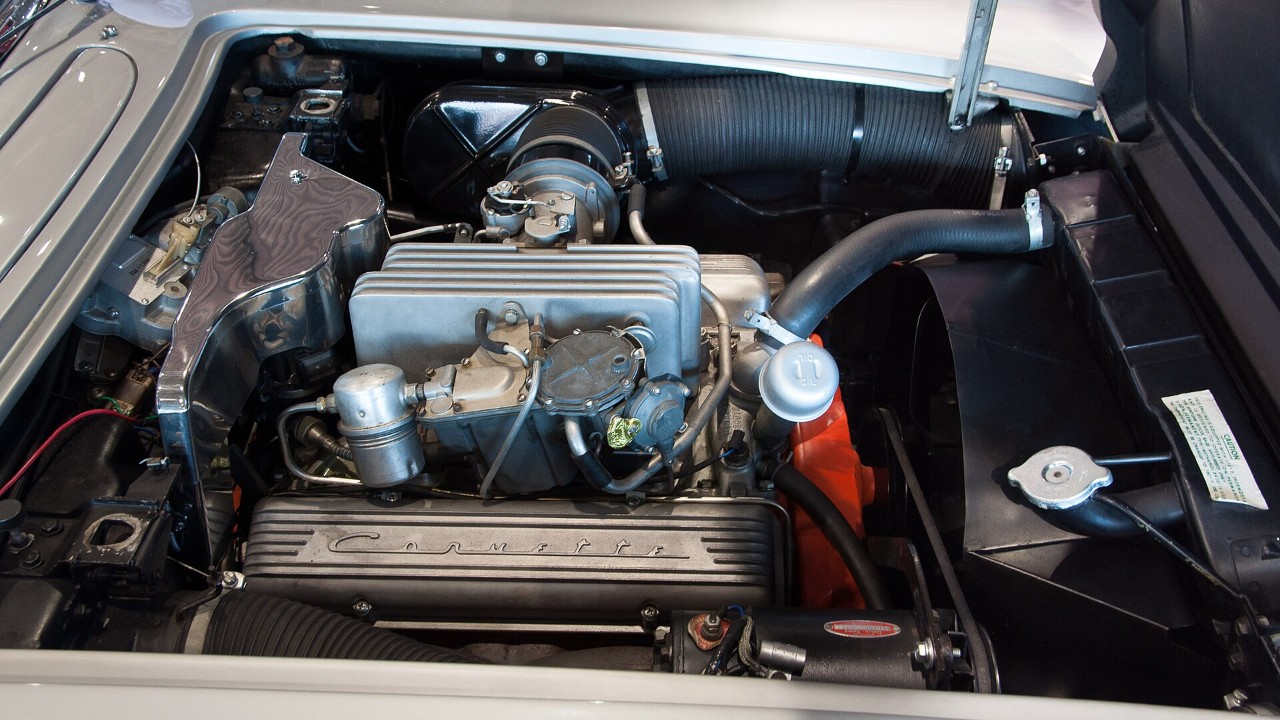
The Chevrolet small-block arrived in 1955, and its descendants kept rolling out of factories for decades. In our view, that kind of run is the best evidence of a good engine. Compact, simple small-block V8s also tend to be cheap to fix, and that helps them stay in service.
Not every small V8 earned that kind of loyalty, though. Some were short-lived performance pieces, while others served in trucks, police cars and taxis for years. The ones that stuck around tended to share the same traits: sturdy bottom ends, plain pushrod layouts or clever engineering, and plenty of parts support.
These are our picks for the small-block V8s that seem to flatly refuse to wear out. The verdict is our opinion, based on how long each engine stayed in production and where it served. Every year, size and output below comes from the record.
1. Chevrolet 283 fuel-injected small-block V8
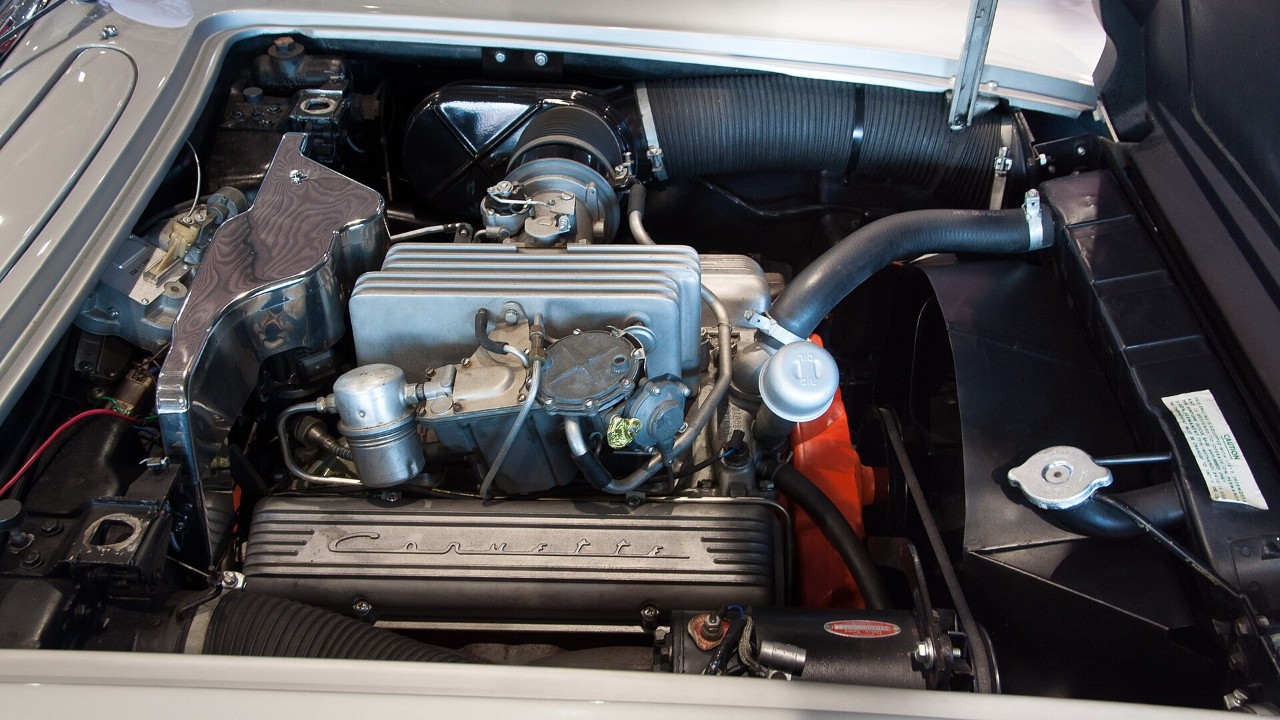
Chevrolet created the 283 for 1957 by boring out the original 265 by an eighth of an inch, to 3.875 inches. That same year, Chevrolet offered it with Rochester Ramjet fuel injection. In that form, it made 283 horsepower at 6,200 rpm, an even one horsepower per cubic inch. Chevrolet then kept rating new versions of the 283 every year through 1961.
The basic design came from a team that, according to The Henry Ford, drew up the first Chevrolet small-block in just 15 weeks. That compact layout left room for growth, which is why Chevy could enlarge it again and again. The same museum calls it the most enduring eight-cylinder American automobile engine. We covered that starting point in our story on the 1955 Chevrolet 265.
Our take: the 283 proved the small-block could be both tough and fast. It also outlived its sports-car glamour. Checker offered it in its taxis from 1965, and GM of Canada fitted it to Studebakers in 1965 and 1966. An engine that goes from the Corvette’s option sheet to a taxi stand has clearly earned its reputation for staying power.
2. Chevrolet 327 small-block V8
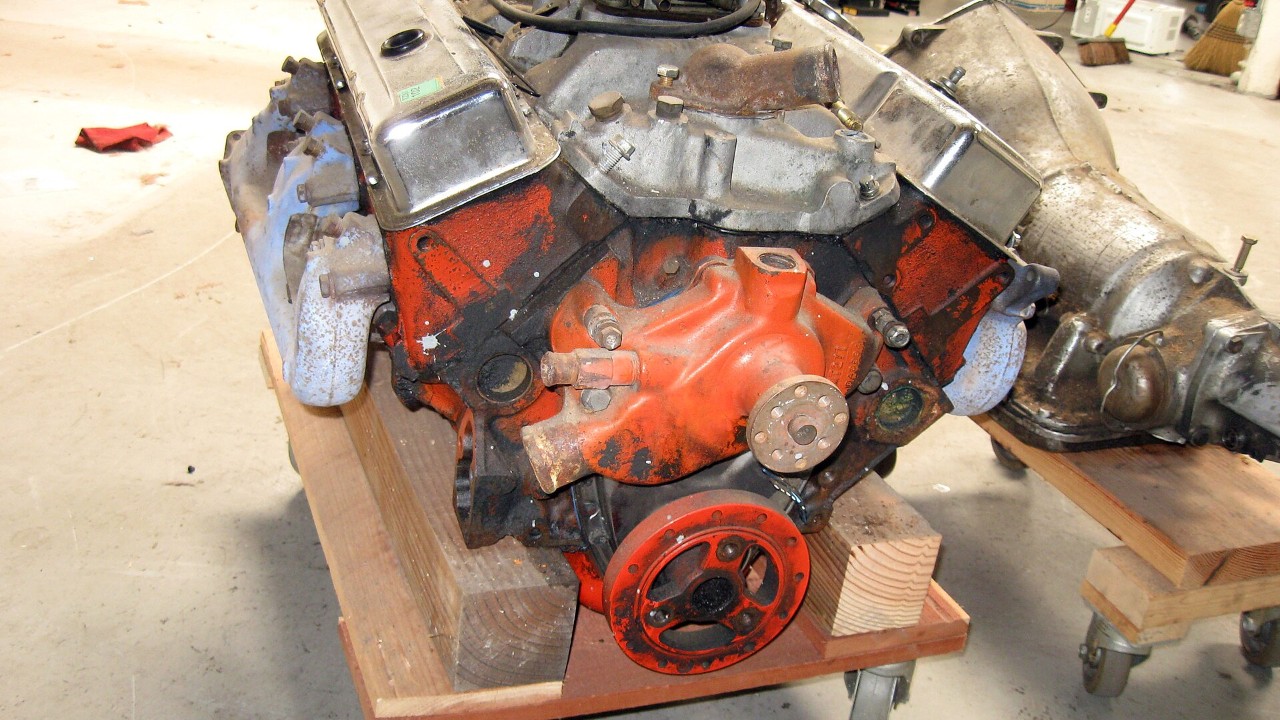
The 327 debuted in the 1962 Corvette with a four-inch bore and a 3.25-inch stroke. That year, versions with a Duntov solid-lifter camshaft made 340 horsepower with a single four-barrel carburetor. With Rochester fuel injection, the figure climbed to 360 horsepower. Compared with the 283, it gained an eighth of an inch of bore and a quarter-inch of stroke.
Two years later, Chevrolet pushed harder still. The 1964 L-76 carried a 365-horsepower rating, while the fuel-injected L-84 reached 375. Yet the 327 was never only a Corvette engine. Even Checker offered a 327 option in its cars for 1966.
We think the 327 hits the sweet spot of the early small-blocks. It had enough displacement to make real torque but kept the short stroke that let it rev freely. As a result, it could live a long life in a family car without feeling strained. It also shared its basic architecture with the rest of the Chevrolet small-block family. In our view, that mix of easy revs and a shared, simple design is exactly what keeps an old engine on the road.
3. Chevrolet 350 small-block V8
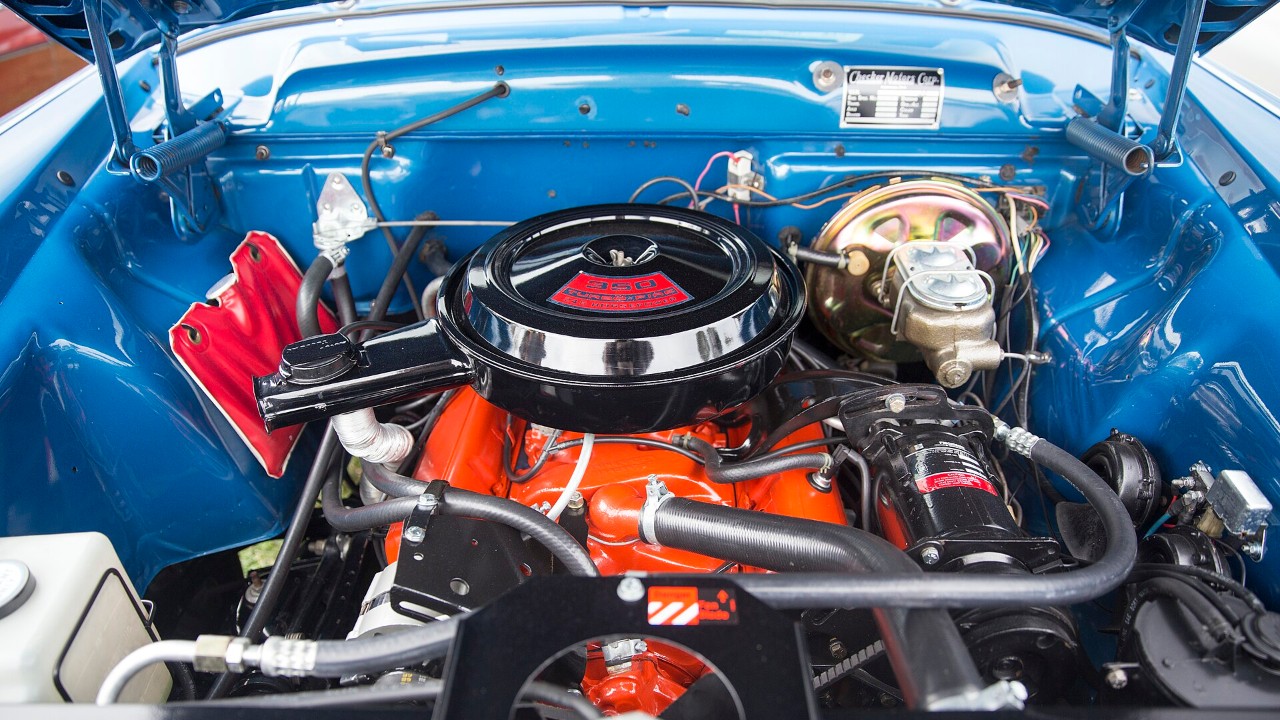
The 350 started as a performance option. It first appeared as the L48 in the 1967 Camaro, with a 4.000-inch bore and a 3.480-inch stroke. Then it moved into the Nova for 1968. By 1969, a lower-compression version had become a mainstream option across the Chevrolet line.
From there, the 350 went to work. Chevrolet used it in C/K and G-series trucks from 1969 to 1986, alongside a heavy-duty LT9 version, and later in fuel-injected truck engines such as the L05 and the L31 Vortec 5700. GM has not offered this small-block family in its vehicles since 2003. Even so, GM still builds the 350 in Springfield, Missouri, as a crate engine. We told the story of its near miss in how the 350 nearly didn’t make production.
Our take: few engines have done so many different jobs. The 350 powered sports cars, pickups and vans, and it often ranks as the most widely used small-block of all time. In fact, FleetOwner puts total Chevrolet small-block production at more than 100 million over 70 years. That count speaks for itself.
4. Ford 351 Windsor V8
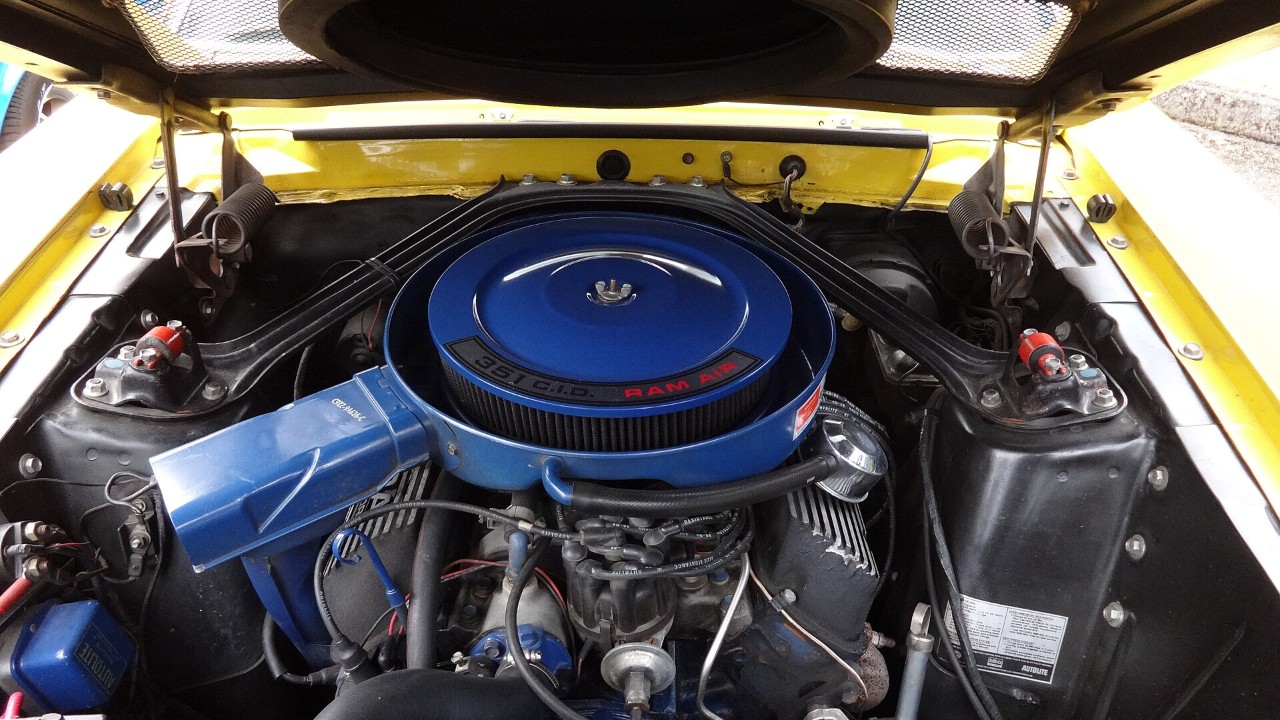
Ford introduced the 351 Windsor for 1969. Engineers raised its deck 1.3 inches taller than the 289 and 302, so it could swing a 3.5-inch stroke. Its deck height measured 9.480 inches at first and grew to 9.503 inches for 1971. At launch, it made 250 horsepower with a two-barrel carburetor or 290 with a four-barrel, both on the gross scale of the day. That four-barrel figure matched the Boss 302’s rating.
The Windsor then stayed in production until 1996. Over those years, it served in the Mustang, Fairlane, Cougar, Galaxie and Torino. It also powered the Country Squire wagon from 1969 to 1991, which meant years of hauling families. Enthusiasts often confuse it with the 351 Cleveland, but the two are different engines of nearly identical size.
We’d call the Windsor the workhorse of Ford’s small-block family. Its taller deck made room for a longer stroke without a whole new engine family. In our view, an engine that spent more than a quarter-century in wagons, trucks and muscle cars has nothing left to prove about durability. That long service record is the whole case.
5. Ford 351 Cleveland V8
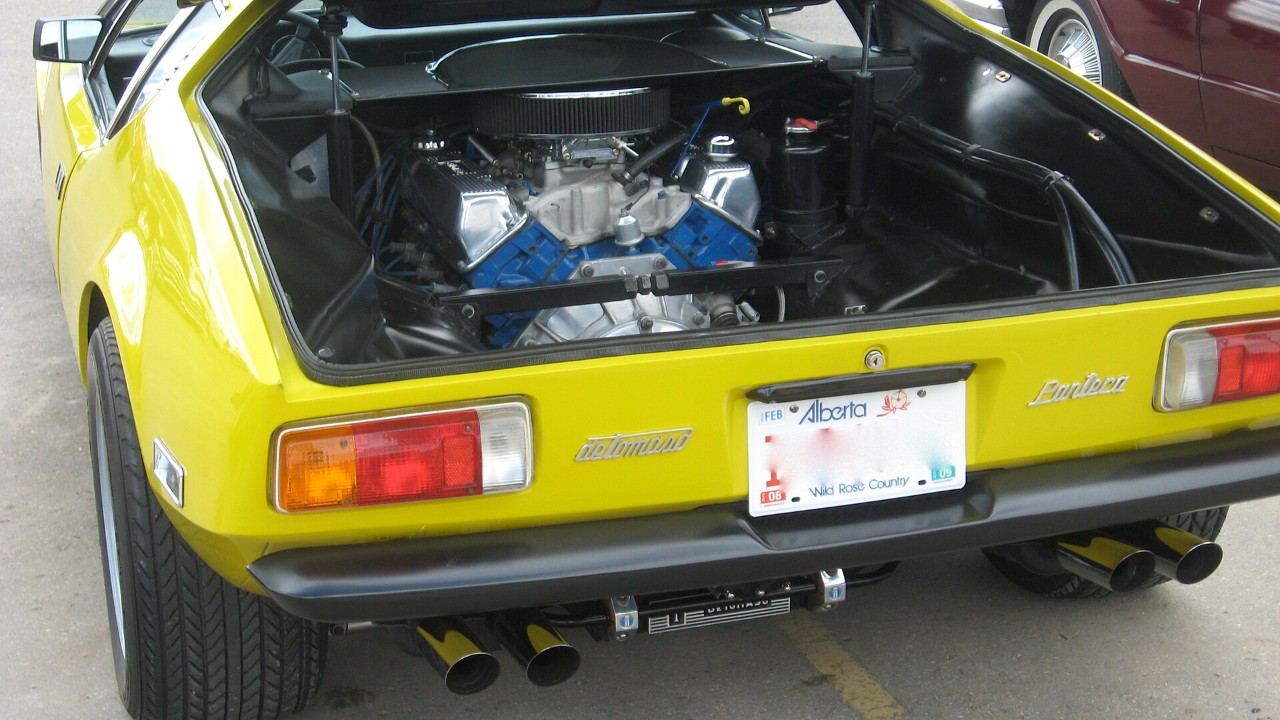
The 351 Cleveland took a different path from the Windsor. Its heads used canted intake and exhaust valves, which allowed bigger valves and freer-flowing ports. Economy engines got small-port two-barrel heads, while performance versions got large-port four-barrel heads. Ford built most of these engines at its Cleveland Engine plant in Brook Park, Ohio, starting in July 1969.
In the United States, the Cleveland lasted only through the 1974 model year. Its top 1970 four-barrel version made 300 horsepower, and the 1971 Boss 351 reached 330. Ford of Australia, however, kept the design alive after starting local production in November 1971. Its Geelong plant built more than 250,000 Cleveland V8s, and production for commercial vehicles continued until August 1, 1985. Meanwhile, De Tomaso used Australian-built 351s in the Pantera once U.S. supplies ended.
Our take: the Cleveland’s American career was short, but the engine itself was anything but fragile. Ford Australia trusted it in commercial vehicles for more than a decade after Detroit moved on. That says more about its toughness than any brochure could. A Pantera owner who keeps one healthy is driving proof that the design holds up.
6. Chrysler 318 LA V8
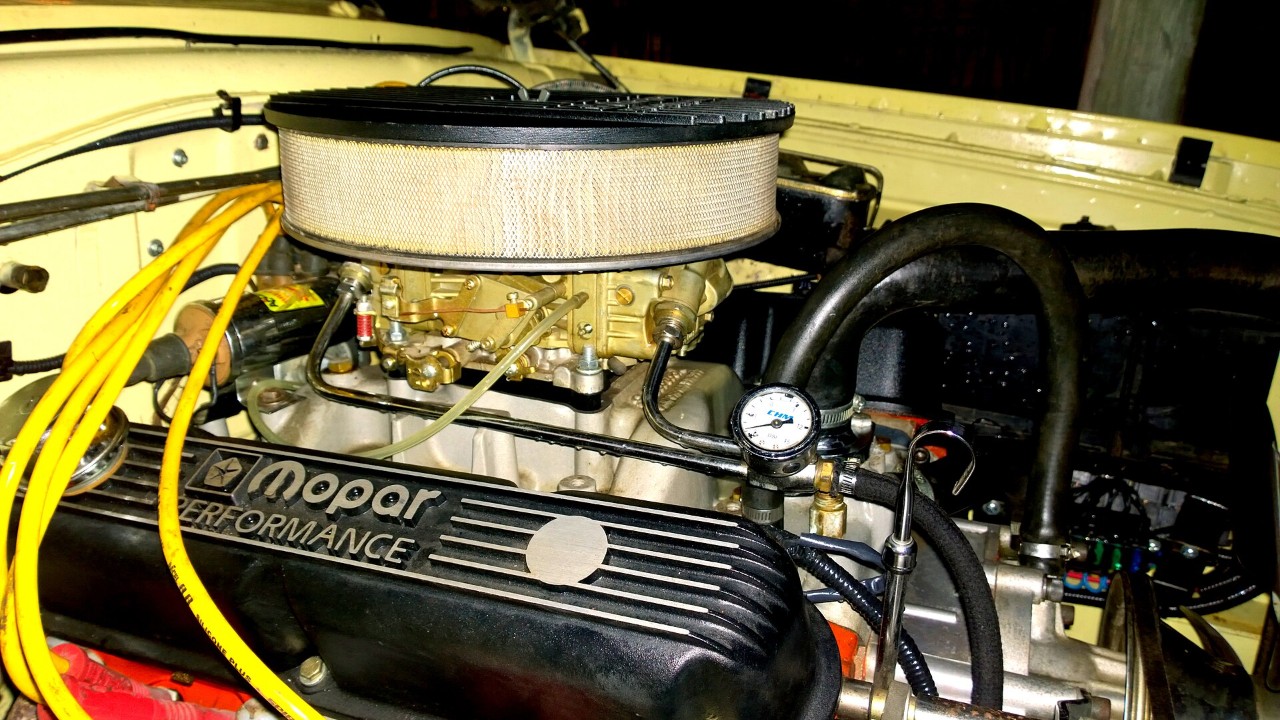
Chrysler’s 318 LA reached volume production for the 1968 model year. It displaced 317.6 cubic inches, with a 3.906-inch bore and a 3.312-inch stroke. Those dimensions matched the older A-series 318 it grew out of. Like the rest of the LA family, it used wedge-shaped combustion chambers and two valves per cylinder.
The 318 then spent decades doing hard work. It powered Dodge Ram trucks and vans, plus the Ramcharger from 1974 to 1992. Police versions ran four-barrel carburetors, including the Carter Thermo-Quad from 1978 and the Rochester Quadrajet from 1985. Truck and van versions switched to throttle-body fuel injection from 1988 to 1991. After that, the 5.2-liter Magnum took over in 1992 as an evolution of the 318, with the same displacement.
We’d argue the 318 is the most underrated engine here. It rarely made headlines, but it kept squad cars, vans and pickups moving for a generation. In fact, the wider LA family stayed in production from 1964 to 2003. For anyone who wants a simple Mopar V8 that tolerates neglect better than it should, this is a good place to start.
7. GM LS1 V8
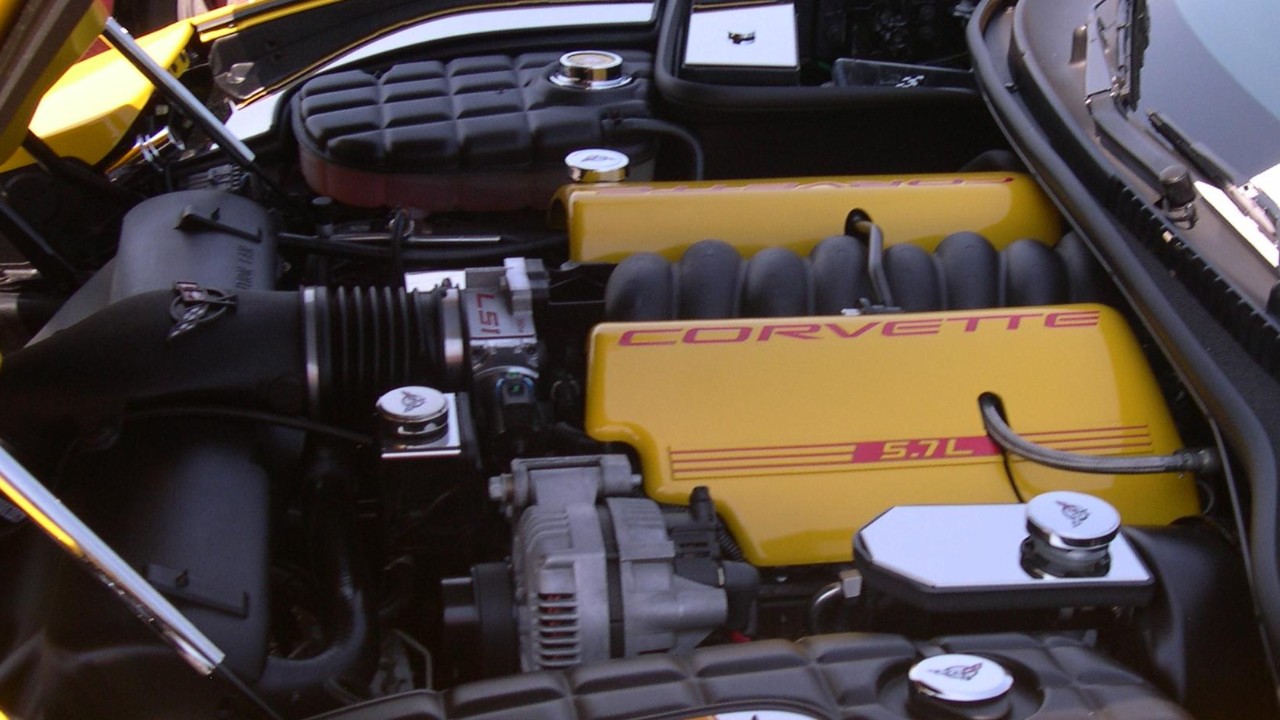
The LS1 arrived in the 1997 Corvette and started a new generation of GM small-blocks. It displaced 5.7 liters, or 345.7 cubic inches, and used an all-aluminum block with pushrod valve gear. Its bore and stroke measured 99 by 92 millimeters. At launch, it made 345 horsepower and 350 lb-ft of torque. In 2001, intake and exhaust changes raised that to 350 horsepower and 365 lb-ft, or 375 lb-ft with a manual.
From the Corvette, the LS1 spread quickly. It went into the 1998 to 2002 Camaro and Firebird, the 2004 Pontiac GTO and a run of Holden Commodores in Australia. Camaro ratings ranged from 305 to 325 horsepower, and rumor held that those figures ran low. In other words, the Camaro and Firebird may have carried more than the window sticker promised.
Our take: the LS1 kept everything that made the old small-block great and fixed much of what didn’t. The pushrod layout stayed compact, while aluminum cut weight. Because of that, it could serve in a Corvette and a family sedan alike, including the Chevrolet Caprice. In our view, any engine that lands in that many different cars has proven its staying power.
8. Ford Coyote 5.0 V8 (Gen 3)
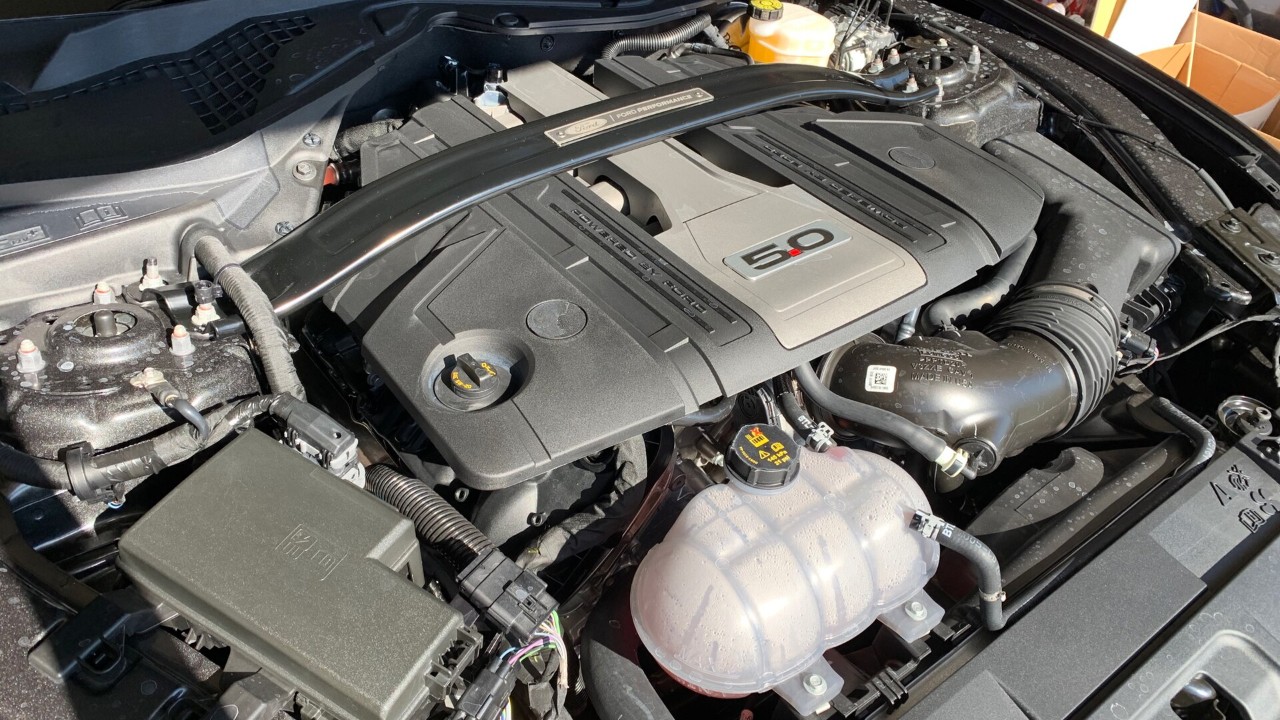
The Coyote is the modern entry here, but it follows the same small-block recipe of compact size and big output. Ford first produced it in 2010 for the 2011 Mustang GT, rated at 412 horsepower. The F-150 also got a torque-focused Coyote, rated at 360 horsepower for 2011 through 2014. By 2015, the second generation reached 435 horsepower in the Mustang GT.
The third generation, launched for the 2018 Mustang GT, brought the biggest changes. According to Ford Authority, displacement grew to 5.038 liters as the bore went from 92.2 to 93 millimeters while the 92.7-millimeter stroke stayed put. Ford also borrowed thin spray-in cylinder liners from the Shelby GT350’s 5.2-liter Voodoo. A dual fuel system combined direct and port injection, and the redline rose to 7,500 rpm. Output climbed to 460 horsepower.
We like the Coyote because it shows the small-block idea is far from finished. It uses double overhead cams instead of pushrods, yet it fills the same role in the Mustang that the 302 once did. The fourth generation now makes up to 500 horsepower in the Dark Horse. Ford keeps developing it, and that alone suggests the engine has plenty of life left.
9. Ford Boss 302 V8
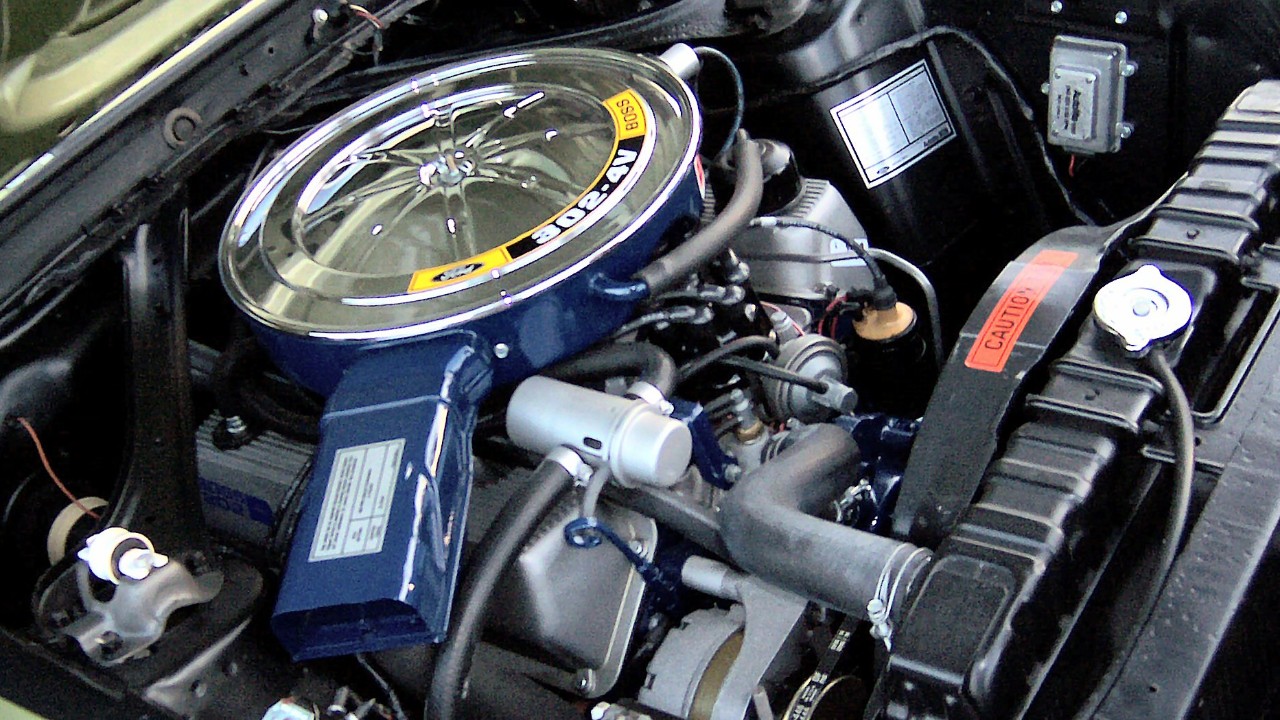
Ford created the Boss 302 to win back the Trans-Am title from the Camaro Z/28. The 302 itself dated to 1968, when Ford lengthened the 289’s stroke from 2.87 to 3 inches. For the Boss, engineers took that small-block and gave it large-port, large-valve heads adapted from the design meant for the 351 Cleveland. The result carried a 290-horsepower rating.
The Boss 302 Mustang lasted only for the 1969 and 1970 model years. To protect the engine, Ford fitted an electric rev limiter that cut in at 6,150 rpm. That detail tells you Ford knew owners would rev it hard, and it built the engine to take that abuse.
Our take: the Boss 302 is the rare racing engine that also fits this list. Its short production run kept it from piling up truck-style mileage. However, the engine sat on a special racing block, and the heads came from Cleveland thinking. In our view, that combination made it tougher than most high-revving engines of its era. For a collector, a numbers-matching example is the one to find, because Ford only offered the Boss 302 Mustang for 1969 and 1970.
More from Fast Lane Only