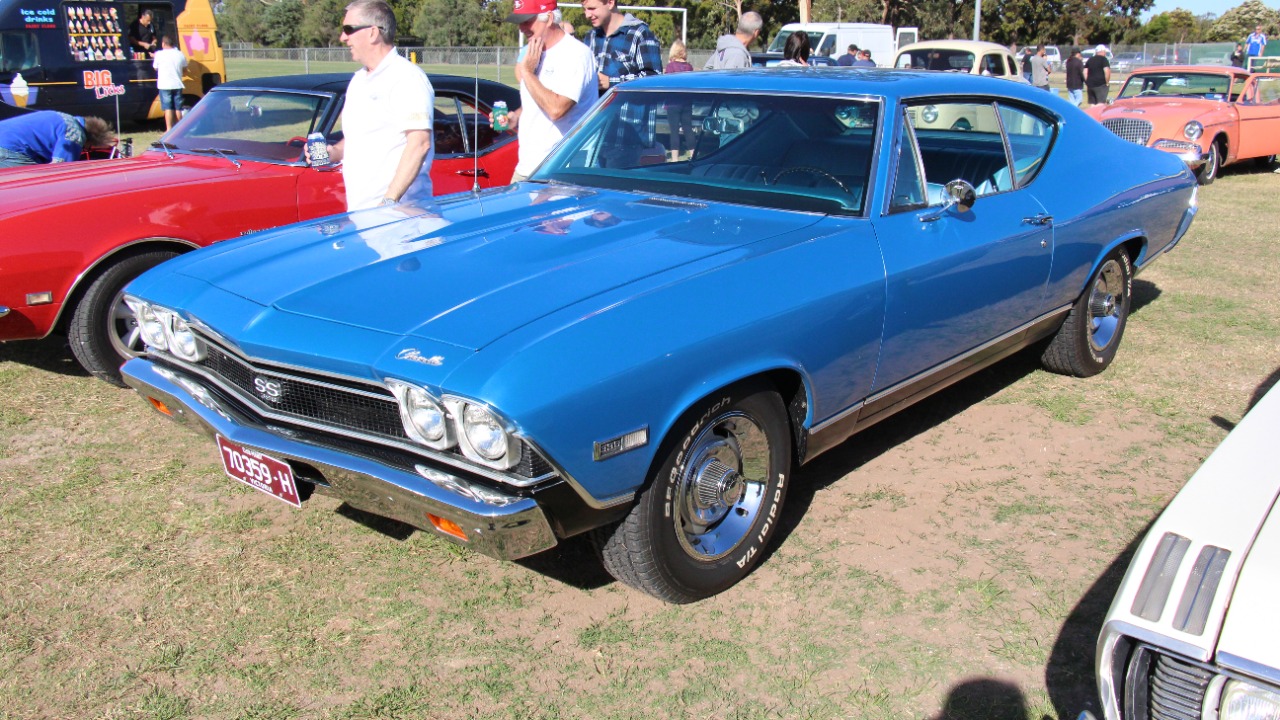
The 1968 Chevelle SS arrived with a 350-horsepower big-block, a clean new body, and a mission to dominate the mid-size performance class. It hit a sweet spot between everyday drivability and quarter-mile punch, a balance that helped define what enthusiasts now recognize as the classic muscle car formula. Half a century later, the car still anchors collections, auctions, and bench-racing debates about the peak of Chevrolet performance.
What happened
For 1968, Chevrolet completely redesigned the Chevelle line, shrinking the wheelbase on coupes and hardtops, tightening the body, and giving the car a more aggressive stance. The Super Sport package, which had been an option group on earlier Chevelles, evolved into a more focused performance identity. Buyers who checked the SS 396 box received a specific engine, suspension upgrades, and a distinct appearance that set the car apart from garden-variety mid-size sedans.
At the heart of the package was the 396 cubic inch big-block V8. In its most common form, the L34 version was rated at 350 horsepower, a figure that quickly became part of the car’s legend. Chevrolet also offered higher-spec versions of the same displacement, but the 350-horsepower configuration became the de facto benchmark for street performance in a mid-size body. That rating, combined with generous torque, gave the Chevelle SS a reputation for effortless acceleration and highway passing power.
Styling changes for 1968 helped sell the performance promise. The new body featured a semi-fastback roofline on two-door models, deeply sculpted sides, and a shorter, more compact profile that made the car look lighter and more purposeful. SS-specific details, including unique badging, a blacked-out grille, and available stripes, signaled that this was not a basic family car. Inside, bucket seats, a center console, and optional round-gauge clusters reinforced the impression that the Chevelle SS was built for serious driving.
Underneath, Chevrolet paired the big-block engine with heavy-duty suspension components, stronger springs, and performance-oriented shock absorbers. Buyers could choose between a four-speed manual transmission, a three-speed manual, or an automatic, and rear axle ratios ranged from mild highway gears to aggressive setups aimed squarely at drag strip use. Power front disc brakes were available and became a popular choice for drivers who intended to use the car’s full performance potential.
The Chevelle SS did not exist in a vacuum. It shared showroom space with the Camaro, Corvette, and a range of full-size Chevrolets, each targeting a different buyer. Yet among enthusiasts, the SS 396 Chevelle carved out a distinct identity as a car that could carry four adults in comfort and still run with dedicated pony cars. That dual mission helped it stand out among the Chevy muscle cars that often get overshadowed by the Camaro.
On the street and at local drag strips, the 1968 Chevelle SS quickly proved that the 350-horsepower rating was no empty promise. Period test figures showed strong quarter-mile performance and quick 0 to 60 mph times, even in relatively stock form. With minor tuning, better tires, and traction aids, owners pushed the cars even harder, and the Chevelle SS became a regular sight in staging lanes across the country.
The model’s popularity also translated into high production numbers compared with some niche performance cars. That broader footprint meant the 1968 SS 396 turned up in driveways, high school parking lots, and small-town main streets, embedding itself in local car culture. The car’s combination of power, practicality, and availability helped it move from a single model year into an enduring symbol of Chevrolet’s late-1960s performance strategy.
Why it matters
The 1968 Chevelle SS helped define what enthusiasts expect from a mid-size muscle car. Its formula of a powerful big-block engine, relatively modest size, and usable interior space set a template that other manufacturers tried to match. It showed that performance did not have to come at the expense of everyday utility, and that balance influenced how Detroit approached performance packages on mid-size platforms through the end of the muscle era.
From a performance standpoint, the 350-horsepower rating placed the Chevelle SS in a sweet spot. It was strong enough to compete with many contemporary pony cars, yet it remained manageable for daily use. That blend mattered to buyers who wanted one car that could serve as both a weekday commuter and a weekend warrior. The Chevelle SS proved that a mid-size platform could deliver serious speed without resorting to stripped-down interiors or fragile high-strung engines.
The car also played a key role in Chevrolet’s brand image. In the late 1960s, performance bragging rights were central to showroom traffic. The Chevelle SS gave Chevrolet a headline act in the mid-size segment, reinforcing the message that the company could build fast cars at multiple price points and sizes. That strategy helped Chevrolet compete not only with Ford and Chrysler, but also with internal rivals, since the Chevelle SS had to justify its place alongside the Camaro and Corvette.
In collector circles, the 1968 Chevelle SS holds a significant position because it represents the first year of the new body style combined with the established SS 396 identity. Enthusiasts often view this combination as a turning point, where the Chevelle evolved from a respectable performer into a fully realized muscle car icon. The car’s styling, engine options, and cultural footprint all contribute to its continued appeal at auctions and in private collections.
The model’s influence extends beyond pure performance numbers. The Chevelle SS became a fixture in American popular culture, from period advertising to later appearances in movies, television, and enthusiast media. Its shape, sound, and reputation helped cement the broader idea of what a muscle car should look and feel like. When people picture a classic American performance car from the late 1960s, the Chevelle SS often comes to mind alongside more famous pony cars.
For modern enthusiasts, the 1968 Chevelle SS also represents a bridge between eras. It arrived at a moment when Detroit still rated engines generously and built cars with relatively few emissions or safety constraints, yet it also hinted at the more refined, feature-rich performance cars that would follow. Power accessories, improved brakes, and more comfortable interiors showed that buyers were starting to expect performance and comfort in the same package.
That combination has helped the Chevelle SS remain relevant in the current collector market. Owners often choose these cars because they can be driven longer distances without fatigue while still delivering the visceral experience of a big-block V8. The car’s size makes it more practical for modern roads than some larger full-size muscle machines, and parts support remains strong thanks to the Chevelle’s long production run and enthusiastic aftermarket.
The 1968 SS 396 also matters as a reference point for restoration and modification trends. Many owners aim to preserve the original 350-horsepower configuration, using factory-correct parts and finishes to maintain authenticity. Others build restomod versions that retain the classic body while upgrading suspension, brakes, and powertrains. In both cases, the original car’s blend of performance and usability continues to guide decisions, showing how influential that initial formula remains.
From a historical perspective, the Chevelle SS helps explain how the muscle car era evolved and eventually encountered external pressures. As insurance costs rose and emissions regulations tightened in the early 1970s, cars like the 1968 SS 396 became benchmarks for what had been possible just a few years earlier. Enthusiasts and historians often look back to this model year when tracing the arc of American performance from its peak to the more constrained years that followed.
The car’s enduring status also reflects how mid-size muscle has aged compared with smaller pony cars. While models like the Camaro and Mustang receive constant attention and frequent modern reinterpretations, the Chevelle SS occupies a slightly different niche. It appeals to buyers who prefer a bit more space and a more substantial feel, but who still want the visual drama and sound associated with classic muscle. That distinct appeal keeps demand strong and reinforces the car’s role as a standard-bearer for its segment.
What to watch next
Looking ahead, the 1968 Chevelle SS will likely remain a key reference point in discussions about muscle car values, restoration practices, and performance benchmarks. As more original cars age and require deeper restoration work, questions about originality, reproduction parts, and period-correct modifications will become even more central. Collectors and restorers will continue to debate how closely a car should match its factory 350-horsepower specification versus embracing tasteful upgrades that improve drivability.
The market for mid-size muscle is also evolving as younger enthusiasts enter the hobby. Many of these buyers grew up seeing Chevelles at local shows or in media, and they bring different expectations about technology and usability. That shift could encourage more restomod builds that integrate modern fuel injection, overdrive transmissions, and upgraded suspension components while preserving the car’s classic appearance. The Chevelle SS, with its roomy engine bay and strong aftermarket support, is well positioned to serve as a platform for that kind of blend.
Interest in period-correct drag racing and vintage events may also keep the 1968 SS 396 in the spotlight. As organizers create classes that mirror late-1960s rules and performance levels, cars that can be configured close to their original specifications gain new relevance. The Chevelle’s combination of big-block power and mid-size weight makes it a natural fit for these events, where authenticity and driving skill matter as much as raw speed.
At the same time, broader shifts in automotive technology will shape how enthusiasts interact with cars like the Chevelle SS. As modern performance vehicles move further toward turbocharged smaller engines and electrification, the appeal of a naturally aspirated big-block V8 becomes even more distinct. The sensory experience of driving a 1968 SS 396, from the exhaust note to the way the car responds to throttle inputs, will stand in sharper contrast to contemporary vehicles.
That contrast could make the Chevelle SS a touchstone in discussions about what enthusiasts value in performance cars. Debates about power delivery, sound, and driver involvement often use classic muscle as a counterpoint to modern engineering priorities. The 1968 SS 396, with its straightforward mechanical layout and clear purpose, provides a concrete example of a different philosophy, one that prioritized displacement and torque over efficiency and electronic control.
Regulatory and environmental trends will also influence how owners use and preserve these cars. As emissions and fuel standards evolve, classic muscle cars may face tighter restrictions in some areas, particularly for daily use. Enthusiasts may respond by focusing more on occasional driving, show appearances, and track events, while relying on modern vehicles for routine transportation. In that context, the Chevelle SS becomes less of a practical car and more of a cherished artifact, brought out selectively to be enjoyed and shared.
Another factor to watch is how documentation and provenance shape values. For a car as popular as the Chevelle SS, verifying original specifications, including the 350-horsepower engine configuration, becomes increasingly important. Build sheets, original sales paperwork, and matching-numbers components can significantly affect a car’s desirability. As more information about factory production and options circulates among enthusiasts, the market may reward the most thoroughly documented examples.
More From Fast Lane Only: