In the world of automobiles, certain classic cars have become iconic not just for their design or performance, but for the financial strain they placed on their manufacturers. These vehicles, while celebrated today, were financial missteps that brought some companies to the brink of ruin. Let’s delve into the stories of ten classic cars that nearly bankrupted their makers.
Tucker 48
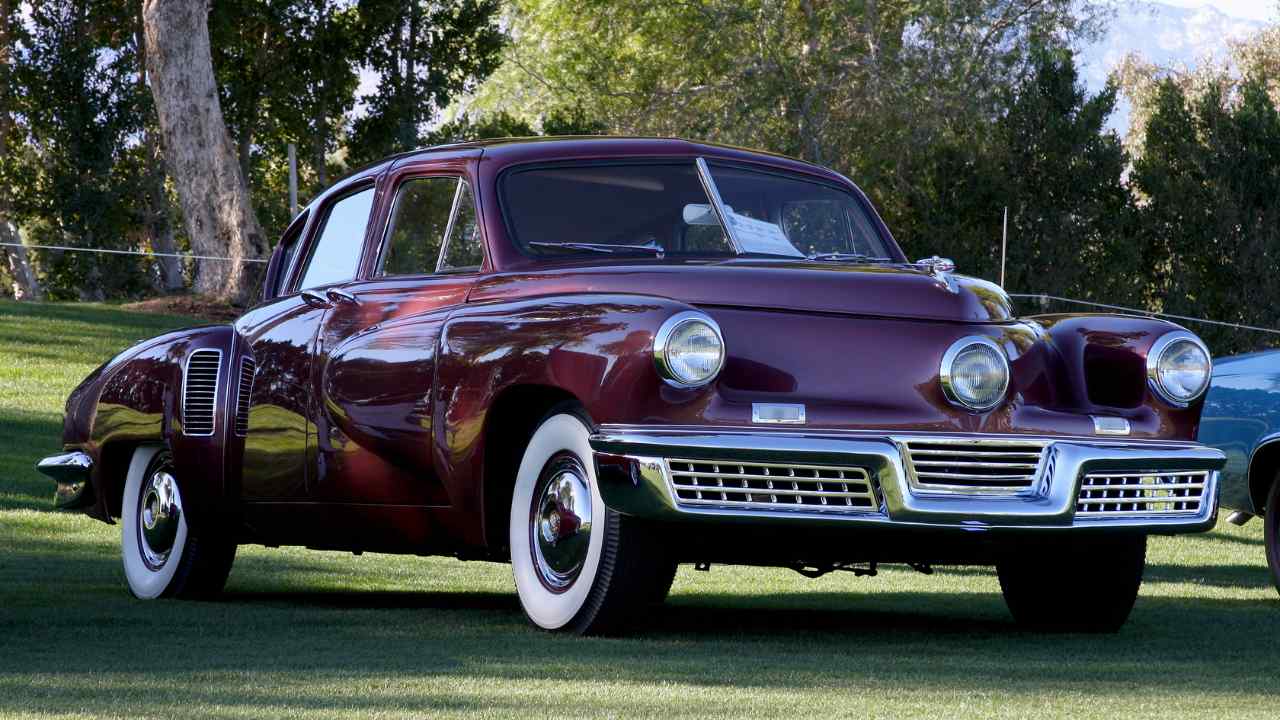
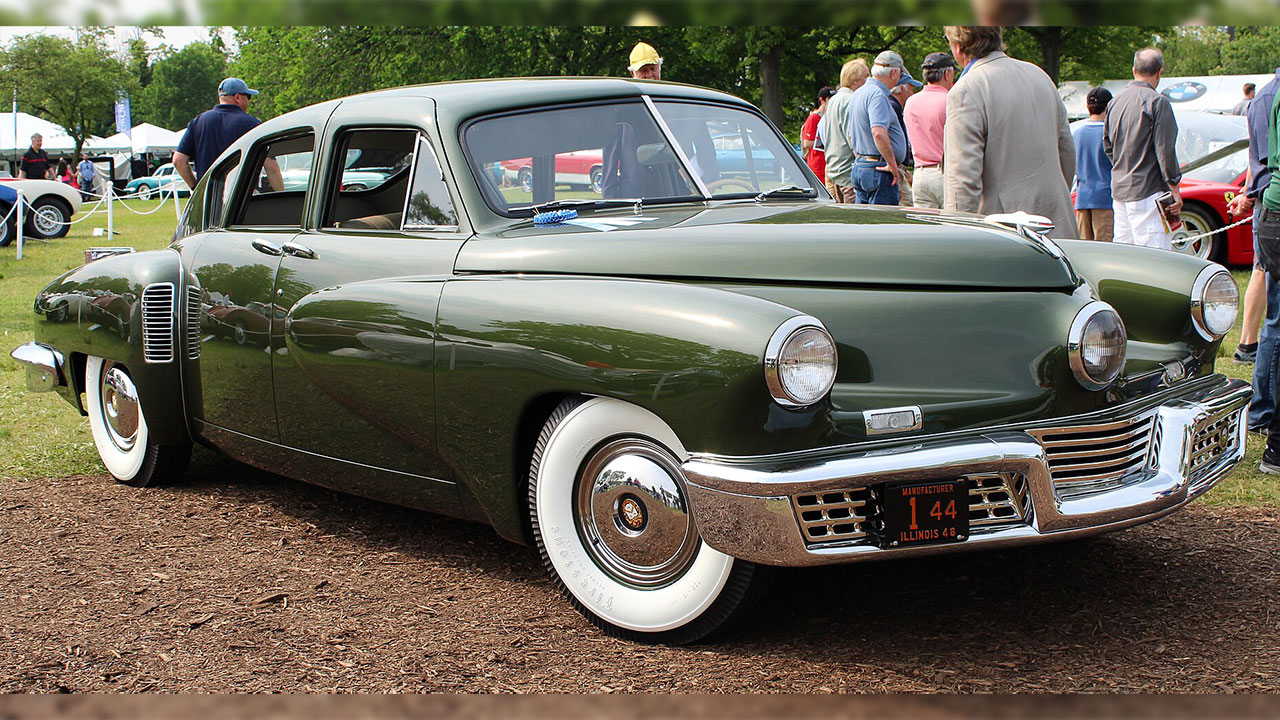
The Tucker 48, also known as the “Tucker Torpedo,” was a visionary vehicle created by Preston Tucker in 1948. It was packed with innovative features such as a rear-mounted engine, a center headlight that turned with the steering wheel, and numerous safety enhancements. Despite its forward-thinking design, the Tucker Corporation only managed to produce 51 units. Financial struggles, compounded by a highly publicized SEC investigation, led to the company’s demise, leaving the Tucker 48 as a symbol of automotive ambition thwarted by economic reality.
The limited production and intense controversy surrounding the Tucker 48 have made it a highly sought-after collector’s item today. Its story is a testament to how innovation alone isn’t enough to sustain an automaker without solid financial backing and market strategy.
DeLorean DMC-12
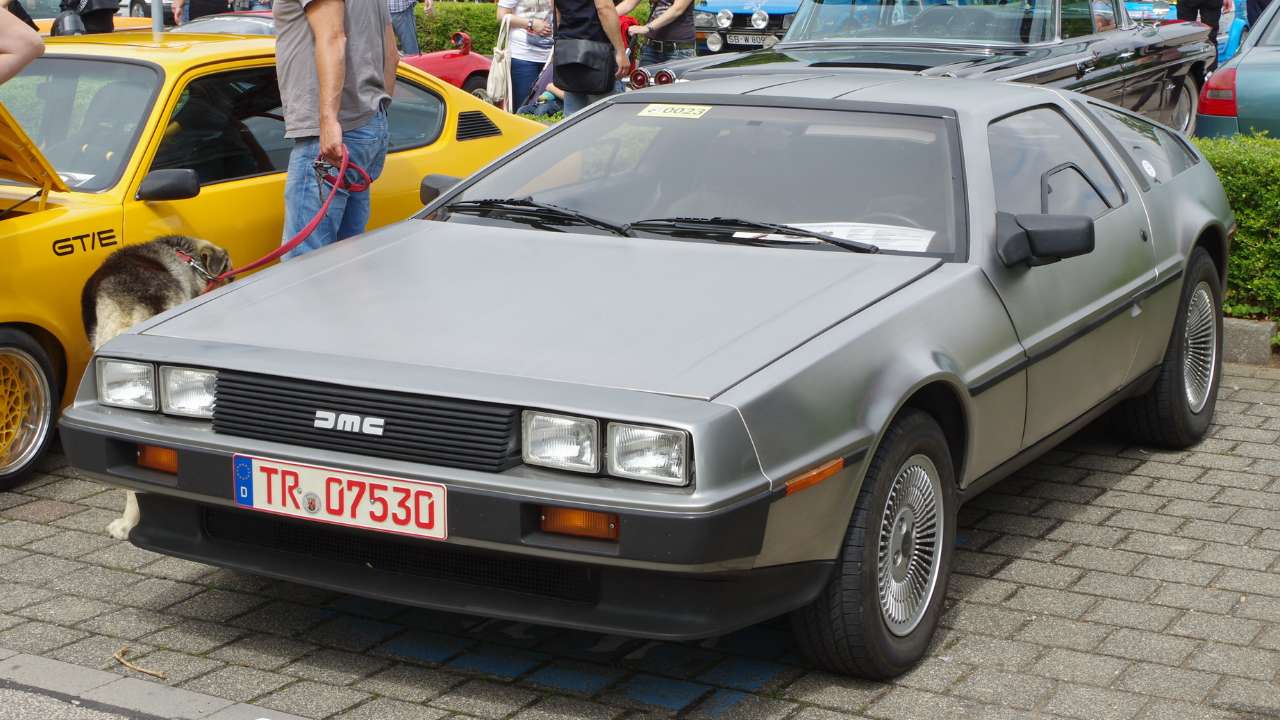
Few cars are as instantly recognizable as the DeLorean DMC-12, thanks in part to its starring role in the “Back to the Future” film series. Launched in 1981 by John DeLorean, the DMC-12 featured gull-wing doors and a stainless-steel body. However, the car’s underpowered engine and high price tag led to sluggish sales. Combined with John DeLorean’s legal troubles and financial mismanagement, the company filed for bankruptcy in 1982 after producing approximately 9,000 units.
Despite its rocky past, the DMC-12 has achieved iconic status, with enthusiasts and fans of the films keeping its legacy alive. The DeLorean’s story highlights the challenges of launching a new car brand, even with a standout design.
Bricklin SV-1
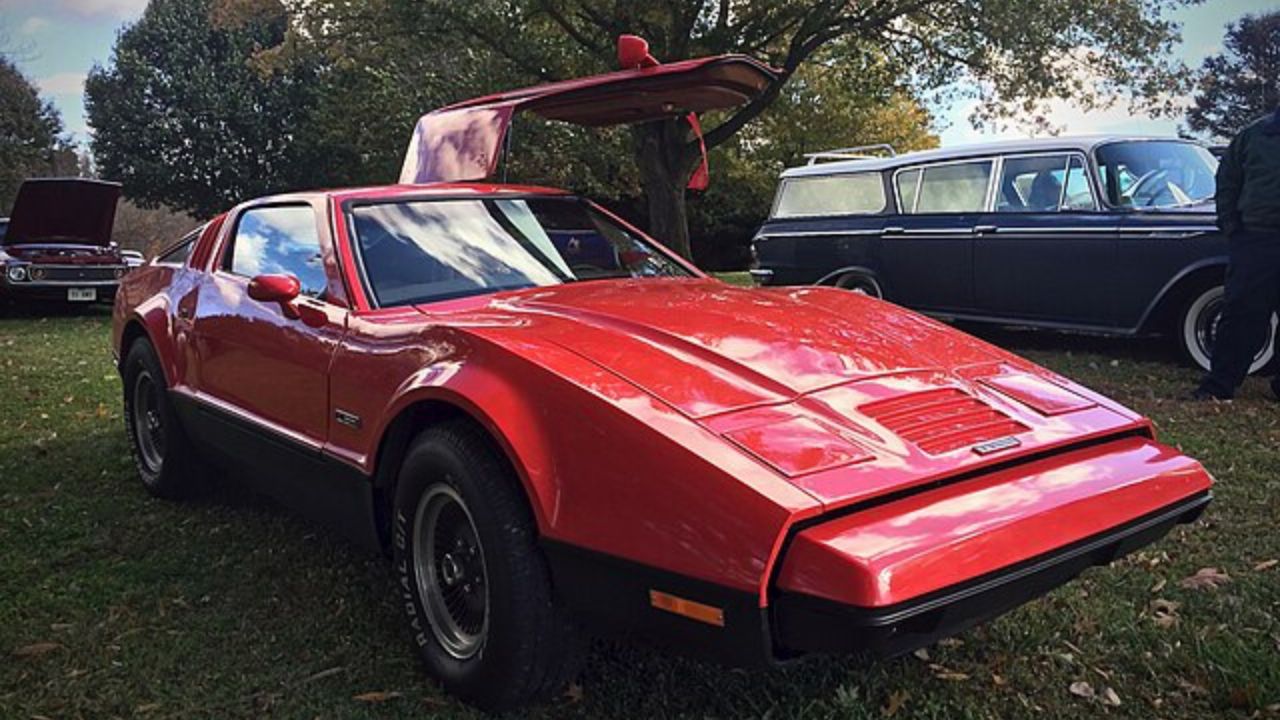
The Bricklin SV-1 was the brainchild of Malcolm Bricklin, an entrepreneur with a passion for innovative cars. Launched in 1974, the SV-1 stood for “Safety Vehicle 1” and was designed with an emphasis on safety, featuring integrated roll cages and energy-absorbing bumpers. However, the car’s hefty weight and quality control issues marred its performance. Financial troubles quickly followed, and production ceased in 1976, with fewer than 3,000 units built.
The short-lived production run of the Bricklin SV-1 makes it a rare find today. Its story serves as a reminder of the complexities involved in balancing safety, performance, and cost in the automotive industry.
Studebaker Avanti
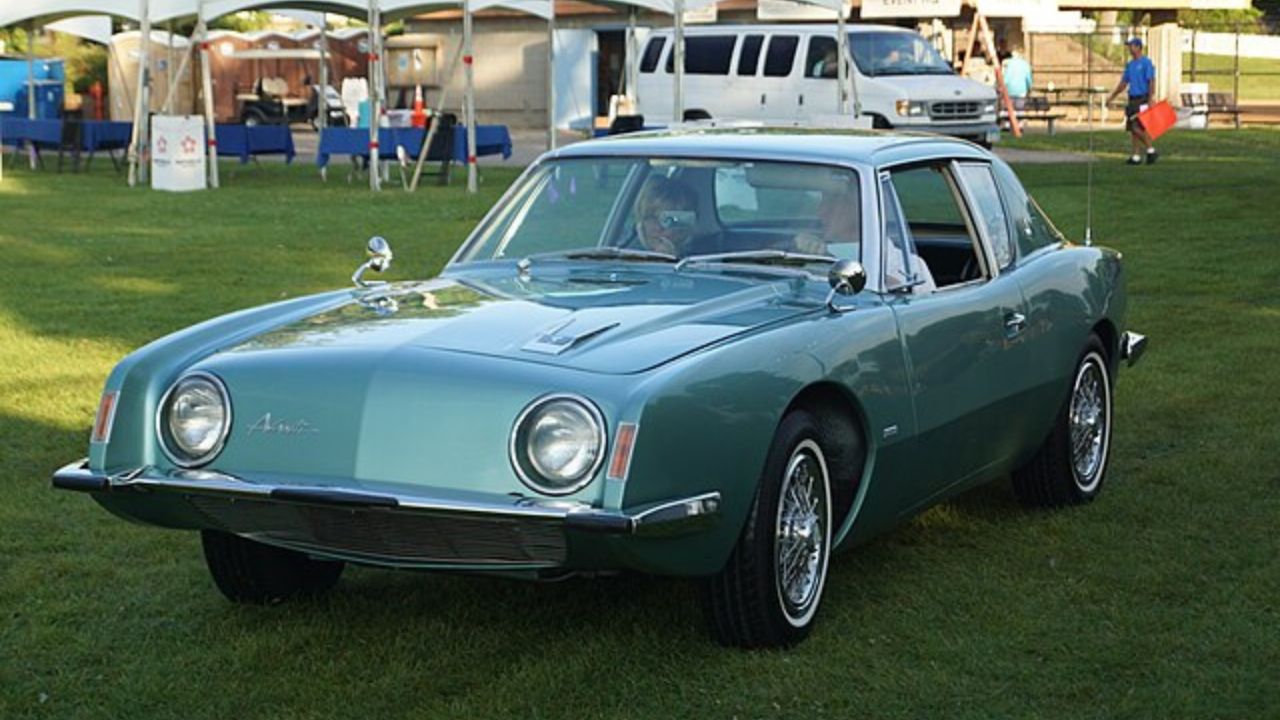
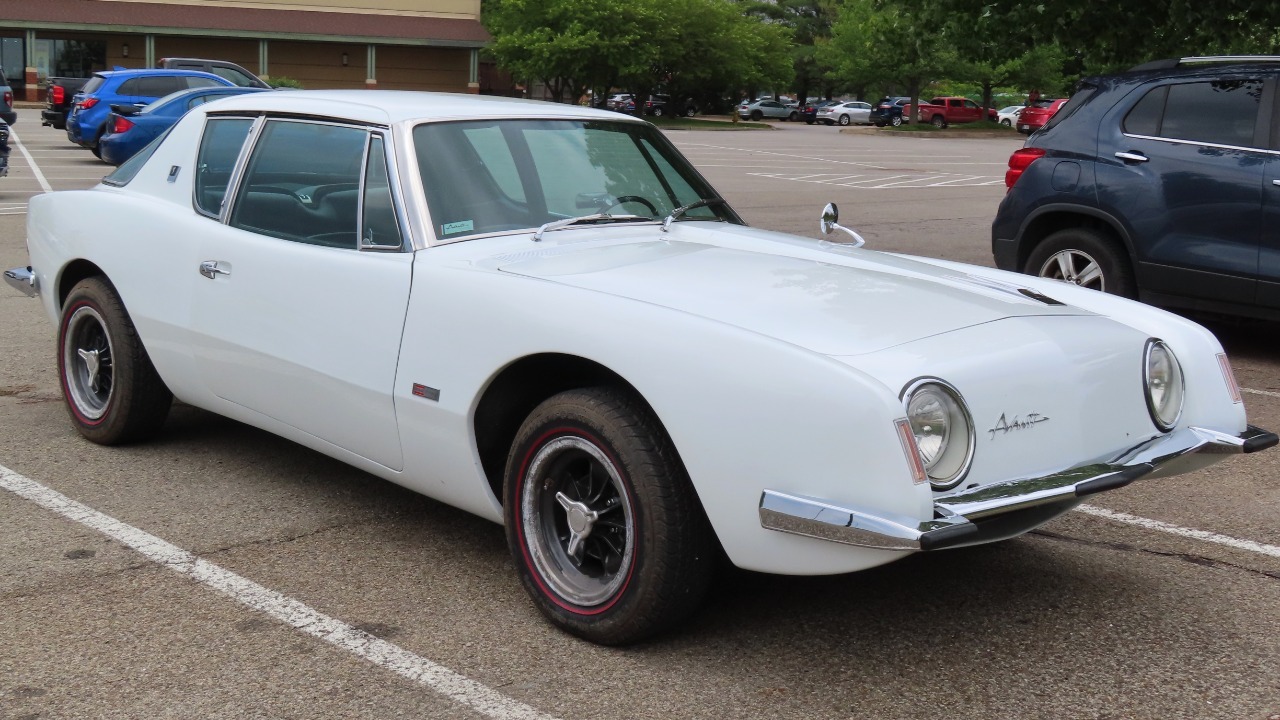
In an effort to revitalize the Studebaker brand, the Avanti was introduced in 1962 as a sleek, fiberglass-bodied coupe. Designed by Raymond Loewy, the Avanti was intended to be a halo car that would draw attention back to the company. However, production delays and quality issues plagued the car’s launch. Despite its advanced styling, sales were disappointing, and Studebaker ceased production of the Avanti in 1963, only a year after its debut.
While the original Studebaker Avanti was short-lived, its design inspired several revivals over the years, showcasing its enduring appeal. The Avanti’s struggles illustrate the importance of execution in bringing a concept to market.
Triumph Stag
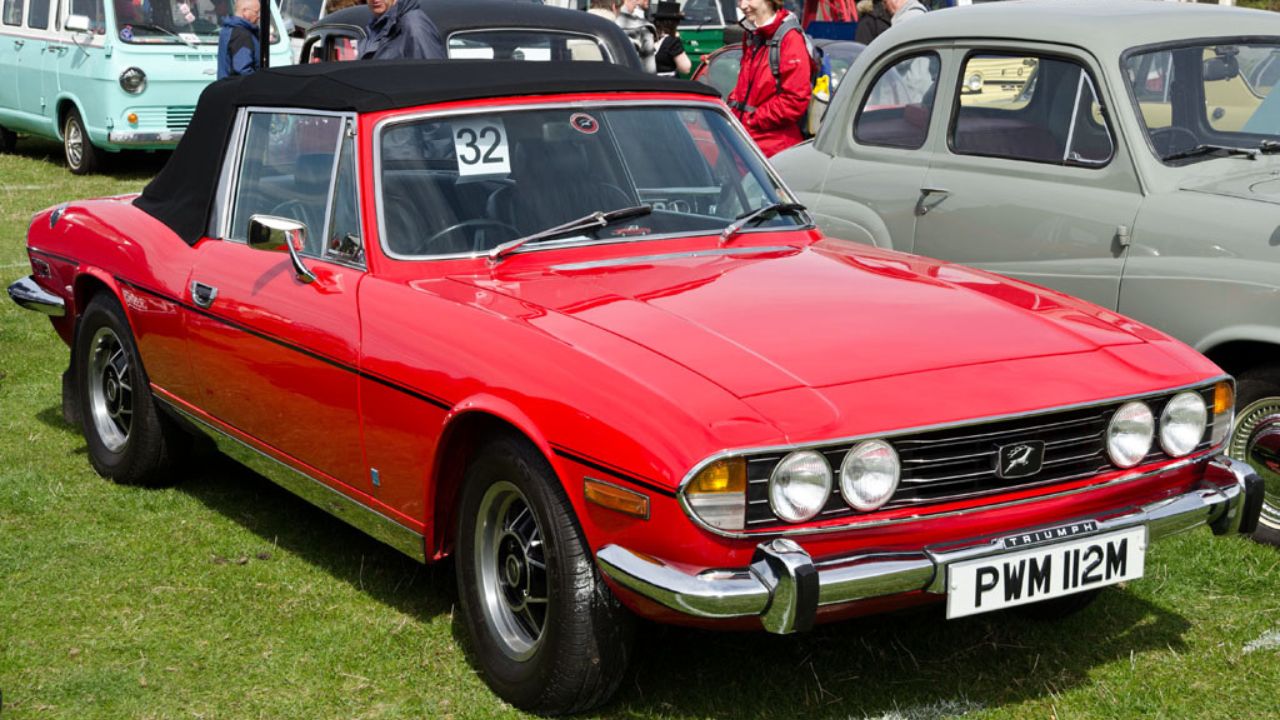
The Triumph Stag was launched in 1970 as a luxury sports tourer, designed to compete with the likes of Mercedes-Benz. Featuring a V8 engine and T-top roof, the Stag was plagued by mechanical issues, particularly with its engine’s cooling system. These reliability problems severely impacted the car’s reputation, leading to declining sales. Triumph’s parent company, British Leyland, ultimately discontinued the Stag in 1978.
Despite its engineering woes, the Stag has found a niche among classic car enthusiasts who appreciate its unique styling and open-top driving experience. Its story underscores the critical role of reliability in a car’s long-term success.
AMC Pacer
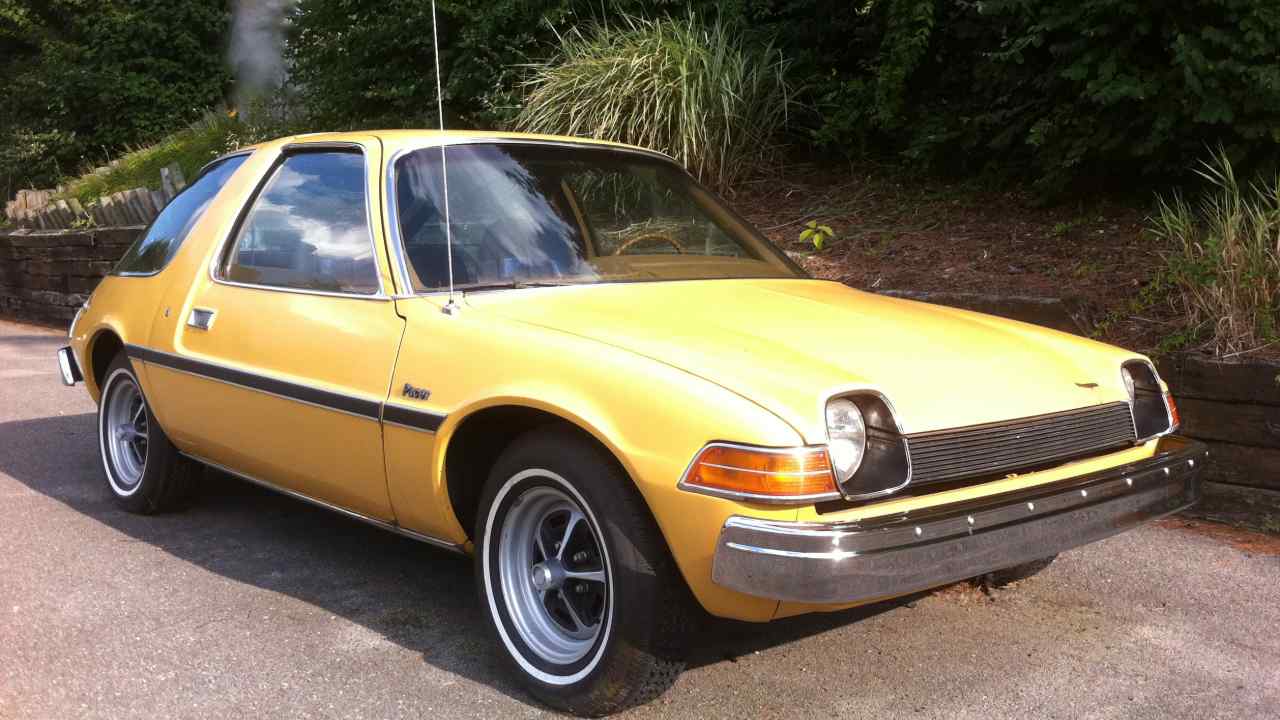
Introduced in 1975, the AMC Pacer was marketed as a revolutionary compact car with a wide stance and generous interior space. Its distinctive bubble-like design set it apart from other vehicles of the era. However, the car’s wide body and relatively poor fuel efficiency led to criticism, especially during the oil crisis of the 1970s. AMC’s financial struggles were exacerbated by the Pacer’s lackluster sales, contributing to the company’s decline.
Today, the AMC Pacer is often remembered for its quirky design and its appearances in pop culture, such as in the movie “Wayne’s World.” It stands as a cautionary tale of how market conditions can dramatically affect a car’s fortunes.
Citroën SM
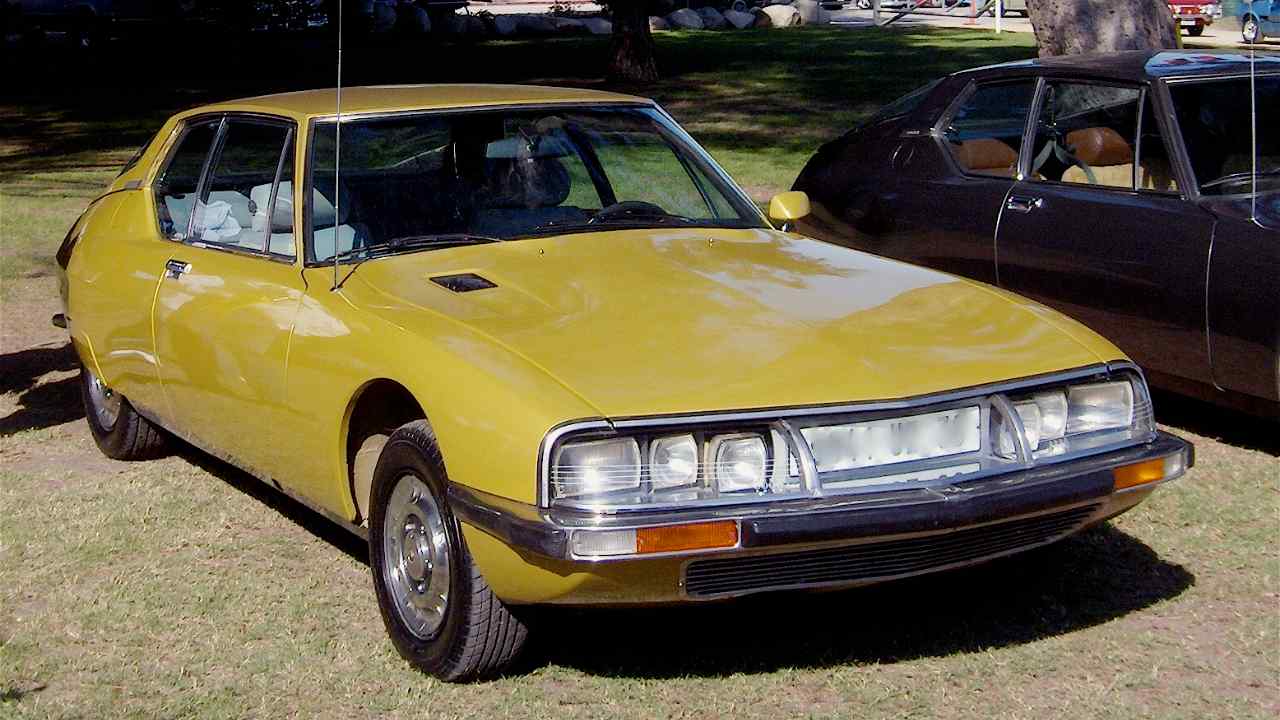
The Citroën SM, introduced in 1970, was a collaboration between Citroën and Maserati, combining French design with Italian performance. The SM featured advanced technology, including hydropneumatic suspension and a Maserati V6 engine. Despite its accolades for design and engineering, the SM was expensive to produce and maintain, leading to poor sales. The 1973 oil crisis further dampened demand for luxury cars, and Citroën faced significant financial losses, eventually leading to its acquisition by Peugeot.
The Citroën SM remains a favorite among collectors for its innovative features and unique styling. Its history reflects the challenges of maintaining profitability while pushing the boundaries of design and technology.
Jensen Interceptor
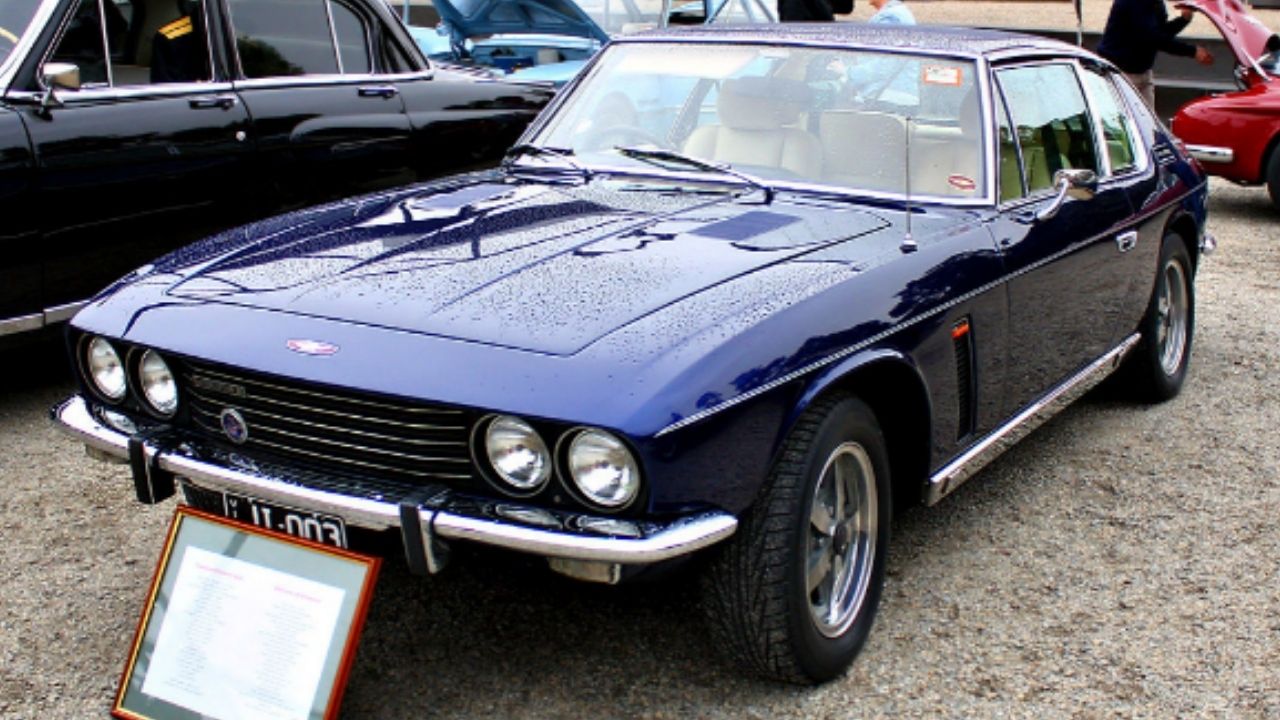
The Jensen Interceptor, produced from 1966 to 1976, was a British grand tourer known for its American-sourced V8 engines and luxurious interiors. Despite its high performance and elegant design, the Interceptor was costly to produce, and Jensen struggled with financial management. The 1970s oil crisis and economic downturn further strained the company, leading to its eventual bankruptcy in 1976.
The Interceptor’s blend of British craftsmanship and American power continues to attract enthusiasts. Its tale is a reminder of the risks involved in producing high-end vehicles during volatile economic times.
Lotus Elite (Type 75)
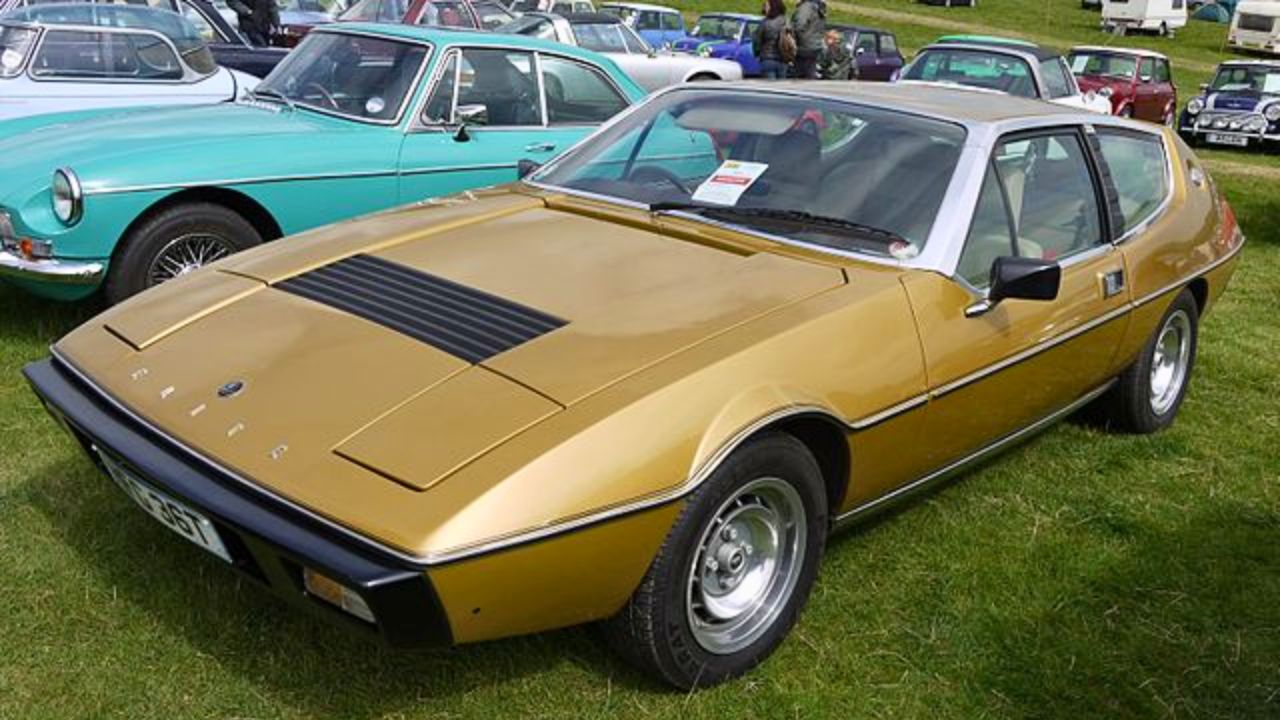
The Lotus Elite, introduced in 1974, was a luxury sports car with a striking wedge shape and fiberglass body. While it showcased Lotus’s innovative engineering, the Elite was beset by quality control issues and high production costs. The oil crisis and economic downturn of the 1970s further hindered sales, putting a significant strain on Lotus’s finances.
Despite its commercial challenges, the Elite has earned a following among classic car collectors who admire its design and engineering. The Elite’s story highlights the difficulties of maintaining quality and cost-effectiveness in the competitive sports car market.
Mazda RX-7 Turbo II
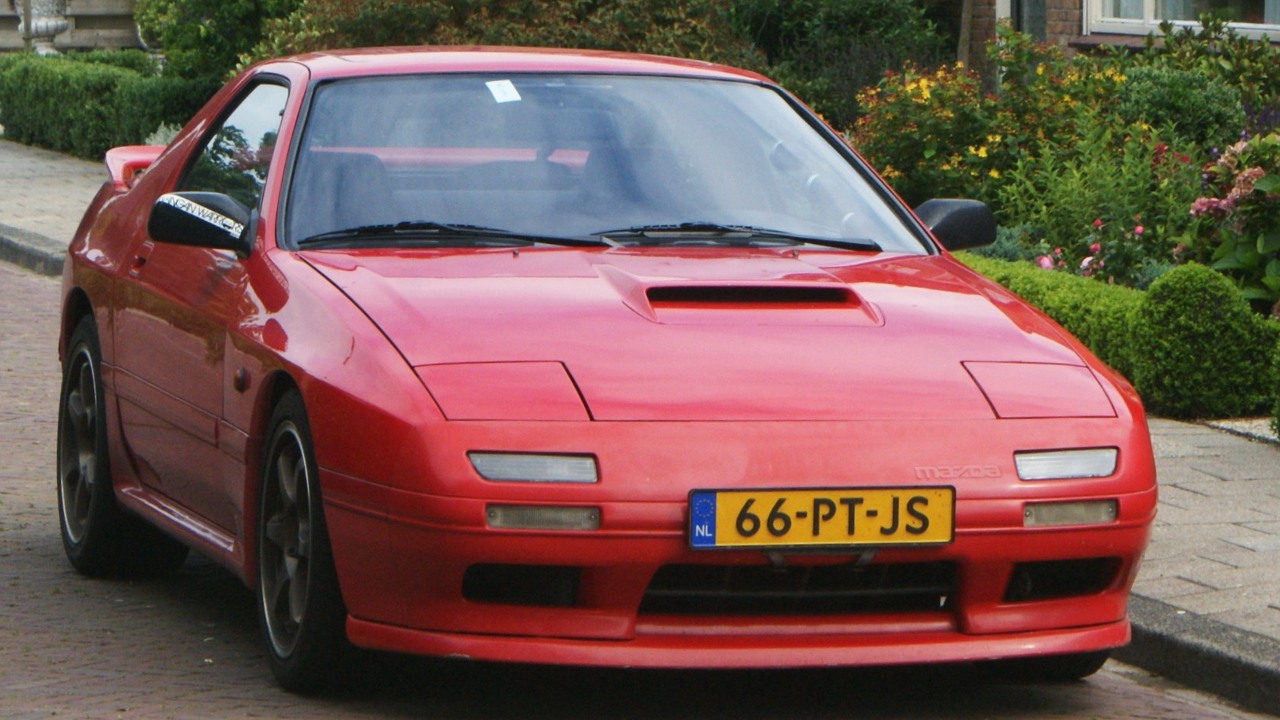
The Mazda RX-7 Turbo II, produced from 1986 to 1992, was a high-performance sports car featuring a turbocharged rotary engine. While praised for its handling and power, the RX-7 was costly to produce due to its complex engine technology. Mazda faced financial difficulties in the late 1980s and early 1990s, partly due to the high costs associated with the RX-7’s production and development.
Despite its challenges, the RX-7 Turbo II remains a beloved sports car with a dedicated fan base. Its history underscores the balance automakers must strike between innovation and financial sustainability.
Like Fast Lane Only’s content? Be sure to follow us.
Here’s more from us:
*Created with AI assistance and editor review.