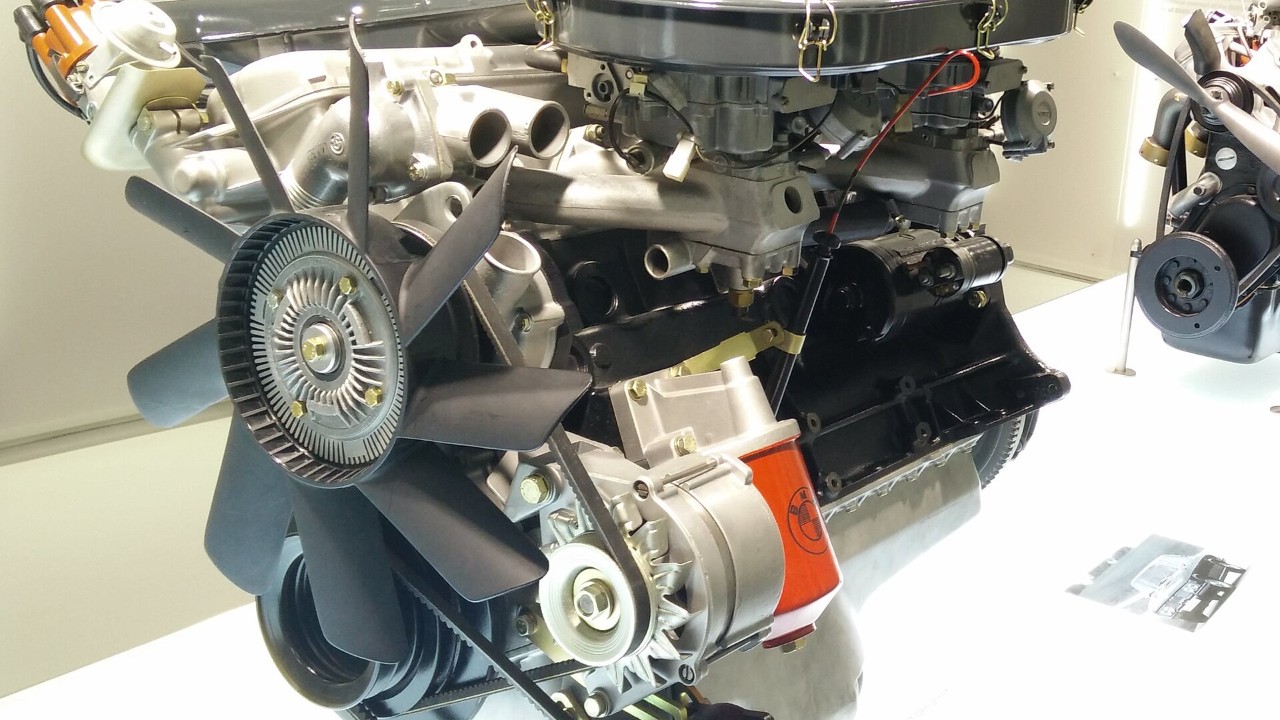
The Cummins 12-valve inline-six went into Dodge pickups in 1989 with mechanical fuel injection and a cast-iron block and head. Truck owners have argued about its limits ever since. That kind of reputation is what an inline-six does best. After all, six cylinders in a row make a naturally smooth, simple engine.
Plenty of carmakers built one, from Toyota and BMW to Jaguar and Chevrolet. Some were sporty and some were plain workhorses. However, only a handful earned the kind of trust that makes a buyer seek out an old engine on purpose.
These seven are our picks for the toughest of the bunch, and the ranking is our opinion. The engineering details and figures behind each choice come from specialist guides, factory papers and road tests read for this story.
1. Toyota 2JZ-GE
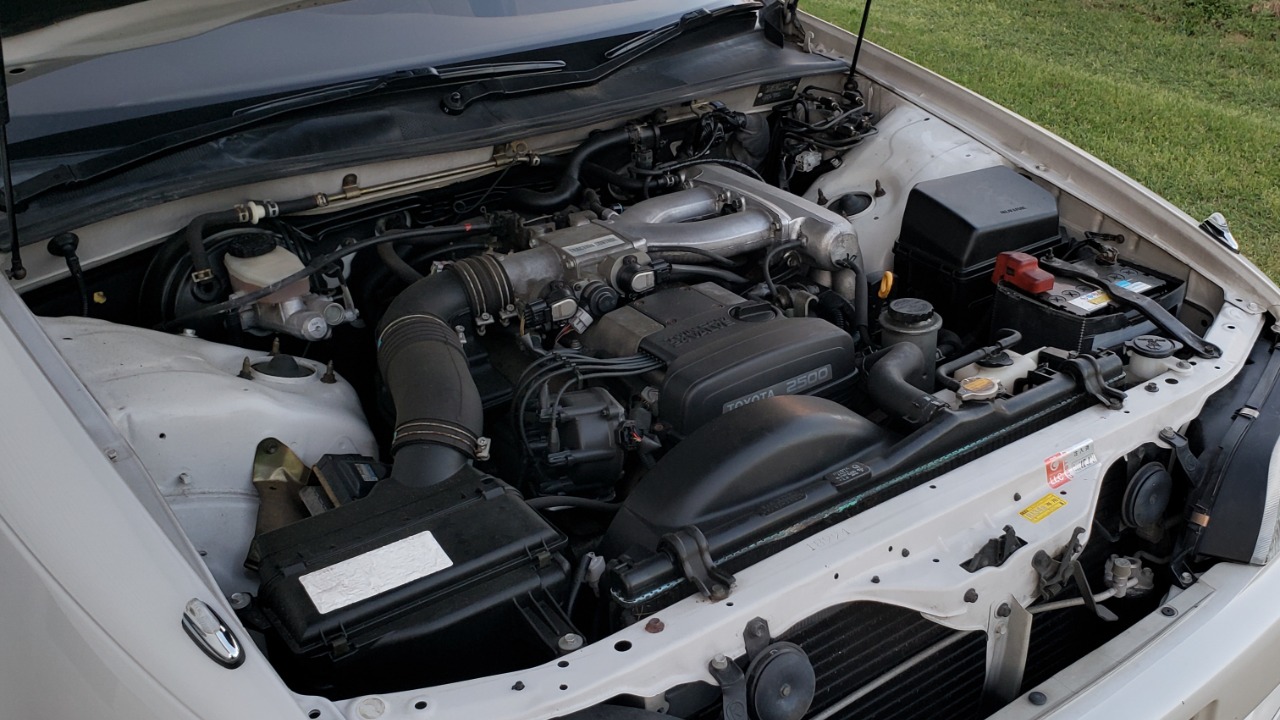
The 2JZ-GE was the naturally aspirated 3.0-liter version of Toyota’s 2JZ family. Most people know its turbocharged sibling from the Supra. But the GE went into far more cars, from coupes to family sedans. According to SlashGear’s rundown of Lexus models, it made 225 hp in the SC300 coupe. Meanwhile, the GS300 sedan version made 220 hp.
Lexus kept using it for years. The GS300 arrived with it in 1993, and a slightly detuned 215-hp version later powered the IS300. Toyota also added VVT-i variable valve timing in 1995. So the same basic engine served sports coupes, luxury sedans and a compact sport sedan across a long run.
The family’s strength shows in the turbo version, too. SlashGear notes that the 2JZ-GTE could take about double its factory output without opening up the bottom end. Our take: the non-turbo GE shares that sturdy layout and asks far less of it. That is exactly why we rate it so highly. If you’re shopping, a well-kept GS300 or SC300 is the easy way into one. The GS300 even switched from a four-speed to a five-speed automatic in its final year, so check which one you’re getting.
2. Toyota 1FZ-FE
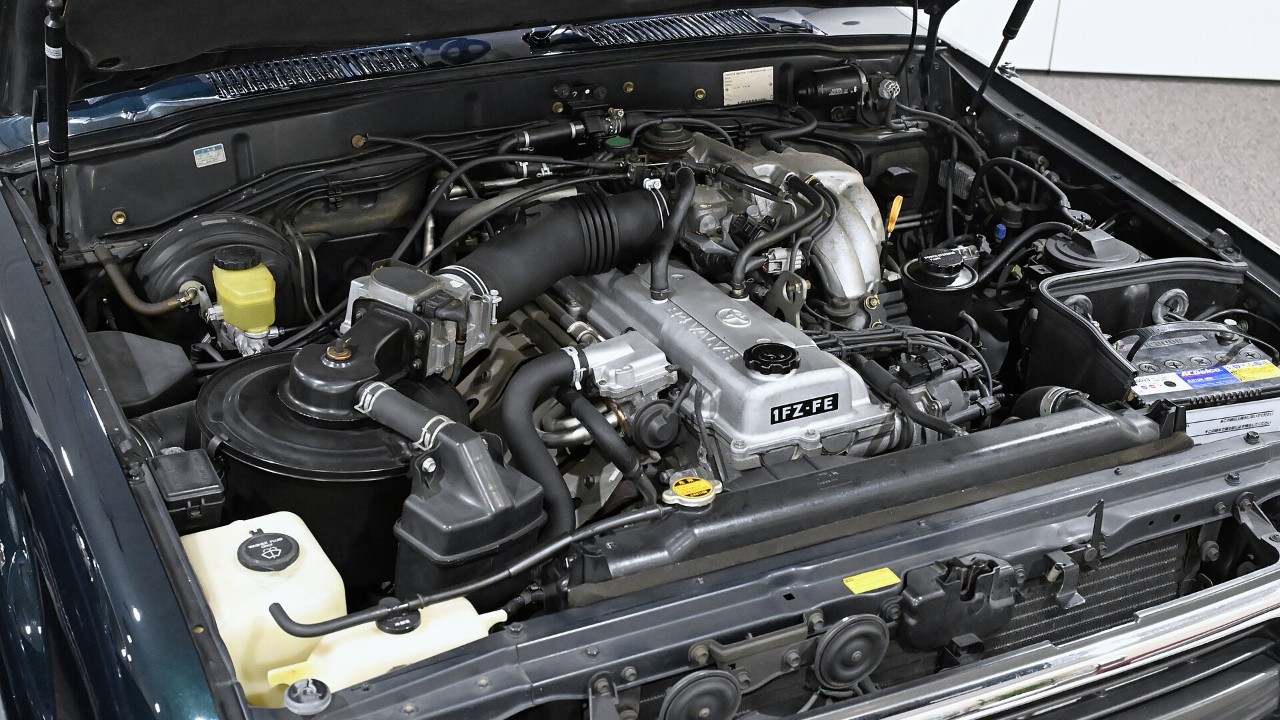
Toyota designed the 1FZ-FE for one job: pulling a Land Cruiser through rough country. Toyota’s own engineers described it in a 1993 SAE technical paper. They listed durability under the severe conditions of off-road use as a design goal, right next to power and fuel efficiency.
The 4.5-liter six made 212 hp at 4,600 rpm and 275 lb-ft of torque at 3,200 rpm. Toyota’s paper adds that engineers wanted it light but rigid, for low vibration and quiet running. It used Toyota’s four-valve double-overhead-cam layout, with a scissors gear between the camshafts and an aluminum cylinder head. Lexus also put it in the LX450. In a 1997 review, The Auto Channel listed the same 212 hp and a 5,000-pound towing rating. The sticker price was $52,498.
In our view, few engines were built with a clearer brief. The trade-off is thirst, and Australian 4×4 magazine Unsealed 4X4 tells buyers to budget for fuel before anything else. It also advises checking the cooling system for leaks and any history of overheating before you buy an 80 Series.
3. Cummins 5.9 12-valve
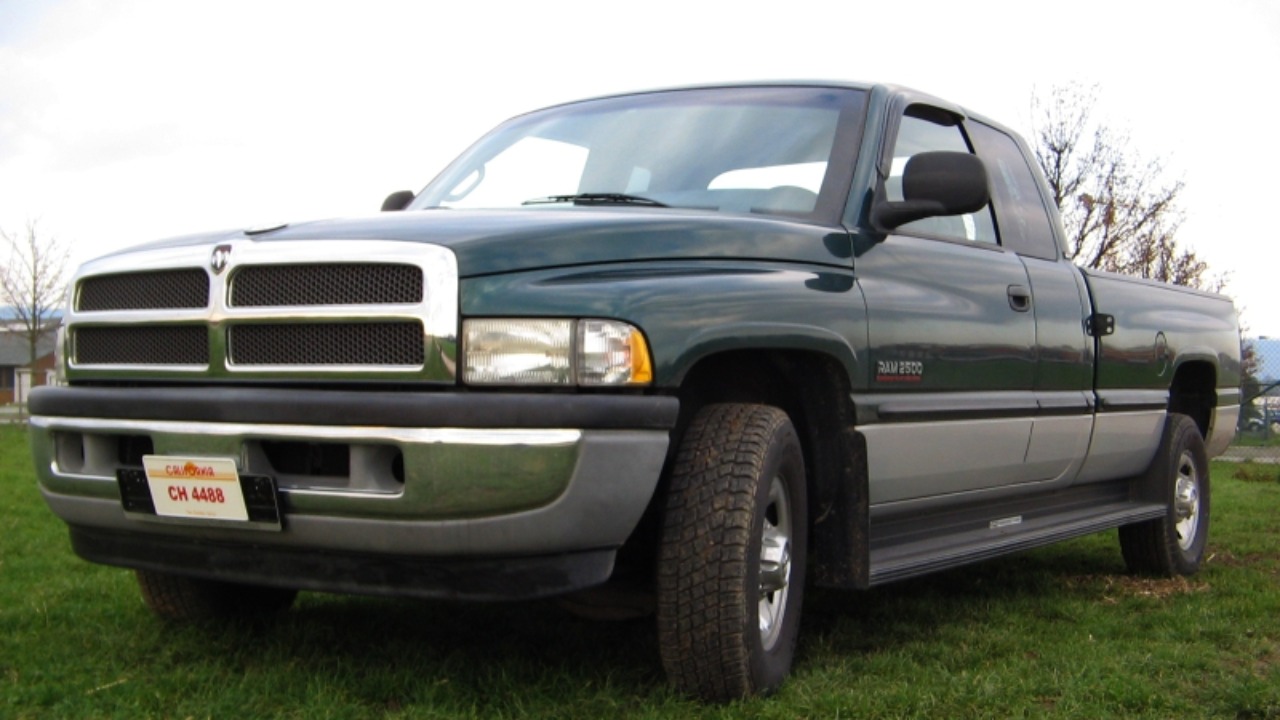
Dodge used the 5.9-liter Cummins 12-valve from 1989 to 1998. It went first into W250 and W350 trucks and later into the Ram 2500 and 3500. According to Diesel Hub, it started at 160 hp and 400 lb-ft. By 1996, manual-transmission trucks were rated at 215 hp and 440 lb-ft.
Its fuel system explains much of its following. Early trucks used a Bosch VE44 rotary pump, and from 1994 the Cummins 12-valve switched to the Bosch P7100 inline pump. Both setups are mechanical, with a gear-driven pump and mechanical injectors. Meanwhile, Diesel Hub credits the cast-iron block and head for its long life and rates its B50 life at 350,000 miles.
There is one well-known weak spot. A small dowel pin at the front of the engine, nicknamed the killer dowel pin, can work loose and damage the timing gears. That’s why owners fit a tab or kit, which Diesel Hub says costs from a few dollars to $120. We’ve covered the secrets behind the Cummins 5.9 before. Our take: fix that pin, and this is the six we’d trust most. Diesel Hub also flags fifth-gear failures in the NV4500 manual gearbox behind some of these engines, though it calls that repair straightforward.
4. BMW M30 “Big Six”
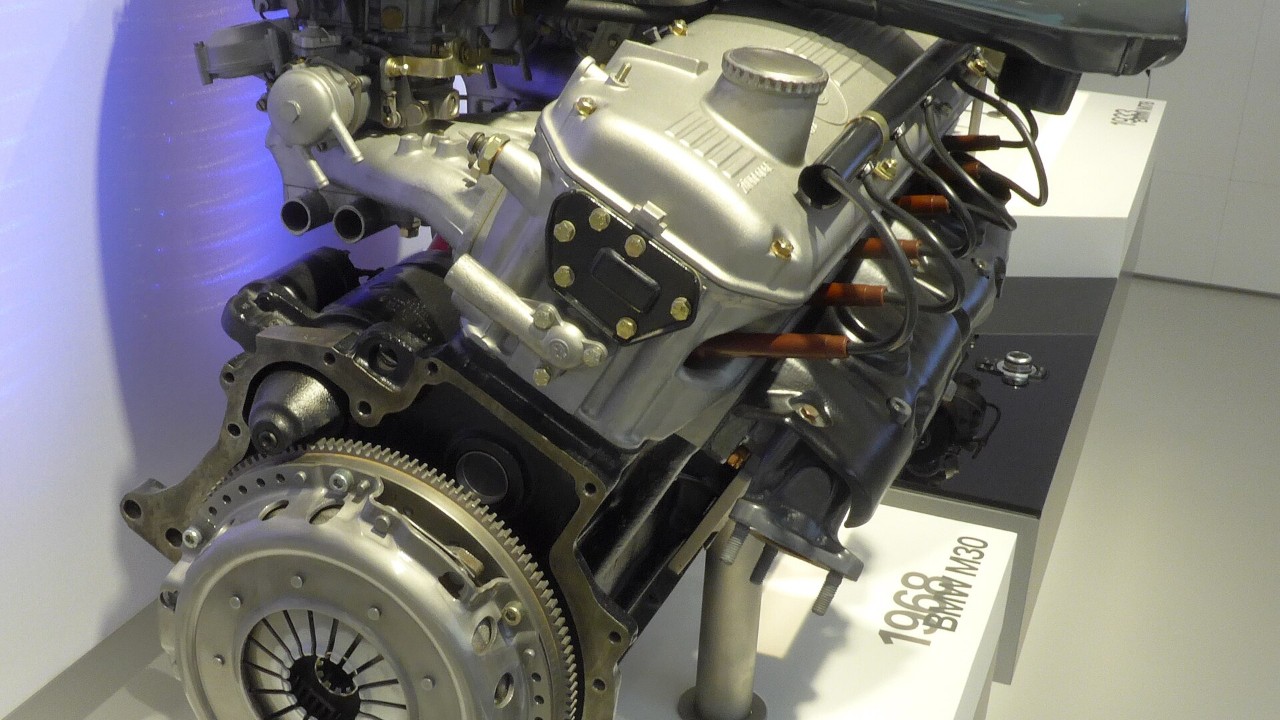
BMW built the M30 from 1968 to 1995, which makes it the company’s longest-produced engine, according to BMWBlog’s engine guide. Fans called it the “Big Six” once the smaller M20 arrived. It grew from 2.5 liters to 3.4 liters along the way.
The basic recipe never changed much. It had a cast-iron block, an aluminum head, a forged crankshaft and a single overhead cam driven by a single-row chain. That engine powered everything from the E9 3.0 CSL coupe to the E28 535i and the E34 530i sedan. Alpina even twin-turbocharged it for the B10 Biturbo, rated at 355 hp. That shows how much strength the bottom end had in reserve. In fact, the guide says well-maintained examples commonly reach 250,000 to 300,000 miles on their original internals.
It isn’t perfect, though. Timing chains stretch, guide rails wear, and the aluminum head suffers if the cooling system is neglected. Our take: an M30 rewards a careful owner more than almost any engine BMW built. If you’re buying, listen for a chain rattle at cold start and ask for cooling-system records.
5. Mercedes-Benz OM606
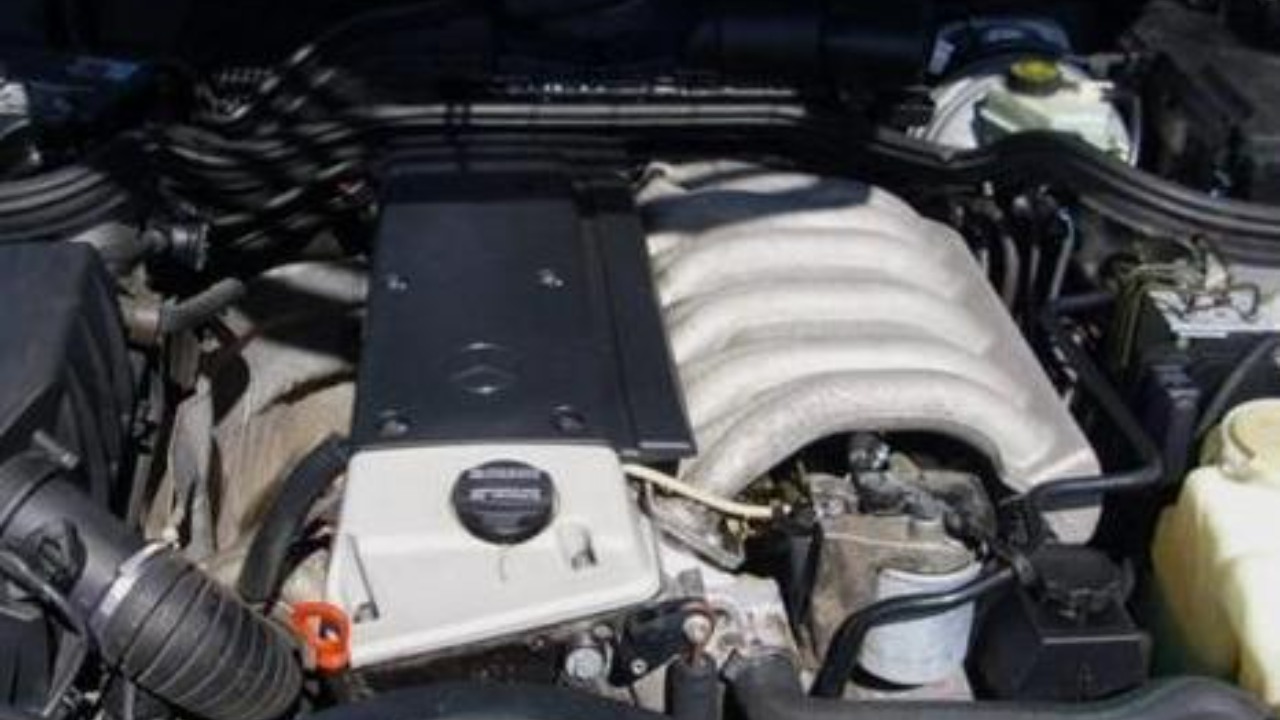
The OM606 was a 3.0-liter inline-six diesel that Mercedes-Benz built from 1993 to 1999. It had a cast-iron block, an aluminum head and 24 valves under double overhead cams. That was an unusually advanced layout for a diesel of its day, and it found a home in E-Class and S-Class models. Naturally aspirated versions made 136 hp or 147 hp, depending on the year and model. So even the base engine was no slouch for a diesel sedan.
The best-known version is the turbocharged E300 Turbodiesel in the W210 E-Class, built from 1996 to 1999. Parts specialist Euro Premium Parts lists 177 hp for that engine. It also notes the injection is mechanical, with no electronic fueling control. The same guide says many examples pass 500,000 miles with proper care.
Still, those miles come with upkeep. The guide lists injection-pump wear, seized glow plugs and timing-chain stretch as the usual high-mileage jobs. In our view, the OM606 earns its spot because it pairs diesel toughness with a refined six. Buy one with service records, and keep up with oil changes about every 5,000 miles, as the guide recommends.
6. Chevrolet 235 “Blue Flame” six
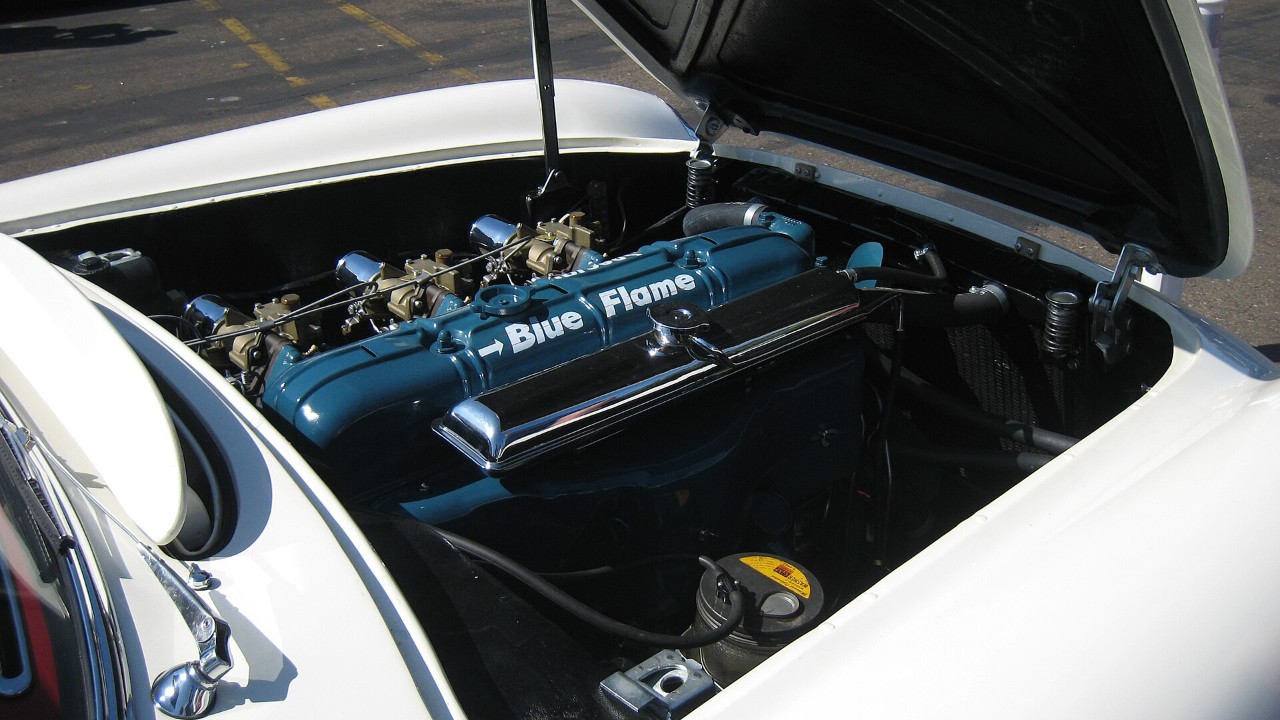
Chevrolet’s 235-cubic-inch six spent most of its life in family sedans and pickups. There, it earned a reputation as a plain engine that kept going. Chevrolet even paired it with its Powerglide automatic, so it became the everyday engine for a generation of two-pedal family cars. We’ve told the story of Chevrolet’s durable inline-six before.
Then, in 1953, it got its glamour moment. The first Corvette used a 235 Blue Flame six with triple Carter side-draft carburetors and factory dual exhausts. According to Silodrome, that version made 150 hp at 4,200 rpm. Chevrolet built just 300 Corvettes that first year.
Our take: an engine that could haul a farm truck one day and power a sports car the next deserves its place here. It was simple to work on, and that simplicity is a big part of why so many survive. Those early cars are prized today. For example, Silodrome reports that Mecum estimated a 1953 Corvette with its original Powerglide at $200,000 to $235,000. If you find one, a basic tune-up and fresh fluids usually go a long way.
7. Jaguar XK six
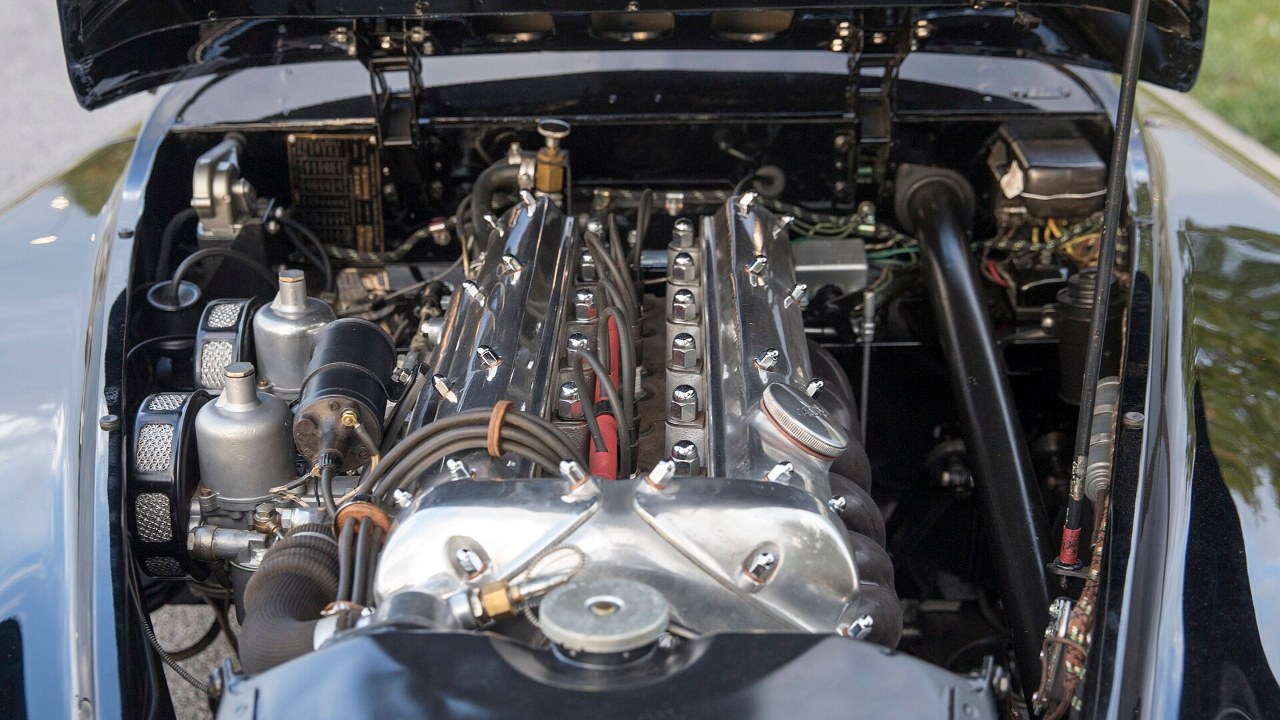
Jaguar’s engineers began planning the XK six during World War II, while on fire-watch duty at SS Cars in Coventry. According to Hagerty UK, William Lyons, William Heynes, Walter Hassan and Claude Bailey led the work. The engine then debuted in the XK120 at the 1948 Earls Court Motor Show.
The original 3,441 cc version made 160 hp. Later, the six grew to 3.8 and 4.2 liters. It also powered five Le Mans winners in the 1950s, in 1951, 1953 and from 1955 to 1957. It also powered XJ6 saloons and even British military vehicles such as the Scorpion light tank. All told, Jaguar built nearly 700,000 over six decades. Hagerty also credits Harry Weslake, who spread the valves 70 degrees apart and helped perfect the ports, for much of its breathing.
Not every version was trouble-free, and Hagerty calls the 3.8-liter failure-prone. Even so, in our view, a design that lasted from 1948 to the final 1992 Daimler limousine earns its place on any durability list. If you buy one, the 4.2 is the version we’d look for first.
More from Fast Lane Only