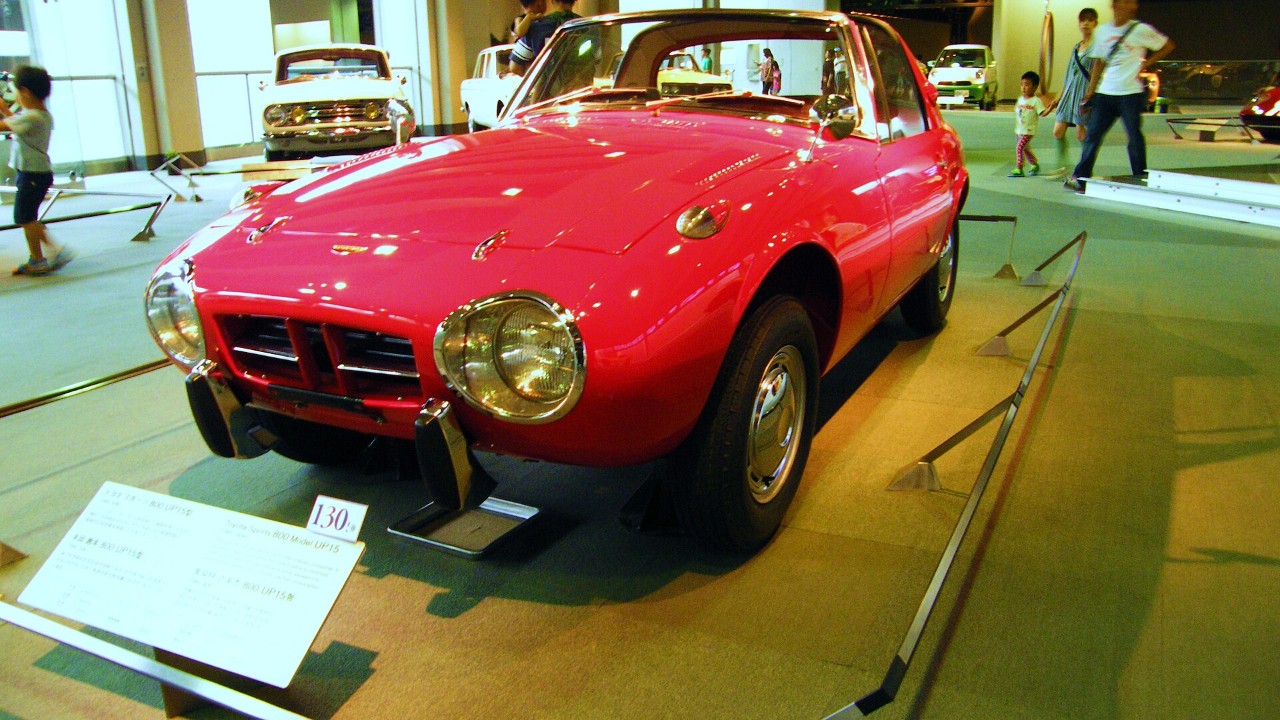
Toyota’s American story began with the Toyopet Crown in 1958, and it was a rough start. Today, however, the brand sells cars on a reputation for running forever. That reputation rests on Camrys, Corollas and pickups, so the oddballs tend to slip through the cracks.
Those oddballs are the fun part. Toyota spent decades trying strange ideas, from an air-cooled roadster to a minivan with its engine under the front seats. Some sold well for a while. Others never reached America at all. Still, most of them get far less attention at auctions and car shows than the 2000GT or the Supra.
So this list is our take, not a price guide. These are the forgotten Toyotas we’d happily park in our own garage, with a few real facts about each one and why we think they deserve more love than collectors give them.
1. 1965 Toyota Sports 800
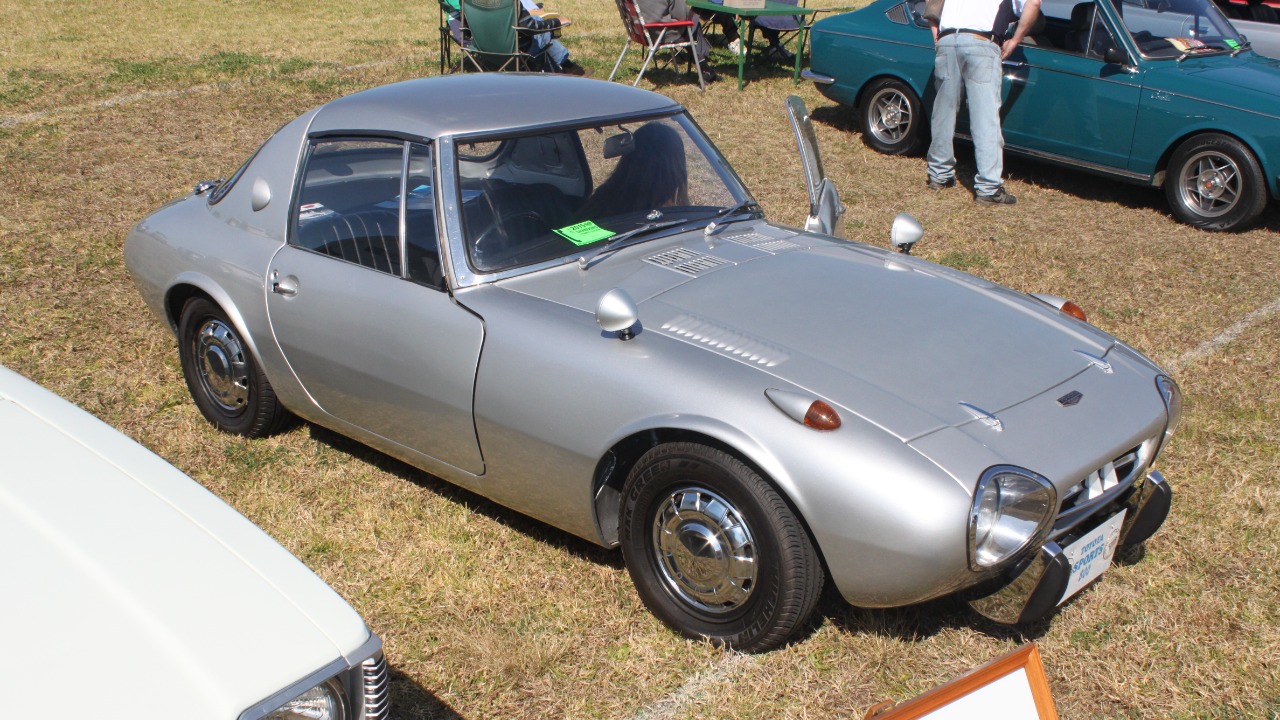
Seven years after the Toyopet Crown stumbled in America, this car proved Toyota could have fun. The Sports 800 used a 790cc air-cooled flat-twin borrowed from the humble Publica economy car, and it made just 45 bhp. That sounds tiny. Yet the whole car weighed only 580 kg, so it could almost reach 100 mph, according to Toyota UK’s own history of the model. Toyota also says its removable roof panel was one of the first targa-style tops on a production car.
Toyota announced it in March 1965 and handed production to Kanto Auto Works. Fans in Japan nicknamed it “Yota-Hachi,” a short way of saying “Toyota 8.” Only 3,131 were built through 1969, and it even finished third at the 1967 Fuji 24 Hours, right behind two 2000GTs.
Our take: this is the Toyota for people who love Austin-Healey Sprites and Fiat 850 Spiders. It is light, cheerful and mechanically simple, and the flat-twin sounds like nothing else from Toyota. Toyota UK also credits it with excellent fuel economy for its day. Because so few left Japan, though, you’ll see one far less often than the other small roadsters in our list of vintage roadsters most drivers have never seen in person.
2. 1958 Toyopet Crown
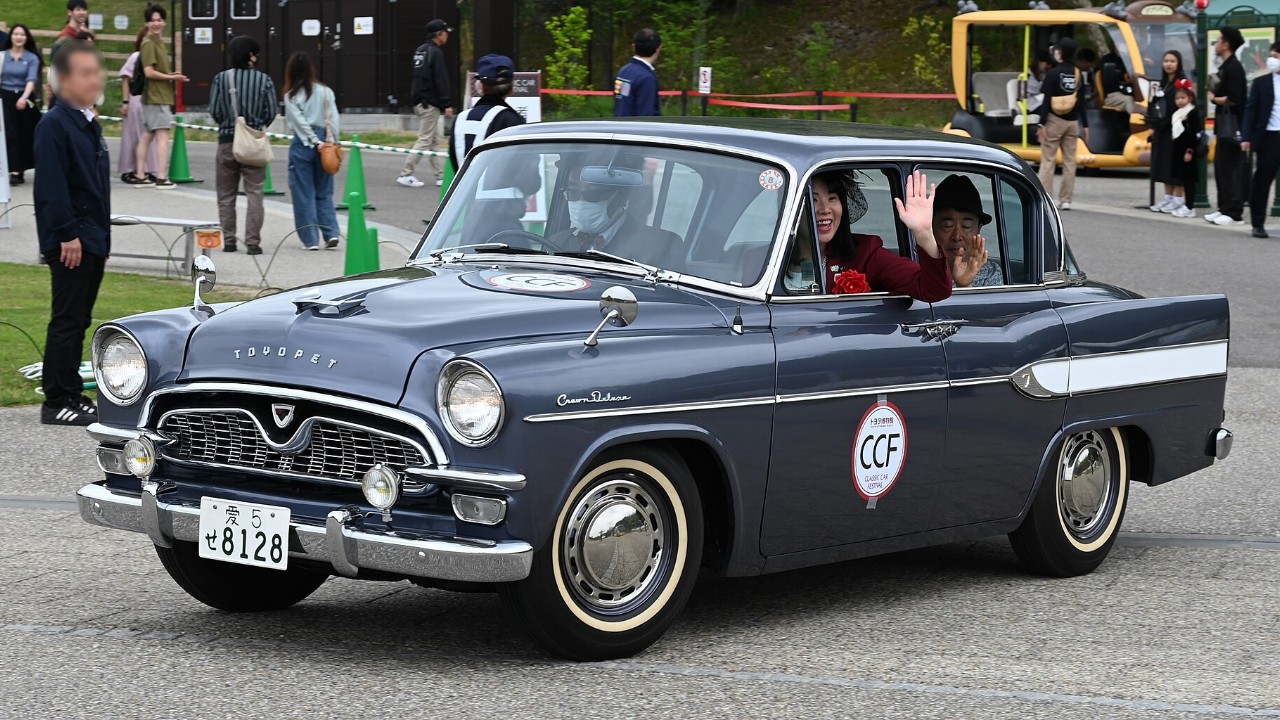
Every Toyota in your neighborhood owes something to this stubborn little sedan. The Toyopet Crown was the first car Toyota brought to the United States, and it struggled from day one. Its 1.5-liter engine felt weak next to American V8s. In fact, Toyota UK’s magazine reports that the car shook so badly at 60 mph that drivers couldn’t use the mirror.
The price didn’t help either. It cost $1,999, and Toyota sold just 287 cars, plus a single Land Cruiser, by the end of 1958. The name caused trouble too, because “Toyopet” sounded like a toy to English speakers. There was even a drive-in problem: a food tray hung on the wheel pressed the horn. Toyota stopped sending the Crown to America in 1960, according to Toyota UK’s history of the car.
So why do we love the Toyopet Crown? Because it is the humble beginning of a giant. Toyota learned from every complaint, and the lessons showed up in the cars that followed. A Toyopet Crown at a show is a rolling history lesson, and almost nobody else will have one.
3. 1967 Toyota 1600GT
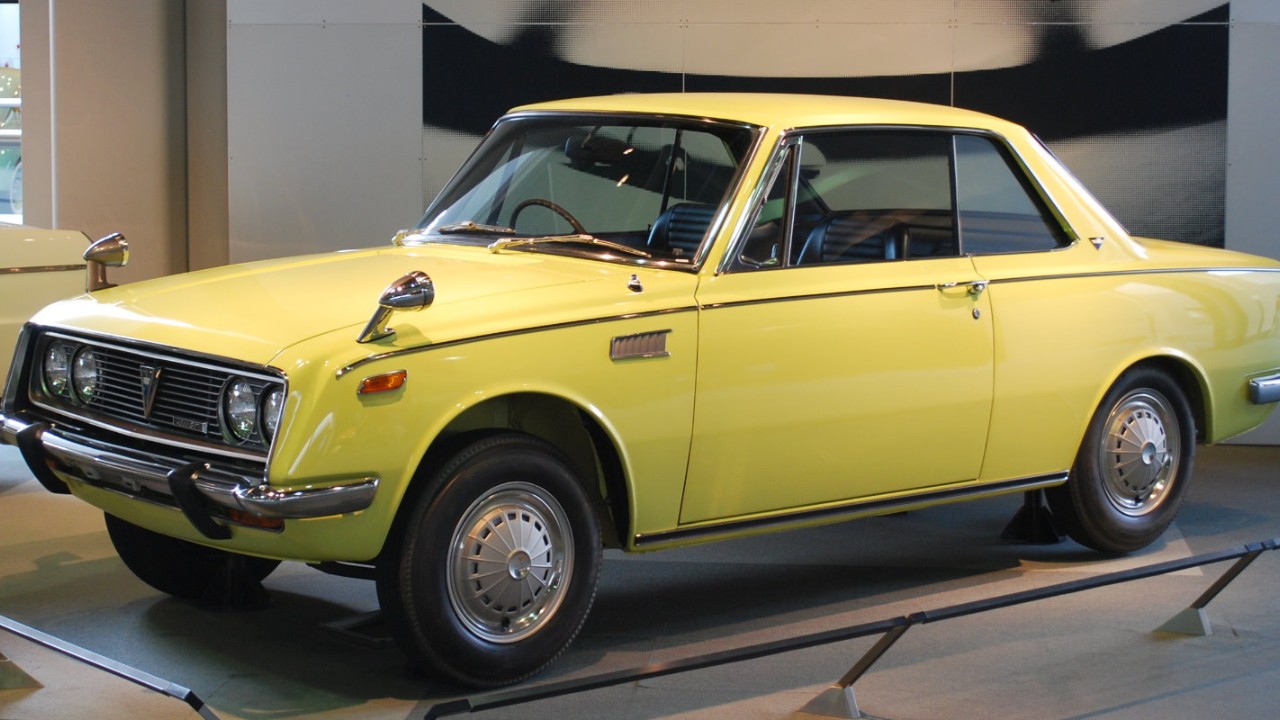
Here is a sleeper in plain clothes. From the outside, the 1600GT looked a lot like a Corona hardtop. Underneath, it was the work of Toyota’s racing department. Toyota says Engineering Division No. 7, the team behind its race cars, developed it as a production model.
The key part was the engine. The 9R was a 1,587cc twin-cam four rated at 110 hp, according to Toyota’s 75-year company history. Sales began in August 1967, and buyers of the RT55-M could add a five-speed gearbox. Meanwhile, four-speed cars offered a choice of three final-drive ratios, a clear sign of who Toyota had in mind. To us, that reads like a car built for weekend racers.
In our view, the 1600GT is the smart person’s 2000GT. It shares the twin-cam spirit and the period style, yet it gets a fraction of the attention. Its basis was the Corona Hardtop 1600S, so it shares many body parts with a far more common car. That helps a little. If you ever find one for sale, take it seriously, because chances like that don’t come around often.
4. 1981 Toyota Starlet KP61
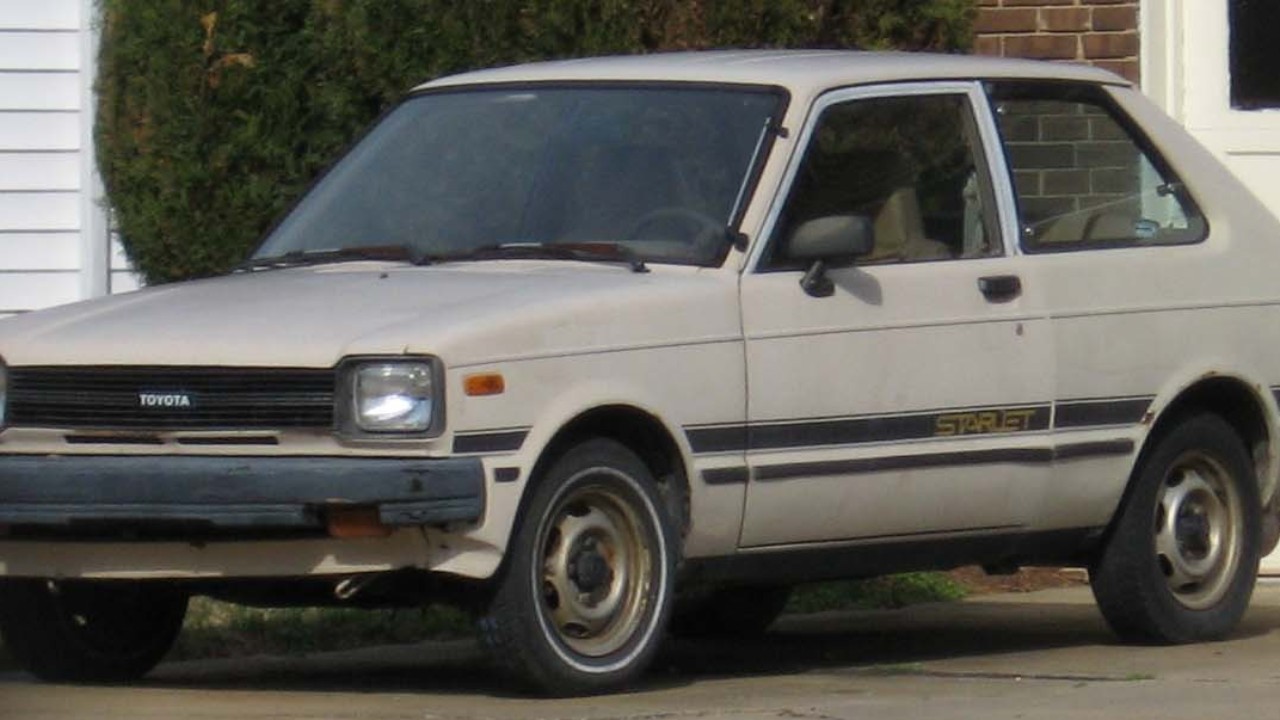
The Starlet is easy to forget because Americans only had it for a few years. The KP61 was the only Starlet ever sold in the United States, offered from the 1981 through 1984 model years. It used a 1,290cc 4K four-cylinder. Better yet, it sent power to the rear wheels, even as many small cars moved to front-wheel drive.
That layout is the whole reason we love it. A small, light hatchback with rear-wheel drive is a recipe for cheap fun. It is the same basic idea that made old Corollas so popular with club racers and drifters. The Starlet just did it in an even smaller package.
Most of these cars lived hard lives as commuter boxes, then rusted or got used up. As a result, a clean one is a real find today. Our advice: if you want an affordable classic Toyota that feels lively, look past the Corolla and hunt for a KP61. Then keep it stock, because original examples are getting rare. Rust repair on a small car like this can cost more than the car is worth, so buy the cleanest body you can afford.
5. 1983 Toyota Tercel 4WD Wagon SR5
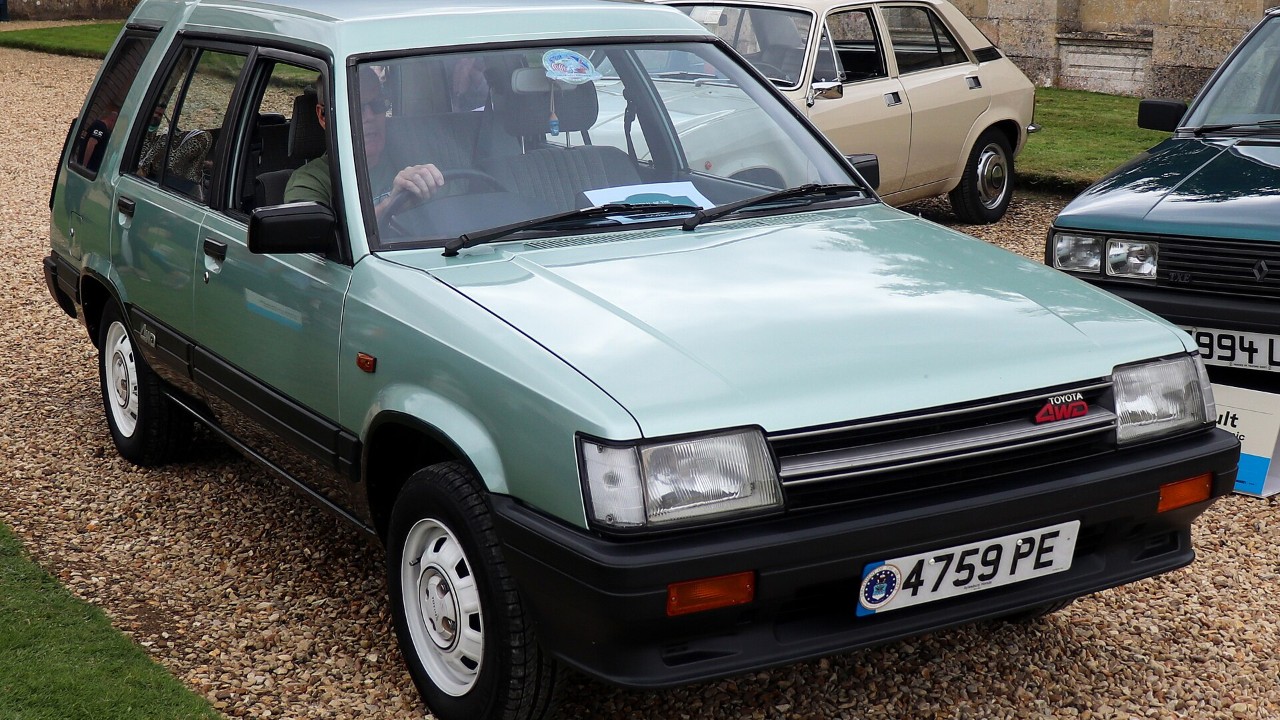
Long before crossovers took over, Toyota built a tiny wagon that could climb a snowy driveway. Toyota sold the Tercel 4WD Wagon in the US from 1983 through 1988. It used a 1.5-liter 3A-C four rated at 62 hp, according to Hagerty’s look at a 1986 SR5.
The clever bit, though, was the gearbox. It had six speeds, including an “Extra Low” gear for steep or slippery ground. It was also true four-wheel drive, not all-wheel drive. That means the driver had to switch back to front-wheel drive on dry pavement. Hagerty lists the 1986 SR5 4WD Wagon at $8,898 new.
We think it is one of the most honest little Toyotas ever made. It looks odd, with its tall roof and stubby nose. Even so, it delivered real off-road ability in a car that cost less than most pickups. If you find a solid one, check the floors and rear hatch for rust first, then enjoy the looks you get at every trailhead. Just don’t expect speed. With 62 hp, patience is part of the deal.
6. 1987 Toyota Corolla FX16 GT-S
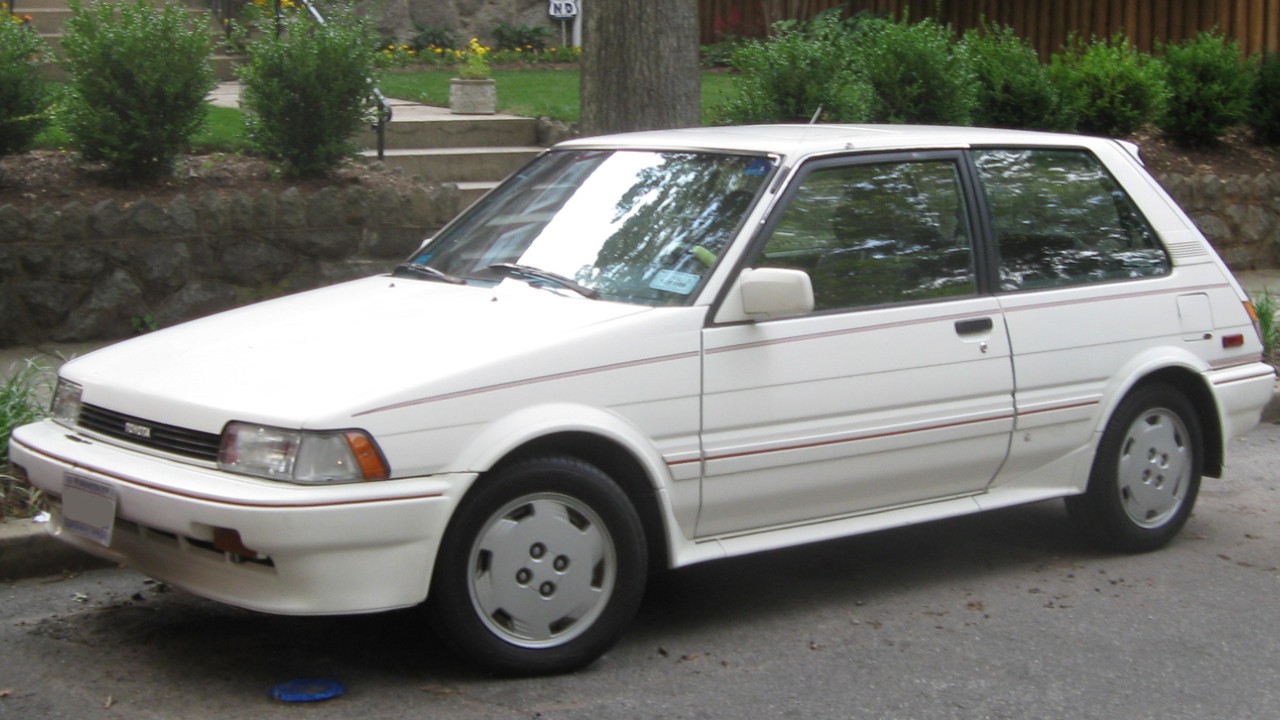
Everyone remembers the rear-drive AE86 Corolla. Far fewer people remember its front-drive hatchback cousin. The FX16 GT-S used the same famous 4A-GE engine, a 1.6-liter twin-cam with 16 valves. Consumer Guide lists it at 108 bhp at 6,600 rpm for 1987, rising to 110 for 1988.
It was also a light car, at 2,366 pounds. A five-speed manual came standard, and the 1987 model started at $10,668, according to Consumer Guide’s look back at the FX16 GT-S. In spirit, that put it in the same fight as the Volkswagen GTI and Honda CRX.
Our take: this is the hot hatch history forgot. It had the right engine, the right weight and the right price. Yet the boxy styling never won the hearts that the AE86 did. That’s good news for you, because an FX16 usually costs far less than its famous cousin. Find one with the manual, and you’ll get most of the 4A-GE fun for a lot less money. An electronically controlled four-speed automatic was optional, but we’d skip it.
7. 1991 Toyota Previa
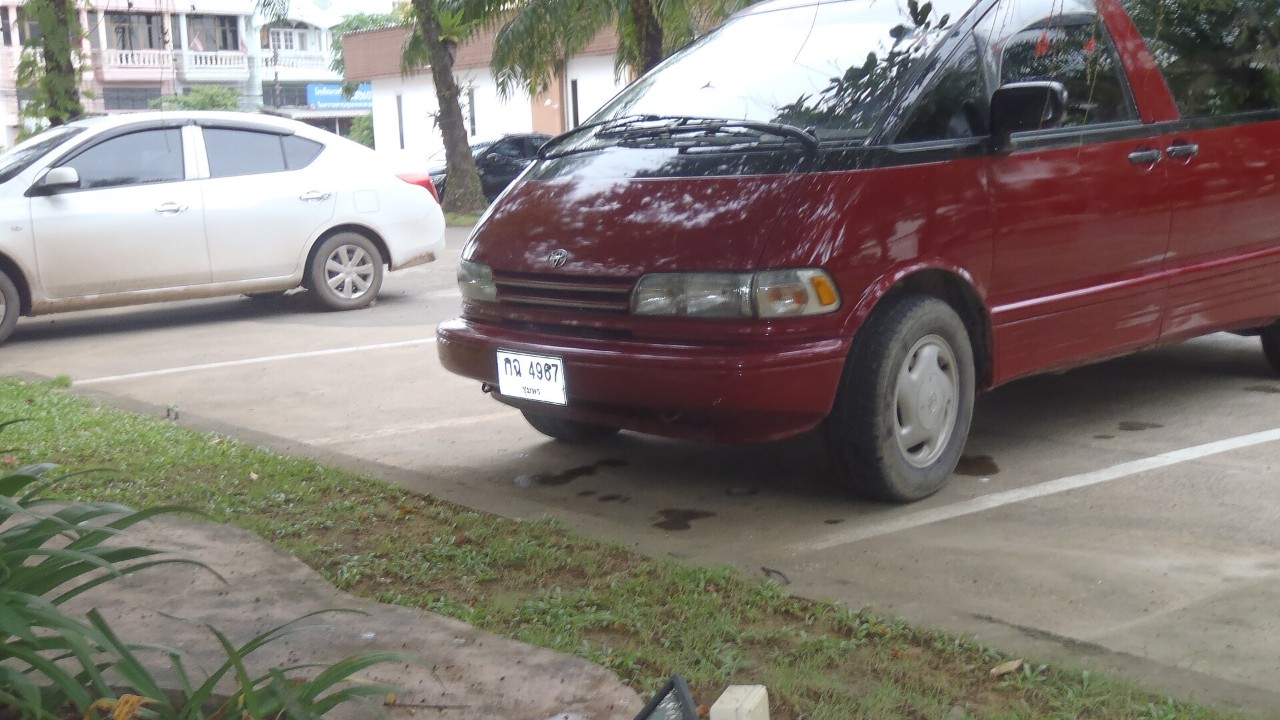
Few minivans have ever been this strange, or this clever. The Previa put its 2.4-liter twin-cam four in the middle of the van, laid almost flat under the front seats. Consumer Guide lists the base engine at 138 hp, with rear-wheel drive or All-Trac all-wheel drive. For 1994, Toyota added a supercharged version with 161 hp, and by 1996 it was the only engine offered.
That layout gave the Previa its egg shape and a flat floor. However, it also made some service jobs harder than on a normal van. Consumer Guide’s used-car report also flags the magnetic valve for the rear air conditioner as prone to failure.
We love it anyway. The Previa is a reminder that Toyota once took big swings, even with family haulers. It has fans who keep them running far longer than anyone expected, and it earned a spot in our list of Toyota vehicles that became more appreciated with time. If you want one, seek out a supercharged All-Trac, and budget for rear A/C work. Also check the automatic, since Consumer Guide notes harsh shifts on some 1992–1994 vans.
8. 1993 Toyota T100
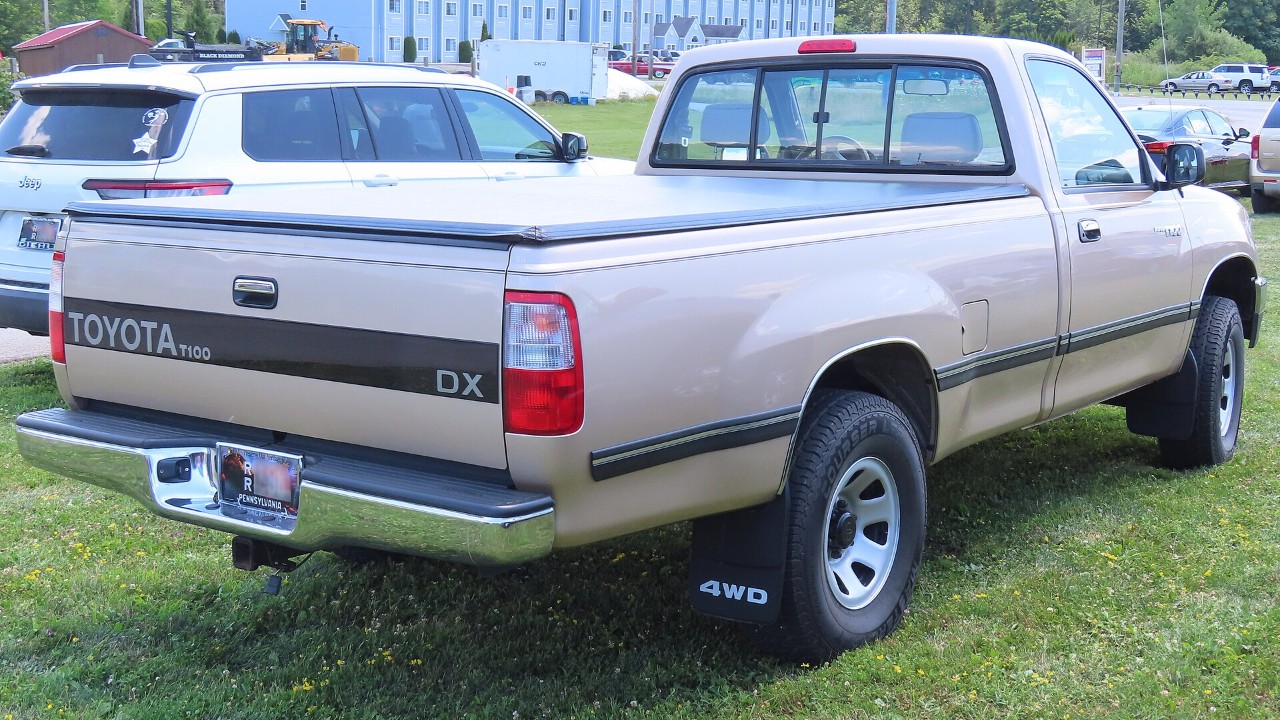
The T100 was Toyota’s first try at a full-size American pickup, and buyers mostly shrugged. It ran from 1993 to 1998. At launch, the main engine was a 3.0-liter V6 rated at 150 hp. For 1995, Toyota added a stronger 3.4-liter V6 with 190 hp.
The trouble, in our view, was simple. Truck buyers wanted a V8, and the T100 never got one. On top of that, Toyota built it in Japan, so it faced a 25% tariff. Then Toyota replaced it with the bigger, V8-powered Tundra, which debuted in 1999. As a result, the T100 became a footnote between Toyota’s small pickups and its full-size era.
In our view, that footnote deserves a second look. A T100 is the size many people wish trucks were today: big enough to work, small enough to park. It also has a strong reputation, which is why it showed up in our list of pickups that rarely give owners serious problems. Our pick is a 1995 or later truck with the 3.4-liter V6. Toyota also offered a 2.7-liter four, which suits a light-duty owner fine.
9. 1992 Toyota Paseo
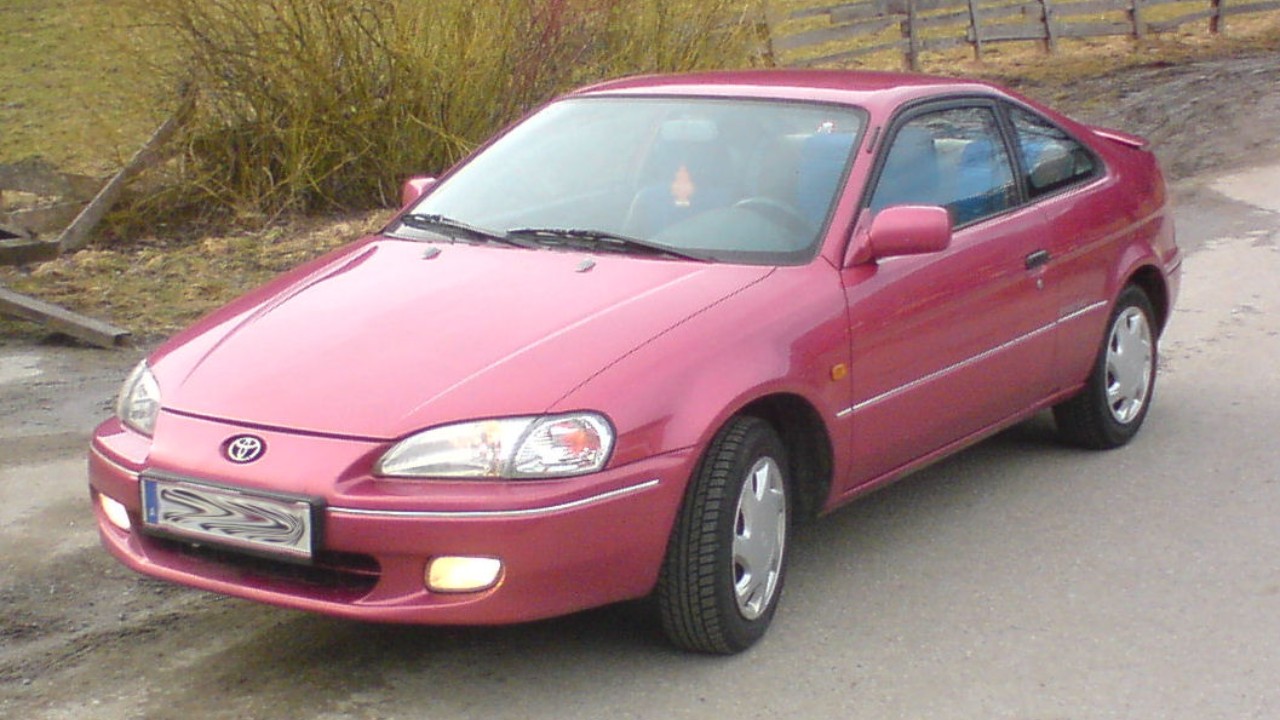
The Paseo was Toyota’s sporty-looking small coupe for the early 1990s. It was based directly on the Tercel, and in most markets its 1.5-liter 5E-FE four made 100 hp. In Japan and some other places it wore the name Cynos. Later, Toyota also offered it as a convertible.
That’s not exactly a recipe for fame. For one thing, the Paseo wasn’t quick, and car magazines didn’t fall in love with it. Toyota stopped selling it in the US in 1997, so it simply drifted away. Today, many people don’t even remember that it existed. Even fans of small Toyotas tend to skip right past it on their way to an MR2.
But we think that misses the point. The Paseo was cheap, light, easy on fuel and fun in the way small cars can be. It also has some family ties to the Sera, the next car on this list. Our advice: look for a clean, unmodified car with a manual gearbox. Those are getting harder to find, and they are the ones worth keeping. A convertible is the rarer catch, and a fun summer car for very little money.
10. 1990 Toyota Sera
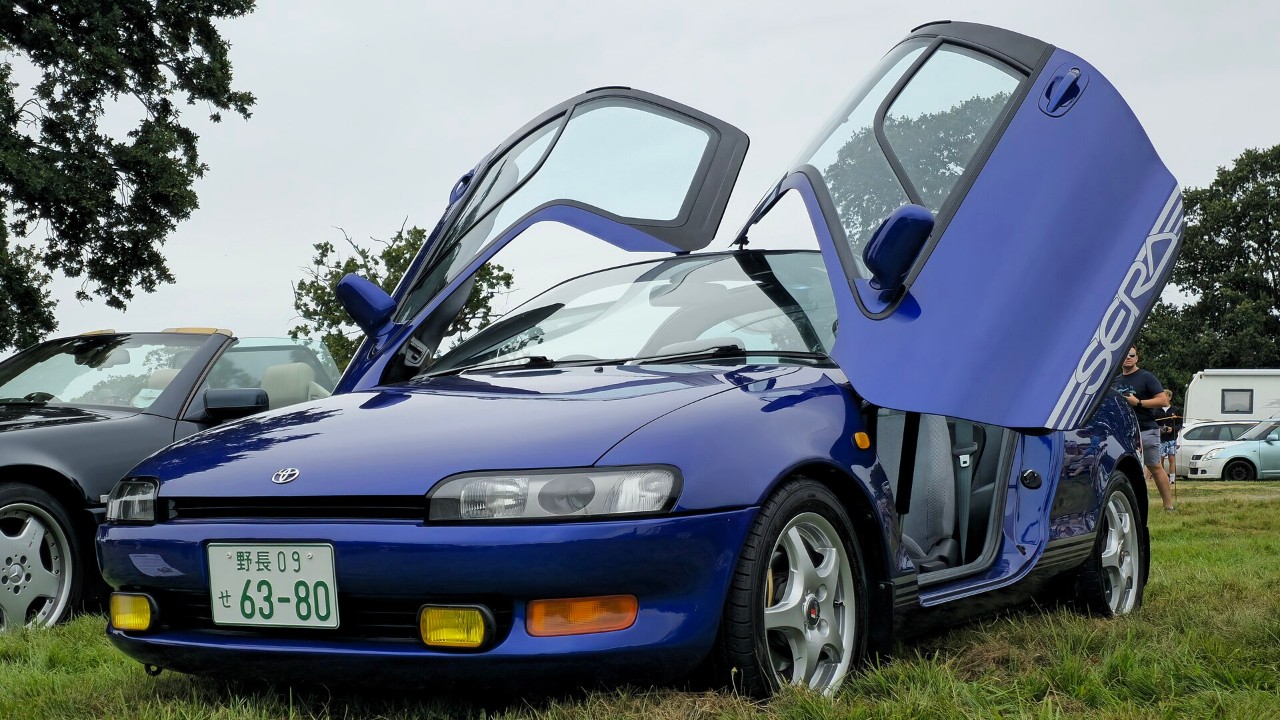
We saved the wildest for last. The Sera was a small 2+2 coupe with butterfly doors that swung up and forward. Hagerty notes the doors needed only 17 inches of side clearance to open fully. The cabin sat under a greenhouse made from six separate, oddly shaped pieces of glass.
Underneath, however, it was surprisingly ordinary. A 1.5-liter four made 104 hp and 97 lb-ft, and a five-speed manual was optional. The car weighed about 2,050 pounds, which kept that small engine from feeling overwhelmed. Toyota built it for Japan’s home market, and it was never sold in North America. Meanwhile, Hagerty says much of its drivetrain and suspension came from the Paseo.
Our take: few cars this cheap look this exotic. Toyota built just under 16,000 Seras from 1990 to 1995, and a good one can be bought for under $10,000, according to Hagerty’s profile of the car. A handful also reached the UK, Hagerty adds, and rare factory options push values higher. For a car with supercar doors, that is a bargain we’d jump on.
More from Fast Lane Only