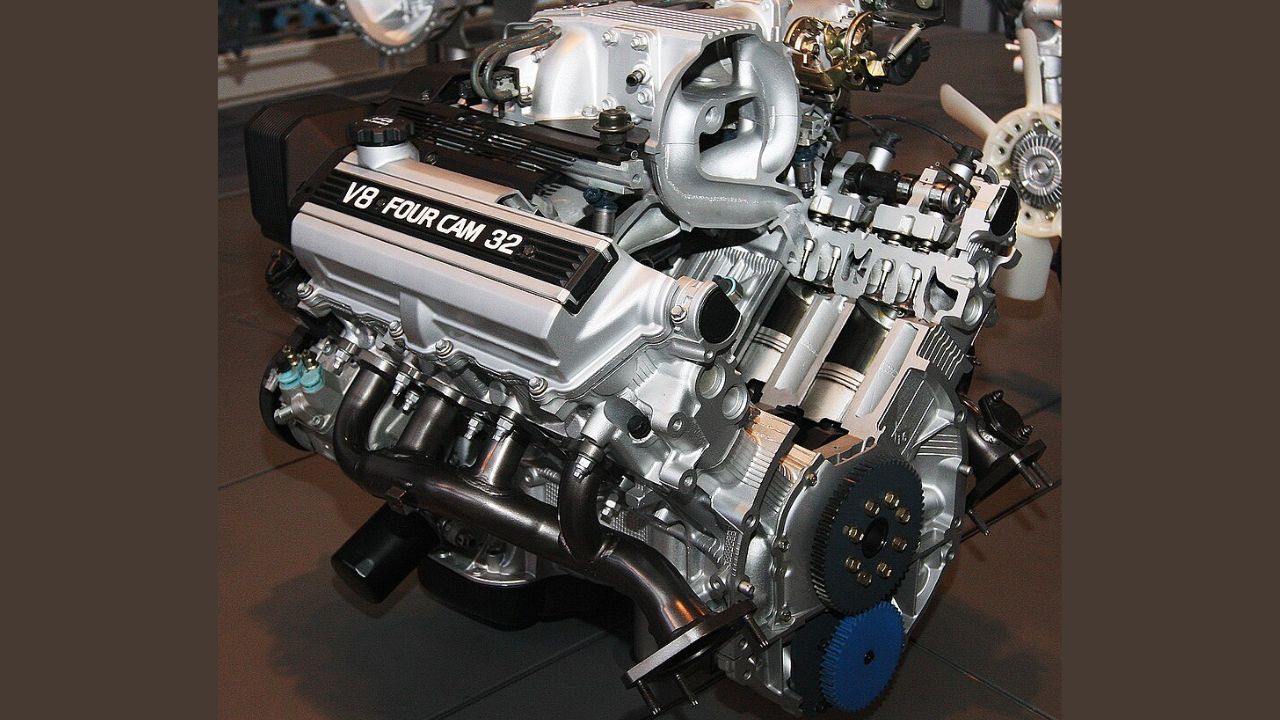
Before the first Lexus LS 400 went on sale, Toyota spent nearly $1 billion over six years and built more than 900 experimental engines. The result was the 1UZ-FE V8, and it set the tone for a whole generation of engines built to run and run.
Not every V8 got that kind of budget. However, plenty of everyday engines were designed with long life in mind, from iron-block GM truck V8s to Ford’s big 460 and a diesel V8 built about 2 million times for heavy-duty Fords. Some of them are refined, and some are crude. All of them, in our view, were engineered to take abuse.
So these 11 are our picks. The durability verdicts are our opinion, while the specs, dates and production details come from published engine histories and references. If you’re shopping for a truck, a cruiser or a swap engine, start your search with the 1UZ-FE V8 and keep reading.
1. Toyota 1UZ-FE V8
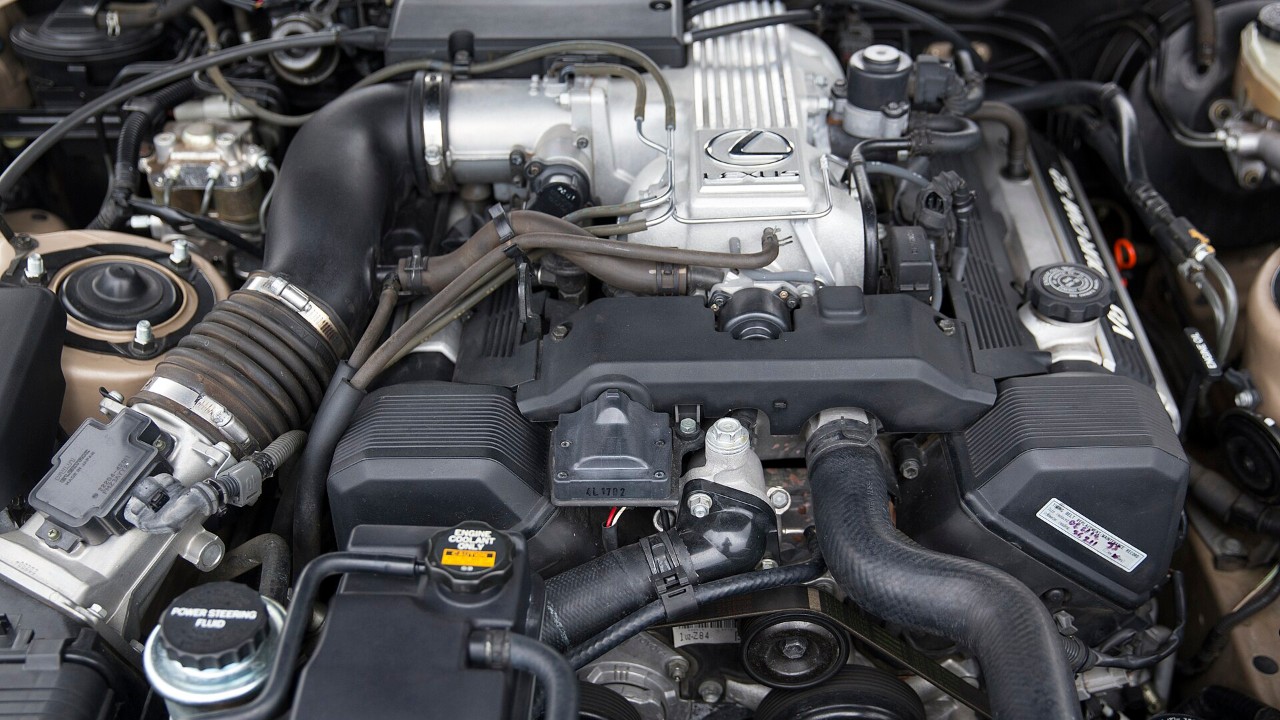
Toyota’s flagship project, code-named F1, produced the LS 400 and its 4.0-liter all-alloy V8. According to SlashGear, the program cost nearly $1 billion and used more than 900 experimental engines and 450 prototype vehicles. The 1UZ-FE debuted at the 1989 Detroit auto show with 256 horsepower and 260 lb-ft.
The details also show how far Toyota went. For example, the crankshaft used eight counterweights, two more than most V8s of the era. Unique cam followers cut valvetrain inertia, too. Meanwhile, the transmission computer briefly retarded ignition timing during upshifts to smooth them out. Later, a 1997 update with variable valve timing raised output to 290 horsepower, and the GS 400 version was rated at 300. SlashGear also points to an LS 400 that went past a million miles on its odometer.
Our take: the 1UZ-FE V8 is the gold standard for a smooth, long-lived luxury engine. If you’re buying a used LS 400 for one, look for timing-belt records, since the 1UZ’s cams are belt-driven. A documented belt service tells you the previous owner cared. In our view, no engine on this list had a more thorough start in life.
2. Toyota 2UZ-FE V8
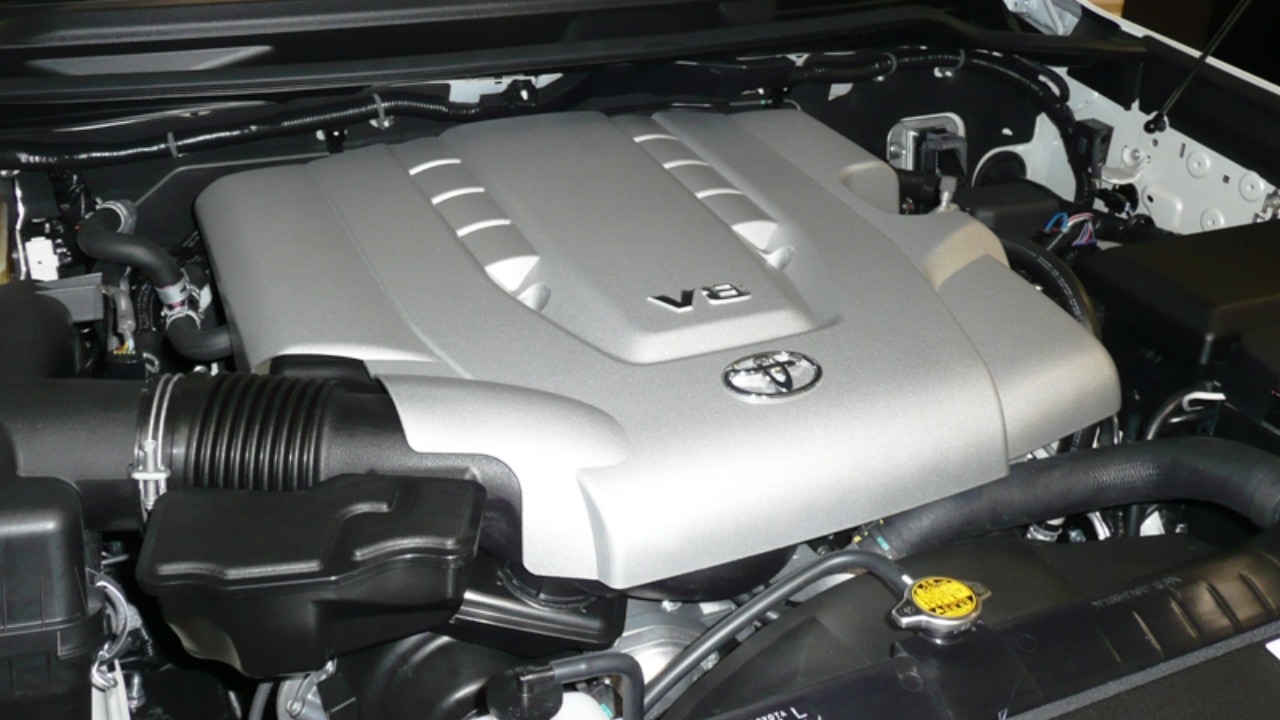
When Toyota needed a V8 for its trucks, it took the 1UZ design and built a bigger, tougher version. Compared with the 1UZ-FE V8, the 2UZ-FE displaced 4.7 liters and switched to a cast-iron block for durability. It went into the Land Cruiser and Lexus LX 470 from 1998, then the Tundra, Sequoia, 4Runner and GX 470. From 2004, the GX 470 and Sequoia got the variable-valve-timing version first.
North American versions made 235 to 240 horsepower at first. A later variable-valve-timing version reached 271 horsepower, and it stayed in production into the 2010s. That’s a long run for an engine that started life alongside a luxury-car V8, and it covered a lot of very different trucks.
We think the 2UZ is one of the safest used-truck engines you can buy, because the iron block and modest output leave plenty of margin. Buyer’s tip: buy on maintenance records, and remember that on an old Land Cruiser or Tundra, the truck around the engine needs checking as much as the engine itself. A 2UZ truck with good paperwork is about as worry-free as a used V8 truck gets.
3. Toyota 3UR-FE V8
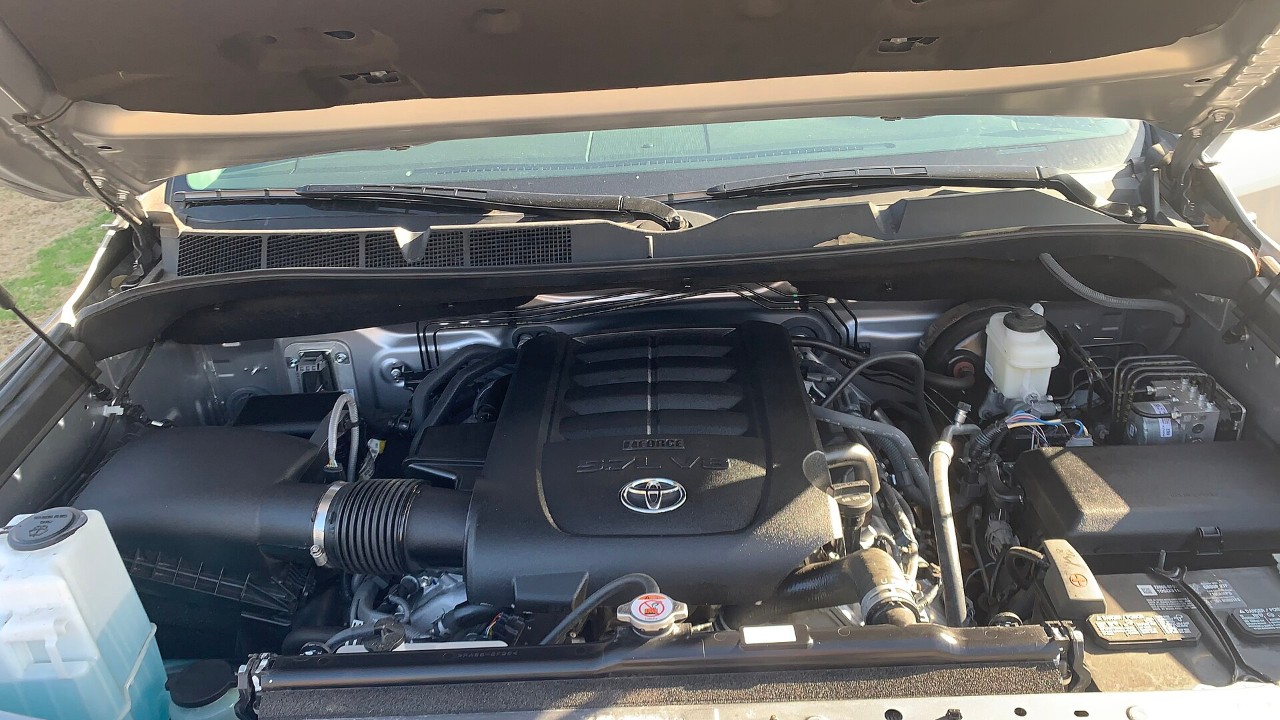
The 3UR-FE is the 5.7-liter member of Toyota’s UR family, which went into production in 2006. In stock form, it makes 381 horsepower at 5,600 rpm and 401 lb-ft at 3,600 rpm. Toyota cast the aluminum block at its Bodine Aluminum facility and drove the cams with timing chains. As a result, unlike the belt-driven 1UZ-FE V8, there’s no cam belt to replace.
The engine also used Dual VVT-i, which varies valve timing on both the intake and exhaust cams. That helped Toyota pull strong power from a naturally aspirated truck V8. It went into the Tundra, Sequoia, Land Cruiser and Lexus LX 570, which means it spent its life hauling heavy loads and heavy SUVs. Supercharged versions also existed, sold through 2021 in the Tundra and 2022 in the Sequoia.
In our view, the 3UR-FE is the best all-around engine on this list for a modern tow vehicle. It’s strong, it has chain-driven cams and it doesn’t depend on turbochargers. Buyer’s tip: favor trucks with documented oil changes and a towing history you can check. A well-kept 5.7 Tundra is hard to beat.
4. Ford 4.6 two-valve Modular V8
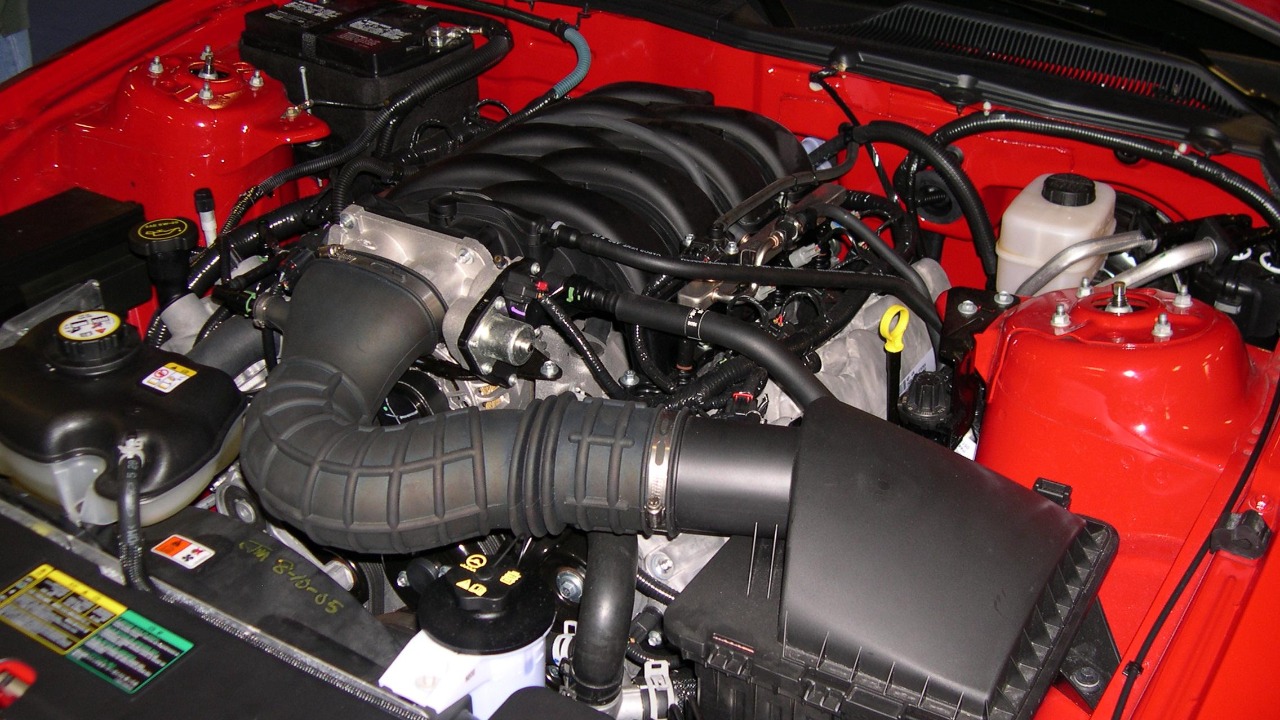
The first Modular engine Ford built was the 4.6-liter two-valve V8, introduced in the 1991 Lincoln Town Car with 190 horsepower and 260 lb-ft. At the time, Ford built it at two plants, Romeo and Windsor. Each plant used its own cylinder heads, cam sprockets, valve covers, crankshafts and main-bearing caps.
The design was aimed at long life from the start. It used a deep-skirt cast-iron block, cross-bolted main bearings and a chain-driven single overhead cam. Ford’s goal was no major service before 100,000 miles. Later, the Crown Victoria Police Interceptor version made 250 horsepower from 2004 to 2011. In the 1999 to 2004 Mustang GT, the same basic engine made 260 horsepower. The family stayed in production until May 2014, in an E-Series van.
Our take: Ford trusted this engine in its Police Interceptor for years, and that says plenty about its toughness. It’s not fast by today’s standards, but it’s one of the easiest V8s to keep running. If you buy a Crown Vic or Grand Marquis, ask for cooling-system records and keep up with oil changes. A retired police car is also a classic, cheap route into one.
5. GM 5.3 Vortec LM7 V8
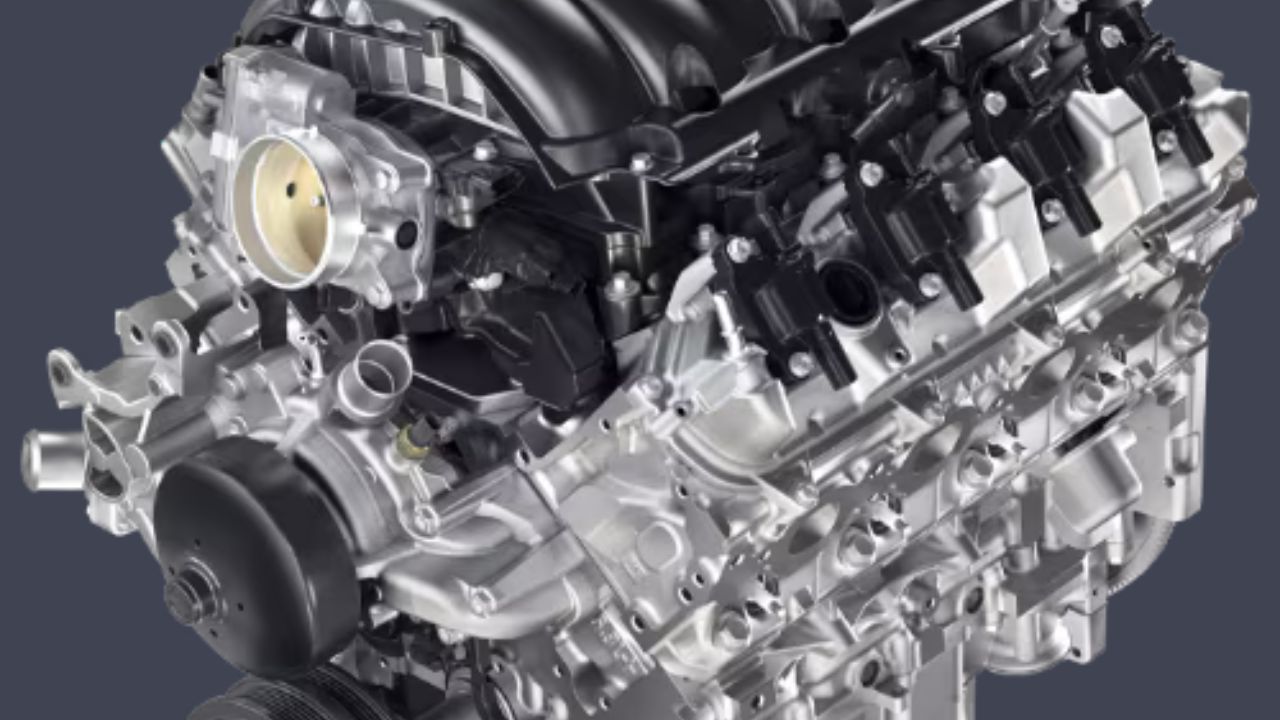
GM’s LM7 arrived in 1999 as the everyday version of its new Generation III small-block. It had a cast-iron block with aluminum heads and displaced 5.3 liters. At first it made 270 horsepower and 315 lb-ft, then 285 horsepower for 2000 to 2003 and 295 for 2004 to 2007.
Soon, it went into almost every big GM truck of the era. That list includes the Silverado and Sierra 1500, Tahoe, Yukon, Suburban, Avalanche and the Express van. GM even built a flex-fuel version, the L59, for several of those trucks. The 295-horsepower LM7 also powered the two-wheel-drive Cadillac Escalade from 2002 to 2005. In our view, that long production run is a big part of its appeal.
We’d rank the LM7 as the most practical V8 on this list. It’s simple, it’s iron-tough and it responds well to basic maintenance. Buyer’s tip: have a mechanic check oil pressure and run a compression test on any high-mileage engine. A healthy LM7 in a 2003 Silverado is a truck you can drive for years. We’d take a 2004 to 2007 truck for the extra power, though.
6. GM 6.0 Vortec LQ4 V8
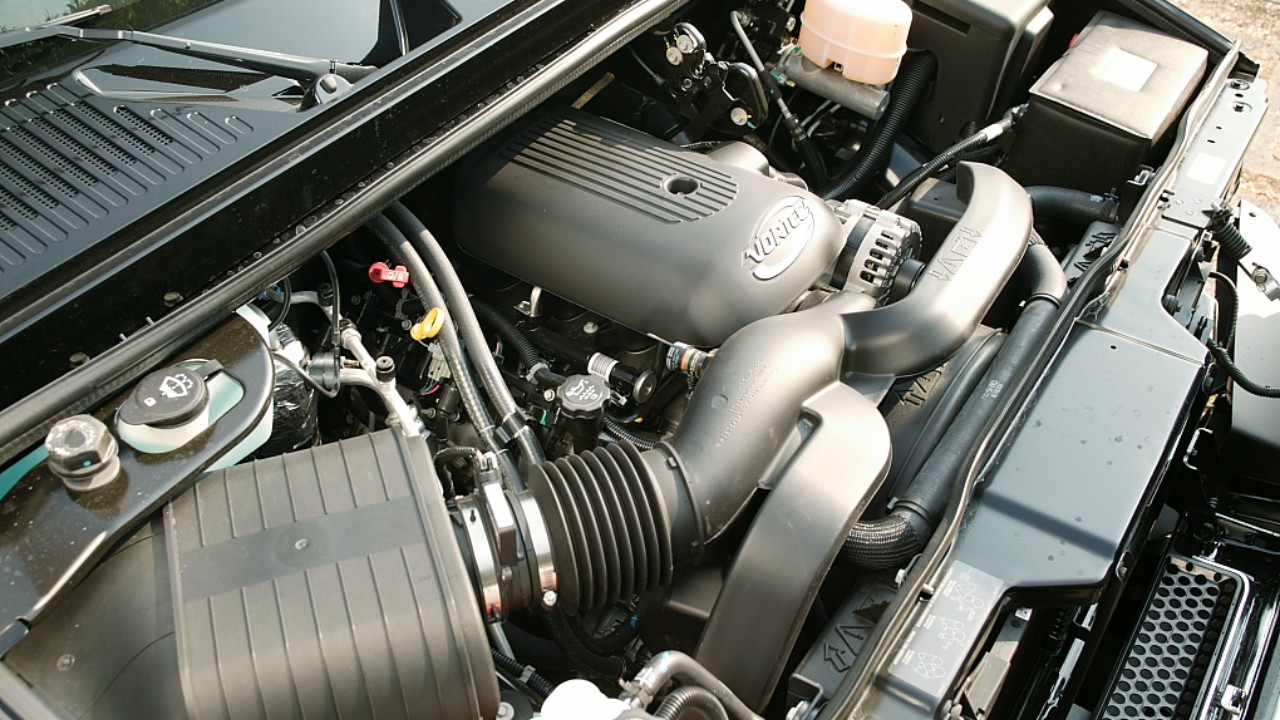
The LQ4 was the heavy-duty sibling of the LM7, with a cast-iron block and 6.0 liters. In Silverado and Sierra 2500 and 3500 trucks from 1999 to 2007, it made 300 horsepower at 4,400 rpm and 360 lb-ft at 4,000 rpm. In fact, the 1999 and 2000 engines even used cast-iron cylinder heads. Across all its uses, the LQ4 ranged from 300 to 335 horsepower and 360 to 380 lb-ft.
GM also put the LQ4 in its Express and Savana 2500 and 3500 vans from 2003 to 2007, rated at 300 to 325 horsepower. Meanwhile, a high-output version called the LQ9 made 345 horsepower in the Cadillac Escalade. GM built that one only in Romulus, Michigan.
Our take: the LQ4 is a stout, iron-block engine we’d happily take as the heart of a project truck. If you’re buying an LQ4-powered truck, check the cooling system and look for signs of overheating from towing. If you’d rather save weight, pick a 2001-or-later engine, since the 1999 and 2000 versions carried the heavier iron heads. Otherwise, in our view, these engines tend to outlast the trucks around them.
7. 7.3 Power Stroke diesel V8
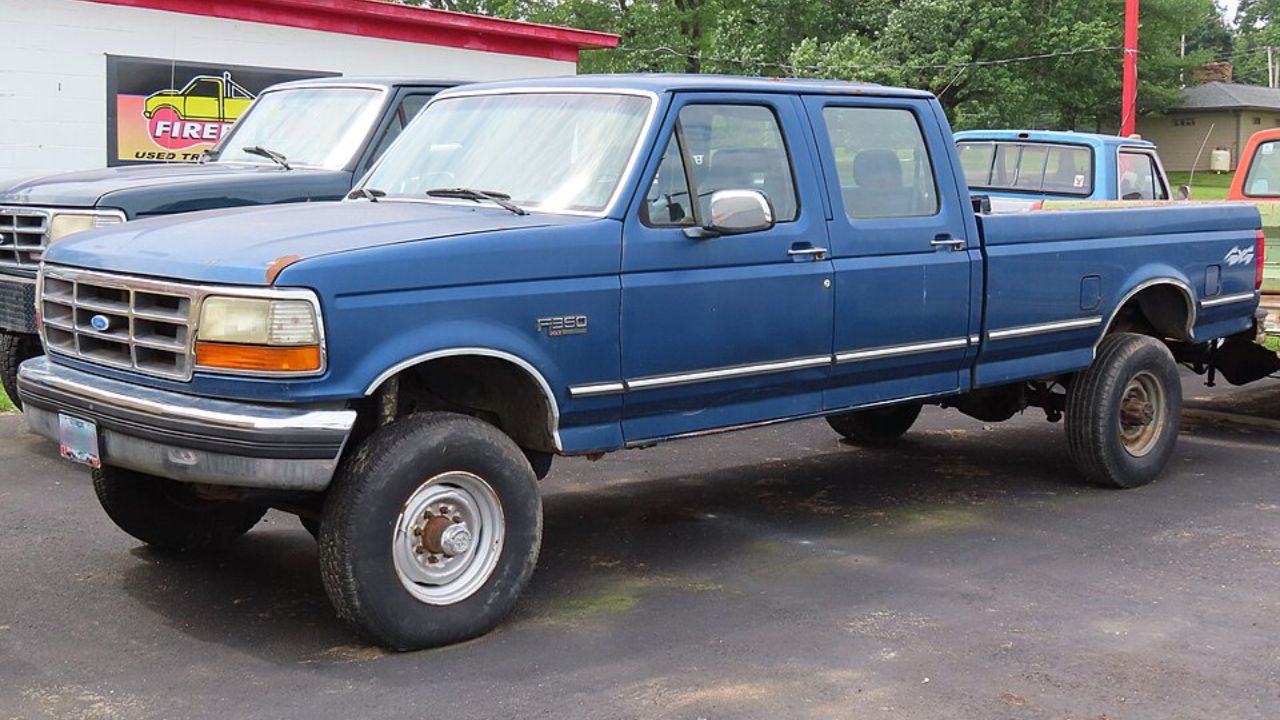
Navistar International built Ford’s 7.3 Power Stroke, basing it on its own T444E turbo-diesel V8. According to SlashGear, International built about 2 million of them at its Indianapolis plant from 1994 to 2003. Output ranged from 210 to 275 horsepower and 425 to 525 lb-ft. Buyers could pair it with a ZF five-speed manual or an E4OD four-speed automatic, and later trucks added a ZF six-speed.
Above all, the hardware explains its reputation. It had a cast-iron block and heads, a steel crankshaft and forged-steel connecting rods. It also used direct injection, an intercooled turbocharger and HEUI injectors, which kept emissions low for their time. SlashGear says well-maintained examples can reach 300,000 miles or more. Ford dropped it in 2003 for stricter emissions rules and replaced it with the 6.0 Power Stroke.
In our view, the 7.3 is the benchmark for a durable diesel pickup engine. It’s slow by modern standards, but it’s simple and loyal. Buyer’s tip: SlashGear lists camshaft-position-sensor failures that can cause stalling and cracked aluminum fuel-filter housings. Budget for both on any truck that hasn’t had them addressed.
8. Duramax LB7 6.6 diesel V8
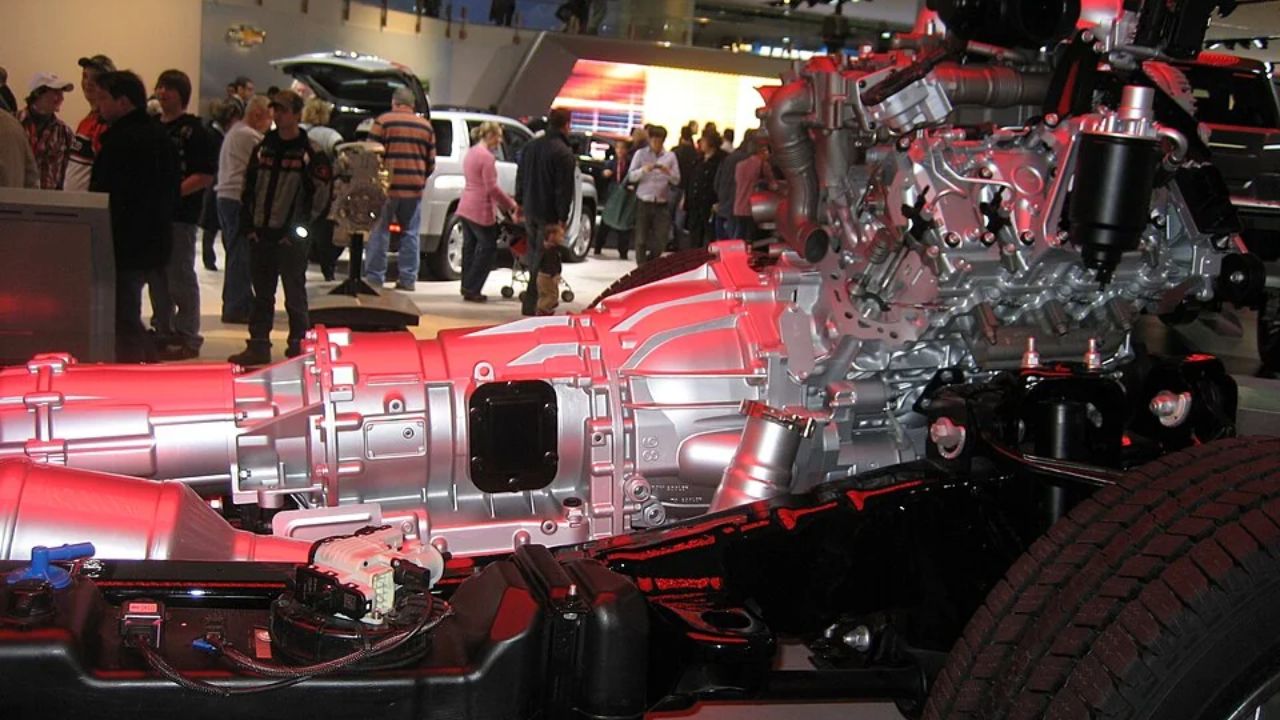
GM and Isuzu developed the first Duramax together, and it arrived for 2001 in Silverado HD and Sierra HD pickups. The LB7 displaced 6.6 liters, or 403 cubic inches, and used a cast-iron block with aluminum heads. GM then built it in Moraine, Ohio. According to GM Authority, its high-pressure common-rail system with a Bosch CP3 pump was a first in its class.
From 2001 to 2003, the LB7 made 235 horsepower at 2,700 rpm and 500 lb-ft at 1,600 rpm. It came with a five-speed Allison automatic or a five-speed manual, and we’d pick the Allison for towing. However, GM Authority notes that injector failures were common enough that GM replaced the original injectors and extended warranty coverage on the new parts.
Our take: the LB7 is the Duramax for people who want a simpler truck, because it’s the first and plainest version of the engine. Buyer’s tip: ask whether the injectors have been replaced, and use quality fuel filters. GM Authority names poorly filtered fuel as a leading cause of injector failure, so filtration is cheap insurance.
9. Mercedes-Benz M117 V8
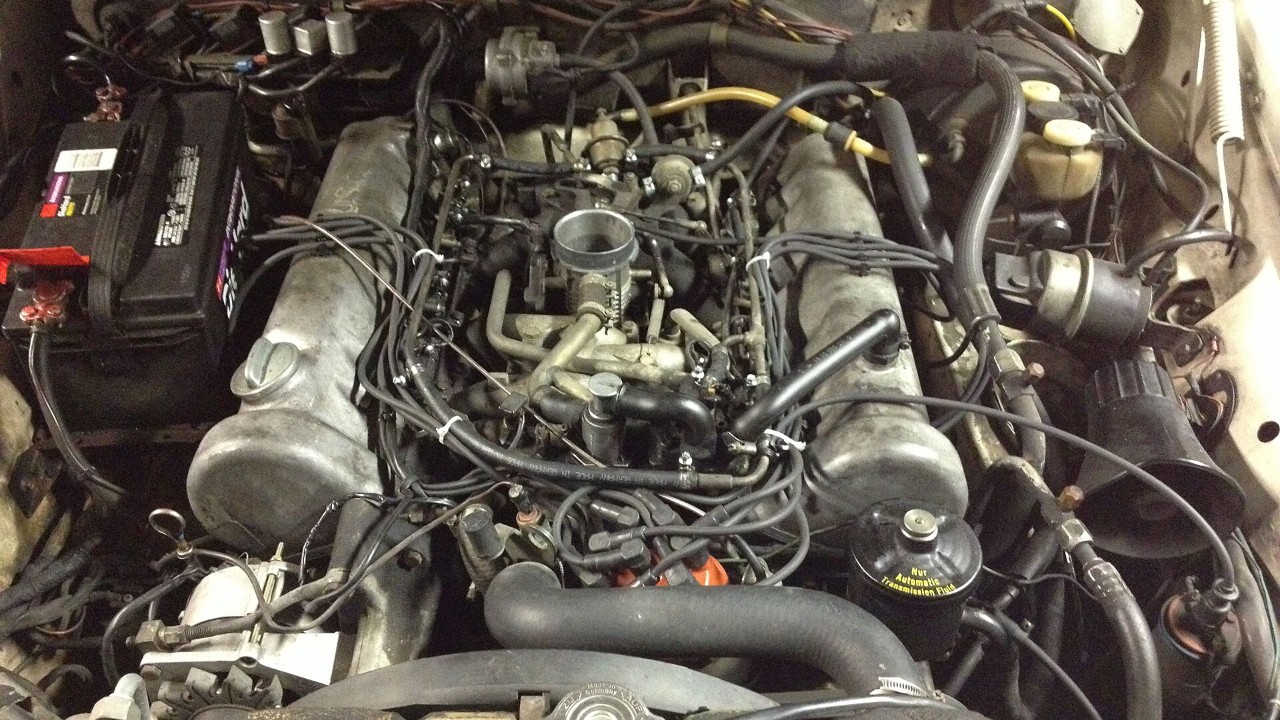
Mercedes-Benz built the M117 V8 from 1971 into the early 1990s. It used a single overhead cam per bank with two valves per cylinder, aluminum heads and Bosch K-Jetronic or KE-Jetronic fuel injection. The block was cast iron at first, then switched to Alusil aluminum in 1978.
Displacements ran from 4.5 to 5.5 liters, with output from 182 to 296 horsepower and torque from 220 to 336 lb-ft. The engine powered the 450 SL and SLC, the 450 SEL, the 500 SEC and the 560 SL and SEC, among others. Mercedes also fitted it to the 500 GE version of its G-Class. That range shows how far Mercedes stretched one basic design. Outside Mercedes, makers such as Monteverdi, Isdera and Zender used it as well.
We think the M117 is a big part of why old SLs make such good classics. It’s smooth, and simple for a German V8. Buyer’s tip: buy on service records, and have a Mercedes specialist check the fuel injection, because K-Jetronic systems reward expert hands. For that reason, a well-documented 560 SL with the M117 is a classic you can drive every day.
10. Ford 460 big-block V8
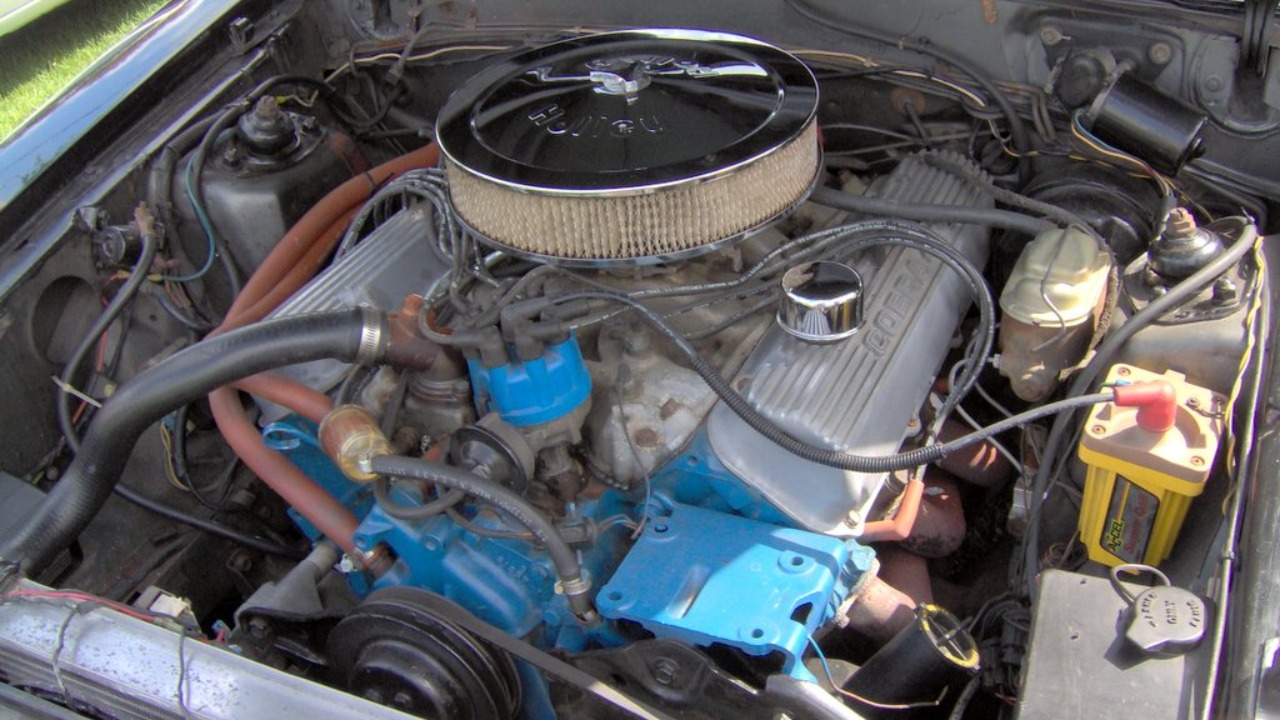
The 460 debuted in the 1968 Lincoln Continental Mark III and stayed exclusive to Lincoln until 1971. With a 4.36-inch bore and 3.85-inch stroke, it started at 365 gross horsepower. After 1972, with SAE net ratings and lower compression, output fell to 212 horsepower, and to as little as 197 in 1977.
After that, trucks gave the 460 its second life. It went into F-Series pickups from 1973 to 1979 and again from 1983 to 1997, and into E-Series vans from 1975 to 1996. Fuel injection arrived in 1988, raising output to 235 horsepower and 395 lb-ft. From 1994 to 1997, small computer and compression changes brought it to 245 horsepower and 410 lb-ft. Ford built it at its Lima, Ohio, engine plant and replaced it with the 6.8-liter V10 after 1997.
Our take: the fuel-injected 460 is the definition of an engine that works hard without complaint. It’s thirsty, but it was built to pull. For more of the breed, see our list of big-block Fords that refuse to wear out. Buyer’s tip: buy on condition and records, and favor a fuel-injected 1988-or-later truck.
11. Chevrolet 454 big-block V8
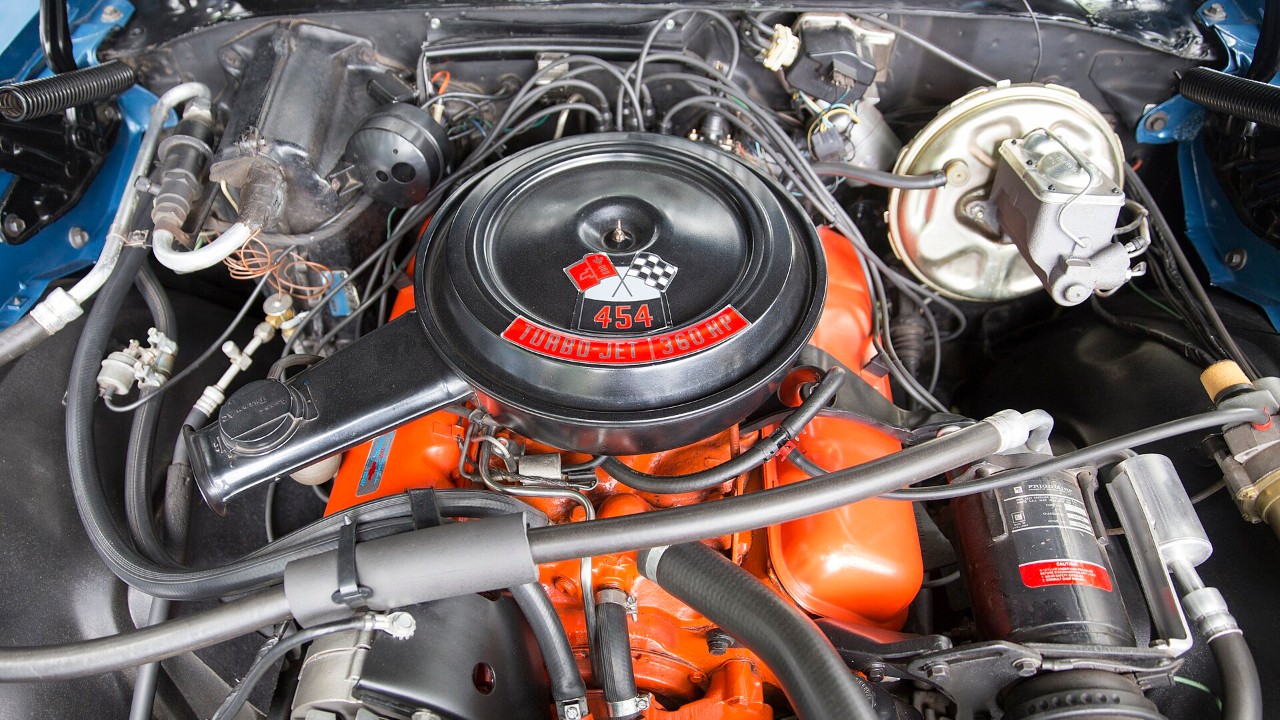
Chevy introduced the 454 for 1970 with a 4.25-inch bore and 4-inch stroke. In LS6 form, it made a famous 450 horsepower that year. But the 454’s long career was in trucks. From 1985 to 1990, it ran with fuel injection in C/K pickups at 230 to 255 horsepower, and in 1991 it moved to the new Gen V block, crankshaft and heads.
The last step came in 1996 with the Vortec 7400, named for the 454’s 7.4-liter displacement. It added multiport fuel injection and a hydraulic roller cam, and it made 290 horsepower and 410 lb-ft. Hardened valve seats helped later versions last longer than earlier ones, even on unleaded fuel. GM used it in heavy-duty pickups, Suburbans and vans until the Vortec 8100 replaced it after 2000.
We think the truck 454 is the hard-working side of a muscle-car legend. Our list of big-block engines that refuse to wear out has more of its kind. Buyer’s tip: favor the later Vortec 7400 for its roller cam and fuel injection, and budget for fuel, because this engine is thirsty.
More from Fast Lane Only