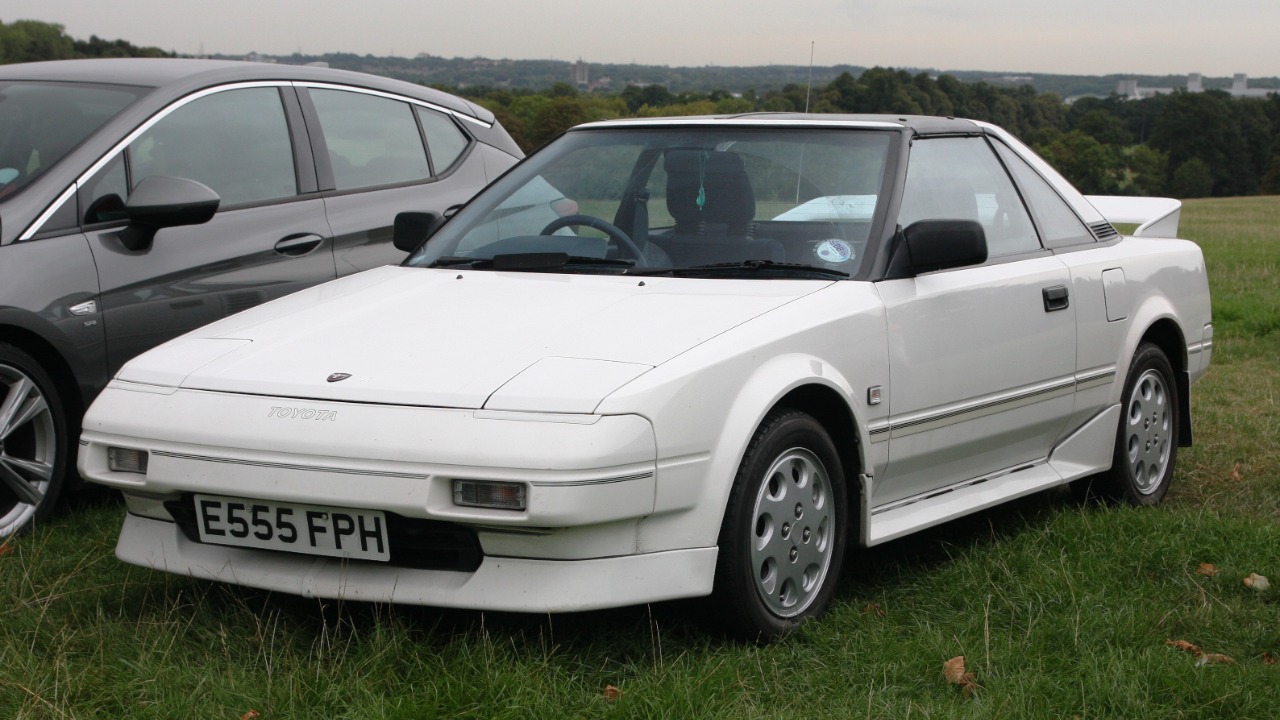
There are countless cars that have graced our roads over the years, but many of them have faded from memory, despite their undeniable potential. These vehicles, often overshadowed by their more popular counterparts, deserve a second look. From innovative designs to impressive performance, here are ten forgotten cars that really should have made a bigger impact.
DeLorean DMC-12
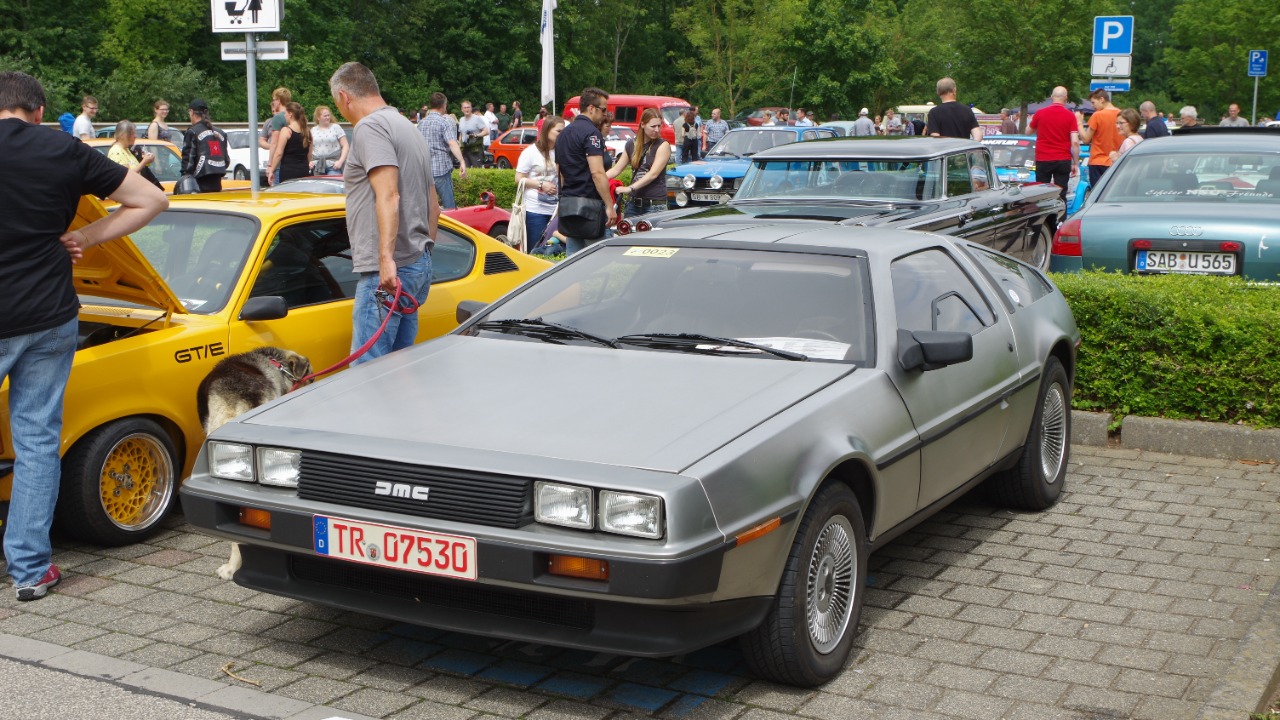
The DeLorean DMC-12, produced between 1981 and 1983, is perhaps best known for its role in the “Back to the Future” franchise. With its unique gullwing doors and stainless-steel body, the DMC-12 was a striking departure from the norm. Despite its futuristic design, the car struggled with performance issues and production woes, limiting its sales to just over 8,000 units. If only it had received the support and marketing it needed, the DeLorean could have become a classic icon rather than a curious footnote in automotive history. Check out more about its legacy here.
Pontiac Fiero
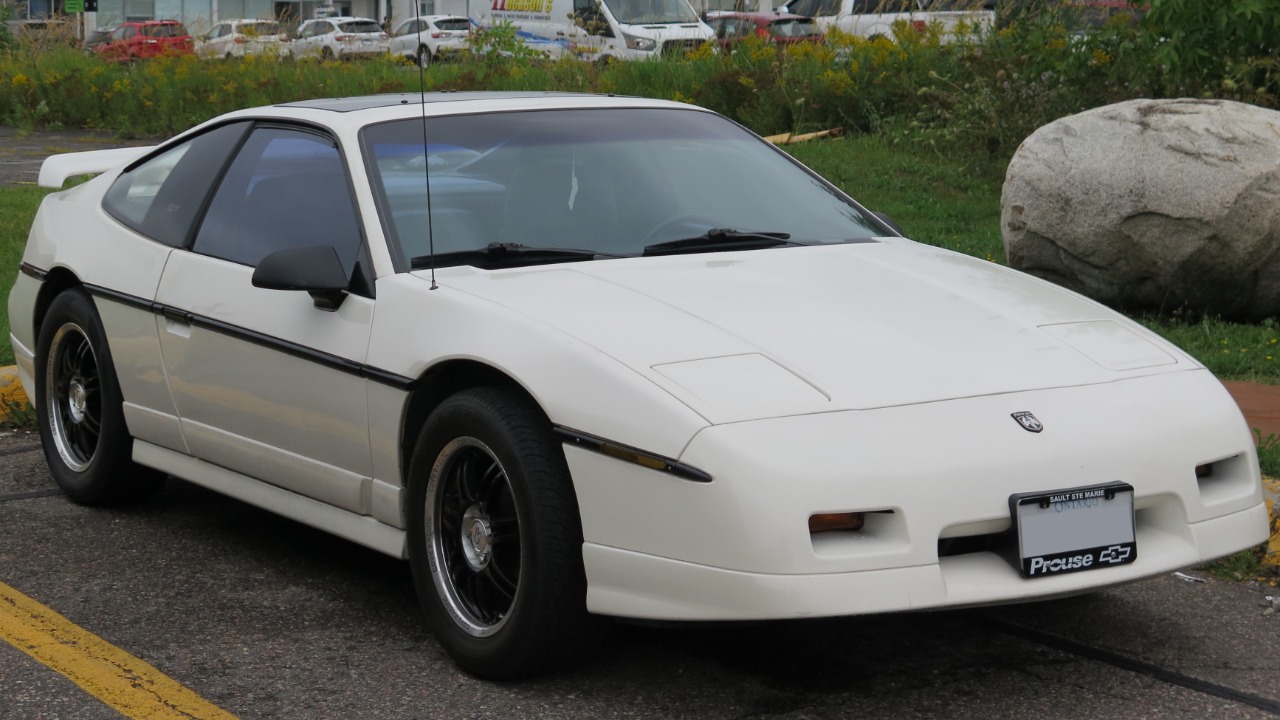
Produced from 1984 to 1988, the Pontiac Fiero was a revolutionary compact sports car that aimed to compete with more established brands. Its mid-engine layout offered a unique driving experience, and the car was praised for its handling and design. However, poor initial quality and a lack of marketing support hampered its success. The Fiero’s potential was evident, especially in the later GT models which featured a more powerful V6 engine. Had Pontiac focused on refining its image and addressing early criticisms, the Fiero could have been a staple of American performance vehicles.
Subaru SVX
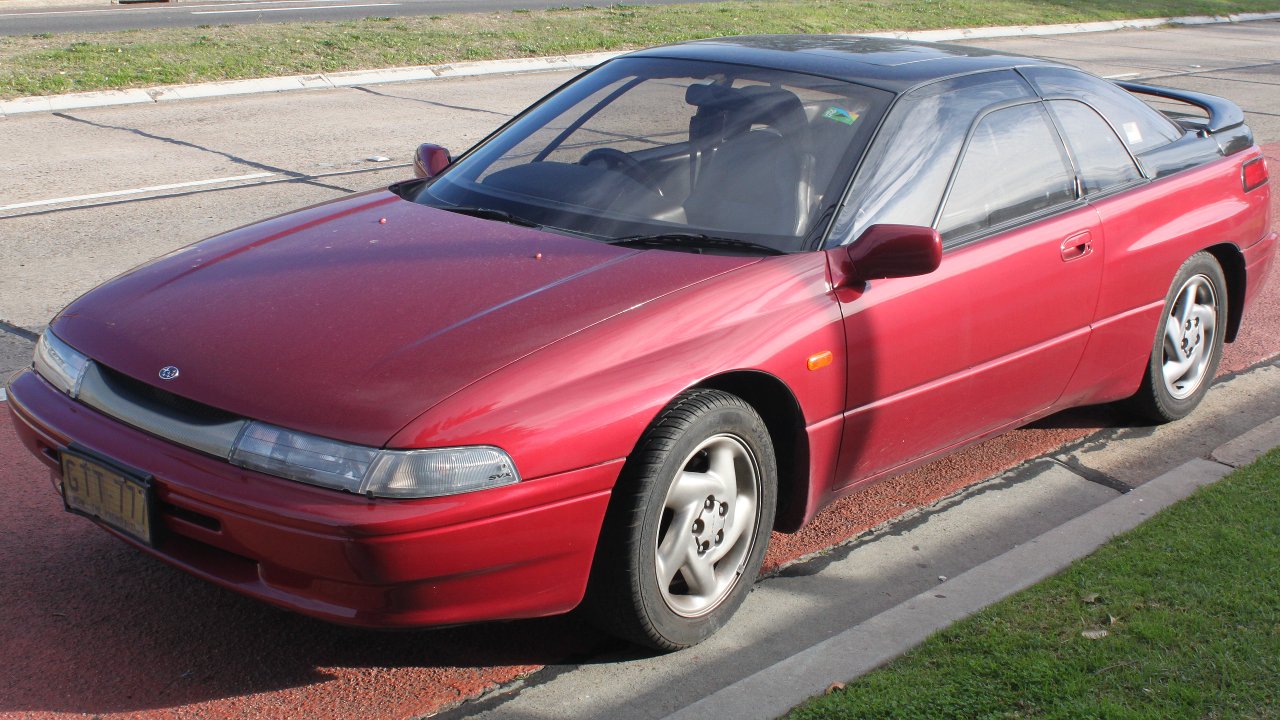
The Subaru SVX, produced from 1991 to 1997, was an ambitious attempt to blend sportiness with everyday practicality. With its distinctive design and unique glass-to-body ratio, the SVX turned heads. It featured a powerful 3.3-liter flat-six engine, delivering a smooth yet thrilling ride. Unfortunately, the SVX’s high price tag and niche appeal limited its sales to just over 14,000 units in the U.S. market. If Subaru had positioned the SVX differently, it might have carved out a dedicated fanbase among performance enthusiasts.
Mazda RX-7 (FC)
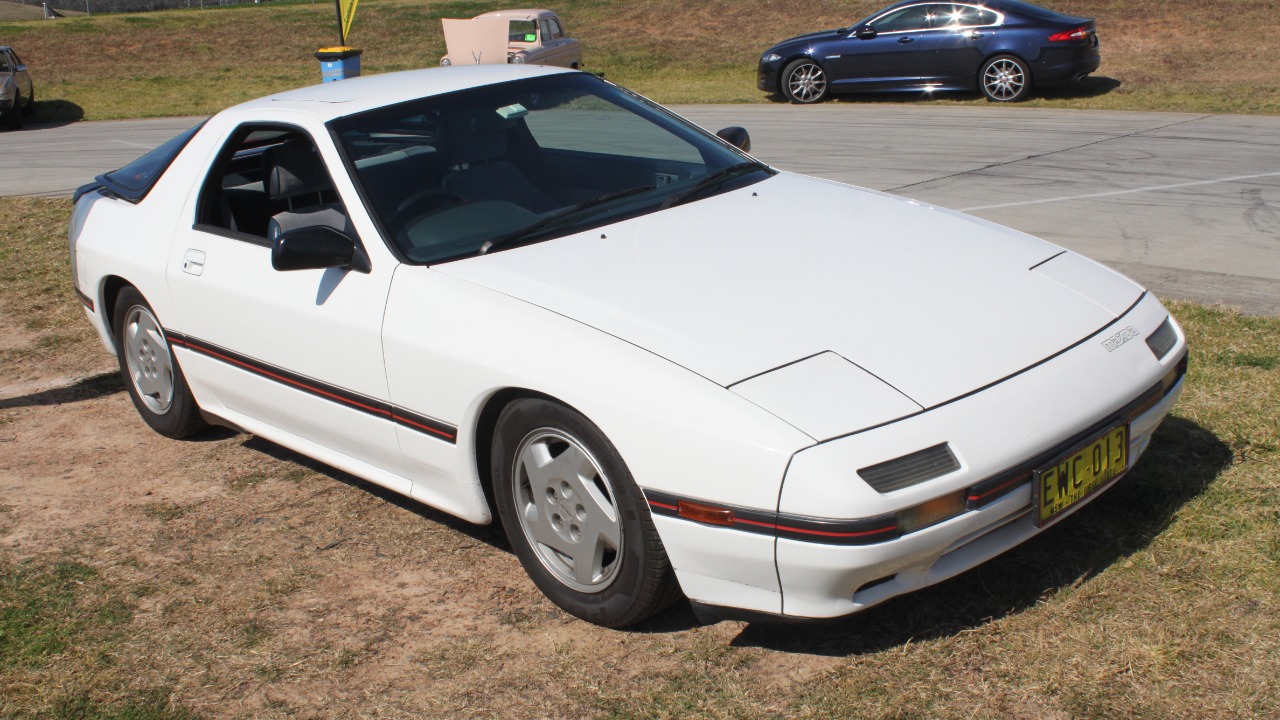
The second generation of the Mazda RX-7, known as the FC, was produced from 1986 to 1992 and is often overshadowed by its predecessor and successor. The FC RX-7 featured a more refined design and improved performance thanks to its lightweight rotary engine. It struck a balance between power and handling that appealed to driving purists. However, the growing popularity of turbocharged engines in the 1990s led to a decline in interest in rotary-powered cars. If Mazda had pushed its performance credentials further, the RX-7 could have enjoyed far greater acclaim in the sports car arena.
Chrysler Crossfire
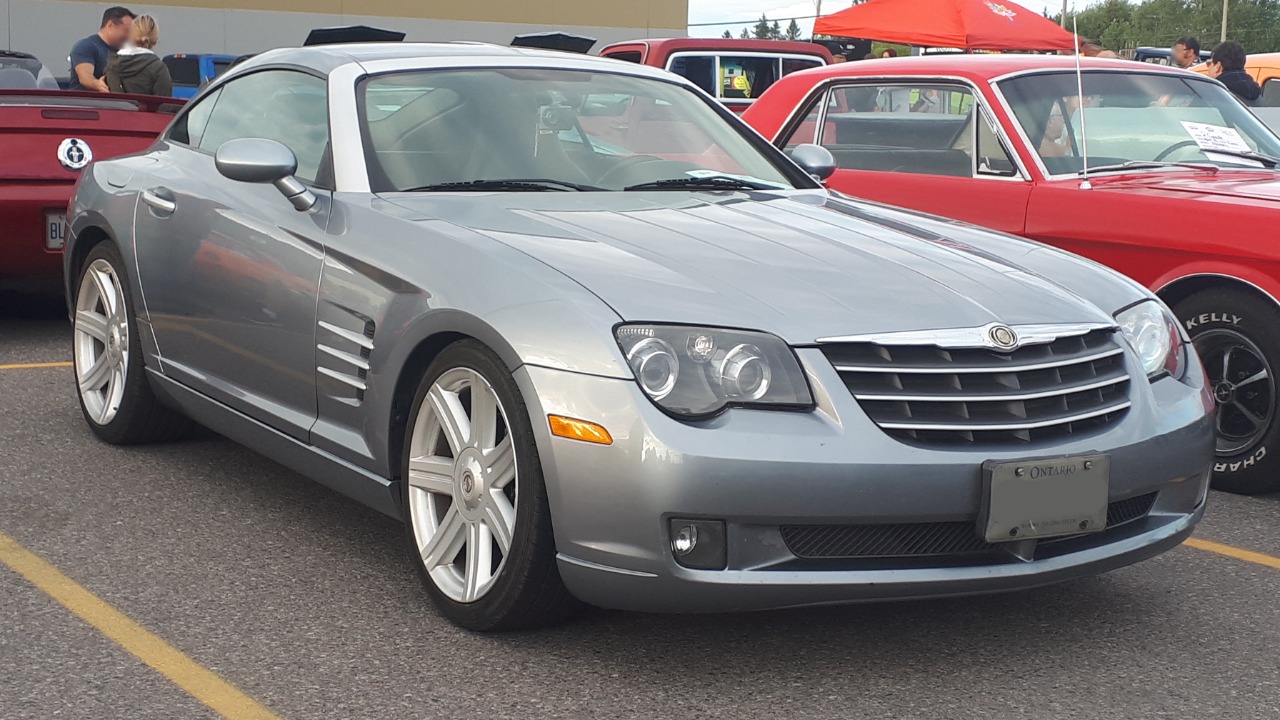
Produced from 2004 to 2008, the Chrysler Crossfire was a collaboration with Mercedes-Benz that showcased a unique blend of American styling and German engineering. With its distinctive design and rear-wheel-drive layout, it offered an engaging driving experience. Despite its appeal, the Crossfire struggled to find its market niche, partly due to its relatively high price and Chrysler’s branding challenges at the time. It deserves recognition for its bold design and engineering, which could have been more appreciated with better marketing and a clearer identity.
Ford Probe
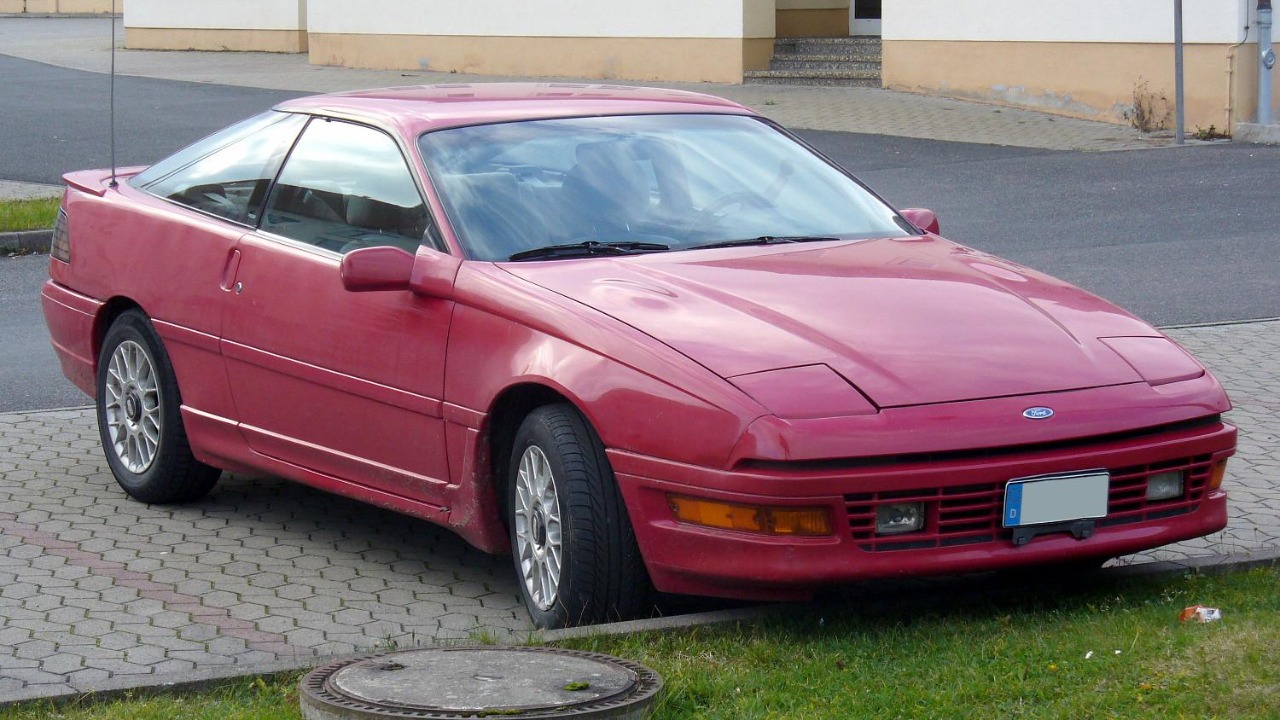
The Ford Probe, introduced in 1988 and produced until 1997, was intended to be a sporty alternative to the Ford Mustang. Sharing a platform with the Mazda MX-6, the Probe offered agile handling and a sleek design. However, it struggled with brand identity and competing against the Mustang’s storied history. As it evolved, the Probe’s performance increased, particularly with the GT model featuring a turbocharged engine. If Ford had capitalized on the Probe’s strengths, it might have created a lasting legacy in the sporty coupe segment.
7. Nissan 240SX
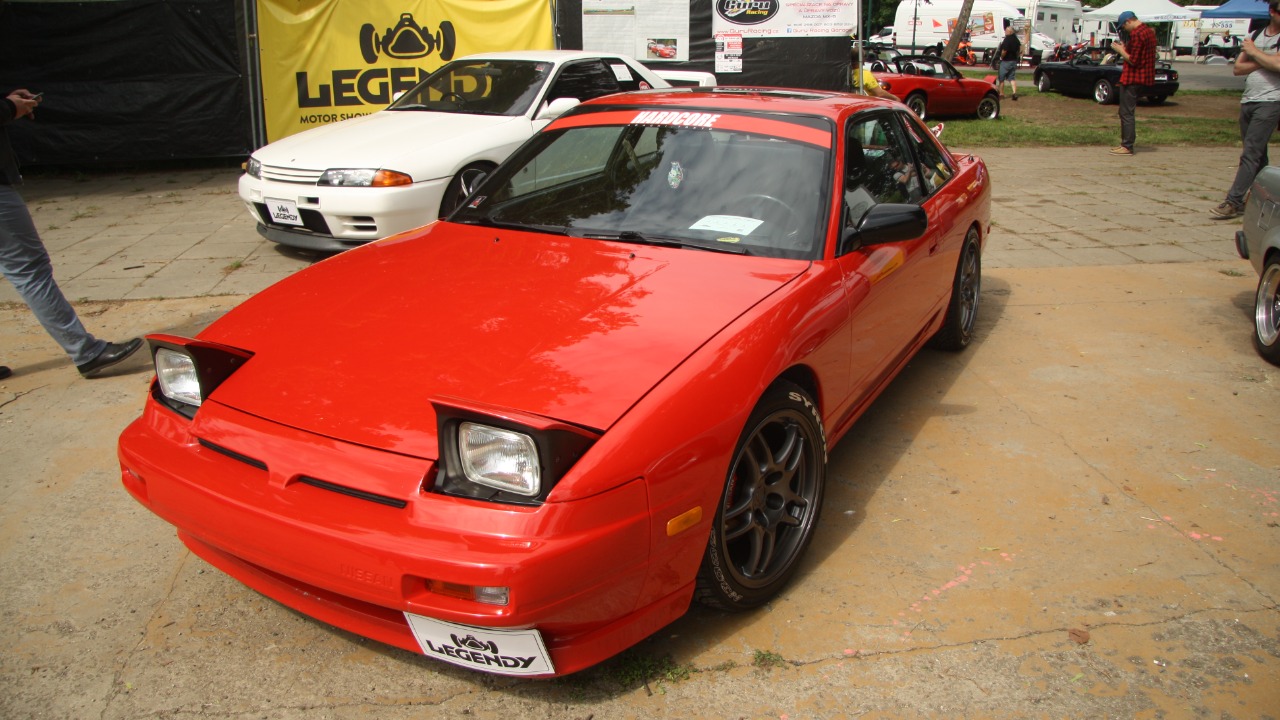
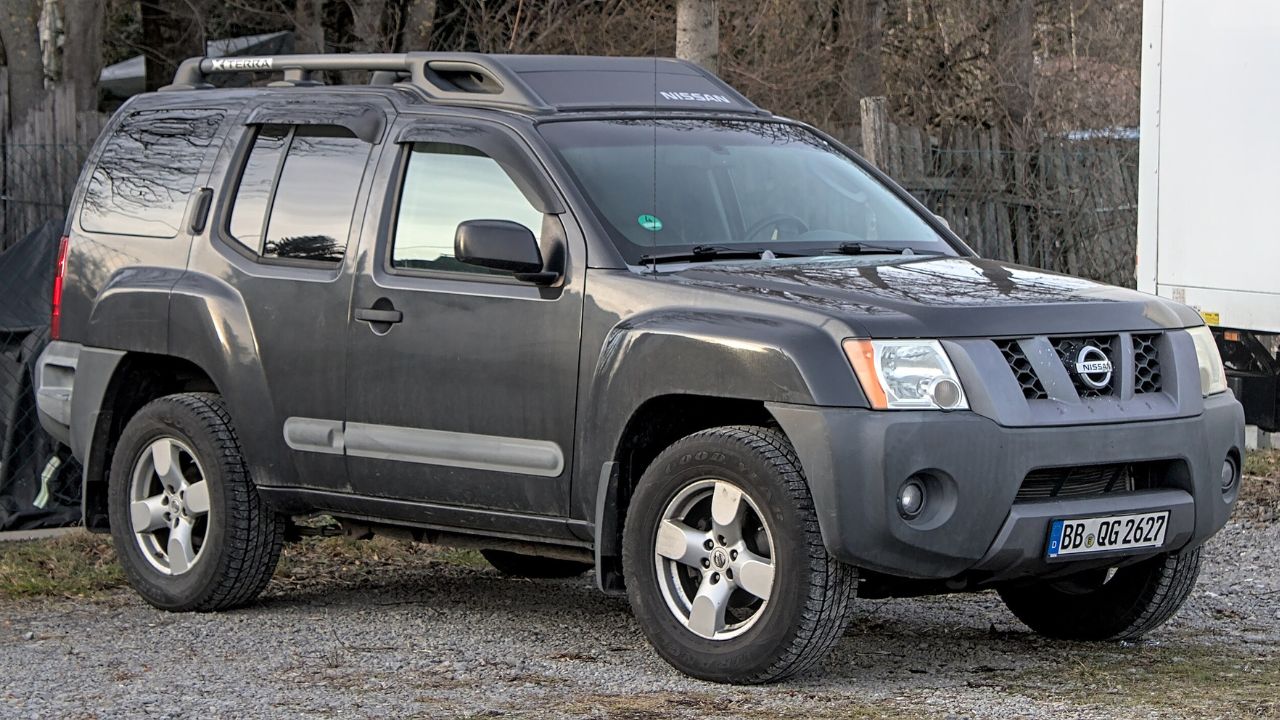
The Nissan 240SX, produced from 1989 to 1998, is often celebrated among drifting enthusiasts but remains relatively obscure to the broader public. With its rear-wheel-drive layout and lightweight chassis, the 240SX became a favorite for aftermarket modifications. However, its success was hampered by inconsistent marketing and a lack of awareness about its potential. If Nissan had promoted the 240SX’s performance attributes more aggressively, it could have transformed into a cult classic far earlier than it eventually did.
Toyota MR2
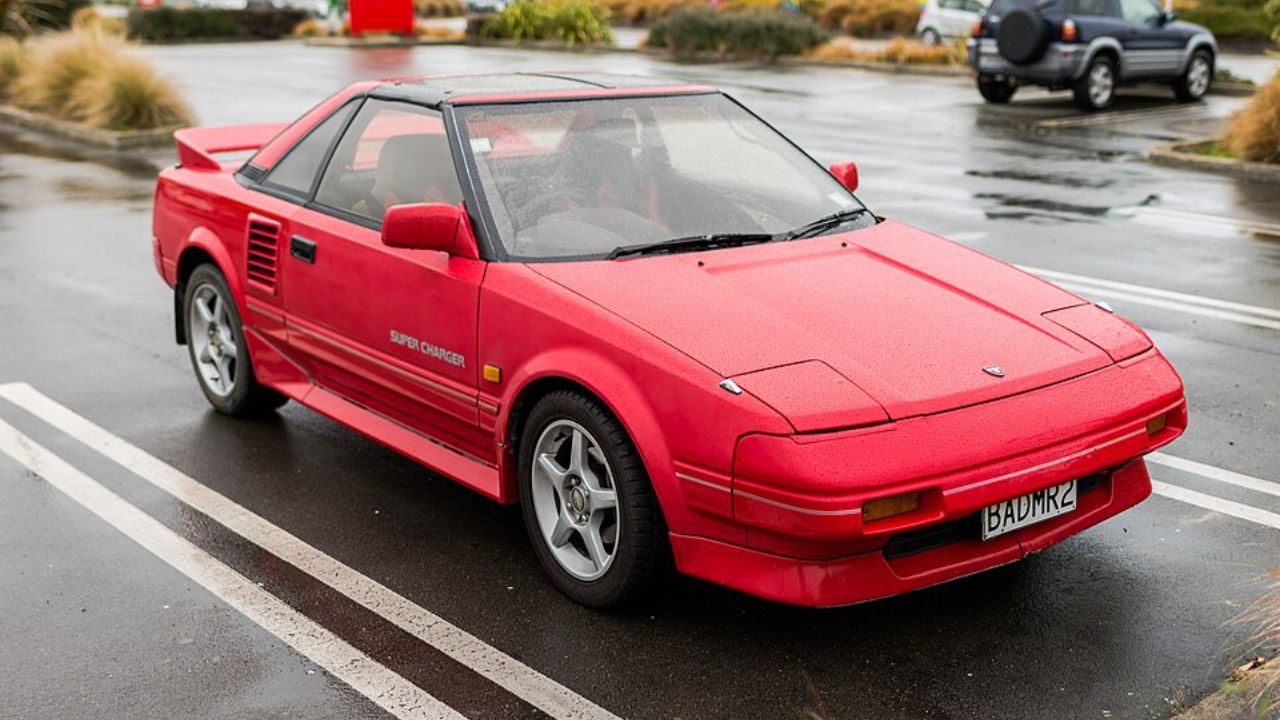
The Toyota MR2, produced in various iterations from 1984 to 2007, was a compact sports car that offered remarkable handling and a mid-engine layout. The first generation was particularly beloved for its lightweight design and affordability. However, the MR2 struggled with image issues, especially as it transitioned into the more rounded and less sporty designs of later generations. Had Toyota maintained its focus on performance and marketing, the MR2 could have solidified its status as an iconic sports car.
Lancia Beta
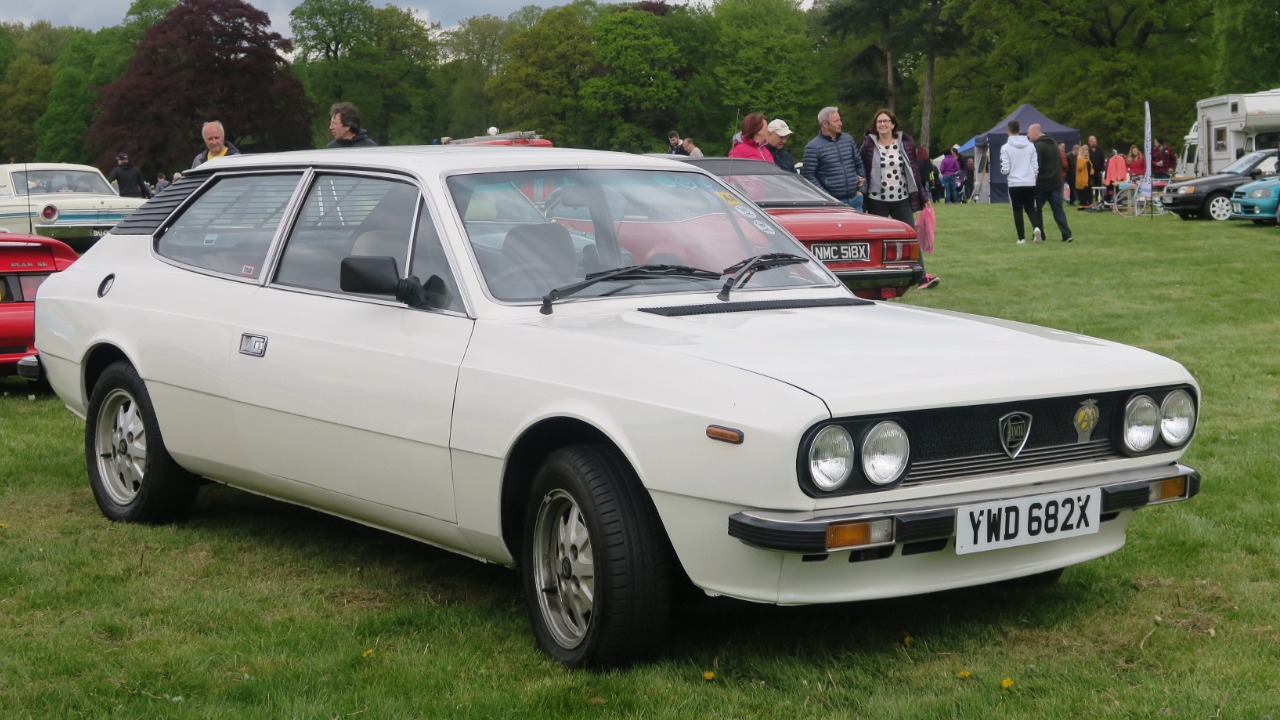
The Lancia Beta, produced from 1972 to 1984, was a compact car known for its stylish design and advanced engineering. It offered a range of body styles, including coupe and wagon, appealing to various consumer preferences. Despite its innovative features, such as a front-wheel-drive layout, the Beta suffered from quality control issues that tarnished its reputation. If Lancia had addressed these problems effectively, the Beta might have established itself as a strong contender in the European automotive market.
Isuzu VehiCROSS
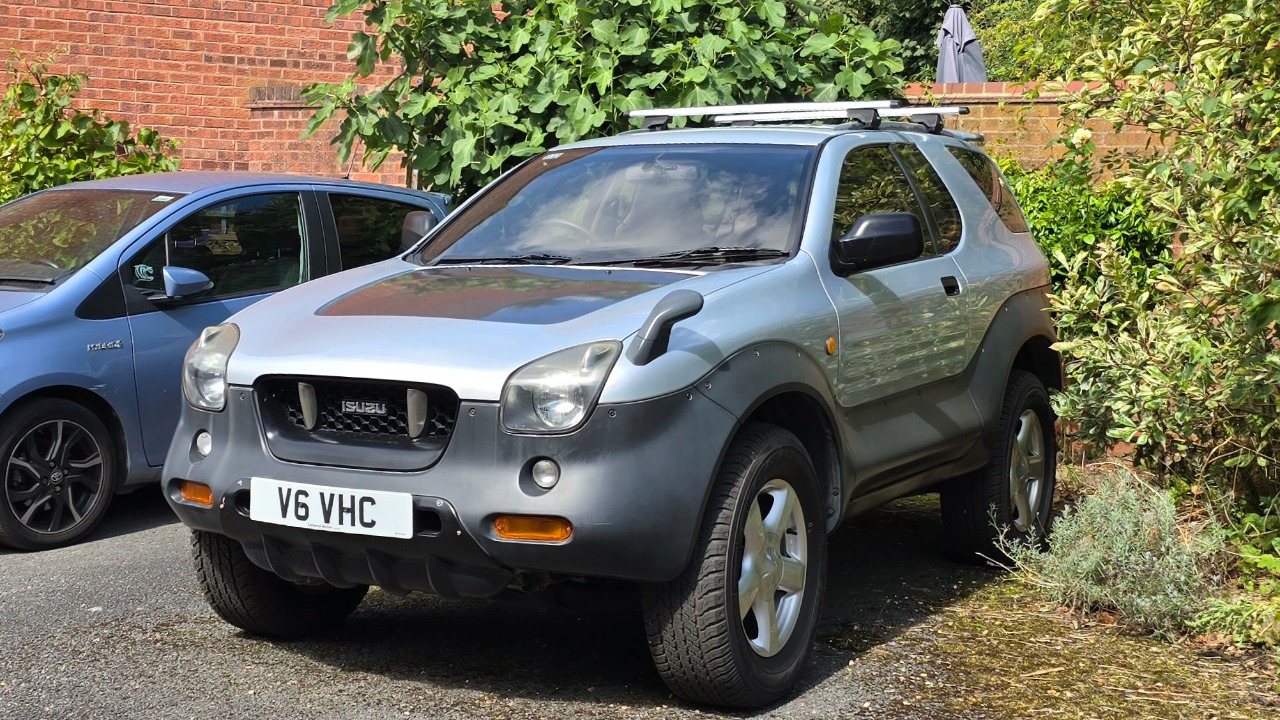
The Isuzu VehiCROSS, produced from 1997 to 2001, was a unique SUV that combined ruggedness with a sporty design. Its distinctive looks and advanced four-wheel-drive system made it a standout in the market. However, its limited production numbers and niche appeal led to a lack of awareness among consumers. If Isuzu had invested more in marketing and visibility, the VehiCROSS could have become a beloved model among off-road enthusiasts, similar to the Jeep Wrangler.
More from Fast Lane Only
- Unboxing the WWII Jeep in a Crate
- 15 rare Chevys collectors are quietly buying
- 10 underrated V8s still worth hunting down
- Police notice this before you even roll window down
*Research for this article included AI assistance, with all final content reviewed by human editors.