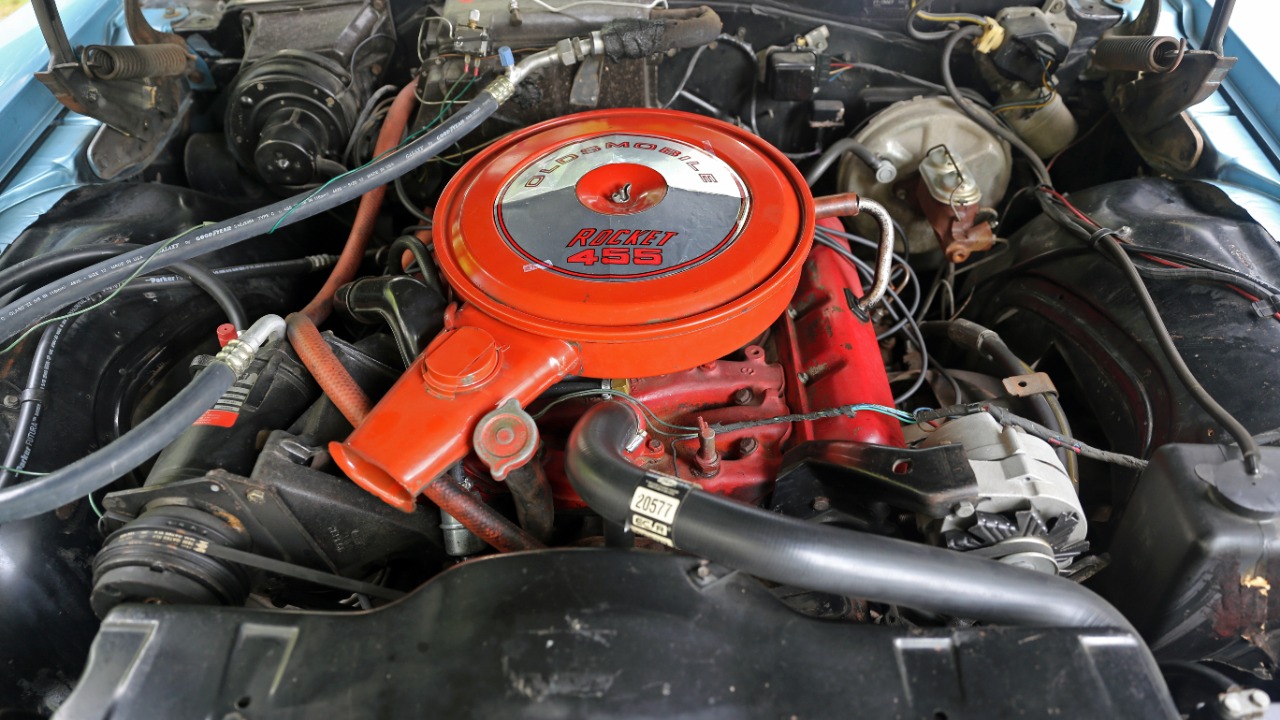
V8 engines have been a cornerstone of automotive performance and culture, shaping the landscape of American muscle and luxury vehicles for generations. From the roar of the classic muscle cars to the refined power of luxury sedans, these engines have left an indelible mark on the industry. Here are nine V8 engines that have defined an entire generation.
Ford 302 V8: The Heart of the Mustang
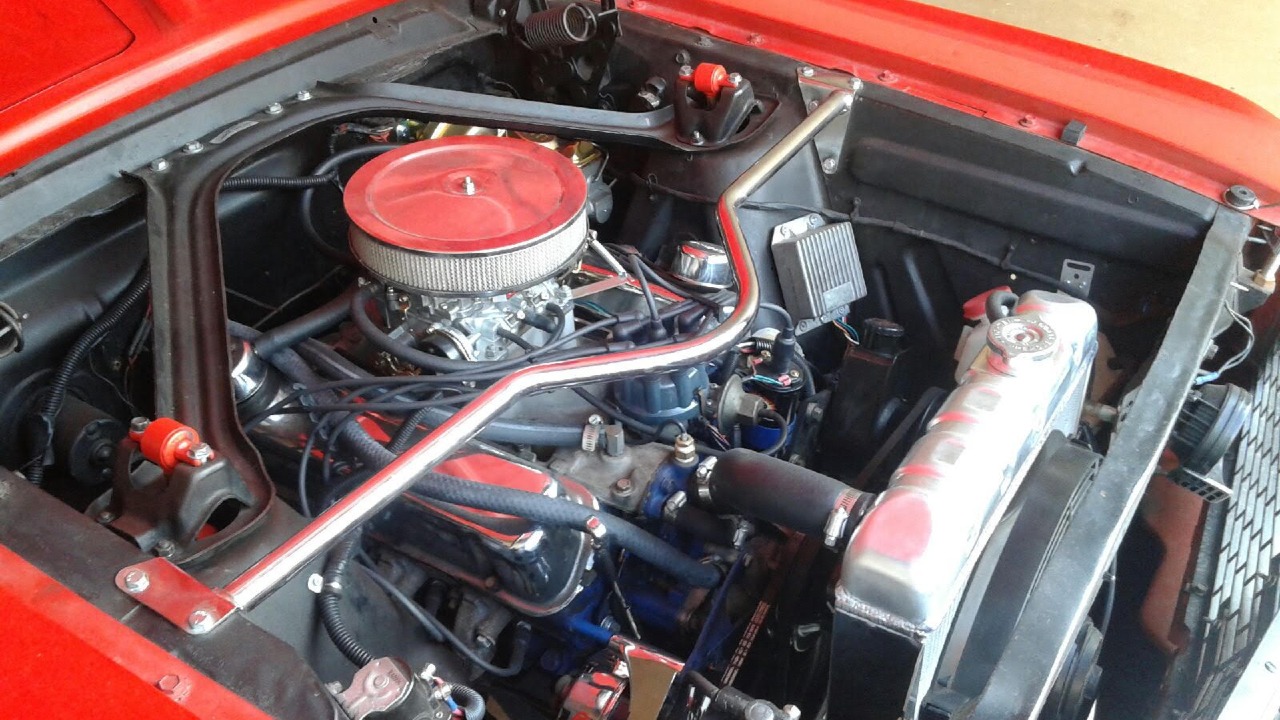
The Ford 302 V8 engine, introduced in 1968, became synonymous with the iconic Mustang. It offered a perfect blend of power and efficiency, making it a favorite among enthusiasts. With a displacement of 302 cubic inches, it produced up to 290 horsepower in its high-performance versions, allowing the Mustang to deliver impressive speed and agility on both the road and the racetrack.
This engine wasn’t just about performance; it also represented a cultural movement. The Mustang, powered by the 302, was pivotal in the pony car market, appealing to a younger generation looking for style and speed. The 302 V8 remains a popular choice for restorations and modifications, proving its lasting legacy in automotive history.
Chevrolet Small Block 350: The Quintessential American Engine
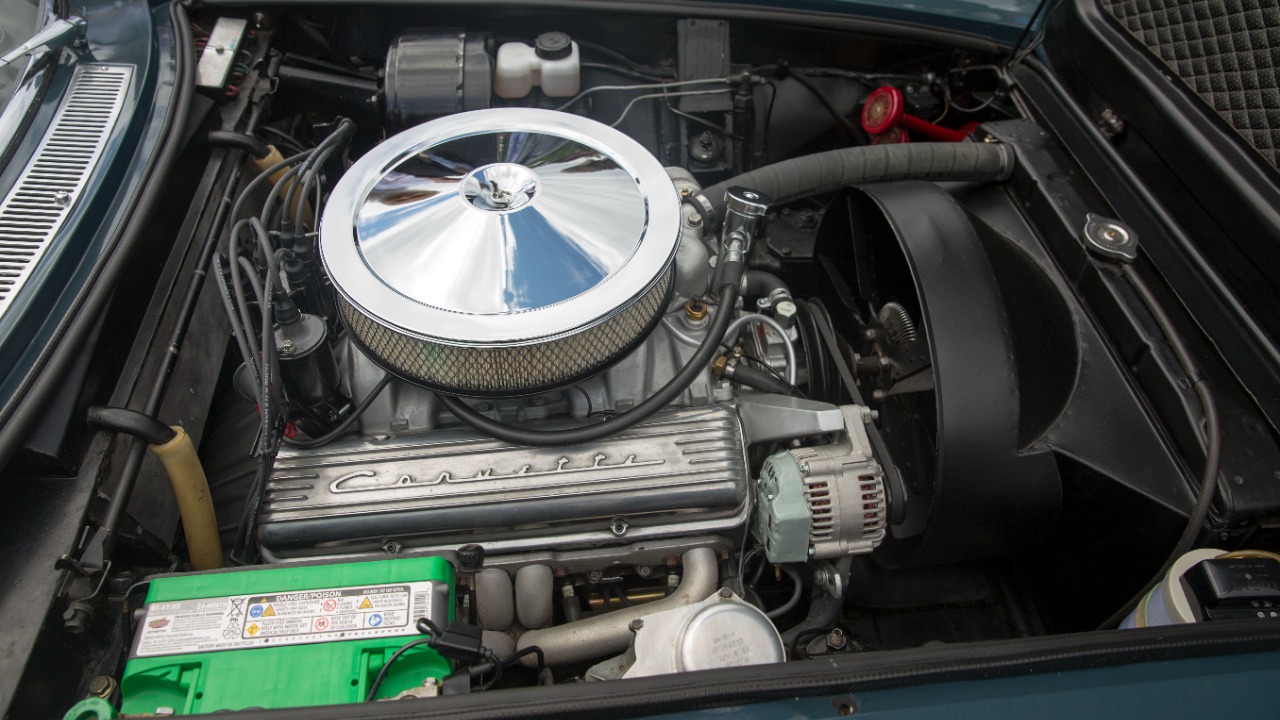
Launched in 1955, the Chevrolet Small Block 350 quickly became the quintessential American V8. Its lightweight design and high power-to-weight ratio made it a favorite for a wide variety of applications, from muscle cars to trucks. With a displacement of 350 cubic inches, it could produce up to 370 horsepower in its most powerful iterations, making it a versatile powerhouse.
The 350 has been used in numerous vehicles, including the legendary Chevrolet Camaro and Corvette, solidifying its place in automotive lore. Its reliability and ease of modification have ensured that the Small Block 350 remains a staple in the performance community, with countless aftermarket parts available to enhance its capabilities.
Chrysler 426 HEMI: The King of the Muscle Car Era
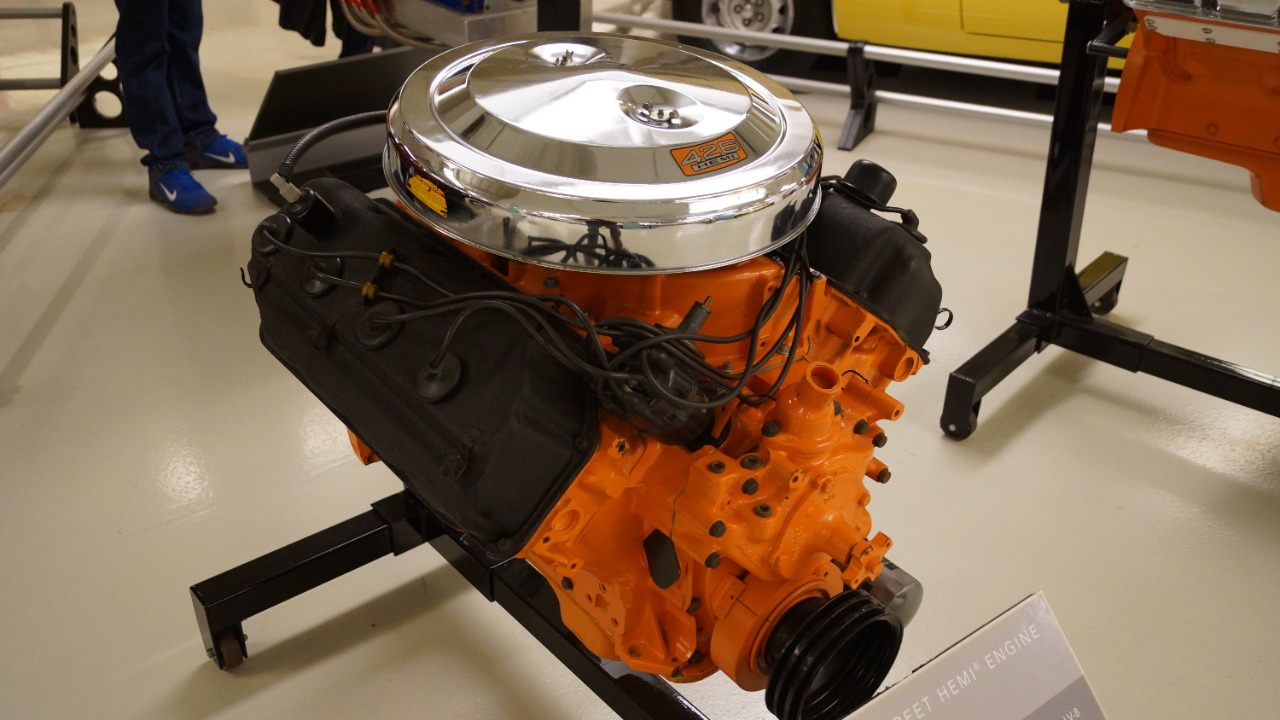
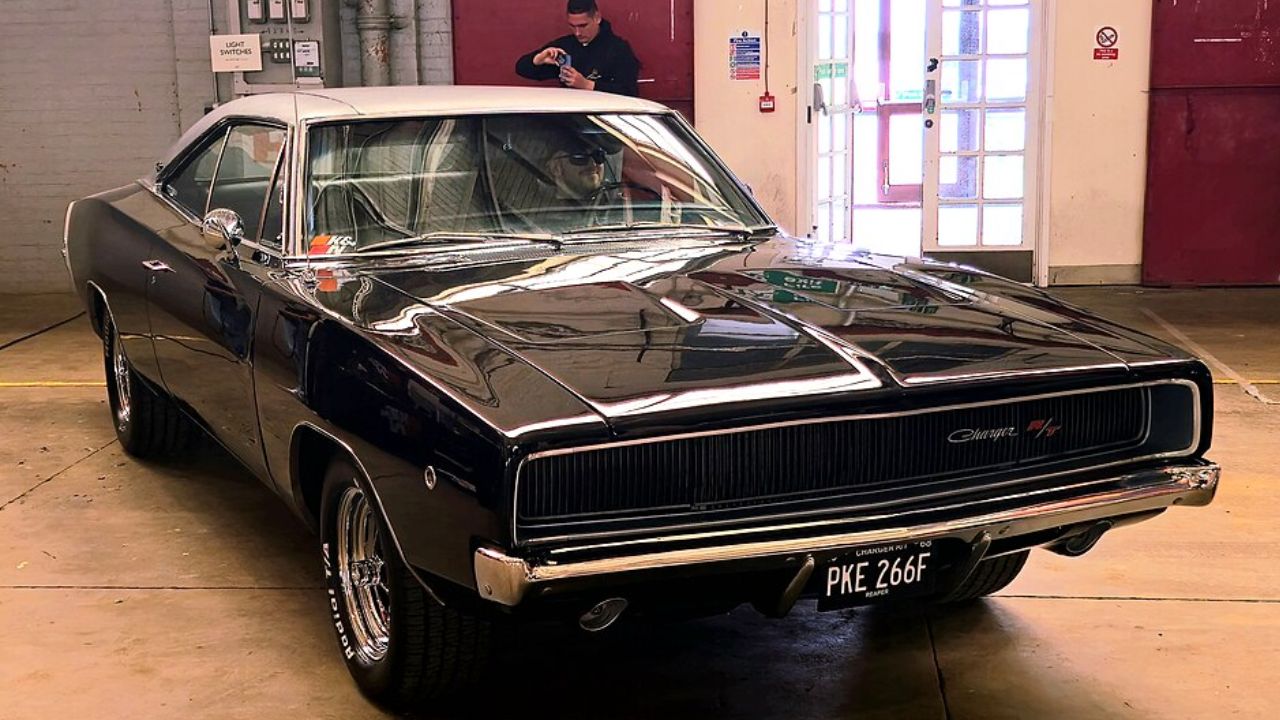
The Chrysler 426 HEMI, introduced in 1964, is often regarded as the king of the muscle car era. With its unique hemispherical combustion chamber design, this engine produced exceptional power and torque, making it a favorite among drag racers and street enthusiasts alike. It boasted an impressive output of up to 425 horsepower, which was revolutionary for its time.
This engine powered famous models such as the Dodge Charger and Plymouth Superbird, both of which left a lasting impression on American car culture. The 426 HEMI not only dominated the racetrack but also became a symbol of raw American power, influencing generations of automotive design and engineering.
Pontiac 400: The Power Behind the Trans Am
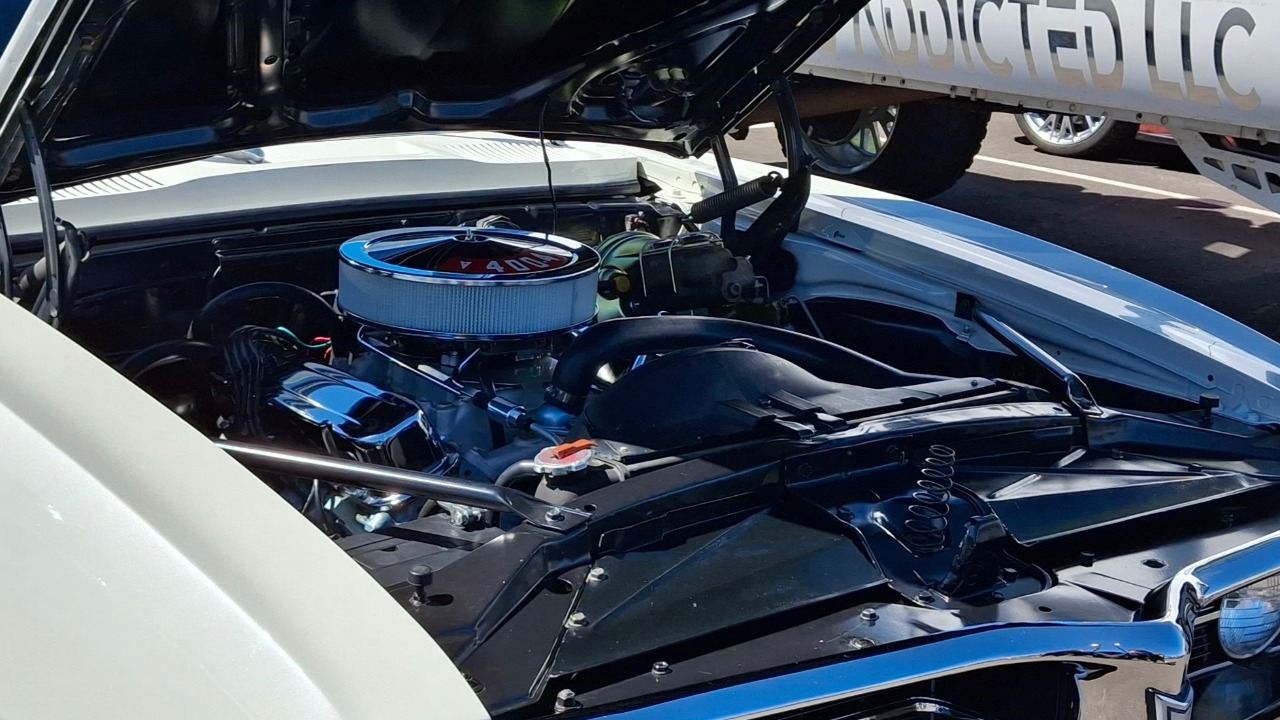
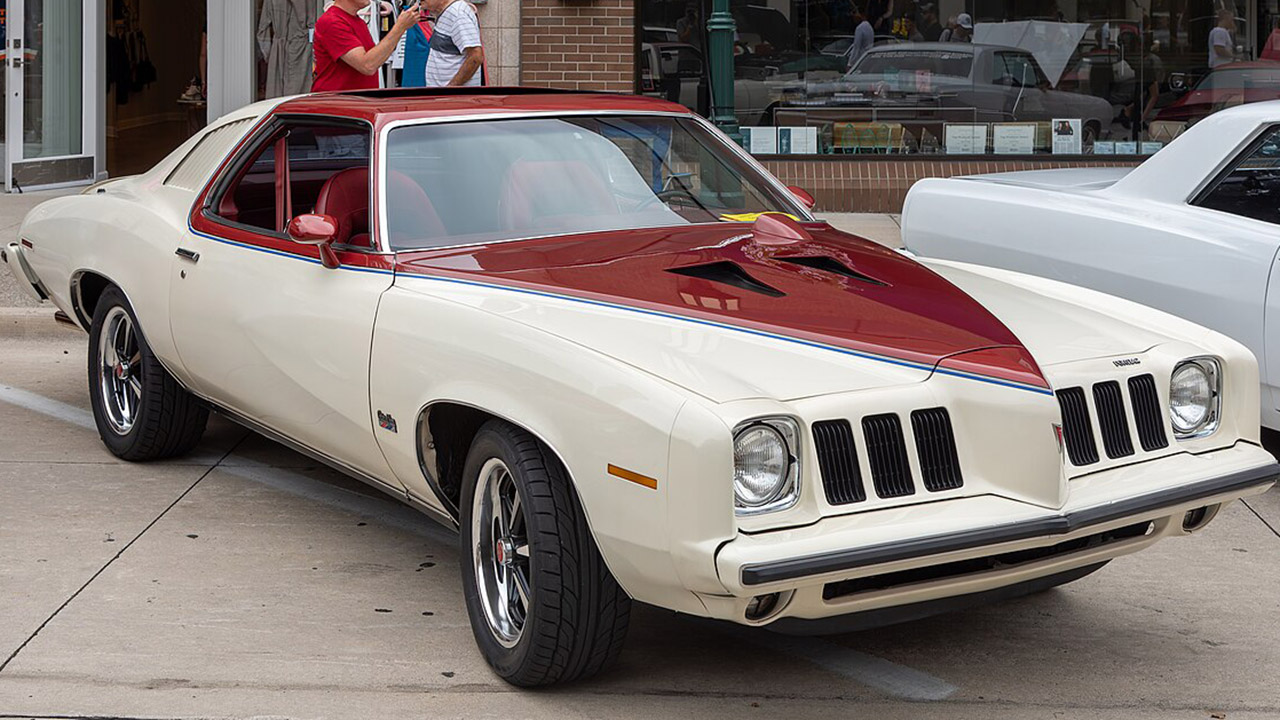
Developed in 1967, the Pontiac 400 V8 engine was a powerhouse that played a crucial role in the success of the Pontiac Trans Am. With a displacement of 400 cubic inches, it delivered robust performance, generating up to 370 horsepower in its most potent configurations. The engine’s torque was equally impressive, providing exhilarating acceleration that made the Trans Am a favorite among muscle car aficionados.
The Pontiac 400 became legendary not just for its performance but also for its presence in pop culture, notably featured in films like “Smokey and the Bandit.” Its unique sound and power have made it a sought-after engine for classic car restorations, ensuring that the legacy of the Pontiac 400 lives on in automotive history.
Oldsmobile 455: The Torque Monster of the ’70s
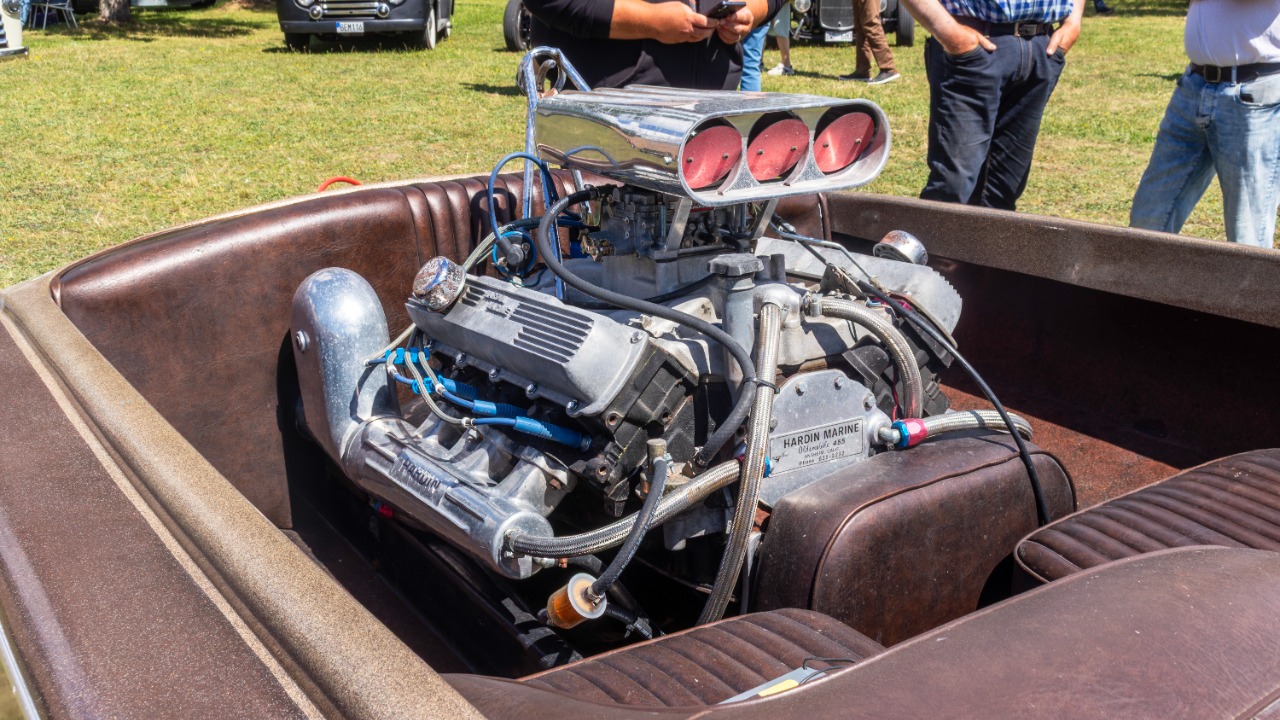
The Oldsmobile 455 V8, introduced in 1968, became known as the torque monster of the 1970s. With its massive 455 cubic inch displacement, it delivered incredible low-end torque, making it perfect for heavy vehicles and performance cars alike. It produced up to 510 lb-ft of torque, allowing for impressive towing capabilities as well as exhilarating acceleration.
This engine powered models like the Oldsmobile 442 and the Toronado, both of which showcased the 455’s capabilities. As fuel efficiency became more critical in the late ’70s, the Oldsmobile 455 gradually fell out of favor, but it remains a beloved choice among classic car enthusiasts who appreciate its brute strength and unique character.
Buick 430/455: The Performance Engine for Luxury
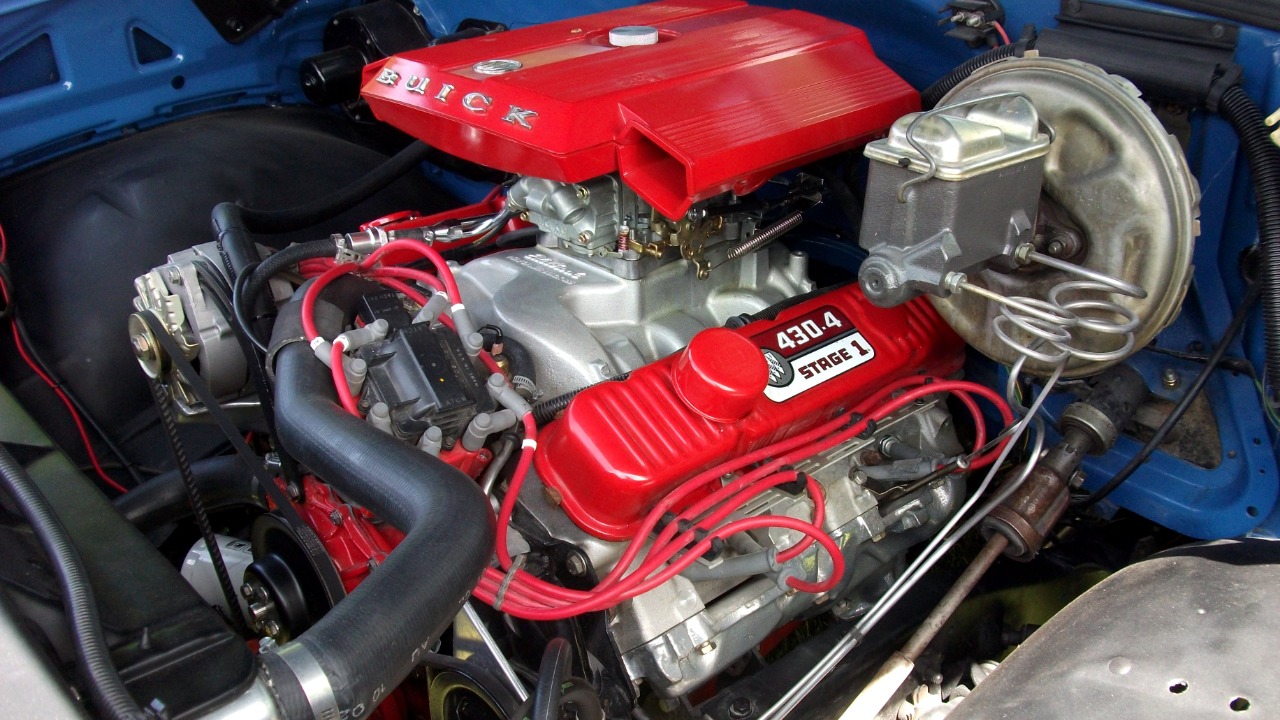
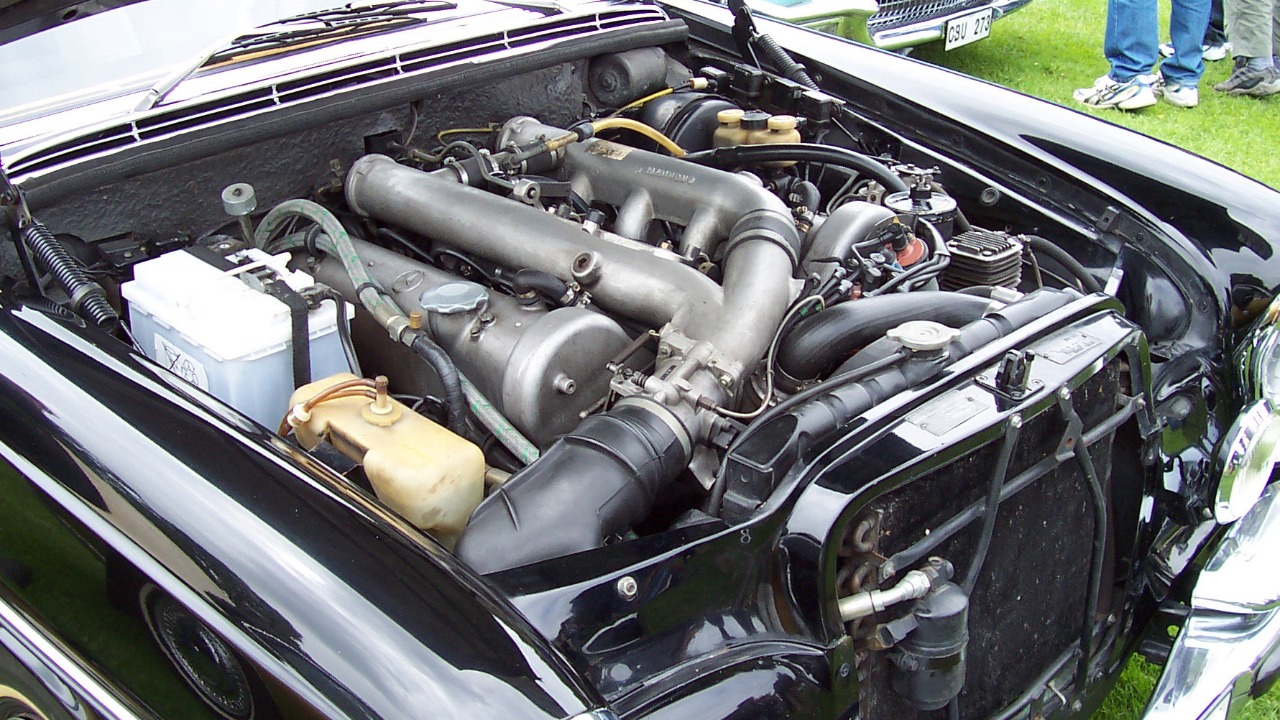
The Buick 430 and 455 V8 engines, introduced in the 1960s, were engineered for those seeking a blend of luxury and performance. The 430 produced up to 360 horsepower, while the larger 455 could generate an astonishing 510 lb-ft of torque. These engines were designed to provide smooth power delivery, making them ideal for luxury cars like the Buick Electra.
With their refined performance and comfortable ride, the Buick V8s set a standard for luxury vehicles in their era. They showcased how performance could coexist with comfort, and even today, they are revered for their smooth operation and impressive power.
Dodge 440: The All-Purpose Powerhouse
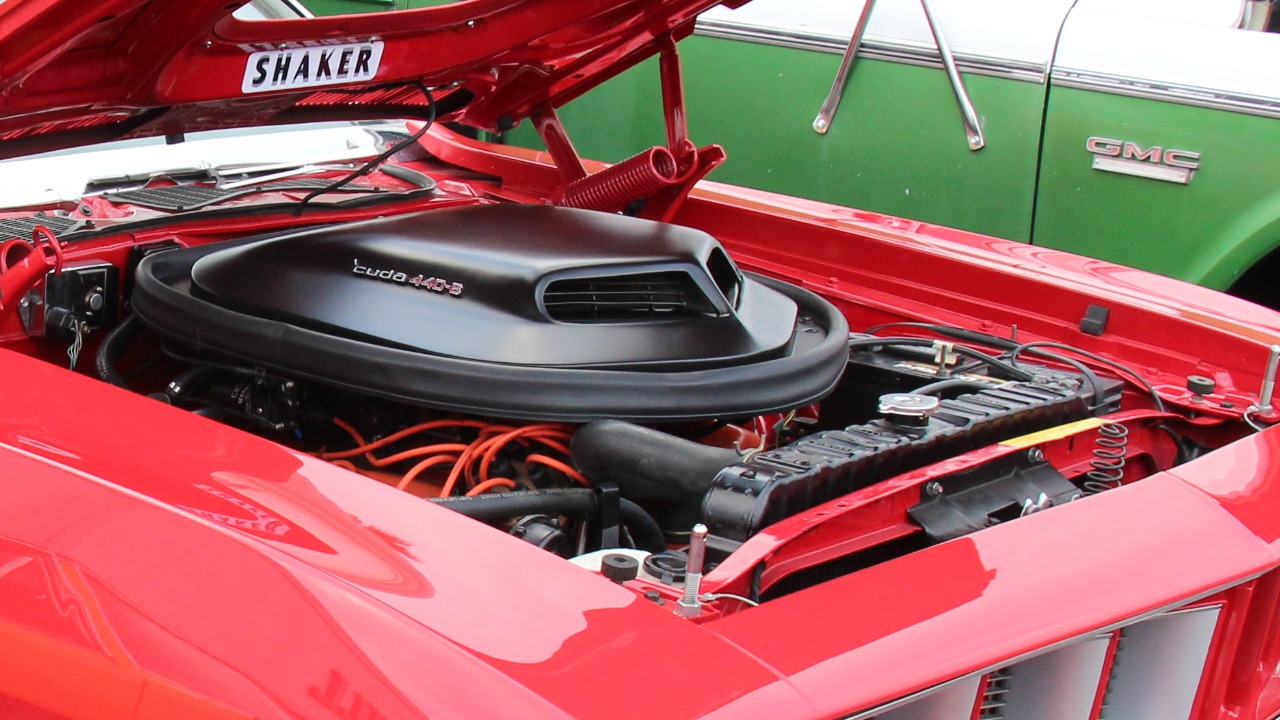
The Dodge 440 V8 engine, introduced in 1966, was designed to be an all-purpose powerhouse, catering to a wide range of vehicles from trucks to muscle cars. With a displacement of 440 cubic inches, it produced up to 375 horsepower, making it suitable for both performance and towing applications. The 440’s versatility made it a popular choice among consumers in the late ’60s and early ’70s.
This engine powered iconic models like the Dodge Charger and the Plymouth Road Runner, showcasing its performance capabilities. The Dodge 440 remains a favorite among restorers and performance enthusiasts, embodying the spirit of American muscle and versatility.
Cadillac 472/500: The Luxury V8 that Roared
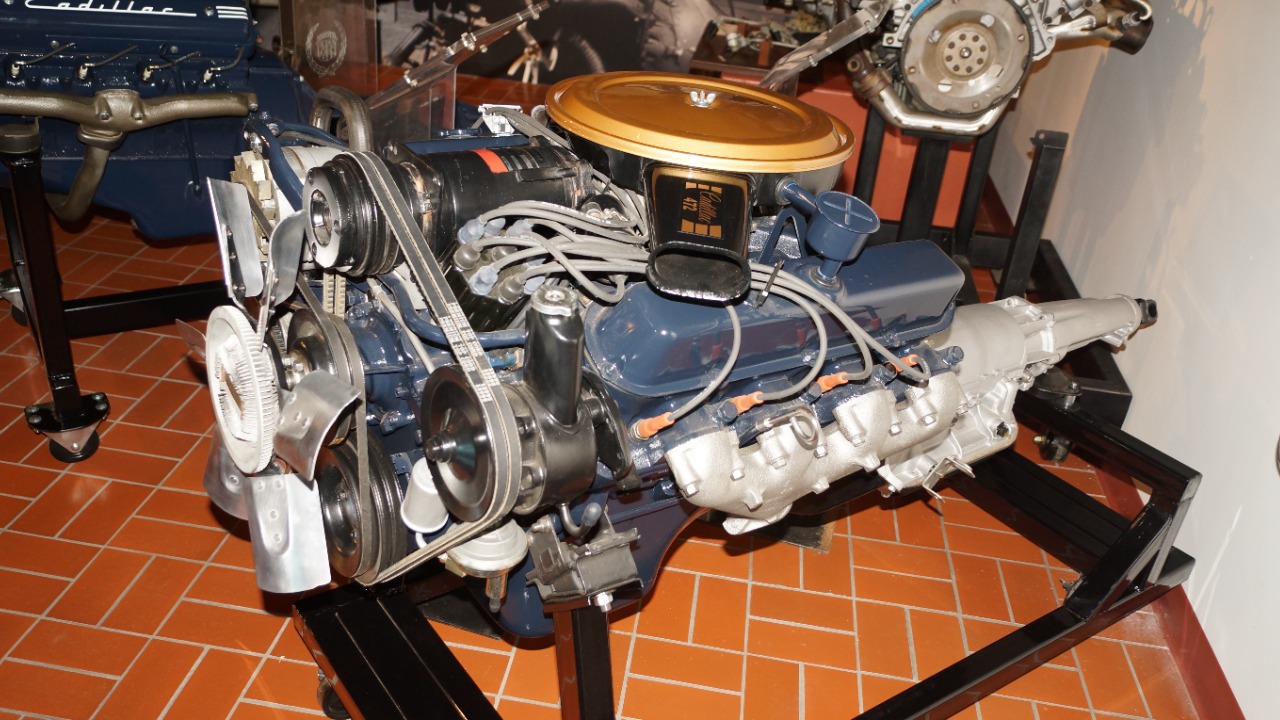
The Cadillac 472 and 500 V8 engines, introduced in the late 1960s, represented the pinnacle of luxury performance. With displacements of 472 and 500 cubic inches, these engines produced up to 400 horsepower and offered a smooth, powerful ride that was a hallmark of Cadillac’s reputation for luxury. Their torque allowed for effortless acceleration, contributing to a high level of driver satisfaction.
These engines powered some of Cadillac’s most luxurious models, such as the Eldorado and DeVille, ensuring that the brand maintained its status as a leader in luxury vehicles. The Cadillac 472 and 500 engines remain a symbol of American automotive excellence, combining power with opulence in a way that few others could.
Chevrolet LS Series: The Modern Performance V8 Revolution
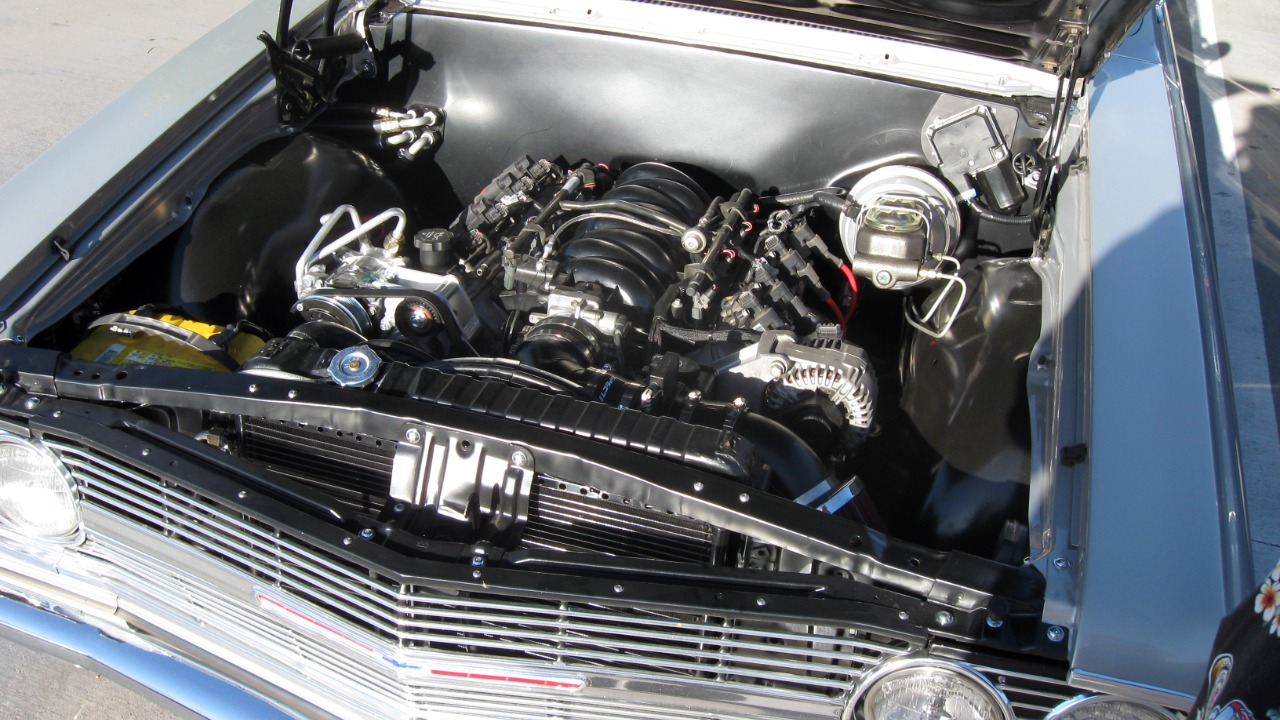
Launched in the late 1990s, the Chevrolet LS Series V8 engine has revolutionized modern performance. Known for its lightweight aluminum construction and efficient design, this engine series offers an impressive power-to-weight ratio. With various displacements ranging from 4.8 to 7.0 liters, the LS can produce anywhere from 300 to over 600 horsepower, making it a versatile choice for a wide range of applications.
Its adaptability has made the LS a favorite among automotive enthusiasts and builders alike, powering vehicles from the Chevrolet Corvette to countless custom builds. The LS Series continues to influence the performance industry, proving that the legacy of V8 engines is far from over.
More from Fast Lane Only
- Unboxing the WWII Jeep in a Crate
- 15 rare Chevys collectors are quietly buying
- 10 underrated V8s still worth hunting down
- Police notice this before you even roll window down
*Research for this article included AI assistance, with all final content reviewed by human editors.