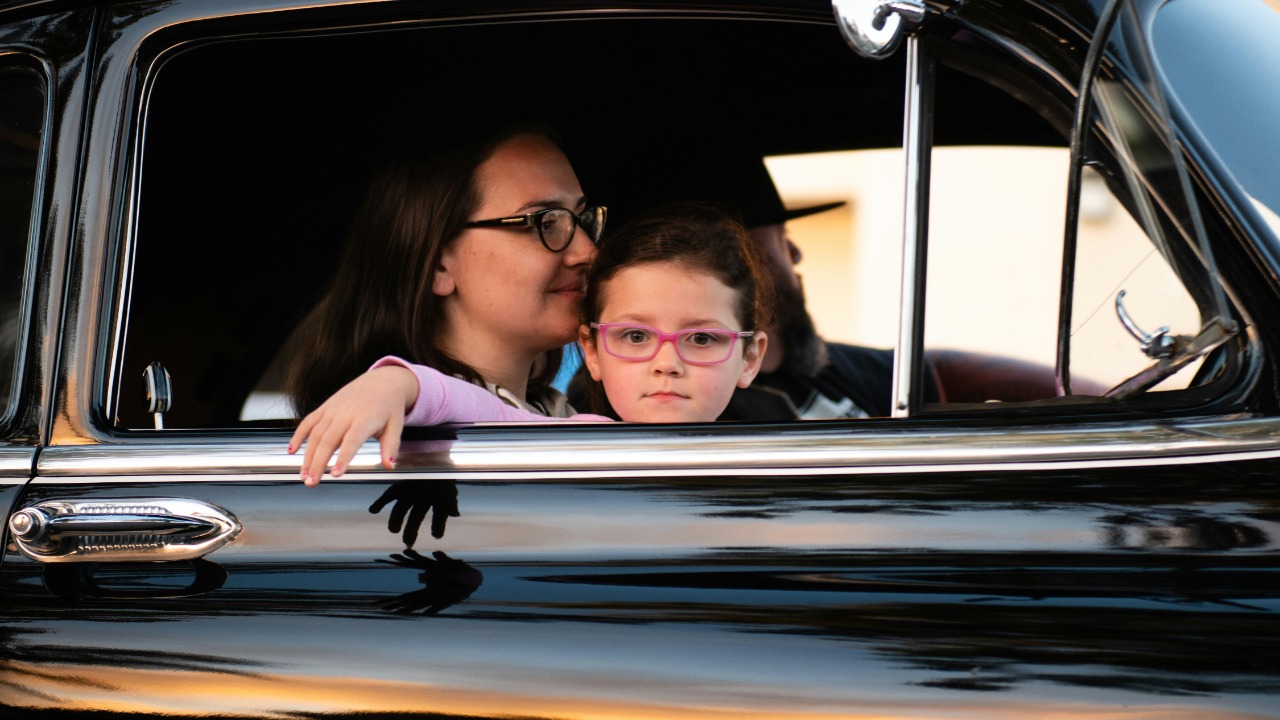
The world of driving has undergone significant changes over the decades, with many practices once considered routine now appearing bizarre or even unsafe. It’s intriguing to reflect on the strange habits and norms that drivers accepted as completely normal in the past, highlighting how far we’ve come in automotive safety and culture.
The Era of No Seatbelts
In the early decades of automobile ownership, seatbelts were virtually nonexistent in most vehicles. Cars like the Ford Model T, produced from 1908 to 1927, didn’t even come with seatbelts as standard features. Drivers and passengers alike would often cruise down the road without any form of restraint. I remember hearing stories from my grandparents about how they would pile into the family sedan for road trips, with kids bouncing around freely in the backseat, sometimes even sitting on laps!
The absence of seatbelts led to a culture where safety was largely overlooked. It was common to see passengers moving around the vehicle, leaning out the window, or even sitting in the front seat without any protection. As late as the 1970s, many cars, including models like the Chevrolet Impala and the Volkswagen Beetle, were still being sold without seatbelts. This carefree attitude towards safety began to shift as studies started to reveal the dangers associated with driving without restraints, leading to legislation that would eventually make seatbelt use mandatory in many countries.
Driving Under the Influence
Driving under the influence was not only tolerated in the past, but it was also socially accepted in many circles. Before the implementation of stricter laws in the 1980s and 1990s, intoxicated driving was often viewed as a rite of passage for many young adults. I recall hearing about parties where it was common for friends to pile into cars after a night of drinking, with little regard for the consequences. The infamous “drunk driving” incidents, such as the tragic accident involving actress and singer Grace Slick in the late 1980s, began to surface, shedding light on the severe ramifications of impaired driving.
The legal consequences for driving while intoxicated were minimal in many regions, and public awareness campaigns were virtually nonexistent. It wasn’t until organizations like Mothers Against Drunk Driving (MADD) emerged that society began to seriously address the dangers of impaired driving. The conversation around responsible alcohol consumption and driving has evolved significantly since then, leading to a societal shift where driving under the influence is now widely condemned and penalized.
The Absence of Speed Limits
Imagine driving on the open highway with no speed limits—this was a reality for many drivers in the mid-20th century. Certain stretches of road, particularly in states like Nevada and Montana, allowed drivers to travel at whatever speed they deemed safe. The famous “audacity” of the Autobahn in Germany, where no speed limit exists in certain areas, became a model of unrestricted driving for many Americans. Cars like the classic Chevrolet Corvette, known for its speed, thrived in this environment of speed freedom.
This culture of unrestricted speed fostered a sense of exhilaration among drivers, but it also encouraged reckless behavior. Drivers often pushed their vehicles to their limits, leading to an increase in accidents and fatalities. As awareness of the dangers associated with high-speed driving grew, states began to implement speed limits, with the National Maximum Speed Law enacted in 1974 as a response to the oil crisis and rising accident rates. Today, speed limits are a standard part of driving, aimed at ensuring safety on the roads.
Hand Signals and Lack of Turn Signals
Before the widespread adoption of electronic turn signals in the 1930s, drivers relied heavily on hand signals to communicate their intentions on the road. It’s fascinating to think about how drivers would extend their arms out the window, signaling turns with gestures that have since become almost obsolete. I remember my driving instructor emphasizing the importance of hand signals during my lessons, but today, few drivers even know how to use them. Cars like the classic Ford Model A required drivers to master these signals, as they were the primary means of indicating direction.
In addition to hand signals, ignoring turn signals was a common practice. Many drivers would turn or change lanes without signaling, expecting others on the road to anticipate their next move. This lack of communication often led to accidents and confusion. In modern times, the expectation is that all drivers will use turn signals consistently, and failing to do so can result in fines or be seen as socially irresponsible. The evolution from hand signals to electronic indicators reflects a broader shift towards safer driving practices and clear communication on the road.
The Use of “Riding the Bumper” as a Driving Technique
In the past, tailgating was often viewed as a legitimate driving technique. Many drivers believed that following closely behind another vehicle would encourage them to speed up or move out of the way. This practice, commonly referred to as “riding the bumper,” was seen as a way to express frustration with slower drivers on the road. I remember hearing stories from older relatives who would tailgate on long highway trips, believing it was an effective way to maintain momentum.
However, the dangers of this technique became increasingly evident as more research highlighted the risks associated with tailgating. The stopping distance required for vehicles, especially at high speeds, is significant. As a result, modern driving education emphasizes maintaining a safe following distance to prevent rear-end collisions. Today, most drivers understand that tailgating not only poses a risk to themselves but also to other road users, leading to a cultural shift towards safer driving practices.
No Child Safety Seats
In earlier decades, it was common for children to ride unrestrained in the back seats of cars or even on their parents’ laps. The 1960s and 1970s saw a shocking disregard for child safety in vehicles, with many parents believing that simply having their child in the car was sufficient protection. Classic cars from those eras, such as the Pontiac Bonneville or the Chrysler Newport, often lacked any specific safety features designed for children. I often hear stories of kids being allowed to bounce around the backseat, which is unthinkable today.
The absence of regulations around child passenger safety reflected a broader societal attitude toward children’s safety in vehicles. It wasn’t until the 1980s that the first child safety seat laws began to emerge, driven by advocacy groups and research demonstrating the importance of proper restraints for children. Modern laws now require the use of child safety seats, booster seats, and seatbelts for all passengers, highlighting a significant shift toward prioritizing child safety in vehicles.
Reflecting on these past driving norms makes it evident how much our understanding of safety and responsibility has evolved. We can appreciate the strides made to ensure that roads are safer for everyone, and I believe it’s crucial to continue advocating for responsible driving practices to prevent history from repeating itself.
More from Fast Lane Only
- Unboxing the WWII Jeep in a Crate
- 15 rare Chevys collectors are quietly buying
- 10 underrated V8s still worth hunting down
- Police notice this before you even roll window down
*Research for this article included AI assistance, with all final content reviewed by human editors.