The viral dash cam clip from a Queens highway did more than shock social media. It gave prosecutors the kind of clear, frame‑by‑frame evidence that is now driving insurance fraud charges in New York City and putting a spotlight on how staged crashes work. You are seeing, in real time, how a single recording from an everyday commute can unravel a broader “cash‑for‑crash” scheme and reshape how you think about your own safety and liability on the road.
As investigators piece together what happened in that Queens incident, they are also tying it to a pattern of similar collisions on city highways. For you as a driver, the case is a warning that a routine trip on the Belt Parkway or Nassau Expressway can be turned into a crime scene in seconds, and that your best protection may be the technology mounted quietly on your windshield.
How a Queens commute turned into a criminal case
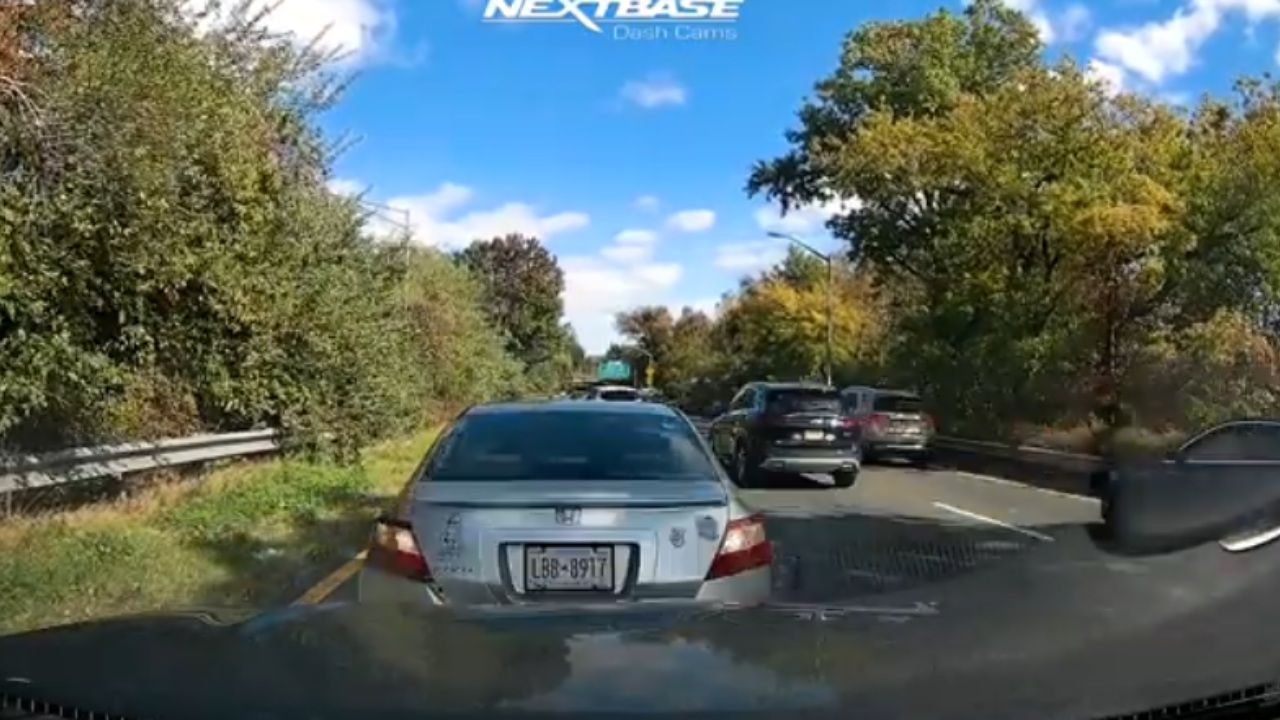
You can trace the current charges back to a morning drive in Queens, when Ashpia Natasha was heading along the Belt Parkway and her dash cam captured a gray car cutting in front of her and then stopping short. In the video, you hear Ashpia Natasha react in real time as the driver of a gray Honda appears to slam on the brakes, leaving her almost no room to avoid impact, a sequence that was later shared widely from the original dash cam recording. Prosecutors say that what looked like a sudden, inexplicable stop was not a momentary lapse in judgment but a deliberate setup designed to trigger a rear‑end collision and set the stage for an insurance claim.
According to charging documents, Asphia Natasha was driving north on the Belt Parkway in Oct when a silver Honda Civic abruptly cut in front of her lane and then came to a halt, forcing her to brake hard and collide with the rear of the Honda Civic. Investigators say the occupants of that car then claimed injuries and damage that they attempted to pass off as the result of an unavoidable crash, even though the video shows the lead driver appearing to orchestrate the impact. For you, the key detail is that the camera did not just capture the collision, it preserved the lead‑up, the braking pattern, and the behavior of everyone involved, giving prosecutors a narrative that does not depend solely on conflicting driver statements.
From viral outrage to insurance fraud charges
Once the Belt Parkway clip began circulating online, public anger focused on how easily an innocent driver could be turned into the at‑fault party in a rear‑end crash. The NYPD quickly opened an investigation into the viral Belt Parkway collision in Oct, treating it as a potential insurance scam and reviewing the footage that showed the car ahead stopping suddenly on the Belt Parkway in New York. That review, combined with interviews and insurance records, led Queens prosecutors to file charges that accuse a New York City man of staging the crash as part of a broader fraud scheme.
In Nov, prosecutors detailed how the silver Honda Civic cut in front of Natasha’s vehicle and then came to a stop, describing a maneuver that matched what viewers had already seen in the viral video of the silver Honda Civic. A Brooklyn man was arrested and accused of staging the accident, with prosecutors saying he then sought payouts for supposed injuries and vehicle damage. Coverage of the case emphasized that the crash “sparked outrage all over the internet” after the clip showed the car on the Belt Parkway suddenly stopping and then backing into the victim’s vehicle, a sequence that was replayed repeatedly in viral footage and helped transform online anger into formal criminal counts.
A widening pattern on New York City highways
Once you look beyond the Queens crash, the case fits into a larger pattern of staged collisions on New York City highways that prosecutors say are designed to milk insurance companies and leave unsuspecting drivers footing the bill. Queens District Attorney Melinda Katz has charged multiple defendants with orchestrating crashes on major routes, including the Belt Parkway and Nassau Expressway, describing a scheme in which drivers allegedly choreographed sudden stops, lane changes, and rear‑end impacts to generate fraudulent claims on New York City. In one account, She reported seeing what appeared to be a black garbage bag covering the back window of the Honda, then watched as Four men got out of the Honda and One of the men appeared to direct the scene, details that prosecutors say are consistent with a preplanned crash rather than a spontaneous accident.
Over the summer, two more suspects were charged in connection with the 2024 Belt Parkway insurance scheme, which authorities say involved staged car crashes on NYC highways and promised participants thousands of dollars for submitting claims for damage and personal injury. Court records describe a staged car crash on Belt Parkway and a related Nassau Expressway crash, both allegedly part of the same operation that targeted drivers along the Belt Parkway crash corridor. If convicted of the top charges, some of the defendants face substantial prison time, a point prosecutors have underscored as they argue that these scams raise premiums for every policyholder and turn everyday commutes into crime scenes for drivers across NYC.
The Brooklyn connection and a growing cast of defendants
For you as a driver, one of the most striking aspects of the Queens case is how many of the alleged organizers live far from the crash scenes themselves. Several defendants tied to the Belt Parkway incidents are from Brooklyn, including a man charged in Nov after prosecutors said he staged an accident that was captured on a dashboard camera and then shared widely on TikTok and other platforms, a case that highlighted how a Brooklyn resident could turn a Queens highway into the backdrop for an insurance scam. Another report described how a Brooklyn man was arrested and accused of staging the viral crash on the Belt Parkway, with reporter Nina Pineda noting that the incident in Nov involved a car that suddenly stopped and then backed into the victim’s vehicle on the Belt Parkway in Brooklyn.
The cast of defendants has continued to grow. In one Queens case, Jaime Huiracocha, 53, of Milford Street, and Victor Murillo, 34, of Bushwick Avenue, were arraigned on a Tuesday night in Queens Criminal Court, accused of orchestrating staged car crashes and recruiting others to drive vehicles involved in the vehicles involved. Another report described a Brooklyn duo charged in a viral Belt Parkway “cash‑for‑crash” scam on the Long Island border, part of a pattern that local coverage in Greater Long Island has linked to repeated incidents on the same stretch of highway. In a separate Queens case, Beyond Martinez, none of the other passengers have been identified, but Martinez was arrested on a Thursday after he flew into New York, a detail that underscores how some suspects allegedly move in and out of the city even as they are tied to staged crashes on New York highways.
What this means for you as a New York driver
If you drive in New York City, the Belt Parkway case is not just a headline, it is a practical lesson in how to protect yourself. Prosecutors say some organizers instructed others how to stage a car crash, promising thousands of dollars for submitting claims for damage and personal injury, a pattern that was described in detail in a police briefing. That means you may encounter drivers who brake suddenly, swerve into your lane, or even reverse into your car, then insist you are at fault. A dash cam, properly mounted and configured to record both audio and video, can give you the same kind of leverage it gave Ashpia Natasha, whose morning drive turned into a terrifying ordeal but also produced the Dash cam video that helped unravel the scam.
More from Fast Lane Only