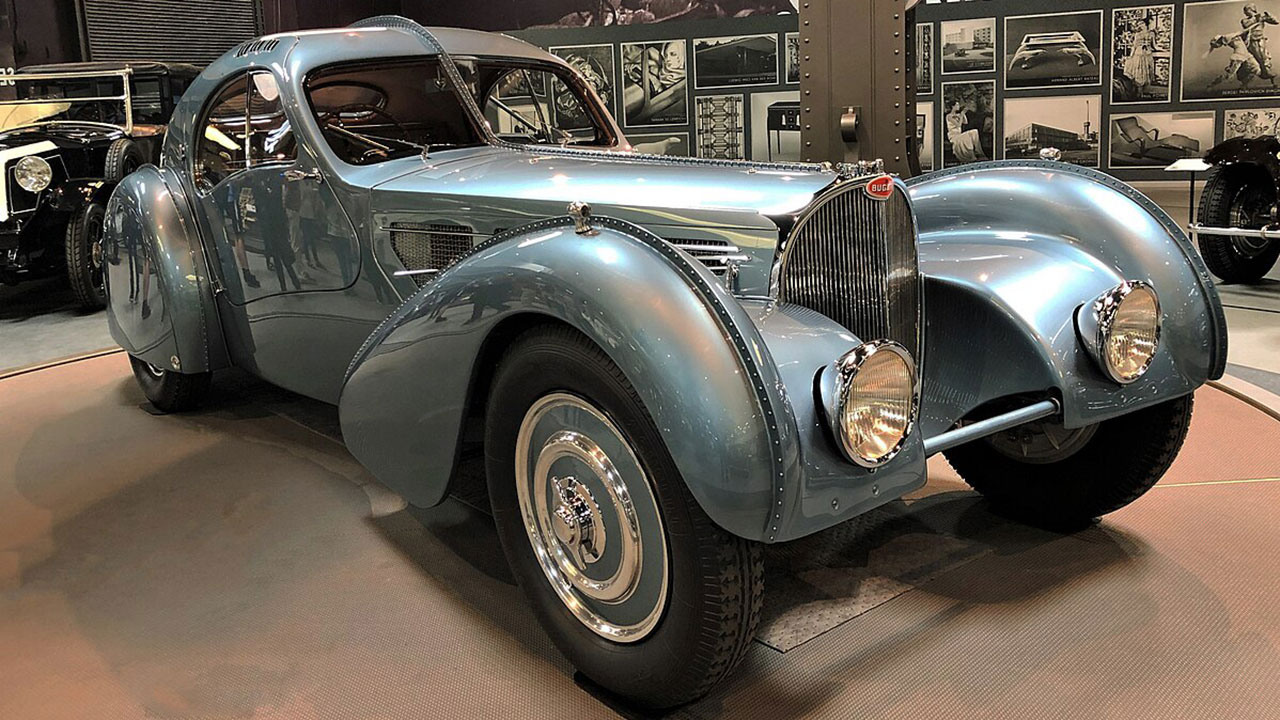
DeSoto cars rolled out of Chrysler plants for barely 32 years, yet the brand packed a lot of history into that short run. Walter Chrysler launched the marque in 1928 to fill the gap between Plymouth and Chrysler, and the last DeSoto left the line in November 1960.
In between, the brand tried almost everything. It sold streamliners and family haulers, hidden headlights and Hemi V8s, and even a car that paced the Indianapolis 500. However, the brand never had one signature model that everybody remembers. Instead, each era had its own standout, and each one tells you something about how Americans drove at the time.
These ten are our picks, from the first Six to the last Adventurers. The years, prices and figures come from marque histories and published sources, while the verdicts are our own opinion. Taken together, they show why the brand means so much to the people who keep these cars running.
1. 1929 DeSoto Six
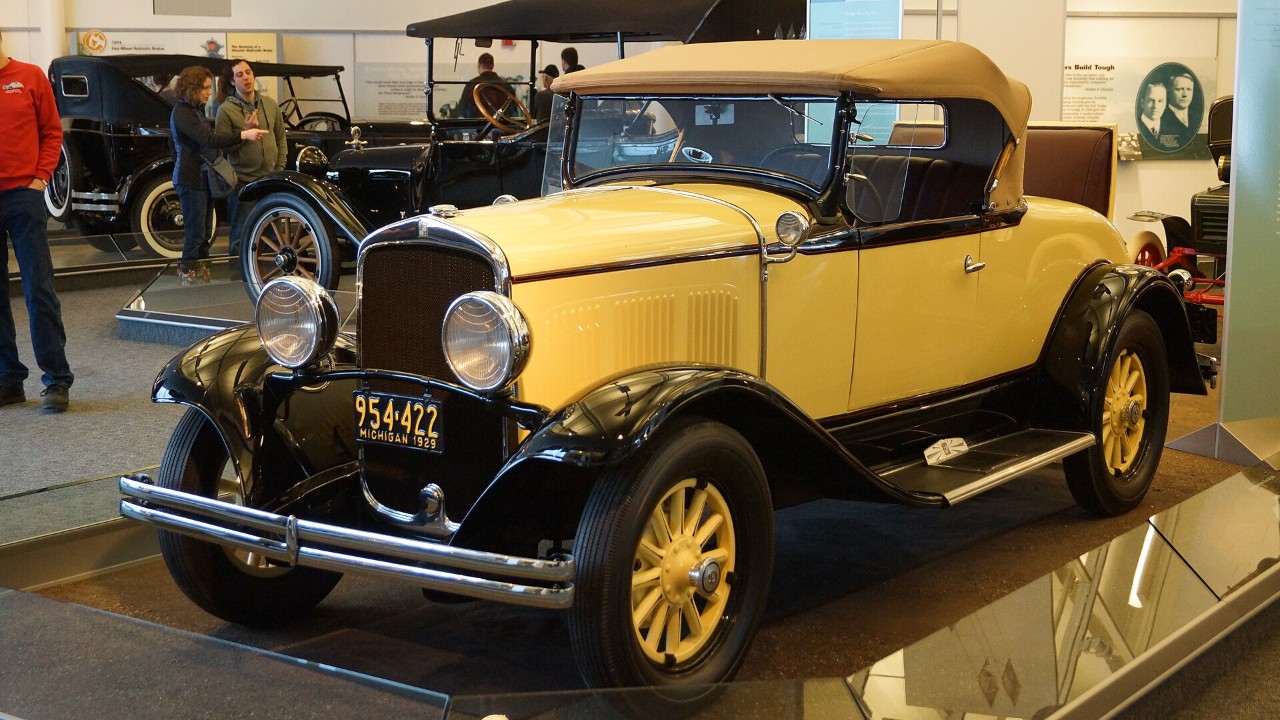
Every story needs a beginning, and this is the one. Walter Chrysler announced the new marque on August 4, 1928, and aimed it squarely at the mid-price buyer. The first cars arrived for the 1929 model year, and the name on the radiator was all new.
The timing turned out to be brilliant. Chrysler built 81,065 DeSoto Sixes in that first year, a first-year sales record for an American make that stood for more than three decades. OldRide’s marque history lists a 1929 DeSoto sedan at $885. That price put a brand-new name within reach of buyers who had never owned anything but a Ford or Chevrolet. In other words, the new make arrived as a sensible step up rather than a luxury fantasy.
Our take: the 1929 Six matters because it proved Chrysler could launch a brand from nothing and make it stick. It set the template the brand followed for the next 30 years. Each one offered a little more style and comfort than a Plymouth for not much more money. If you ever see one at a show, take a moment with it. Everything else on this list started right here.
2. 1935 DeSoto Airstream
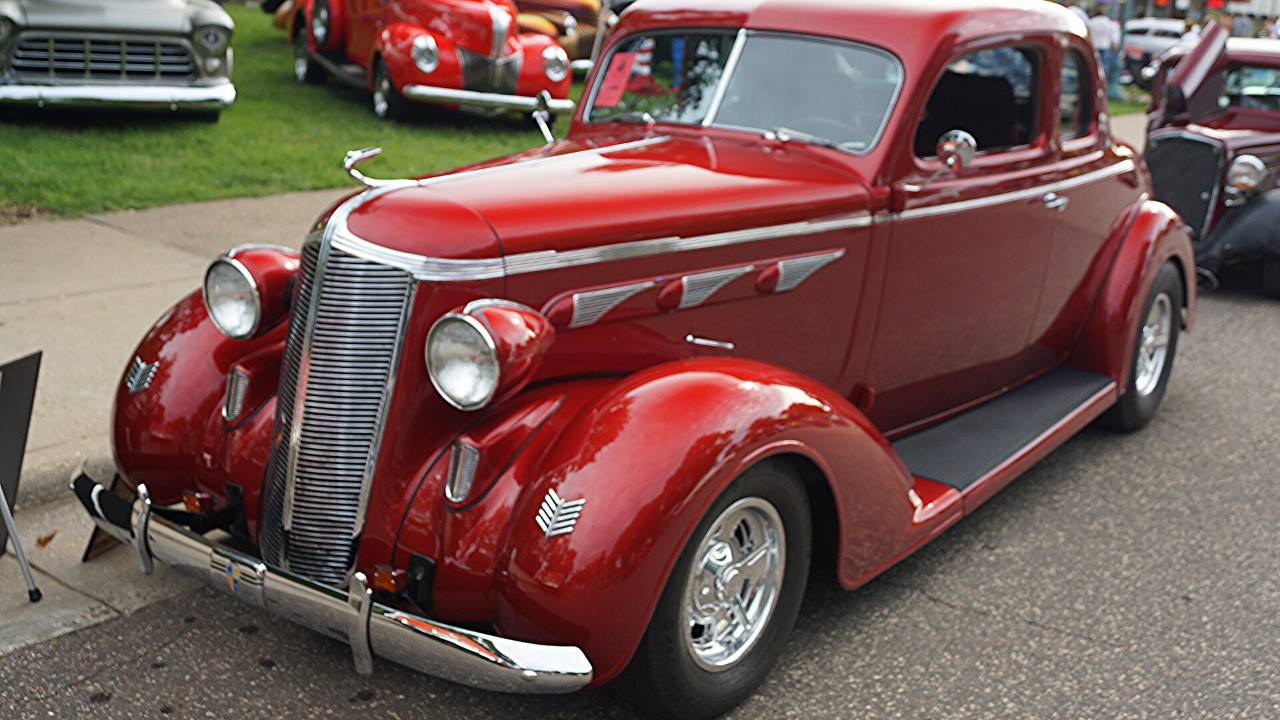
Sometimes a car earns its place by fixing a mistake. In 1934, DeSoto’s radical, streamlined Airflow drove buyers away. According to Mac’s Motor City Garage, DeSoto sales fell about 40 percent that year, to just under 14,000 cars.
So Chrysler moved fast. The 1935 Airstream borrowed a body shell from Dodge and put the engine back where buyers expected it. Under the hood sat a 241.5-cubic-inch L-head six rated at 100 horsepower. Better still, the Airstream sold for $695 to $825, hundreds of dollars less than the Airflow’s $995 list price. It also came in the full range of body styles, open cars included, and it offered independent front suspension that the Airflow lacked.
Our take: the Airstream is the car that kept DeSoto alive long enough to build everything else on this list. It isn’t flashy, and that was the point. We admire how quickly Chrysler read the market and changed course. If you like prewar cars, this is a friendlier way in than an Airflow, and it tells a better story about listening to customers. We’d love to see more of them at shows.
3. 1942 DeSoto Custom Air-Foil
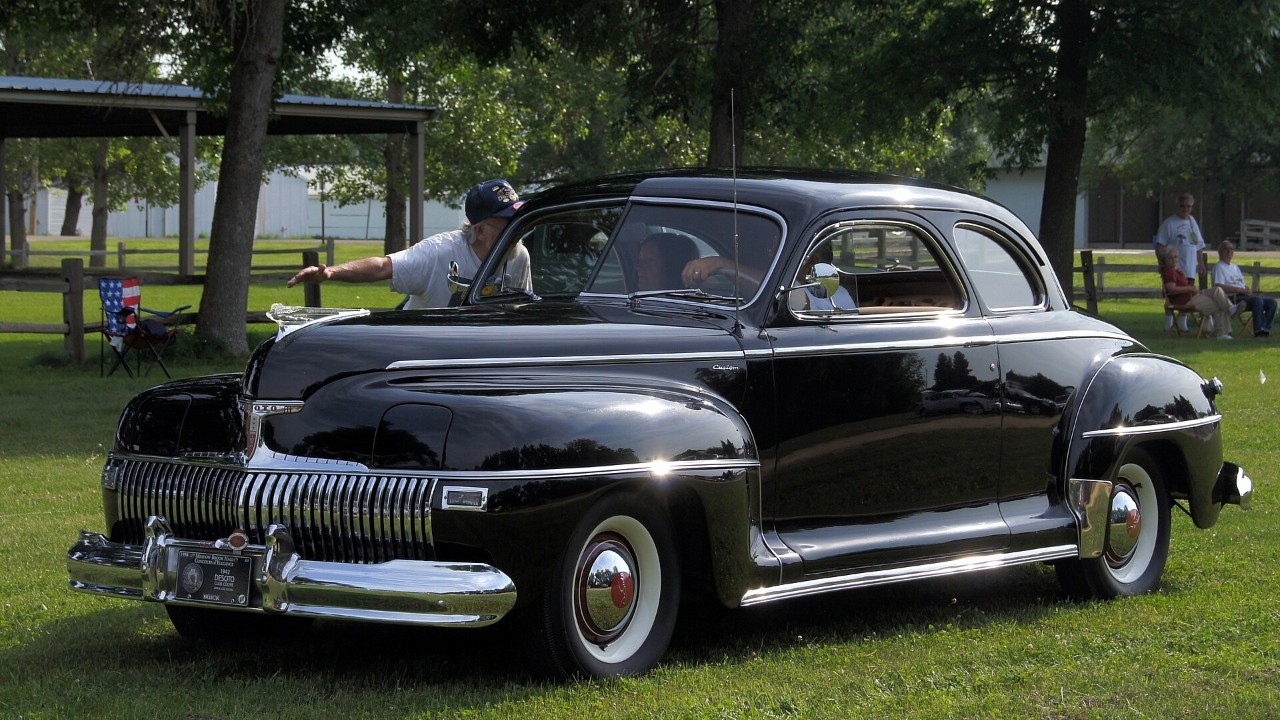
DeSoto’s 1942 cars wore a feature that draws a crowd to this day. Its hidden headlights sat behind flip-up covers that the company called “Air-Foil” lights. Ads summed them up neatly: “out of sight except at night.”
The engineering was simpler than it looks. According to Curbside Classic, cables linked the covers to a small handle under the dashboard. The same piece notes that the 1942 DeSoto followed the Cord 810/812 as only the second American car with hidden lamps. Its styling also traced back to Alex Tremulis and the DeSoto Cyclone concept. Then the war intervened, and Curbside Classic counts only 24,771 of the 1942 cars built before civilian production stopped.
Our take: the Air-Foil DeSoto is one of the great “what if” cars of the era. It looked ahead to the long, low cars of the postwar years, and then it vanished almost before it began. When production resumed for 1946, the hidden headlights stayed behind. If you want a taste of other rare ones, our list of DeSotos you’ve probably never seen in person is a good next stop. In our view, a 1942 Custom is the most stylish DeSoto ever built for the money.
4. 1946 DeSoto Custom Suburban
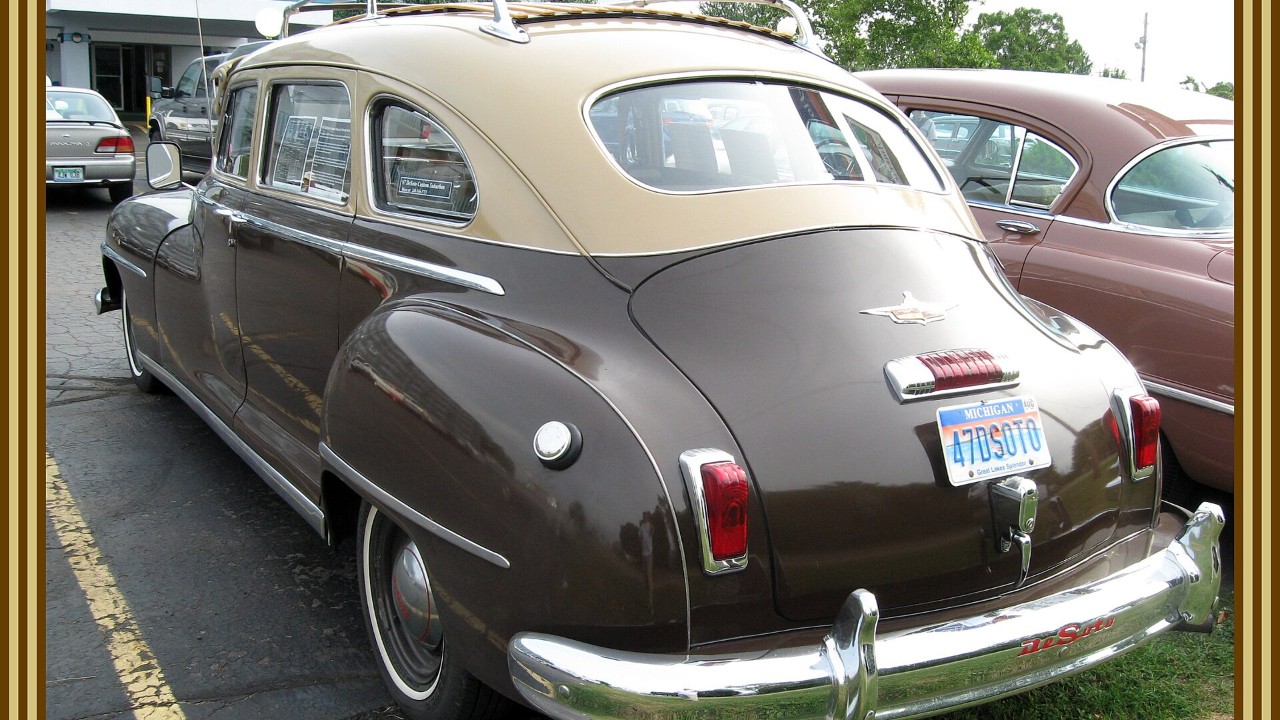
Long before minivans, Chrysler’s mid-price brand built a sedan that could swallow a family and its luggage. The Custom Suburban ran from 1946 to 1954, and Hagerty describes it as a distant ancestor of today’s crossovers. It seated nine people across three full-size rows.
The clever part was what happened when you didn’t need all those seats. Hagerty says the third row folded flat and the second row folded forward, which opened up more than 80 cubic feet of cargo space. A metal-and-wood roof rack handled the overflow. Power came from a 236.6-cubic-inch flathead six rated at 109 horsepower, with a three-speed manual or optional Fluid Drive. The Suburban started at $2,175, which made it DeSoto’s most expensive model.
Our take: we love the Suburban because it solved a real problem with real ingenuity. It was a slow seller, according to Hagerty, so few people saw how practical it was. Today, that makes it a rare sight and a great conversation starter. If you find one, check that the roof rack and folding seats are complete, since those parts are the whole reason to own this model.
5. 1953 DeSoto Powermaster
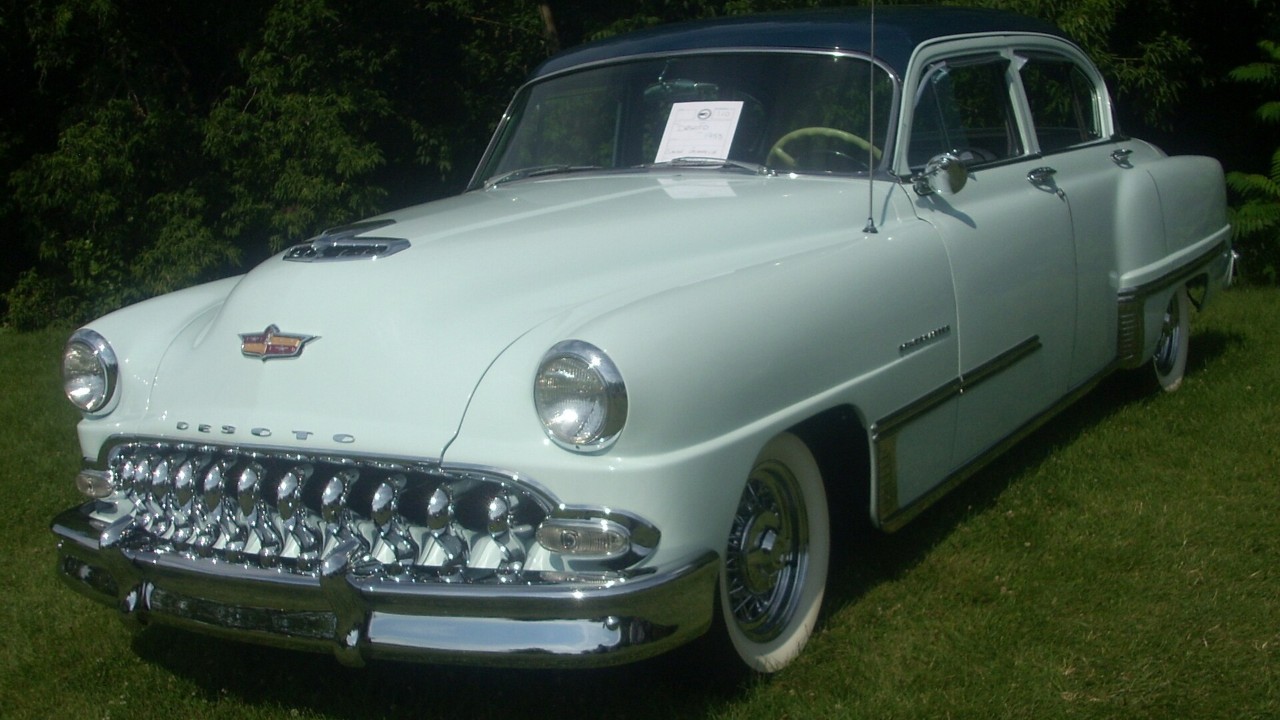
For 1953, the company cleaned up its lineup. Mac’s Motor City Garage notes that the old DeLuxe and Custom names disappeared that year. In their place, six-cylinder cars became the Powermaster, while the V8 cars kept the Firedome name.
That split tells you a lot about the early 1950s. The Hemi-powered Firedome had arrived in 1952, and buyers wanted it. In fact, the Firedome outsold the Powermaster in both 1953 and 1954, and DeSoto dropped the L-head six entirely for 1955. Hagerty notes that the flathead six was later listed at 112 horsepower as the “Powermaster Six.” So the Powermaster was the last DeSoto built around the brand’s old six-cylinder formula.
Our take: the Powermaster is the quiet half of a turning point. It carried the old L-head six into the V8 age for two more seasons. As a result, it gives you 1950s DeSoto style with simpler mechanicals than a Hemi car. In our view, that makes it a smart choice for a first classic. It is easy to understand, easy to work on, and it shows off the chrome-heavy look of the period.
6. 1956 DeSoto Fireflite pace car convertible
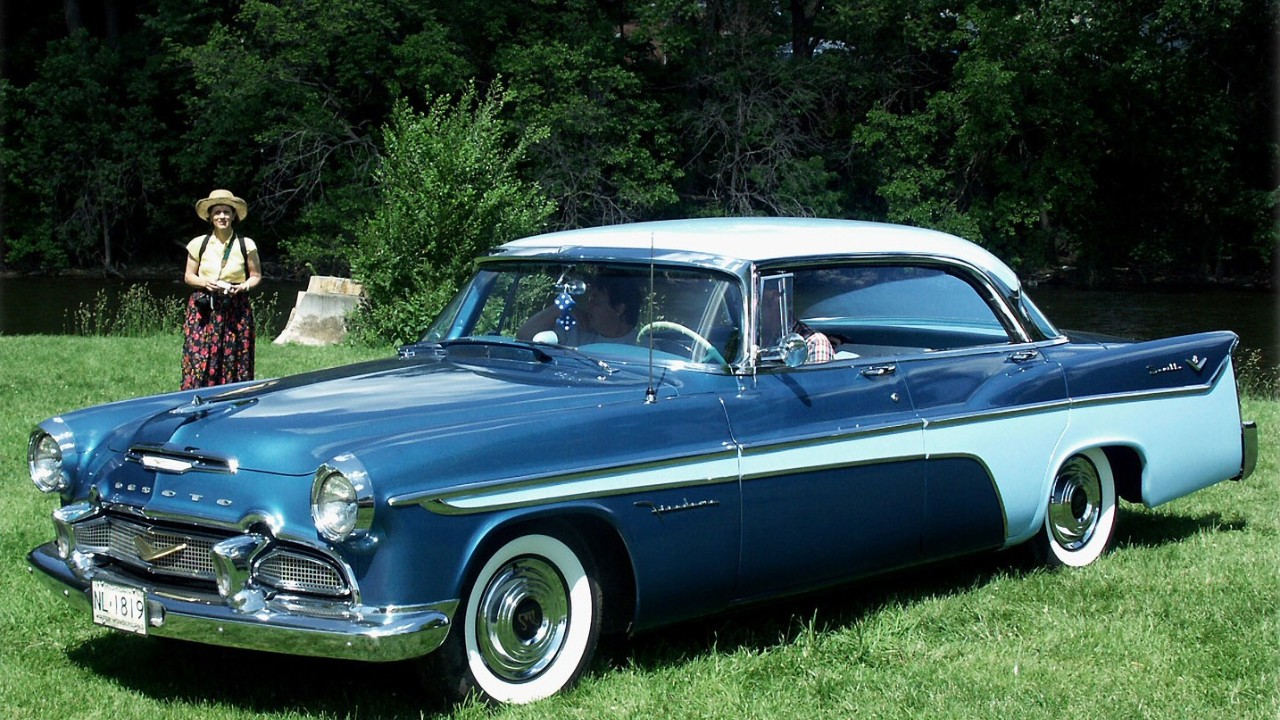
On May 30, 1956, a gold and white DeSoto Fireflite convertible led the field at the Indianapolis 500. It was the only time DeSoto paced the race. According to Hagerty, the car wore gold wheel covers, a gold grille, gold medallions and a gold-trimmed interior.
DeSoto then sold a special edition it called the Pacesetter. However, Hagerty says it never counted as a separate model, so no accurate production records exist. Estimates run to fewer than 500, and some put the number closer to 100. The base price was $3,565. Hagerty also notes a Hemi V8, a three-speed push-button transmission and a claimed top speed of more than 140 mph.
Our take: this is the most glamorous DeSoto, and it earned that status on a real race day. It mixes 1950s color, Hemi power and Indianapolis history in one car. That’s why we see it as the brand’s high point of the Forward Look era. If you’re shopping, remember that production records don’t exist. Look for strong documentation before paying a Pacesetter premium. It was the brand’s one turn leading the Indy field, and the car carries that glow today.
7. 1958 DeSoto Firesweep convertible
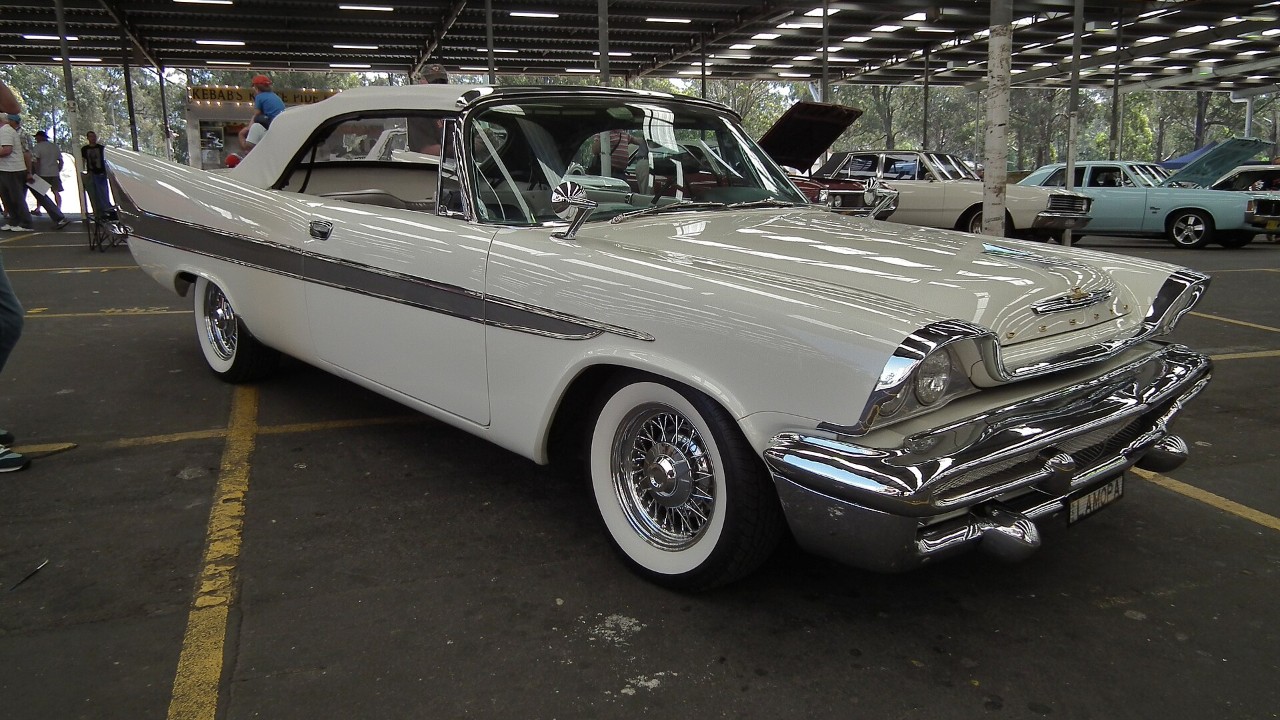
The Firesweep was DeSoto’s attempt to reach buyers lower down the price ladder. It arrived for 1957 on a Dodge shell and chassis, with DeSoto’s own bumper and grille. Its 122-inch wheelbase ran four inches shorter than the senior DeSotos.
For 1958, DeSoto added a convertible to the Firesweep range, and a 350-cubic-inch V8 took over under the hood. The timing was rough, though. The Firesweep had sold well in 1957, yet it also pulled buyers away from the pricier Firedome and Fireflite. Then the 1958 recession hit, and DeSoto’s sales fell about 60 percent from 1957. As a result, a 1958 Firesweep convertible is a rare survivor of a hard year.
Our take: we like this car because it captures the brand at its most stylish and most vulnerable at once. It has the tall fins and open-air drama of the late 1950s. Yet it came from the cheapest DeSoto line, so it was a car real families could stretch to buy. In our view, it is the best-value way into a finned DeSoto convertible today. Look closely at the top mechanism and floors before you buy.
8. 1958 DeSoto Firedome Sportsman
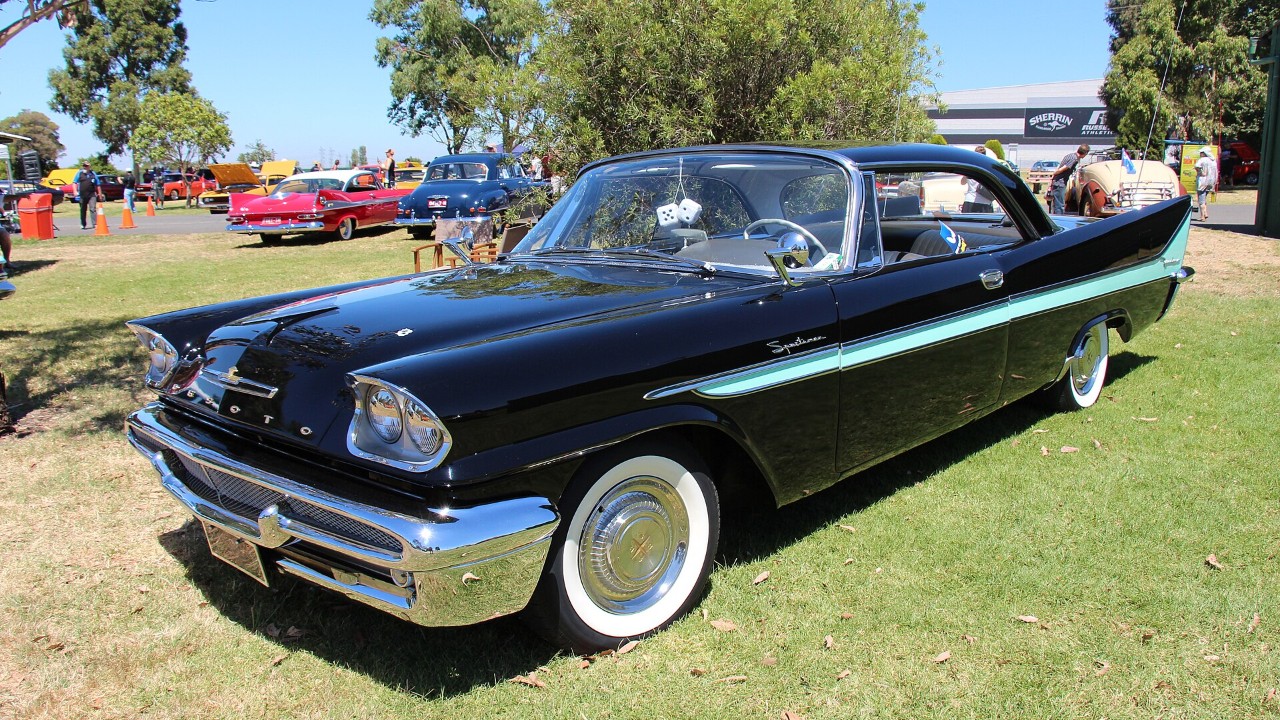
DeSoto used the Sportsman name for its pillarless hardtop coupes. Mac’s Motor City Garage traces it back to the 1953 Firedome lineup, when the Sportsman Hardtop Coupe joined the range. By 1958, the Firedome Sportsman had grown long, low and finned.
It had also changed under the skin. 1957 was the last year for the Firedome’s Hemi V8, so the 1958 car switched to a wedge-head B-series V8. Meanwhile, the Firedome faced pressure from inside the family. The Dodge-based Firesweep took a significant share of its sales, and the 1958 recession did the rest. We compared the Firedome with a Chrysler cousin in our 1957 Firedome vs. Windsor matchup, which shows how close those brands had become.
Our take: the Sportsman hardtop is the shape most people picture when they hear “late-1950s DeSoto.” With the windows down and no B-pillar, it looks like a convertible with a roof. In our view, that pillarless profile is the best design the brand ever sold in volume. If you’re buying, check the rocker panels and floors carefully, because a solid body matters more than a rare option here.
9. 1950 DeSoto Diplomat
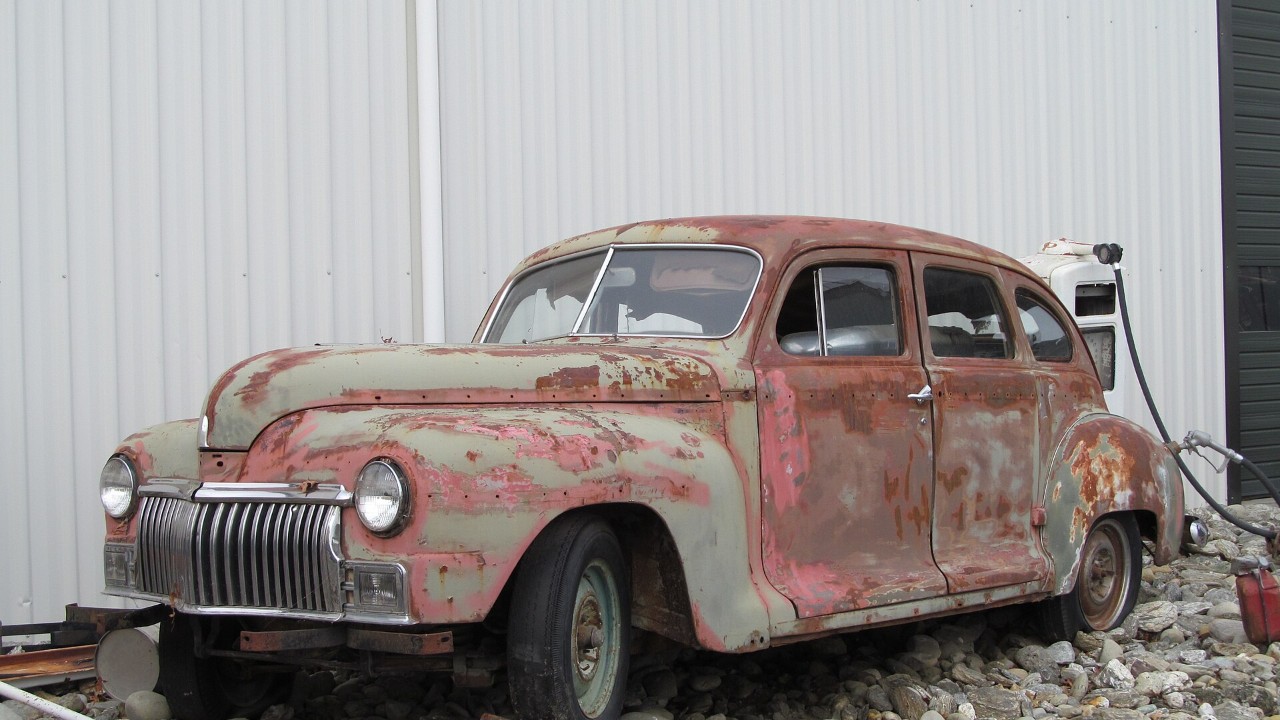
Not every DeSoto was meant for American roads. The Diplomat was an export DeSoto built on a Plymouth base, and Chrysler adopted the Diplomat name in 1946. It carried the badge into Europe, South Africa, South America, Hawaii, New Zealand and Australia.
Some of those cars arrived fully built, while others came as kits for local assembly. For example, Canadian plants shipped factory right-hand-drive cars to New Zealand. Chrysler Australia later built its own local versions, and the Diplomat line ran until 1962. In Belgium, an assembly line even fitted Perkins diesel engines in the late 1950s, because some European taxi drivers preferred them.
Our take: a 1950 Diplomat shows that DeSoto’s story was bigger than the United States. Overseas buyers got a Plymouth-based car with a more upscale name. In our view, it is also a lesson in clever badge engineering. Chrysler took a car it already built and gave it a name with more prestige for buyers abroad. In our view, that makes it one of the most interesting DeSotos to find today, especially outside North America. If you come across one, the export paperwork and market-specific details are the history worth preserving.
10. 1960 DeSoto Adventurer four-door hardtop
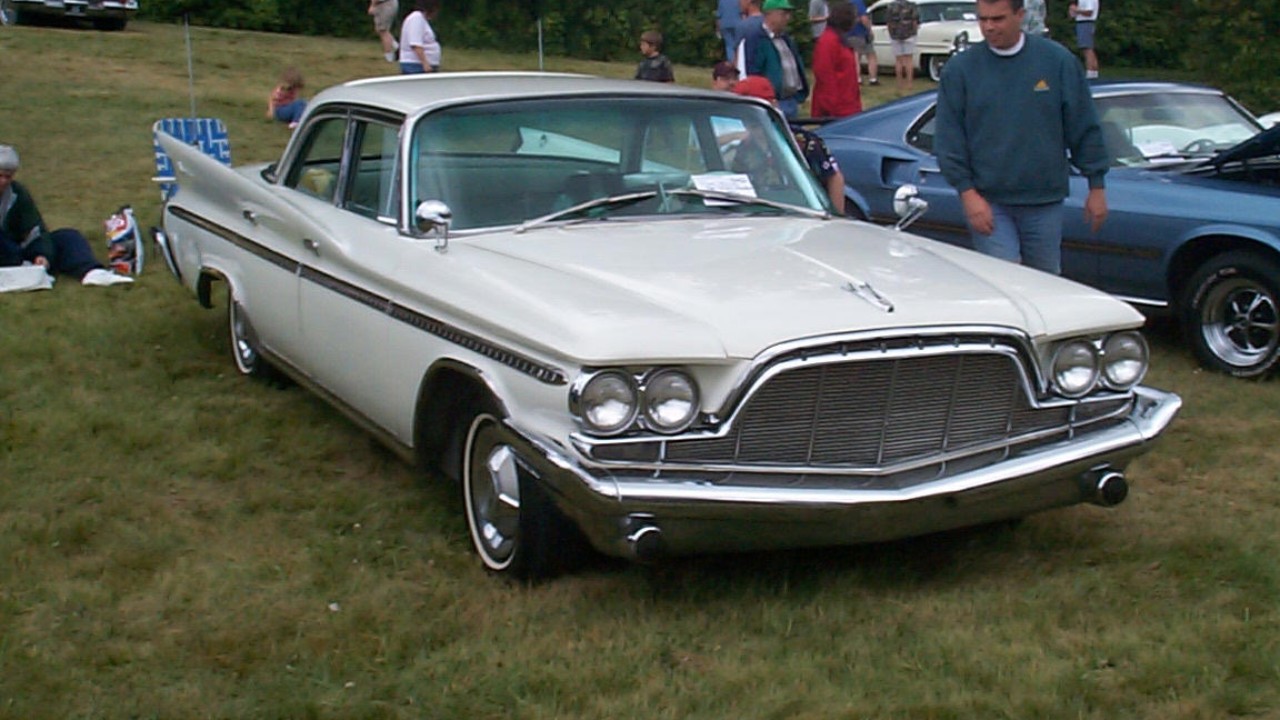
The Adventurer began in 1956 as a limited, high-performance two-door. By 1960, DeSoto had turned the name into the top trim of a slimmer lineup. That year, the convertible disappeared, and a four-door hardtop and a sedan joined the range.
The change worked, at least on paper. The 1960 Adventurer was no longer limited to white, black and gold paint. In addition, ram induction returned on quad-carburetor cars. Total Adventurer production reached 11,597 for 1960, the model’s best year. Yet the brand was nearly out of time. DeSoto built its last car on November 30, 1960, and only 3,034 of the 1961 models found buyers. If you want to know how the earlier Adventurers fared, read our look at the Adventurers that vanished.
Our take: the 1960 four-door hardtop is the marque’s last confident statement. It turned a limited-edition name into a car a family could buy and enjoy. That’s why we close the list here. It marks the end of the road for DeSoto cars, and it is a fitting send-off for a brand that tried so many bold ideas in just 32 years.
More from Fast Lane Only