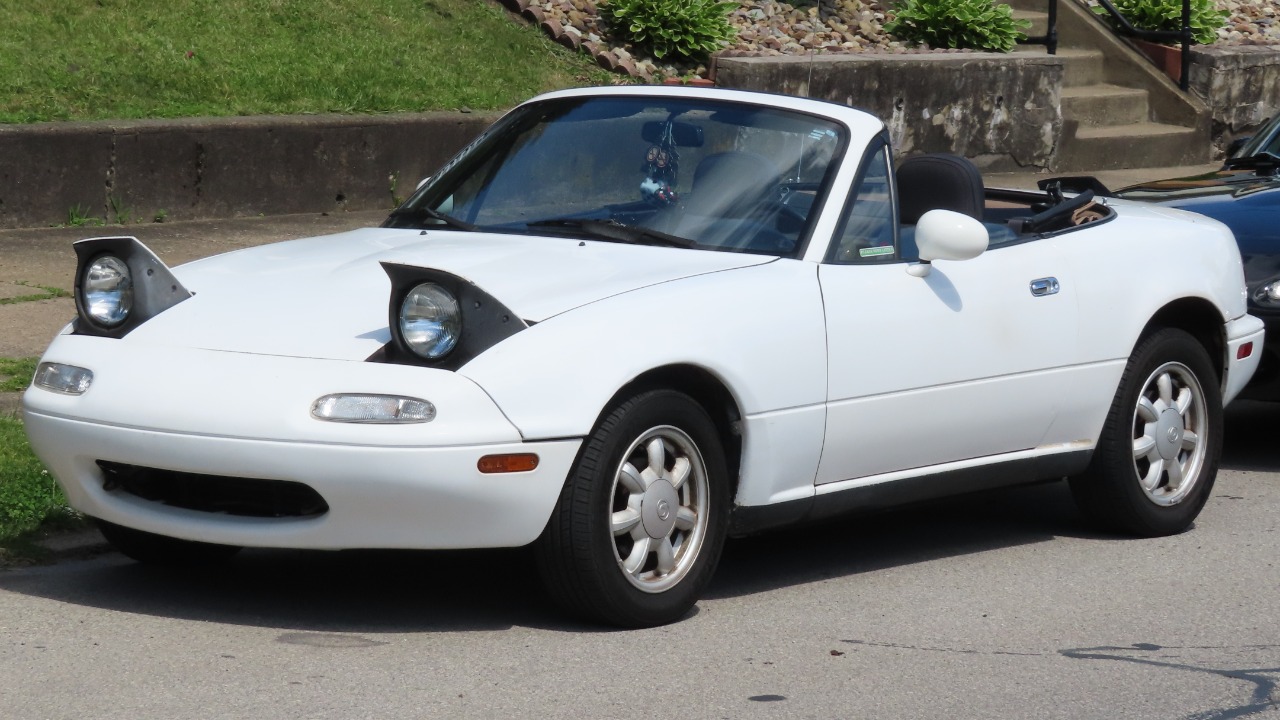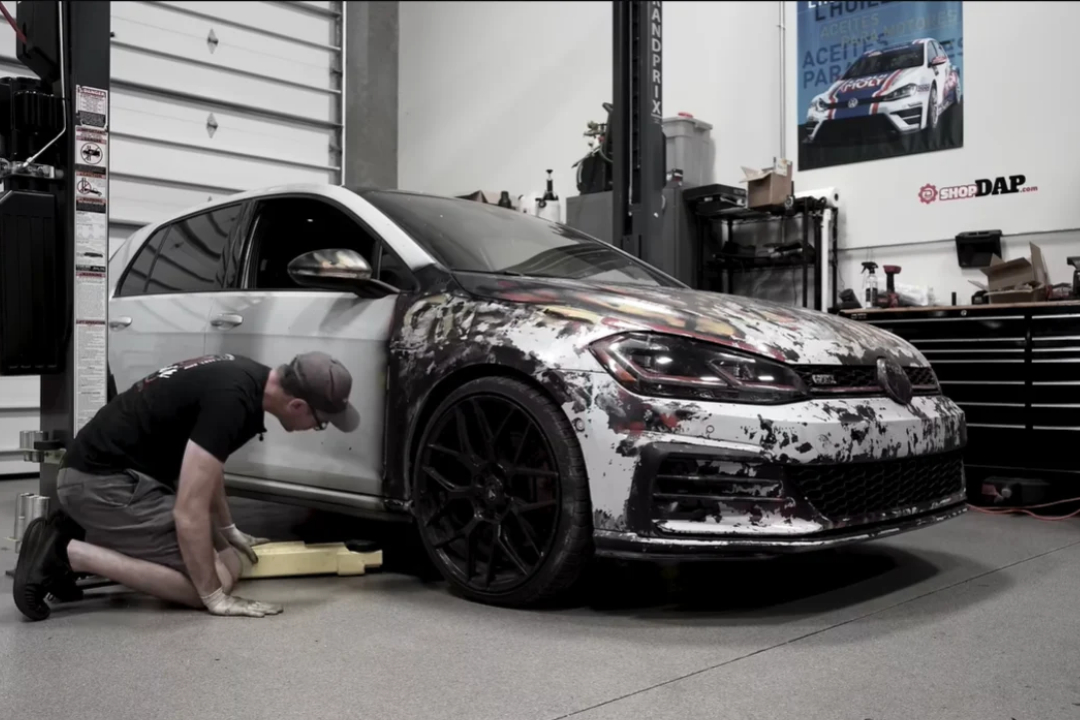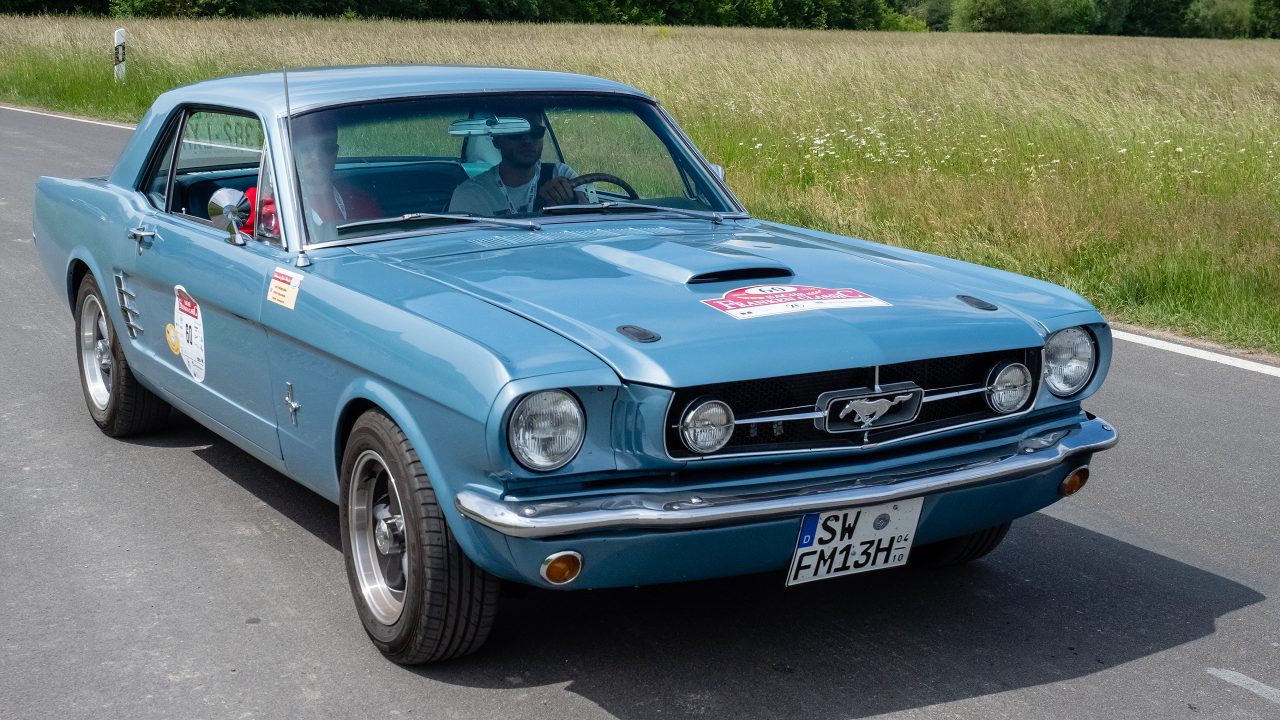
Car culture in the United States and Europe showcases distinct characteristics, reflecting differences in geography, history, and societal values. These variations not only define how vehicles are manufactured and marketed but also influence driving habits, car preferences, and the role of cars in daily life. Understanding these differences provides insight into the broader cultural dynamics at play on both sides of the Atlantic.
Historical Influences on Car Culture
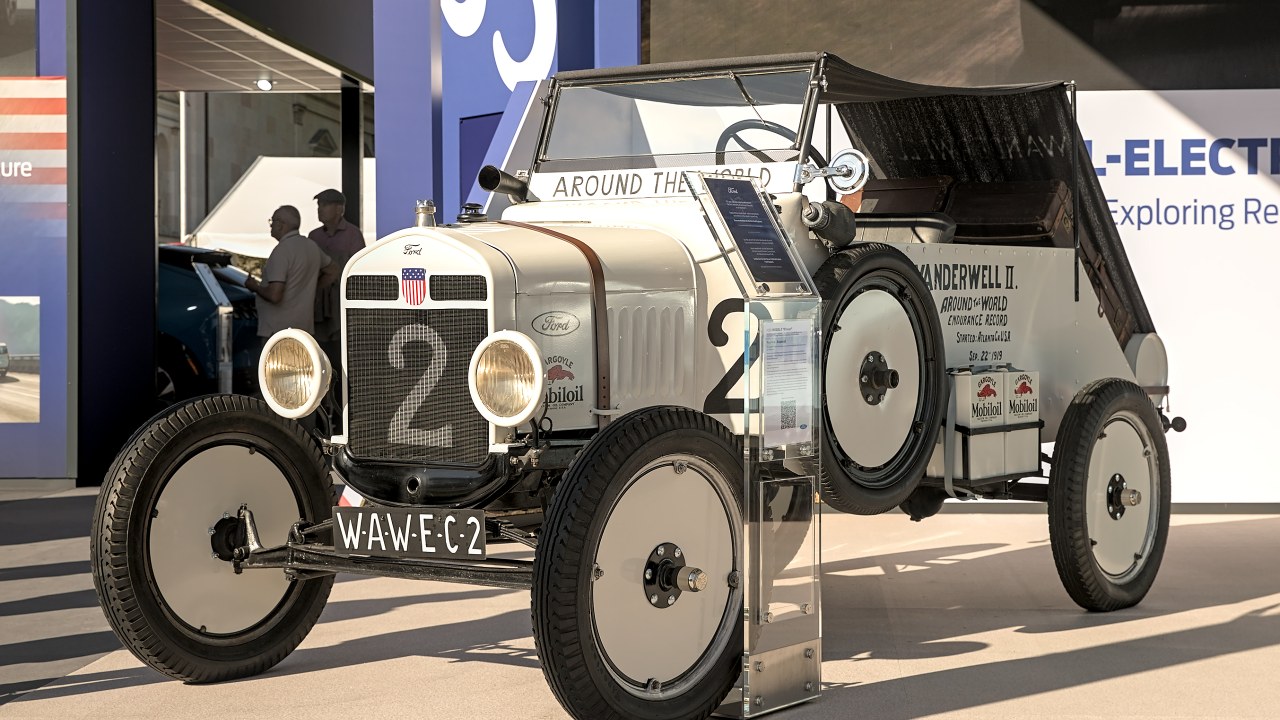
The origins of the automobile industry in the United States and Europe have significantly influenced their respective car cultures. In the U.S., the mass production techniques pioneered by Henry Ford in the early 20th century made cars affordable for the average American, leading to widespread car ownership. This democratization of car ownership fostered a culture where cars became integral to personal freedom and mobility. In contrast, European car manufacturers, such as Mercedes-Benz and Peugeot, focused on engineering precision and luxury, which shaped a culture that values craftsmanship and innovation.
Post-World War II economic conditions further shaped car culture in both regions. In the U.S., the economic boom and suburban expansion led to a surge in car ownership, with the automobile becoming a symbol of prosperity and the American Dream. Meanwhile, in Europe, the war’s aftermath necessitated rebuilding efforts, and cars were often seen as a luxury. The focus was on producing smaller, more economical vehicles that could navigate the narrower streets of European cities.
Urbanization has also played a crucial role in shaping car culture. In the U.S., the development of sprawling cities and the interstate highway system encouraged the use of cars for long-distance travel and daily commutes. Conversely, Europe’s older cities, with their dense layouts and extensive public transportation networks, have limited the need for car ownership, fostering a culture that often prioritizes public transit and walkability over driving.
Driving Habits and Preferences
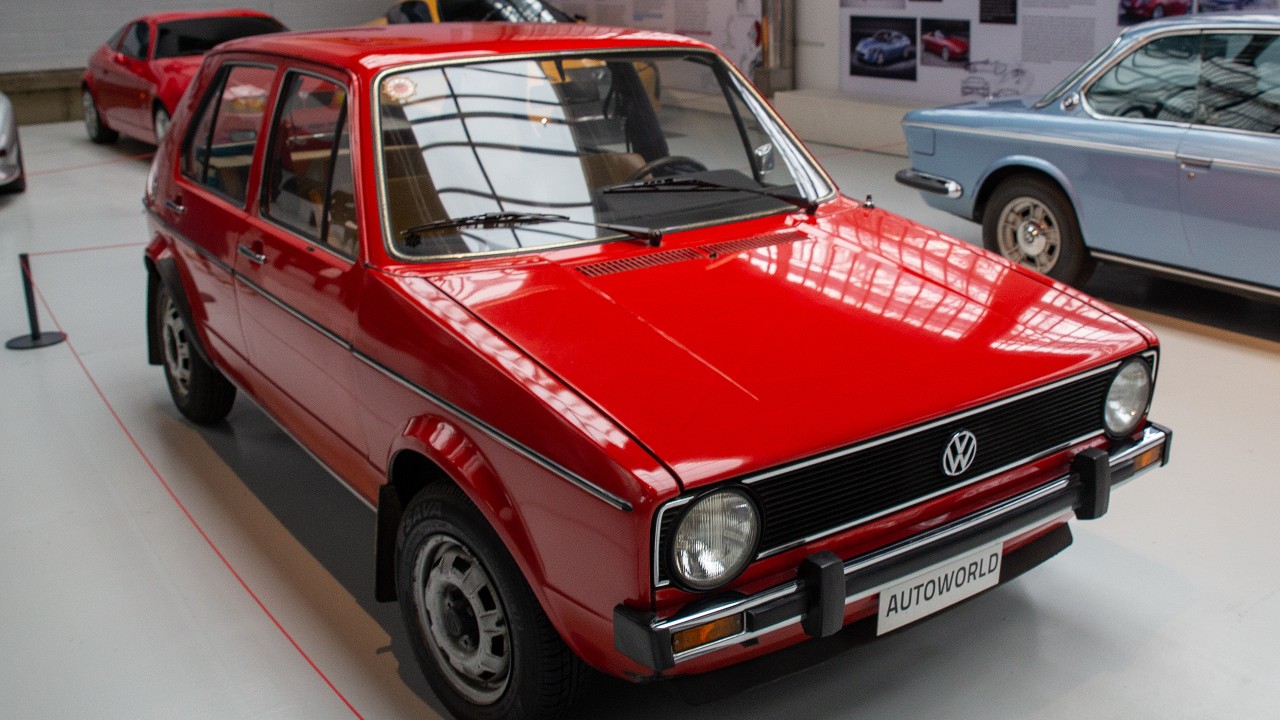
One of the most noticeable differences in driving habits between the U.S. and Europe is the preference for vehicle size and type. Americans tend to favor larger vehicles, such as SUVs and trucks, which are well-suited for the country’s expansive roadways and varied terrains. In contrast, Europeans generally prefer smaller, more fuel-efficient cars that are easier to maneuver through narrow city streets and are more economical to operate.
The choice between manual and automatic transmissions also highlights cultural differences. In Europe, manual transmissions are more common, partly due to their fuel efficiency and lower cost. Many drivers learn to drive on manual cars, and the skill is often seen as a rite of passage. In the U.S., automatic transmissions dominate the market, offering convenience and ease of use, which aligns with the American preference for comfort and simplicity in driving.
Driving regulations and practices further illustrate these cultural distinctions. European countries typically have stricter driving laws, including lower speed limits and rigorous driver training programs. These regulations reflect a focus on safety and environmental concerns. In contrast, the U.S. has more lenient speed limits and driving requirements, which can be attributed to the country’s vast landscapes and the cultural emphasis on individual freedom.
Environmental Concerns and Innovations
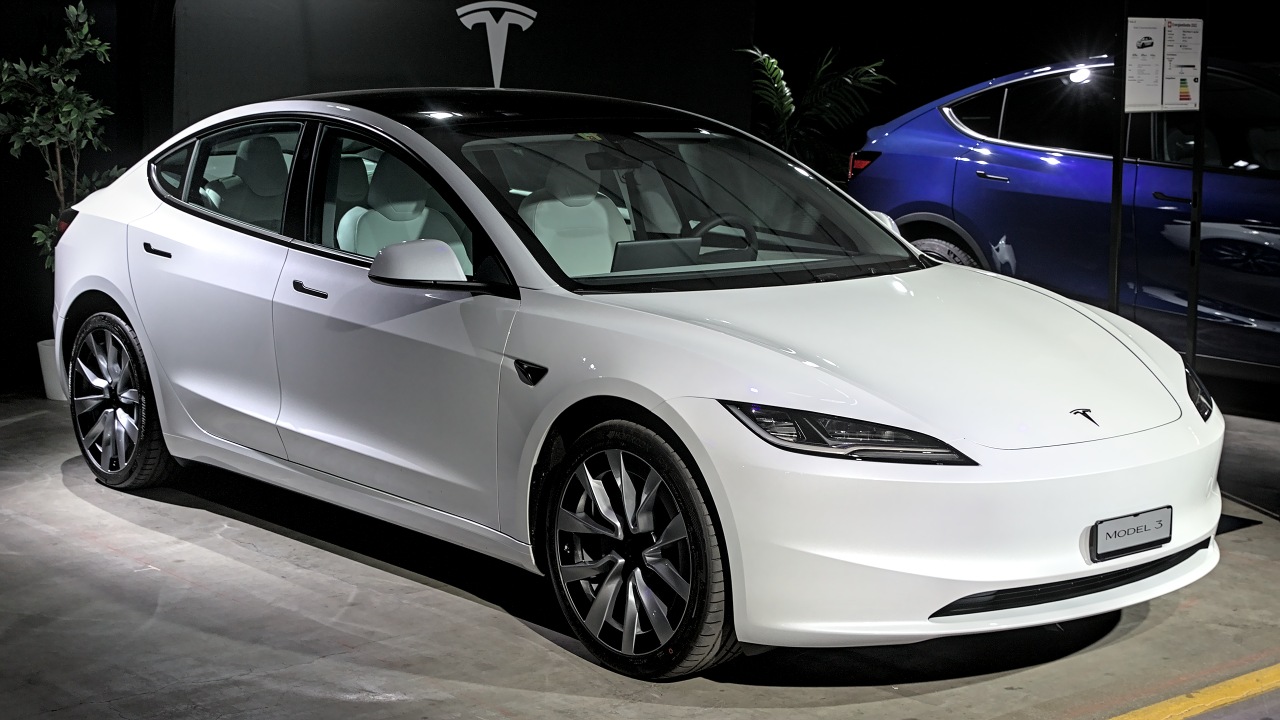
Environmental concerns have significantly influenced car culture in Europe, where stricter emissions standards have driven innovation in car design and manufacturing. European regulations, such as the Euro 6 emissions standard, have pushed manufacturers to develop cleaner, more efficient vehicles. This focus on sustainability has led to advancements in hybrid and electric vehicle technology, with brands like Tesla and BMW leading the charge.
The adoption of electric vehicles (EVs) varies between the U.S. and Europe. European countries, particularly Norway and the Netherlands, have seen higher adoption rates, supported by government incentives and a strong commitment to reducing carbon emissions. In the U.S., while EV adoption is growing, it is more concentrated in states like California, where environmental policies and incentives are more robust.
Public transportation integration also impacts car culture and environmental policies. In Europe, the extensive and efficient public transportation networks reduce the reliance on cars, encouraging a more sustainable lifestyle. Cities like Paris and Berlin offer comprehensive transit systems that make car ownership less necessary. In contrast, many American cities lack such infrastructure, making cars a more essential part of daily life and contributing to higher per capita vehicle emissions.
Cultural Attitudes and Lifestyle
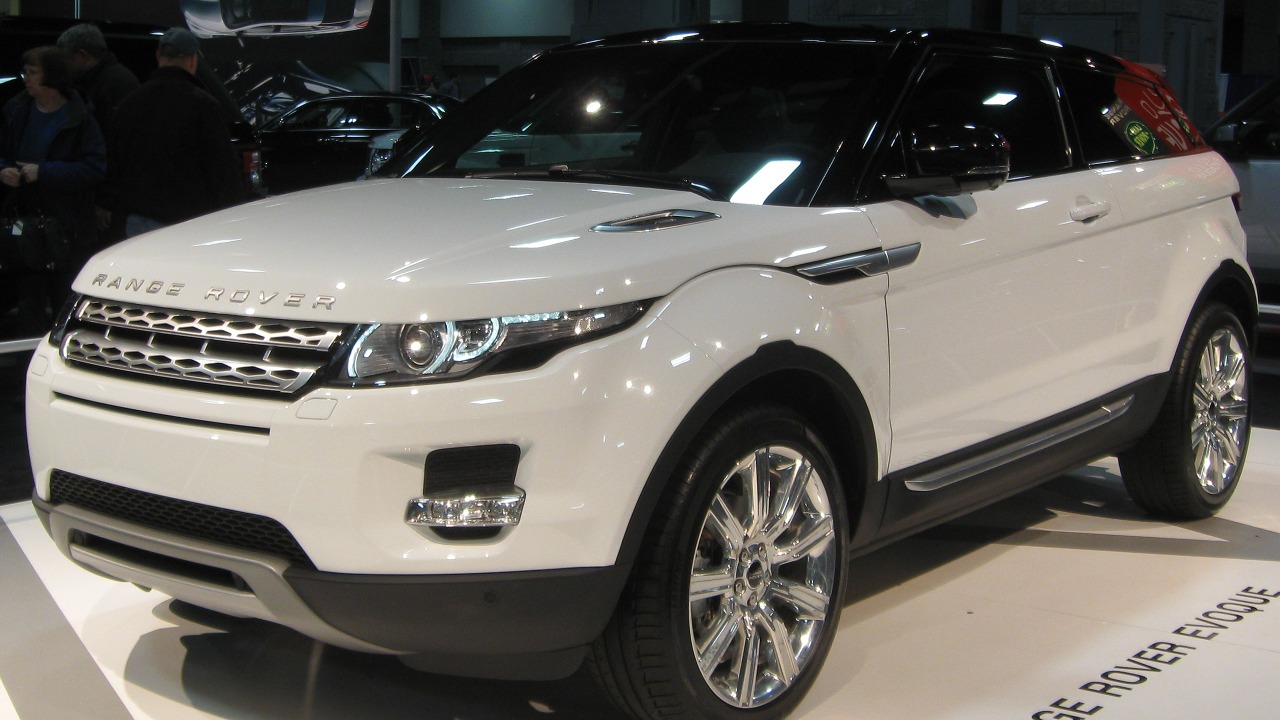
Car ownership as a status symbol varies between the U.S. and Europe. In the United States, owning a car, especially a luxury or high-performance model, is often seen as a reflection of personal success and status. This perception is reinforced by the country’s car-centric culture and the importance placed on individualism. In Europe, while cars can also be status symbols, there is a greater emphasis on practicality and environmental impact, with many people opting for smaller, more efficient vehicles.
Cars play a significant role in leisure and travel activities, with notable differences between the regions. In the U.S., the concept of the road trip is deeply ingrained in the culture, with iconic routes like Route 66 symbolizing freedom and adventure. Cars are often used for long-distance travel and exploration. In Europe, cars are more commonly used for shorter weekend getaways, with many people taking advantage of the continent’s diverse landscapes and historic sites within a few hours’ drive.
Social and family dynamics also influence car culture. In the U.S., cars are often seen as extensions of the home, providing space for family activities and social interactions. The prevalence of larger vehicles accommodates this lifestyle. In Europe, where public transportation is more integrated into daily life, cars are less central to family and social activities, with many people relying on trains and buses for commuting and travel.
Economic and Market Factors
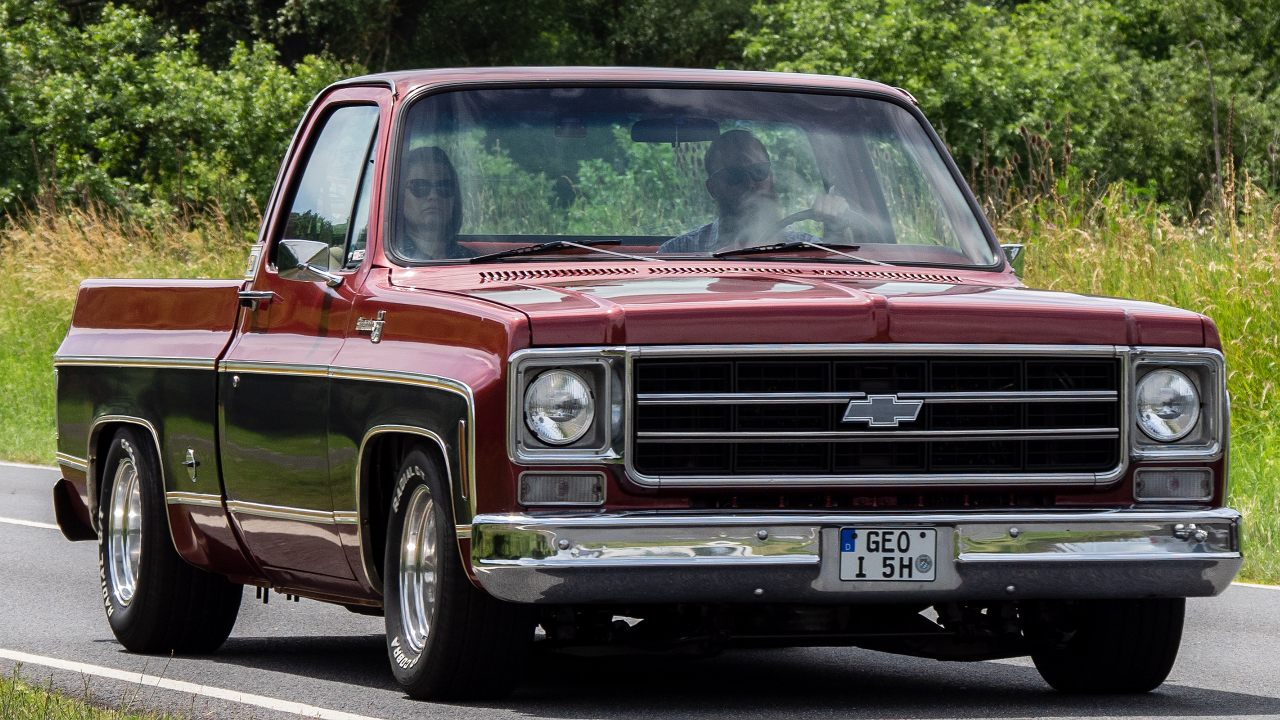
Car market dynamics differ significantly between the U.S. and Europe, influenced by brand preferences and the presence of domestic versus foreign manufacturers. In the U.S., American brands like Ford, Chevrolet, and Tesla dominate the market, reflecting a preference for domestic products. In Europe, the market is more diverse, with strong competition from both domestic brands like Volkswagen and international manufacturers such as Toyota and Hyundai.
Fuel costs and consumption play a crucial role in shaping car preferences and usage. European countries typically have higher fuel prices due to taxes aimed at reducing consumption and encouraging environmental responsibility. This has led to a preference for fuel-efficient vehicles and alternative energy sources. In the U.S., lower fuel prices have historically supported the popularity of larger, less efficient vehicles, although recent trends show a growing interest in fuel economy and sustainability.
Economic policies and conditions also impact the car industry and consumer behavior. In Europe, government policies often prioritize environmental sustainability and innovation, providing incentives for electric vehicles and investments in public transportation. In the U.S., economic policies have traditionally focused on supporting the domestic auto industry and maintaining affordable fuel prices, although there is increasing attention to environmental concerns and the promotion of green technologies.
Like Fast Lane Only’s content? Be sure to follow us.
Here’s more from us:
*Created with AI assistance and editor review.