South America, often celebrated for its vibrant culture and breathtaking landscapes, is also home to a unique chapter in automotive history: performance cars that have largely remained under the radar. While global giants like Ferrari and Porsche dominate the headlines, South America has produced its own share of thrilling, high-performance vehicles. Some of the most intriguing and forgotten performance cars from this diverse continent deserve a closer look.
Historical Context of South American Automotive Industry
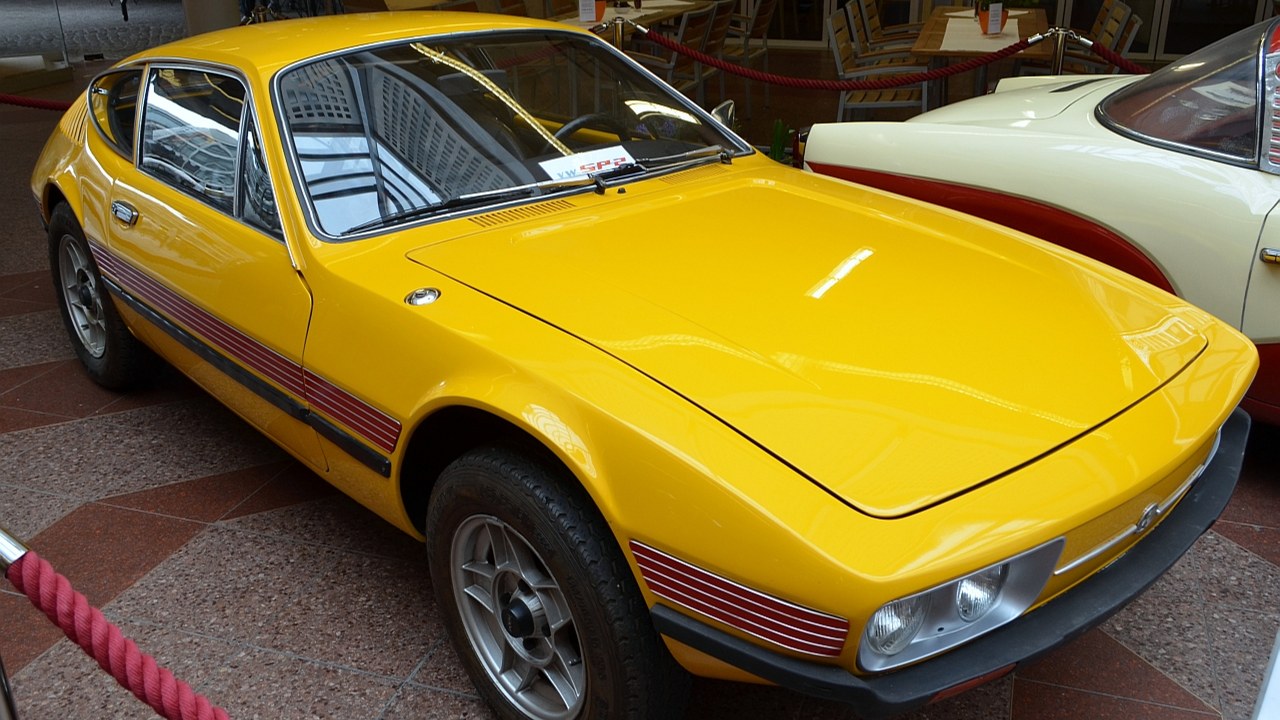
The automotive industry in South America began to take shape in the mid-20th century, driven by a mix of local entrepreneurship and international influence. Countries like Brazil and Argentina emerged as key players, with local manufacturers and subsidiaries of international companies setting up production facilities. The region’s automotive landscape was shaped by a combination of economic policies aimed at industrialization and the availability of raw materials, which encouraged the growth of local car manufacturing.
Economic and political factors played a significant role in shaping the automotive industry in South America. Import substitution policies, which aimed to reduce dependency on foreign goods, led to the establishment of local manufacturing plants. Additionally, political stability and economic growth in certain periods provided a conducive environment for the automotive sector to flourish. Collaborations between local companies and international automakers resulted in unique car designs that combined global engineering standards with local tastes and needs.
Key Forgotten Performance Models

The Puma GT, a Brazilian sports car produced from the 1960s to the 1970s, is a prime example of South America’s forgotten performance vehicles. Made from fiberglass, the Puma GT was lightweight and agile, capturing the spirit of the era with its sleek design and sporty performance. Despite its popularity in Brazil, the Puma GT never gained the international recognition it deserved, remaining a hidden gem among car enthusiasts.
Argentina’s Renault Torino is another noteworthy model that combined European design with South American flair. Based on the IKA Torino, the car was a product of a collaboration between Industrias Kaiser Argentina and Renault. The Torino gained a reputation for its racing pedigree, particularly in the 1969 Nürburgring 84-hour endurance race, where it showcased its durability and performance. Despite its success on the track, the Torino struggled to maintain its presence in the market amid economic challenges.
The Santa Matilde, a Brazilian luxury sports car, aimed to rival international brands with its sophisticated design and powerful engine. Produced in the late 1970s and early 1980s, the Santa Matilde was equipped with a Chevrolet engine and offered a level of comfort and performance that was rare for South American cars at the time. However, limited production numbers and economic constraints led to its decline, leaving it as a collector’s item today.
Influence of Motorsports
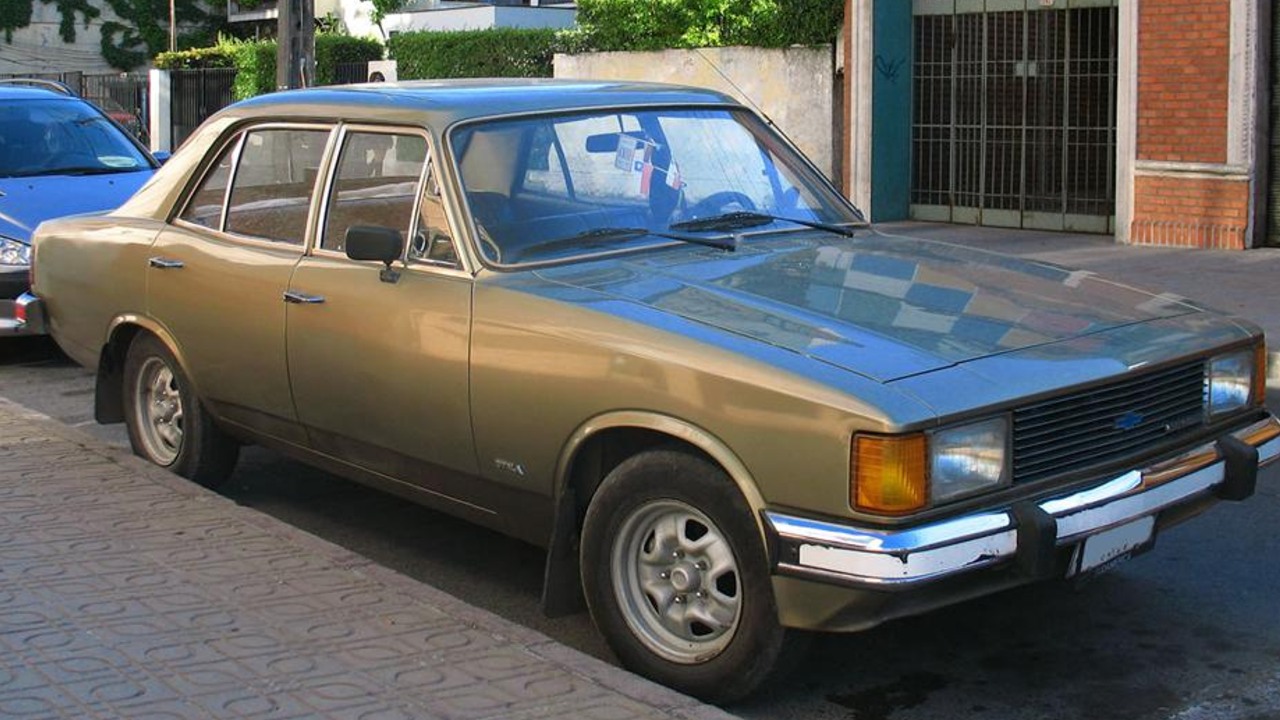
Motorsports played a crucial role in popularizing performance vehicles in South America. Local racing circuits and events provided a platform for manufacturers to showcase their cars’ capabilities, attracting a dedicated fan base. The success of South American drivers on the international stage further fueled interest in high-performance vehicles, inspiring local manufacturers to develop cars that could compete with global brands.
South American drivers have made significant contributions to the motorsport world, with legends like Juan Manuel Fangio and Ayrton Senna becoming household names. Their achievements not only brought attention to the region’s talent but also highlighted the potential of South American engineering. Innovations developed for motorsport often found their way into consumer car designs, enhancing performance and reliability.
Challenges and Decline
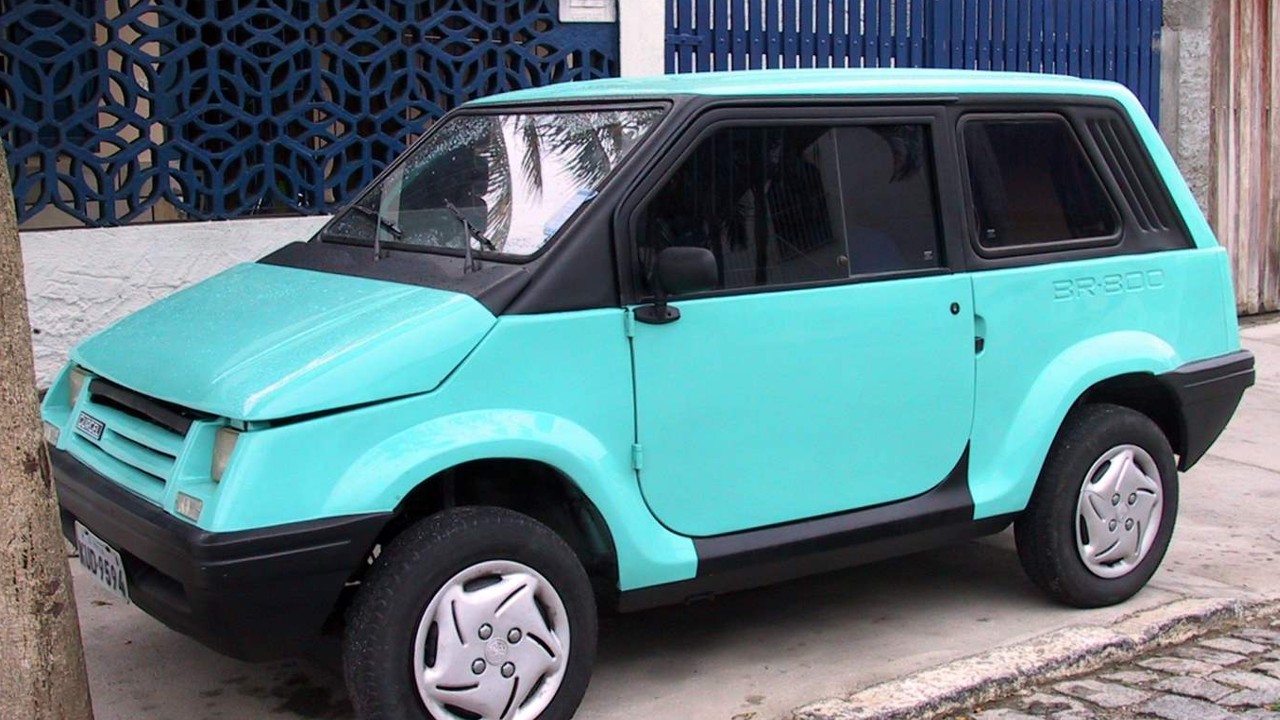
The decline of South America’s performance car industry can be attributed to several factors, including economic downturns and increased competition from imported vehicles. As economies in the region faced challenges, niche car manufacturers struggled to sustain production and innovation. The influx of affordable and reliable imported cars further eroded the market share of local performance models.
Additionally, the struggle to meet international safety and emissions standards posed significant challenges for South American manufacturers. As global regulations became more stringent, many local companies lacked the resources to adapt, leading to a decline in production and innovation. Changing consumer preferences, with a growing demand for practical and fuel-efficient vehicles, also contributed to the decline of performance car manufacturing in the region.
Legacy and Revival
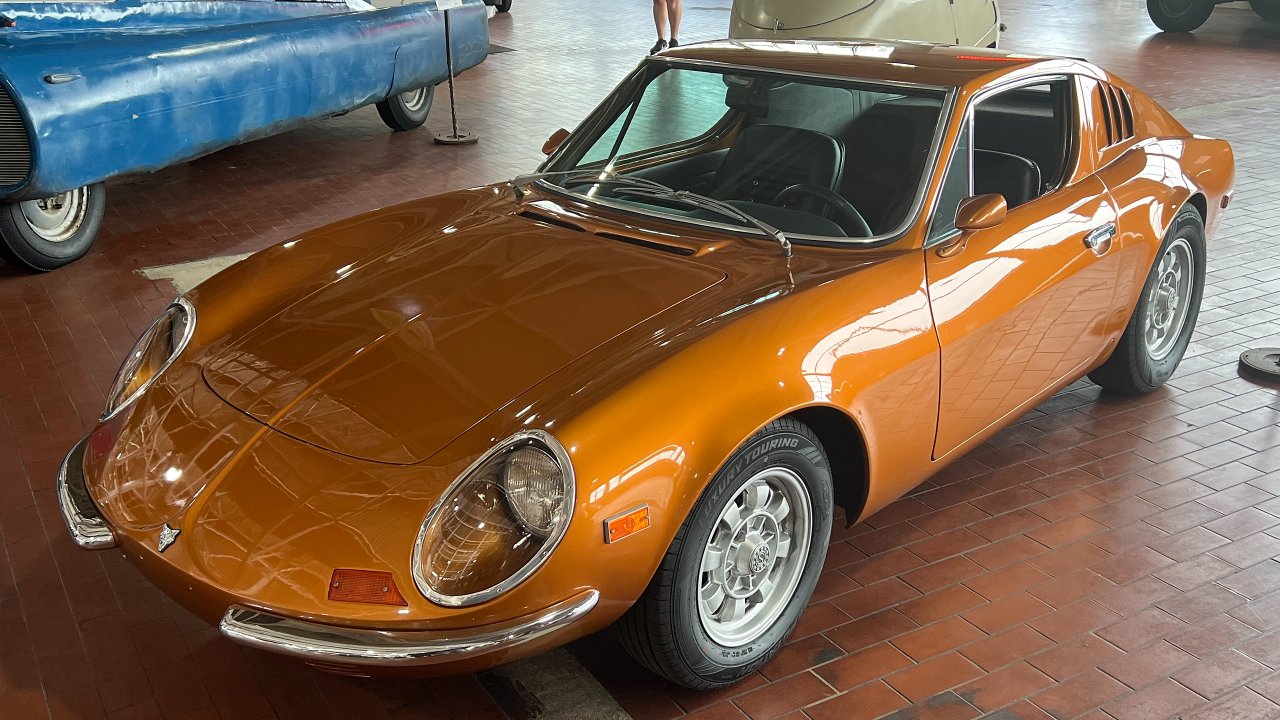
Despite the challenges faced by South America’s performance car industry, these forgotten models have developed a cult following among enthusiasts. Preservation efforts by collectors and car clubs have helped keep the legacy of these vehicles alive, with many restored models showcased at automotive events and exhibitions. The passion for these cars is evident in the dedication of those who work tirelessly to maintain and restore them.
In recent years, there have been modern initiatives and startups aiming to revive the spirit of South American performance cars. These efforts focus on blending classic design elements with modern technology to create vehicles that pay homage to their predecessors while meeting contemporary standards. Social media and digital communities have played a significant role in connecting enthusiasts and promoting these revival efforts, ensuring that the legacy of South America’s performance cars continues to thrive.
Like Fast Lane Only’s content? Be sure to follow us.
Here’s more from us:
*Created with AI assistance and editor review.