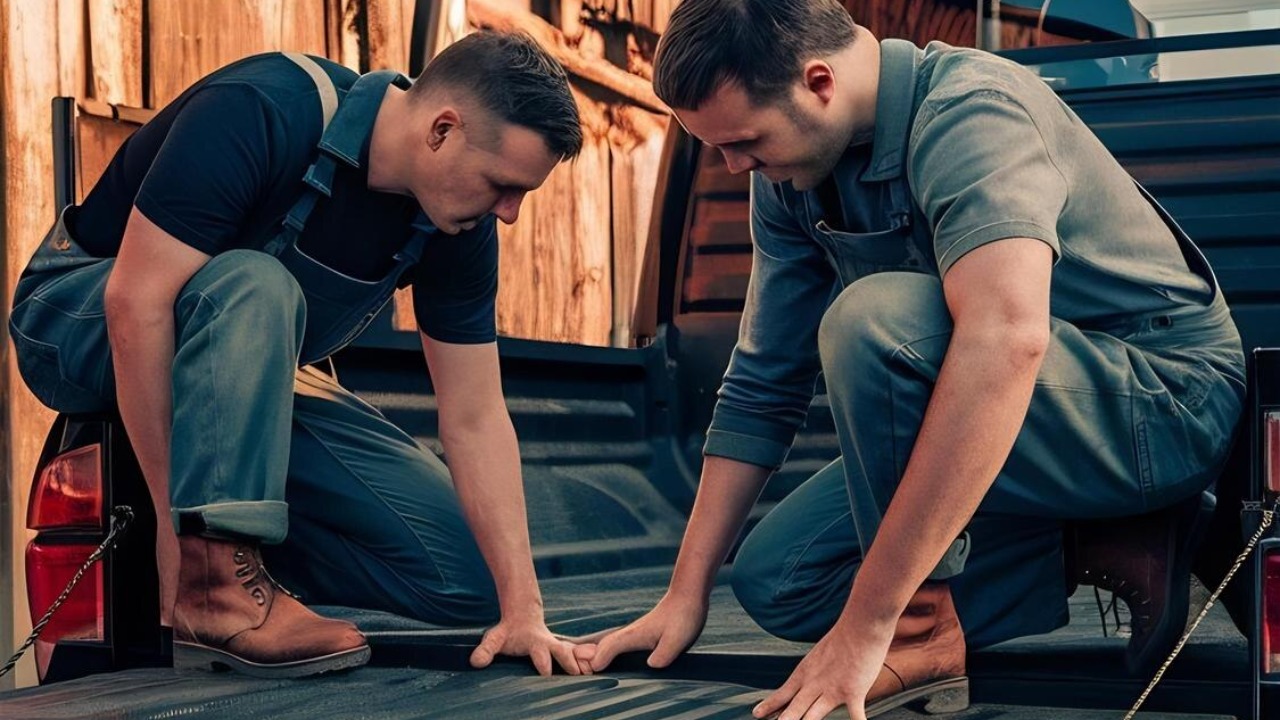
In a quiet neighborhood where the biggest drama is usually whose trash can rolled into whose driveway, one man says he’s hit a surprisingly stressful snag: his neighbor won’t stop asking to borrow his classic truck. At first, it sounded like the kind of neighborly favor that builds trust and maybe earns you a plate of cookies later. But now, after repeated requests for “just one more project,” he says he feels stuck in a loop of saying no, feeling guilty, and bracing for the next ask.
“It’s not that I don’t want to help,” he told friends, describing the truck as a long-time passion project and a piece of personal history. “It’s that every time I say yes, it turns into something bigger, messier, and riskier than what I agreed to.” He says the requests keep coming anyway, and the friendly vibe has started to feel more like pressure.
A classic truck, a modern problem
The truck in question is the kind people slow down to look at—polished paint, clean lines, and the unmistakable charm of a vehicle that’s survived decades and still looks proud about it. The owner says he’s put years of work into it, plus the kind of money you don’t say out loud unless you’re among other classic car people who won’t judge you. It’s not just transportation; it’s a hobby, a stress reliever, and a little rolling time capsule.
That’s partly why lending it out doesn’t feel like loaning a rake or even a pickup from a rental place. A classic truck can be temperamental, parts can be hard to find, and a small scratch can turn into a weeks-long hunt for the right fix. “People see a truck and think, ‘Oh great, it hauls stuff,’” he said. “I see something I’ve spent years protecting.”
How the requests started—and why they haven’t stopped
According to the man, the first ask sounded reasonable: a quick run to pick up lumber for a home project. The neighbor was friendly, promised to be careful, and framed it like a one-time favor. The owner agreed, figuring it was a nice way to be supportive and keep the peace on the block.
But he says “one-time” quietly turned into “whenever you’re not using it,” and the projects kept getting bigger. Landscaping supplies, furniture pickups, debris runs—each request came with an upbeat tone that made it feel awkward to refuse. And once you’ve said yes a few times, saying no can feel like you’re changing the rules mid-game.
The hidden cost of being the “helpful neighbor”
On paper, it’s easy: if you don’t want to lend your truck, just don’t. In real life, it’s messier, because people don’t just borrow vehicles—they borrow your comfort level, your time, and your emotional energy. The man says he’s started timing his weekends around whether he’ll get asked again, or parking the truck out of sight so it’s not an obvious target.
He also worries about what happens if something goes wrong. Even a careful driver can get rear-ended, clip a mailbox, or misjudge a tight driveway. And when it’s your classic vehicle, the downside isn’t just an insurance claim; it’s the heartbreak of damage that might not be easily reversible.
Liability, insurance, and all the un-fun details nobody talks about
Experts and longtime car owners point out that loaning a vehicle can create a real tangle if there’s an accident. Depending on the state and the insurance policy, the owner’s insurance may be the first to pay, even if someone else was driving. That can mean rate increases, claim history issues, and a bunch of paperwork that lasts far longer than the neighbor’s “quick trip.”
Then there’s the reality that classic vehicles can have specialized coverage—agreed value policies, usage restrictions, or requirements about who can drive. If the truck is insured under terms meant for hobby use, frequent hauling for projects could raise questions if there’s ever a claim. In other words, the truck isn’t just a favor; it’s a financial risk with a steering wheel.
Why “no” feels harder than it should
The man says the toughest part isn’t refusing once—it’s refusing repeatedly without sounding cold. Each request arrives wrapped in friendliness, as if the neighbor assumes the answer should be yes by default. That kind of dynamic can make a person second-guess themselves, even when the boundary is completely reasonable.
There’s also a social fear that comes with living near someone: if you disappoint them, will it make things awkward at the mailbox? Will it turn into passive-aggressive lawn wars or weird silence at neighborhood gatherings? The man admits he’s not trying to start a feud; he just wants his truck to stop being treated like community equipment.
Small boundary shifts that can change the whole situation
Friends who’ve been in similar situations often suggest making the boundary clear and boring—no lengthy explanations that invite negotiation. A simple, steady line like, “I’m not lending the truck out anymore,” can work better than a detailed justification. The more reasons you give, the more openings someone may hear as a chance to problem-solve you into saying yes.
Some people also recommend swapping the “loan” for a more controlled offer of help, if the relationship matters and you genuinely want to keep things friendly. For example: “I can’t lend it, but I could help you pick that up for an hour on Saturday,” or “I’m happy to recommend a rental place that’s made for hauling.” It keeps goodwill intact without handing over the keys.
What neighbors say they hear when they keep asking
People who identify with the neighbor’s side—always building something, always needing a hand—say repeated requests can come from habit more than malice. If you’ve borrowed something once and it went fine, it’s easy to assume it’s an ongoing option. And if the owner seems reluctant but still agrees, the asker may read that as mild inconvenience rather than a real boundary.
That doesn’t make it okay, but it does explain why the asks can keep coming even when the vibe has changed. Sometimes the clearest kindness is clarity, because it prevents months of simmering resentment. It’s hard to fix a dynamic you’ve never named out loud.
A relatable standoff with a very American prop
The classic truck adds a certain sitcom energy to the whole thing—like the neighborhood’s unofficial “guy with a pickup,” except it’s a cherished vintage ride that deserves better than a week of mulch dust and paint cans. Still, the man’s frustration is pretty universal. Plenty of people know what it’s like to become the go-to person for favors, and then wonder how they ended up there.
For now, he says he’s leaning toward a firm, polite shutdown the next time the request comes in, ideally before the neighbor is standing there with a hopeful grin and a list of hardware store items. “I’d rather be mildly awkward for five minutes,” he said, “than anxious every weekend forever.”
And honestly, it’s hard to argue with that math—especially when the stakes include a classic truck, a neighbor with big project energy, and one set of keys that only belongs to one person.
More from Fast Lane Only