Sticker prices for full-size pickups have surged into luxury territory, yet many owners say the cabins feel anything but premium. As trucks crest $70,000, drivers are voicing frustration that the plastics, switchgear, and fit-and-finish do not match the payments they are signing up for. Their complaints point to a widening gap between the image of the modern “luxury truck” and the reality of cost cutting inside the doors.
The backlash is not just about aesthetics. Owners who use these vehicles for work and family duty argue that flimsy trim, rattling panels, and glitchy touchscreens undermine both durability and value. They see automakers chasing lifestyle buyers with chrome and screens while quietly shaving dollars off the parts that owners touch every day.
Luxury prices, budget plastics
Truck buyers who once expected bare-bones cabins now say that logic no longer applies when a pickup costs as much as a high-end SUV. Reviewers who walk through top trims like the Ram 1500 Limited describe rich leather and attractive color choices, yet they also point to areas where hard plastics and simple switchgear peek through the glamour. In one detailed look at a dark cherry red 2024 Ram 1500 Limited, the presenter praised the overall look but implicitly acknowledged that the truck is being sold as “American muscle” with a luxury sheen, which raises expectations for every surface the driver touches.
That tension is even clearer in electric models positioned as cutting edge. A review of the 2024 Ford F-150 Lightning noted that a midlevel configuration called The Flash has an interior that “isn’t quite as, uh, flashy” as higher F-150 trims, with fabric seats and a more basic ambiance despite the futuristic powertrain and the familiar 150 badge. When a truck marketed as a technological flagship still leans on modest materials, buyers paying premium prices understandably question where their money is going.
Owners call out cheap-feeling cabins
Frustration over interior quality is not limited to one brand. On enthusiast forums, long-time General Motors drivers have been blunt about what they see as a pattern of underwhelming cabins. One owner with an ATS sedan, hardly an entry-level product, agreed that the company’s interiors have felt subpar, even as newer generations move back toward physical buttons around their touchscreens. That kind of criticism from a loyal buyer base suggests that complaints about cheap-feeling plastics and awkward controls in GM trucks are part of a broader dissatisfaction with the corporate design language.
Similar disappointment surfaces among Toyota loyalists who expected bulletproof quality. In a Facebook group devoted to Toyota trucks, one owner contrasted the brand’s historic reputation for durability with the reality of a recent full-size model, writing that Toyota has shown it can build vehicles that last but that “This Tundra ain’t one of them.” The same post, which began with a plea to “Stop complaining about minor truck issues,” ultimately conceded that Unfortunately the current truck did not live up to the standard, a telling admission from someone inclined to defend the product.
Rattles, wear, and the sound of cost cutting
Beyond the feel of the plastics, owners are increasingly sensitive to noises and vibrations that suggest corners have been cut. A certified pre-owned listing for a 2021 GMC Yukon XL included a candid customer review titled Rattles, in which the writer, identified as By Nancy, described how the Back glass in the liftgate “rattles loudly, literally moving up and down” after only a short period of ownership. While the Yukon XL is an SUV, it shares components and assembly practices with GM’s truck line, and such complaints reinforce the perception that expensive vehicles are leaving the factory with basic refinement issues unresolved.
Truck shoppers swapping stories online also connect rising prices with a sense that they are paying more for less robustness. In a discussion about what happened to truck pricing, one commenter pointed to a GM pickup from the 2017 model year and argued that quality problems were baked in, starting a post with the blunt phrase Because it’s a gm product. Another user, describing the repair history, prefaced a list of fixes with By the time he was done, implying that the owner had to chase multiple issues that should not plague a modern, costly truck. When rattles and repairs become part of the ownership narrative, the perception of “cheap” interiors hardens quickly.
When image outpaces utility
Some critics argue that the core problem is not just materials, but the way modern pickups are conceived and marketed. A widely shared video essay laid out “7 shocking reasons” why high-end trucks have become poor value, noting that buyers are “paying a massive premium for this image,” in some cases “20 to $30,000. more than” a more basic configuration that can tow and haul just as well. The argument is that automakers are charging luxury-car money for cosmetic upgrades, large wheels, and tech packages, while the underlying work capability changes little.
That critique is echoed by reviewers who urge shoppers to avoid the newest model years if they care about value. In a strongly worded warning about the 2025 truck market, one commentator advised viewers to “stop” and “avoid all 2025” pickups, suggesting that 2024 is “probably where you want to go” if you must buy. The implication is that as prices climb and cost cutting creeps into interiors, the sweet spot for buyers may be slightly older models that combine proven hardware with cabins that have not yet been stripped of quality touches in the name of margin.
Showroom shock and shifting expectations
For many shoppers, the disconnect becomes clear the moment they step into a showroom. A Toyota owner who Went to the Harrisburg auto show described walking through displays from GMC, Chevrolet, and Ford, then ultimately deciding to pass on all of them for a Tundra. The account, shared in a group focused on Toyota Tundra Owner Satisfaction and Complaints, suggested that the domestic trucks did not justify their asking prices once the shopper sat inside and scrutinized the details. Even though the Tundra itself has drawn criticism, that decision underscores how interior impressions can override brand loyalty and spec sheets.
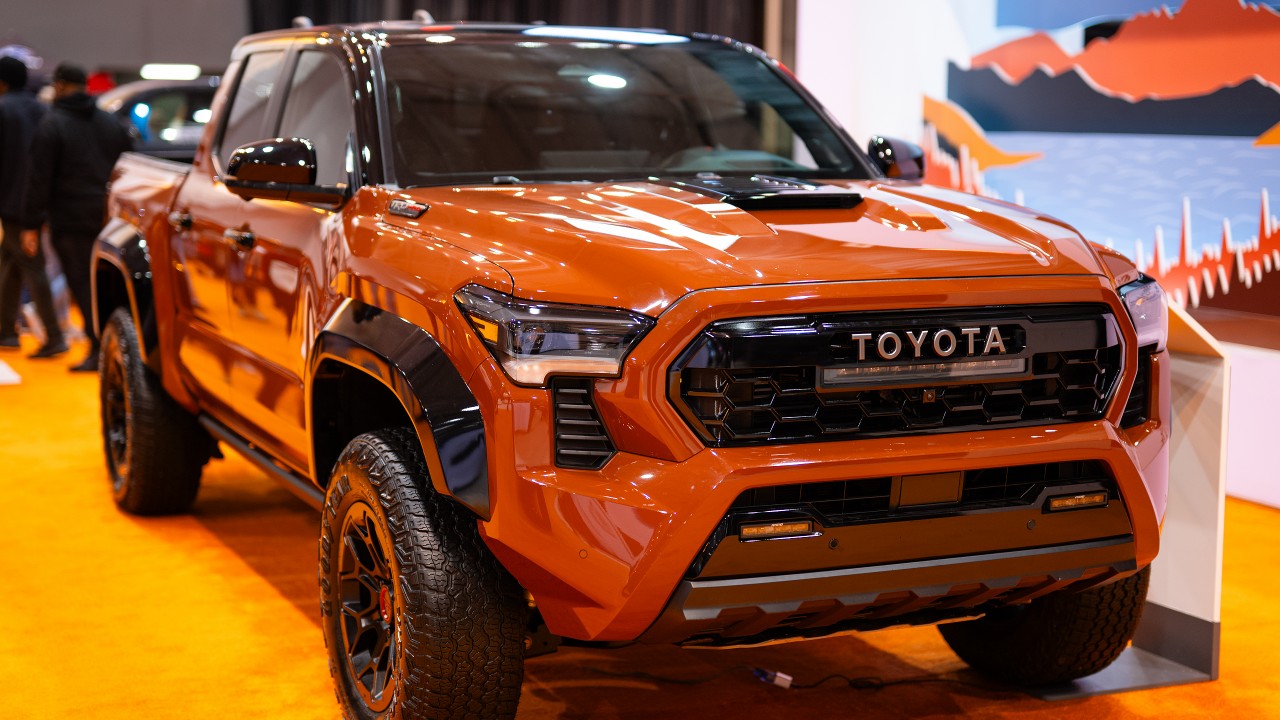
Compact and midsize trucks are not immune either. A discussion of The Unfortunate Truth About the All New 2024 Toyota Tacoma TRD Pro referenced a deep dive by Car Care Nut into the fourth generation Toyota Tacoma TRD Pro Ta, highlighting concerns about how the truck’s aggressive image and TRD branding intersect with real-world usability and perceived quality. When a halo model like the Toyota Tacoma TRD Pro draws scrutiny for the way its cabin and controls hold up to daily use, it reinforces the sense that marketing gloss has outpaced the practical needs of owners who expect their trucks to feel solid for a decade or more.
More from Fast Lane Only