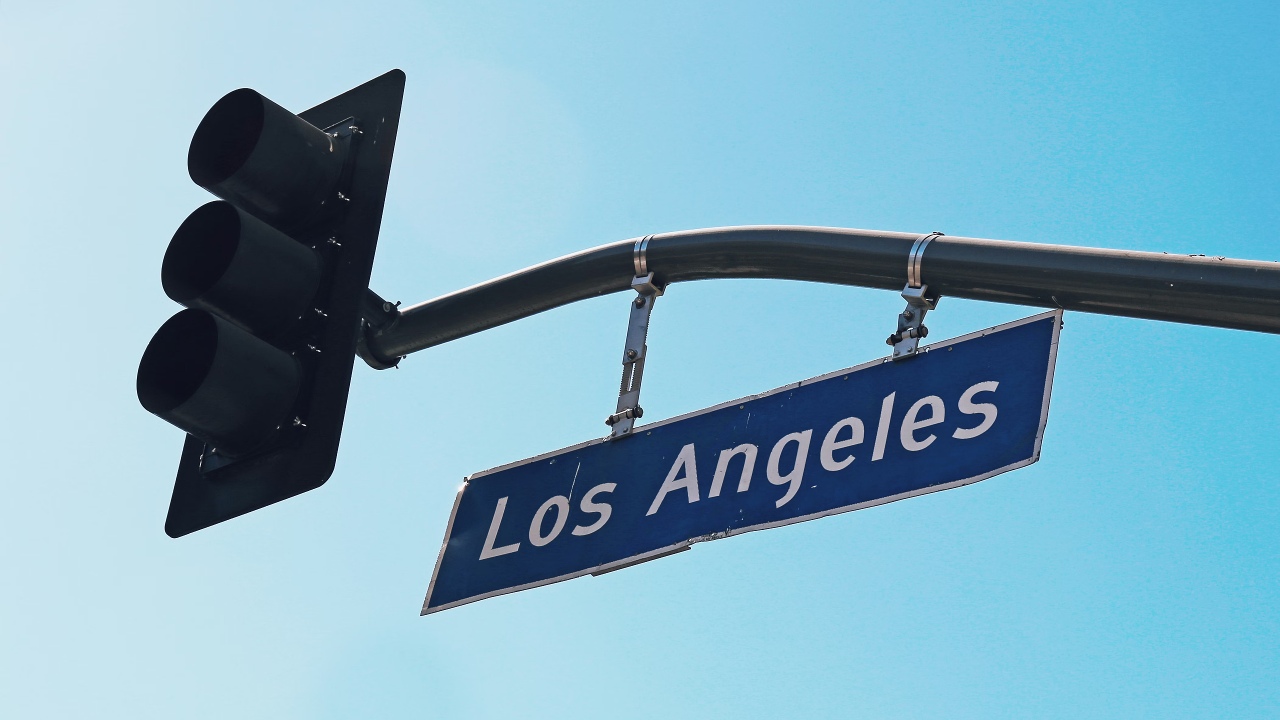
Los Angeles is preparing to flip the switch on a new era of traffic enforcement, one in which cameras, not patrol cars, will clock drivers and trigger fines in near real time. Backed by a California pilot program, the city’s automated speed system is designed to issue penalties almost as soon as a driver is caught going too fast, with escalating consequences for repeat or extreme violations. Supporters frame the move as a long overdue safety upgrade on some of the country’s deadliest streets, while critics warn of due process concerns, privacy risks, and the potential for disproportionate impacts on lower income residents.
The rollout places Los Angeles at the center of a broader shift in California traffic policy, as state leaders lean on automation to slow drivers without relying solely on traditional stops. With mailed civil tickets, tiered fines, and even possible license suspensions tied to camera data, the program will test whether technology can curb dangerous speeding without eroding public trust.
How California’s pilot opened the door for LA’s cameras
The legal foundation for Los Angeles’ new system rests on Assembly Bill 645, a state measure that authorized a limited group of cities to deploy automated speed enforcement as a pilot. AB 645, often referred to simply as 645, cleared the way for cameras to be installed on city streets and for citations to be issued based on those images rather than an officer’s roadside stop. State transportation officials describe the initiative as part of a broader effort to reduce severe crashes by targeting the kind of high speed driving that makes collisions far more likely to be fatal.
California Speed Camera Laws guidance notes that under this framework, several Active Cities, including San Francisco, Oakland, and San Jose, already have systems operating, with Los Angeles scheduled to launch in Fall 2026. The state’s own Speed Safety System timeline shows that 645 was signed into law in October 2023, followed by Planning and project approvals in 2024 and Early 2025 Development of the technology and procedures. That staged approach is meant to give local agencies time to select locations, test equipment, and set up back end processing before any tickets are mailed.
What “instant” automated enforcement will look like on LA streets
City transportation officials describe the new program as a Speed Safety System that will rely on fixed cameras to measure how fast vehicles are traveling at specific points, then automatically flag those that exceed posted limits by a set threshold. According to state level explanations of the broader rollout, California will begin issuing mailed civil tickets using red light and speed cameras under new laws that take effect Starting January 1, 2026, with Los Angeles among the first Cities to participate. Rather than waiting for an officer to write a citation, the system will capture the violation, match it to a vehicle’s registration, and generate a notice that arrives at the owner’s address.
Reporting on Los Angeles’ preparations emphasizes that the city intends to use the cameras in roughly a hundred and twenty five different places, focusing on corridors with a history of severe or fatal crashes. A widely shared breakdown of the new rules for Speeding in Los Angeles, California describes how the faster a driver goes, the faster a ticket is generated and routed into a separate processing system. From there, the citation is automatically sent to the Department of Motor Vehicles for review, a structure that allows penalties to escalate quickly based on speed and repeat behavior.
The fine structure, from $50 tickets to potential suspensions
The financial stakes for drivers are significant. Under the pilot, Fines start at $50 for lower level violations and rise to $500 for major violations, according to detailed explanations of the program’s penalty ladder. A separate public breakdown of the fine schedule for Los Angeles notes that going 11 to 15 miles per hour over the limit triggers a $50 citation, 16 to 25 miles per hour over results in a $100 penalty, and 26 to 99 miles per hour over leads to a $200 ticket. For drivers caught at 100 miles per hour over the limit, the fine can climb up to $500, reflecting the state’s view that extreme speeding presents an acute risk to public safety.
Those dollar amounts are only part of the picture. Under the same enforcement framework, the faster a driver goes, the faster the ticket is fast tracked into a separate system that automatically sends the case to the DMV, which then decides whether to suspend or revoke the driver’s license. That process is tied to another statute, Assembly Bill 289, which explicitly authorizes agencies to install automated speed enforcement Cameras in popular highway work zones and to route serious violations into a more aggressive review track. Together, 645 and 289 create a two tiered regime in which modest speeding results in civil fines, while the most dangerous behavior can cost a driver the legal right to be on the road at all.
From work zones to neighborhood streets: where cameras will appear
California’s embrace of automated enforcement is not limited to city arterials. A separate New California law for 2026 drivers explains that Starting January 1, 2026, speed cameras will be active in Caltrans highway work zones across the state, issuing tickets even without a traffic stop. That expansion reflects a long standing concern among transportation agencies that high speeds through construction areas put both workers and motorists at heightened risk. By pairing work zone cameras with the urban Speed Safety System, state leaders are betting that consistent, automated enforcement can change driver behavior across a wide range of settings.
Within Los Angeles itself, transportation planners have signaled that the first wave of cameras will be concentrated on streets with a history of severe crashes, often in neighborhoods that have long complained about dangerous cut through traffic. Public facing explanations of the program stress that Driving in Los Angeles is poised to change dramatically as the city moves forward with an automated speed enforcement system that can issue immediate penalties. Advocates argue that by focusing on documented high injury corridors, the city can maximize safety benefits while avoiding the perception that cameras are being used primarily as a revenue tool.
Support, backlash, and the question of fairness
Public reaction to the new enforcement regime has been intense. Social media posts aimed at CALIFORNIA DRIVERS frame the rollout as IMPORTANT information, warning that Automated speed cameras are officially arriving in 2026 and that anyone going 11 miles per hour or more over the limit can expect a ticket. One widely shared clip that drew 308 comments underscores how quickly the policy conversation has moved from abstract legislation to concrete worries about daily commutes, insurance costs, and the risk of sudden license suspensions. For many residents, the idea that a camera can trigger a fine without any interaction with an officer feels like a fundamental change in how the state polices its roads.
Supporters counter that the current system has failed to protect vulnerable road users and that automated enforcement, if carefully designed, can be more consistent and less biased than discretionary stops. They point to the structured fine ladder, the focus on high injury locations, and the use of mailed civil tickets rather than criminal charges as evidence that the program is calibrated toward safety rather than punishment. At the same time, civil liberties advocates and some defense attorneys warn that instant, camera based penalties risk eroding due process, particularly if drivers struggle to contest errors or if low income households are disproportionately hit with $100, $200, or $500 fines they cannot easily pay.
More from Fast Lane Only