Ford built about 2.6 million Fox-body Mustangs in 14 years, and the Mustang LX 5.0 became the cheap-thrills hero of that whole run. Those numbers help explain why so many old Mustangs are on the road today. When a car sells in the millions, the parts never really dry up.
Not every Mustang was built for the long haul, of course. Many were also raced, modified or neglected along the way. However, a handful of plain, honest versions have earned a reputation for shrugging off decades of daily use.
These nine are our picks for the Mustangs that seem built to keep going. The engines, years and production totals come from Ford’s published specs, market data and period records. Our durability verdicts, though, are opinion, based on simple mechanicals and a huge parts supply, not on any mileage claim.
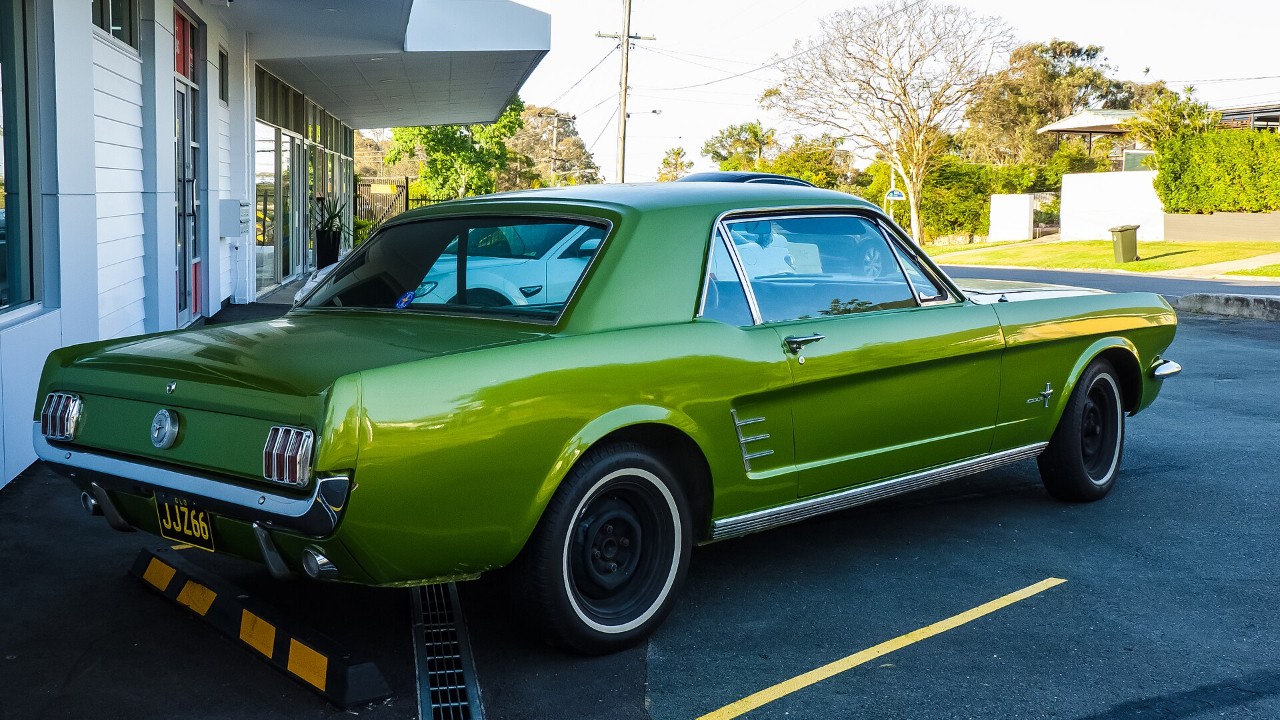
1. 1966 Ford Mustang 200 six coupe
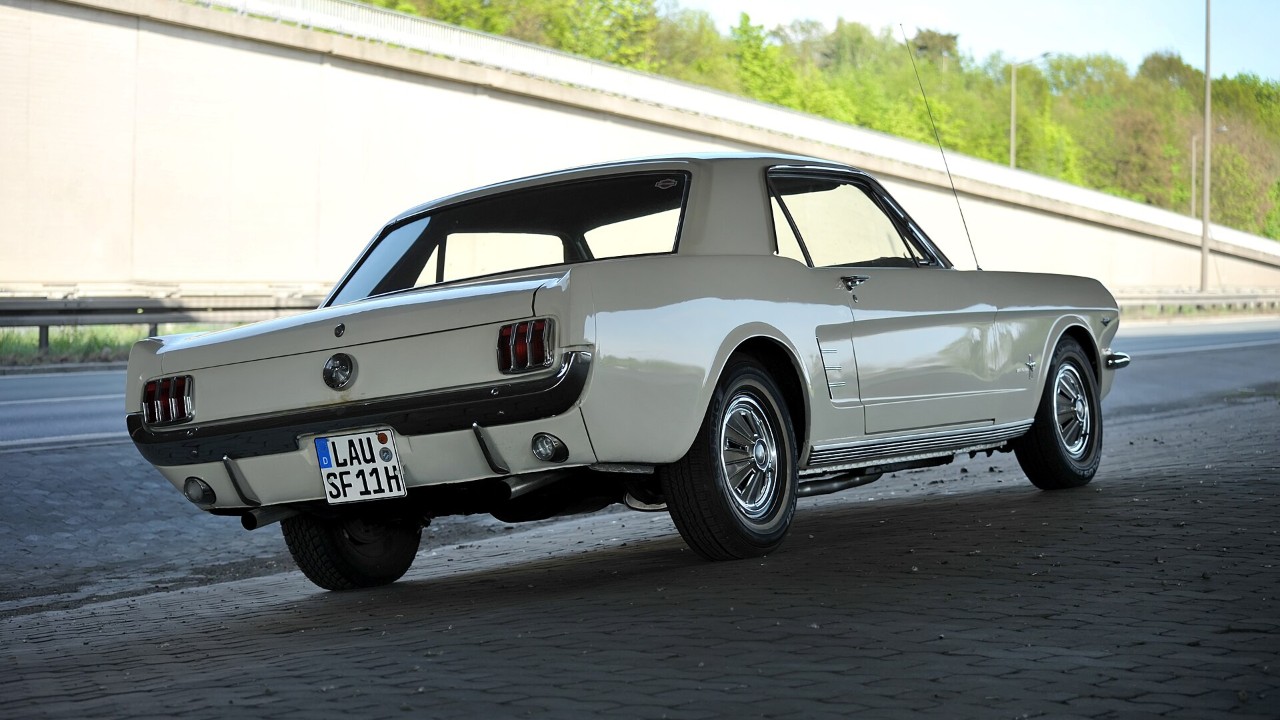
The six-cylinder coupe is the Mustang most people forget. Yet it was the backbone of the early car’s success. For 1966, Ford built 422,416 standard coupes out of a total of 607,568 Mustangs. Most of those coupes were plain, practical cars.
The base engine was a 200-cubic-inch inline six. It made 120 horsepower at 4,400 rpm and 190 lb-ft of torque at just 2,400 rpm. That is not a lot of power. On the other hand, we see it as a simple, low-stress engine with little to go wrong. For more on how the first cars took off, read how the 1965 Mustang sold out on day one.
A six-cylinder 1966 coupe will never win a drag race. Still, it gives you the full early-Mustang look, light steering and easy servicing at a fraction of a V8 car’s cost. In our view, it is the most sensible way into vintage Mustang ownership, and a good one will happily do weekend duty for years.
2. 1987 Ford Mustang LX 5.0

For 1987, Ford gave the Fox-body Mustang a facelift inside and out, and it dropped the turbocharged SVO. That left two models, the LX and the GT. The one we want is the plainer LX with the 5.0-litre V8.
That V8 now made 225 horsepower and 300 lb-ft of torque. Hagerty says a 1987 5.0 could run the quarter mile in the low 14-second range, which was fast for a car with a modest sticker price. Ford built 159,145 Mustangs that year, including 80,717 hatchbacks.
The Mustang LX 5.0 has another advantage that matters decades later. According to Hagerty’s report on the maturing Fox-body market, a massive, affordable aftermarket grew up to support these cars. That aftermarket is a big reason we think these cars are so easy to keep running. Our take: the 1987 LX 5.0 is the template for a Mustang you can keep alive on a budget, as long as you start with a clean, unmodified example.
3. 1993 Ford Mustang LX 5.0 hatchback
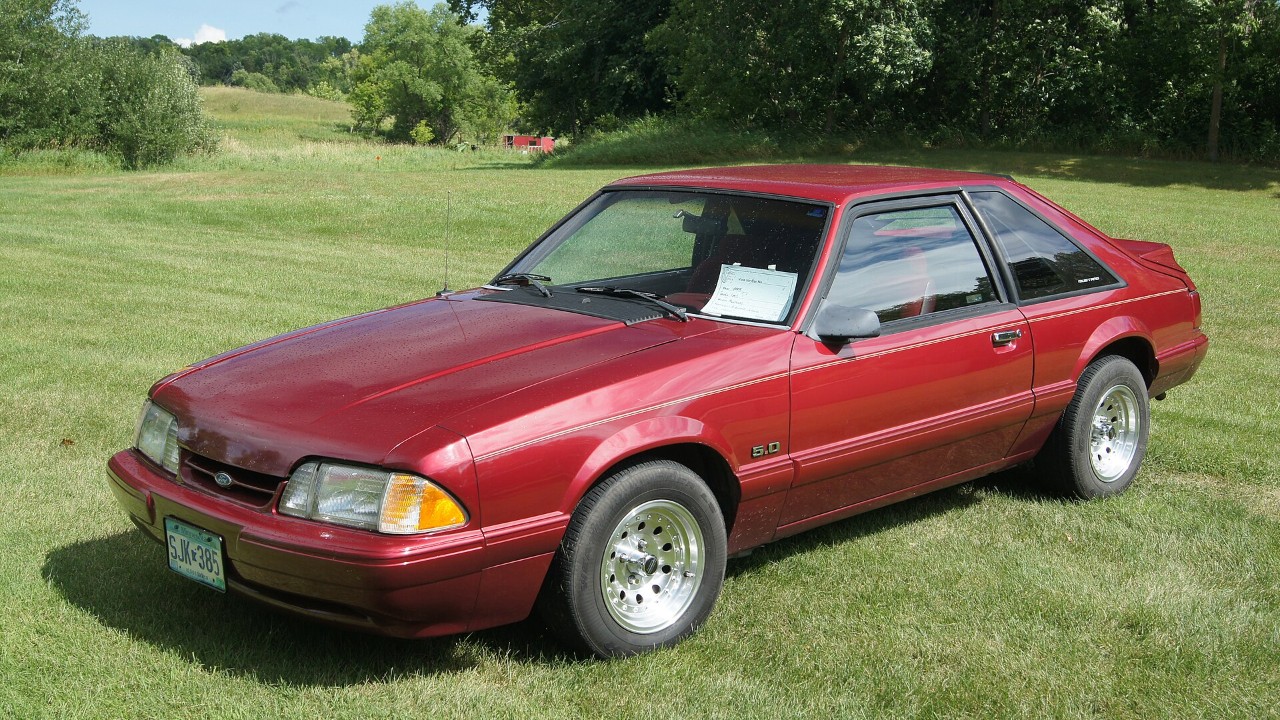
The 1993 car is the last of the Fox-body line. Production ended on August 26, 1993, and the hatchback was the most popular body that year, with 65,220 built. For 1993, Ford re-rated the 5.0 V8 at 205 horsepower and 275 lb-ft.
That lower number looks like a step back, but Hagerty calls it a paper rating. The engine did not lose real power, and the new SN95 that followed was rated at 215 horsepower. Meanwhile, 1993 cars also carried the mass-air fuel injection that Ford had added for 1989.
Values have climbed, too. In early 2024, Hagerty reported that a 1993 LX 5.0 with about 21,000 miles sold on Bring a Trailer for $25,200, while its #2 Excellent value sits at $28,100. In our view, a late LX hatchback is the best mix of Fox-body simplicity and refinement. If you find a clean one with records, it should keep running for as long as you care to drive it.
4. 1999 Ford Mustang GT 4.6
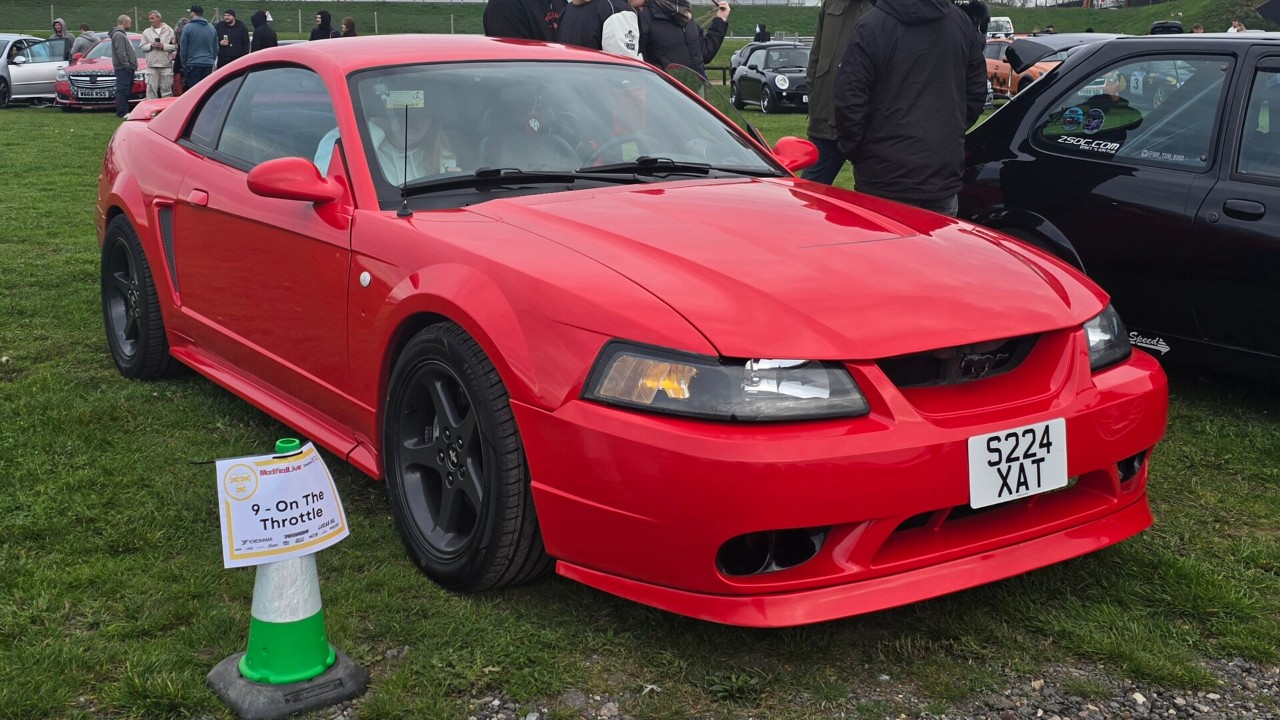
The 1999 GT is where the SN95 Mustang got sharper. Ford’s “New Edge” restyle gave it crisper lines, and production began in November 1998. All 1999 Mustangs except the Cobra also wore 35th Anniversary badges on their fenders.
More important was the engine. The GT’s 4.6-litre SOHC V8 now made 260 horsepower at 5,250 rpm. That was a big step up from the 215 horsepower of the earlier 4.6. As an overhead-cam design, it also has no pushrods at all.
Ford also offered a 35th Anniversary Limited Edition package on 2,318 GT coupes and 2,310 GT convertibles. Those are worth seeking out. However, the regular GT is the bargain here. Ford kept building this New Edge body until May 10, 2004, so you have plenty of years to choose from. Our take: the 1999 GT is the first modular-V8 Mustang that feels quick, and we think its plain, proven hardware makes it one of the safest older Mustangs to buy today.
5. 2005 Ford Mustang V6 Deluxe
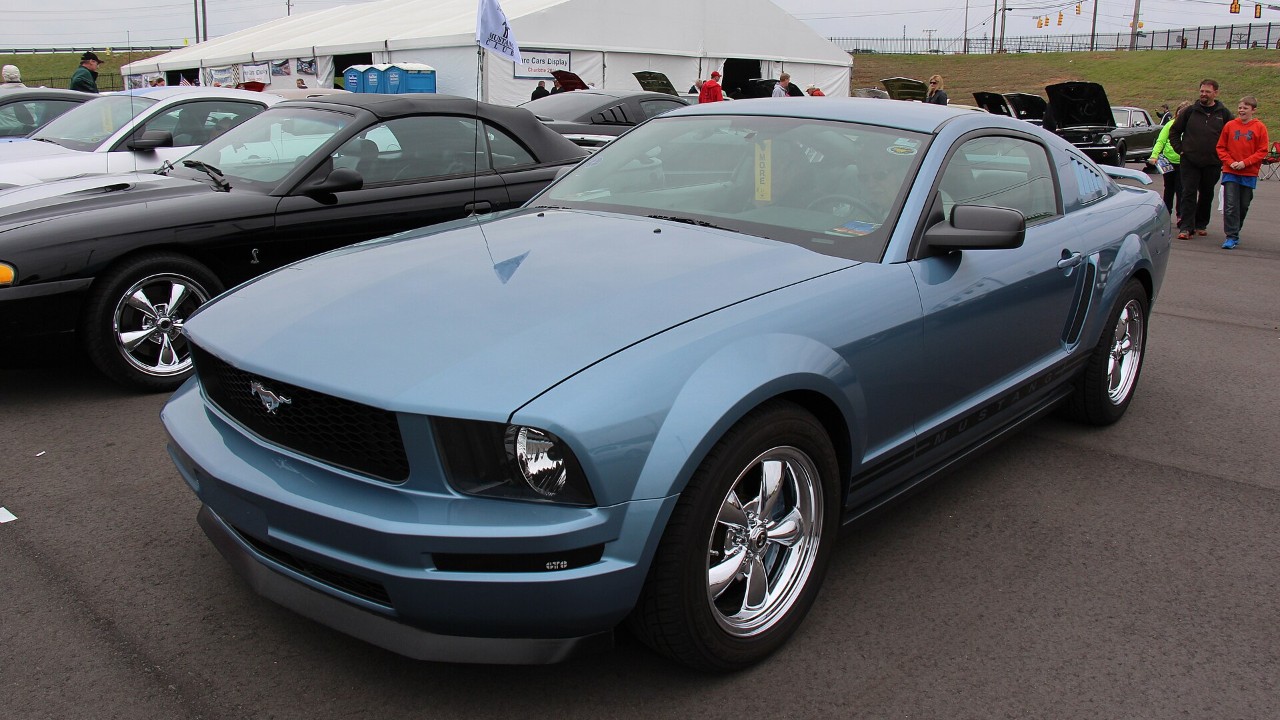
The 2005 Mustang was all new, built on Ford’s D2C platform at Flat Rock, Michigan. The first car left the line on September 27, 2004. Meanwhile, at the bottom of the range sat the V6 Deluxe, the base trim for the launch year.
Its engine was the cast-iron 4.0-litre Cologne SOHC V6. It replaced the old 3.8-litre Essex V6 and made 210 horsepower at 5,300 rpm, with 240 lb-ft of torque. That is plenty for daily driving. In addition, we like a cast-iron V6 for its toughness.
Later, in 2006, Ford slotted a V6 Standard model below it, priced $100 less, but dropped it after one year. Ford also sold these cars in huge numbers. The S197 generation reached 1,014,686 cars in the U.S. alone. As a result, used parts and repair know-how are everywhere. In our view, the V6 Deluxe is the unglamorous Mustang that will just keep commuting. It is also one of the cheapest ways to own the retro-styled generation.
6. 2008 Ford Mustang GT Premium
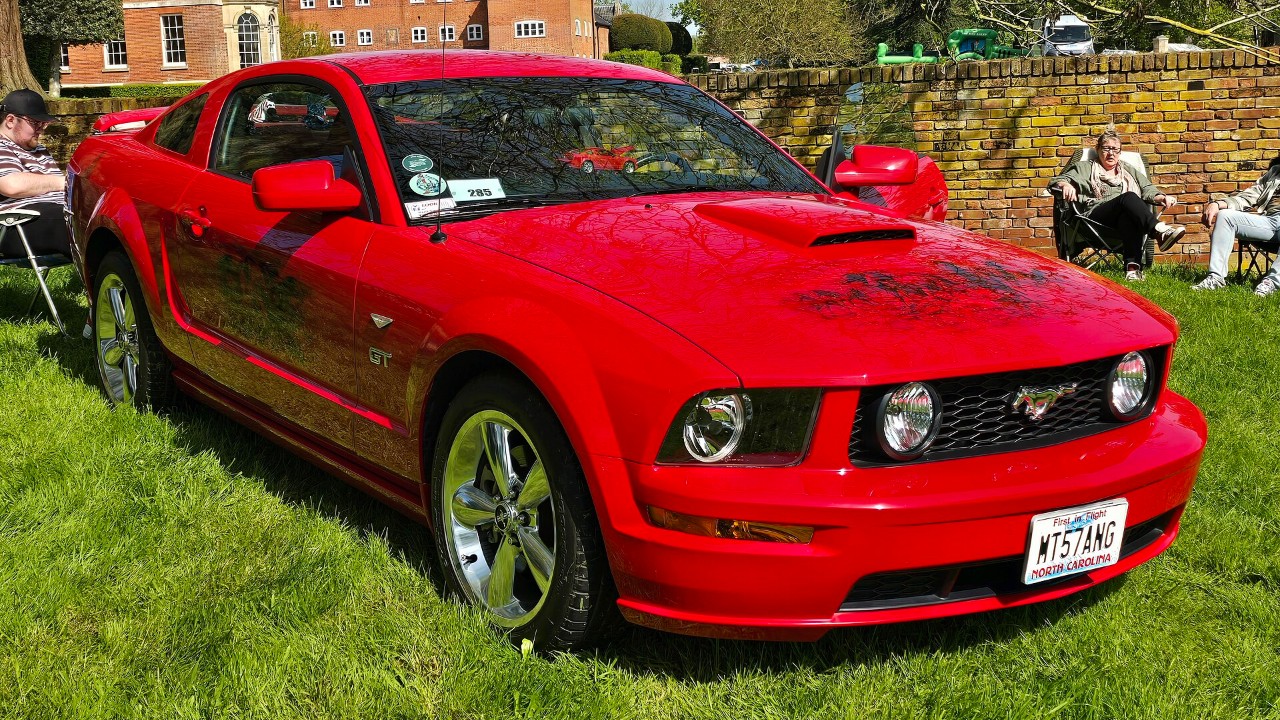
The 2008 GT came in two packages, Deluxe and Premium. According to MustangSpecs’ guide to the 2008 GT, the Premium added a Shaker 500 audio system with a six-disc changer and leather-trimmed sport bucket seats. It was also the only GT you could order with the California Special package.
Under the hood, however, both trims used the 4.6-litre three-valve V8. It made 300 horsepower at 5,750 rpm and 320 lb-ft of torque. A TR3650 five-speed manual was standard, and a five-speed automatic was optional. That mix of a proven V8 and a simple gearbox is why we like it.
In our view, the three-valve engine is a relaxed, low-stress V8. The rest of the car is also basic by modern standards. Our take: the 2008 GT Premium gives you real V8 muscle and a nice cabin without the electronic clutter of newer cars. Find one with service records, and it should reward you for a long time.
7. 1968 Ford Mustang 289 coupe
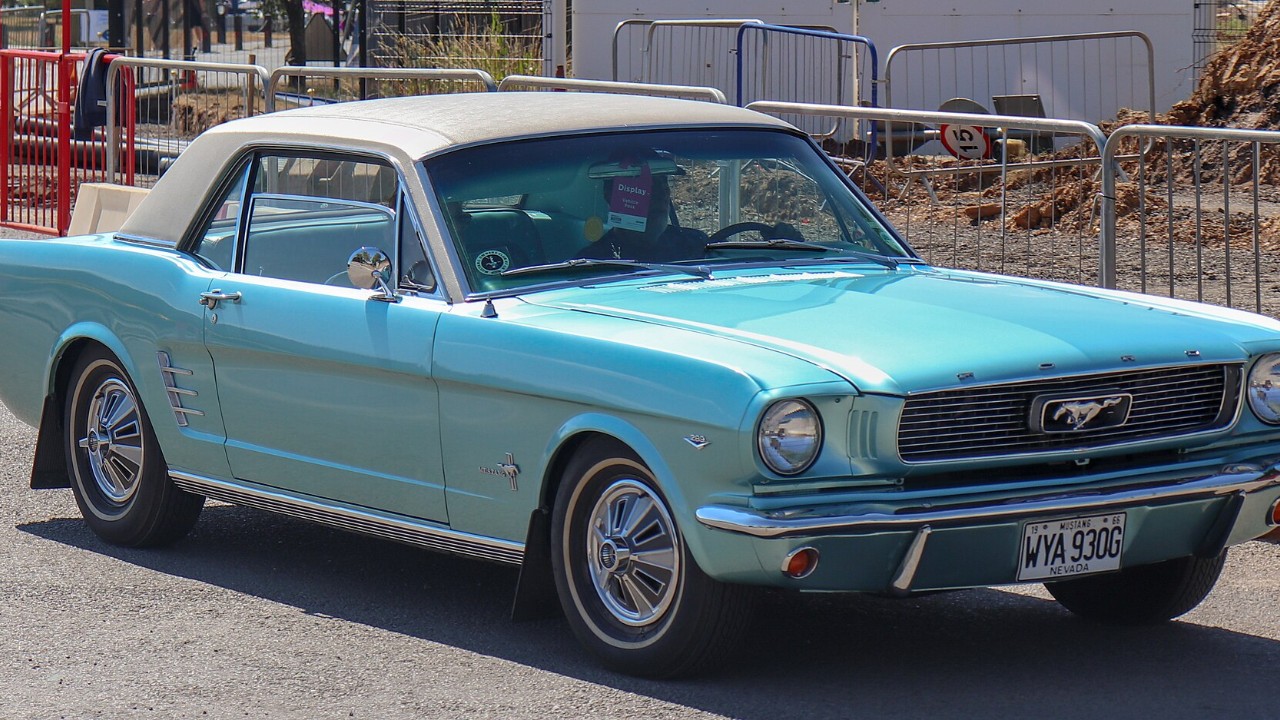
The 1968 Mustang is the second year of the car’s first big redesign. Ford had enlarged the car for 1967 so it could take a big-block V8. Then, for 1968, it added a two-spoke energy-absorbing steering wheel, shoulder belts and a new 302 option.
Many buyers, however, stuck with the 289. In 1968 form, the two-barrel C-code 289 made 195 horsepower at 4,600 rpm and 288 lb-ft of torque. That is a mild tune for a small-block V8, and mild tunes tend to last. If you like the 1968 look, see how the 1968 Mustang California Special carved out its own identity.
In our view, the 289 coupe is also simpler than the big-block cars. That means fewer heavy parts up front and an easier rebuild when the time comes. Our take: if you want a first-generation Mustang to drive often, rather than polish, the 1968 289 coupe is the one we would choose. It has the classic shape with almost none of the drama.
8. 2012 Ford Mustang V6 3.7
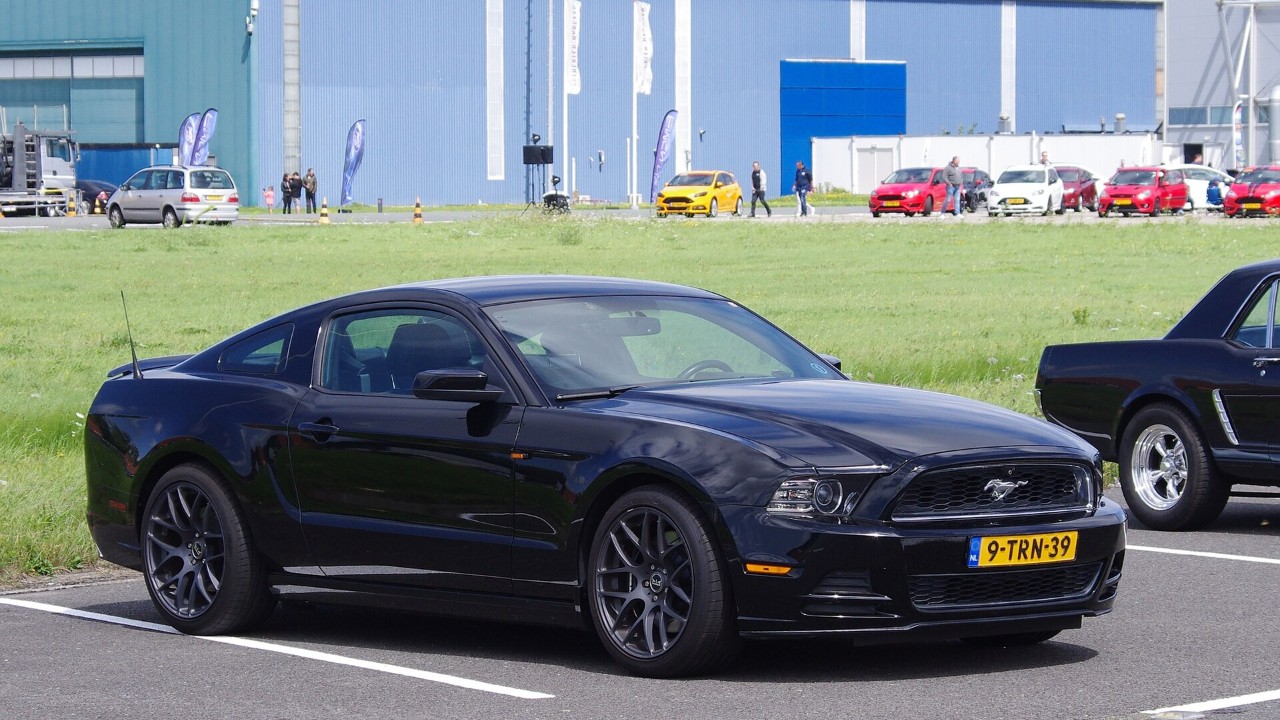
For 2011, Ford dropped the old 4.0-litre V6 and fitted a new 3.7-litre V6. The 2012 car carries the same engine. It made 305 horsepower at 6,500 rpm and 280 lb-ft at 4,250 rpm.
That was more power than the 1999 GT’s V8 on this list. Better still, it came with real fuel economy. With the optional six-speed automatic, the V6 was rated at 31 mpg on the highway. For a daily driver, that combination is hard to beat. By comparison, the 2011 GT got the 5.0-litre Coyote V8 with 412 horsepower, so the V6 is the sensible half of that story.
The rest of the car is the same proven S197 hardware used since 2005. So you get a known chassis, a widely used engine family and a wide parts supply. In our view, the 2012 V6 is the most underrated modern Mustang. A well-kept one with records is an easy recommendation.
9. 1996 Ford Mustang GT convertible
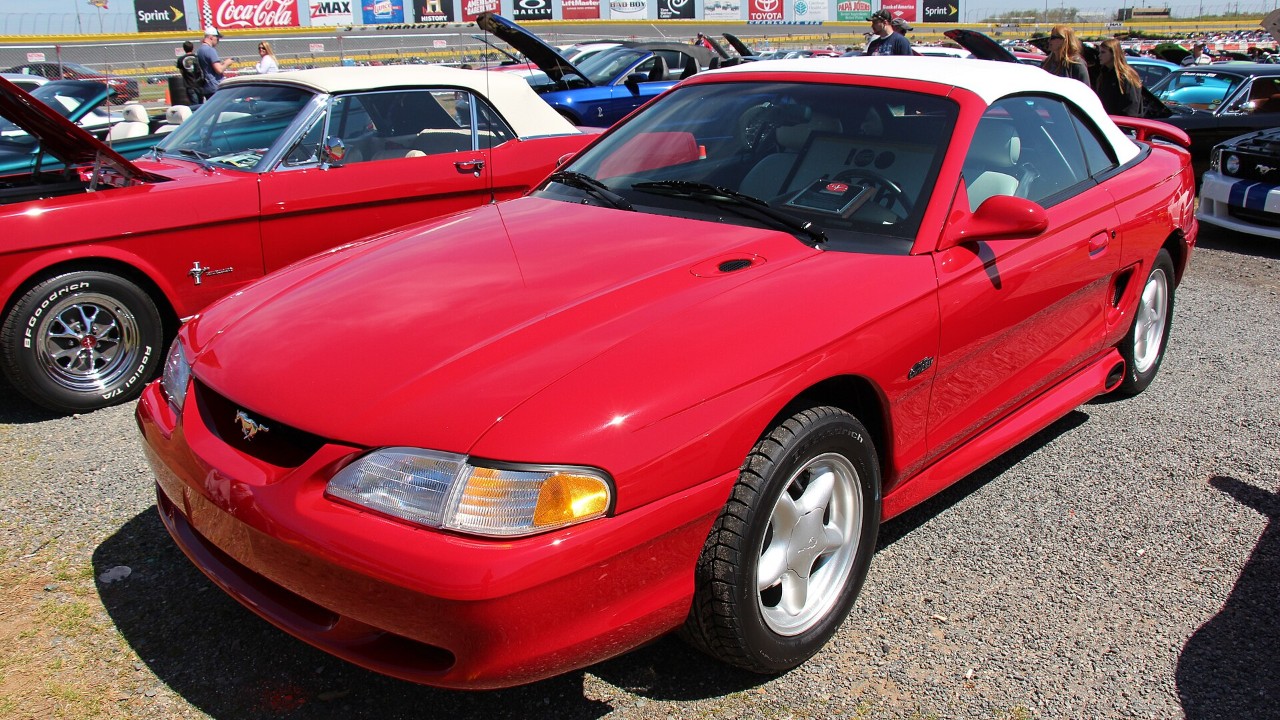
The SN95 Mustang launched on December 9, 1993, on an updated Fox platform called Fox-4. It was the last car built on that layout. Then, for 1996, the GT swapped its old pushrod 5.0 for the new 4.6-litre SOHC modular V8.
That engine was rated at 215 horsepower at 4,400 rpm, matching the 5.0 it replaced. At first, the number did not thrill fans. Even so, the change brought overhead cams and a modern design that has proven tough in our view. For a look at how the two generations differ, see our Fox Body vs SN95 comparison.
Also, the convertible adds open-air fun without exotic hardware. In our view, its top, electrics and drivetrain are simple by today’s standards. Our take: the 1996 GT convertible is a relaxed V8 cruiser that we think will outlast plenty of newer cars. Buy one with a healthy top and solid floors, and it can be a summer car for years.
More from Fast Lane Only