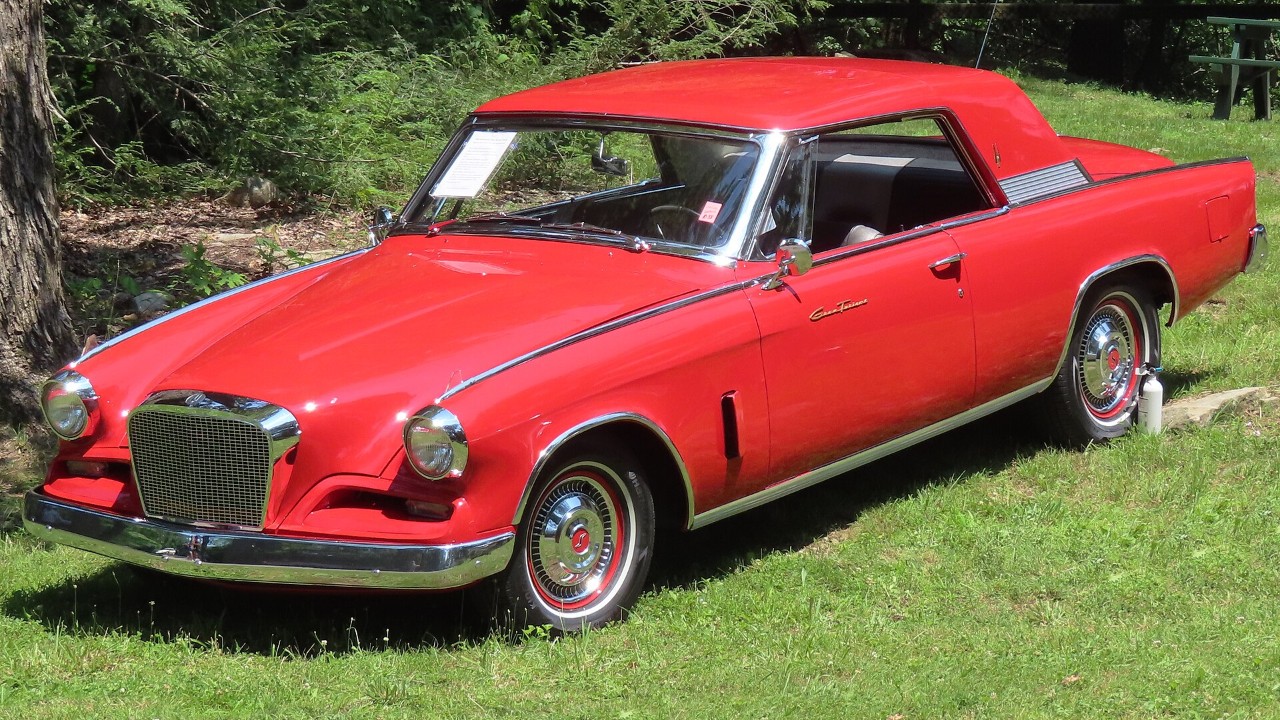
When Brooks Stevens restyled the Studebaker GT Hawk for 1962, he had a tight budget and only a few months. He still delivered a car that Studebaker could sell, and sales more than doubled that year despite a $400 price increase. That story sums up the whole Hawk line.
In our view, Studebaker’s Hawk years were short on money and long on ideas. The Hawk began in 1956 as a sporty family of coupes, and Studebaker kept reworking it with whatever it could afford. Superchargers, a Corvette gearbox and a fiberglass roof all made it into the mix. Not every change worked, but many of them punched well above the company’s weight.
These seven are our picks, the Hawks we think best show what Studebaker could really build. That verdict is our opinion. However, the engines, dates and production figures come from the Studebaker National Museum, Hagerty and model histories, and we give a number only where a source we read gives it.
1. 1957 Studebaker Golden Hawk 400
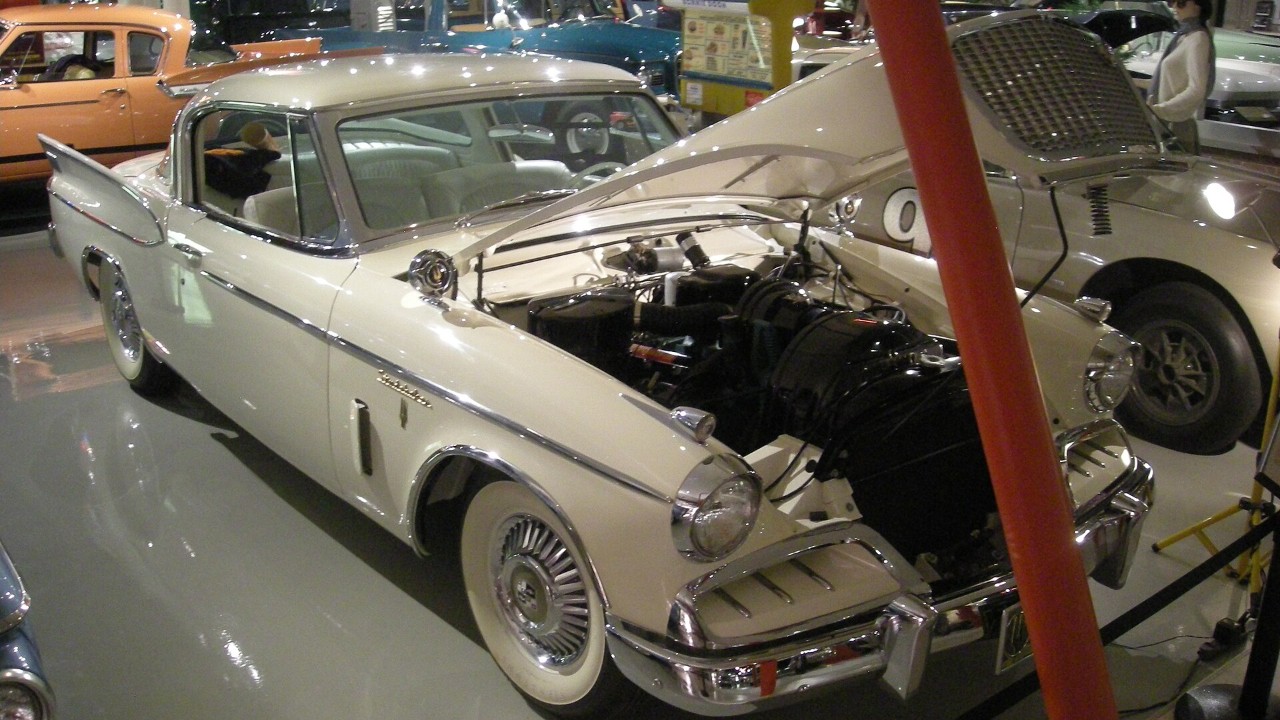
The 1956 Golden Hawk used a heavy Packard 352 V8 rated at 275 horsepower, and it gained a reputation for being nose-heavy. For 1957, Studebaker swapped in its own 289 V8 with a McCulloch supercharger. That engine carried the same 275-horsepower rating as the Packard unit. The tailfins also changed from fiberglass to metal.
Then, in April 1957, Studebaker added the 400. It was a premium edition of its top Hawk, with a leather interior, special paint and a fully upholstered trunk. According to the Studebaker National Museum’s Hawks exhibition, the company built just 51 of them. That total included 10 show cars and 41 regular production cars.
Our take: the Golden Hawk 400 is Studebaker reaching for the luxury market with a supercharged engine and premium trim. We think it is the most special Hawk of all. For a closer look at the regular car that year, we wrote about what made the ’57 Studebaker Golden Hawk so unexpected. By 1958, the recession had caught up with the line, and the Golden Hawk ended after selling 878 cars that year.
2. 1959 Studebaker Silver Hawk six
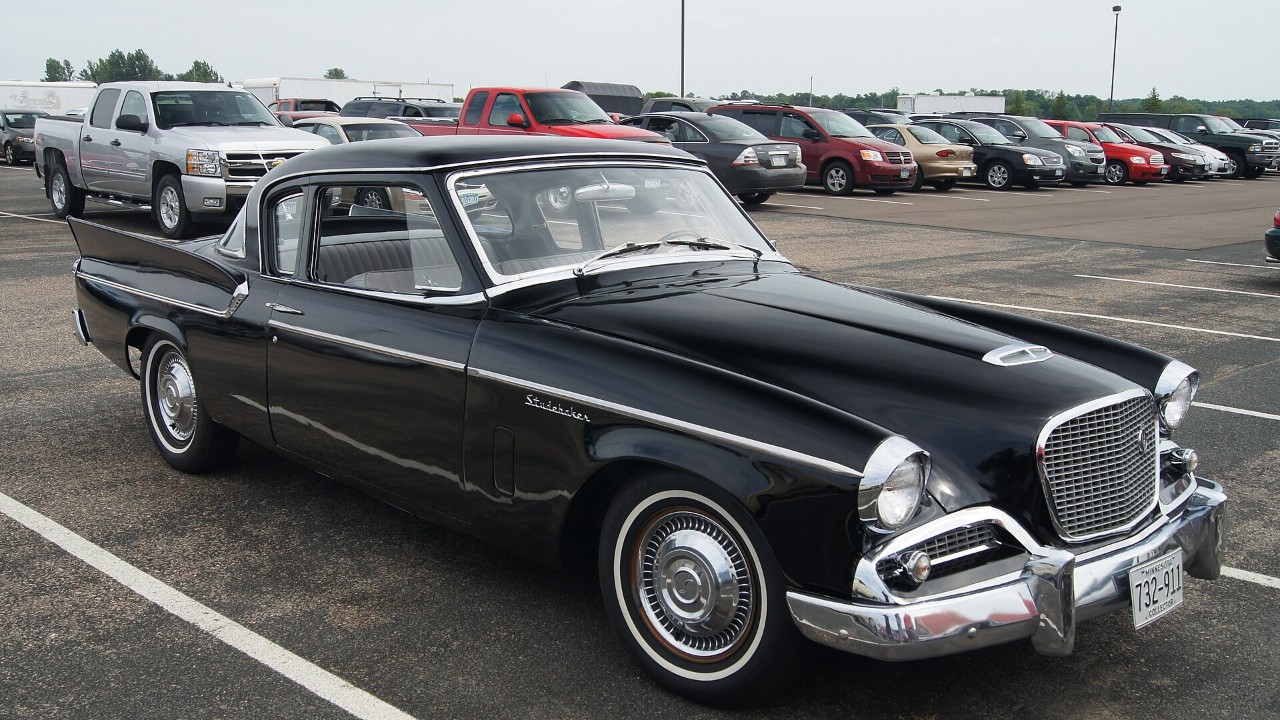
The Silver Hawk began in 1957 as the pillared coupe of the Hawk family, a sibling to the Golden Hawk. By 1959, it was the only Hawk Studebaker offered. That made it the whole line in a single body style. Back in 1957, by comparison, the Silver Hawk’s standard engine had been the 185-cubic-inch Champion six.
Still, buyers had a choice of engines. U.S. cars came with a 169.6-cubic-inch six rated at 90 horsepower, or with a 259-cubic-inch V8 rated at 180 or 195 horsepower depending on the carburetor. Studebaker sold 7,788 Silver Hawks that year, across both engines.
In our view, the six-cylinder Silver Hawk shows a different side of Studebaker’s skill. The company took a sporty, long-hood coupe and made it work with a modest six for buyers who wanted the style without the fuel bill. That is clever packaging. We like it because it proves the Hawk shape did not need a big engine to look right. If you find one, it is a stylish way into Hawk ownership, and the 90-horsepower six keeps running costs sensible.
3. 1960 Studebaker Hawk
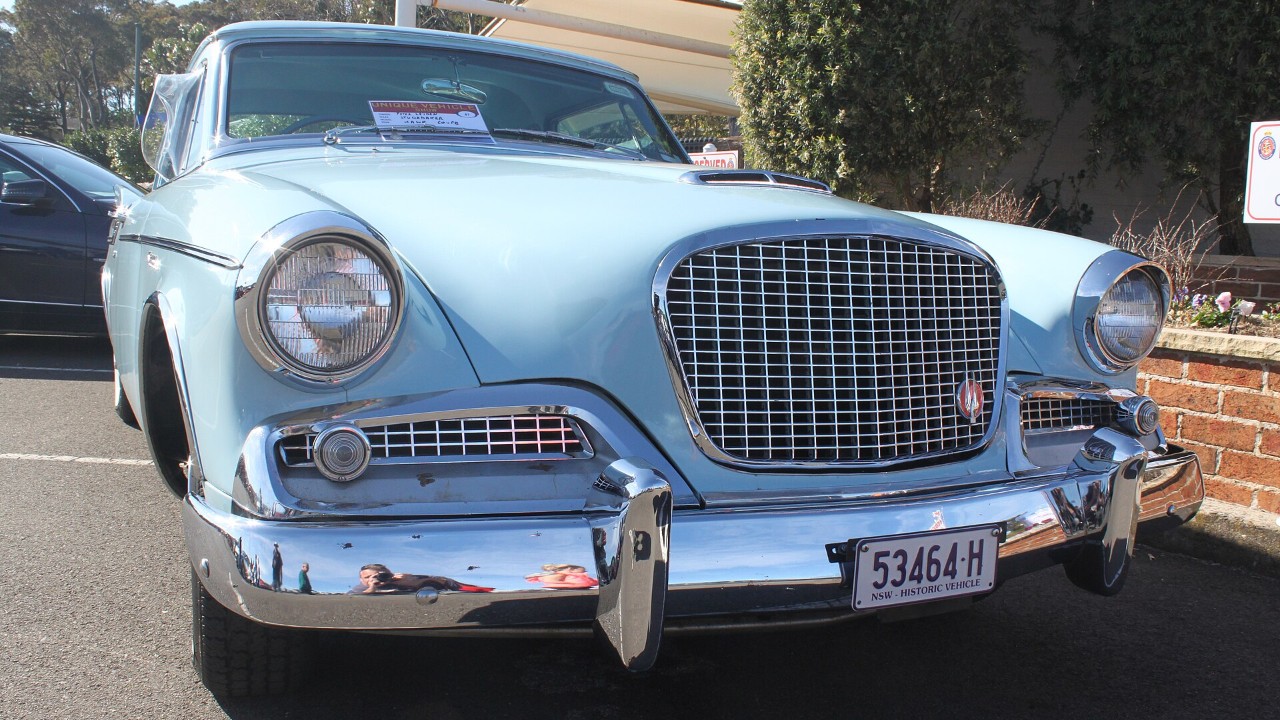
For 1960, Studebaker dropped the Silver Hawk name and called every model simply Hawk. The shape carried over, fins and all. However, the engine list changed in a big way. Just a year earlier, after all, the best choice had been a 259 V8 with up to 195 horsepower.
The 289 V8 returned as the standard engine. In fact, for U.S. orders, it was the only engine Studebaker offered on the Hawk in 1960 and again in 1961. In other words, every American Hawk that year came with V8 power as standard. That was a strong move for a company that had to compete with much larger rivals.
Our take: the 1960 Hawk is the plainest-named car on this list, yet we think it is one of the smartest. Studebaker simplified the lineup, kept the attractive body and gave every car a proper V8. That is exactly the kind of decision a small automaker needed to make. Meanwhile, the car kept the five-window coupe body and its tailfins. We think it is an underrated way to own a classic Hawk with the right engine.
4. 1961 Studebaker Hawk four-speed
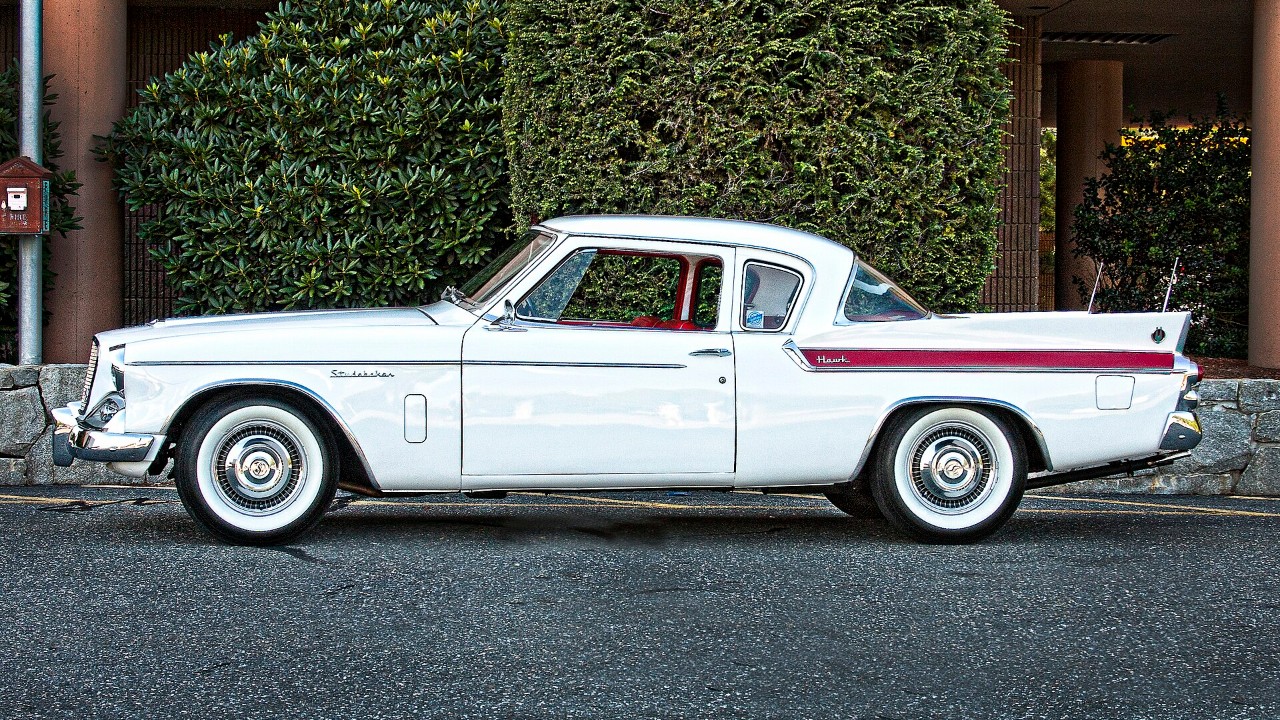
First, the 1961 Hawk added an option that changed the car’s character. Buyers could now order a four-speed Borg-Warner manual, the same unit Chevrolet used in the Corvette. Studebaker also offered bucket seats and a new rear fender accent stripe that year.
The Studebaker National Museum notes that the four-speed proved popular with Hawk buyers. That makes sense, because it turned the 289-powered coupe into a genuine sporting car. Also, 1961 marked the final year for the tailfins and the five-window coupe body. After that, the Hawk would change shape completely.
In our view, the 1961 four-speed Hawk is the best version of the original body. It has the classic fins, the 289 and a gearbox shared with America’s sports car. That combination is hard to beat. We would choose it over any earlier Hawk for driving enjoyment. If you shop for one, confirm that the four-speed is original, because a factory four-speed car is the one to have from this year.
5. 1962 Studebaker GT Hawk

In the winter of 1961, Studebaker asked Brooks Stevens to redesign the Hawk on a tight budget, in time for the fall launch. According to Hagerty’s profile of the 1962-1964 Gran Turismo Hawk, he gave it a finless rear deck, slab sides and a Thunderbird-inspired roofline. To save tooling money, that roof section was made from fiberglass.
Inside, Stevens added an instrument panel with large, easy-to-read gauges. Under the hood, the 289 V8 made 210 or 225 horsepower, depending on the carburetor. As a result, the redesign worked. Hagerty says production peaked in 1962 at about 9,000 units, and the museum notes that sales more than doubled despite the price increase.
Our take: the 1962 GT Hawk is the clearest example of Studebaker doing more with less. It used an old body and a small budget, yet it came out looking modern and expensive. We think it is one of the best restyles of its decade. For the end of the story, we covered how the 1964 Studebaker GT Hawk stands as the final chapter of the Hawk line. In our view, the 1962 car is where that chapter starts.
6. 1963 Studebaker GT Hawk R2 Super Hawk
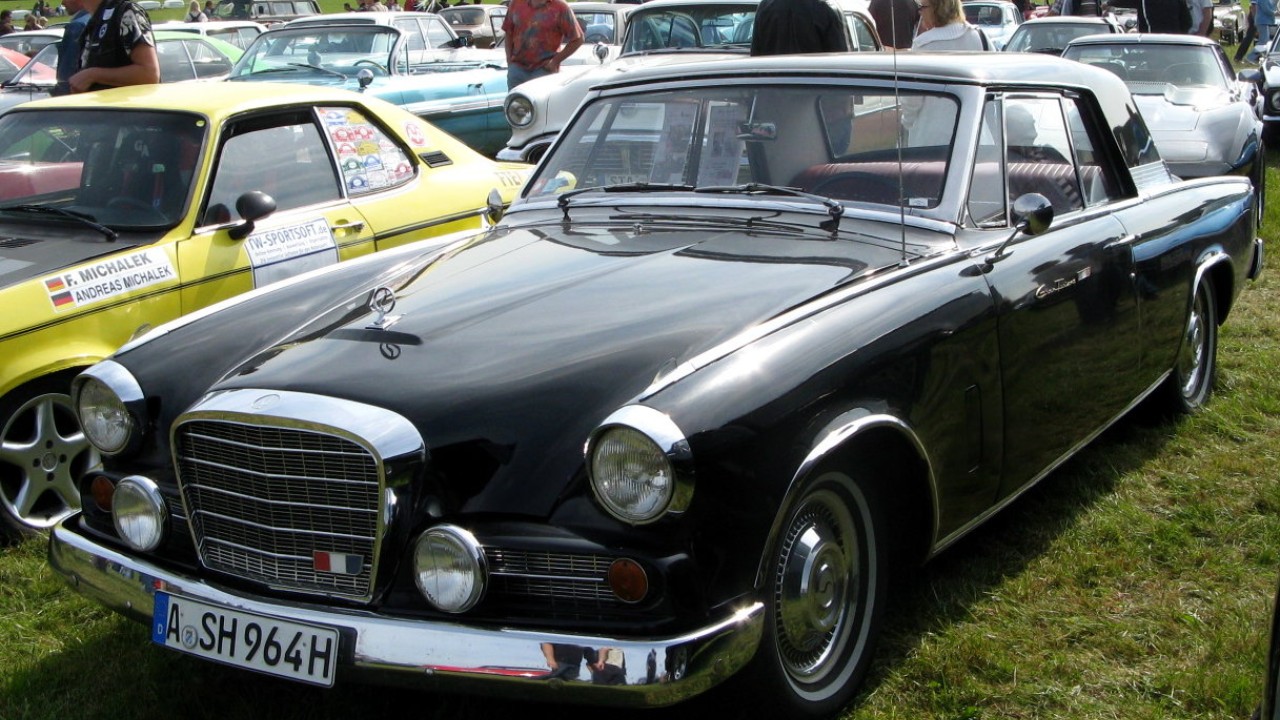
For 1963, the GT Hawk could share the Avanti’s R-series engines. The naturally aspirated R1 made 240 bhp. Meanwhile, the supercharged R2 made 289 bhp from 289 cubic inches. Then, in mid-1963, Studebaker added the Super Hawk package with an R1 or R2.
Above all, that package brought front and rear anti-roll bars, rear radius rods, heavy-duty springs and front disc brakes. The museum adds that the spring 1963 package included a tachometer, too. In short, it turned the GT Hawk into a proper sporting grand tourer. Hagerty reports that R2 Hawks could reach 60 mph in under seven seconds, while non-supercharged cars needed four or more seconds longer. A four-speed R2 Hawk also reached 140 mph at Bonneville.
In our view, the R2 Super Hawk is the most capable Hawk Studebaker ever built. It had front disc brakes, a supercharger and serious suspension in one package. That is real engineering from a small company. However, 1963 production fell to roughly half of the 1962 total, according to Hagerty. If you find a documented R2 Super Hawk, we think you have found the best of the breed.
7. 1964 Studebaker GT Hawk Sport Roof
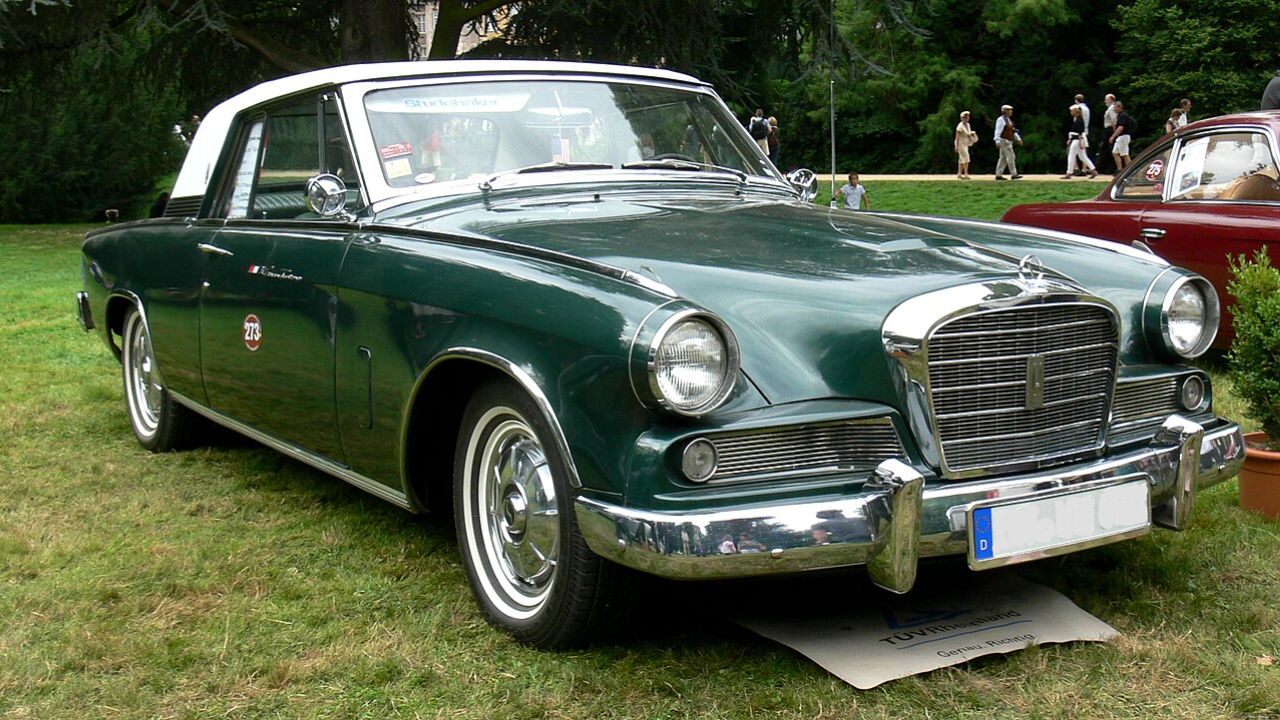
The 1964 GT Hawk brought small changes, including a redesigned deck lid. It also offered a new option called the Sport Roof. For $65, buyers got a half-vinyl-covered roof in white or black. The Avanti high-performance engines carried over as well.
Sadly, the car had a very short life. Studebaker closed its South Bend factory on December 20, 1963, and Hawk production stopped with it. Hagerty notes that fewer than 1,800 cars of the 1964 model were built before the shutdown. That means the final Hawks never saw out their own model year.
Our take: the 1964 Sport Roof is a bittersweet car. It shows Studebaker still refining the Hawk, adding style for a small price, right up to the end. We think that persistence is the whole point of this list. Few final-year cars look this sharp. If you want one, the Sport Roof option and an R-series engine make the most interesting combination. With fewer than 1,800 built, any 1964 GT Hawk is a scarce car today.
More from Fast Lane Only