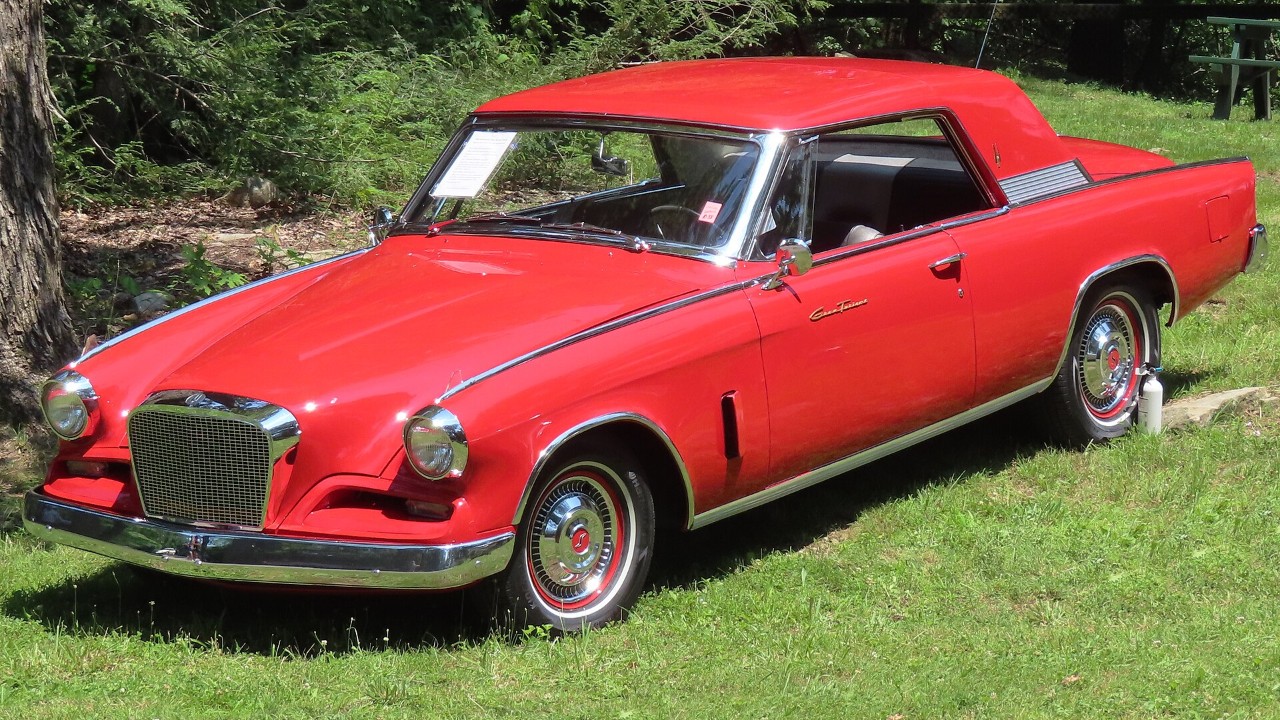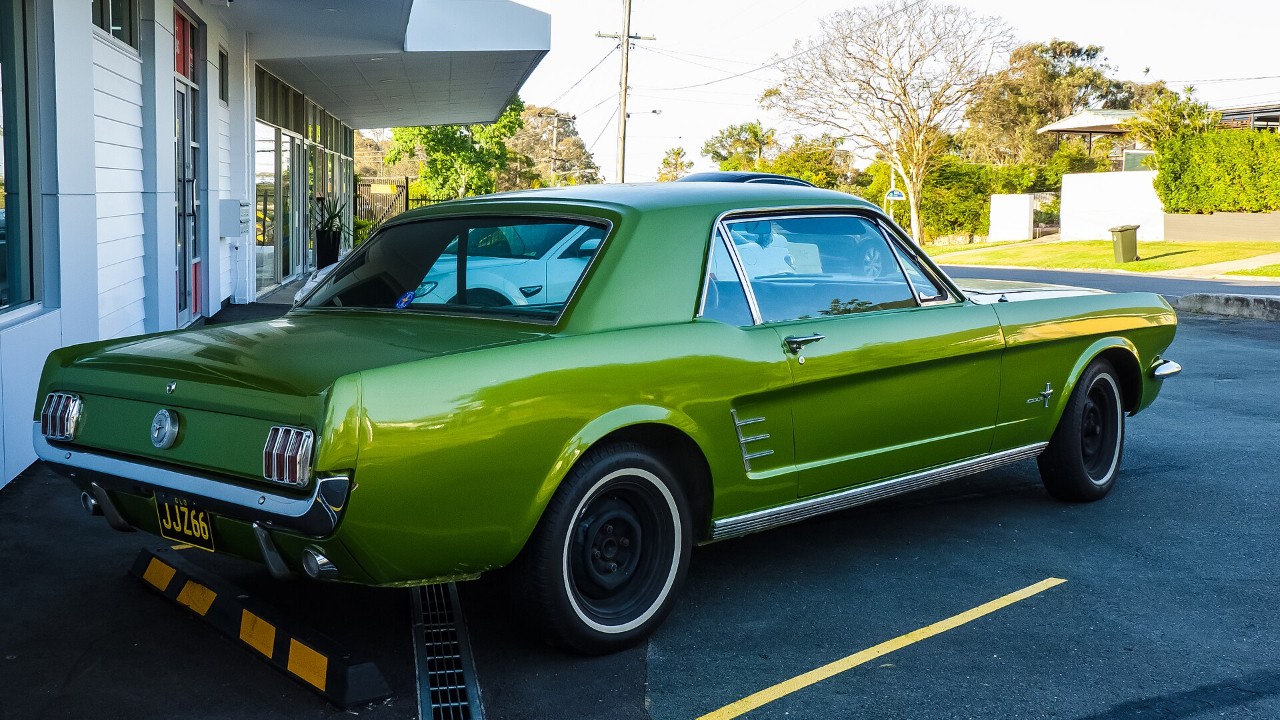
In 1954, a 1.5-litre OSCA beat a field full of bigger cars, including a Lancia D24, to win the Sebring 12 Hours outright. In fact, that result sums up a whole school of Italian engineering. From the Fiat 8V to tiny Abarths, Italy built small, light cars that punched far above their size.
Most people remember the big names from that era, such as Ferrari and Maserati. However, many of the cleverest Italian sports cars came from small firms, short production runs and class battles that never made the evening news. Some were built by the dozen, and a few by the handful.
These eight are our picks for the forgotten Italians that, in our view, outran everything in their class. The race results, engines and build numbers come from museum records, auction catalogs and period reports. Our rankings and verdicts, however, are opinion.
1. 1952 Fiat 8V
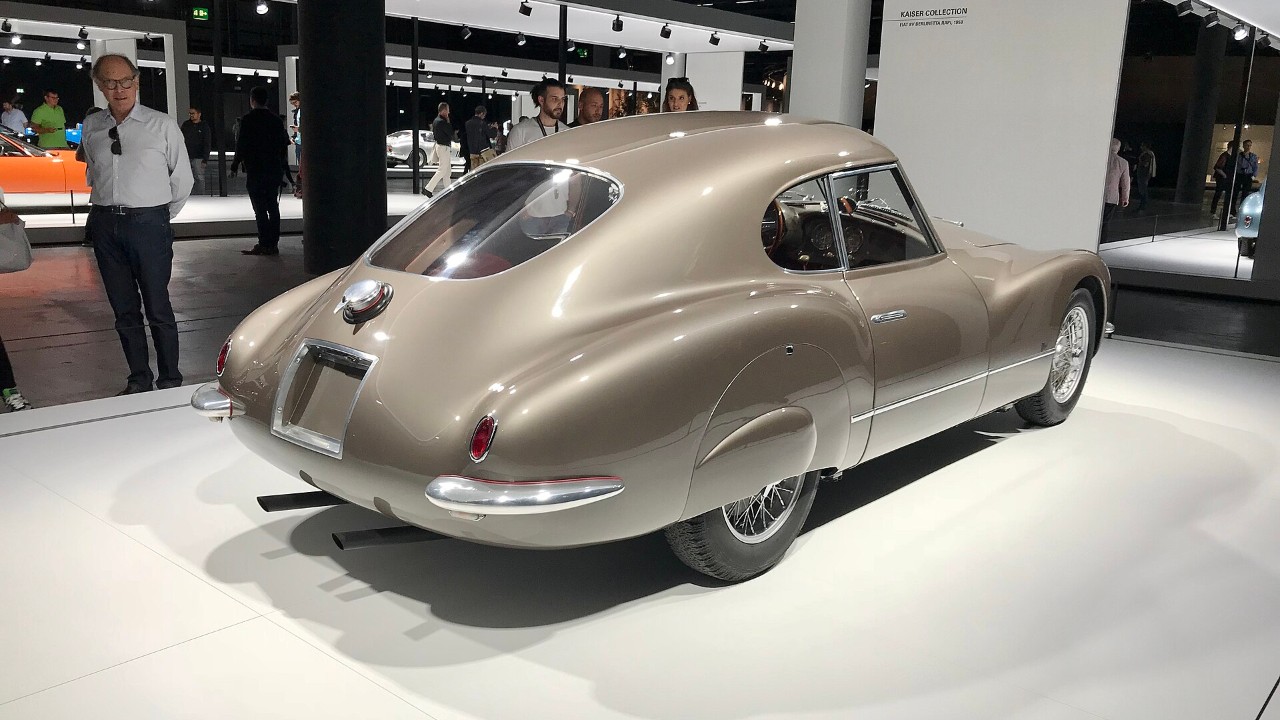
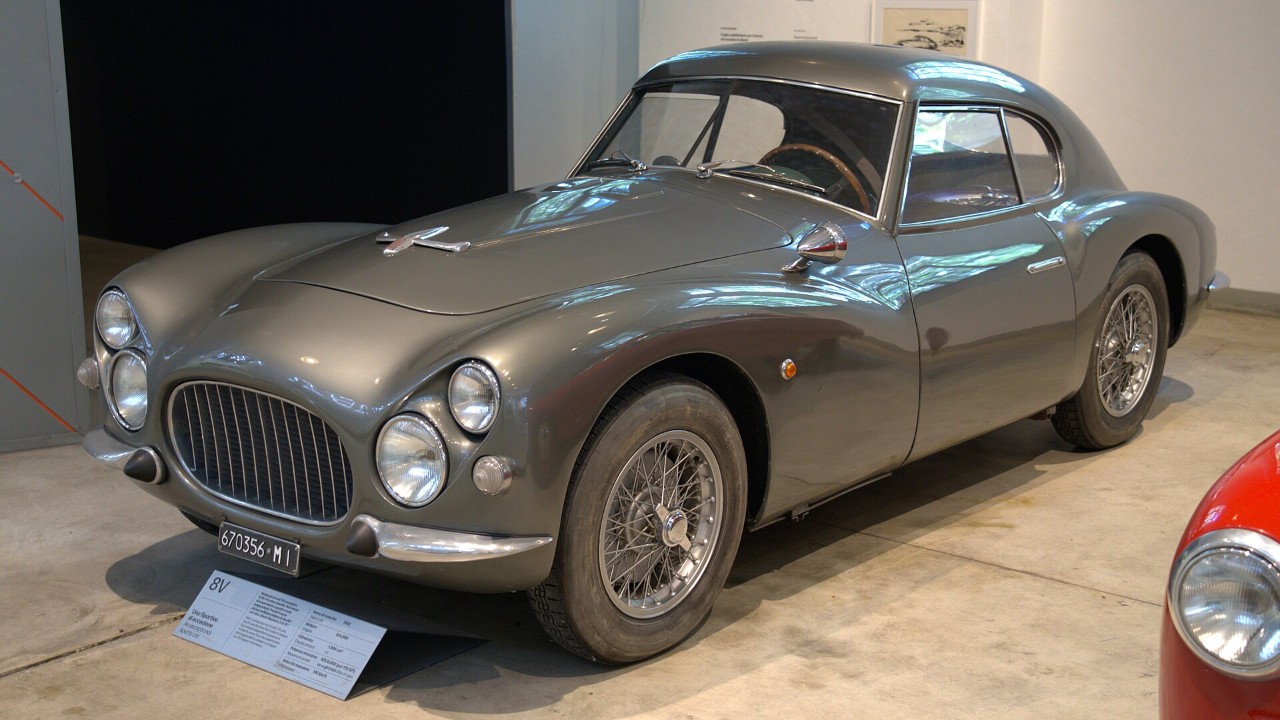
The Fiat 8V was born from a cancelled project. Its 1,996 cc, 70-degree V8 had first been designed for a luxury sedan that never happened. Instead, Dante Giacosa’s team put it into a two-seater, and stylist Luigi Rapi shaped the body. Then the car debuted at the 1952 Geneva Motor Show.
The name has a fun backstory. Fiat reportedly believed Ford held the rights to “V8,” so it called the car the 8V, or “Otto Vu.” In the end, Fiat built just 114 between 1952 and 1954. Its own special-bodies department made 34 of them, while Zagato bodied 30 lighter cars badged “Elaborata Zagato.” Ghia and Vignale bodied others, mostly as coupés.
On track, the Zagato cars did much better than the factory-bodied ones. Even so, the whole line earned its place in the record books. The 8V won Italy’s 2-litre GT championship every year until 1959. In tuned form, its V8 reached 127 PS (125 horsepower) at 6,600 rpm. Our take: the Fiat 8V was a commercial flop and a racing hit, and we think that makes it the most interesting Fiat of the 1950s.
2. 1953 Siata 208S
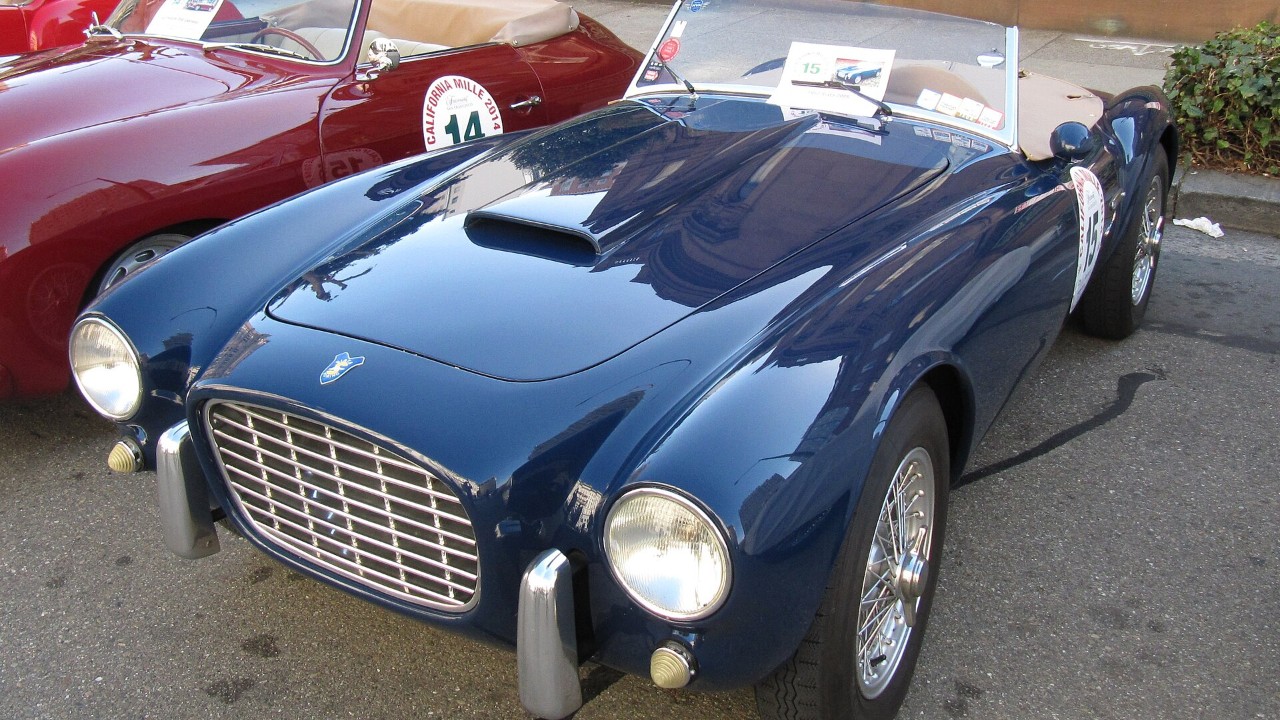
The Siata 208S borrowed the heart of the Fiat 8V and wrapped it in something prettier. Giovanni Michelotti designed the spider body, and Turin’s Carrozzeria Motto built it in aluminium. Only 35 were made, according to RM Sotheby’s catalog for chassis BS 503, the first production car.
That shared Tipo 104 V8 made 125 horsepower here. The car weighed about 1,960 pounds, and Road & Track timed one from 0 to 60 mph in 12.4 seconds. Top speed, meanwhile, was about 124 mph. For a 2-litre roadster of the early 1950s, those were strong numbers.
Chassis BS 503 also went racing. At the 1953 Carrera Panamericana, it ran fifth in the Sports class at the end of the first day before a minor collision ended its run. Later, Steve McQueen bought a different 208S from importer Ernie McAfee and nicknamed it his “Little Ferrari.” In our view, the 208S had the speed of a works racer and the looks of a concours car, which is a rare mix in any class.
3. 1954 OSCA MT4
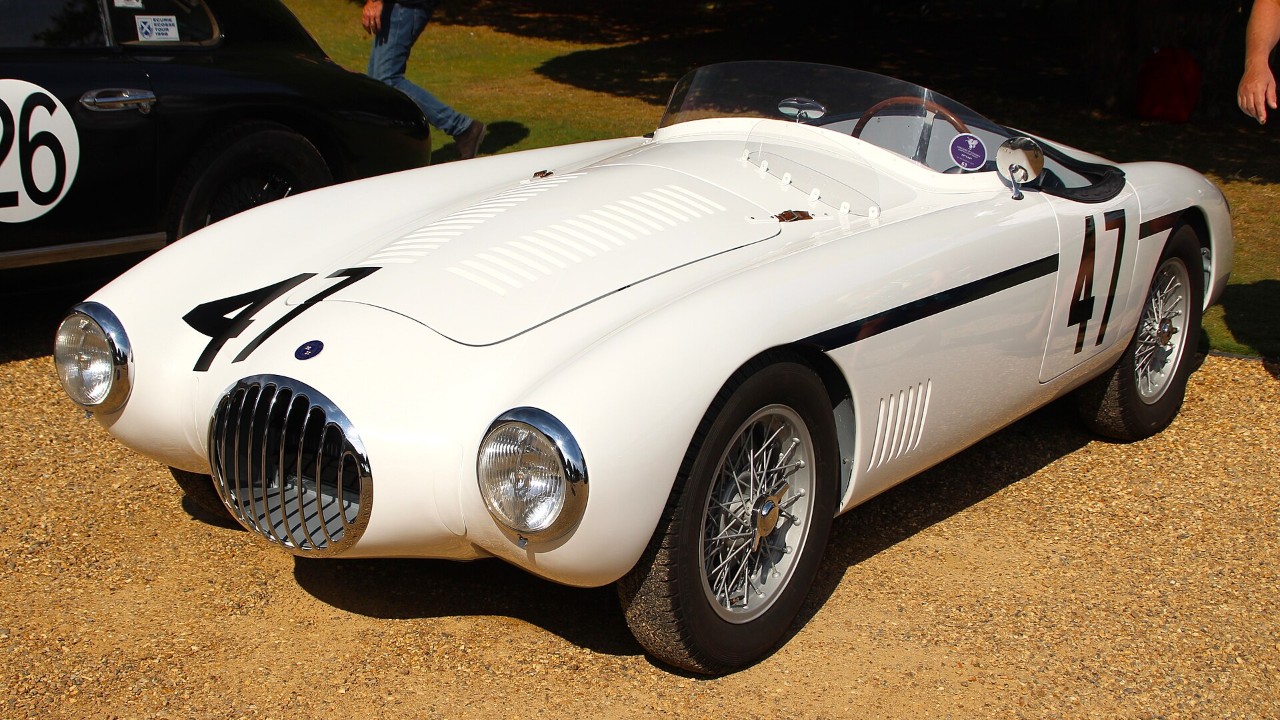
The Maserati brothers left their own company in 1937. Ten years later, they were free to start again, and they founded OSCA in 1947. First came the MT4, a small sports-racer that grew from 1.1 litres to 1.5 litres over its life.
Its finest hour came at Sebring. The Revs Institute’s history of chassis 1137 explains how Stirling Moss and Bill Lloyd won the 1954 race outright in a 1.5-litre MT4 with about 130 horsepower. They completed 168 laps, and a Lancia D24 finished second, five laps behind. By comparison, only 22 of 59 cars made it to the end. The pair also won the Index of Performance.
That was no one-off. A Vignale-bodied MT4 had already won the 1,100 cc class at Le Mans in 1953. Then chassis 1137 took the SCCA F-Modified title in 1954 and won its class at Sebring again in 1955. Today the car lives at the Revs Institute in Naples, Florida. Our take: no small car on this list beat bigger rivals more completely than the MT4.
4. 1962 Abarth 1000 Bialbero
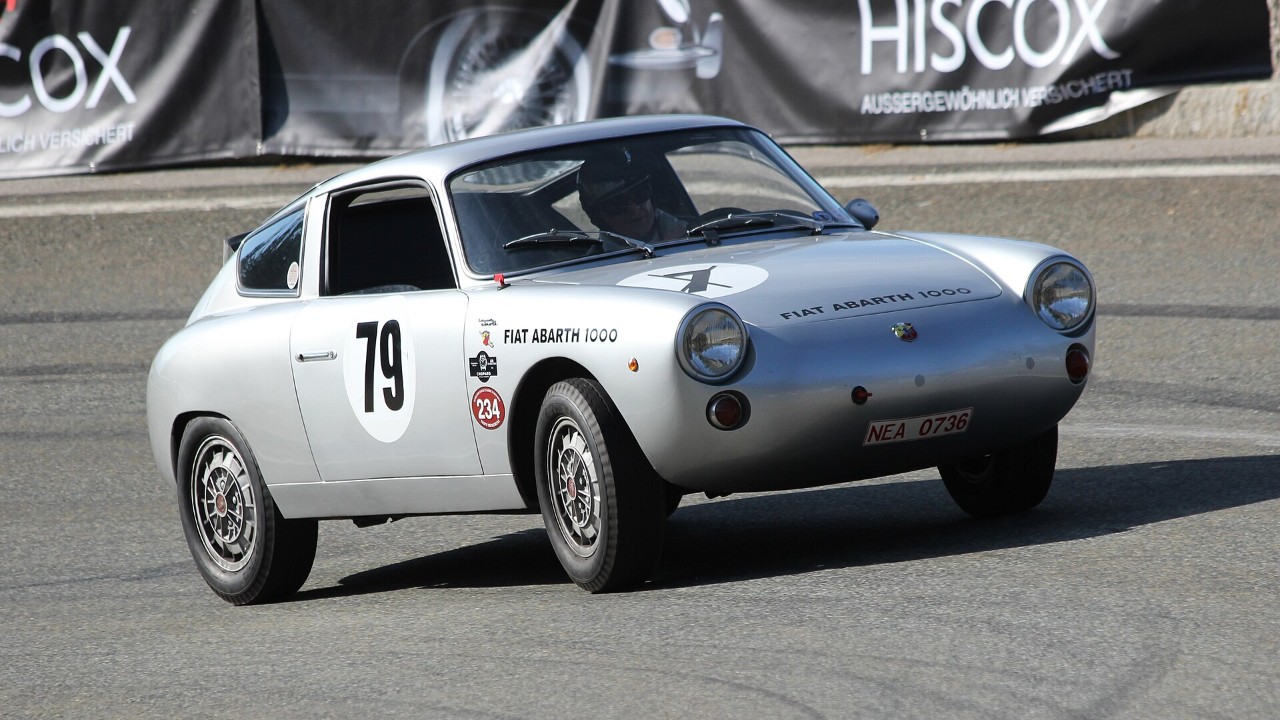
“Bialbero” means twin-cam, and that was the whole point of this little Abarth. Its 982 cc engine used two overhead camshafts, twin Weber carburettors and a 9.3:1 compression ratio. In Zagato-bodied form, it made 91 PS at 7,100 rpm, and Abarth claimed a top speed of 205 km/h (127 mph).
The car first appeared as the Abarth 1000 Zagato Berlinetta at the Paris Motor Show in October 1960. Its body was good enough to win Ugo Zagato a Compasso d’Oro design award that same year. Later versions with Abarth’s own bodywork made 97 PS, and the Corsa engine reached 104 PS at 7,600 rpm.
Still, the racing record is the reason it is here. The Abarth 1000 Bialbero won the European GT championship for cars under 1,000 cc in both 1962 and 1963. Meanwhile, Abarth’s cars won more than 700 races worldwide, and Fiat paid the company fees for its competition finishes. In our view, the Bialbero is the purest example of Carlo Abarth’s formula: take a humble Fiat, add revs and lightness, and beat everyone your size.
5. 1964 Alfa Romeo Giulia TZ
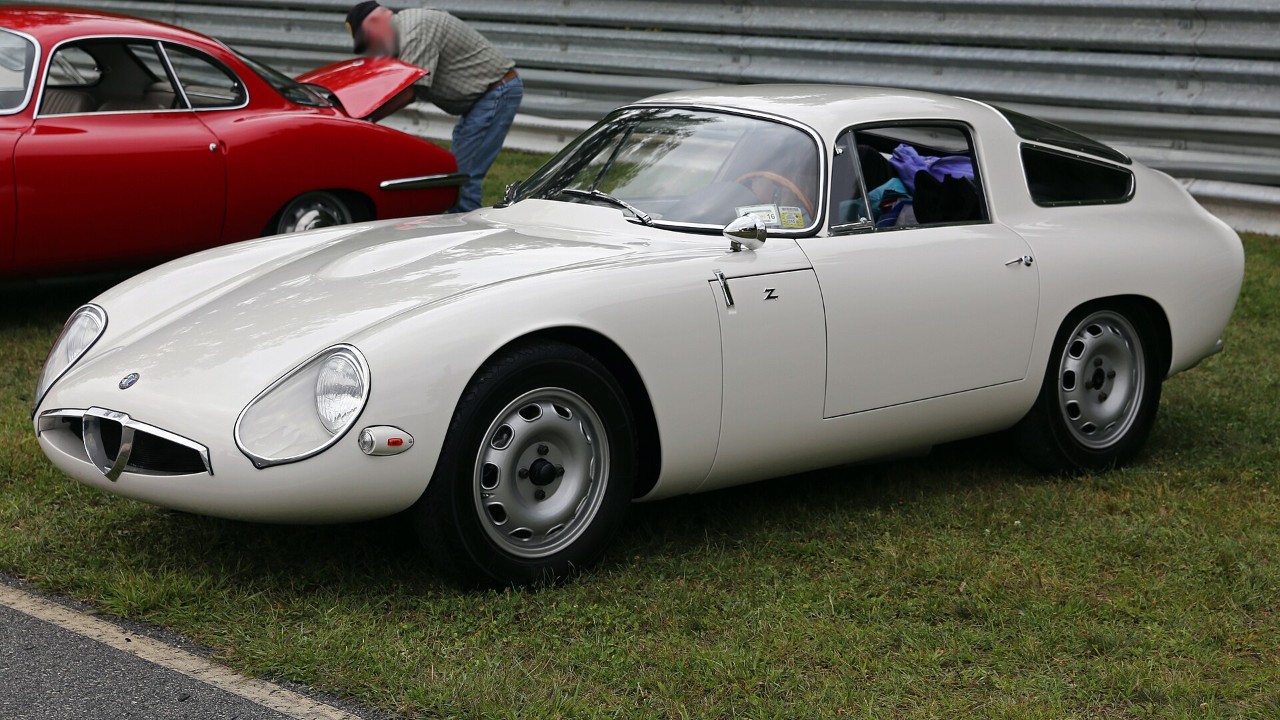
TZ stands for Tubolare Zagato, which describes the car in two words. Alfa Romeo built a tubular space frame, and Zagato covered it with a light, aerodynamic body. As a result, the TZ weighed only about 650 kg (1,433 pounds). Its 1,570 cc twin-cam four made 112 PS in road trim and up to 160 PS for racing.
Alfa Romeo built 112 of the first TZs between 1963 and 1965. That small number also tells you what the car was for. It was a homologation racer, and it could reach 216 km/h (134 mph) in road form. If you know the Giulietta Sprint, you can see how far Alfa’s small twin-cam had come; our story on the 1954 Alfa Romeo Giulietta Sprint covers where that line began.
The TZ’s racing-only successor, the TZ2, pressed the point home. Only 12 were built, yet in 1965 they took class wins at the Monza 1000 km, the Sebring 12 Hours, the Targa Florio and the Nürburgring 1000 km. Alfa took the same four class wins again in 1966. Our take: the TZ and TZ2 are the most complete class-killers Alfa built in the 1960s, and the road car is the more forgotten of the two.
6. 1969 Lancia Fulvia Coupe Rallye HF 1.6
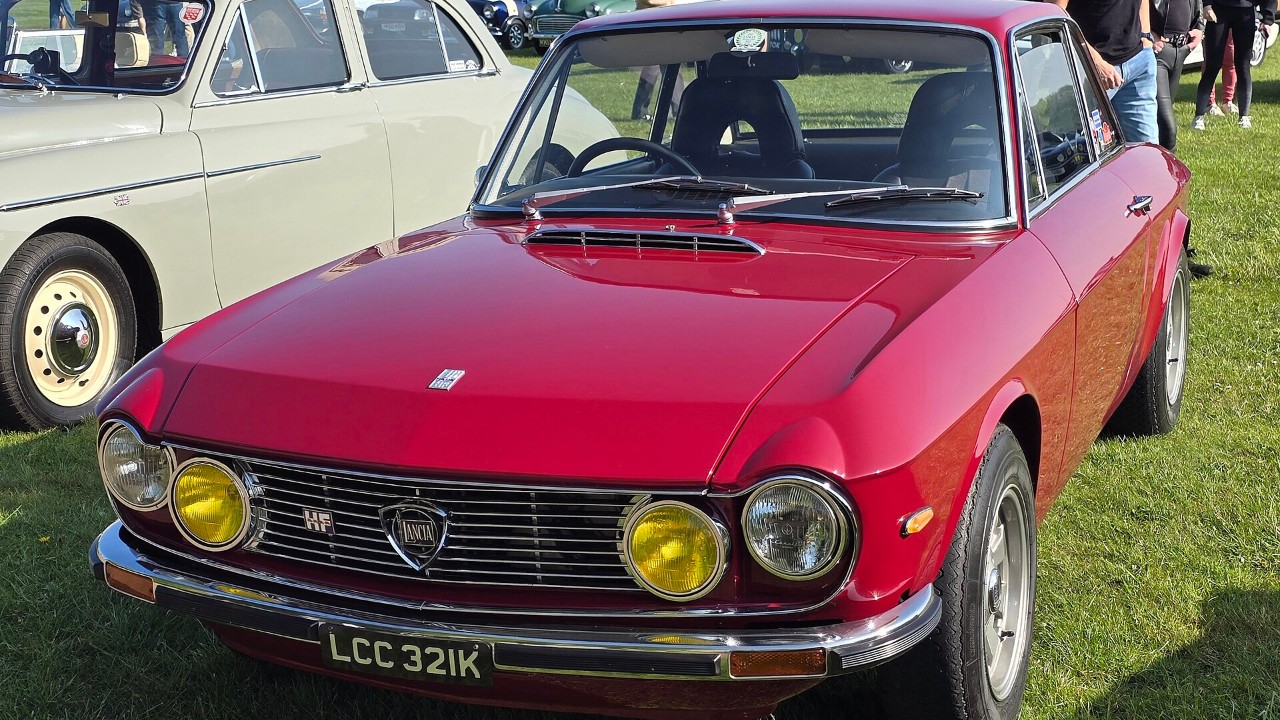
Fans call this one “Fanalone,” or “big lamps,” because of its oversized inner headlights. Under the hood sat a new 1,584 cc V4 with its cylinders set at a very narrow 11°20′ angle. In road form, it made 115 CV at 6,500 rpm, while works cars ran up to 132 CV, depending on the tune.
The 1.6 HF raced as a prototype until August 1969, when it received FIA homologation. It also gained a close-ratio five-speed gearbox, wider wheel arches and 13-inch alloy wheels. Those changes turned a front-wheel-drive coupe into a serious rally weapon. For more of the Fulvia’s competition story, see how the Lancia Fulvia HF dominated rallies.
The payoff came in 1972. Sandro Munari and Mario Mannucci won the Monte Carlo Rally in a Fulvia HF 1.6. Il Sole 24 Ore’s account of that win notes the rival Porsches had roughly 300 horsepower against the Lancia’s 160. Lancia then won the International Championship for Manufacturers that year, with two rounds to spare. In our view, the Fanalone is the moment the Fulvia became a giant-killer.
7. 1965 ASA 1000 GT
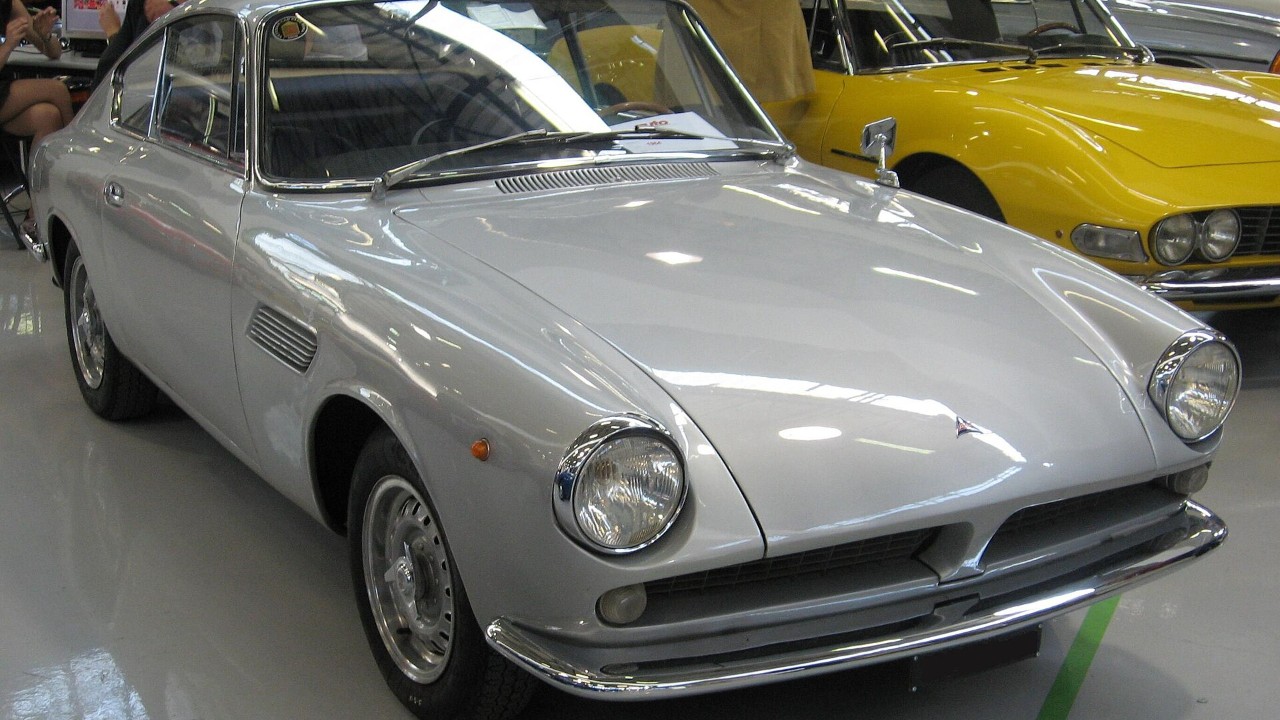
The press nicknamed it “Ferrarina,” or “little Ferrari,” and the name was earned. First, Ferrari engineers started the project in the late 1950s. Giotto Bizzarrini developed the tubular chassis, and a young Giorgetto Giugiaro drew the body at Bertone. Enzo Ferrari then handed production to his friend Oronzio de Nora, whose family company formed ASA.
The production car used a 1,032 cc four-cylinder engine rated at about 91 horsepower at 6,800 rpm. For racing, ASA cut the engine to 995 cc so it could fit the under-1-litre class. At the 1965 Targa Florio, two competition 1000 GTs finished third and fourth in the 1,000–1,600 cc prototype class, in a class that allowed engines up to 1.6 litres.
However, the price was the problem. A 1000 GT cost about $6,000, while a Corvette with a 427 V8 cost about $4,500, so sales were slow. Series production ran only from 1964 to 1967, and ASA built fewer than 100 cars of all types. Our take: in its own small class, the Ferrarina had the engineering pedigree to beat almost anything, and it is one of the best-kept secrets of 1960s Italy.
8. 1966 Bizzarrini 1900 GT Europa
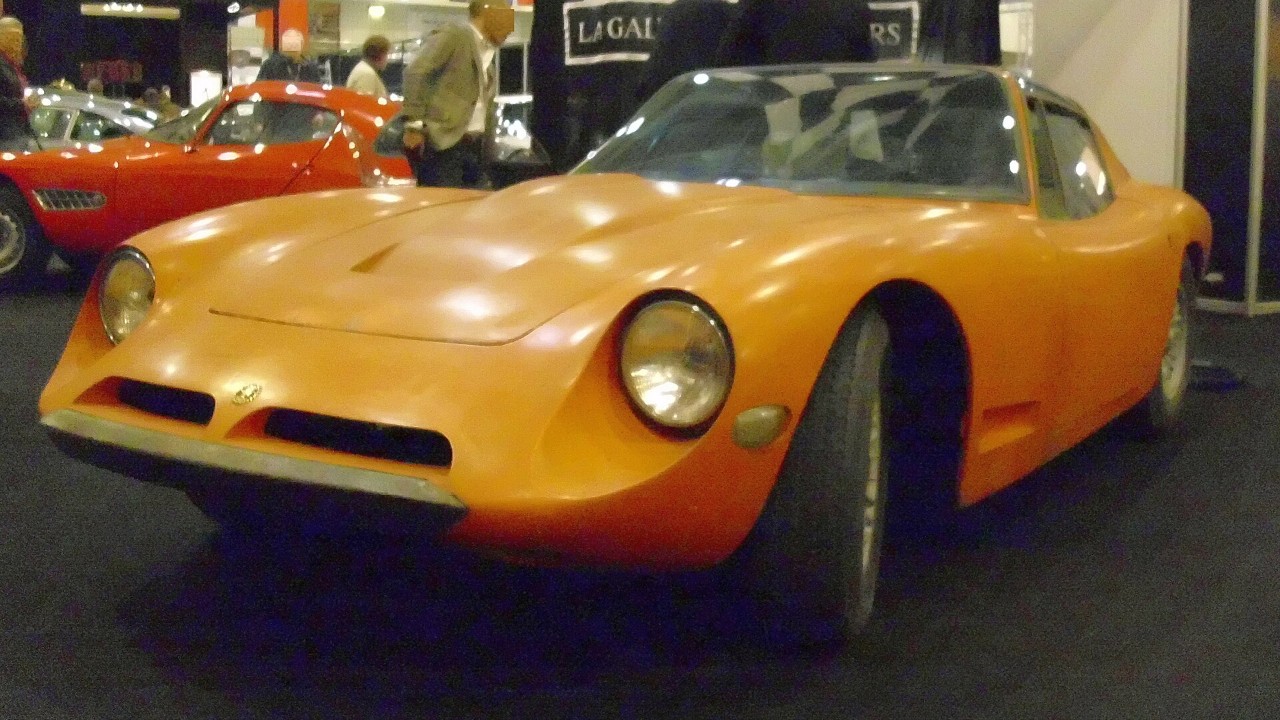
Giotto Bizzarrini had worked on the Ferrari 250 GTO before he left Ferrari in 1961. Later, he built his own big V8 GT, the 5300 GT. The Europa was his smaller idea: a scaled-down 5300 shaped for GM’s Opel division and built on the Opel 1900 platform.
According to My Car Quest’s history of the GT 1900 Europa, Bizzarrini built about 12 of them between 1966 and 1969. Each had a fiberglass body and an Opel 1.9-litre four rated at 110 horsepower. The claimed top speed was 128 mph, which was very quick for a car with an economy-sedan engine.
Road & Track liked the result, too. In April 1971, the magazine wrote that the Europa was “the kind of Opel GT that GM should have built in the first place.” We agree. The Europa never got a factory race program, so its class win stayed on paper. Even so, in our view, no 1.9-litre road car of its day looked or ran like it, and it is the most forgotten Bizzarrini of all.
More from Fast Lane Only