The electric truck market has been buzzing with excitement over the past few years, as manufacturers boast impressive range capabilities. However, recent owner feedback has cast doubt on these claims, leading to a significant backlash. The controversy surrounding electric truck range assertions could have far-reaching implications for the industry.
The Rise of Electric Trucks
Electric trucks have rapidly shifted from a futuristic concept to a burgeoning reality, with several key players driving the market forward. Companies like Rivian, Tesla, and Ford have thrown their hats into the ring, promising trucks that aren’t just eco-friendly but also powerful and capable. Rivian’s R1T and Tesla’s Cybertruck have been at the forefront of this electric revolution, capturing the imagination of both the public and the media.
The initial promises were nothing short of transformative. These electric trucks were touted not only for their environmental benefits but also for their impressive range and performance metrics, rivaling or even exceeding those of traditional gas-powered trucks. Enthusiasts and potential buyers were eager to embrace this new era, with media outlets often highlighting the potential of electric trucks to redefine the automotive landscape.
Dissecting Range Claims
When manufacturers advertise the range of their electric trucks, it’s often based on controlled testing environments that may not accurately reflect real-world conditions. Typically, these ranges are calculated using standardized tests like the EPA’s “Combined City/Highway” cycle. However, the actual performance can vary significantly depending on factors like weather, terrain, and driving habits.
Experts have pointed out that some manufacturers might employ optimistic calculations or focus on best-case scenarios to market their products. This can lead to inflated expectations, where the advertised range doesn’t match the experience of many owners. It’s a classic case of “your mileage may vary,” but in the electric vehicle realm, the stakes and expectations are much higher. Marketing tactics often emphasize the maximum achievable range under ideal conditions, leaving consumers surprised when their real-world range falls short.
Owner Experiences and Backlash
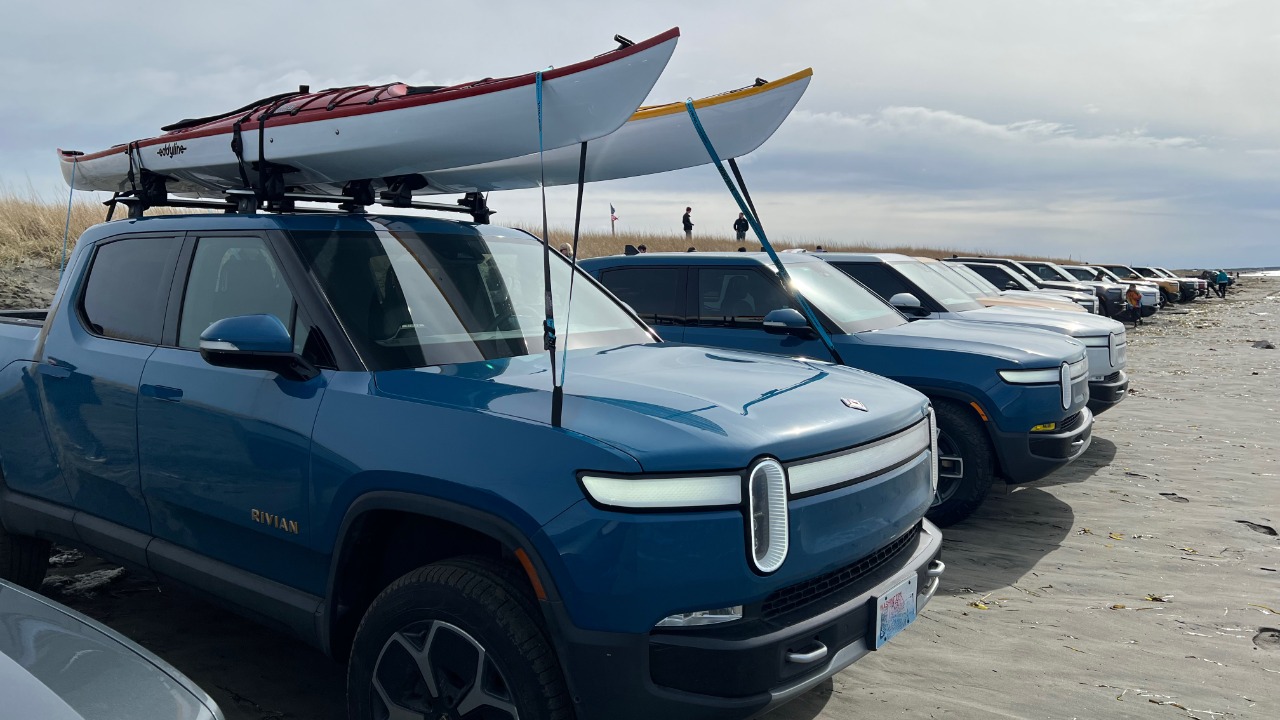
As more electric trucks hit the roads, a growing number of owners have shared their frustrations with range discrepancies. For instance, some Rivian R1T owners have taken to platforms like Reddit and Twitter to voice their disappointments. Many report experiencing significantly lower range than advertised, especially when carrying heavy loads or driving in cold weather.
These platforms have become crucial for owners to share their experiences, as they often feel disconnected from the official communication channels of the manufacturers. The impact on owner satisfaction and brand loyalty can be profound. When expectations aren’t met, it can lead to a loss of trust and a reluctance to recommend these vehicles to others. The backlash is not only a PR challenge for manufacturers but also a potential catalyst for change in how electric vehicles are marketed and perceived.
Manufacturer Responses and Industry Impact
In response to the backlash, some manufacturers have begun to address the concerns and criticisms head-on. Tesla, for example, has been more transparent about range expectations, offering software updates that optimize battery performance and range predictions. Ford has also taken steps to improve transparency by providing more detailed information about how their Ford F-150 Lightning performs under various conditions.
Transparency and open communication are key to rebuilding consumer trust. Manufacturers are learning that honesty about limitations can be more effective than overpromising and underdelivering. This shift might lead to changes in marketing strategies, focusing more on real-world performance rather than idealized scenarios. Additionally, product development might pivot towards improving range accuracy and battery technology, ensuring that future models can meet or exceed consumer expectations.
Future of Electric Truck Range Expectations
Looking ahead, technological advancements hold the promise of resolving many of the range issues currently faced by electric truck owners. Improvements in battery technology, such as solid-state batteries, could offer more efficient energy storage and longer ranges. Additionally, more sophisticated energy management systems are likely to optimize how electric trucks consume power, especially in demanding conditions.
Setting realistic consumer expectations will be crucial as the market continues to grow. Manufacturers might need to adopt a more conservative approach when advertising range, focusing on average performance rather than peak potential. This could help mitigate disappointment and build a more informed and satisfied customer base.
The electric truck market is still in its nascent stages, and these controversies provide valuable lessons for all stakeholders involved. As the industry evolves, so too will the strategies for addressing and communicating range capabilities. Ultimately, this could lead to a more mature and sustainable market, better equipped to meet the demands of environmentally conscious consumers.
More from Fast Lane Only