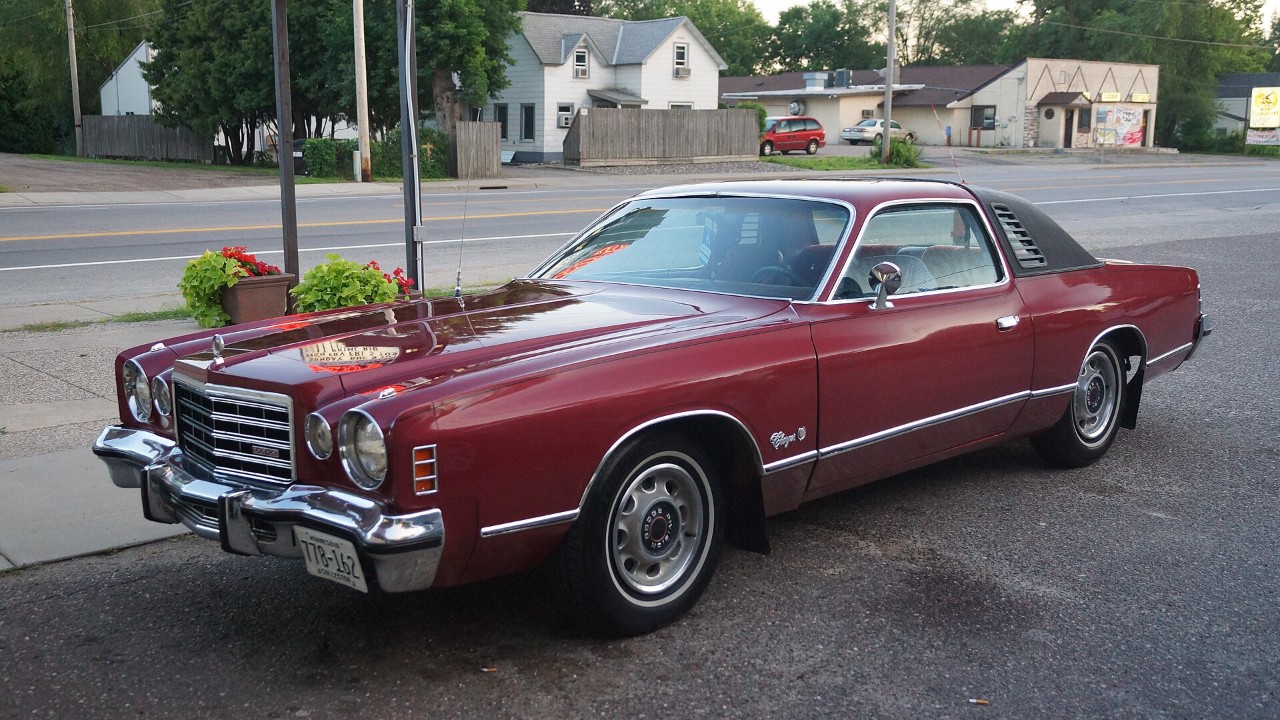
Say “Charger” and most people picture a black 1969 R/T or a modern Hemi sedan. Yet the name also sat on a plush 1970s Dodge Charger SE, a front-drive hatchback and a rental-fleet V6. In our view, few performance badges have covered so much ground.
That variety is the trouble for anyone with a project car and a checkbook. Some Chargers are worth every dollar you pour into them. Others will cost far more to bring back than they’ll ever be worth, or they never had the performance to justify the effort in the first place.
These six are our picks for Chargers that, in our opinion, aren’t worth a full restoration. This is our take, not a verdict on anyone’s car. Each entry gives a concrete reason and a line of buying advice, so you know what to look for instead.
1. 1974 Dodge Charger Rallye
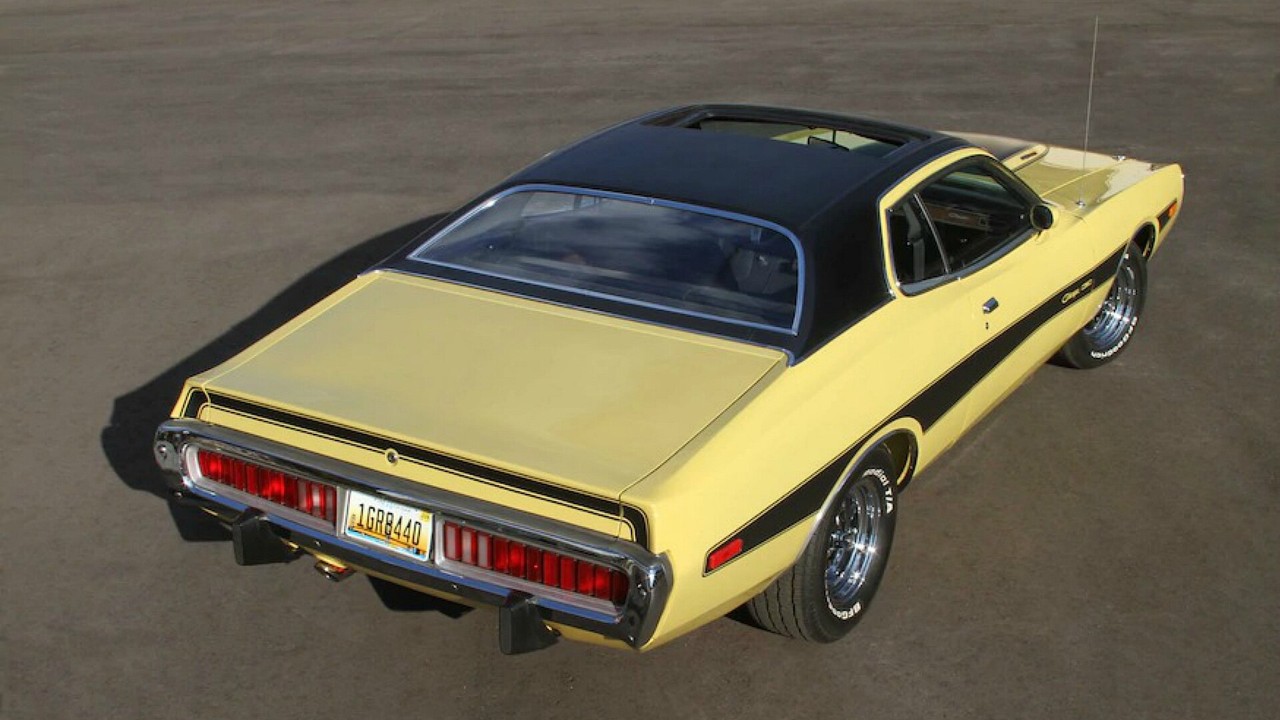
The Rallye looks the part, with its stripes and sporty trim on the 1971–74 body. The trouble is what it replaced. For 1972, Dodge dropped the R/T and made the Rallye its sporty Charger option. By 1974, the lineup ran from a base coupe and hardtop to the Rallye and the more luxurious SE.
That means a 1974 Rallye is mostly an appearance package from the emissions era. By then, the R/T badge was two years gone. As a result, we’d argue a perfect 1974 Rallye won’t carry the value of an earlier R/T, even though the bill for paint, trim and interior is much the same.
That math rarely works out for us. A great Rallye is a lovely cruiser, but we suspect a full rebuild costs more than most finished cars will bring. Our advice: if you want this body style, buy a finished Rallye that someone else already paid to fix, or save for a documented 1971 R/T. For the Chargers that do reward the effort, see our list of rare Chargers that deserve far more recognition.
2. 1976 Dodge Charger Sport
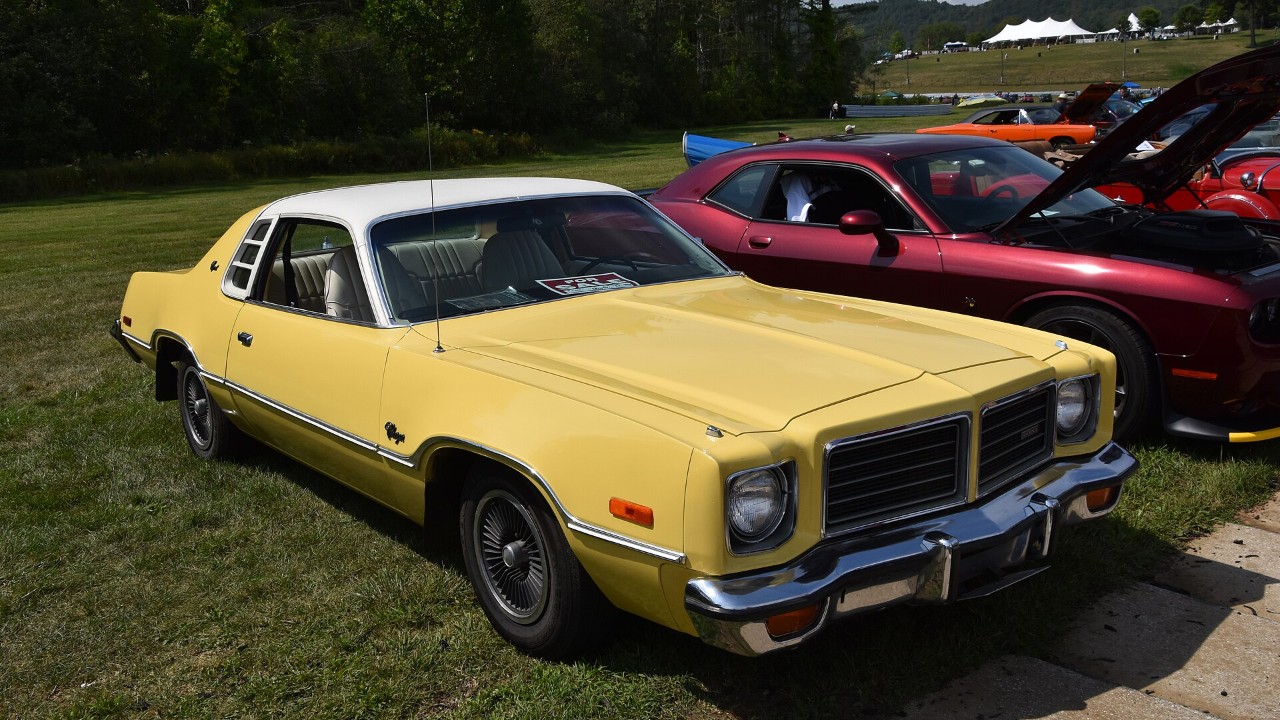
For 1976, Dodge pulled off a bit of badge swapping. As Hagerty’s Klockau Classics column explains, the 1976 lineup added two non-SE Chargers below the SE. One was simply the former 1975 Coronet two-door hardtop, renamed Charger. The other was the Charger Sport, and both cost less than the SE. Meanwhile, the SE stayed at the top of the range.
In other words, the Charger Sport was a Coronet in a new outfit. It lacked the formal styling that made the SE stand out, and it didn’t bring back any of the muscle the name once stood for. Then, after only a short run, Dodge dropped the Sport after 1977, leaving the SE to carry the name alone.
Our take: the Charger Sport is a footnote, and footnotes rarely pay back restoration costs. We’d also expect trim unique to such a short-lived model to take time to track down. If you love mid-’70s Mopar B-bodies, we’d buy a solid driver and enjoy it as is. Spend on mechanicals and safety, not on a concours finish.
3. 1978 Dodge Charger SE
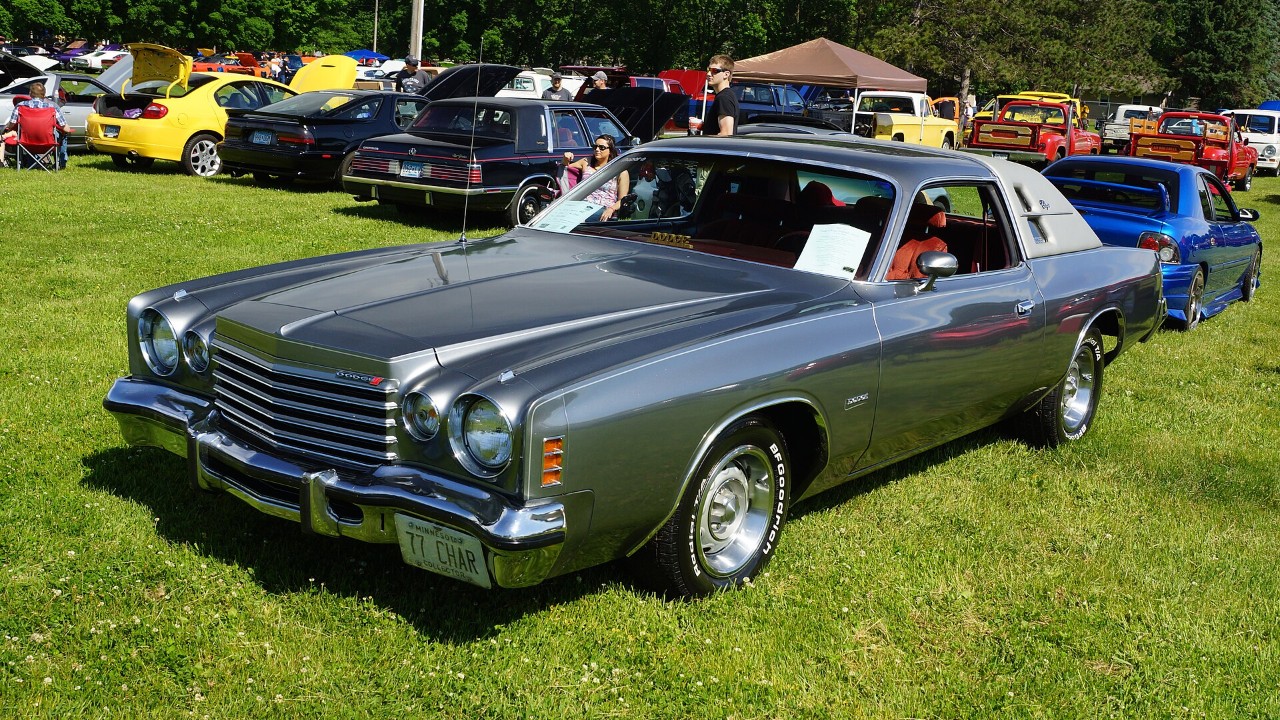
The Dodge Charger SE became a personal-luxury coupe in 1975, sharing its B-body with the Chrysler Cordoba. According to Hagerty’s look at the Charger SE, Dodge sold 30,812 of them in 1975, while the Cordoba found 150,105 buyers. The SE started at $4,903 that year.
Weight and power tell the rest of the story. A 1976 SE weighed 3,945 pounds, and its standard 318 V8 was rated at just 115 horsepower. Bigger 360 and 400 V8s were optional. By 1978, the SE was the only Charger Dodge sold, and it was the last of the B-body Chargers before the Magnum XE took over.
In our opinion, the 1978 Dodge Charger SE is a pleasant cruiser, yet it’s not a muscle car, and even in 1975 buyers chose the Cordoba five to one. Restoring the opera windows, landau roof and plush cabin can cost as much as any ’70s project. Our advice: buy a finished car, look for the optional 400 if you want more go, and skip rusty projects. For more on this era, see our list of 1970s Mopars that enthusiasts see differently today.
4. 1983 Shelby Charger
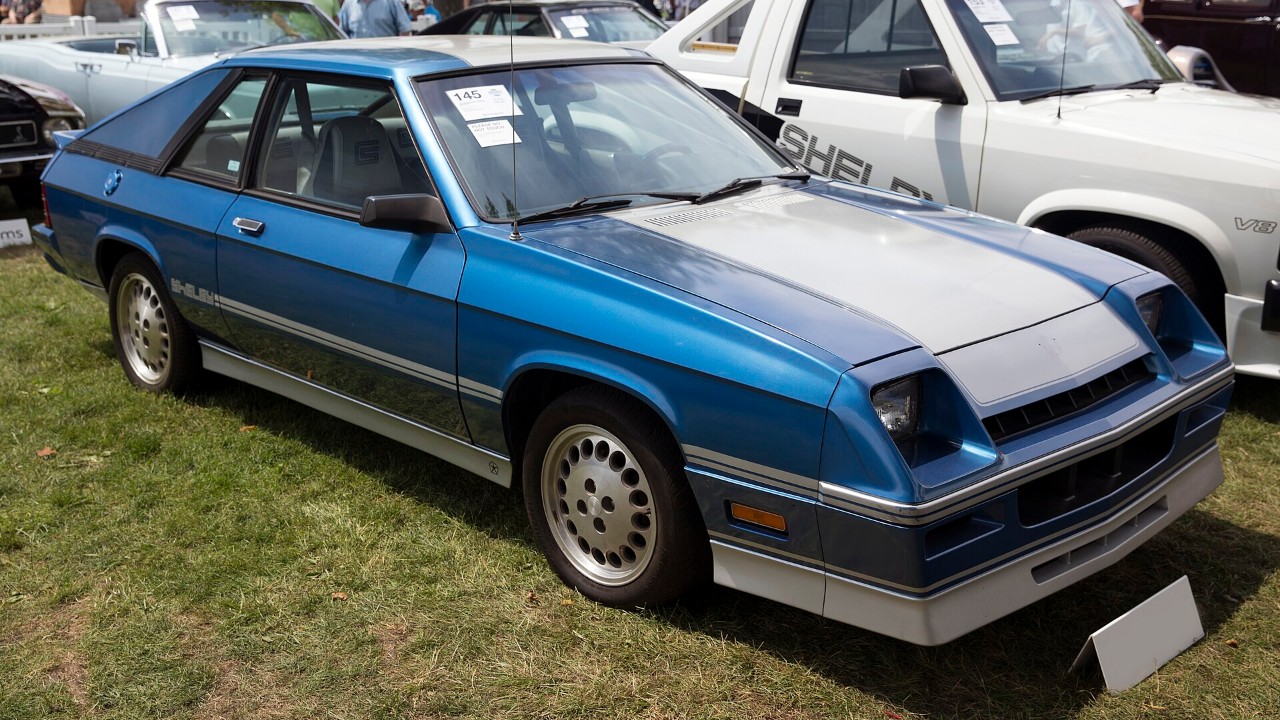
The Shelby Charger was the front-drive Charger done right. As Hagerty’s story on Carroll Shelby’s own 1983 car explains, Shelby raised the compression to 9.6:1 and added a hotter cam and a freer exhaust. That lifted output by 13 horsepower, to 107 horsepower and 127 lb-ft.
He also fitted quicker steering, one-inch lowering springs, lower-profile tires and vented front disc brakes. The result ran from 0 to 60 mph in just under 10 seconds, according to Hagerty. However, that wasn’t enough to make it valuable. Earlier in 2018, a very similar 1983 Charger prototype from Shelby’s collection sold for $23,520. When Shelby’s own 3,005-mile car went to Bonhams, its pre-sale estimate was $15,000 to $20,000.
That’s why we’d skip restoring one. If the founder’s personal low-mile car carries that kind of estimate, a tired Shelby Charger won’t repay a full rebuild. In short, even the best ones sit in a modest price range. Our advice: buy the cleanest original survivor you can find, keep its factory paint and stripes intact and leave the restoration to someone else.
5. 2008 Dodge Charger SE 2.7
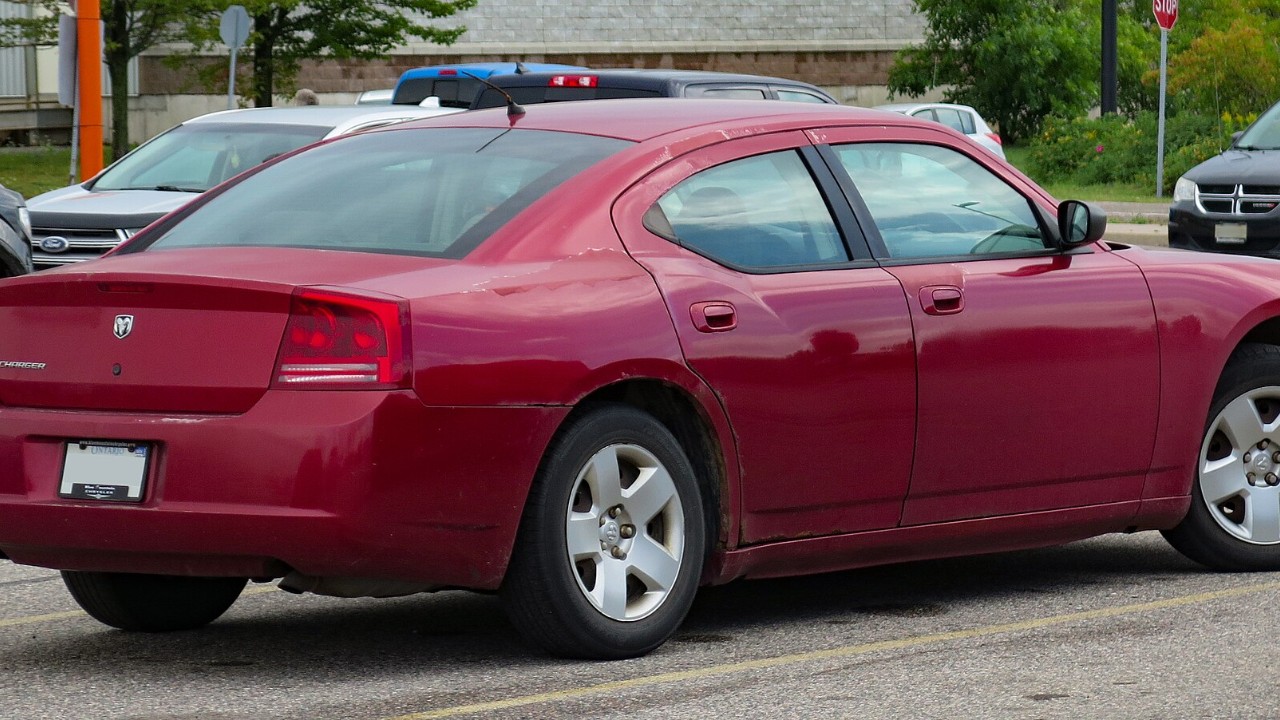
When the Charger came back as a rear-drive sedan for 2006, it covered a wide range of engines. From the 2008 models on, the base SE used a 2.7-liter V6, while the 2006 and 2007 cars had used a 3.5-liter V6. That left a big, heavy sedan with the smallest engine in the lineup.
The 2.7 also carries baggage. A class-action lawsuit against DaimlerChrysler over the same 2.7-liter V6 alleged that its design let oil sludge build up, which could lead to engine failure. That case, now marked settled by the plaintiffs’ law firm, covered 1998–2004 Concorde, Sebring, Intrepid and Stratus models, not the Charger. Still, in our view, the engine’s reputation never fully recovered.
In our view, a 2.7 Charger is a used car, not a restoration project. We also see no rarity here to protect. Our advice: if you’re shopping for one, demand oil change records and have a mechanic check for sludge. Better yet, pay a little more for a 3.5-liter or Hemi car, which we think makes a better long-term keeper.
6. 2006 Dodge Charger SXT
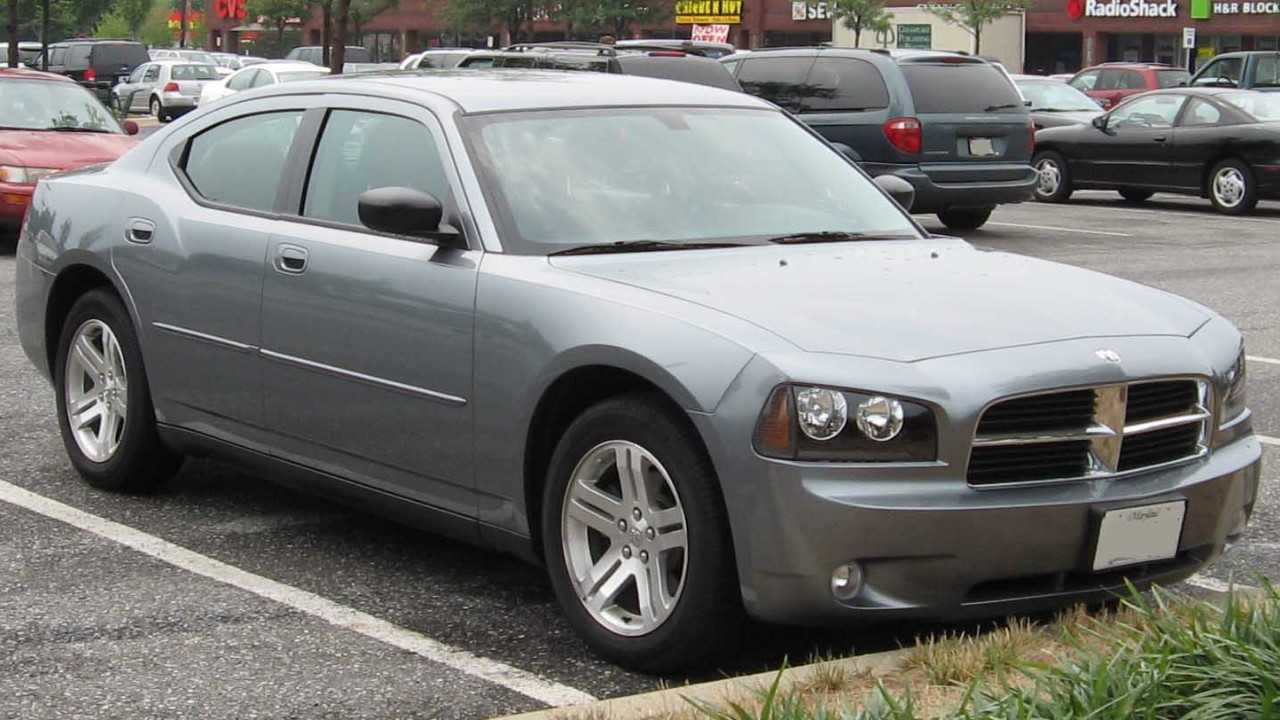
The SXT was the middle child of the 2006 Charger family. According to MotorWeek’s 2006 Charger road test, the SXT used a 3.5-liter V6 with 250 horsepower and 250 lb-ft, tied to a five-speed automatic. It listed at $25,995, and MotorWeek expected it to be the most popular engine.
That price is the problem today. The Charger R/T started at $29,995 and brought a 5.7-liter Hemi V8 with 340 horsepower. In other words, buyers in 2006 paid about $4,000 more for 90 extra horsepower. In our view, collectors will always favor the Hemi cars, the Daytona R/T and the later SRT8, so a V6 SXT sits near the bottom of the ladder.
Our take: there’s nothing wrong with a well-kept SXT, but it’s a common used sedan, not a classic in waiting. Spending restoration money on one makes little sense to us. Our advice: if you want a sixth-generation Charger to keep, buy an R/T or Daytona R/T and enjoy the V8. For a look at the Charger’s big-screen side, read how the Charger became Hollywood’s favorite muscle car.
More from Fast Lane Only