The United States may be one of the largest car markets in the world, but that doesn’t mean every exotic machine gets a pass onto American roads. In fact, some of the most alluring, rare, and high-performance cars ever built are banned from U.S. streets—not because they’re dangerous, but because they simply don’t meet the country’s strict safety or emissions standards. From hypercars that push the limits of design to limited-run foreign legends never intended for American soil, these forbidden machines have become the stuff of gearhead myth and internet lore. In this article, we explore the exotic cars that have been locked out of the U.S., and why enthusiasts still dream of the day they might finally cross the border.
Ferrari FXX-K
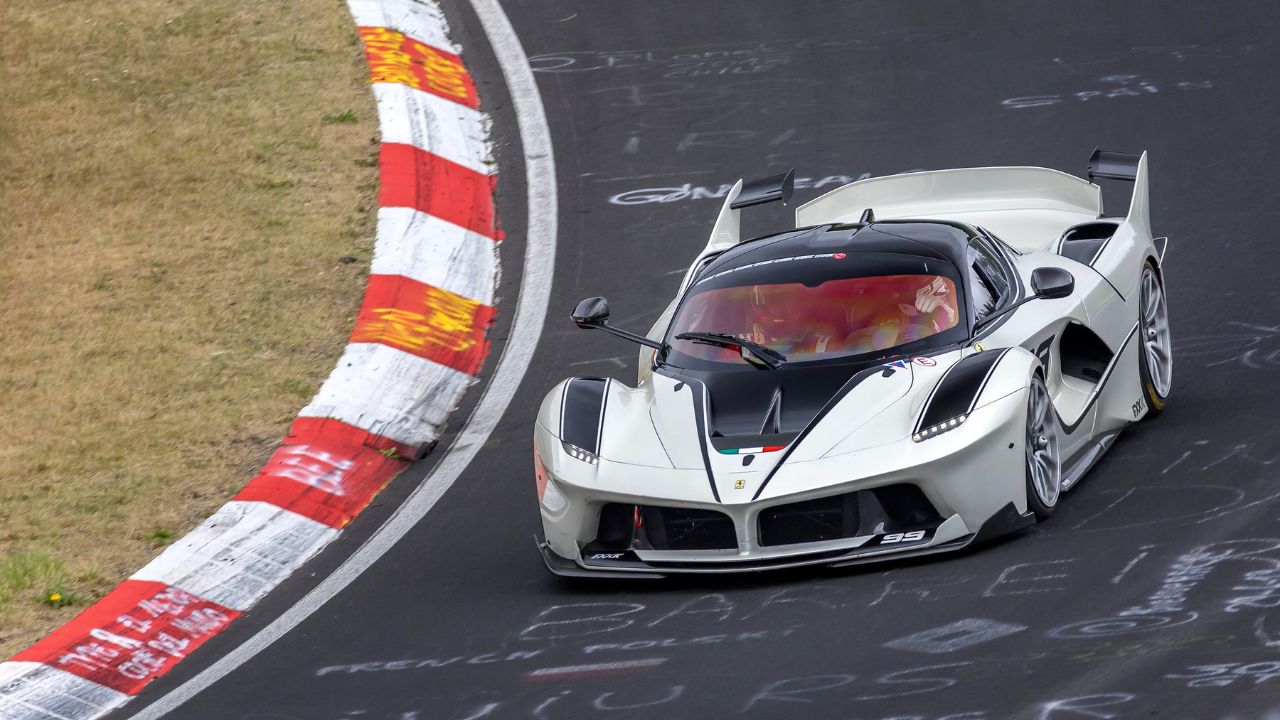
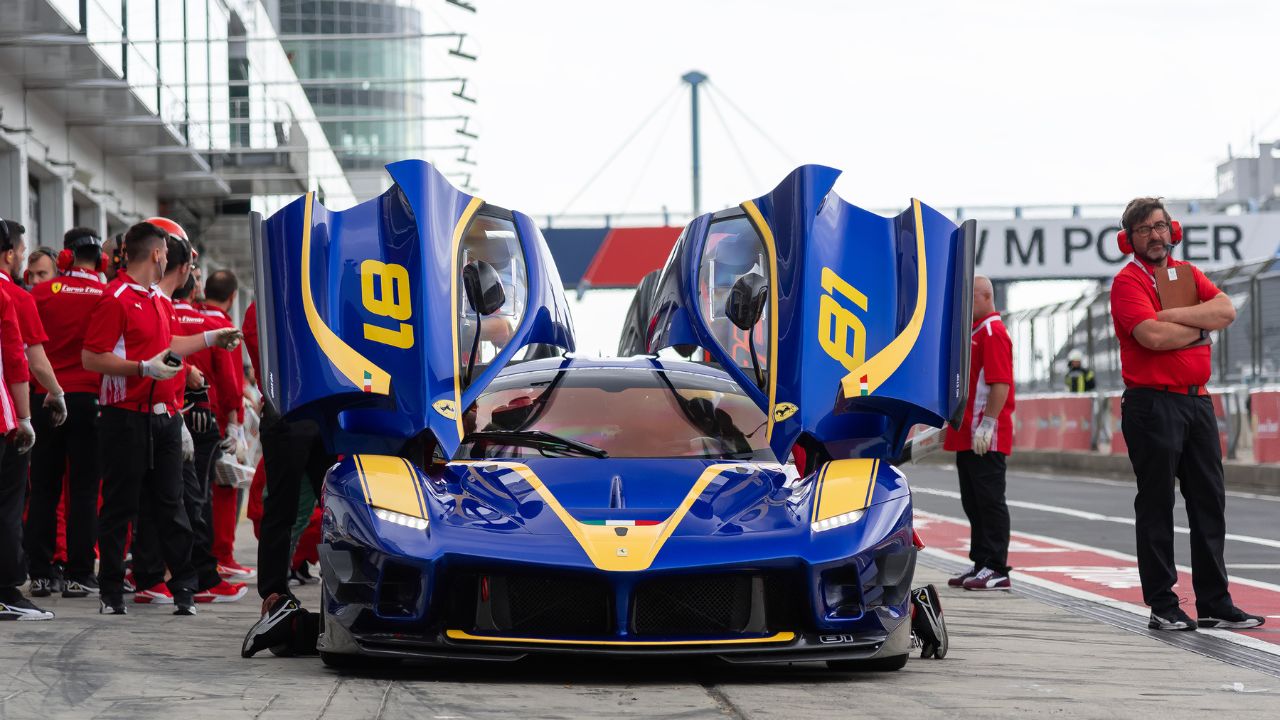
The Ferrari FXX-K is an extreme, track-only version of the LaFerrari hypercar, featuring a 6.3-liter V12 engine paired with an electric motor, delivering an astounding 1,036 horsepower. This exotic beast is not street-legal in the U.S. due to its lack of compliance with emissions and safety standards. Ferrari designed the FXX-K specifically for track use, offering owners the opportunity to participate in exclusive events organized by the brand.
One notable aspect of the FXX-K is its advanced aerodynamics, which include a massive rear wing and a complex array of splitters and diffusers to maximize downforce. While the U.S. has stringent regulations that keep it off the roads, enthusiasts can still catch a glimpse of this masterpiece at Ferrari-hosted track events worldwide. The car’s rarity and performance make it a coveted possession among collectors.
Porsche 959

The Porsche 959 is an iconic supercar from the 1980s, featuring cutting-edge technology for its time, such as an all-wheel-drive system and a twin-turbocharged flat-six engine. Unfortunately, the 959 was never officially sold in the U.S. due to its failure to meet emissions and crash safety standards, which were particularly stringent during that era.
Despite its ban, the 959 remains a symbol of Porsche’s engineering prowess, influencing the design of future models such as the 911 Turbo. In recent years, the “Show and Display” law has allowed a limited number of 959s to be imported into the U.S. for private collections, albeit with restrictions on usage. This exemption underscores the car’s historical significance and enduring popularity among collectors.
Jaguar XJ220-S
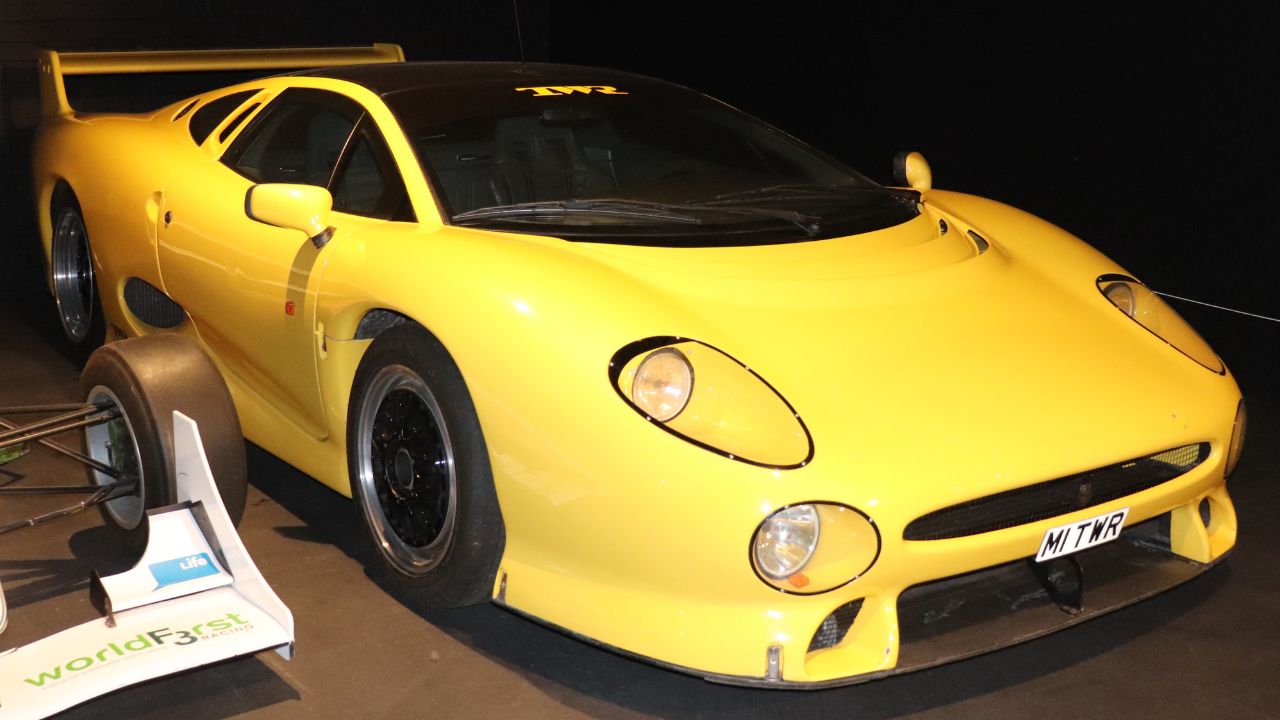
The Jaguar XJ220-S is a rare, race-bred variant of the XJ220, designed with a focus on weight reduction and performance. It features a 3.5-liter twin-turbo V6 engine producing 680 horsepower. However, the XJ220-S never made it to U.S. showrooms, largely due to its inability to comply with federal crash test requirements.
This limited-edition Jaguar’s lightweight construction and aggressive styling set it apart from the standard XJ220. With only a handful of units produced, the XJ220-S remains a sought-after collector’s item. Some enthusiasts have gone to great lengths to import this car under special exemptions, highlighting its allure and status as a motorsport legend.
TVR Sagaris
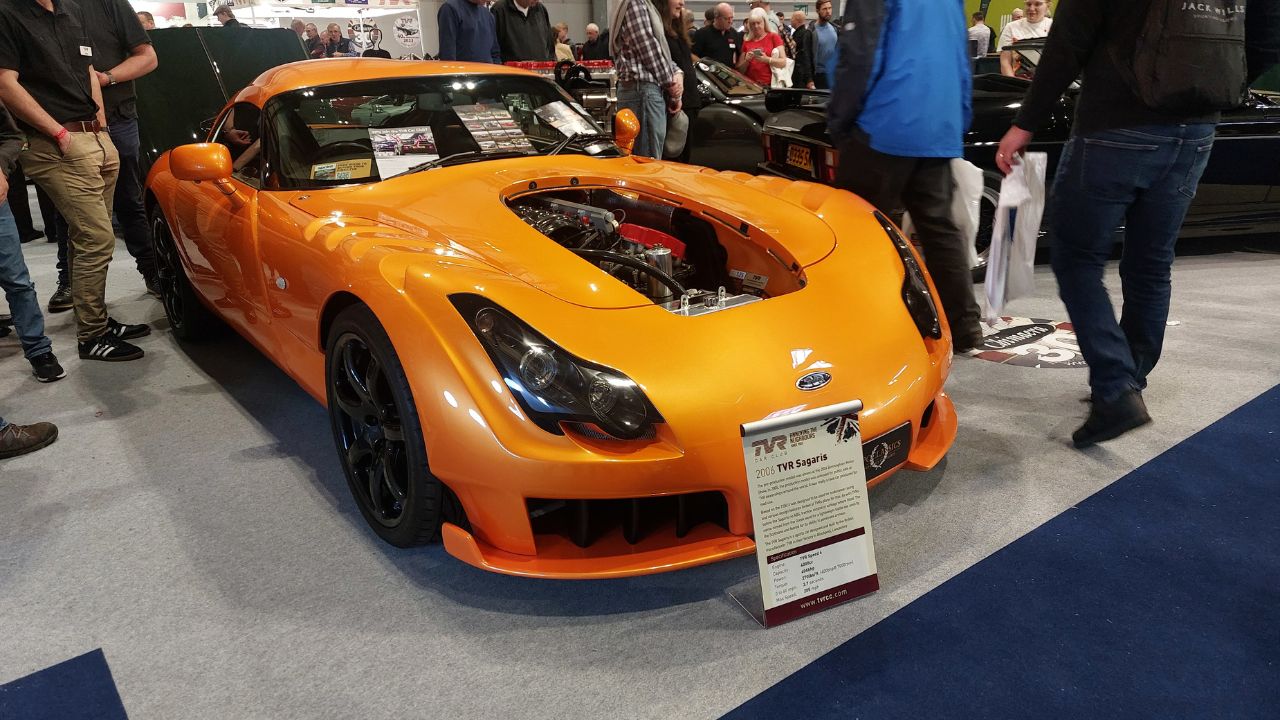
The TVR Sagaris, with its distinctive design and raw power, is a quintessential example of British automotive eccentricity. Powered by a 4.0-liter inline-six engine, the Sagaris delivers a thrilling driving experience. However, it lacks essential safety features like airbags and ABS, making it non-compliant with U.S. regulations.
TVR’s philosophy of prioritizing driver engagement over electronic aids is evident in the Sagaris, which offers an unfiltered connection between car and driver. While this approach appeals to purists, it also means the Sagaris can’t be legally driven on U.S. roads. The car’s rarity and unique charm continue to captivate enthusiasts globally, despite its regulatory limitations.
Nissan Skyline R34 GT-R
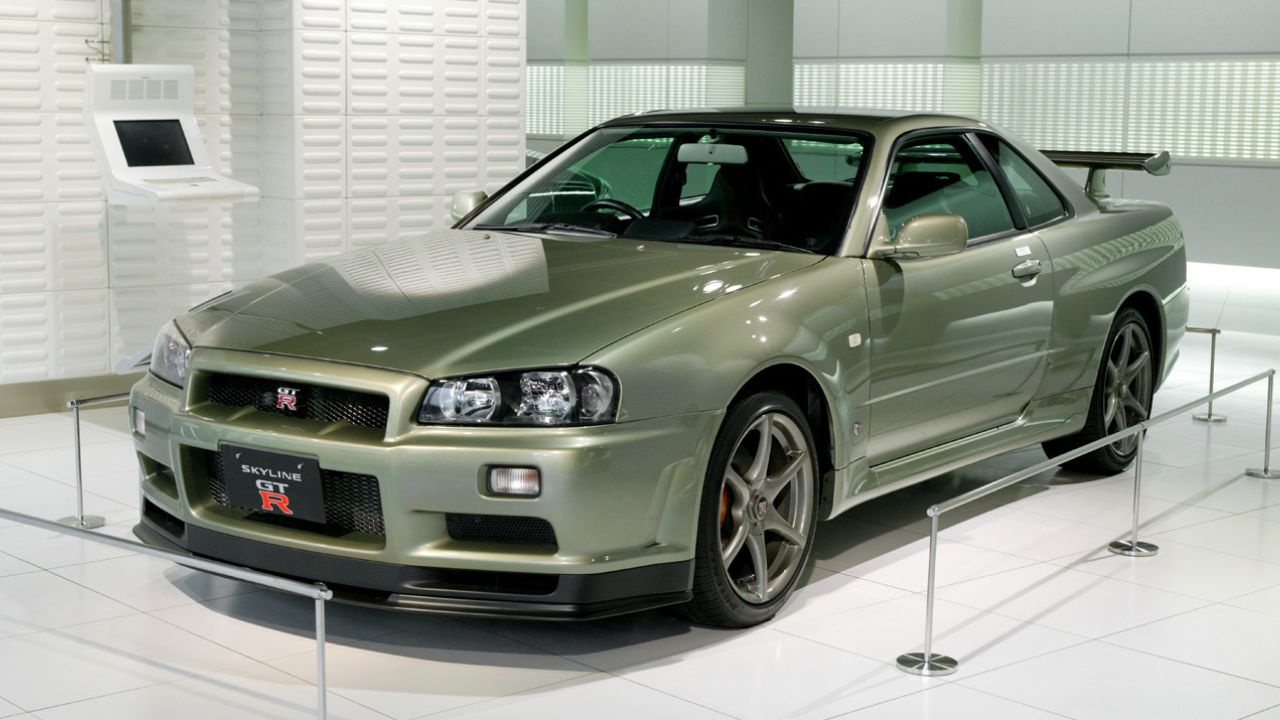
The Nissan Skyline R34 GT-R, often hailed as the “Godzilla” of cars, gained legendary status in the automotive world for its performance and advanced technology. With its RB26DETT engine and ATTESA E-TS all-wheel-drive system, the R34 GT-R is a formidable machine. However, it was never officially sold in the U.S. due to stringent emissions and safety regulations.
Thanks to its appearances in popular media, such as the Fast & Furious franchise, the R34 GT-R’s popularity soared, leading some enthusiasts to import it under the “25-year rule,” which allows cars not originally sold in the U.S. to be imported after 25 years. This rule means that, starting in 2024, certain R34 models will become eligible for legal importation, much to the delight of fans.
Aston Martin One-77

The Aston Martin One-77 is a masterpiece of design and engineering, limited to just 77 units worldwide. Its 7.3-liter V12 engine delivers a staggering 750 horsepower, making it one of the most powerful naturally aspirated cars ever produced. However, its non-compliance with certain U.S. safety regulations prevents it from being driven on American roads.
With its blend of luxury, performance, and exclusivity, the One-77 is a testament to Aston Martin’s craftsmanship. The car’s sculpted body and opulent interior make it a favorite among collectors, and while it may not be road-legal in the U.S., it frequently appears at international automotive events and private collections, showcasing its timeless appeal.
Lamborghini Strosek Diablo
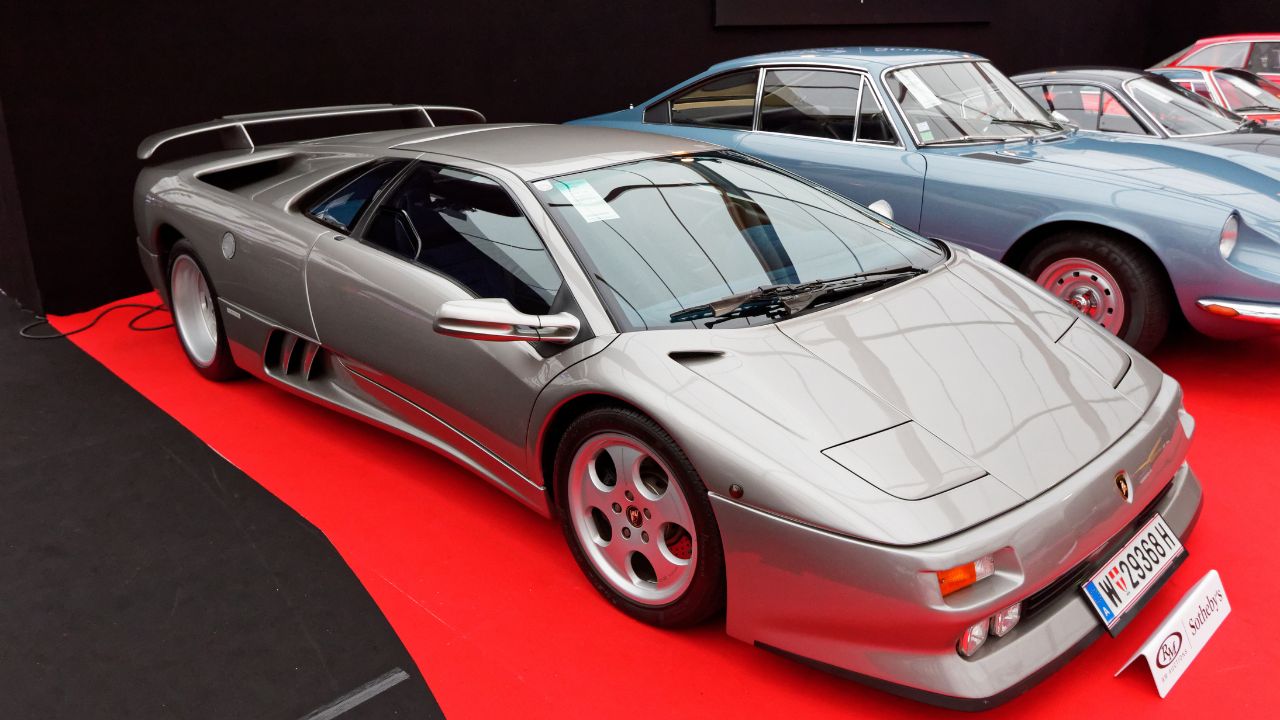
The Lamborghini Strosek Diablo is a modified version of the original Diablo, featuring a unique body kit designed by Vittorio Strosek. While the standard Diablo was sold in the U.S., the Strosek version never made it stateside due to its extensive modifications, which altered its compliance with safety standards.
The Strosek Diablo’s striking appearance, characterized by its wide body and aerodynamic enhancements, sets it apart from other supercars of its era. Its rarity and distinctiveness make it a prized addition to any collection, though its legal status limits its presence on American roads. Enthusiasts continue to admire its bold design and storied history.
Koenigsegg Agera RS
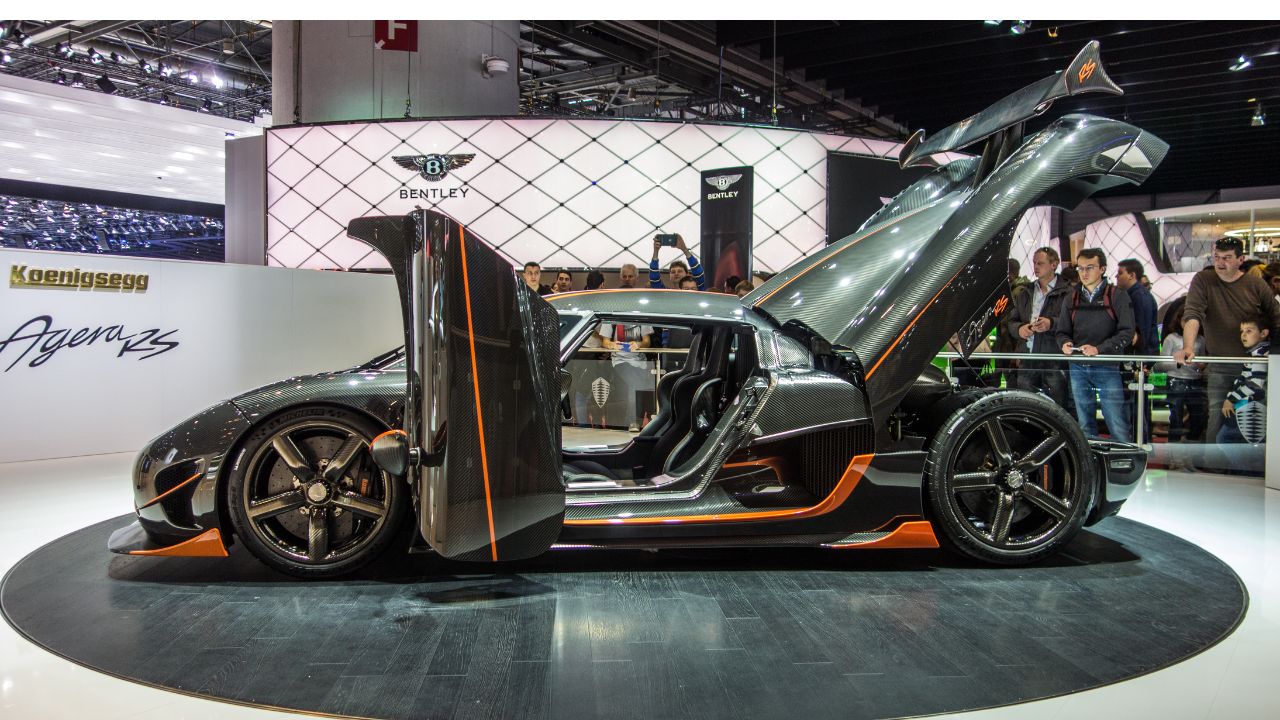
The Koenigsegg Agera RS holds the title of one of the fastest production cars in the world, boasting a top speed of over 277 mph. Its 5.0-liter twin-turbo V8 engine produces more than 1,300 horsepower, delivering mind-bending performance. Despite its capabilities, the Agera RS does not meet U.S. safety and emissions standards, restricting its road use in the country.
Koenigsegg’s commitment to pushing the boundaries of automotive engineering is evident in the Agera RS, which features advanced aerodynamics and lightweight construction. While American enthusiasts may only experience its prowess on the track, the car’s global influence and record-breaking achievements continue to inspire awe and admiration.
Pagani Huayra BC

The Pagani Huayra BC is a limited-edition hypercar named after Benny Caiola, a close friend of Horacio Pagani. With a 6.0-liter twin-turbocharged V12 engine sourced from AMG, the Huayra BC delivers 745 horsepower. However, its non-compliance with U.S. safety regulations prevents it from being driven on public roads.
The Huayra BC is notable for its meticulous craftsmanship and attention to detail, with a focus on performance and aesthetics. While its road use is restricted in the U.S., it remains a symbol of automotive artistry and innovation, appealing to discerning collectors and enthusiasts who appreciate its fusion of art and engineering.
Lotus Elise Series 1
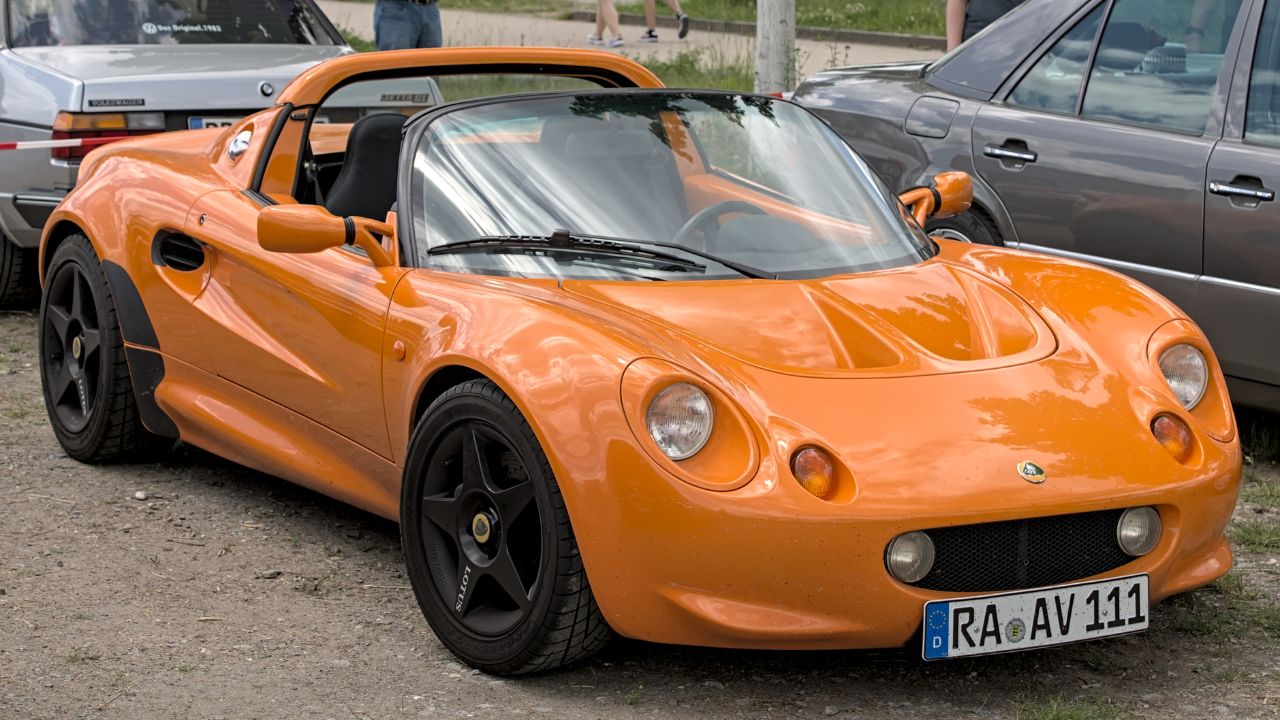
The Lotus Elise Series 1 is a lightweight sports car that embodies the essence of agile performance. Powered by a 1.8-liter four-cylinder engine, the Elise Series 1 delivers a pure driving experience. However, it was never sold in the U.S. due to its lack of airbag systems and other safety features required by American regulations.
Despite its absence from U.S. roads, the Elise Series 1 has become a benchmark for sports cars, influencing the design of subsequent models. Its simplicity and focus on driver engagement continue to resonate with enthusiasts worldwide. The car’s legacy endures as a testament to Lotus’s dedication to creating exceptional sports cars that prioritize handling and driver satisfaction.
Like Fast Lane Only’s content? Be sure to follow us.
Here’s more from us:
*Created with AI assistance and editor review.