A factory lightweight drag car was a showroom model with the street parts taken out and race parts put in. Detroit built these cars in tiny batches, mostly for NHRA Super Stock, and some came with paperwork that warned buyers off the road entirely.
These six run from Chevrolet’s 1962 aluminum-nose Impala to a Viper-powered Challenger that Mopar sold in 2011. Each one, in fact, carries a production count or a record that shows how close it came to being a pure race car with a VIN.
1. 1962 Chevrolet Impala SS 409, Chevy’s factory lightweight drag car
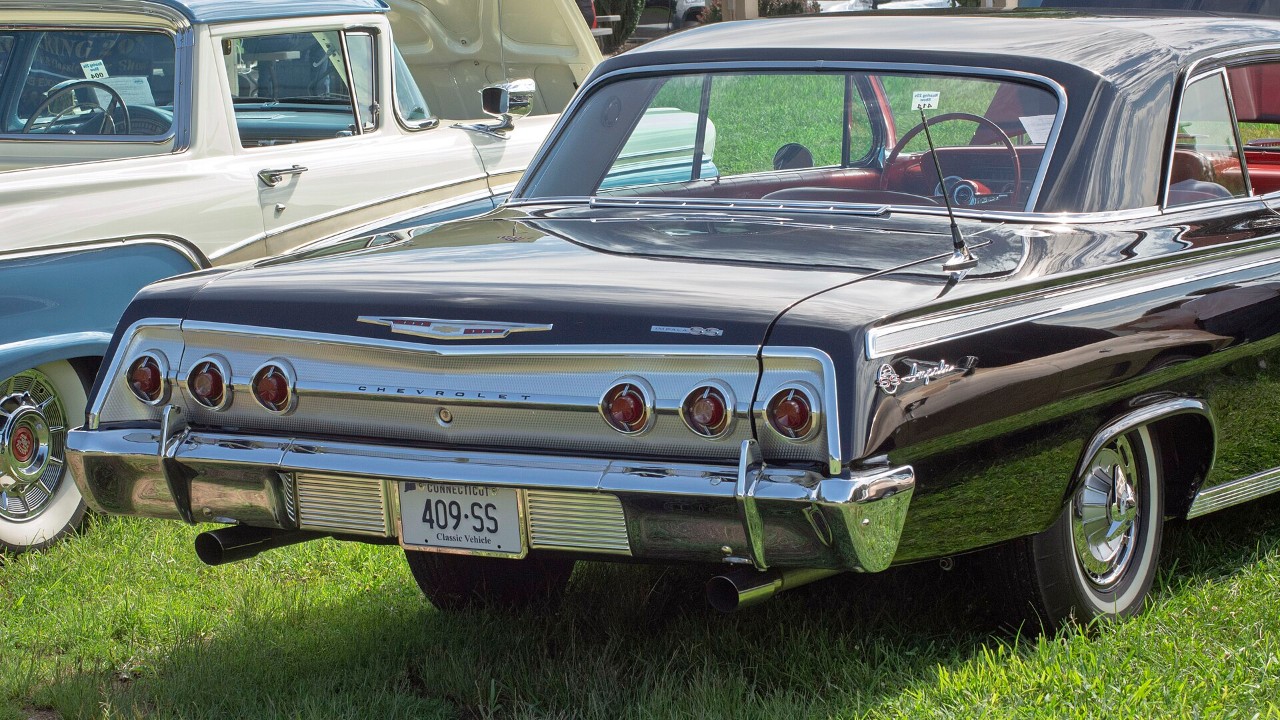
Chevrolet started its lightweight program with the 409 Impala. First, it swapped the steel hood and fenders for aluminum ones. Then it did the same with the inner wheelwells, bumpers and brackets. Under the hood, meanwhile, sat the dual-quad 409 rated at 409 hp. Only 18 Impala SS coupes got the full aluminum treatment on the assembly line.
According to Mac’s Motor City Garage history of the factory lightweights, the swap saved a reported 120 pounds. One car, raced by Zintsmaster Chevrolet of Kokomo, Indiana, ran in the low 12-second range at 115 mph at the 1962 U.S. Nationals. After that, the car sat in storage for over 20 years. Later, RM Sotheby’s sold it at Auburn Spring 2014 for $151,250.
2. 1963 Chevrolet Impala Z11
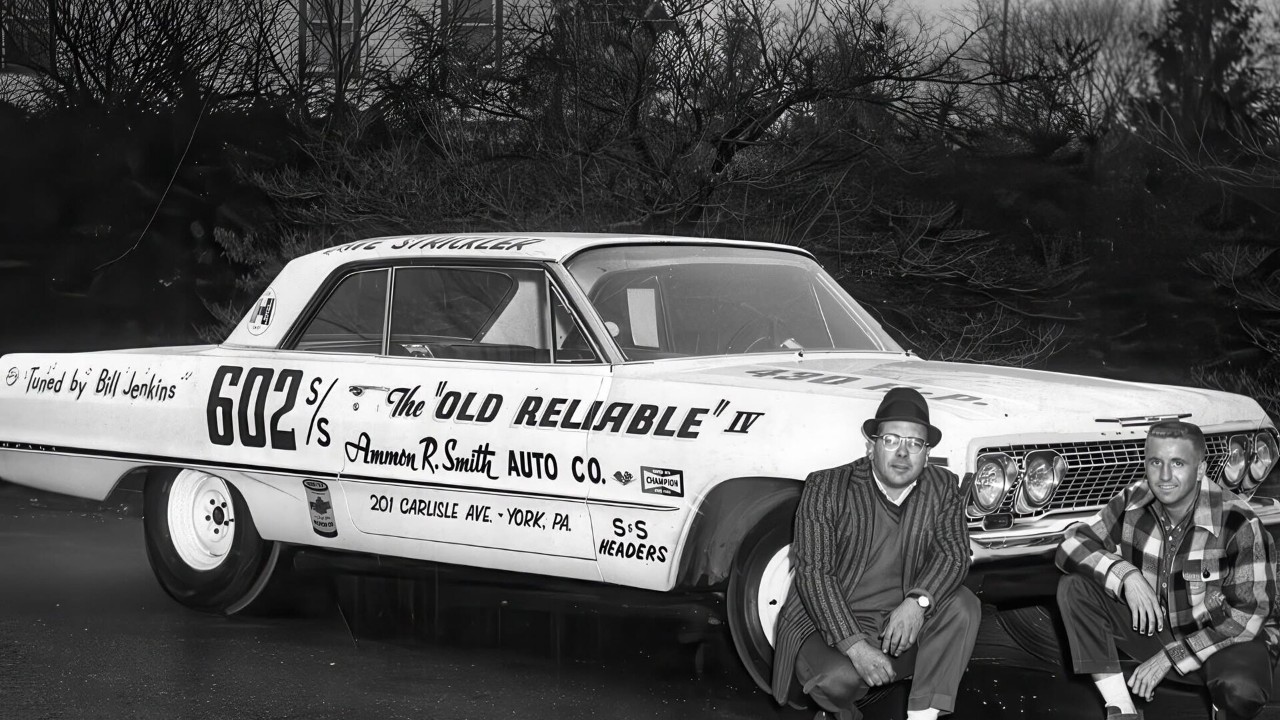
For 1963, Chevrolet stroked the 409 to 427 cubic inches and called the package Z11. It rated the engine at 430 hp, a number Hagerty calls intentionally low. In fact, Hagerty says over 500 hp was more likely. As on the 1962 car, the hood and fenders were aluminum, and Chevrolet built the cars at its Flint plant.
Counts differ. Hagerty’s look at factory drag racers puts production at 50, while the 409 enthusiast site 348-409.com counts 57. In addition, that site lists a 13.5:1 compression ratio and two Carter four-barrels. It also says a Z11 weighed about 300 pounds less than a regular 409 Impala, and that buyers got no radio or front sway bar. The option itself cost $1,240 on top of a $2,774 Impala.
3. 1963 Dodge 426 Max Wedge lightweight
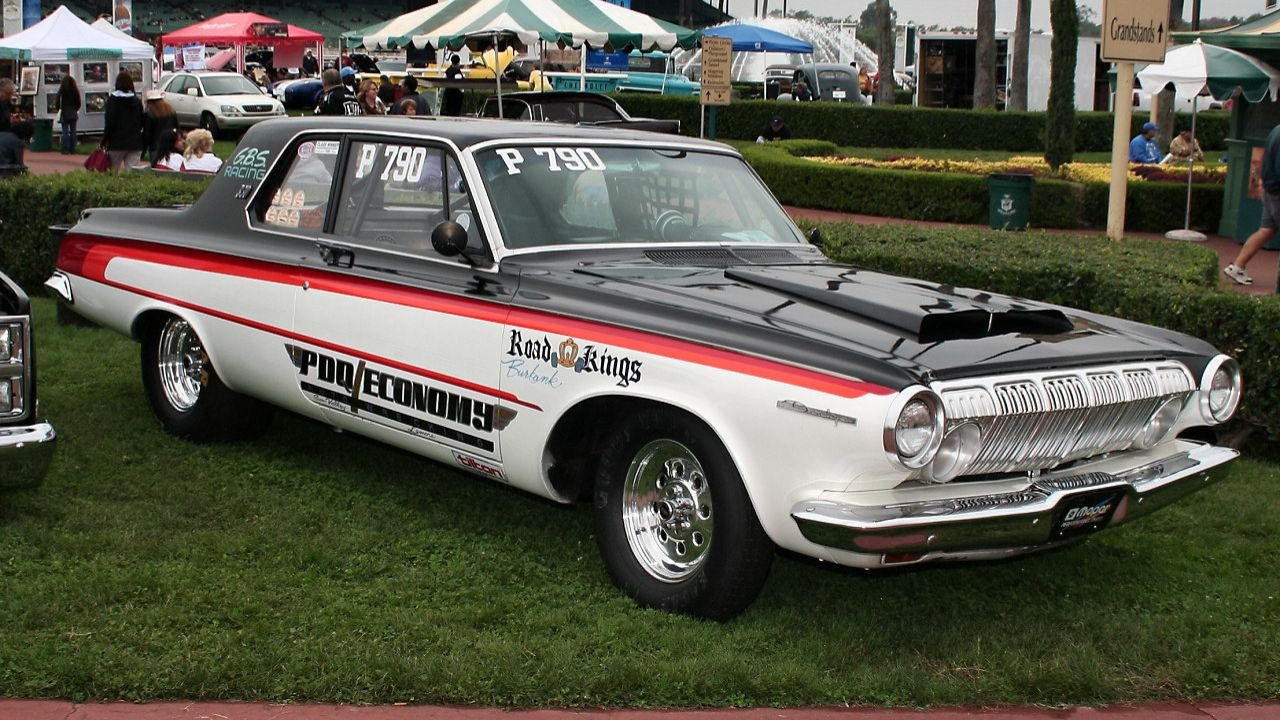
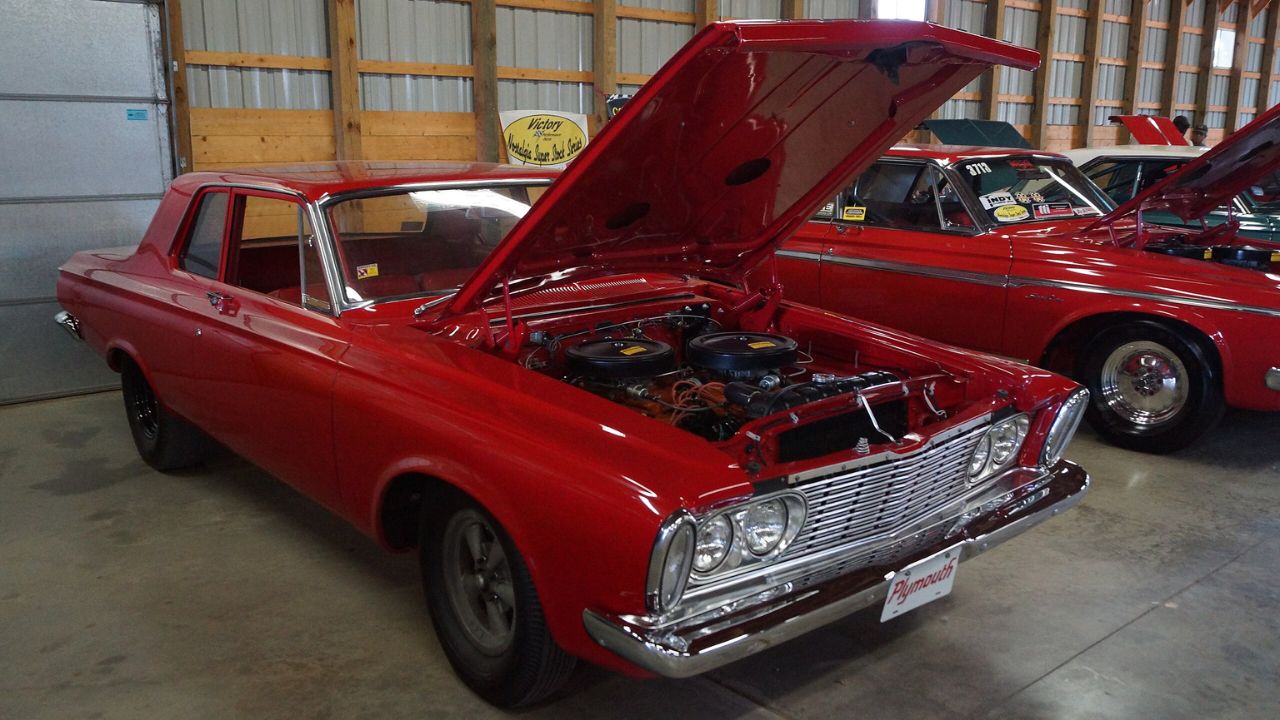
Chrysler answered with aluminum of its own. In February 1963, it added an Aluminum Package for Dodge and Plymouth cars. Buyers got a 426 Max Wedge V8 in Stage I or Stage II tune. Meanwhile, the hood, front fenders and valance panels came stamped in 26-gauge aluminum.
Mac’s Motor City Garage says those panels saved a reported 160 pounds. On a Dodge 330 lightweight, the short-ram 426 carried a 425-hp rating. That 330 also wore a scooped aluminum hood and an aluminum front bumper dust shield. According to the RM Sotheby’s catalog for one 330 Lightweight, Dodge built nine factory 330 Lightweights. That car, number three, sold for $110,000 in Arizona in 2017.
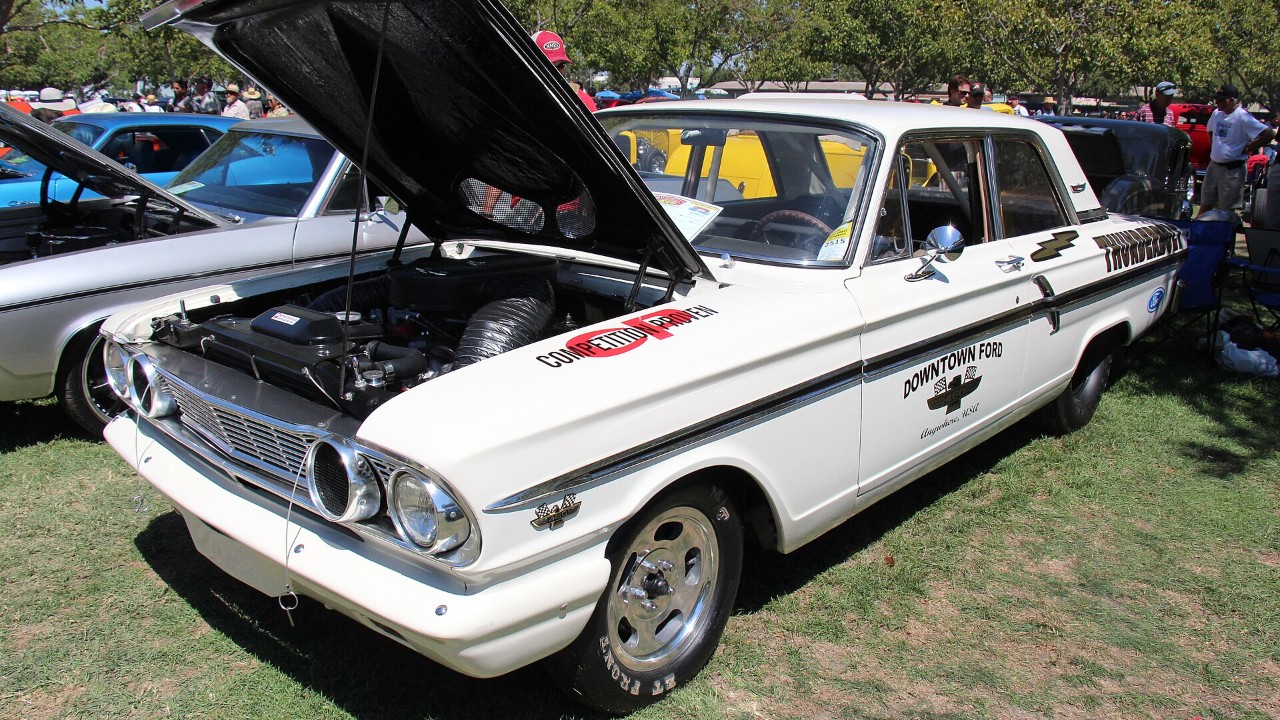
4. 1964 Ford Fairlane Thunderbolt
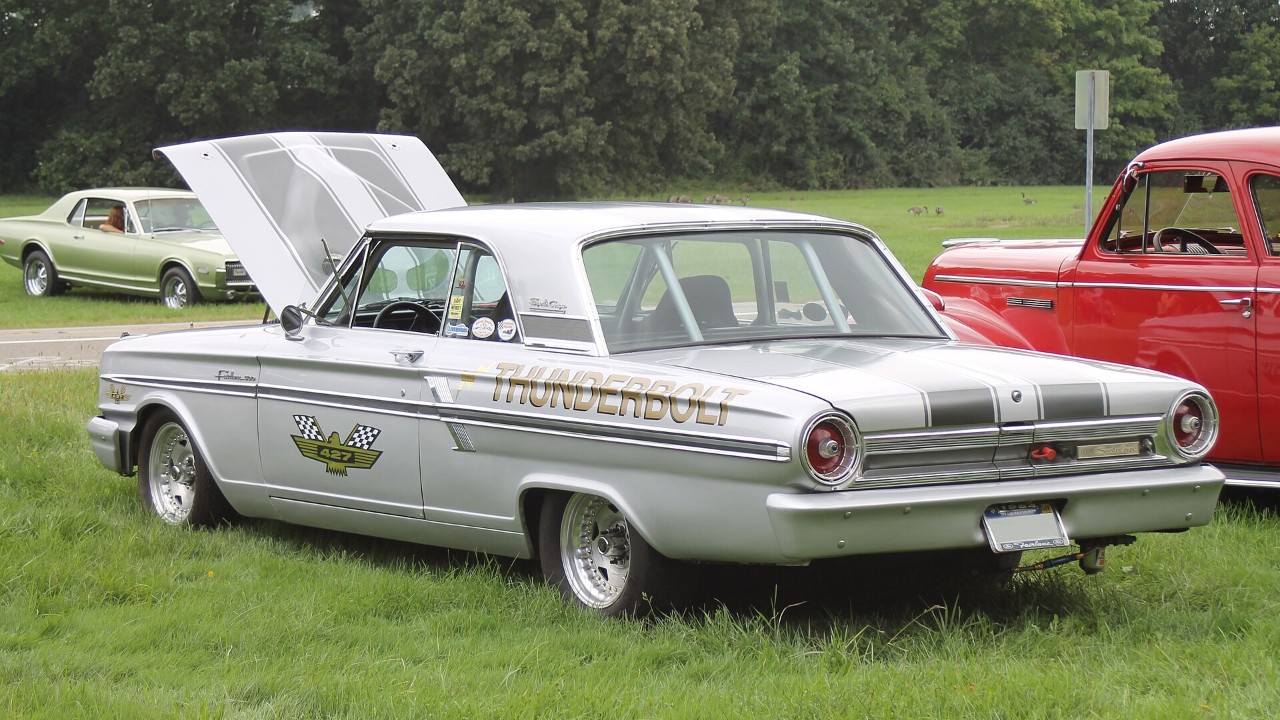
Mickey Thompson owned Thunderbolt number 10. Rather than run it as Ford built it, he fitted a one-off 427 with hemispherical combustion chambers. Driver Jess Tyree then ran it in A/FX at the Winternationals. There, it posted an 11.40 at 129 mph before the differential failed, according to its Barrett-Jackson Scottsdale 2012 listing.
By comparison, the standard car used a 427 High-Riser V8 in a midsize Fairlane. Ford sent the work to Dearborn Steel Tubing, which built 100 Thunderbolts, says Mac’s Motor City Garage. Hagerty notes Ford chose fiberglass panels because they cost less than aluminum. Conceptcarz adds Plexiglas side windows, a trunk-mounted battery and no radio or heater. At 3,203 pounds, the Thunderbolt took Super Stock class honors at both the NHRA Nationals and Winternationals in 1964.
5. 1968 Dodge Dart LO23 Hemi
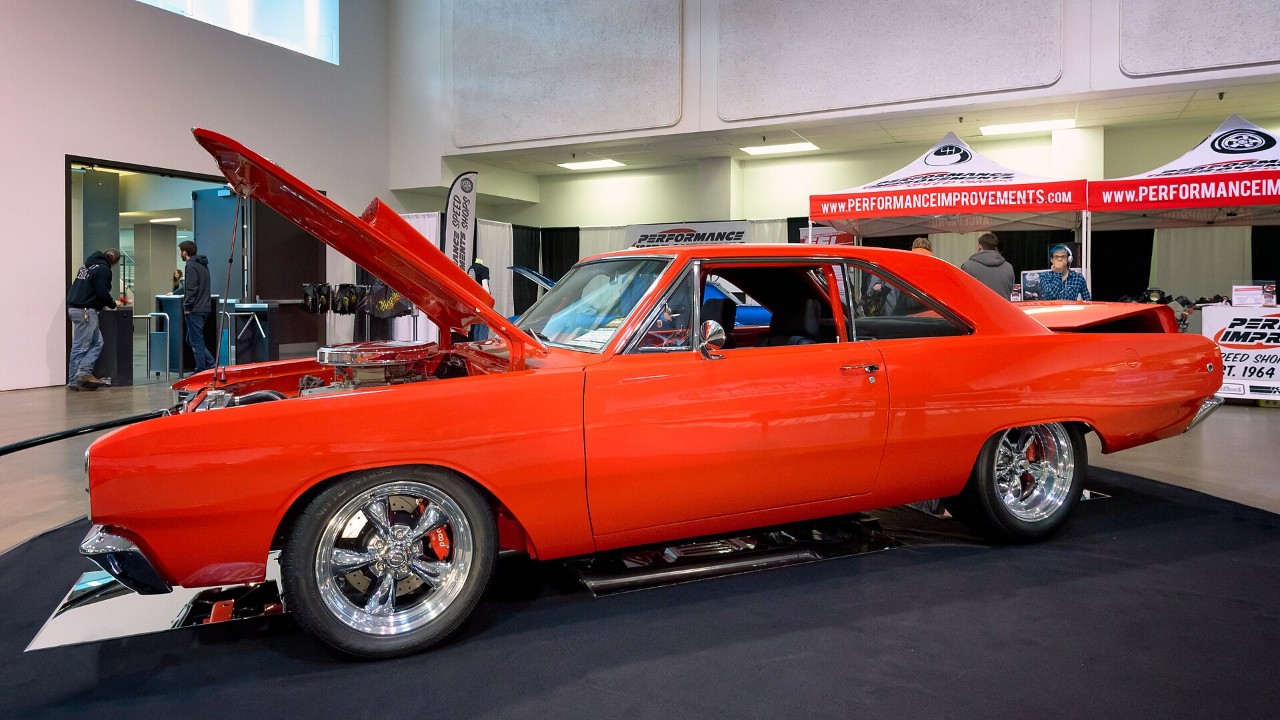
This is the one Dodge told buyers not to drive on the street. The LO23 Dart came with a race 426 Hemi at 12.5:1 compression, fiberglass front fenders and a scooped fiberglass hood. Dodge also stripped the steel doors and deleted the heater and rear seat. Finally, the cars came “as is” without any warranty.
All 80 LO23 cars came out of Hamtramck Assembly, and buyers could collect them at the Hurst facility, says Dodge’s own history of the LO23 Hemi Darts. Dodge adds that the factory stated the cars were not for street use. On the strip, they ran mid-10s all day. For example, Dodge says one Landy car ran a 10.46 at 131.19 mph at OCIR in October 1968. Mac’s Motor City Garage notes the windows went up and down on a length of seat belt webbing.
6. 2011 Dodge Challenger Drag Pak
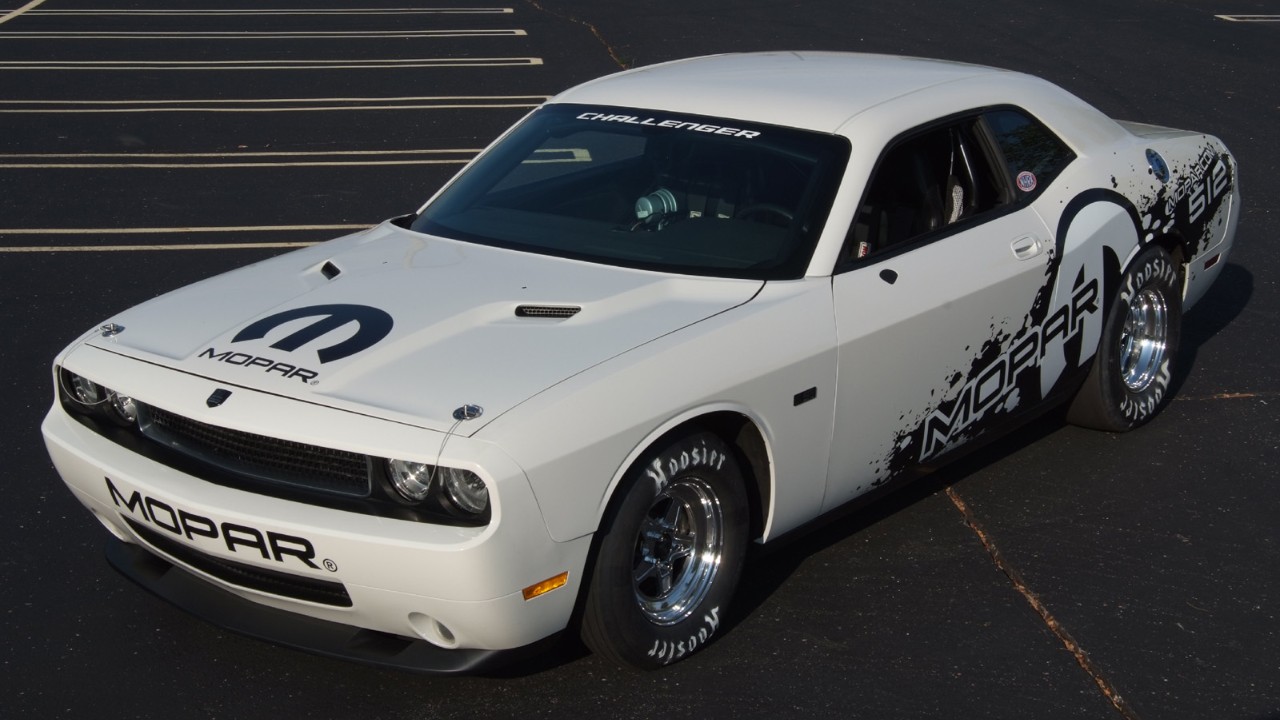
Forty-three years later, Mopar revived the formula with a V10. The 2011 Challenger Drag Pak used the Viper’s 8.4-liter engine, and Hagerty says about 500 pounds came out of the stock car. Like the Hemi Dart, it targeted NHRA Stock and Super Stock classes rather than the street.
Mopar announced the car on October 1, 2010, according to AutoGuide’s report on the release. AutoGuide reported 600 hp and 560 lb-ft of torque from the 512-cubic-inch V10. It also listed a two-speed automatic, a fuel cell and polycarbonate door windows. Mopar said it would build just 70 of them, at $85,512 each.
More from Fast Lane Only