Few car problems are as maddening as one that only shows up when it wants to. That was life with one family’s GMC diesel truck, a four-cylinder model the shop calls a Baby Max, with about 134,000 miles on it. Twice it died while climbing a hill, and twice the fix was a new fuse.
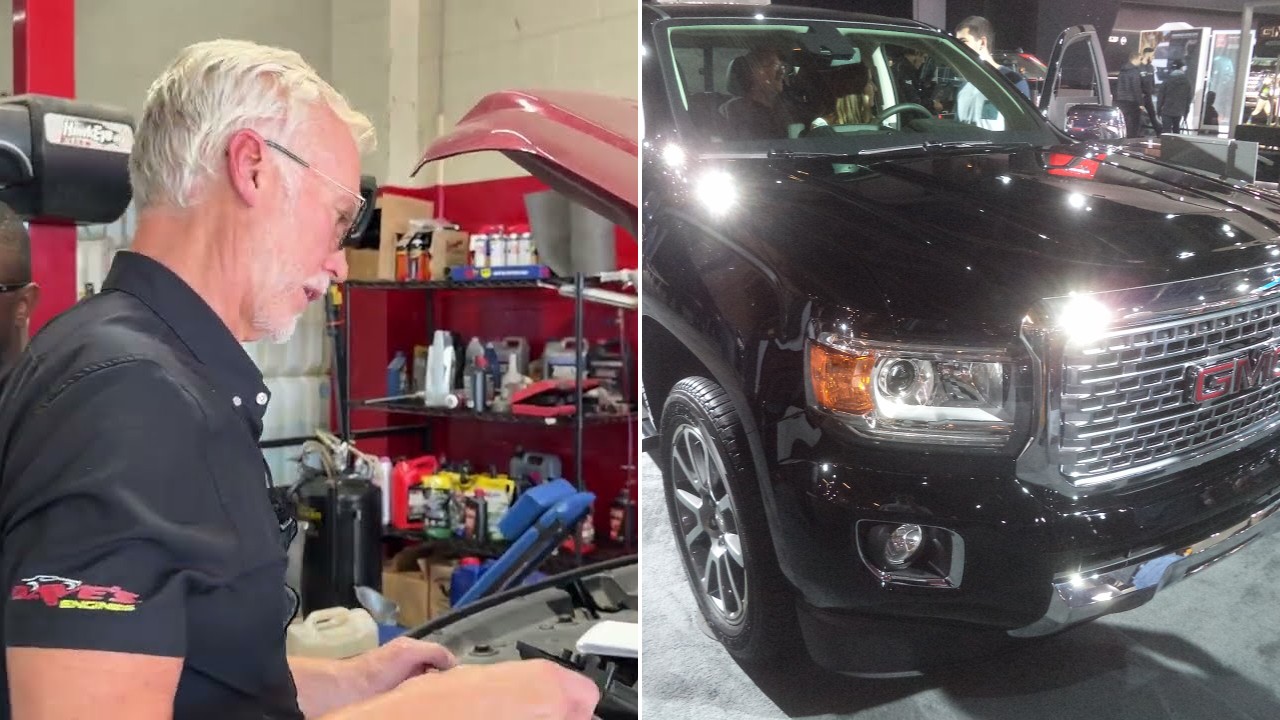
So the owner had the truck brought up from Arizona to a Utah repair shop that posts as @DavesAutoCenterCenterville. Shop owner Dave and his newest technician, DQ, took on a job that other shops had passed back. Because the trouble came and went, they knew it would not be quick.
A Fuse That Kept Blowing On The Way Up The Hill
According to the owner, his daughter was driving the truck up a long highway grade near Prescott. That climb runs from about 1,500 feet to 4,000 feet in a short stretch. Then, without warning, the engine quit.
“And all of a sudden it just catastrophically stops.”
He says the truck shook hard, pulled over and would not restart. After a tow, the first shop replaced a fuse and sent it back running at no charge. A couple of weeks later, it happened again on a Phoenix freeway while she merged into traffic.
He says the next stop did much the same thing. In fact, one place even suggested he just carry a bag of fuses. To keep it moving, he put in a 10-amp fuse where the diagram called for a 7.5. However, he told Dave a fuse is a symptom, not a fix.
Testing The GMC Diesel Truck One Circuit At A Time
First, Dave and DQ checked the oil, the battery and the connectors, and nothing looked wrong. Next, they read the fuse panel. The fuse for the odd-numbered injectors was a 7.5-amp, while the even side used a 15-amp, which puzzled them both.
DQ then measured each injector’s resistance, and all of them were in spec. After that, he clamped an amp meter on the circuit and drove the truck up steep hills. The draw never went past about 4.5 amps, so a slow overload did not fit.
Instead, he went back to the shop, switched the key on and started twisting the wiring harness by hand. When he moved one bundle near the firewall, his reading went dead.
“And a freaking fuse popped.”
Two Wires Worn Through By An A/C Line
At that point, the shop thought the cab might have to come off the frame to reach the harness. DQ, though, reached in through the wheel well first. There, right against an aluminum A/C line, he found the harness cover worn through and bare copper showing.
Dave called the owner with the news.
“We’re not going to have to pull your cab to fix this.”
Once DQ cut the cover open, he found a second chafed wire as well. It carried the cooling fan speed signal. Dave then lined that up with the truck’s records, which showed a fan clutch replaced near 100,755 miles and replaced again about 10 miles later. In his view, the rubbing started back then. Still, he says he would likely have changed that fan clutch too.
What We Would Take From This Repair
This story is a good reminder that a blown fuse usually points at something else. DQ’s own tip for owners is short.
“Yeah, don’t put a bigger fuse in there.”
Here is what we would keep in mind as well:
- Treat a fuse that blows twice as a warning, not as the repair.
- Never put in a bigger fuse than the circuit calls for, because the wire can overheat first.
- Ask the shop to try to recreate the fault, even if that means a long test drive.
- Look for spots where a harness touches a metal line, bracket or edge.
- Keep old invoices, since an earlier repair can point to the real cause.
Where Things Stand
In the end, DQ repaired both wires, wrapped the area in anti-chafe tape and put a split piece of heater hose over the A/C line. After a test drive and another wiggle test, the fuse held. Dave then told the owner the truck was fixed without pulling the cab, and that the old fan problem was likely solved too.
More from Fast Lane Only