Ford is winding down one of its most important compact crossovers, and the reaction inside showrooms is far from calm. As the Escape exits the lineup, dealers are warning that loyal buyers may simply walk across the street to rival brands rather than accept Ford’s proposed replacements.
The decision fits a broader strategy shift toward electric vehicles and higher-margin trucks, but it also removes a long-standing entry point into the brand. I see a growing tension between Ford’s future-focused product plan and retailers who still rely on a steady stream of practical, gas-powered SUVs to keep their lots busy.
Ford’s quiet goodbye to a workhorse SUV
Ford is phasing out the Escape, a compact SUV that has anchored its family lineup for years and often served as a first step into the brand. The company plans to stop producing the Escape and its luxury twin, the Lincoln Corsair, while keeping enough inventory in the pipeline to last into 2026, according to reporting on two popular SUV models. That means shoppers will still see Escapes on dealer lots for a while, but the assembly lines are already on borrowed time.
For retailers, the Escape was not just another nameplate, it was a volume engine that pulled in budget-conscious families, commuters, and downsizing retirees. One analysis notes that the compact SUV segment was central to attracting first-time Ford buyers, and dealers now fear that ending the Escape will send those shoppers “straight to other manufacturers,”. When a model plays that kind of gateway role, removing it is not just a product decision, it is a bet on how much loyalty the badge still commands without its most accessible SUV.
Dealers warn of customers “fleeing” to rivals
The sharpest pushback is coming from the front lines, where Ford dealers are already bracing for lost traffic. Retailers quoted in recent reporting say customers could “flee dealerships” after the Escape is dropped, arguing there is “nothing like it” in the current lineup to keep those buyers from drifting to competitors, a fear captured in coverage of Ford customers. I read that as more than hyperbole, because compact crossovers are often the default choice for households that simply need a practical, affordable vehicle.
Dealers also point out that the Escape’s sales performance hardly looked like a model on its last legs. One comparison notes that its volume was roughly on par with the Bronco Sport’s 132,216 units over a similar period, suggesting the compact SUV was still pulling its weight even if it was not Ford’s most profitable product. When a vehicle that sells at that level disappears, salespeople lose a reliable answer for shoppers who walk in asking for “something like an Escape” and may not be ready to jump to a more expensive Bronco Sport or Explorer.
Strategic pivot: killing gas SUVs to fund cheaper EVs
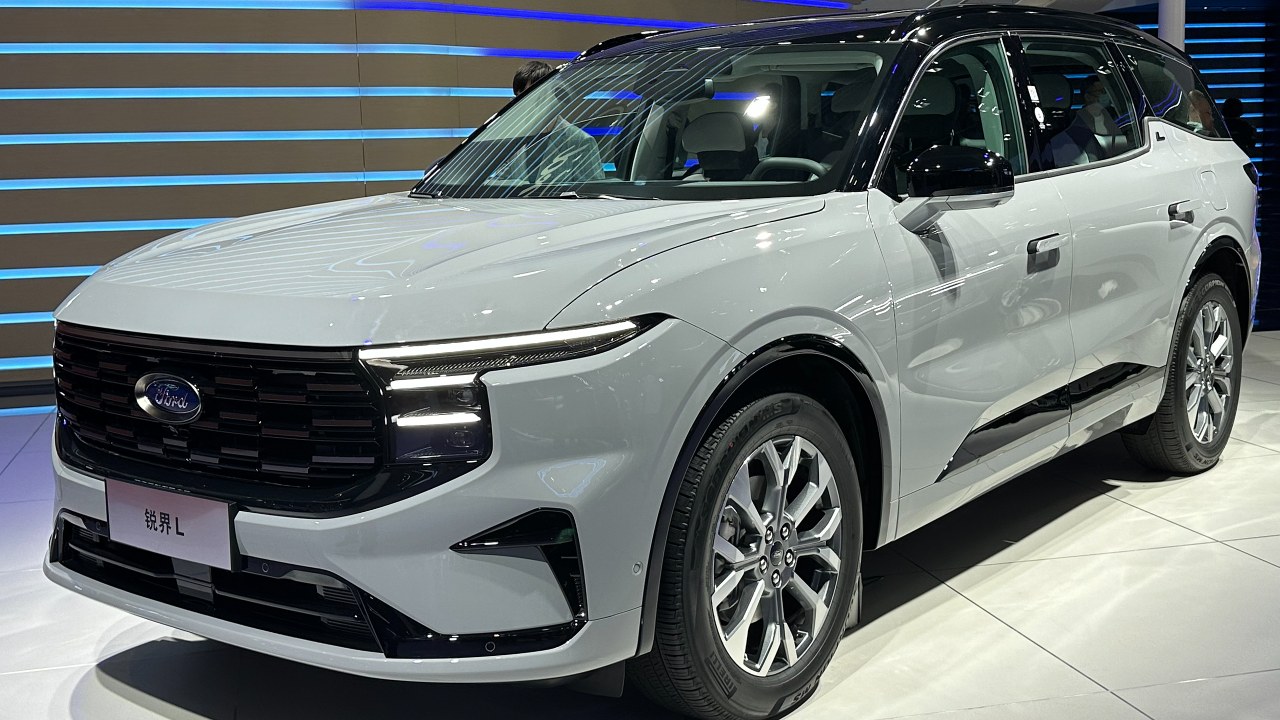
From Ford’s perspective, the Escape’s demise is part of a larger reallocation of resources rather than a simple pruning of slow sellers. The company is discontinuing the Escape and Lincoln Corsair to clear the way for a new, lower-cost electric vehicle and a “disruptive” electric truck, a shift that includes a roughly $2 billion overhaul of a U.S. factory and thousands of new jobs, according to reporting on gas-powered SUVs and a separate account of two popular SUVs. The logic is clear: retire aging internal-combustion models to free up capital and factory capacity for the next generation of EVs that regulators and investors are pushing for.
This is not the first time Ford has trimmed its crossover lineup in the name of strategy. The company is also ending the Edge after the 2024 model year, a move explicitly tied to a shift toward electrification and a desire to streamline overlapping models, as explained in an analysis of why the Edge was discontinued. I see a consistent pattern: Ford is willing to sacrifice familiar nameplates if they do not fit its long-term EV and profitability targets, even when those vehicles still draw steady showroom traffic.
Why the Escape mattered more than its margins
On paper, the Escape may not have been a star in Ford’s profit charts, but it punched above its weight in brand-building. Reporting describes The Escape as less profitable than some of Ford’s other SUVs, yet still “underrated” and important enough that dealers are “a bit concerned” about losing it, with some warning that the upcoming electric replacement would not fill the gap. That tension between margin and mission is at the heart of the current backlash.
Compact SUVs like the Escape also serve as a hedge against economic uncertainty. When budgets tighten, buyers often downshift from larger trucks or three-row SUVs into something smaller and more efficient, but still roomy enough for daily life. One report notes that the Escape was a key tool for attracting first-time Ford customers, a role that becomes even more critical when shoppers are wary of higher payments or untested EV technology. By removing that safety valve, Ford is effectively betting that its remaining lineup and future EVs can carry both the brand’s image and its sales volume through the next cycle.
What comes next for buyers and the brand
For shoppers, the short-term impact will likely be a mix of discounts and difficult choices. With production ending but inventory expected to last through 2026, buyers can anticipate deals on remaining Escape stock as dealers work through their pipelines. After that window closes, many of those customers will be nudged toward the Bronco Sport, which shares some underpinnings but leans harder into off-road styling and pricing that can climb quickly with options.
Longer term, Ford is counting on its new affordable EV and future electric truck to keep those buyers in the fold, even as some dealers argue that the upcoming battery-powered models will not replicate the Escape’s blend of price, practicality, and familiarity. One detailed account notes that while the idea of an inexpensive EV is appealing, killing an existing entry-level vehicle risks leaving a hole in the lineup once the Escape and Corsair are gone for good. I see that as the central gamble: if the new electric offerings resonate quickly, Ford’s bold pivot will look prescient, but if mainstream buyers hesitate, the loss of a fan-favorite SUV could haunt showrooms long after the last Escape leaves the lot.
More from Fast Lane Only: