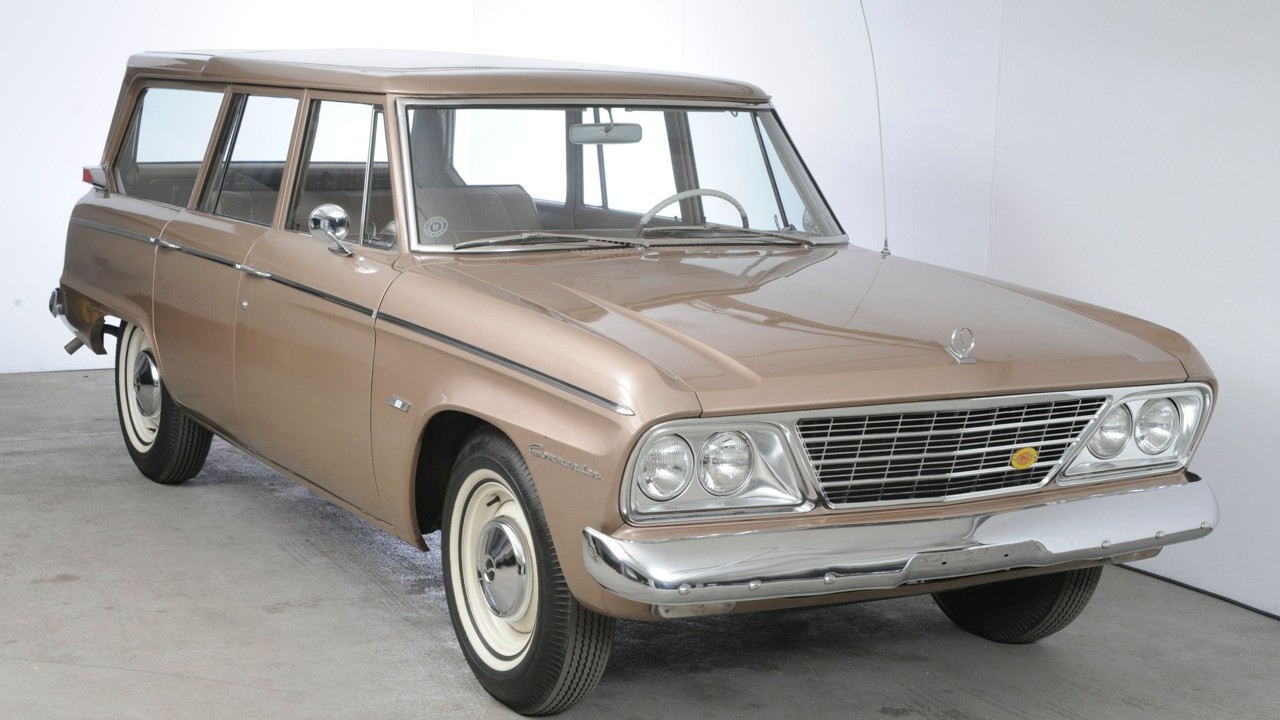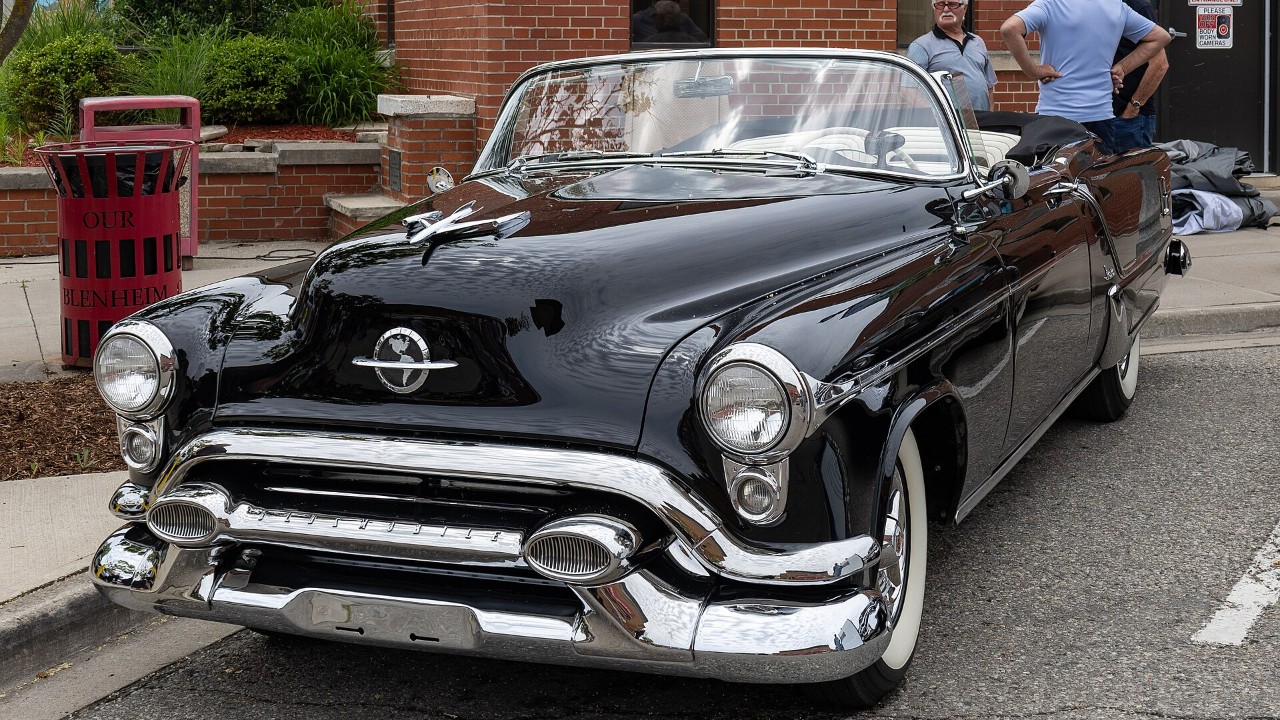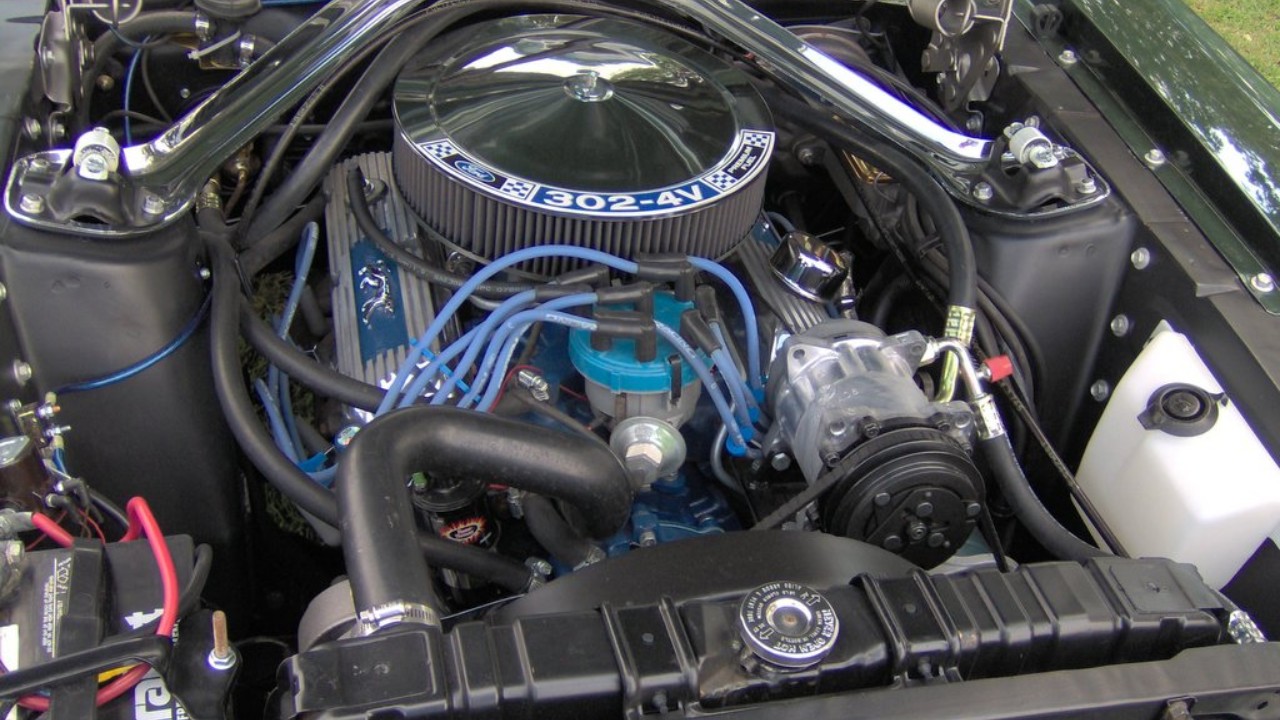
Ford’s Windsor V8 started life in 1962 as a 221-cubic-inch engine that replaced the old Y-block. From there, it grew into the 289, the 302 and the 351, and it powered everything from family wagons to Shelbys. Many small-block engines of that era followed a similar path.
Those engines were built for ordinary cars, so they had to survive lazy owners, short trips and skipped oil changes. Some also ended up in race cars, police cruisers and Jeeps. Not every design aged well, of course. Several did, though, and they kept turning up in new cars for decades.
These twelve are our picks for small-block V8s that refuse to wear out no matter how they’re driven. The verdicts are our opinion, based on how long each engine stayed in production, where it was used and what the record shows. Our specs come from engine histories, period ratings and specialist guides.
1. Ford 289 Windsor V8
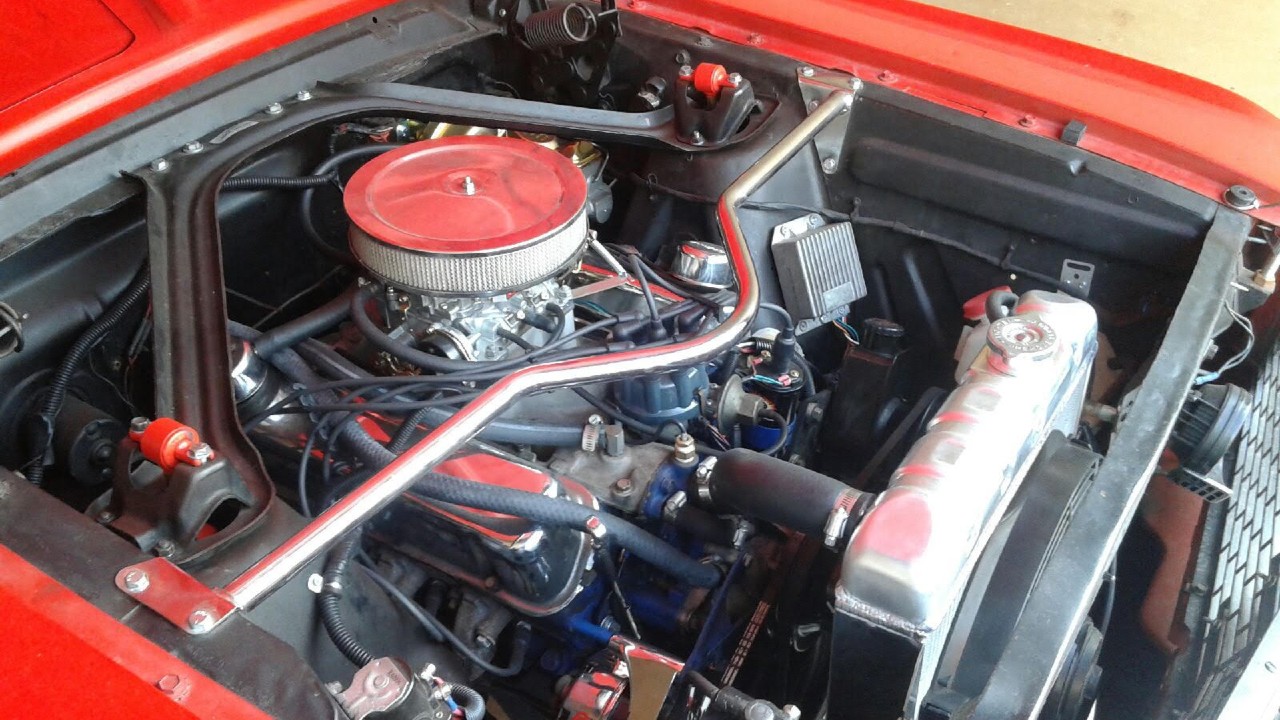
The 289 arrived in 1963, after the Windsor family had already grown from 221 to 260 cubic inches. According to ClassicCars.com’s history of the Ford small-block, the 1963 engine made 195 horsepower with a two-barrel and 225 with a four-barrel. It also used larger valves than the earlier small-blocks.
Then Ford built a tougher version. By 1965, the high-performance “K-code” 289 made 271 horsepower with heavy-duty parts, different heads and bigger valves. Ford offered that HiPo engine in the Fairlane from 1963 and in the Mustang from 1964. Carroll Shelby then used that K-code engine as the base for the GT350, rated at 306 horsepower with a bigger carburetor, a high-rise intake and freer exhaust.
Our take: the 289 is the engine that proved a light small-block could take real punishment. The same basic design ran in everyday Fords and in a Shelby on a road course. That range is the best evidence of its toughness. If you want one, a K-code car is the prize. Even a two-barrel 289, however, rewards basic care with a long, quiet life.
2. Ford 302 Windsor V8
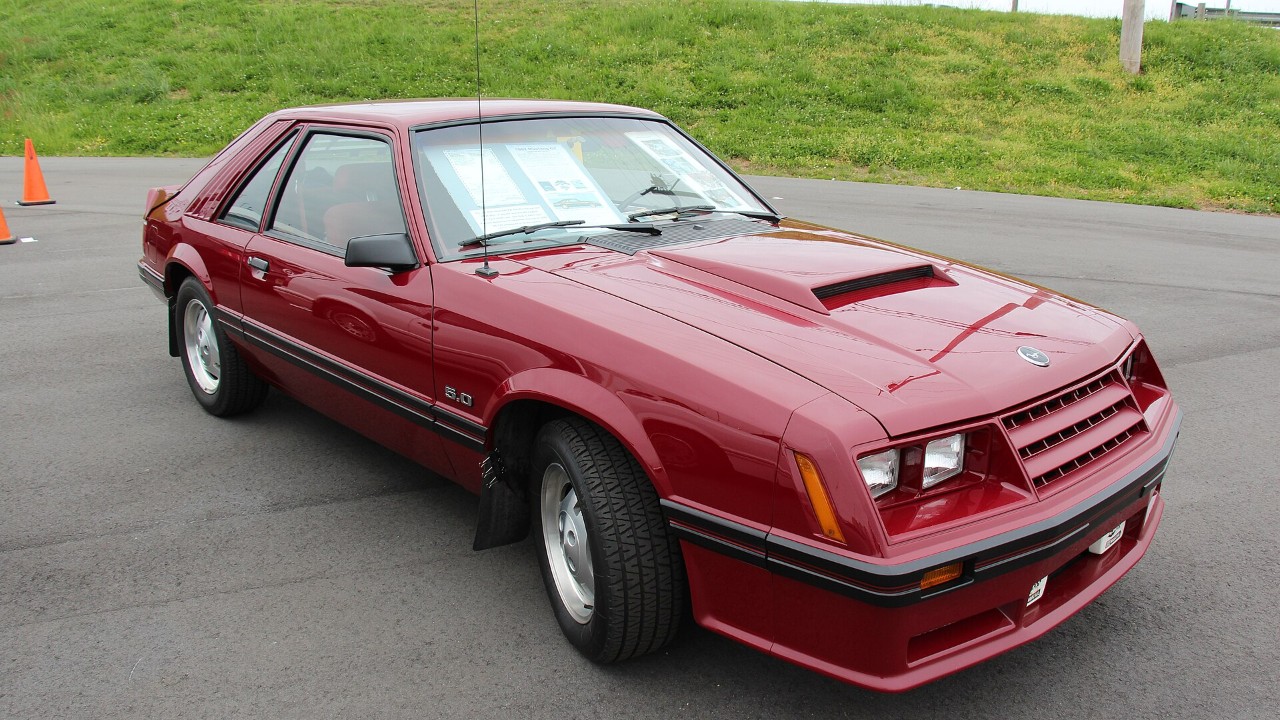
For 1968, Ford lengthened the stroke and fitted shorter connecting rods, and the 302 was born. Emissions rules soon squeezed it, and by 1975 it made just 140 horsepower. Yet the engine kept going. According to the same ClassicCars.com history, Ford introduced a “High Output” 302 in 1982, then added throttle-body injection in 1984 and sequential fuel injection in 1986.
The 302 also had a racing side. Ford built the Boss 302 for Trans-Am racing, and SCCA rules required at least 1,000 production cars with the engine. It used a standard 302 block with 351 Cleveland heads. Ford also put 302s in the 1968 Shelby GT350. Meanwhile, the everyday 302 went on in Ford products through 1995, the same source says.
In our view, the 302 is the small-block that refused to retire. It went from carburetors to computers without a clean-sheet redesign, and it took every change in stride. We’ve covered it before among dependable V8s, and its long run explains why. Today, aftermarket support for the 5.0-liter engine is so broad that keeping one alive is mostly a matter of choosing parts.
3. Ford 351 Windsor V8
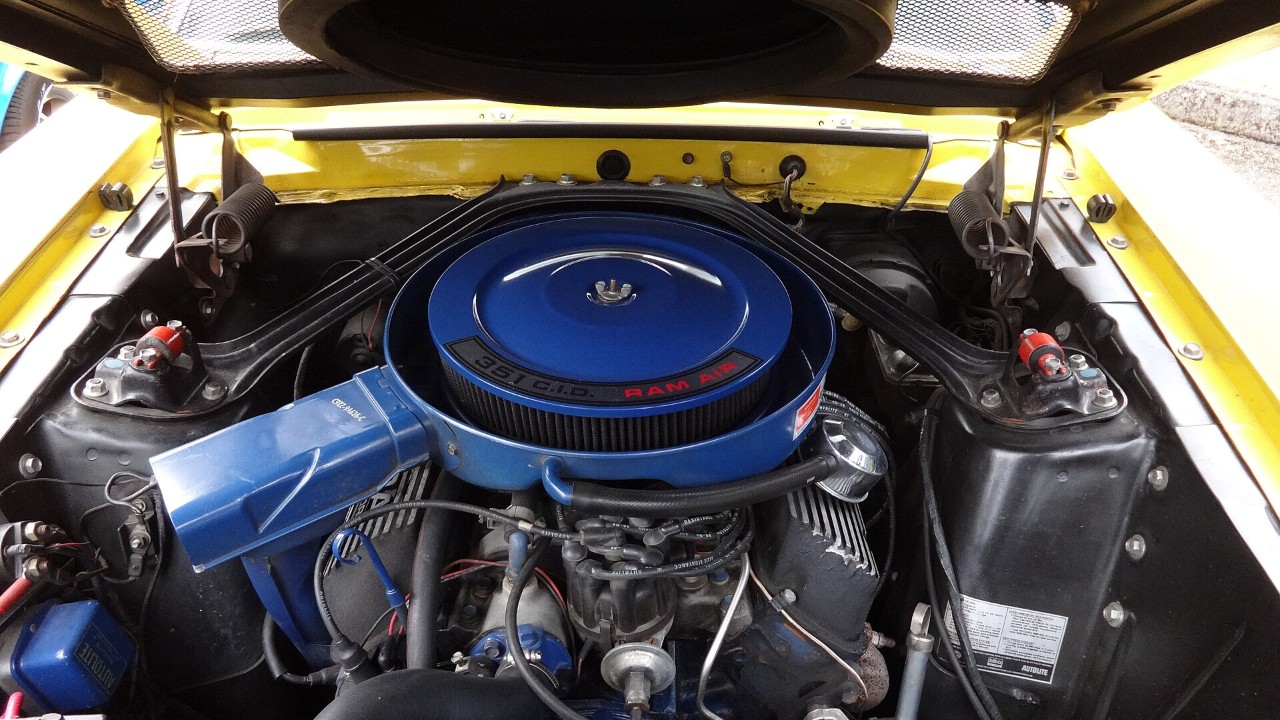
The 351 Windsor debuted in 1969, and after that Ford dropped the four-barrel 302. According to ClassicCars.com, the 351W used a taller deck to fit its longer stroke. Its intake, heads, pushrods, block height and firing order also differed from the other four-inch-bore Windsors.
In its first year, the 351W made 250 horsepower with a two-barrel and 290 with a four-barrel. Then emissions rules arrived. By 1971, lower compression and smog devices were cutting power across Ford’s lineup, and the 351W felt that too. Even so, Ford kept building it long after the muscle-car era ended.
Our take: the 351 is the workhorse of the Ford Windsor V8 family. The taller deck gave it more torque than the 302 without making it much bigger outside, and in our view that suits heavy loads. If you want a Ford small-block for towing, this is the one we’d pick, ideally with a mild cam and a good four-barrel. It’s also the engine many builders reach for when a 302 isn’t quite enough. Just remember that its firing order differs from the 302’s when you swap parts or set up the ignition.
4. Chrysler 273 LA V8

The 273 was the first of Chrysler’s LA engines, released in 1964½. According to Valiant.org’s guide to Chrysler’s LA V8s, it used a thin-wall casting and simpler wedge heads. That design saved about 50 pounds over the older A-series V8. In fact, the 273 weighed only about fifty pounds more than the 225 slant six.
The first two-barrel version made 180 gross horsepower. Then, for 1965, a four-barrel carb and a high-performance cam raised output to 235 horsepower. A limited 1966 version with a 700-cfm carb and a .500-inch-lift cam reached 275. The 273 used mechanical lifters through 1967, and its last year was 1969. It measured 3.63 inches in bore and 3.312 inches in stroke, so it was a compact engine by V8 standards.
In our view, the 273 doesn’t get enough credit, because it’s the engine that started the whole LA family. Its light, simple design set the pattern for every LA V8 that followed. Those later engines ran for decades. That alone says a lot about the 273’s bones. If you find a Valiant or Dart with one, treat it kindly, since it predates hardened valve seats and may not love today’s unleaded fuel.
5. Chrysler 318 LA V8
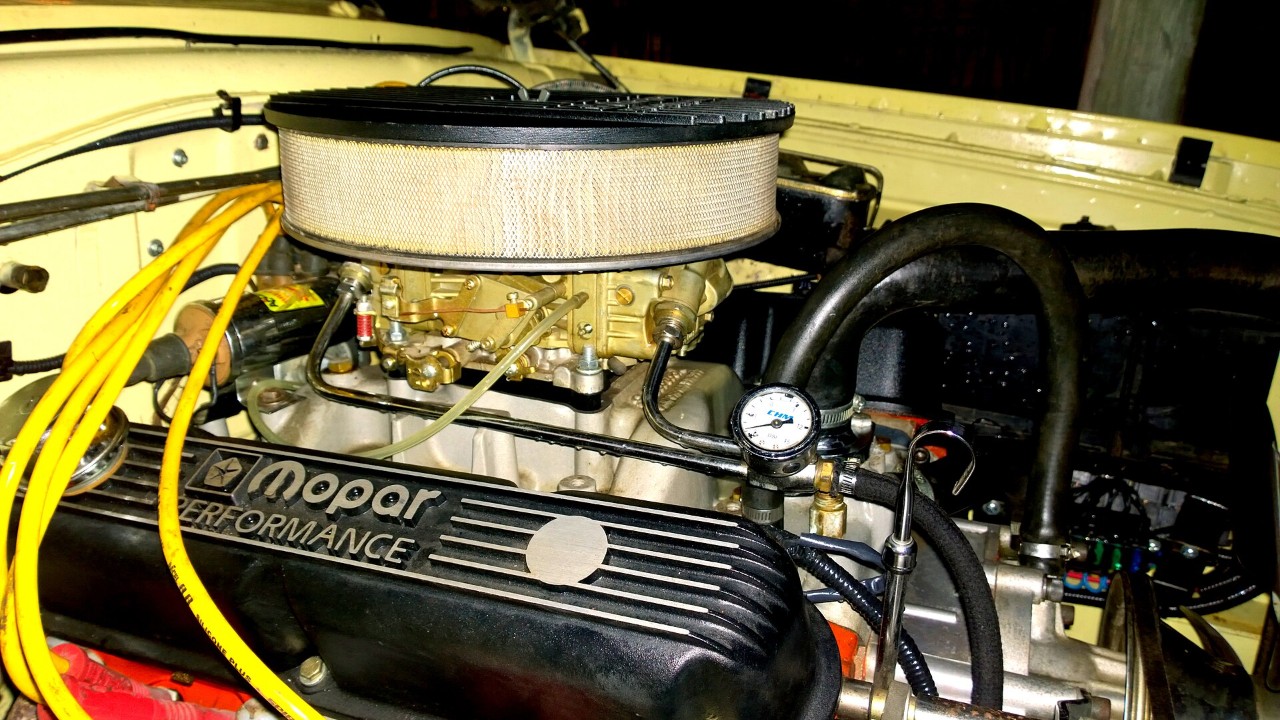
Chrysler released the 318 in 1967 with a 3.91-inch bore and a hydraulic cam from the start. According to Valiant.org, Chrysler never treated it as a performance engine. Instead, it kept an “economy carb” from 1968 through 1978 and became the main police engine in the M-body cars.
That was the 318’s real job, and it did it for a long time. The guide lists its run as 1967 to 2002. Along the way, it borrowed the 360’s heads, cam, intake and carb for 1978, and a 1983 police head added extra water passages. For 1978, California cars could also get a four-barrel to meet emissions rules. It didn’t get hardened valve seats until at least 1973, so later engines handle unleaded fuel better.
Our take: the 318 is the engine that kept Chrysler’s police fleets running. It was never exciting. It was, however, very hard to kill when owners treated it like an appliance. If you buy an old Mopar with a 318, budget for basic tune-up parts rather than a rebuild. A healthy 318 usually just needs fresh fluids and a tune.
6. Chrysler 360 LA V8
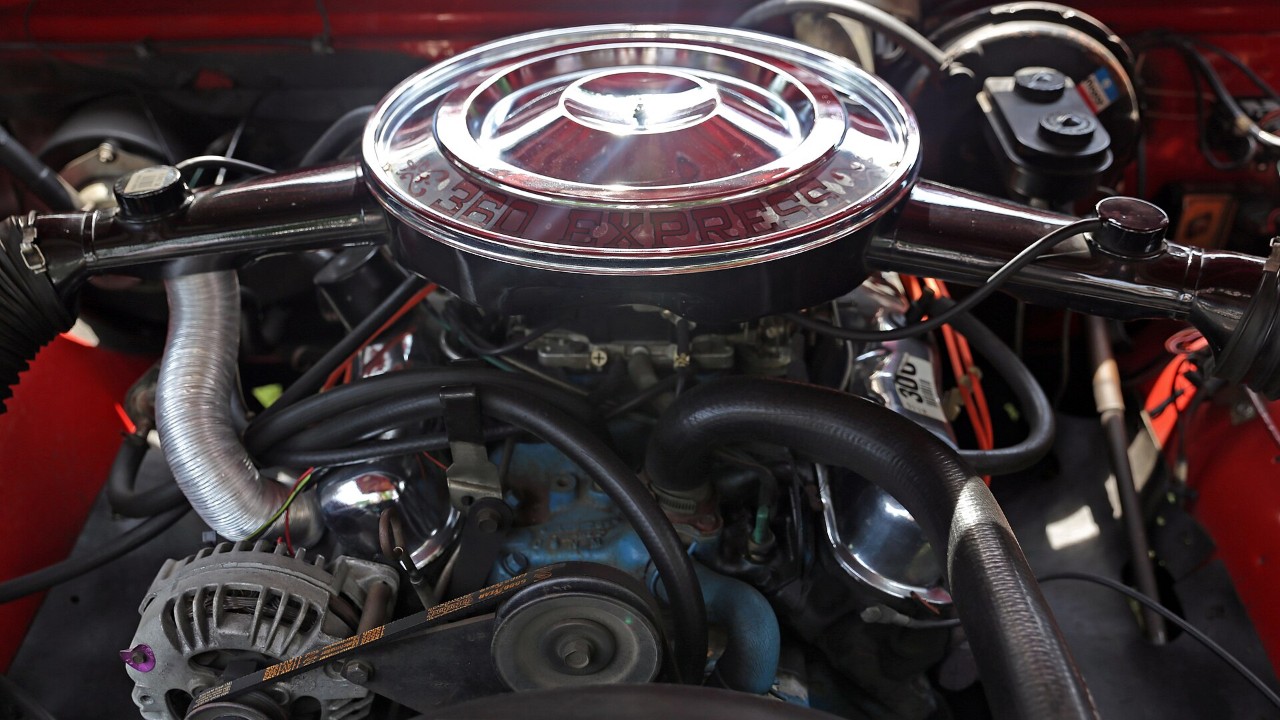
The 360 arrived in 1971 with a two-barrel carb, a cast crank and external balancing. According to Valiant.org, it used a 4.00-inch bore and a 3.58-inch stroke. That made it the only LA engine without the family’s 3.31-inch stroke. It also shared its connecting rods with the 318, so Chrysler added offset weights to balance it.
At first, the 360 was a tame engine. Then, for 1974, it took over from the 340. Chrysler gave it the 340’s performance parts and a four-barrel carb, and it became the E58 police engine. In other words, the gentle family motor turned into the high-performance small-block for Chrysler’s police cruisers. Like the 318, it stayed in production into the 21st century, according to the guide.
In our view, the 360 is the most useful engine the LA family produced. It had enough stroke for torque, and it shared parts with the 318. It also took to performance upgrades well, as the E58 police engine showed. If you want a Mopar small-block that tows, cruises and still responds to a cam swap, start here. Just remember the external balancing when you swap a flexplate or flywheel.
7. AMC 304 V8
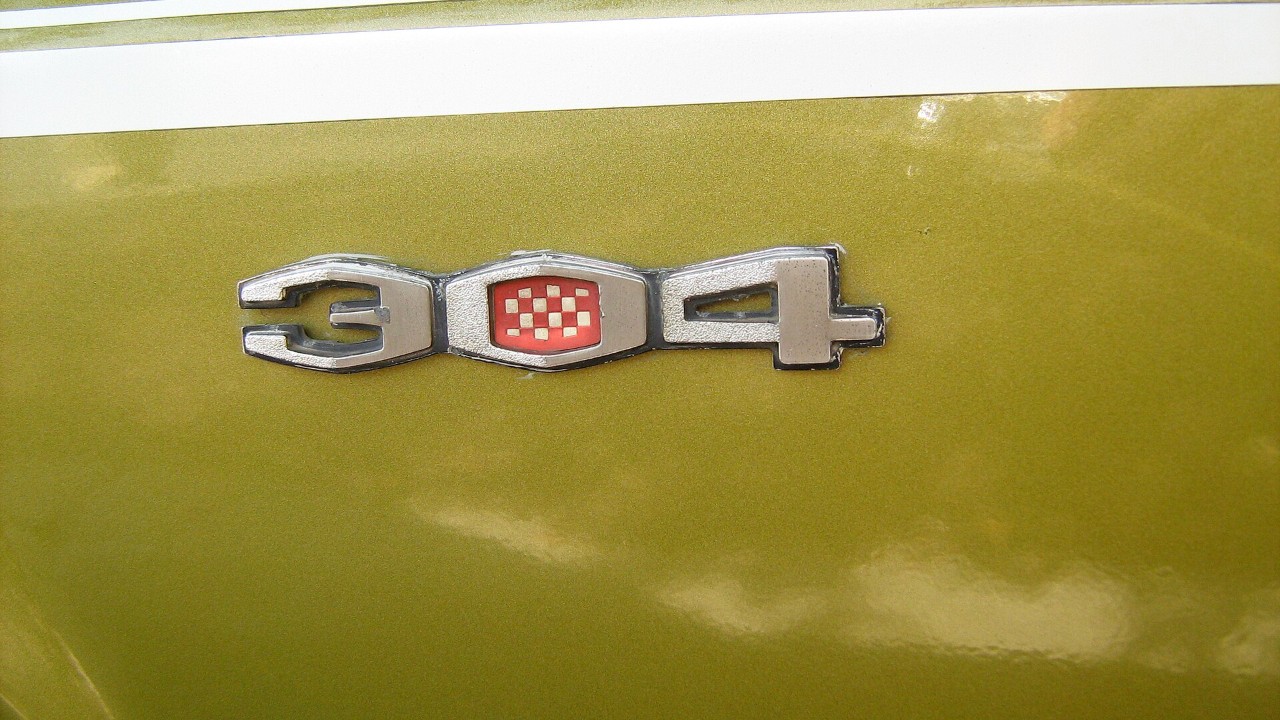
The 304 was the smallest of AMC’s third-generation V8s, which debuted in 1970. According to SlashGear’s AMC V8 guide, it first went into the 1971 Jeep J-series pickup and SJ Wagoneer. Its 3.75-inch bore and 3.44-inch stroke fit inside the same outside dimensions as its bigger siblings. Then it spread to the CJ in 1972, and it was strong enough that the CJ-5 frame needed an upgrade.
The 304 also lived in cars. It powered the 1974 and 1975 Gremlin X and Hornet Rallye X and the 1978 and 1979 Pacer. Emissions rules hit it hard, however. Citing Jeep Tech, SlashGear says output fell from 210 horsepower and 300 lb-ft in 1971 to 125 horsepower and 220 lb-ft in 1980. AMC dropped it from the option list in 1981.
Our take: the 304 is the Jeep V8 that earned its reputation off-road. It was compact, torquey and easy to fit into a short CJ engine bay. We’d look for an early, higher-output version if you can find one. Either way, keep an eye on the oiling and cooling, and a 304 will keep crawling over rocks for a long time.
8. AMC 360 V8
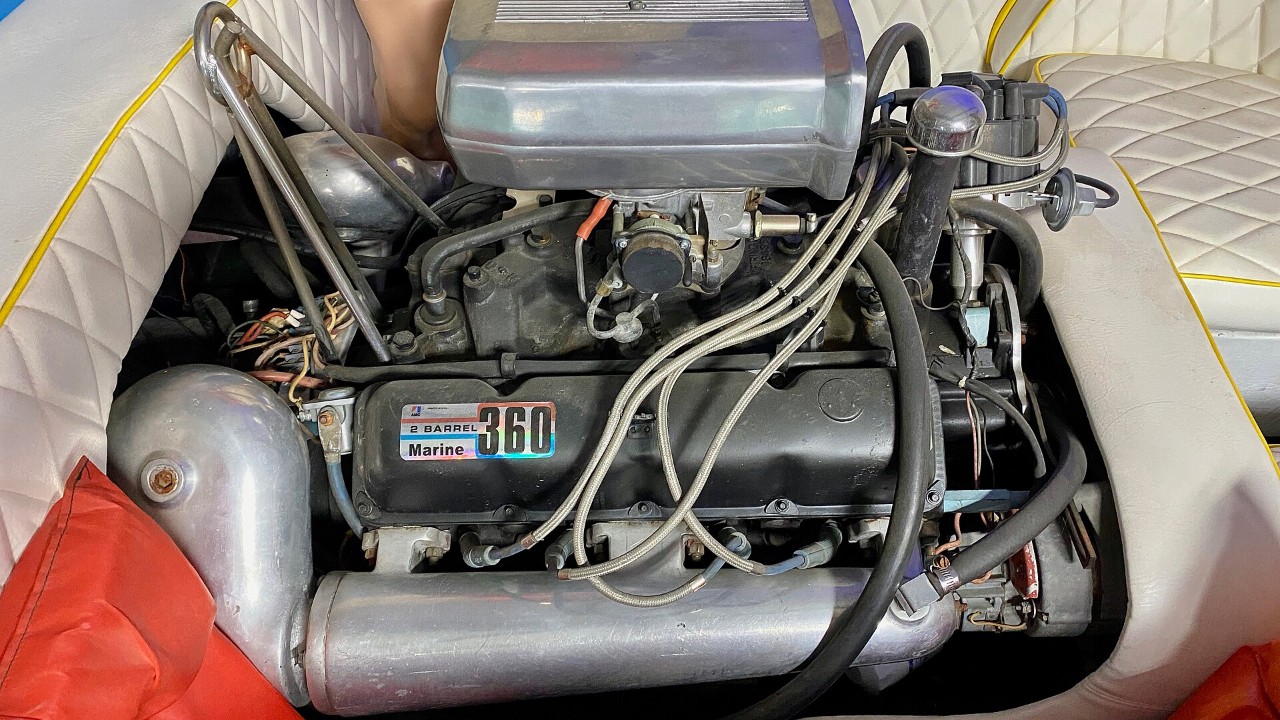
The AMC 360 first appeared in the 1970 AMX, Javelin and Rebel. According to SlashGear, it then went into the Jeep J-series and the Matador in 1971. That same year, the Hornet SC/360’s $199 “Go” package added a four-barrel carb and raised output to 285 horsepower.
The 360’s real story, though, is how long it lasted. It powered the SJ Wagoneer from 1976 to 1983 and the J-series until Chrysler bought Jeep in 1987. It even went into the 1974 Bricklin SV-1. Then it soldiered on in the Grand Wagoneer until 1991. SlashGear calls it the longest-lived AMC engine ever, and it says many owners report about 300,000 miles on original engines.
In our view, the AMC 360 is the toughest engine the company ever built. It went from muscle cars to luxury 4x4s without missing a beat, and few engines from any maker can claim that range. If you’re shopping for a Grand Wagoneer, a well-kept 360 is a big reason to buy one. Because the engines are externally balanced, however, flywheels and flexplates don’t swap freely between them.
9. Buick 215 Aluminum V8
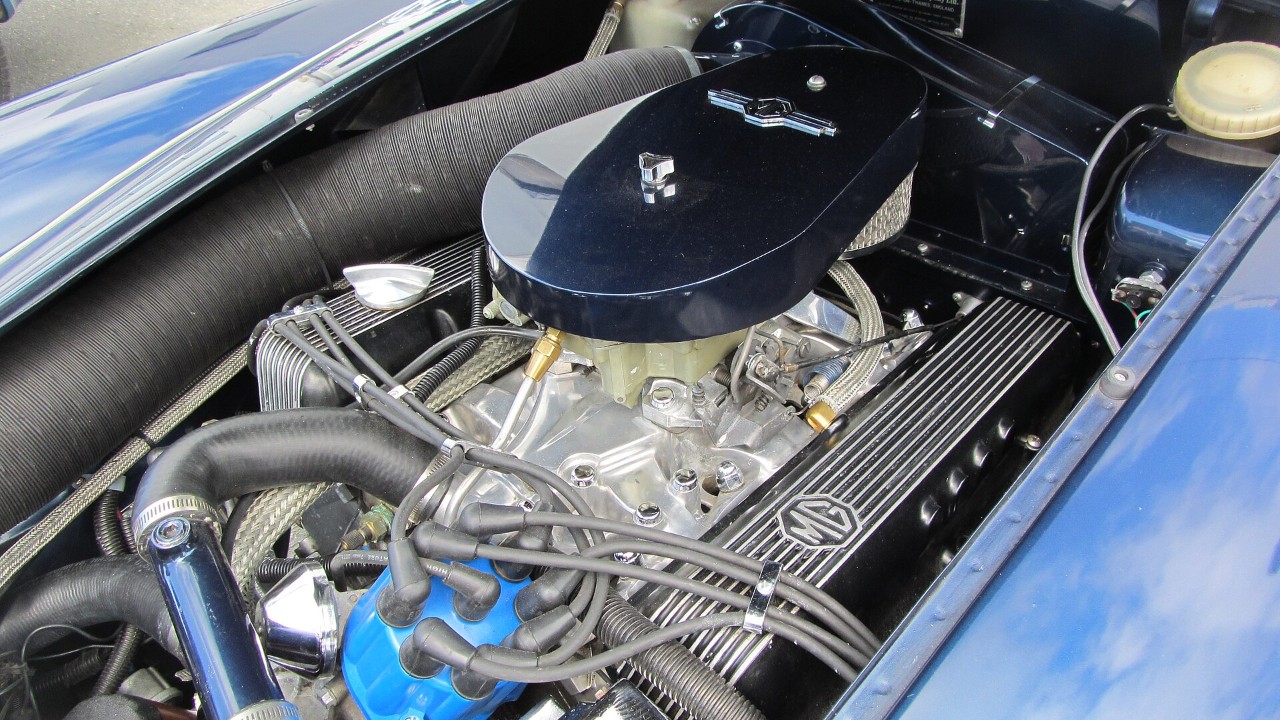
GM’s design lab began work on the aluminum V8 in 1957, and the first engine ran in the summer of 1958. According to a 1976 Autocar history republished by British V8, the Buick Special version weighed just 318 pounds all-up. Buick, Pontiac and Oldsmobile all used it in their new compacts. When Autocar first reviewed it in September 1960, the magazine called it “the superb new aluminium V8 by Buick.”
The engine lasted only from 1961 to the end of the 1963 model year in GM cars. According to Jalopnik, GM struggled with aluminum casting problems and antifreeze that corroded the metal. Even so, the 215 also powered the turbocharged 1962 Oldsmobile Jetfire, which made 215 horsepower.
Our take: the 215 is on this list because its design outlived GM’s interest in it. GM gave up on it, but the basic engine went on for decades in another country. The light block, the compact size and the simple layout were all right from the start. If you find a 1961–63 Buick Special with its original 215, use modern coolant to help avoid the corrosion that hurt it in period.
10. Rover V8
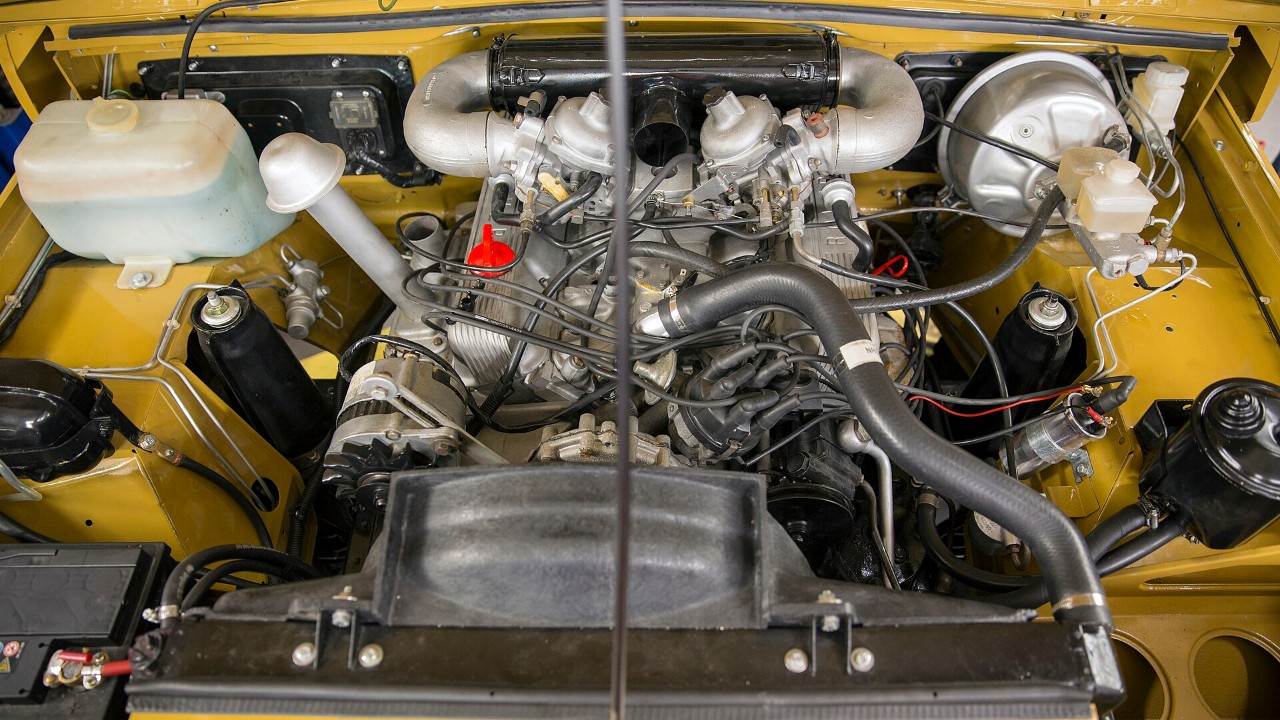
Rover licensed the aluminum V8 from GM, and it announced the Rover 3500 conversion in April 1968. According to the Autocar history, the Range Rover followed in June 1970, and the MGB V8 arrived in August 1973. Morgan also used it in the Plus 8, which debuted at the 1968 Motor Show. The first production Rover V8 cars were the 3500 saloon and coupe.
The engine kept growing. Leyland’s Australian P76, first produced in 1973, used a 4,416-cc version. By the time of that 1976 article, 750,000 aluminum engines had been built. Production finally ended in 2006, according to Jalopnik, more than four decades after GM walked away.
In our view, the Rover V8 is the best proof on this list that a good small-block can outlast its maker’s plans. It went into luxury sedans, sports cars and Land Rovers. In fact, the British army asked for it in a new V8 military Land Rover. If you buy a Rover-engined car, check the coolant history, since the aluminum block rewards clean, fresh coolant. A well-kept example can be a joy to own.
11. Oldsmobile 350 Rocket V8
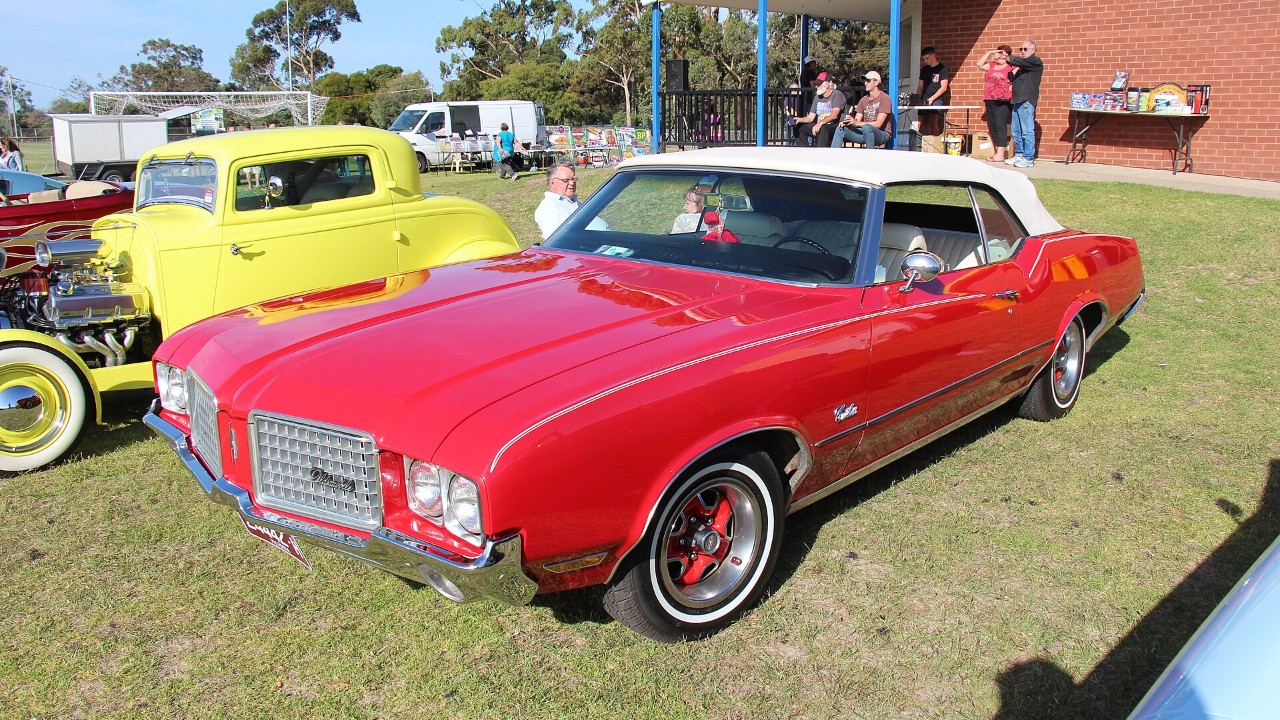
Oldsmobile created its 350 in 1968 by boring out the 330. According to Engine Builder magazine, it powered F85s, Cutlasses and Delmont 88s and made up to 310 horsepower. Early 1968–70 engines are more sought after because of their heavier castings, beefier cranks and better-flowing heads.
The Olds 350 also sparked a famous fight. According to Curbside Classic, over 75,000 1977 Delta 88s got a Chevrolet engine instead of the Rocket. Owners sued, and in December 1977 GM offered $200 plus a 36-month, 36,000-mile powertrain warranty. A federal jury finally ruled in June 1981, and the dispute cost GM $8.2 million. The story shows how much buyers cared about getting the real Olds engine.
Our take: Oldsmobile owners fought in court for this engine, and that tells you plenty. The early heavy-casting 350s are the ones we’d hunt for, especially in a Cutlass. Rocket V8 fans will also enjoy our story on how the Rocket V8 nearly didn’t make production. Between 1968 and 1980, the 350 went into a huge number of Oldsmobiles, according to Engine Builder.
12. Buick 350 V8
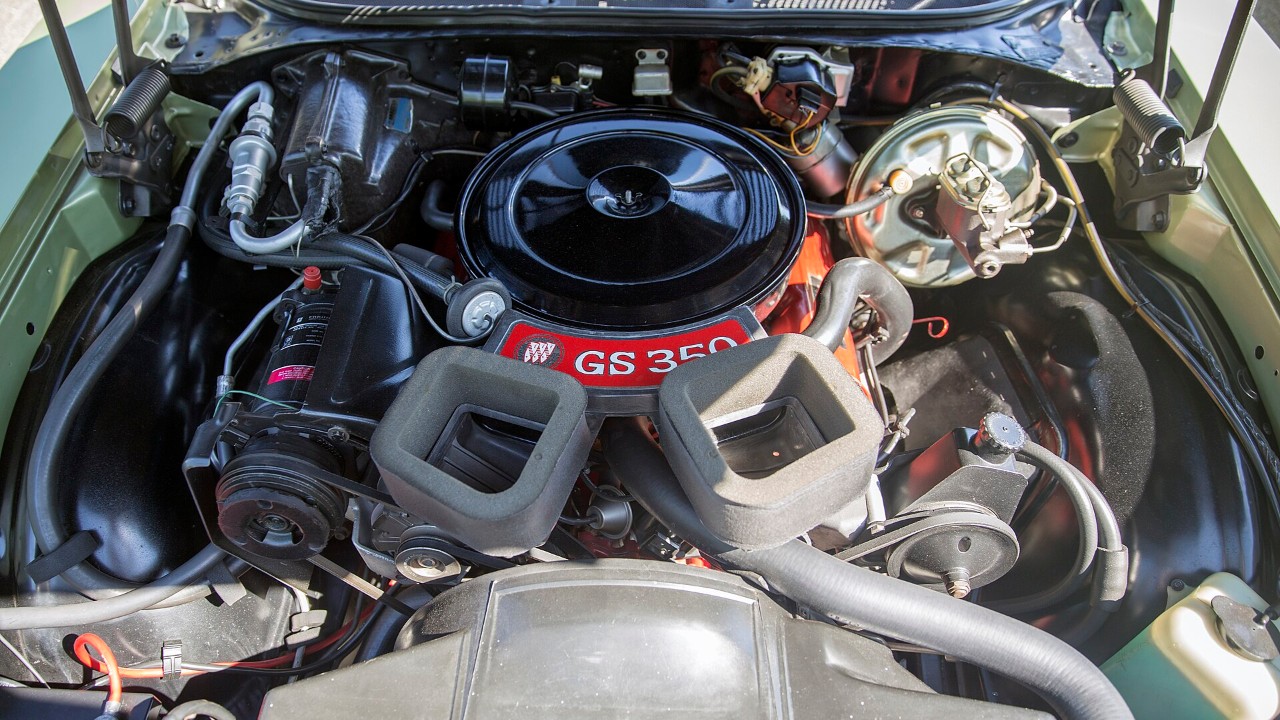
Buick built its own 350 from 1968 to 1980, a 13-year run. According to Muscle Car Club’s Buick 350 guide, it used a 3.80-inch bore and a 3.85-inch stroke, along with deep-skirt cylinders. In 1968, it made 230 horsepower with a two-barrel and 280 with a four-barrel.
The hottest version came in 1970, when the SP engine made 315 horsepower and 410 lb-ft. The same guide says countless examples have passed 200,000 miles and that the block can handle more than 1,000 horsepower. By 1972, though, net ratings had fallen to 145 and 180 horsepower. The guide also flags real weak spots. The oiling system, the oil pump and the cast-aluminum timing cover can all cause trouble.
In our view, the Buick 350 is a tough block with a few known flaws, and fixing them makes it very hard to wear out. If you buy a Skylark or LeSabre with one, check oil pressure first. Then budget for a fresh oil pump and timing cover. Do that, and the deep-skirt Buick 350 can outlast the car it came in.
More from Fast Lane Only