Lincoln once sold a car with a two-year, bumper-to-bumper warranty when almost nobody else would. That was 1961, and the same stubborn streak ran through the brand for decades. It peaked with cars like the Lincoln Town Car Cartier, a body-on-frame sedan that airport drivers and retirees trusted for years.
Not every Lincoln followed that recipe, of course. Some were fragile, overstyled or loaded with gadgets that aged badly. But a long line of them came with heavy frames, simple V8s and parts that Ford shared across millions of other cars and trucks.
These are our picks: 12 Lincolns that feel so overbuilt they seem made to rack up 300,000 miles. That number is our hunch about their character, not a promise. For each one, we’ll share real facts from the record, the weak spots to check and our take on why it belongs here.
1. 1990 Lincoln Town Car Signature Series
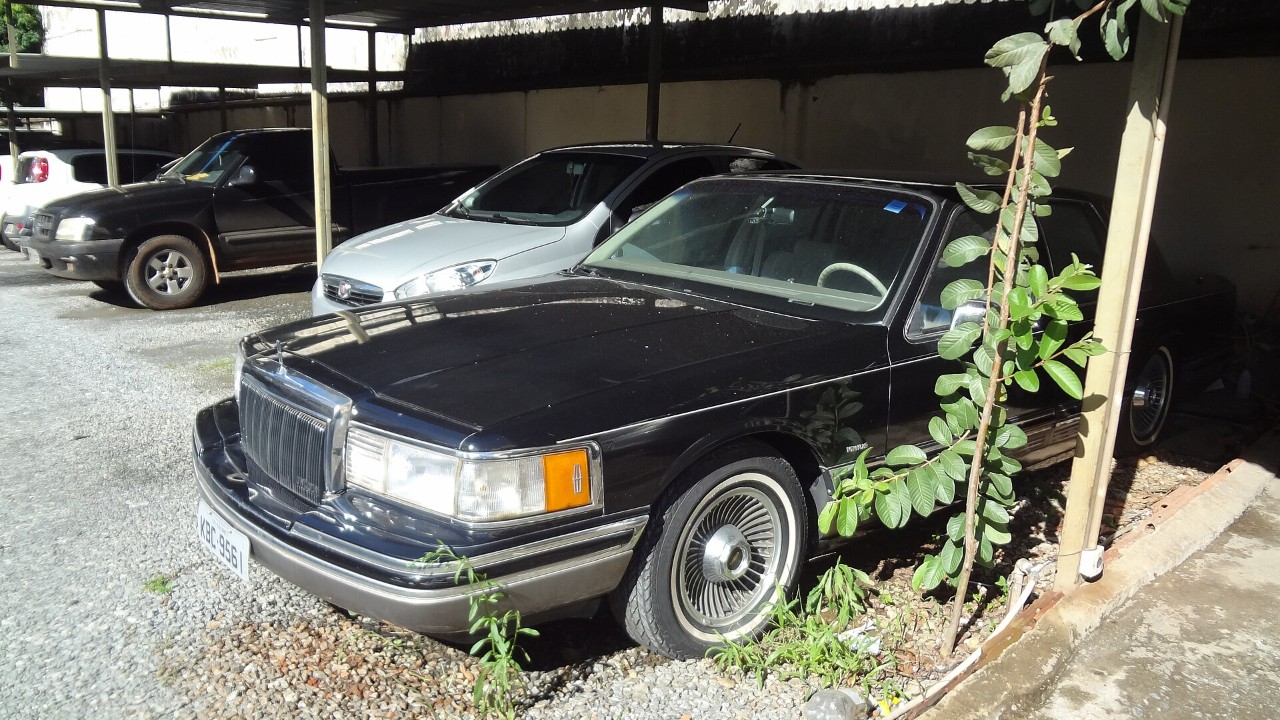
The 1990 Town Car was a clean-sheet look on old, proven bones. It rode on Ford’s Panther platform, with a separate frame, rear-wheel drive and a V8 up front. For that first year, the engine was a 5.0-liter V8 rated at 150 hp and 270 lb-ft, according to Consumer Guide. The Signature Series sat in the middle of the range, between the base Executive and the Cartier.
That 5.0-liter only lasted one season in this body. For 1991, Lincoln replaced it with the new 4.6-liter overhead-cam V8. So the 1990 car is the last Town Car with the old pushrod engine under that rounded new shape.
Our take: this is the Town Car for people who like simple machinery. The pushrod V8 is easy to work on, and parts are everywhere. But it has a known weak spot. Air springs can leak when the bag rubs against the axle or control arm, so check the rear for sag. It also earns a spot next to the cars in our list of Lincolns that seem impossible to wear out. If you want one, budget for fresh air springs or a coil conversion.
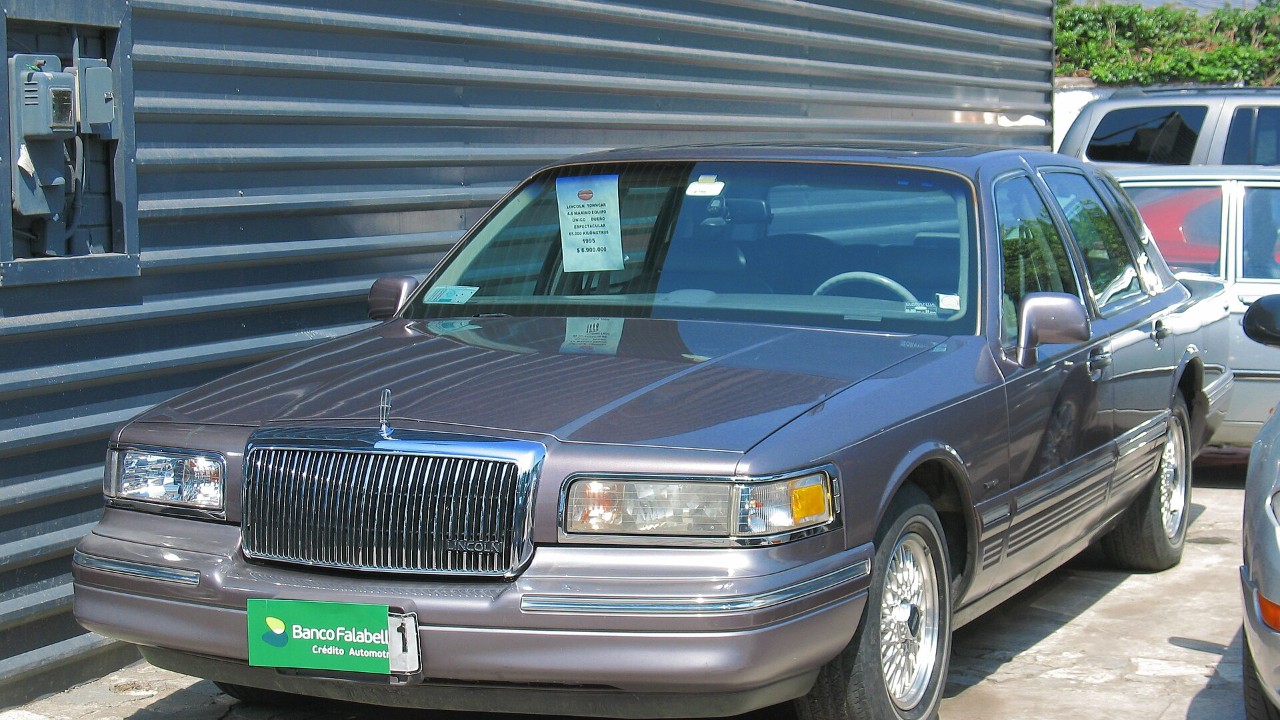
2. 1995 Lincoln Town Car Cartier

The Cartier Designer Series was the top Lincoln Town Car, and by 1995 it had the best version of the early 4.6-liter V8. Previously optional dual exhausts became standard on all Town Cars for 1994. That lifted every model to 210 hp, according to Consumer Guide’s 1990–97 Town Car report. Dual airbags had become standard the year before.
Also, the 4.6 was an aluminum-block engine, which helped keep weight down in a very large car. Meanwhile, the chassis stayed the same tough body-on-frame design that made the Panther cars so popular with fleets. A Cartier simply added the softest leather and the most gadgets. For 1996, torque also rose to 275 lb-ft, so the next two years are worth a look too.
We like the Lincoln Town Car Cartier because it pairs the strongest early drivetrain with the plushest trim. However, it is not trouble-free. Consumer Guide flags transmission slipping and engine flare on shifts into fourth gear on 1992–1995 cars. It also notes heater core leaks across the generation. Our advice: drive it long enough to feel every shift, and look for fresh coolant stains under the dash.
3. 2004 Lincoln Town Car long-wheelbase (L)
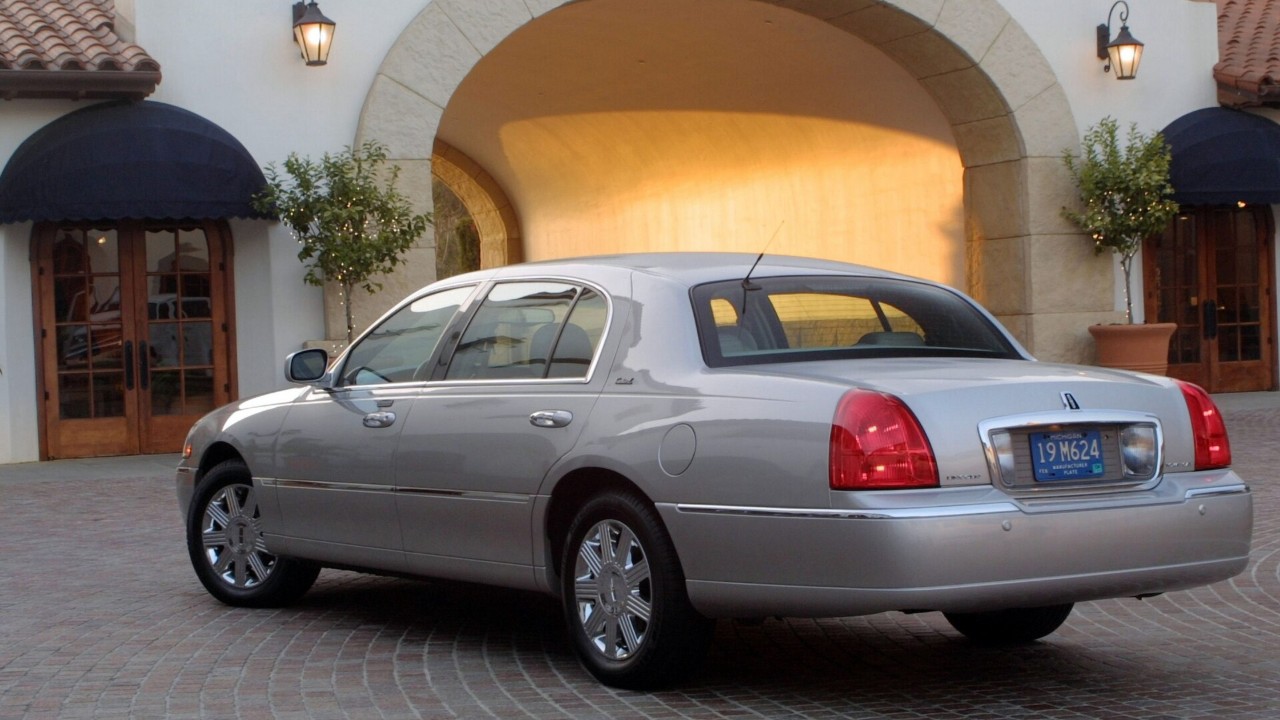
For 2003, Lincoln gave the Town Car its biggest update in years. The revamp brought a revised frame and suspension, a different steering system and standard 17-inch tires. Output rose to 239 hp from the 4.6-liter V8, according to Consumer Guide’s 2003–2011 Town Car guide.
Consumer Guide’s guide lists a long-wheelbase L version in the 2004 lineup. The L stood for long. Its wheelbase stretched six inches, from 117.7 inches to 123.7. For the back seat, that is a lot of extra room, and we think it explains why chauffeurs gravitated to the long cars.
In our view, the long-wheelbase car is the sweet spot for anyone who wants a Town Car that rides like a limo without being one. The updated frame and steering made it feel tighter than the older cars. Consumer Guide does list some quirks, though, including an idle ticking noise on some 2003–2004 engines and rear wheels that may chatter in tight turns. Our buying tip: listen at a cold idle before you sign anything, and ask whether the car spent its life in livery work.
4. 2011 Lincoln Town Car Signature Limited
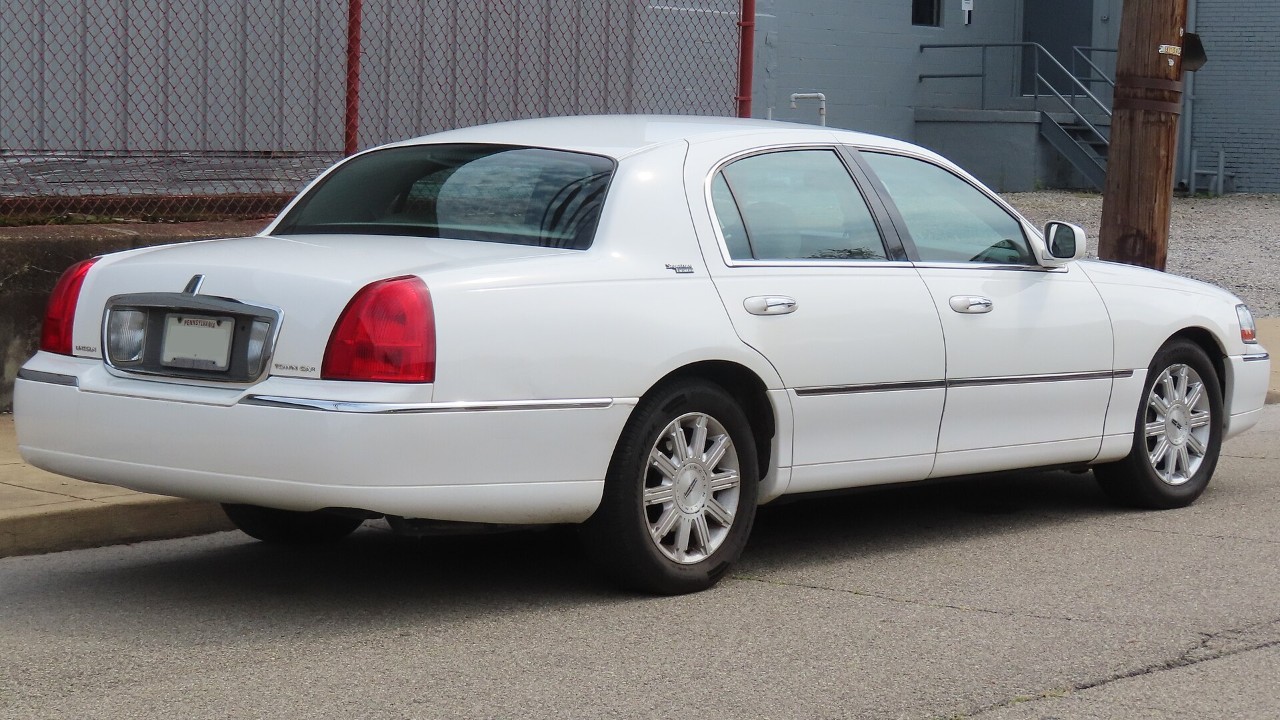
This is the end of the line. The final Lincoln Town Car came off the line on August 29, 2011, at St. Thomas Assembly in Ontario. By then, the range had shrunk to two models: the Signature Limited and the long-wheelbase Signature L. For 2010 and 2011, buyers could add a Continental Edition package to the Signature Limited.
Over time, the Town Car became the most common chauffeured car and limousine in the United States and Canada. We read that as a vote of confidence from people who drive for a living. Lincoln also offered a flex-fuel 4.6-liter V8 as a no-cost option for 2007, though not in California and four other states.
Our take: if you want the last of the old-school American luxury sedans, this is it. A late car has all the updates and the fewest years of wear. One thing to check is the trunk. Consumer Guide reports water can get in when the deck lid opens on 2006–2009 cars. Our advice: buy a private-owner car rather than a worn-out livery unit, and lift the trunk mat before you buy.
5. 1961 Lincoln Continental Sedan
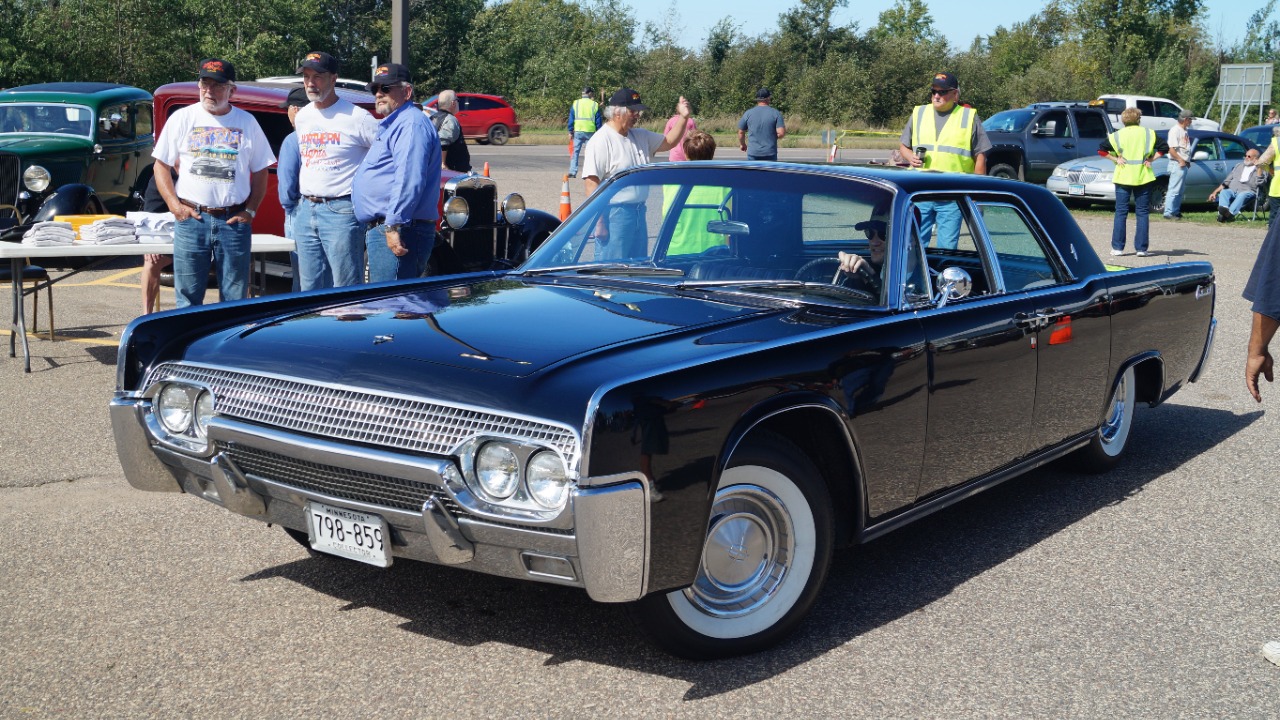
This is the Lincoln that changed the brand. The 1961 Continental arrived as a four-door sedan or a four-door convertible, with rear-hinged back doors. Under the long, flat hood sat a 430-cubic-inch V8 rated at 300 hp, according to Motor Authority’s history of the car.
Lincoln backed it with a 2-year/24,000-mile bumper-to-bumper warranty, the first offered on an American-built car. Every Continental also went through a demanding inspection before it left the Wixom, Michigan, plant. In addition, the car won Car Life’s 1961 Engineering Excellence Award.
We think this is the purest example of Lincoln building a car to last. Each car faced a tough inspection, and the warranty put money behind the promise. It also became famous as the car that carried President John F. Kennedy, which keeps the shape familiar to people who have never owned a Lincoln. In fact, the body sat on a stretched version of the 1961 Thunderbird’s unibody platform. Our tip: because these are unibody cars, check the floors and rocker panels for rust before anything else, then have the power accessories checked one by one.
6. 1966 Lincoln Continental Convertible
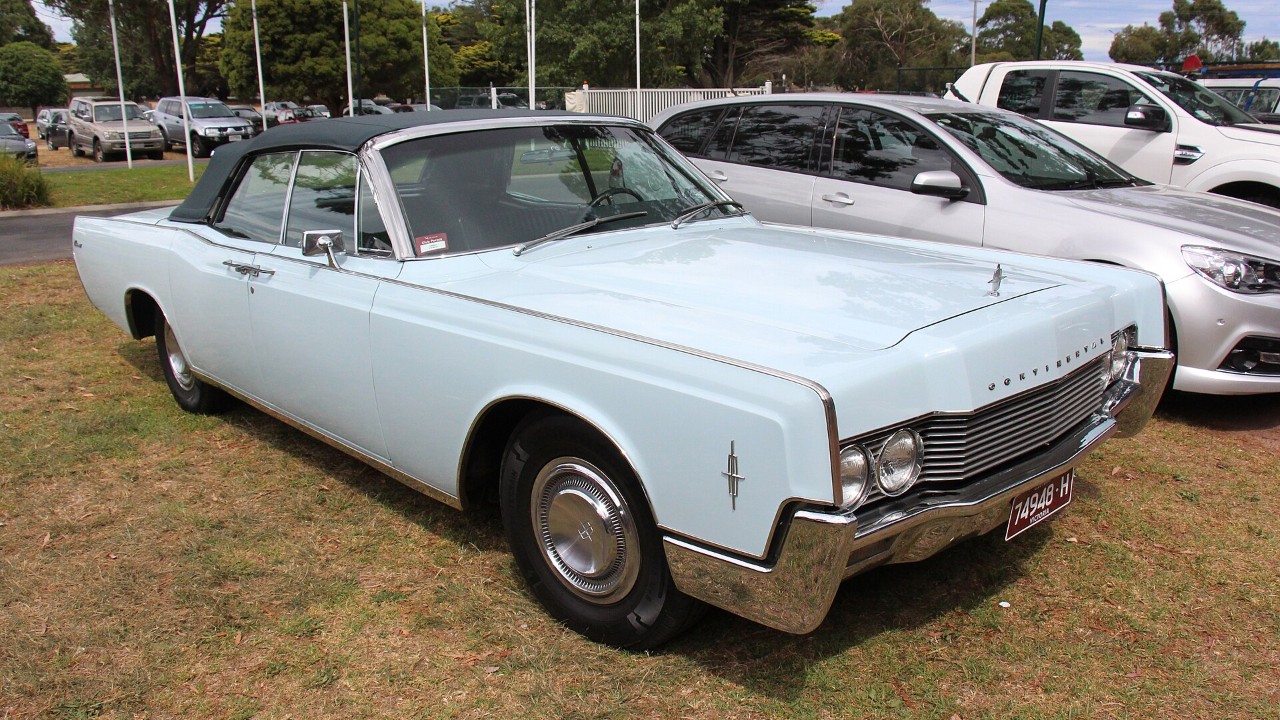
The four-door convertible is the Continental at its most dramatic. Its power-operated fabric roof folded away under a rear-hinged deck lid. The deck lid also opened electrically without moving the top, so you could still use the trunk. That’s a lot of motors, relays and switches, and it all had to work in sequence.
For 1966, the car grew about five inches longer. The 430 V8 grew too, to 462 cubic inches. Lincoln also cut the price by nearly $600 while keeping the equipment the same, and sales rose 36%. But the convertible didn’t last much longer. Lincoln sold only 2,276 in 1967, its final year. That makes a sorted 1966 car a smart way into the four-door convertible club.
Our take: the drivetrain is tough, but the top is the part that needs respect. The big V8 can run for ages with basic care. The roof mechanism, however, is the bit that scares buyers away. If you want one, have a specialist cycle the top several times and inspect the wiring, relays and motors before you hand over any cash.
7. 1977 Lincoln Continental Town Coupe
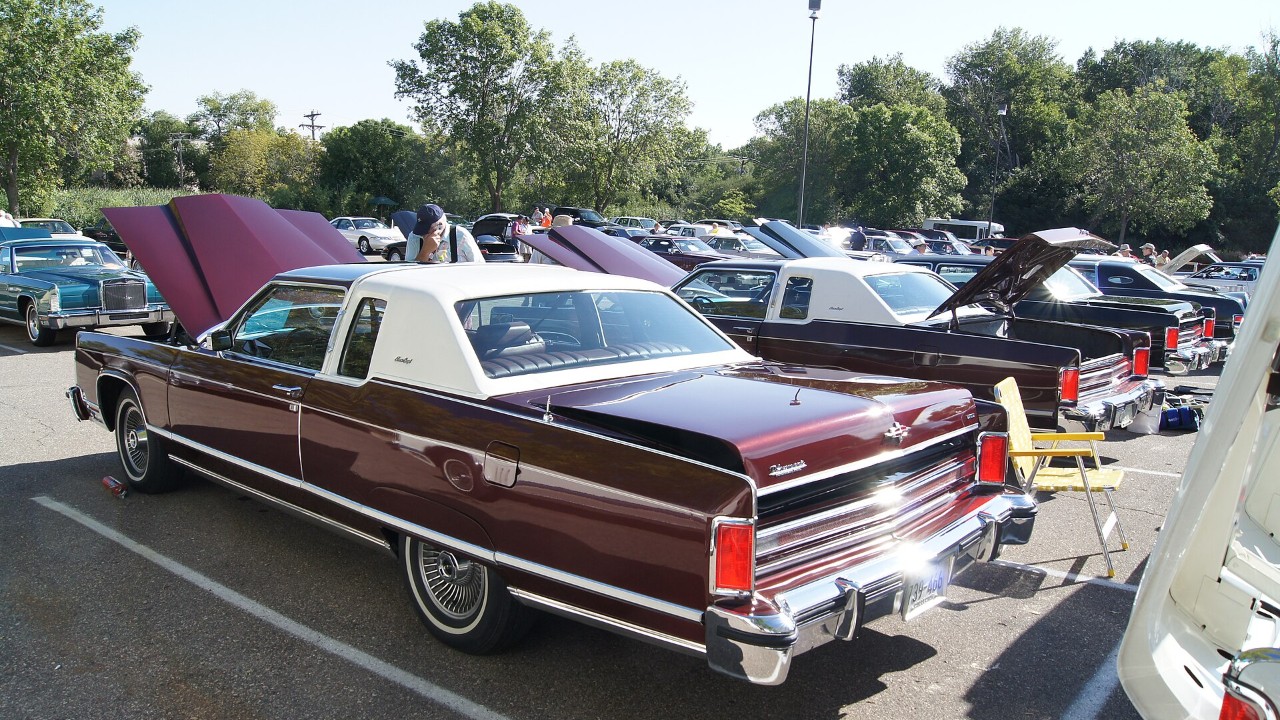
If you measure overbuilt by sheer size, this one wins. From 1977 through 1979, the Continental stretched to 233 inches long. With their 5-mph bumpers, those cars rank as the longest automobiles Ford Motor Company ever produced. The fifth-generation Continental also went back to body-on-frame construction, using a stretched Mercury Marquis chassis.
Meanwhile, the Town Coupe was the two-door version of the Town Car trim, with its padded vinyl roof. For 1977, the 460 V8 stayed standard in 49 states. California buyers, however, got a 400-cubic-inch V8. The 400 became standard for 1978, and by 1979 Lincoln had dropped the 460 entirely. The wheelbase also grew from 124 inches to 127 on this generation.
Our take: a 1977 Town Coupe with the 460 is about as heavy-duty as a personal car gets. It has a full frame, a big, lazy V8 and very little that is fragile. It does drink fuel, of course, and parking it takes practice. Our advice: seek out a 460 car outside California, and check the vinyl roof edges for hidden rust.
8. 1984 Lincoln Continental Mark VII LSC
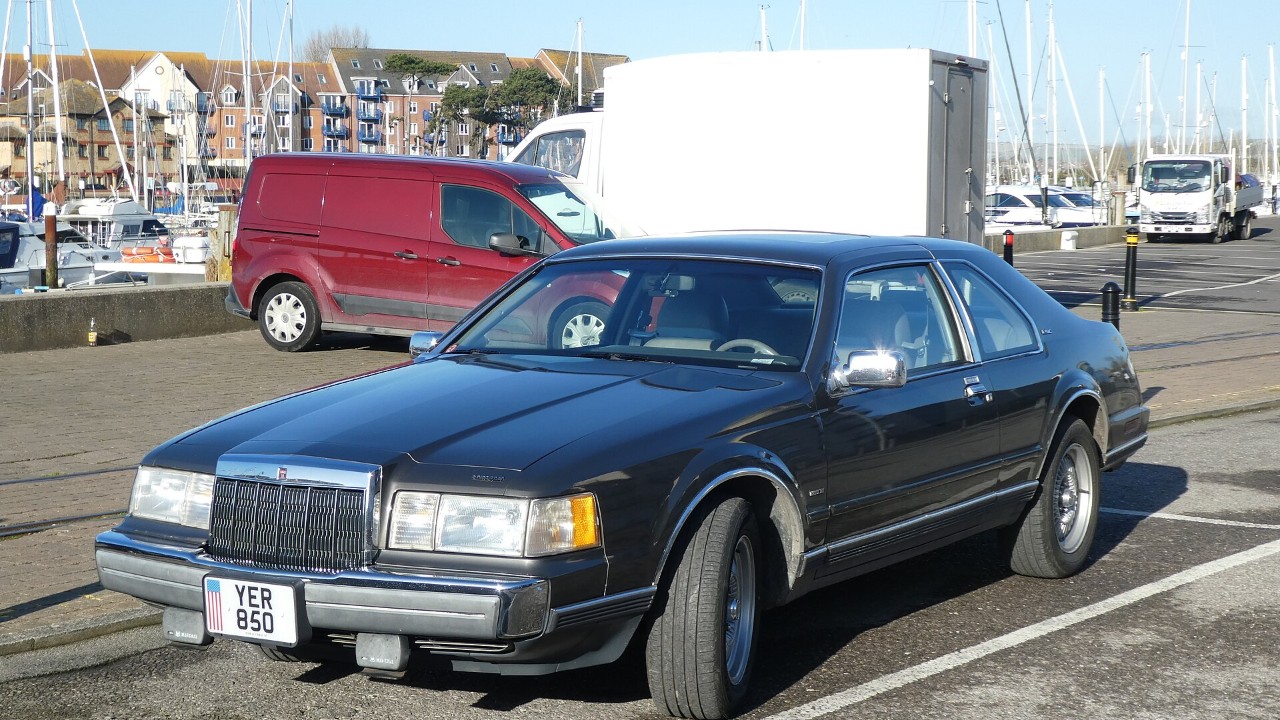
The Mark VII LSC was Lincoln’s sportiest coupe in years. It launched in August 1983 as a 1984 model, using the same Fox platform as the Mustang. At first, the standard engine was a 5.0-liter V8 rated at 140 hp. Lincoln also offered a 2.4-liter turbodiesel inline-six from BMW, rated at 114 hp. Every Mark VII came with four-wheel air suspension.
That shared hardware is the secret to its toughness. Nearly every upgrade made for Fox-body Mustangs also fits the Mark VII, Hagerty notes. For 1985, the LSC became the first American vehicle with electronic four-channel anti-lock brakes. Ford built 190,832 Mark VIIs before production ended in April 1992. From 1989, the cars also got a 225-hp HO version of the 5.0, Hagerty says.
In our view, this is a Mustang in a tailored suit, and that’s a compliment. The engine and gearbox are as common as dirt. The rear air suspension, though, is aging and troublesome, according to Hagerty’s buyer’s look at the Mark VII. Our tip: repair and upgrade the air springs, or swap to steel springs if you value simplicity.
9. 1993 Lincoln Mark VIII
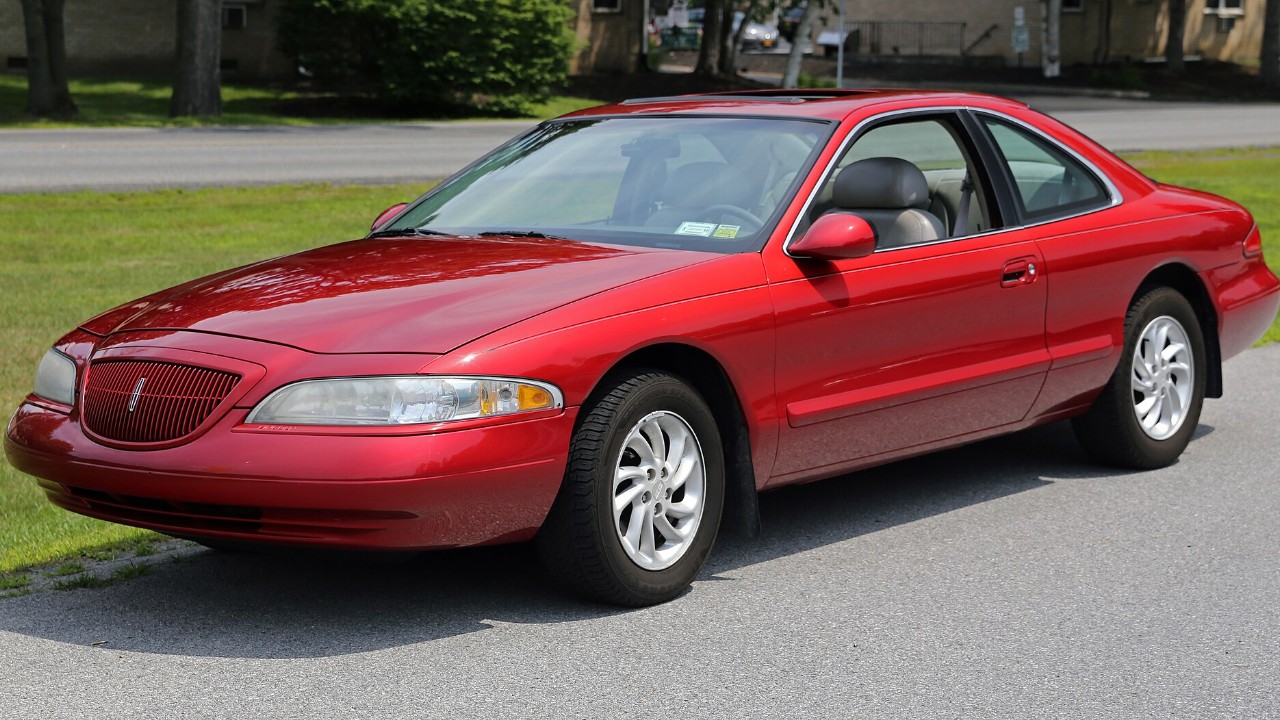
The Mark VIII brought real engine technology to the big Lincoln coupe. Under the hood sat a DOHC, 32-valve 4.6-liter V8 rated at 280 hp, according to Consumer Guide’s Mark VIII report. A 290-hp LSC version arrived in mid-1995. The only transmission was an electronic four-speed automatic.
The chassis was more advanced, too. It used an all-independent, electronically controlled air-spring suspension. That made the Mark VIII ride and corner better than most big American coupes of its day. It also meant more parts to maintain as the cars aged. Consumer Guide also flags fourth-gear slipping on some 1993–1995 transmissions, often traced to a bad sensor.
Our take: the engine is the star, and it’s the reason this car is here. We think the twin-cam V8 is the best reason to own one. In fact, the strangest flaw is software: Consumer Guide says a glitch could stop the 1995 odometer after 65,531 miles. It also appears in our list of nine Lincolns we rank among the best. Our advice: plan for air-spring work, and check the heater core for leaks.
10. 2000 Lincoln LS V8 Sport
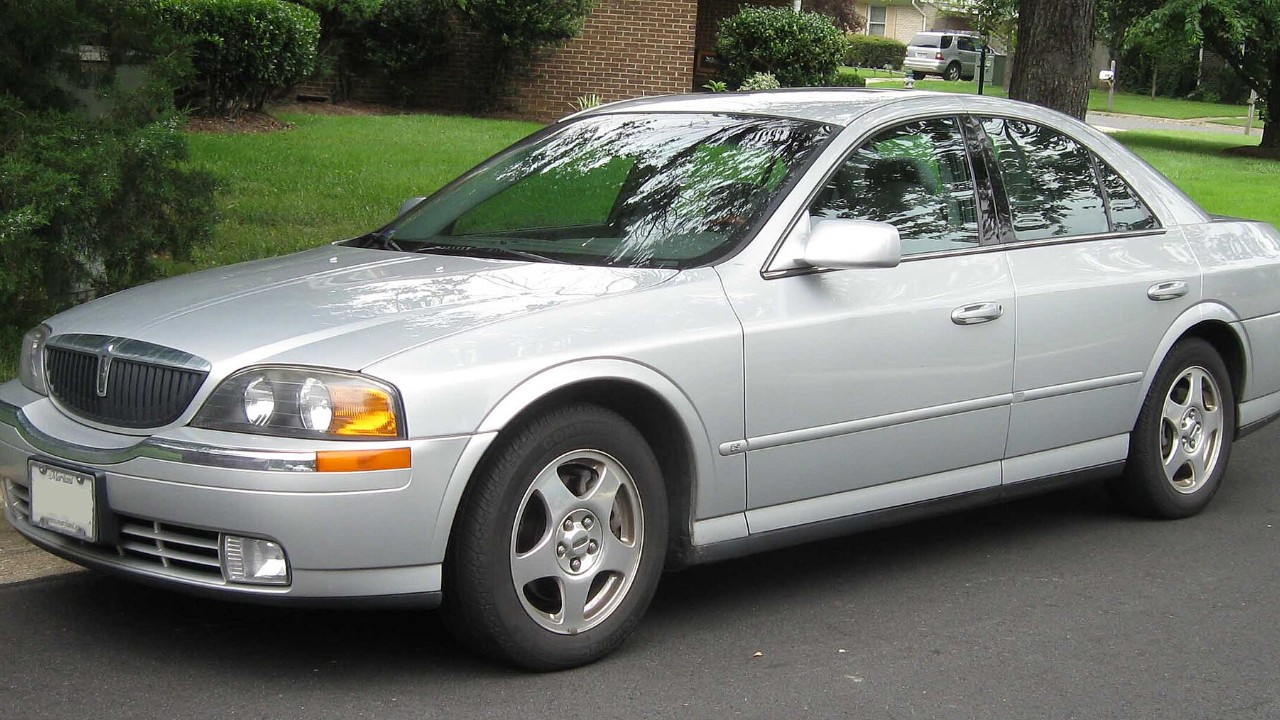
The LS was Lincoln’s attempt at a BMW fighter. It used rear-wheel drive and a platform related to the Jaguar S-Type, though Lincoln built the LS in Michigan. The top engine was a 3.9-liter V8 with 252 hp, according to Consumer Guide’s LS report. However, the V8 came only with an automatic.
Meanwhile, the Sport Package added a firmer suspension and 17-inch high-performance tires. Lincoln also tuned the car for near 50/50 weight distribution, which helped it feel balanced on a back road. As a result, to us the LS drove more like a European sedan than any Lincoln before it.
Our take: it’s the odd one out here, but the V8 makes it worth the space. It is a sophisticated engine in a sedan that most buyers overlooked. Early cars do have issues, and the V6 was the only LS with a five-speed manual. Consumer Guide lists rear-window regulator cables that may break on 2000–2001 models, plus a 2000 misfire traced to a loose fuel-hose clamp. Our advice: look for a well-documented V8 Sport with its recalls and updates done.
11. 1998 Lincoln Navigator 4×4
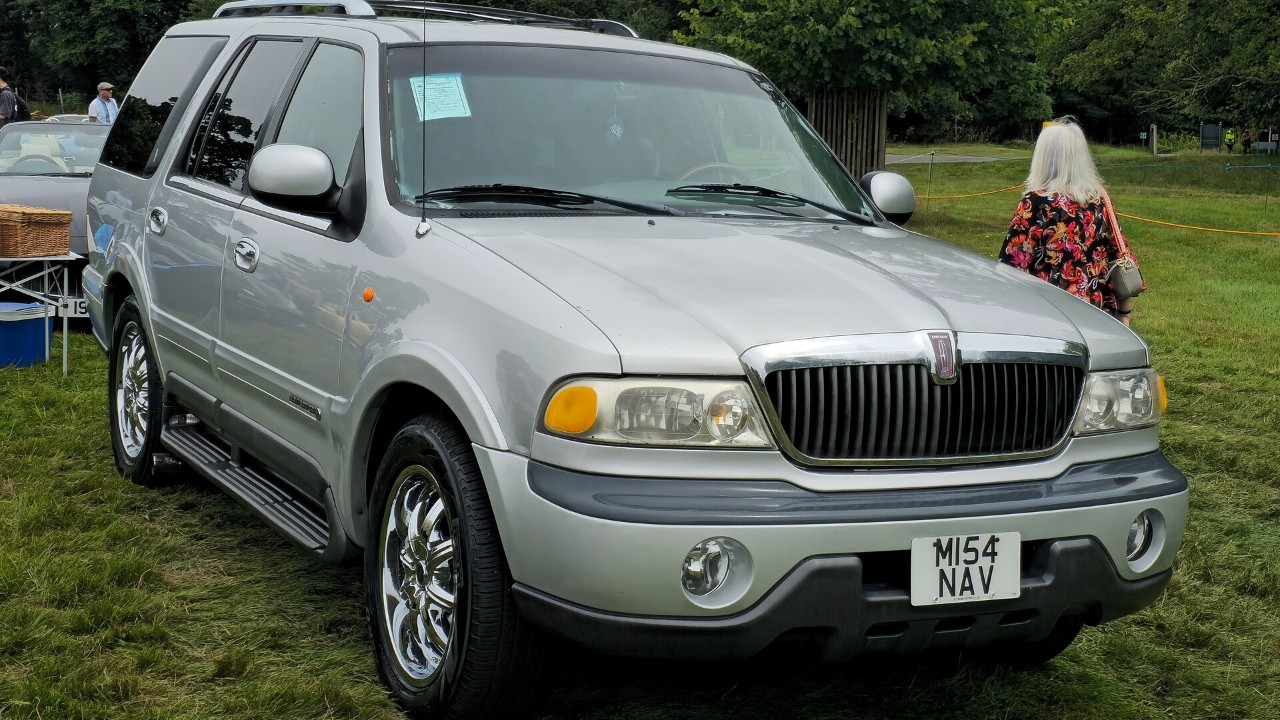
The Navigator was Lincoln’s first full-size SUV, built on Ford’s Expedition. Early trucks used a 5.4-liter V8 rated at 230 hp, paired with a four-speed automatic. Buyers could choose rear-wheel drive or Ford’s Control Trac four-wheel-drive system. Consumer Guide lists towing capacity at 8,000 pounds.
The 4×4 models got automatic self-leveling air-ride shocks at both ends. That’s useful with a full load or a trailer hitched up, and it kept the big truck riding like a Lincoln. In addition, seven seats were standard, and a no-cost middle bench option raised capacity to eight, according to Consumer Guide’s first-generation Navigator report.
In our view, this is the overbuilt Lincoln for people who need to work. It is a truck under the leather, with truck-grade parts that are easy to find. However, early models have quirks. Consumer Guide notes that the air-suspension warning lamp can light up without a real fault on 1998–1999 trucks. Our tip: scan it for codes, and check that the rear sits level after it sits overnight. On a 2WD truck, the air-ride shocks sit only at the rear.
12. 1979 Lincoln Continental Mark V Collector’s Series
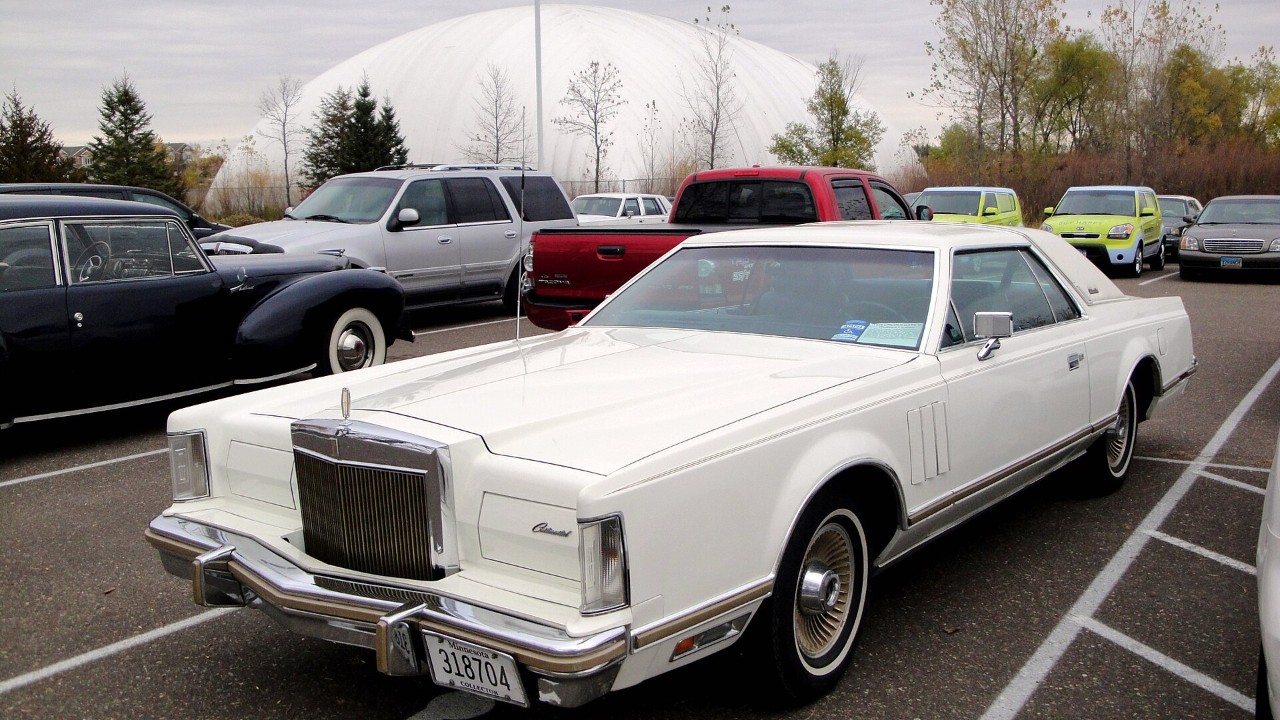
The Mark V was huge even by 1970s standards. Sports Car Market describes it as a 230-inch-long car, even though it weighed about 400 pounds less than the Mark IV. The 1979 Collector’s Series closed out the run with a 400-cubic-inch V8 and a three-speed automatic.
Lincoln also loaded it up. It had hideaway headlights, a power sunroof, automatic climate control, cruise control and a Quadrasonic 8-track stereo. It first came only in Midnight Blue Metallic with matching velour inside, plus a Midnight Blue vinyl landau roof and turbine-style wheels. Better yet, the simple, torquey V8 and its three-speed gearbox are the kind of drivetrain that just keeps going with care.
Our take: it is the most extravagant car on this list, yet its mechanical heart is plain and durable. It also belongs in our list of forgotten Lincolns that outclassed everything in their price range. Lincoln built 6,262 Collector’s Series cars, and one sold for $147,000 on Bring a Trailer in November 2025, according to Sports Car Market.
More from Fast Lane Only