Pininfarina’s Lancia Flaminia Coupe looked so much like a motor-show prototype that it could have rolled straight off a stand in Geneva. Lancia built 5,236 of them before coupe production ended in 1967. Six decades on, that long, clean roofline turns heads in a way few modern coupes manage.
That is the magic of a great luxury coupe. Two doors, a long hood and a price that kept most buyers away made these cars rare sights from the start. Time has only sharpened the effect, because their shapes now look nothing like the traffic around them.
These are our picks: eight luxury coupes that, in our view, stop traffic decades later. The facts come from auction records, club histories and maker data. The verdicts are our own.
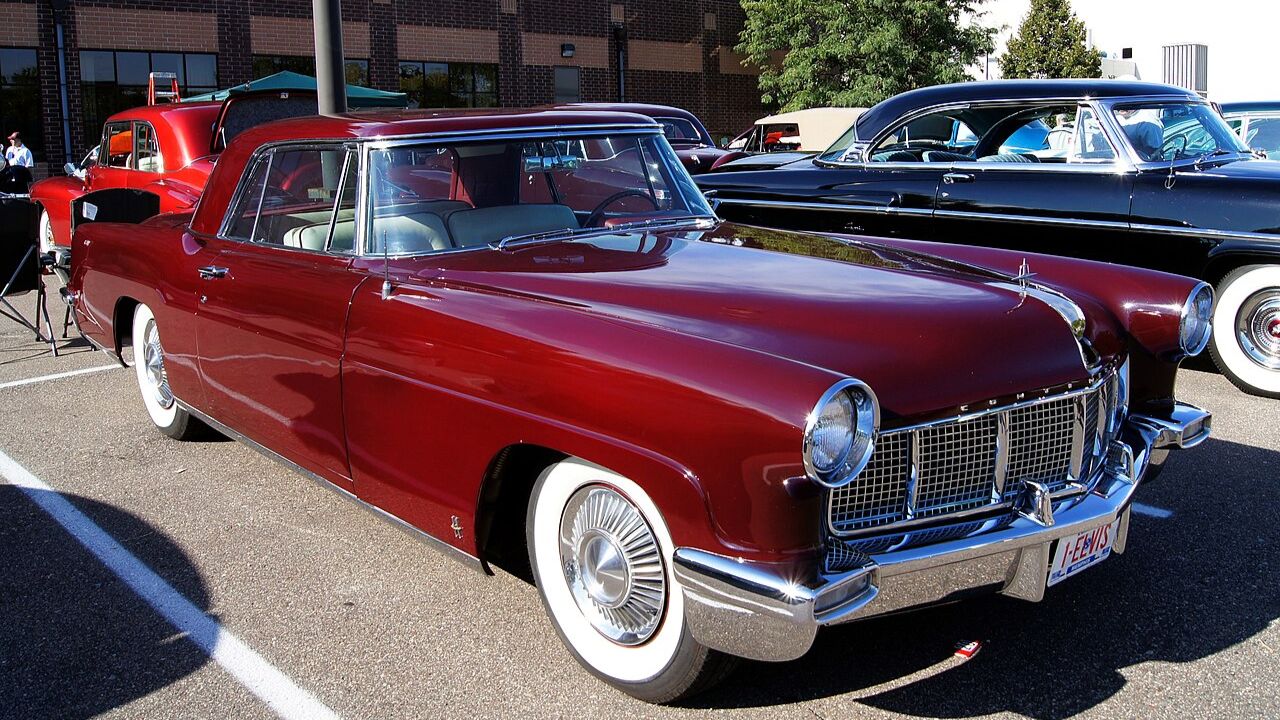
1. 1956 Continental Mark II

Ford created a separate Continental Division just to build this car. It priced the Mark II like no other American automobile. Under the long hood sat a 368-cubic-inch V8 rated at 285 horsepower for 1956, paired with a three-speed Turbo-Drive automatic. Workers moved cars between stations by hand rather than on a fast line. They even took each engine apart and rebuilt it after inspection.
That care cost a fortune. According to RM Sotheby’s Amelia Island 2022 lot description, the Mark II sold for about $10,000 new. That made it the most expensive American car of 1956. Ford built 2,550 that year and only 444 for 1957, and the company reportedly lost money on each one. RM Sotheby’s sold that 1956 example for $67,200.
Our take: the Mark II stops traffic because it is so restrained. It wears almost no chrome jewelry by 1950s standards, just long, flat planes and a spare-tire hump on the trunk. Frank Sinatra and Elvis Presley both bought one new. In our view, it carries that star power when it rolls into any parking lot today.
2. 1962 Lancia Flaminia Coupe Pininfarina
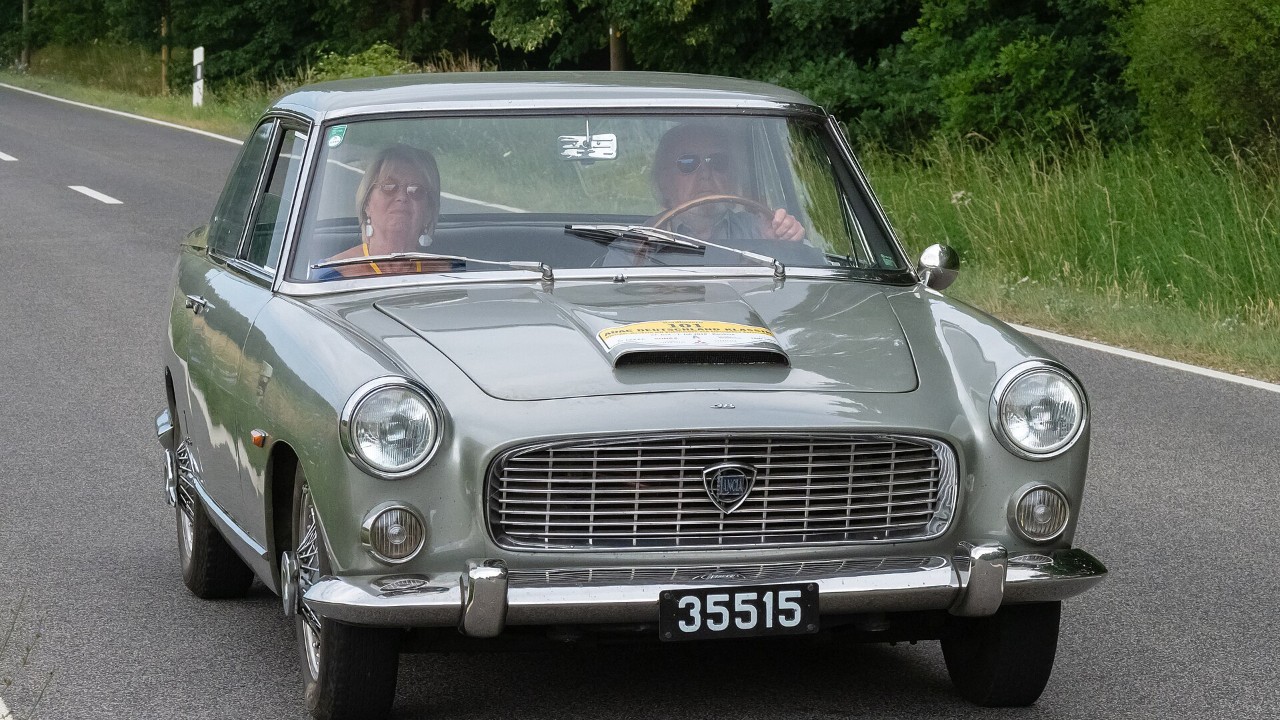
The Flaminia was Lancia’s flagship, and the Pininfarina coupe was its most elegant shape. It closely followed the Florida II, a two-door concept that Pininfarina showed at Geneva in 1956. Battista Farina later kept that prototype as his personal car. The production coupe added a 2+2 seating layout for longer trips, with small rear seats behind the front pair.
Underneath, the Lancia Flaminia Coupe used real engineering rather than just pretty sheet metal. A V6 sat up front, while the transaxle lived at the rear with De Dion suspension. That layout carried over from the Aurelia. From 1962, the coupe moved up from a 2.5-liter V6 to a 2.8-liter unit rated at 136 CV. Lancia built 1,085 coupes with the bigger engine and 4,151 with the smaller one.
In our view, most people will fail to identify this car. That is exactly why they stop and stare. It has the poise of a Ferrari from the same era without the same badge. If you want one, the 2.8-liter cars from 1962 onward are the ones we would look for first.
3. 1966 Mercedes-Benz 300 SE Coupe W112
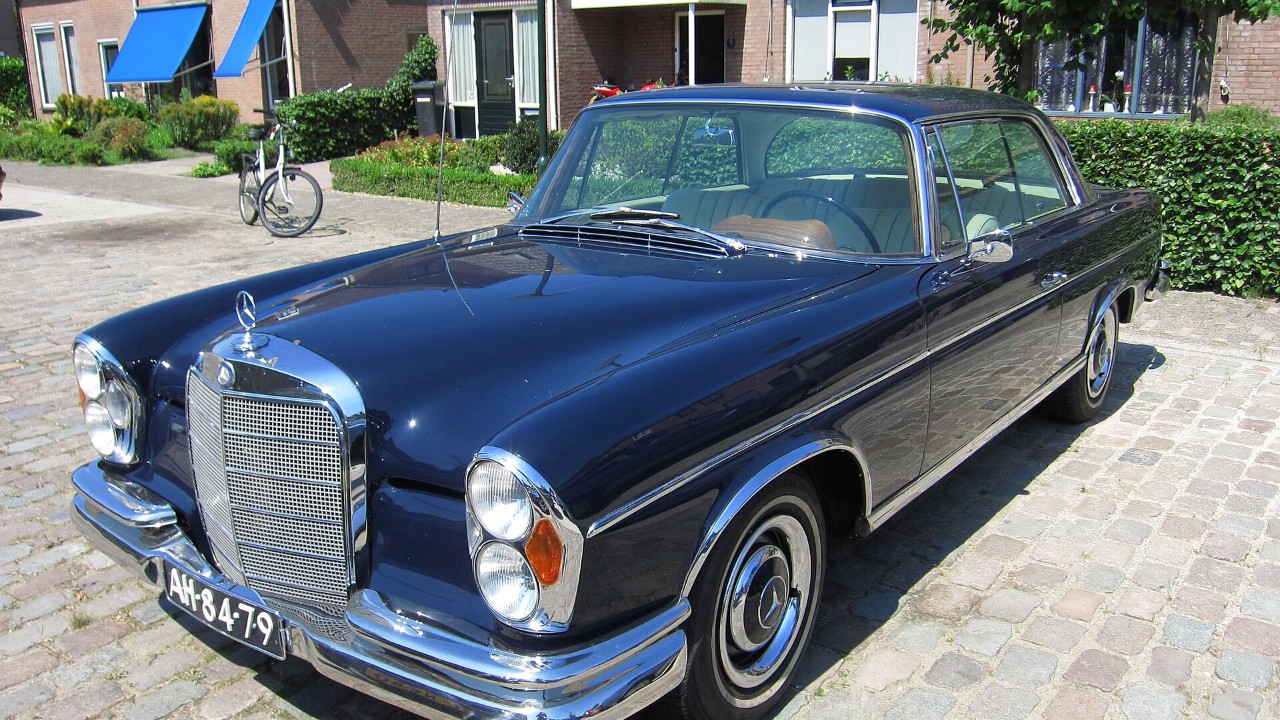
Mercedes-Benz introduced the 300 SE coupe in February 1962, and it sat at the very top of the company’s two-door lineup. Paul Bracq designed the body and interior, which it shared with the less powerful 220 SE coupe. However, the 300 SE added technology the smaller car lacked, and it cost far more as a result.
Its 3.0-liter M189 inline-six used mechanical fuel injection, a rare feature in the early 1960s. Self-leveling air suspension also came standard across the W112 range. As a result, the coupe floated over bad roads in a way few rivals could. Later, in November 1967, Mercedes replaced that engine with a 2.8-liter six from the 280 SE. That change makes the 1966 car one of the last true 300 SE coupes.
Our take: the W112 coupe stops traffic with understatement. Its wide glass area, upright grille and long, low tail look formal and sporty at once. Then the chrome trim on the flanks catches the light, and people walk over. If you shop for one, budget for the air suspension, because restoring it properly is the job that separates good cars from great ones.
4. 1966 Lamborghini 400 GT
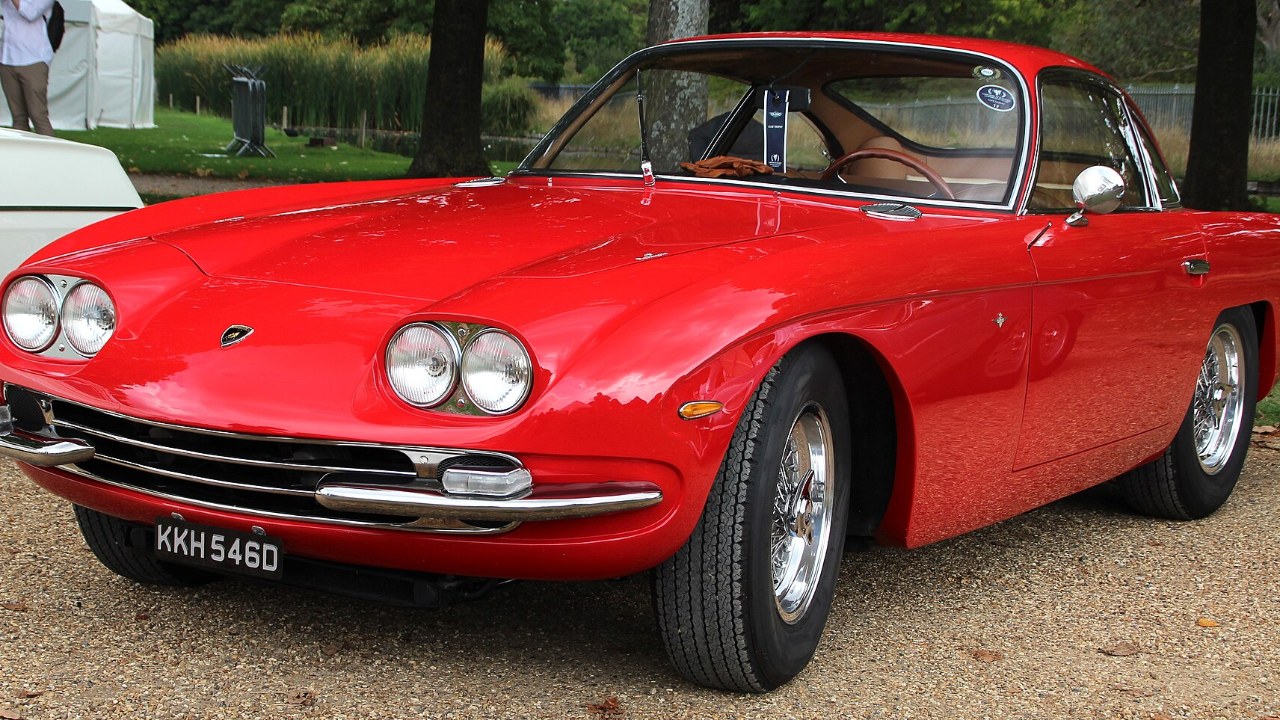
The 400 GT came from Lamborghini’s early years, when the company built refined grand tourers rather than wild wedges. It grew out of the 350 GT, with a larger 3,929 cc V12 rated at 320 horsepower. Most examples were 2+2 coupes, so two extra passengers could ride along in a pinch.
Production stayed tiny. Lamborghini built 247 cars in all between 1966 and 1968: 23 “Interim” cars and 224 400 GT 2+2 coupes. Carrozzeria Touring built the early bodies, and then Marazzi took over after Touring went bankrupt in 1967. Lamborghini replaced the model with the Islero in 1968. Both the Interim car and the 2+2 rode on the 350 GT’s 2,550 mm wheelbase. So the extra seats came from clever packaging, not a longer chassis.
In our view, the 400 GT is the classiest car Lamborghini ever made. It lacks the wild wedge shapes that came later. Yet its quad headlights and curved glass draw people who cannot believe it wears a raging-bull badge. If you ever see one at a show, take your time, because with so few built you may never see another.
5. 1971 Citroen SM
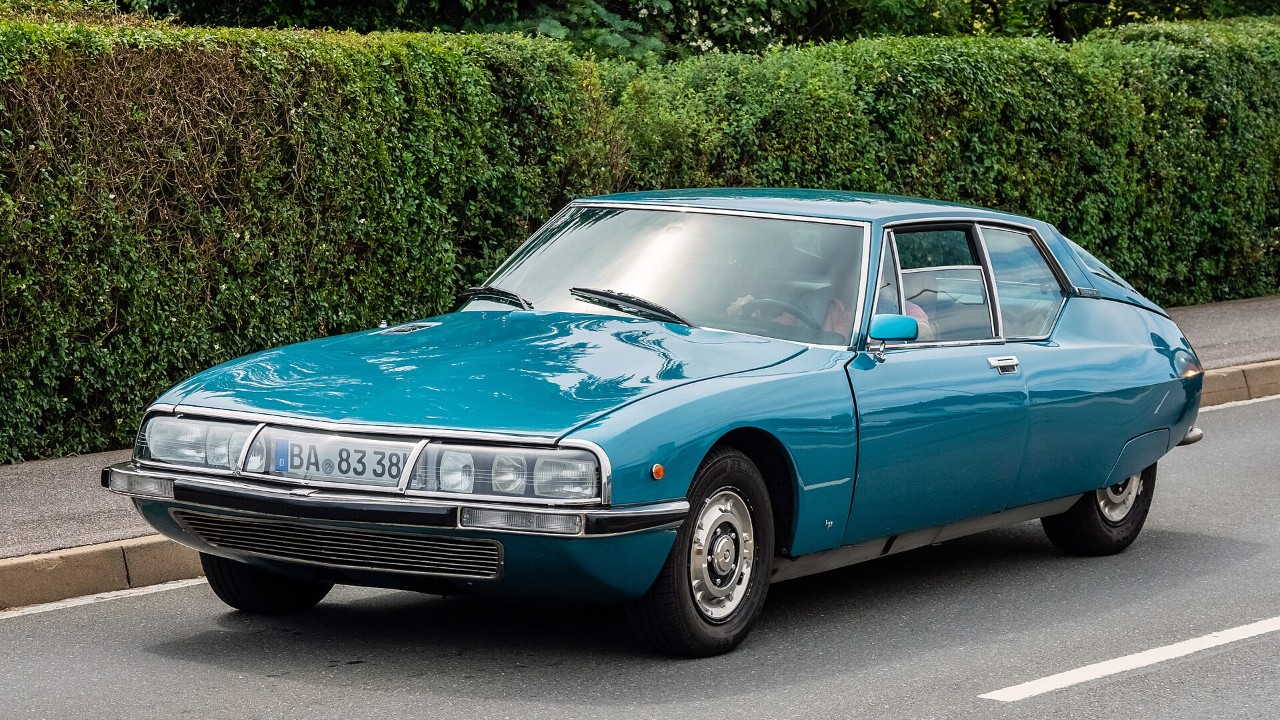
Citroën teamed up with Maserati to build a grand tourer unlike anything else on the road. The SM used a 2.7-liter V6 designed by Giulio Alfieri on Maserati V8 tooling. Robert Opron, Citroën’s chief designer, drew the long, tapered body in-house. In 1973, a 3.0-liter version of the V6 joined the range.
The details were even stranger. Six halogen headlamps lit the road, and the high beams swiveled with the steering, although U.S. rules forced fixed lamps on American cars. Its DIRAVI power steering centered itself and needed only about two turns from lock to lock. Citroën built 12,920 SMs from 1970 to 1975, and Motor Trend named it Car of the Year for 1972. It also finished third in the 1971 European Car of the Year voting.
Our take: the SM stops traffic because it looks like it came from a different future. Pedestrians see the glass nose and the low tail and have no idea what they are looking at. In our view, it is the most futuristic car on this list, even though it is more than fifty years old. If you buy one, find a specialist first, since the Maserati engine and the Citroën hydraulics both need expert hands.
6. 1976 Jaguar XJ-S V12
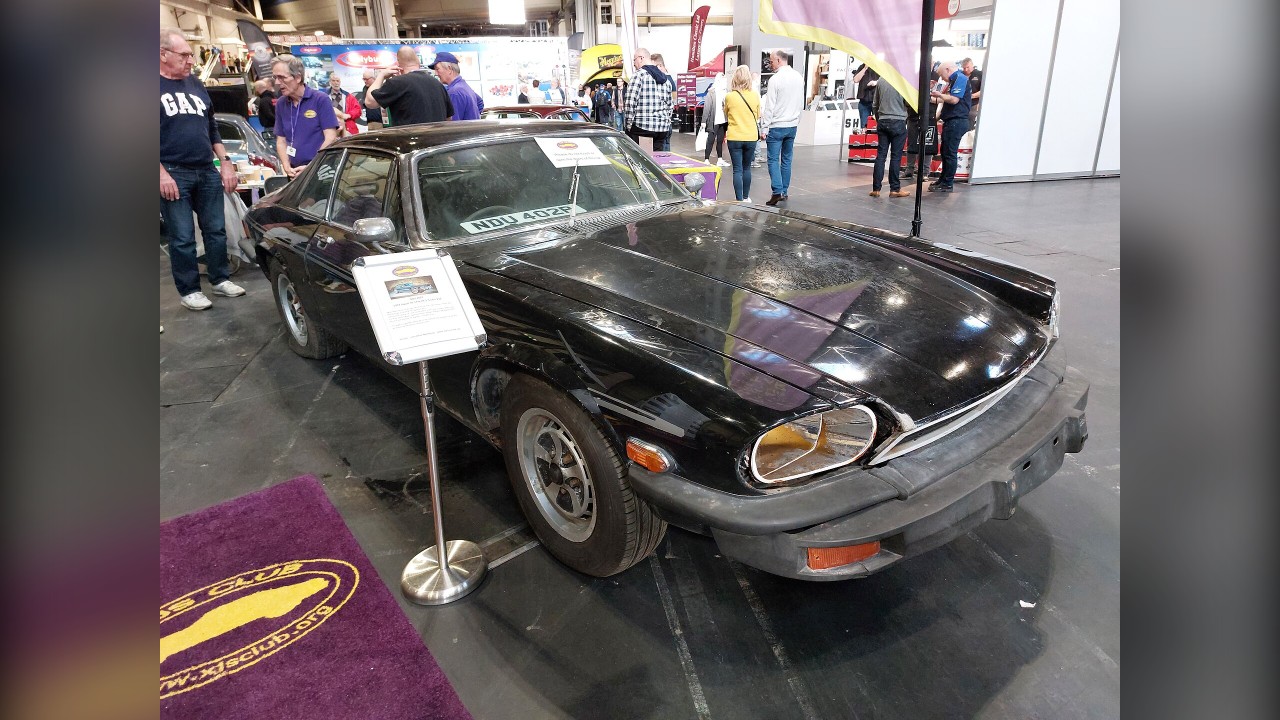
Jaguar launched the XJ-S on September 10, 1975, with its 5.3-liter V12 under the hood. The timing could hardly have been worse, because buyers worried about fuel after the oil crisis. Early sales suffered as a result, since the market for a thirsty V12 grand tourer had shrunk. Even so, the car stayed in production until 1996, and Jaguar built 115,413 of them.
The shape started with aerodynamicist Malcolm Sayer, who died in 1970 before the design was finished. Doug Thorpe’s in-house team completed it, keeping the controversial “flying buttresses” behind the rear windows. German authorities worried that those buttresses limited rear vision. Meanwhile, the car went racing in America. There, Bob Tullius won the 1977 Trans-Am drivers’ title in a Group 44 car based on XJ-S running gear.
In our view, the early V12 cars are the ones that turn heads now, because they show the original, uncluttered shape. Today, those buttresses are the first thing people point at when one rolls by. If you want a 1976 V12, budget for the cooling system and buy the best-documented car you can find.
7. 1979 Rolls-Royce Corniche Coupe
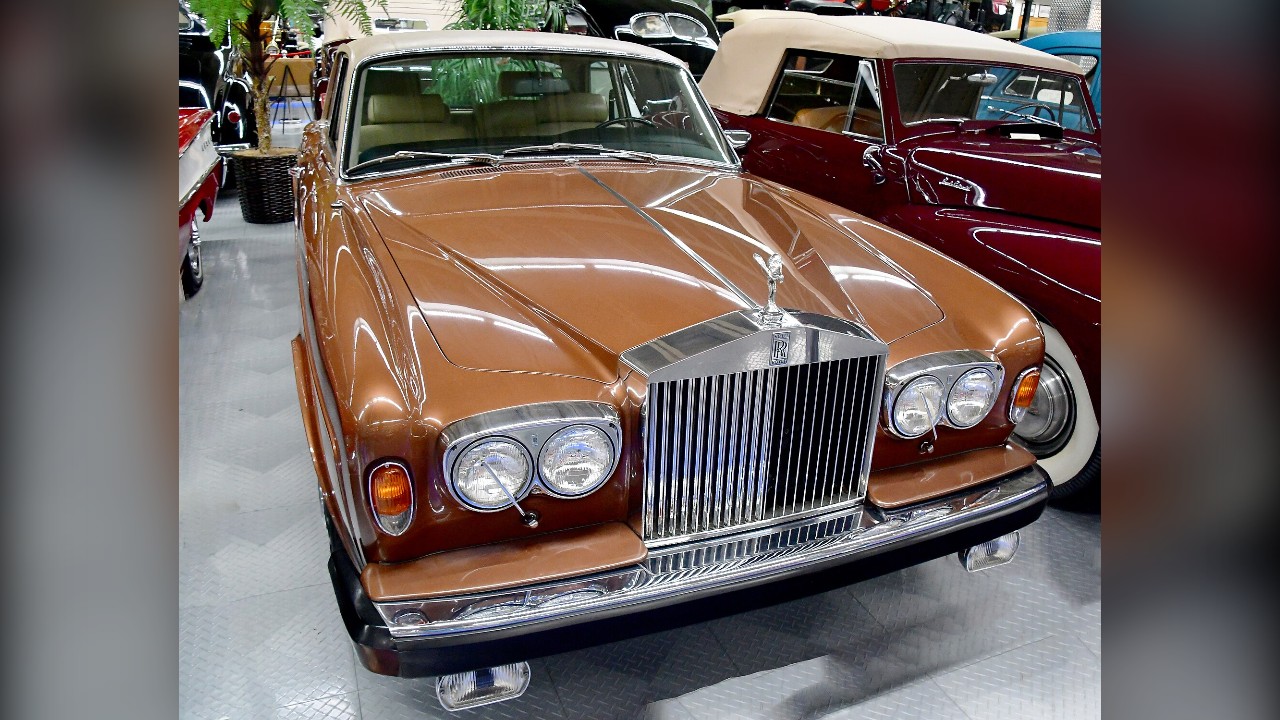
Rolls-Royce built the Corniche coupe at Mulliner Park Ward in London from 1971 to 1980. It grew out of the two-door Silver Shadow and carried the company’s 6.75-liter aluminum V8. The name came from the French word for a coastal road along a cliff face. Rolls first used it on a 1939 experimental prototype.
The coupe shared its name with a convertible, but the hardtop has its own appeal. Because the hardtop has a fixed roof, its proportions look longer and more formal, almost like a scaled-down limousine with two doors. Rolls-Royce later moved Corniche production to Crewe ahead of the London works’ 1994 closure. By then, the London-built coupes were a closed chapter. That adds to their appeal for collectors who value coachbuilt cars.
Our take: few cars clear a sidewalk faster than a Rolls coupe gliding past in a deep color. The Corniche hardtop does it with dignity rather than flash. Its tall grille and long hood announce it from a block away, and the fixed roof gives it a crisp, tailored line. If you shop for one, buy on service history above all, since deferred maintenance on these cars gets expensive fast.
8. 1987 Mercedes-Benz 560 SEC
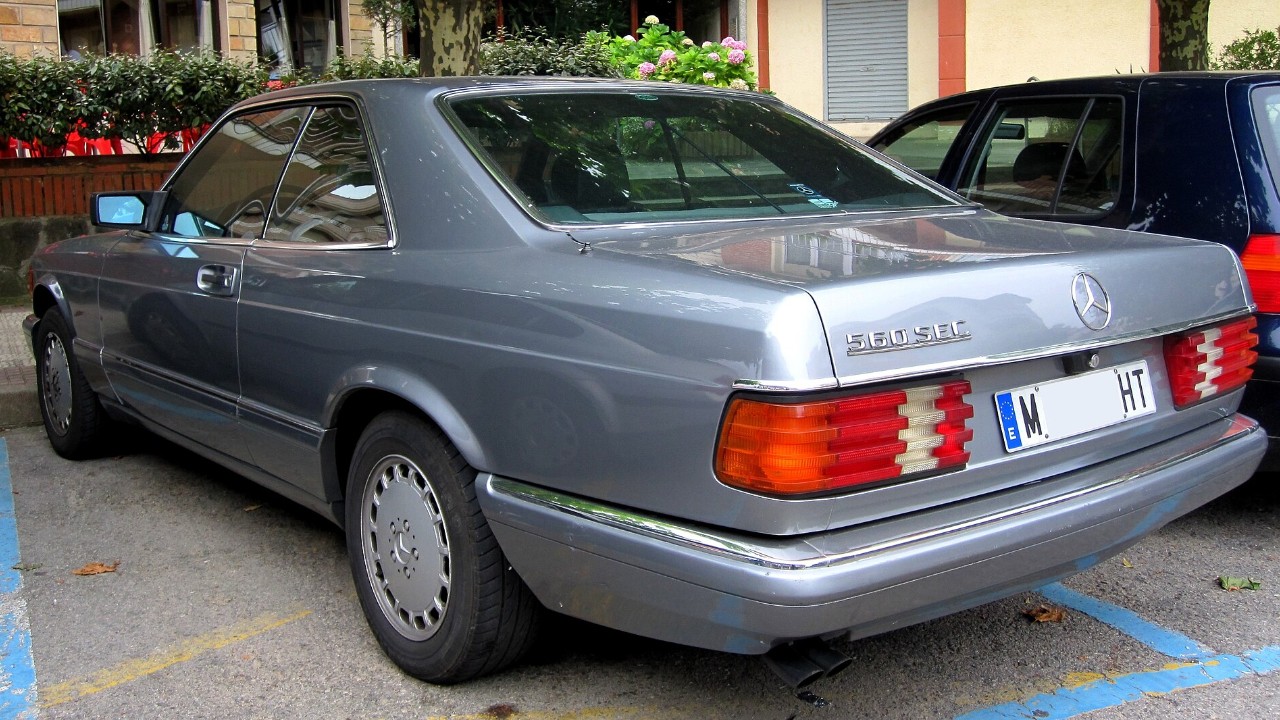
The 560 SEC was the top W126 coupe, the flagship two-door of Mercedes’ 1980s S-Class family. It reached the U.S. in 1986 with a 5.6-liter M117 V8. According to The Star magazine of the Mercedes-Benz Club of America, that engine made 238 horsepower and 287 lb-ft in U.S. trim.
The same club history records 28,929 examples of the 560 SEC between 1986 and 1991. It also lists a 0-60 mph time of 7.4 seconds, quick for a heavy luxury coupe of the time. By comparison, the earlier 1982 to 1984 380 SEC made 155 horsepower, so the 560 marked a big jump for the line. The 500 SEC sat in between at 185 horsepower, with 30,184 built, according to the same club history.
In our view, the 560 SEC stops traffic because it captures the 1980s at their most confident. The long, low profile and wide stance still look expensive, even next to modern luxury cars. If you buy one, choose a car with full service records. The club’s own figures show plenty were built, so the best ones are worth the wait.
More from Fast Lane Only