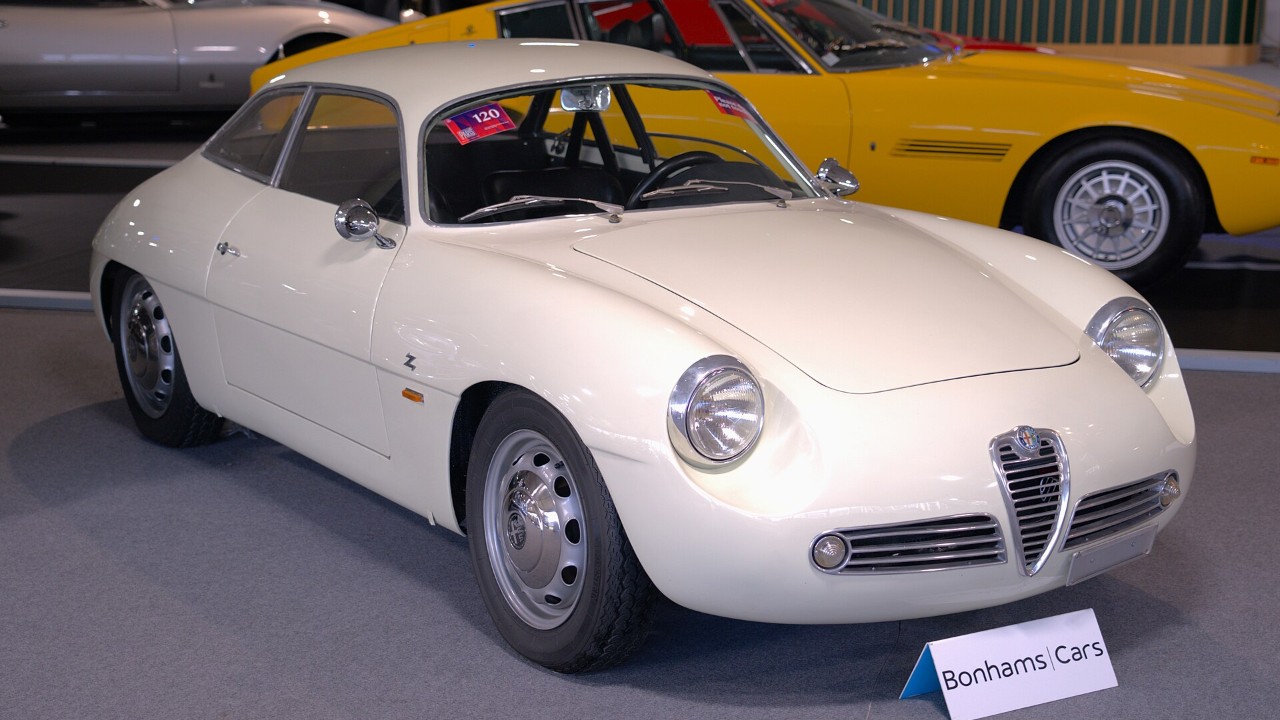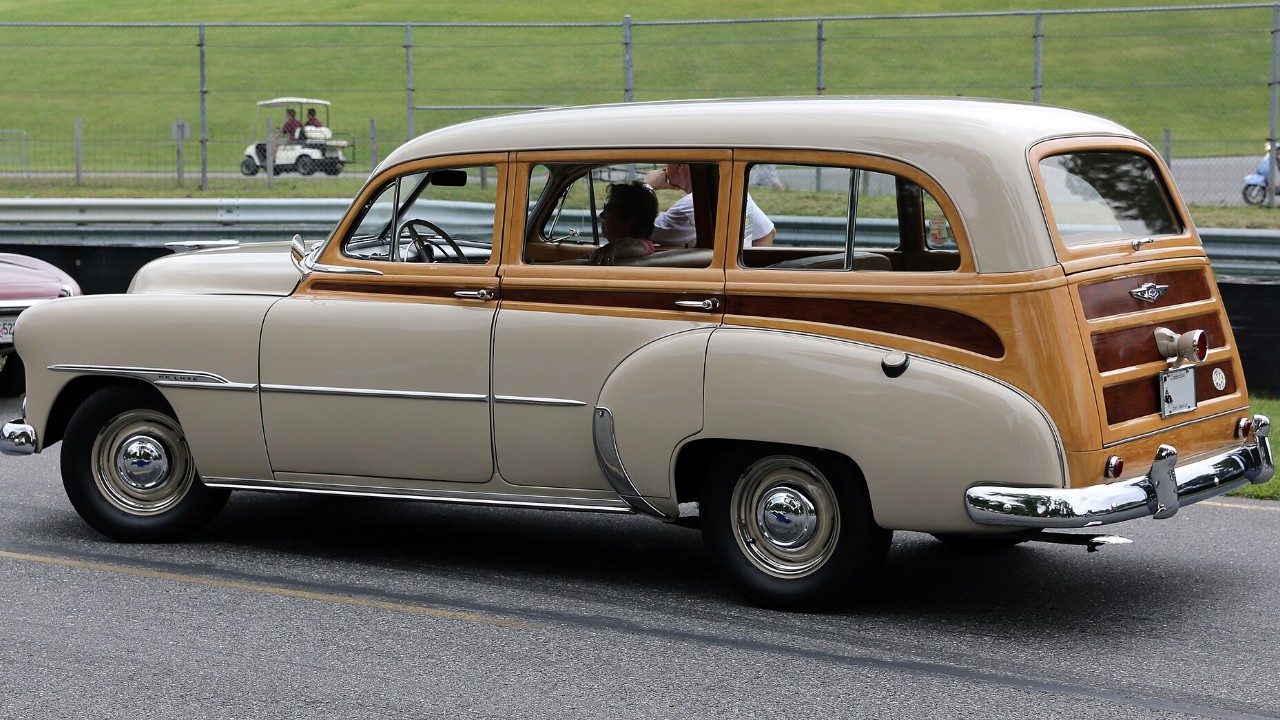
When the Chevrolet Caprice and Buick Roadmaster left production in 1996, the big American station wagon went with them. Those two were the last full-size wagons built in this country. For families who grew up in a third row, it felt like the end of an era.
Yet the wagons people remember are only part of the story. For every Country Squire, there was a hardtop Oldsmobile, a Rambler with a roof rack or a tiny Datsun that most people have forgotten. Many were bought new, driven hard and scrapped once the kids grew up.
These twelve are our picks for the forgotten wagons we swear we’d never sell if one landed in our driveway. That verdict is our opinion. The years, engines, prices and production numbers come from period records, the makers’ histories and collector publications.
1. 1951 Chevrolet Styleline Deluxe station wagon
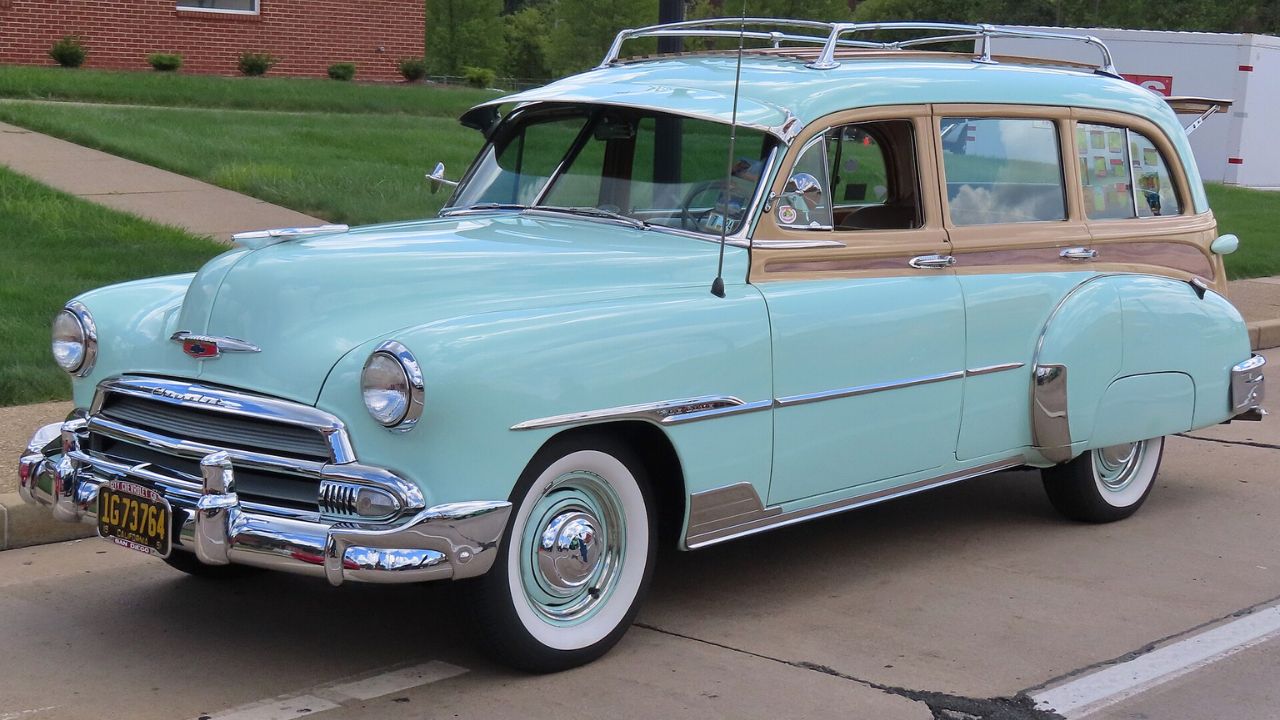
By 1951, most American station wagons rode on all-steel bodies, and Chevrolet’s Styleline Deluxe was part of that shift. The Deluxe range included a four-door wagon alongside its sedans, coupes and convertibles. Inside, some cars even wore a simulated burl wood grain on the metal dash.
Power came from Chevrolet’s 216.5-cubic-inch Thrift-Master six. With a manual transmission, it developed 92 horsepower. However, Chevy had added something new for 1950: Powerglide, a two-speed automatic. Chevrolet offered it only on the Deluxe and Bel Air. As a result, a Powerglide Deluxe wagon was an upscale family car for its day. Paired with Powerglide, buyers got the bigger 235 six, rated at 105 horsepower.
Our take: a 1951 Styleline Deluxe station wagon is as honest as an old car gets. It is simple, roomy and built around a six that any shop can understand. Better yet, it carries real postwar charm in a body style that families actually used every day. We would keep one for Saturday hardware-store runs and never apologize for its pace. If you find a Powerglide car, you get the easy-driving version of a very practical classic.
2. 1957 Oldsmobile Fiesta wagon
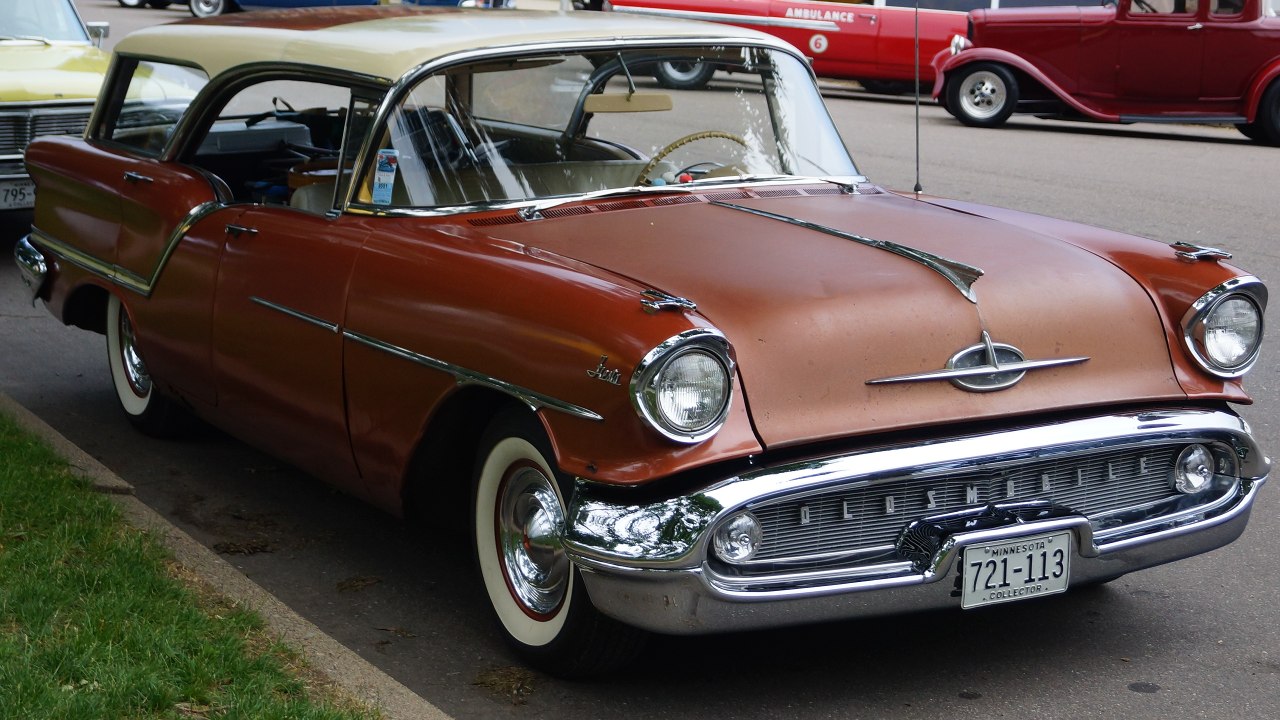
The 1957 Fiesta was a four-door hardtop wagon, with no center pillar to break up its side glass. Olds offered it in both 88 and Super 88 trim. According to Old Cars Weekly, the regular wagon sold for $2,914, while the hardtop Fiesta listed at $3,017.
That small premium bought a lot of style, and the engine options could add serious speed. The 371-cubic-inch V8 was available with J-2 tri-power, which raised output to 300 horsepower for just $83. Old Cars Weekly also reports that Olds built 8,981 Fiesta Super 88 wagons for 1957. The car it profiled came with Hydra-Matic, power steering, power brakes and a roof rack.
We’d never sell a Fiesta because the idea did not last. In fact, GM dropped the pillarless wagon from its lineup for 1959. That makes the 1957 car one of a short-lived breed. In our view, rolling all the windows down on a hardtop wagon is one of the great small joys of 1950s design. Add the J-2 option, and you have a family hauler with a hot-rod heart.
3. 1957 Rambler Custom Cross Country
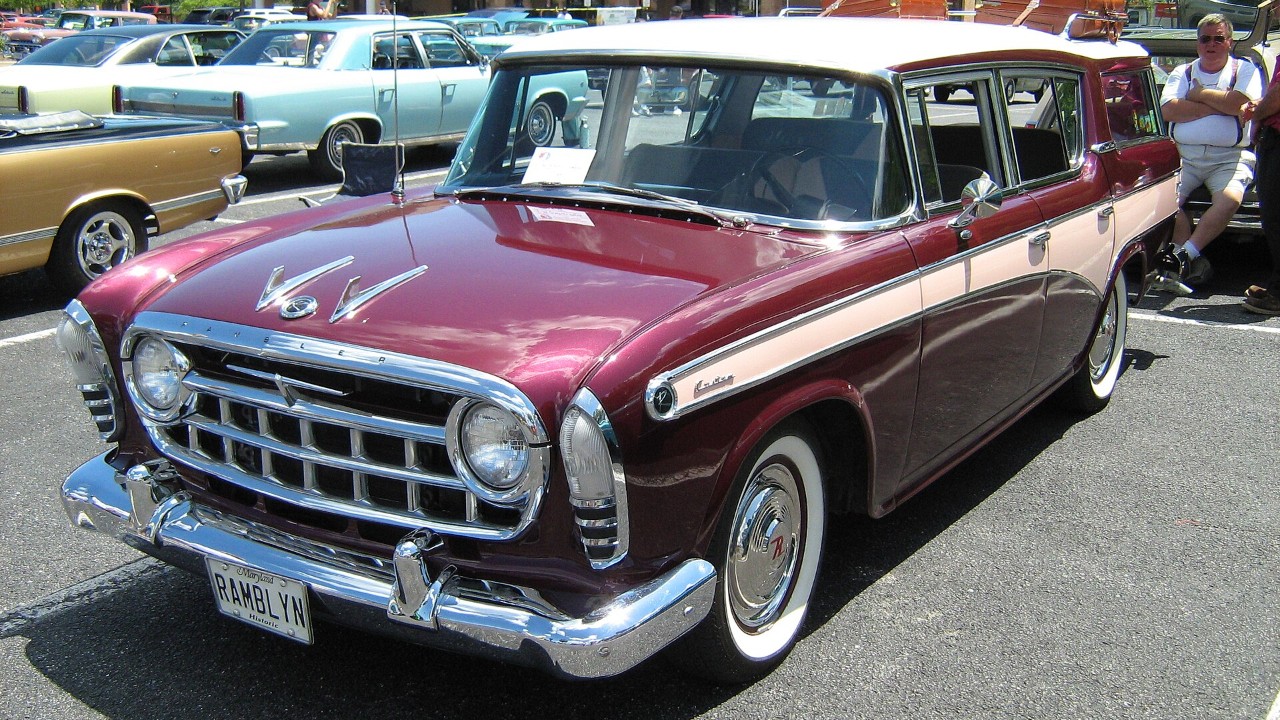
Rambler gave its wagons the Cross Country name, and it introduced a four-door hardtop wagon in 1956. The roof rack came standard. Rambler also dipped the rear section of the roof over the cargo area, which gave the car a distinctive profile. For 1957, the Cross Country in Custom trim had a relatively low price of $2,715. Even so, only a few 1957 wagons came with the hardtop body.
The bigger news for 1957 was under the hood. That year brought Rambler’s first 250-cubic-inch V8, rated at 190 horsepower. Super and Custom models could have either the six or the new V8. Rambler also offered seat belts, a padded dash and child-proof door locks, which were thoughtful extras for the time. Meanwhile, total Rambler sales rose from 66,573 in 1956 to 82,000 in 1957.
Our take: the Custom Cross Country is the smart, modest wagon that played it straight and won. In our view, it offered a lot of wagon for the money, and it was full of clever details. We’d keep a V8 example forever. Furthermore, it stands as proof that Rambler understood what family buyers wanted.
4. 1959 Edsel Villager
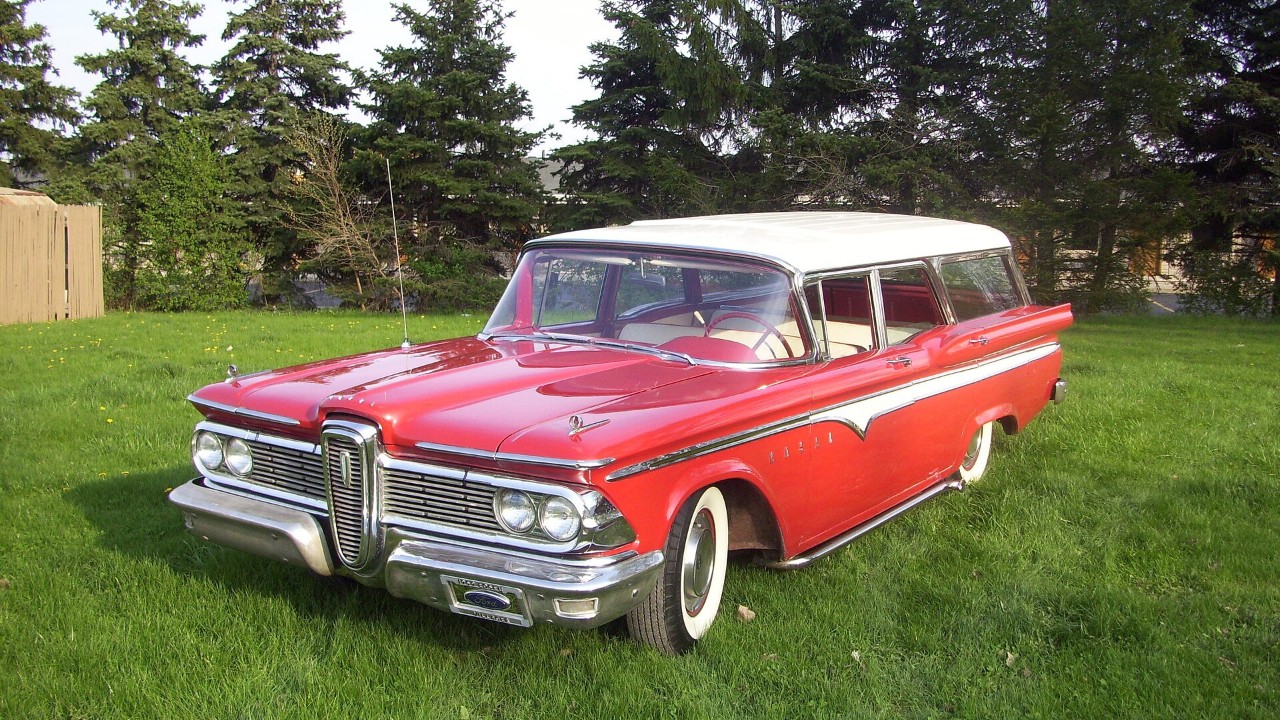
By 1959, the Villager was the only Edsel station wagon line, since the Roundup and Bermuda had been dropped. It shared much of its body stampings with the Ford Country Sedan. Buyers could choose six-passenger or nine-passenger seating. Under the hood sat a 361-cubic-inch V8, with a three-speed manual or automatic.
Edsel also cut back on gimmicks that year. The Teletouch push-button shifter in the steering wheel was gone, and all automatics now used a column shifter. Production was small. Edsel built 7,820 Villagers for 1959, with 5,687 six-passenger and 2,133 nine-passenger wagons. Then the 1960 Edsel line ran for only 43 days, from mid-October to late November 1959.
We’d never sell a 1959 Villager because it is a rare piece of Edsel history from the brand’s last full year. As a wagon, though, it is a perfectly good Ford underneath, with an unusual face. In our view, that mix of easy mechanicals and odd history is ideal. You can drive it to a show, then answer questions about it all day. Few classic wagons start a conversation quite as fast.
5. 1964 Mercury Commuter
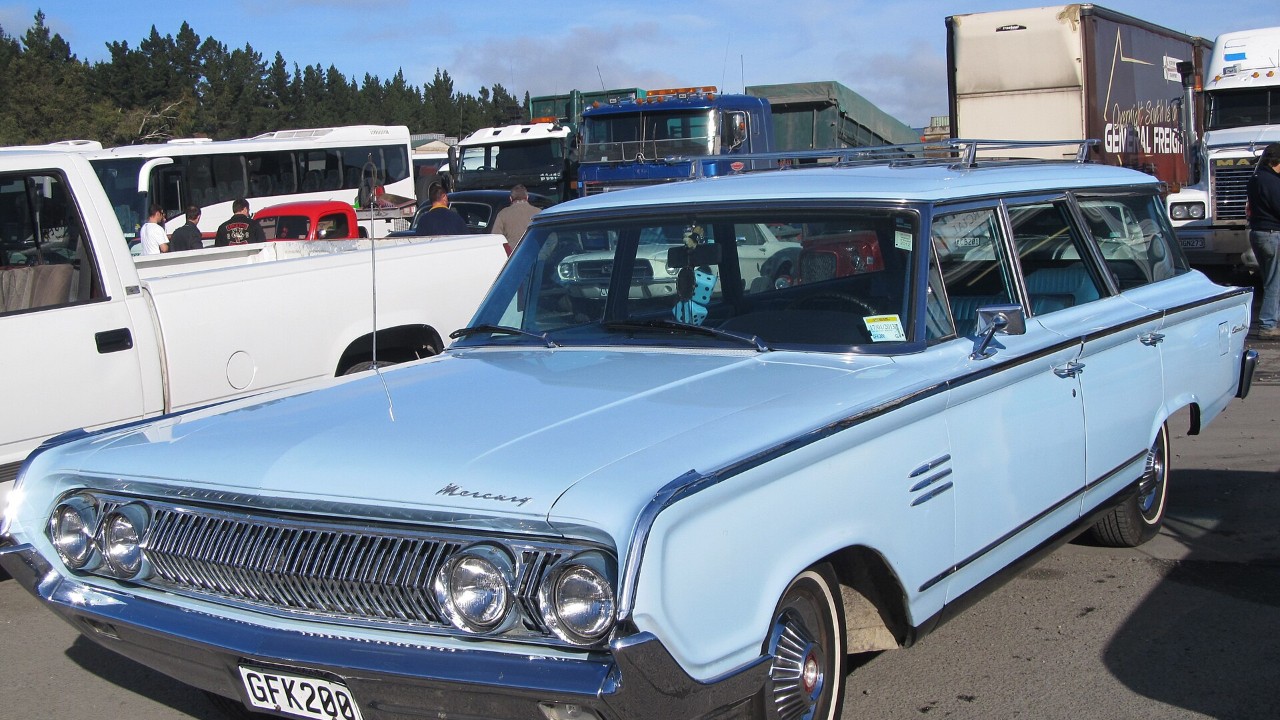
The Commuter was a lower-priced Mercury wagon, sitting below the Colony Park with its simulated woodgrain trim. Its history had a gap. Mercury sold smaller intermediate Meteor wagons for 1963, so the Commuter skipped that year. Then, for 1964, Mercury moved it back to the full-size platform, and the big Commuter was back in showrooms.
That return did not last long. Mercury phased out the Commuter after the 1968 model year, along with the full-size Montclair and Park Lane. From then on, the Colony Park was the only Mercury station wagon until 1991. As a result, the Commuter is a short chapter in Mercury’s wagon story, and it is easy to overlook next to the woodgrain cars.
We’d never sell a 1964 Commuter because it offers full-size Mercury wagon style at the more modest end of the range. In our eyes, the 1964 body lines look their best stretched over a long wagon roof. Moreover, a big Mercury wagon of this era makes a relaxed highway cruiser with room for everything. It is the kind of car that gets a thumbs-up at every gas station. Finding one in good shape takes patience, so we would hold on tight.
6. 1966 Dodge Coronet 440 station wagon
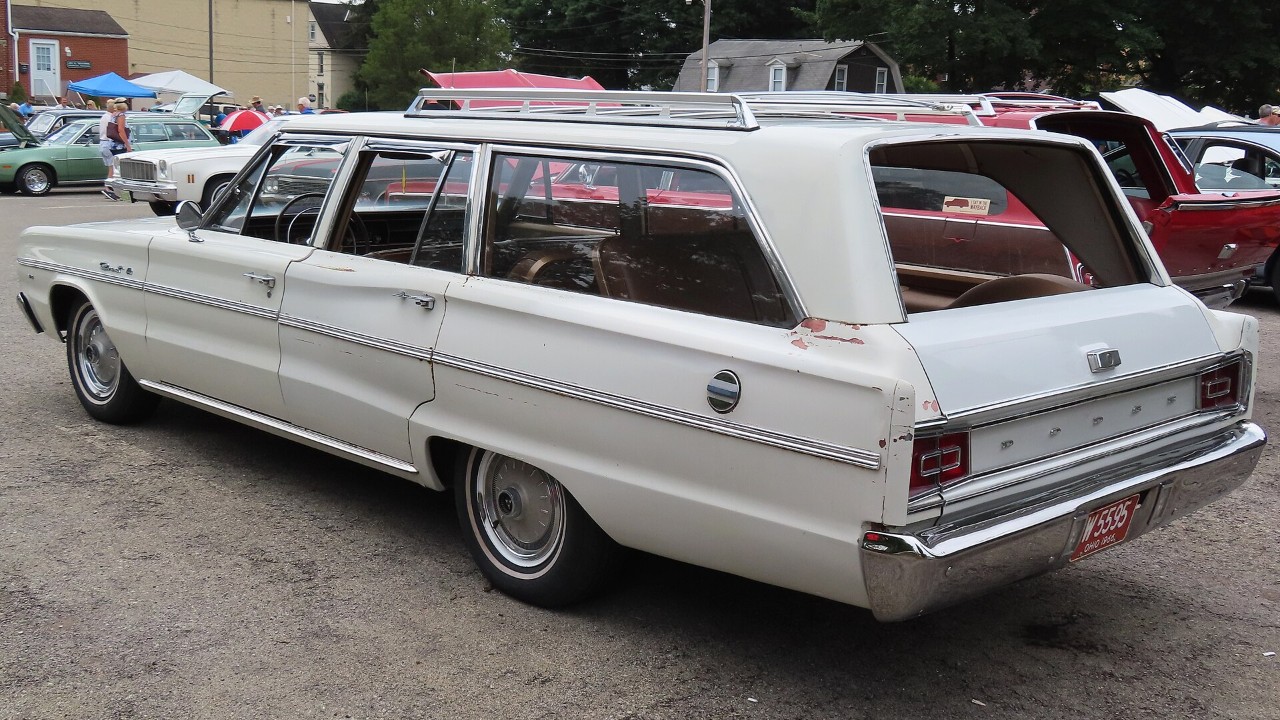
The Coronet line for 1966 had four trim levels: the base Coronet, the new Coronet Deluxe, the 440 and the top Coronet 500. The 440 sat in the middle, and the number confused plenty of people. In fact, the 440 name did not refer to engine displacement, as many people assume. Dodge offered a 440 wagon that year.
The really fun part of 1966 is the option sheet. That year, Dodge made the 426 Hemi available to the public, and it could be ordered in any Coronet model or trim level. So, at least on paper, a buyer could put a Hemi in a family wagon. By comparison, Dodge built just 136 Coronet 500 Street Hemis in 1966.
We’d never sell a 1966 Coronet 440 wagon because it sits right in the middle of the muscle-car era yet flies under the radar. It has the clean, square lines of the mid-1960s B-body. In our opinion, it is also a perfect sleeper project. Even with a modest V8, it is a handsome and useful car that few people recognize at a show. That surprise factor is half the fun of owning one.
7. 1971 Ford Torino Squire
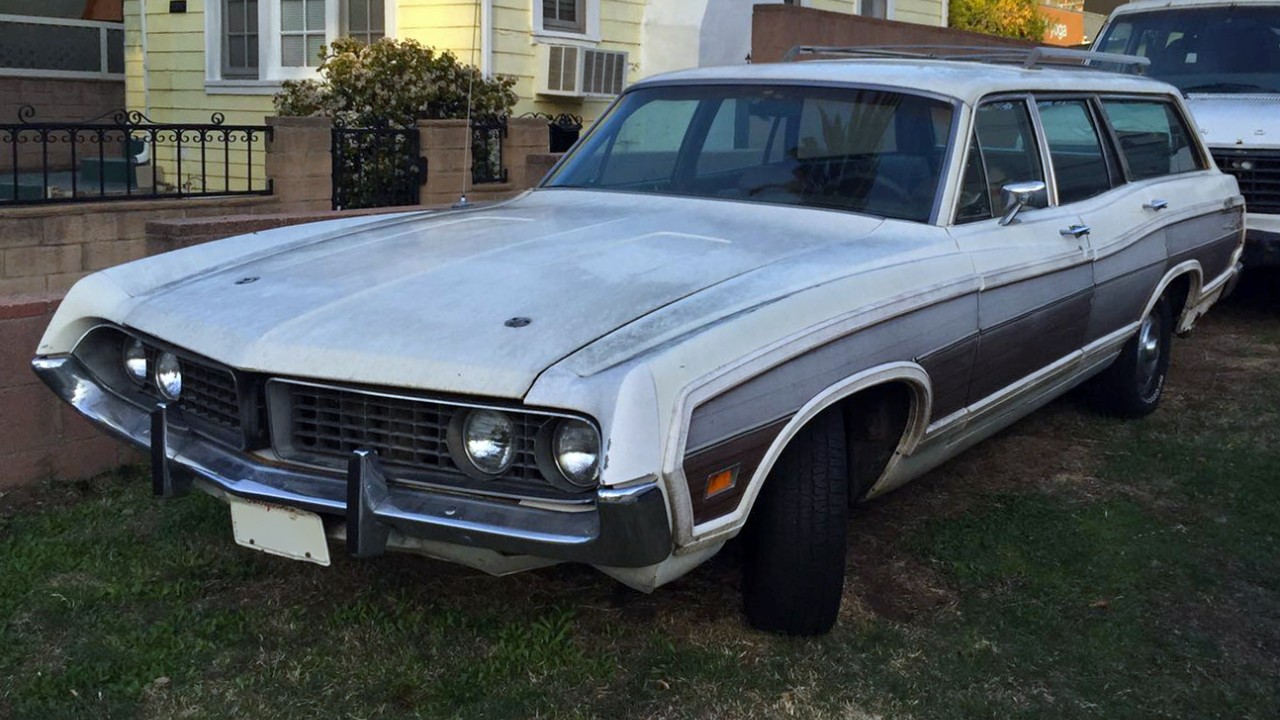
Ford redesigned the Torino for 1970, and the 1971 car kept that styling with only minor trim and grille changes. The Squire was the wagon at the top of the range. In 1970 form, it wore simulated woodgrain sides and hidden headlamps, plus trim similar to the Torino Brougham sedan. For 1971, the 302-2V V8 was standard on Squires.
Ford built 326,463 Torinos of all types for 1971. That total includes every body style, and the published totals we found give no Squire-only figure. In our view, the Squire was the most stylish way to carry a family in a Torino. The Squire’s woodgrain also ties it to the bigger Country Squire, which kept its simulated wood trim from 1950 through 1991.
We’d never sell a 1971 Torino Squire because it is a mid-size wagon with full-size attitude. Its long hood gives it presence, while its size keeps it easy to drive and park. In addition, the standard 302 keeps running costs sensible, in our view. We have covered other vintage wagons that won’t stay cheap much longer, and in our view the Squire deserves that kind of attention. Find one with a solid floor, and keep it.
8. 1971 Plymouth Fury Custom Suburban
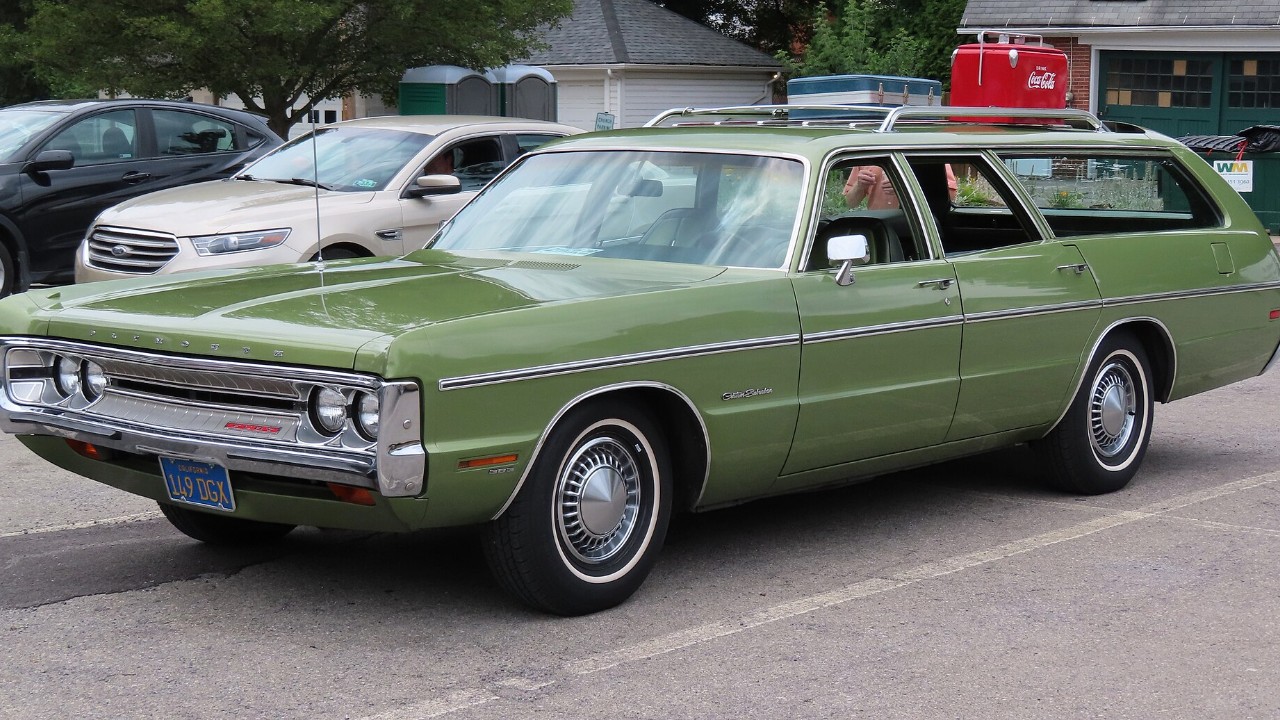
The full-size Plymouth wagons of this era rode on a 122-inch wheelbase. Chrysler gave them its round-sided “Fuselage” styling. The wagons even had a small roof-mounted spoiler, meant to keep the rear window clean. Street Muscle notes that owners called these big Chrysler wagons Highland Park “Conestogas.”
The 1971 model year brought changes under the hood. Chrysler introduced the LA 360 engine that year. Then, partway through the model year, full-size Plymouths became V8-only. Street Muscle also points out that most of these wagons were crushed once tastes changed and the fuel crises hit. That is why a clean Custom Suburban stands out today. For example, the survivor Street Muscle featured had about 14,000 original miles.
We’d never sell a 1971 Fury Custom Suburban because it is pure early-1970s Chrysler, from the swoopy sides to the long tail. It is huge, comfortable and unapologetic. In our view, the mid-level Custom is the right trim for a survivor, since it was a working family car. Moreover, a good one takes you straight back to station-wagon road trips. We would load it up and drive it across the country.
9. 1972 Datsun 510 wagon
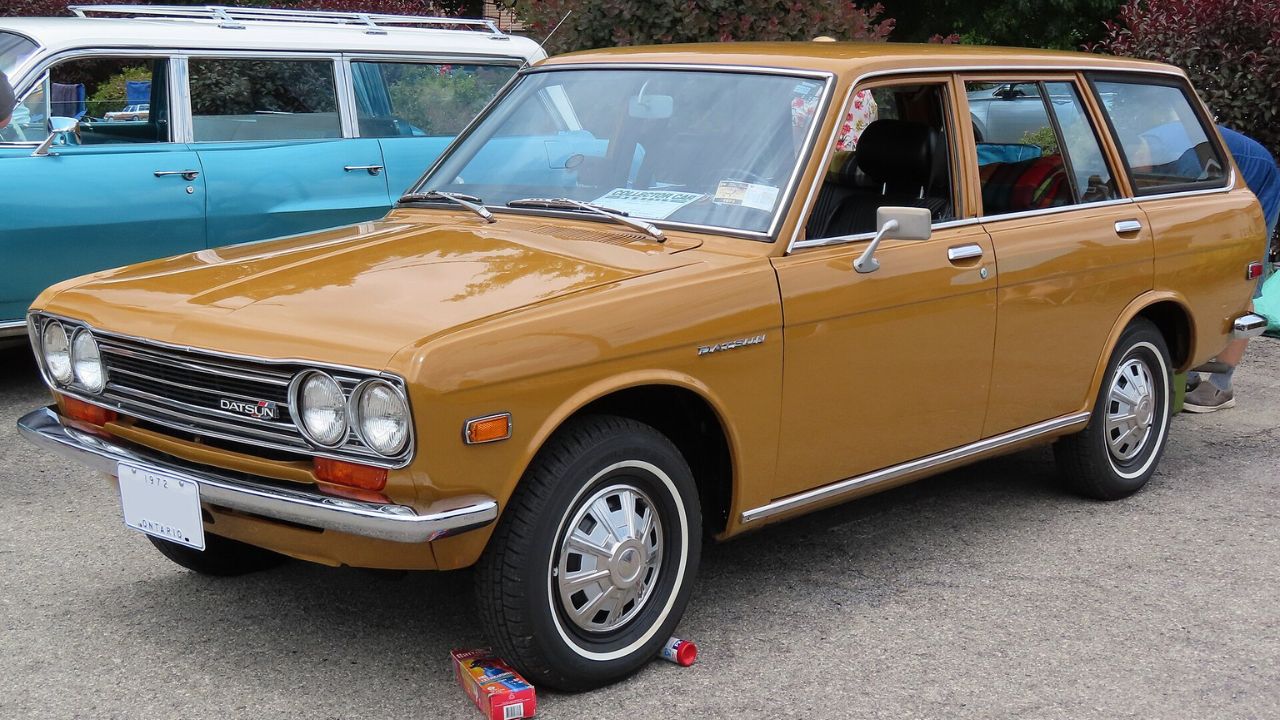
The 510 was sold as the Bluebird in Japan, but Americans knew it by its model code. The wagon shared the sedan’s 1.6-liter L-series four, advertised at 96 horsepower gross. There was one big difference underneath. Sedans used four-wheel independent suspension, while wagons rode on a rear live axle with leaf springs.
That setup made the wagon a little less sporty but better suited to carrying weight. Meanwhile, the 510 sedan built a racing reputation. John Morton won the 1971 and 1972 Trans Am championships in Pete Brock’s BRE Racing 510. Some of that glow rubs off on the wagon, even if it never raced like the sedan. In our view, that makes the wagon the more practical of the pair.
We’d never sell a 1972 Datsun 510 wagon because it is a small, simple car that showed what Datsun could do. It is light, practical and easy to keep running. In our view, the wagon is also more unusual than the sedan at any meet. Load it with camping gear, and it feels as useful today as it did then. That combination of charm and function is very hard to replace.
10. 1978 Ford Pinto Cruising Wagon
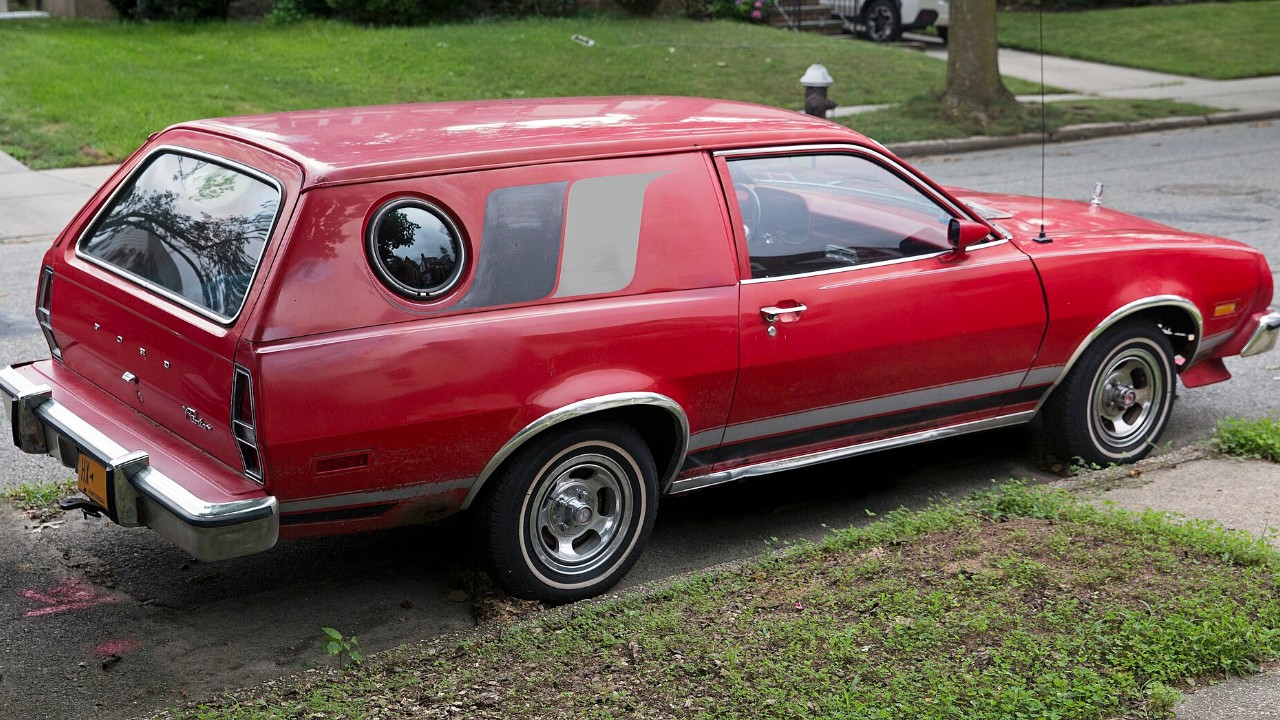
Ford introduced the Cruising Wagon package for 1977. It was based on the sedan delivery version of the Pinto wagon and styled to look like a small conversion van. Round “bubble” windows replaced the rear side glass, and buyers could add vinyl graphics. For 1978, the 2.3-liter four made 88 horsepower, and the 2.8-liter V6 made 90.
The Pinto name carries baggage, so one fact is worth knowing. The June 1978 fuel-tank recall included Pinto sedans and hatchbacks, but not the station wagon. Ford had launched the Pinto wagon on February 24, 1972. It offered 60.5 cubic feet of cargo volume.
We’d never sell a Cruising Wagon because it captures the 1970s van craze in a tiny, affordable package. It is cheerful, a little silly and impossible to mistake for anything else. In our opinion, few cars say “1978” so clearly. In our view, a clean one with intact bubble windows is a real find today. After all, these were cheap, cheerful cars that families used up. We would keep it just for the smiles it brings at every stoplight.
11. 1982 Mercedes-Benz 300TD Turbodiesel
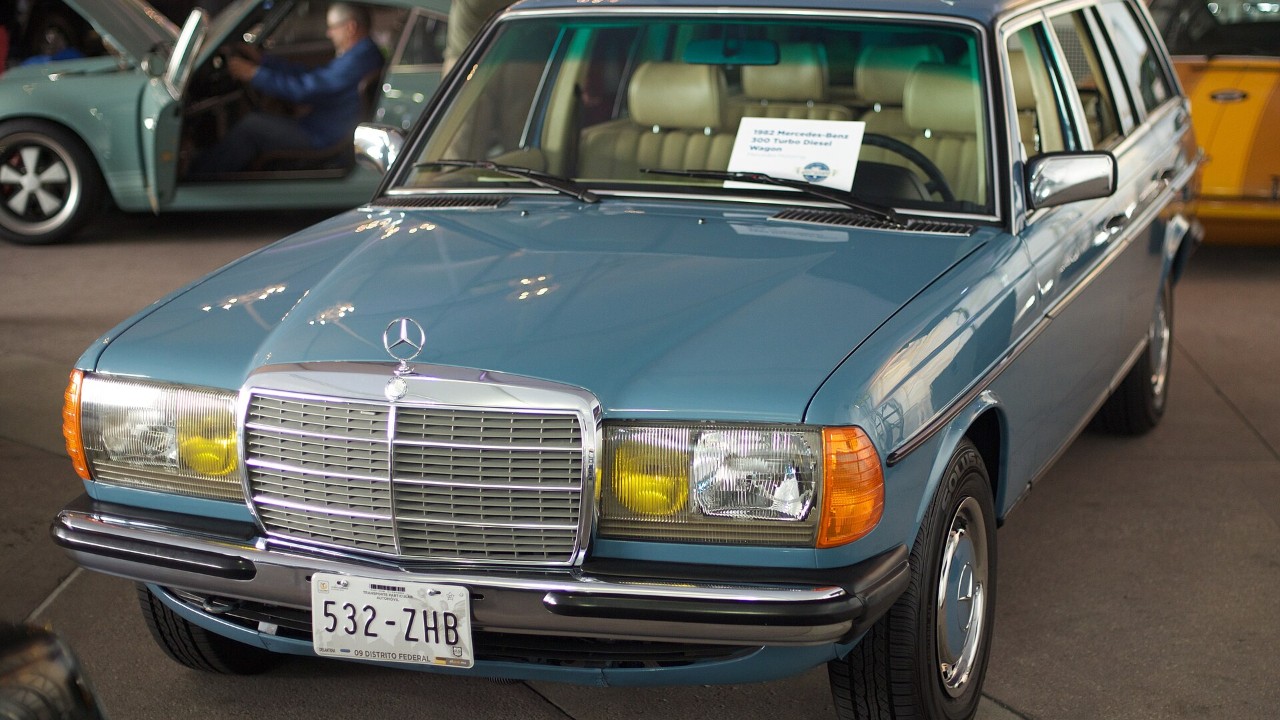
Mercedes-Benz showed the S123 estate at the 1977 Frankfurt show. Before that, coachbuilders such as Binz built Mercedes wagons. Factory production began in April 1978 at the Bremen plant, and Mercedes built 199,517 estates in all. The 300 TD Turbodiesel was on the production list from October 1980 to January 1986.
Its turbocharged five-cylinder diesel was rated at 123 horsepower in U.S. form for most of that run. The wider W123 family also earned a famous reputation. German taxi companies chose it for durability, and reaching 500,000 kilometers or more with only minor problems was common for those cabs. In total, Mercedes built 2,696,915 W123 cars.
We’d never sell a 300TD Turbodiesel because it is the wagon that seems built to outlive its owner. It is slow by modern standards, yet it rewards patience with years of service. In our view, the 1982 car is the right blend of classic looks and diesel torque. Keep up with maintenance, and it will keep running. Few old cars offer that kind of quiet confidence on a long drive.
12. 1994 Chevrolet Caprice Classic wagon
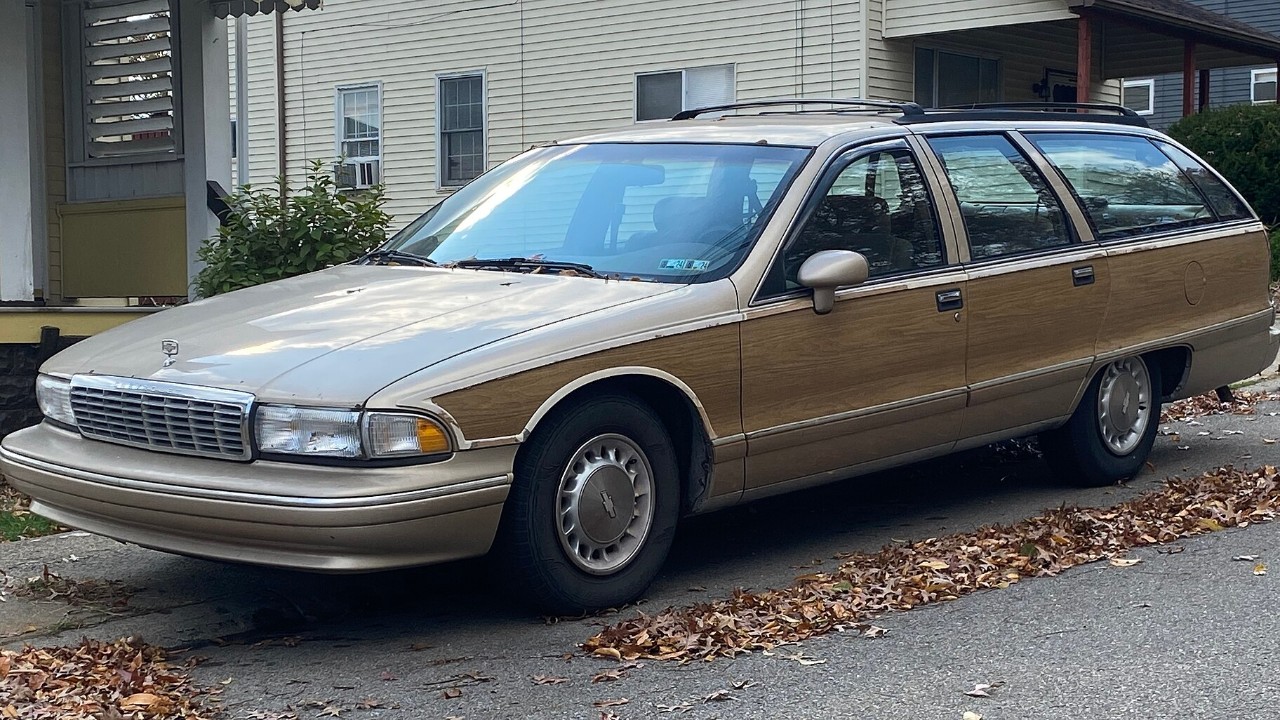
The last Caprice wagon was a big, rear-drive car from the final years of a dying breed. For 1994, a new 4.3-liter V8 with 200 horsepower replaced the old 5.0. Buyers also got six-passenger seating as standard, or eight with the optional rear-facing third seat. Consumer Guide’s used-car review lists towing ability as a strength.
The same review flags a weak spot on 1994–96 cars. The exhaust valves in the 4.3- and 5.7-liter engines may not get enough lubrication, and the engine can burn extra oil. That is worth checking before you buy. Production ended in 1996, and with it went the American full-size station wagon. An earlier Caprice Classic wagon also made our list of the classic wagons owners refuse to part with.
We’d never sell a 1994 Caprice Classic wagon because nothing replaced it. In our view, crossovers and SUVs took its buyers, but none rides or carries in quite the same way. In our opinion, this is the last great family road-trip car from Detroit. Find one with a healthy engine and a clean third seat, and you will own the end of an American tradition.
More from Fast Lane Only