Vintage roadsters are among the most recognizable classics, but plenty of interesting examples remain almost invisible outside specialist collections and major car shows. Some were sold in small numbers, while others simply disappeared as owners used them up. These roadsters may not have the fame of the usual classics, but their styling, engineering, and unusual histories make them worth remembering.
BMW 507

The BMW 507 was an elegant two-seat roadster that never achieved the sales success BMW hoped for when it was new. Its long hood, low body, and restrained styling gave it an unmistakable appearance, while its V8 provided enough performance to match the looks. Production remained extremely limited, which is why most drivers will never encounter one outside a major collection or concours event. Today, the 507 is considered one of BMW’s most important and desirable early sports cars.
Mercedes-Benz 300 SL Roadster
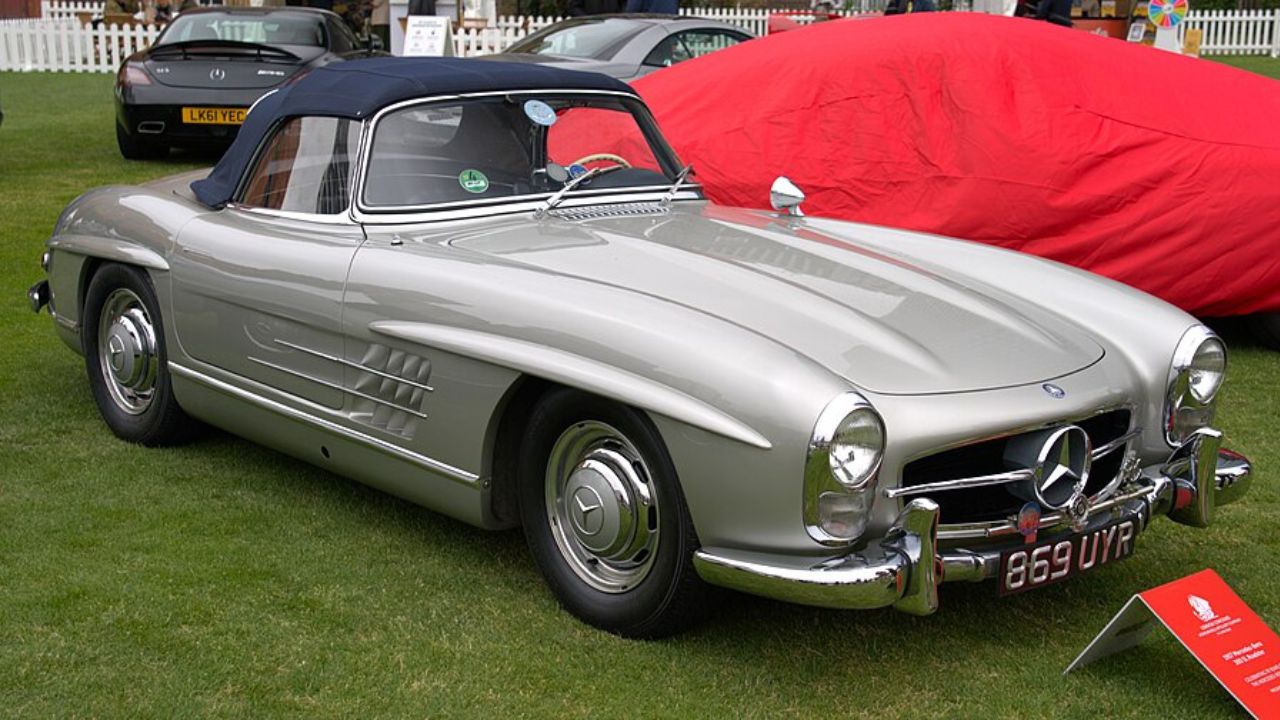
The 300 SL Roadster brought the legendary SL name into an open-top format. Unlike the famous Gullwing coupe, it featured conventional doors and a folding soft top, making it more practical for everyday driving. Its sophisticated engineering and striking proportions made it one of the most impressive sports cars of its time. Production numbers were still modest, and surviving examples are now highly valuable. For most drivers, seeing one outside a museum or major event is an unlikely experience.
Sunbeam Alpine
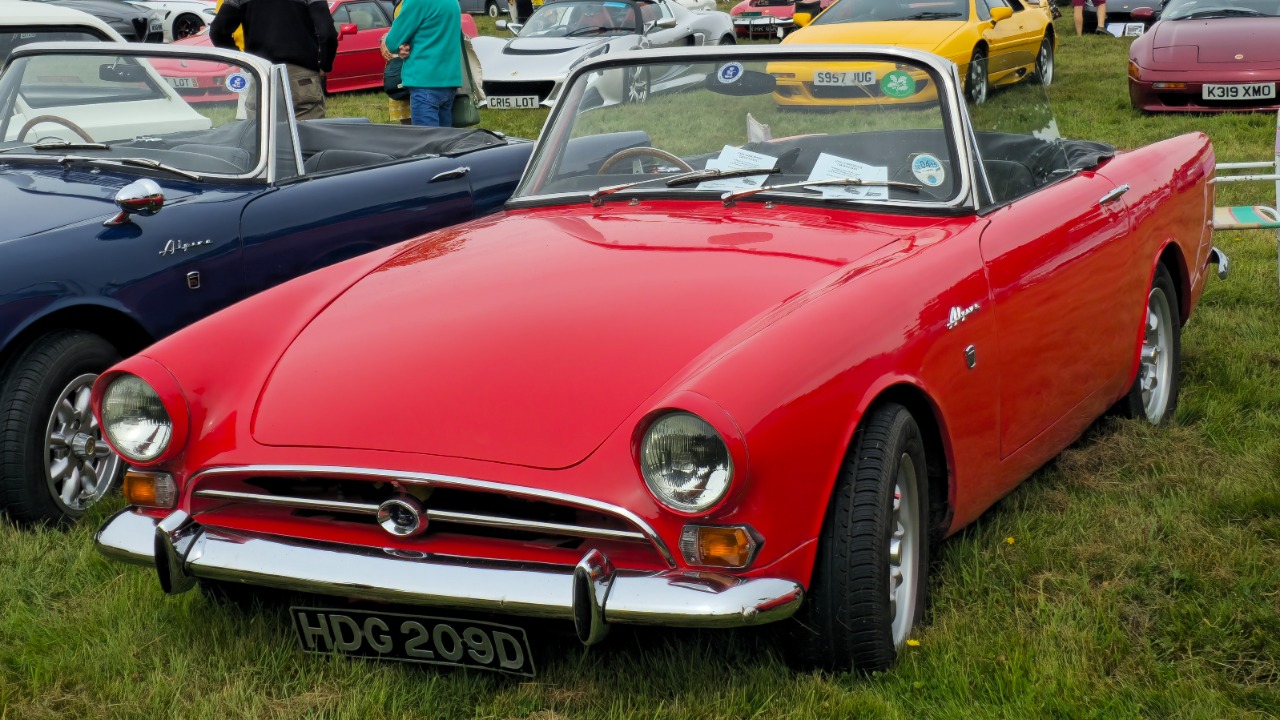
The Sunbeam Alpine offered British roadster character in a relatively affordable package. Its simple two-seat layout, compact proportions, and open cabin made it well suited to winding roads and relaxed weekend driving. Later versions gained stronger engines and more equipment, but the basic formula remained appealing. Many were used extensively rather than preserved, leaving relatively few survivors today. The Alpine is recognizable to enthusiasts but remains an unfamiliar sight to most modern drivers.
Triumph TR5
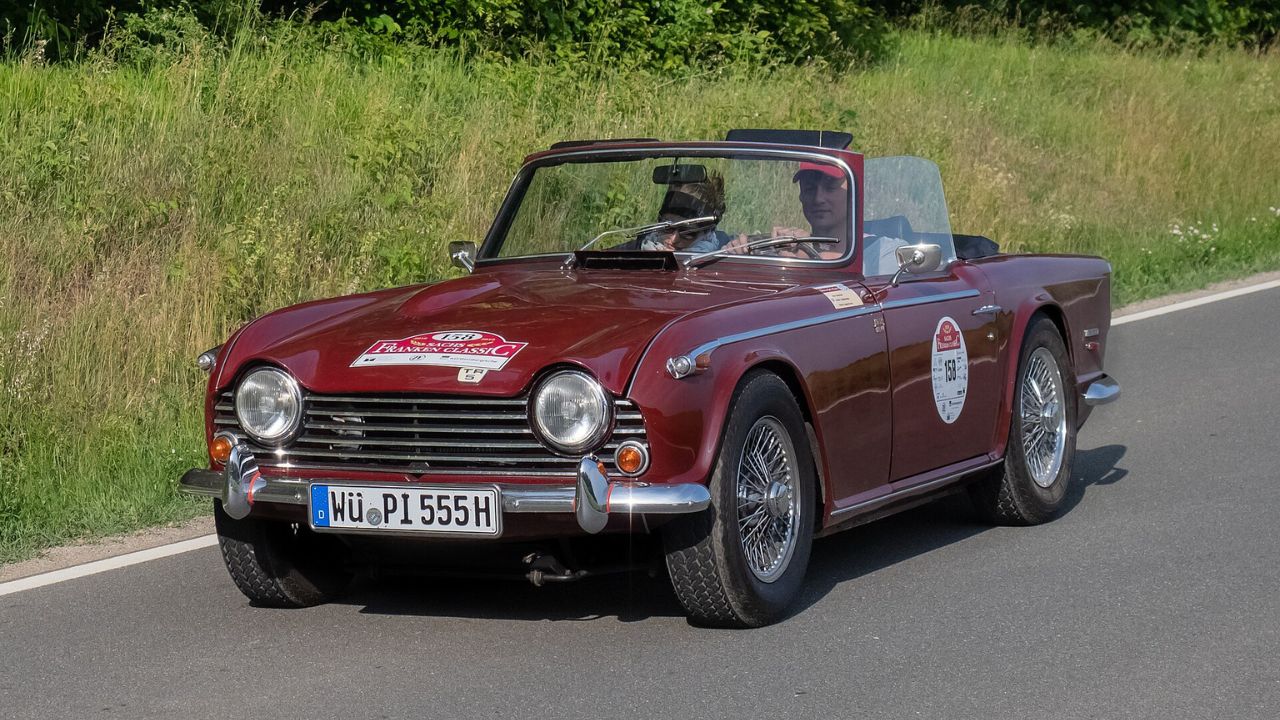
The Triumph TR5 occupied an interesting position in the British roadster world. It retained the familiar shape associated with earlier TR models but introduced fuel injection and a more powerful six-cylinder engine. That combination gave the compact roadster stronger performance while keeping the traditional open-top character buyers expected. Production was relatively short, which limited the number of surviving cars. As a result, the TR5 is considerably harder to encounter than the more common TR6 that followed it.
Austin-Healey 100
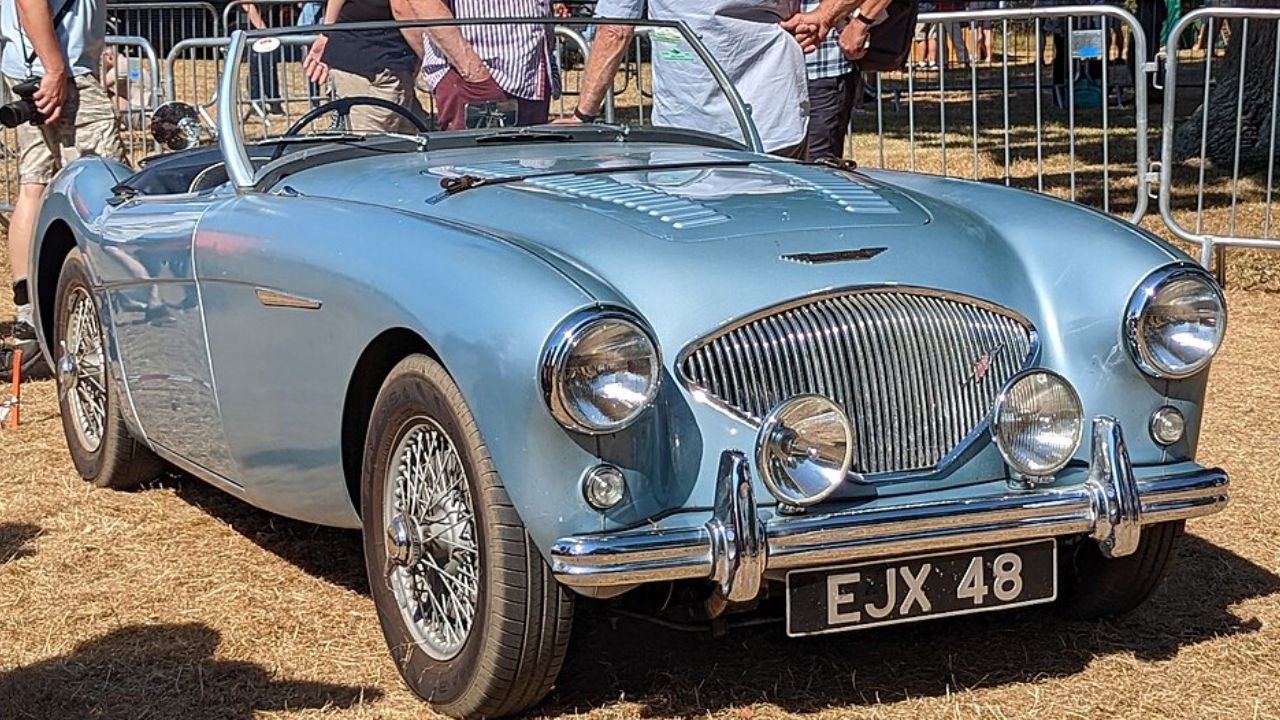
The Austin-Healey 100 helped establish the British roadster formula that became so popular in the 1950s. Its low seating position, simple cockpit, long hood, and muscular four-cylinder engine gave it an appealing sporting character. The car was designed around straightforward driving enjoyment rather than luxury or convenience. Time has not been kind to surviving examples, however, and many disappeared through decades of use. Today, an original 100 is a special sight for anyone who appreciates early British sports cars.
MGA Twin Cam
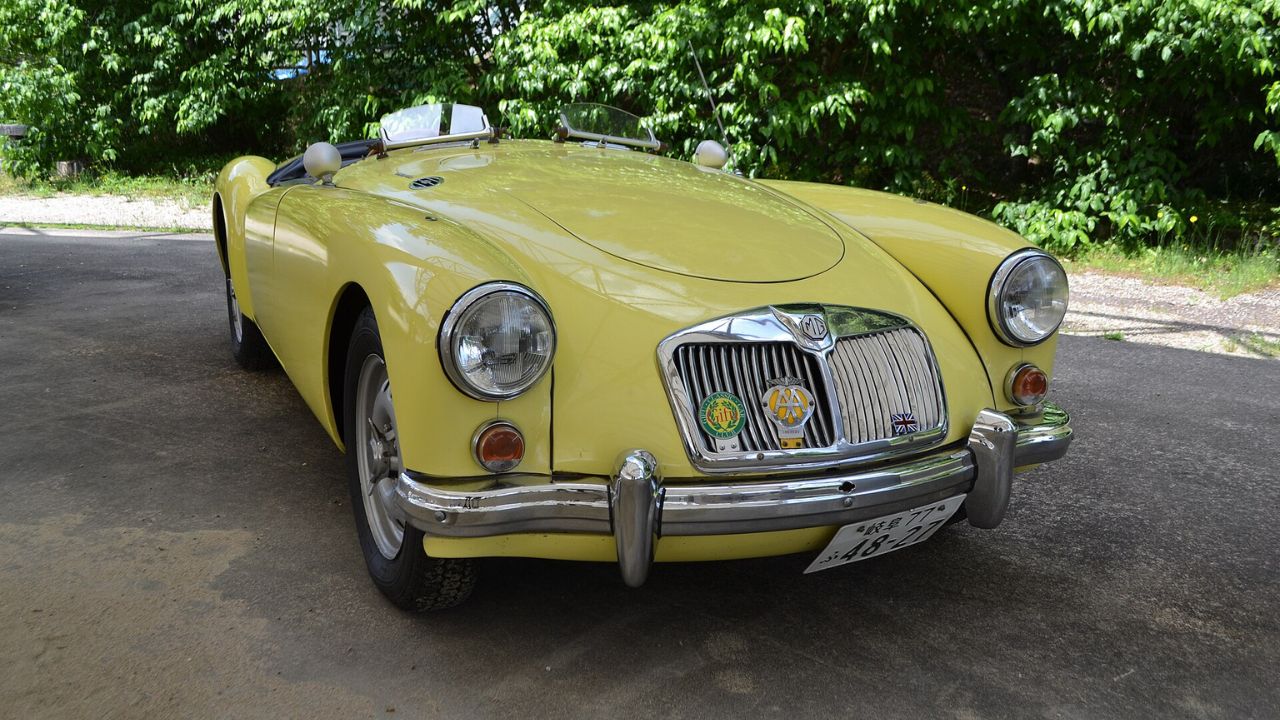
The MGA was already an attractive roadster, but the Twin Cam version added a much more serious performance edge. Its high-output engine was technically interesting and gave the lightweight car considerably stronger acceleration. The Twin Cam was produced in relatively limited numbers compared with standard MGA models, making it far less familiar today. Its combination of delicate styling and advanced mechanical features gives it a distinctive place in British sports-car history.
Austin-Healey 100-6
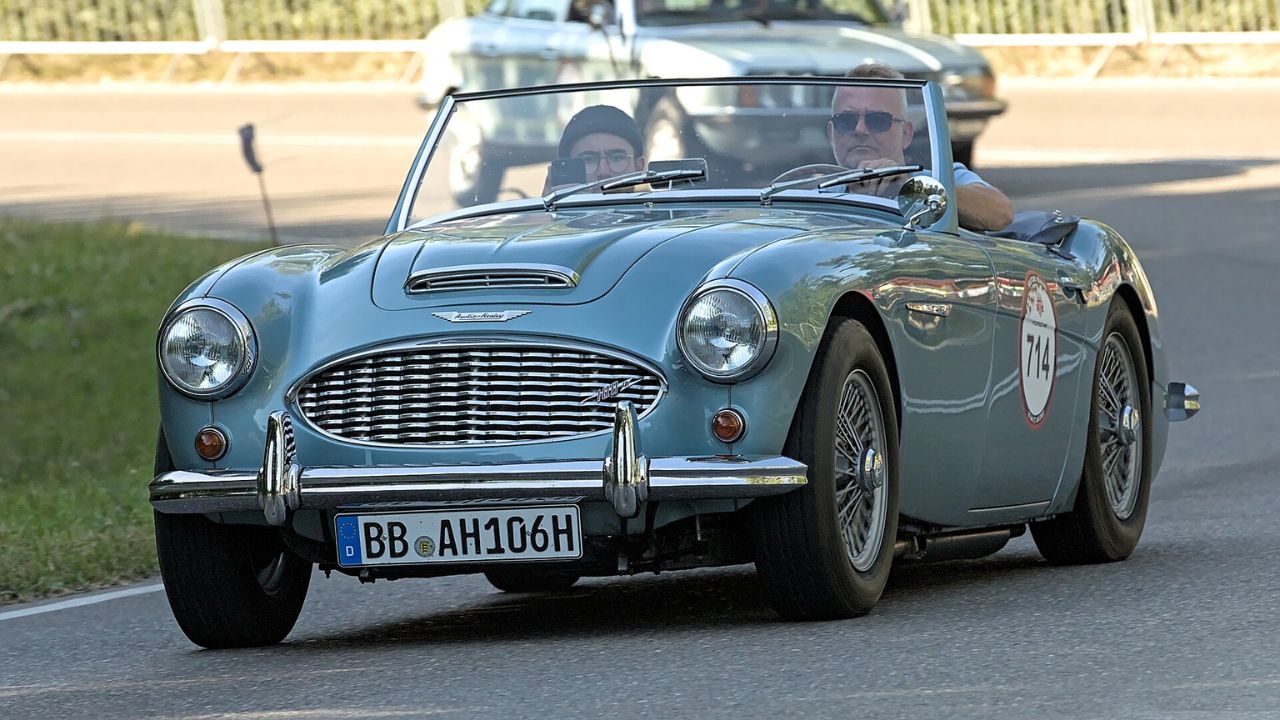
The Austin-Healey 100-6 replaced the earlier four-cylinder model with a six-cylinder engine, giving the roadster more performance and a different character. Its longer body and revised front-end styling also made it visually distinct. Although the car was part of a successful sports-car family, surviving examples are not nearly as common as the name might suggest. For most drivers, spotting a genuine 100-6 in traffic would be an unusually lucky encounter.
Triumph TR7 Convertible
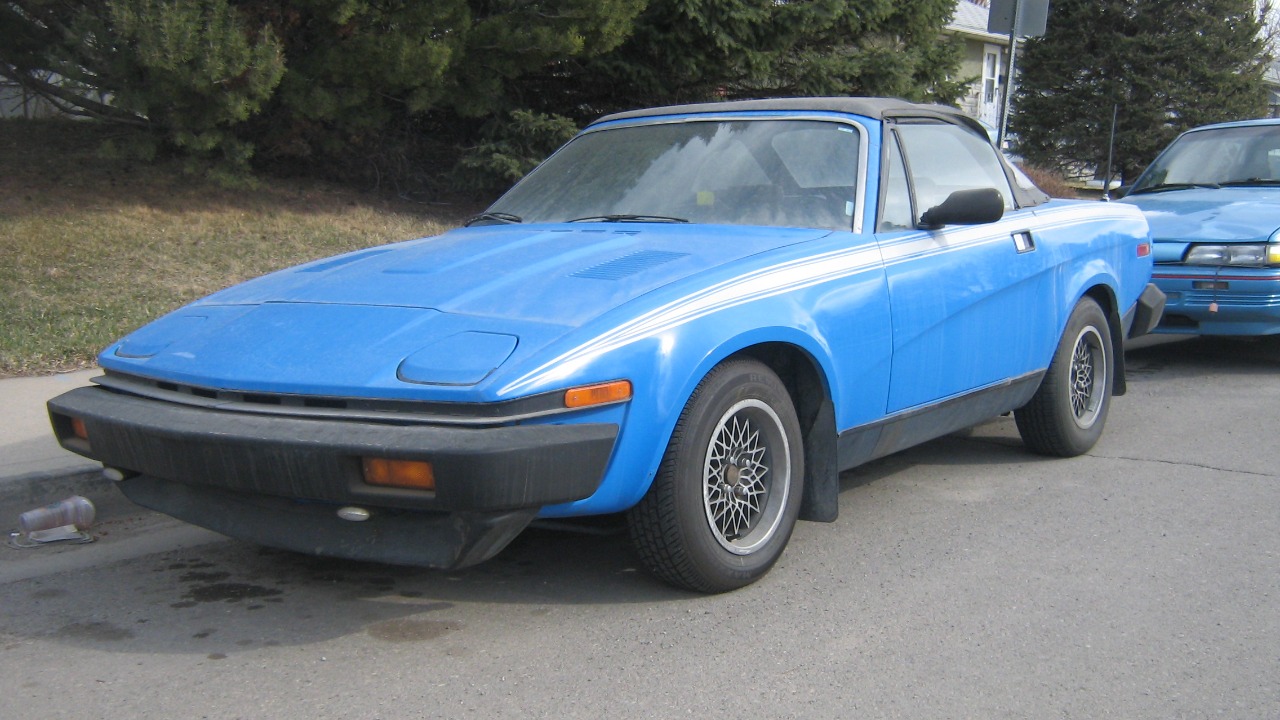
The Triumph TR7 was already one of the most controversial British sports cars because of its wedge-shaped styling. The convertible version softened some of the coupe’s unusual lines while retaining its distinctive character. It represented a very different direction for Triumph compared with the traditional rounded TR roadsters. Production and survival numbers mean that clean examples are now uncommon. Even among enthusiasts, the TR7 Convertible can be a surprising sight.
Fiat 850 Spider
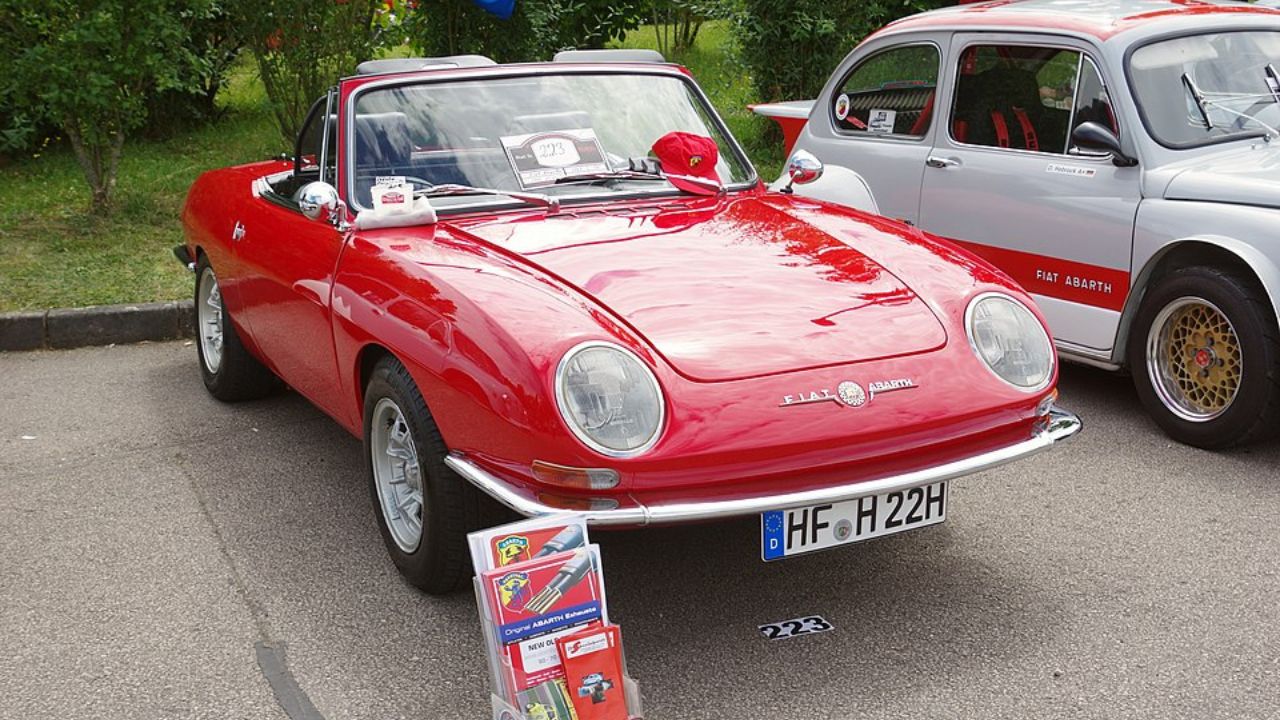
The Fiat 850 Spider combined Italian styling with a small rear-mounted engine and compact dimensions. Designed with help from Bertone, it looked considerably more exotic than its modest mechanical package suggested. Its small size made it fun and approachable, but many examples eventually succumbed to rust and neglect. That has made surviving cars increasingly difficult to find. Today, the 850 Spider offers a glimpse of the lightweight European sports cars that once populated roads far more frequently.
Alfa Romeo Giulietta Spider

The Giulietta Spider became one of Alfa Romeo’s most attractive early open-top sports cars. Its clean lines, compact dimensions, and lively engine created a combination that appealed to enthusiasts on both sides of the Atlantic. The model also helped establish Alfa Romeo as a maker of desirable sporting cars for a wider international audience. Surviving examples are now closely associated with classic-car collections, making an original Giulietta Spider an extremely unusual sight for ordinary drivers.
Renault Caravelle
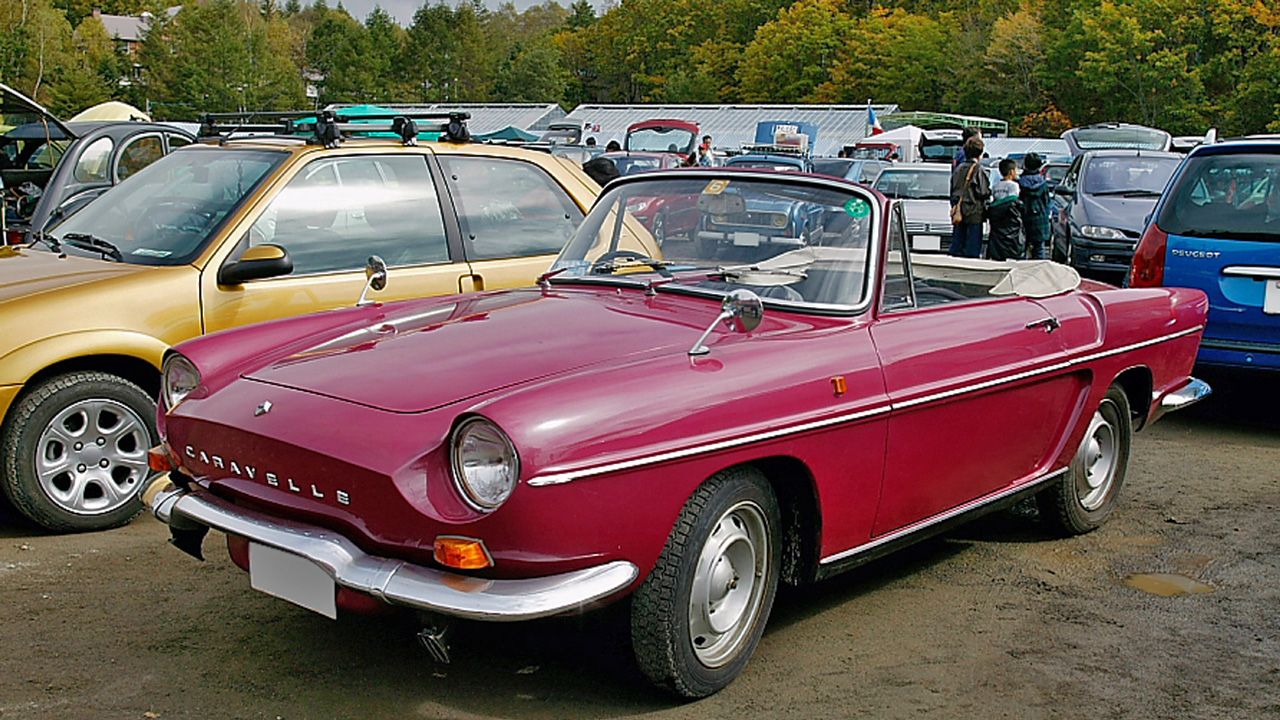
The Renault Caravelle was a stylish French roadster with a design influenced by Italian coachbuilding. Its rear-mounted engine and compact dimensions gave it a mechanical layout that differed from many British and Italian rivals. The car was never produced in the enormous numbers needed to guarantee widespread survival, and many examples eventually disappeared through ordinary use. Its unusual combination of French engineering and elegant styling makes the Caravelle particularly memorable when one does appear at a vintage-car gathering.
Saab Sonett II
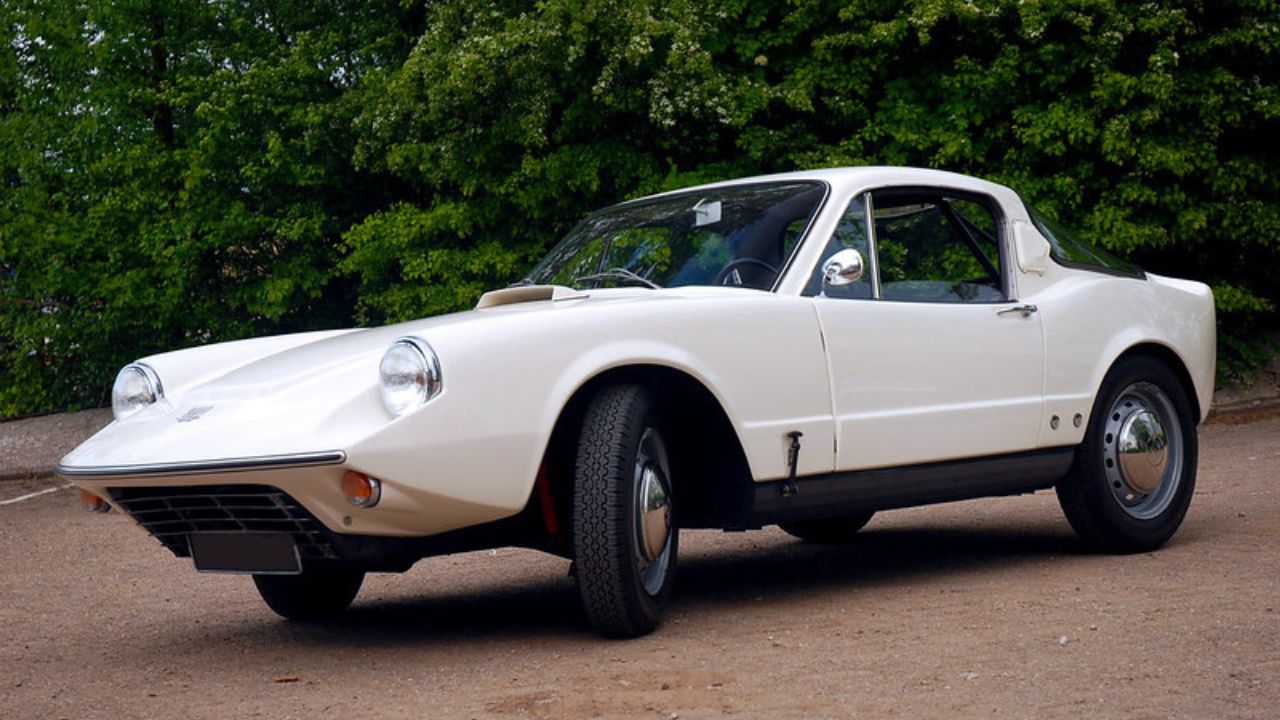
The Saab Sonett II was a tiny Swedish sports car that looked unlike almost anything else on the road. Its lightweight fiberglass body and front-wheel-drive layout reflected Saab’s unusual approach to performance. The model was never a high-volume seller, which explains why even knowledgeable enthusiasts may rarely see one in person. Its quirky styling and compact proportions have helped it develop a dedicated following. Today, a well-preserved Sonett II can attract plenty of attention simply because of how unfamiliar it is.
Volvo P1800 Convertible
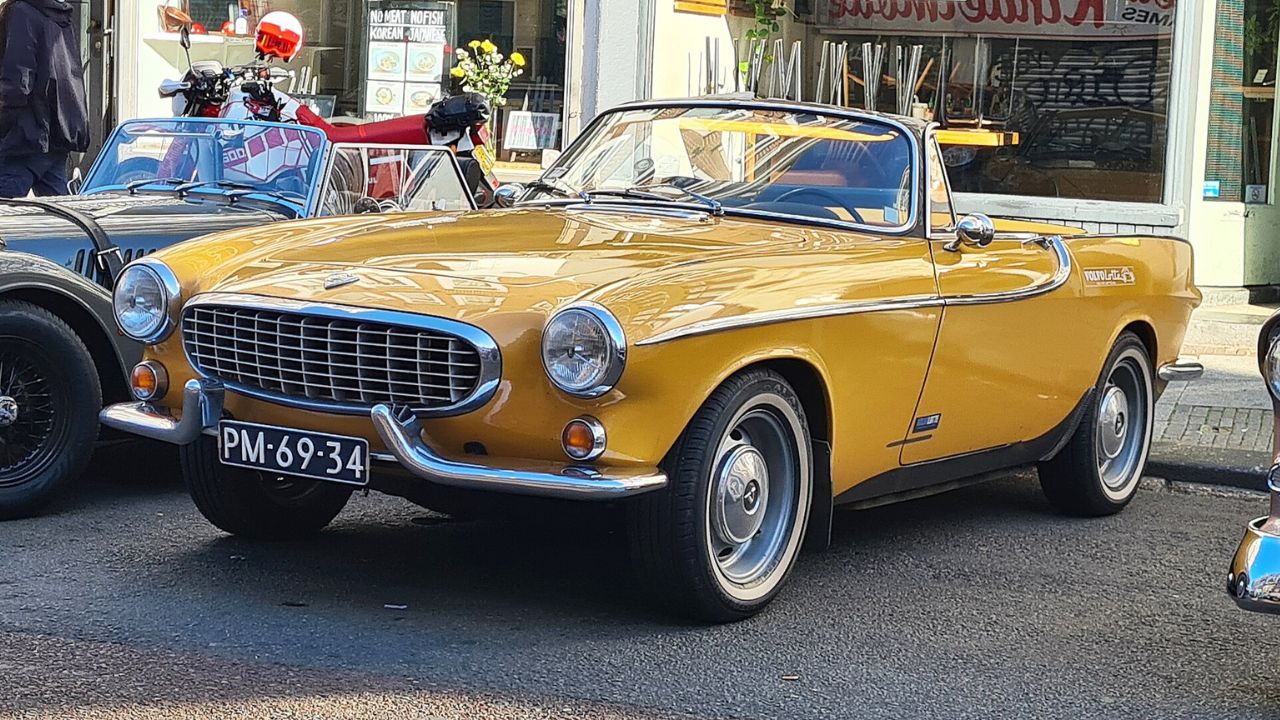
The Volvo P1800 is best known as a stylish coupe, but convertible conversions have become an interesting part of its history. These cars are unusual because Volvo itself did not offer a factory-built P1800 convertible. Various specialists and owners created open versions, making genuine examples highly individual. Their rarity means most drivers will never encounter one. For enthusiasts, the combination of familiar P1800 styling and an open cockpit creates a particularly unusual variation on the classic Swedish sports car.
Datsun Fairlady Roadster
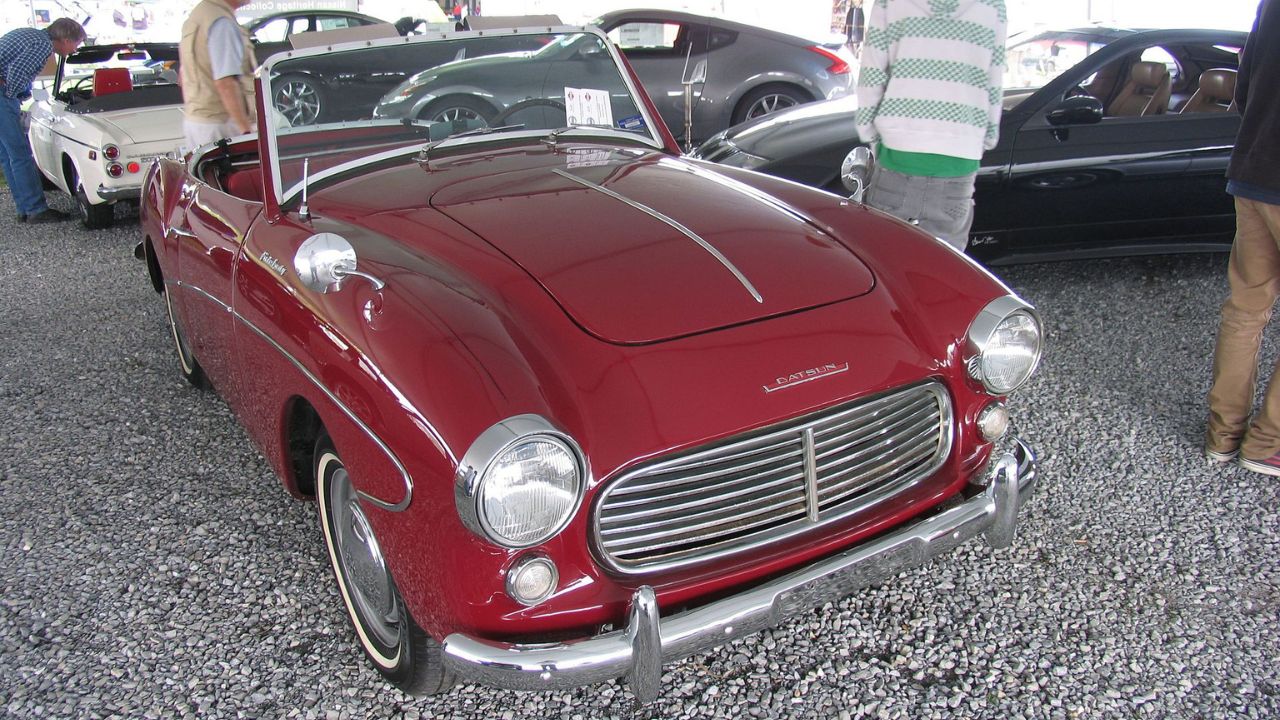
Before the Datsun 240Z became famous around the world, the Fairlady roadster helped establish Nissan’s sporting reputation in export markets. Its simple body, rear-wheel drive, and four-cylinder engines made it a practical alternative to more expensive British roadsters. The car was sold in significant numbers in some markets, but surviving examples have become much less common. Enthusiasts who know the model recognize its importance, while many other drivers have probably never seen one.
Honda S800
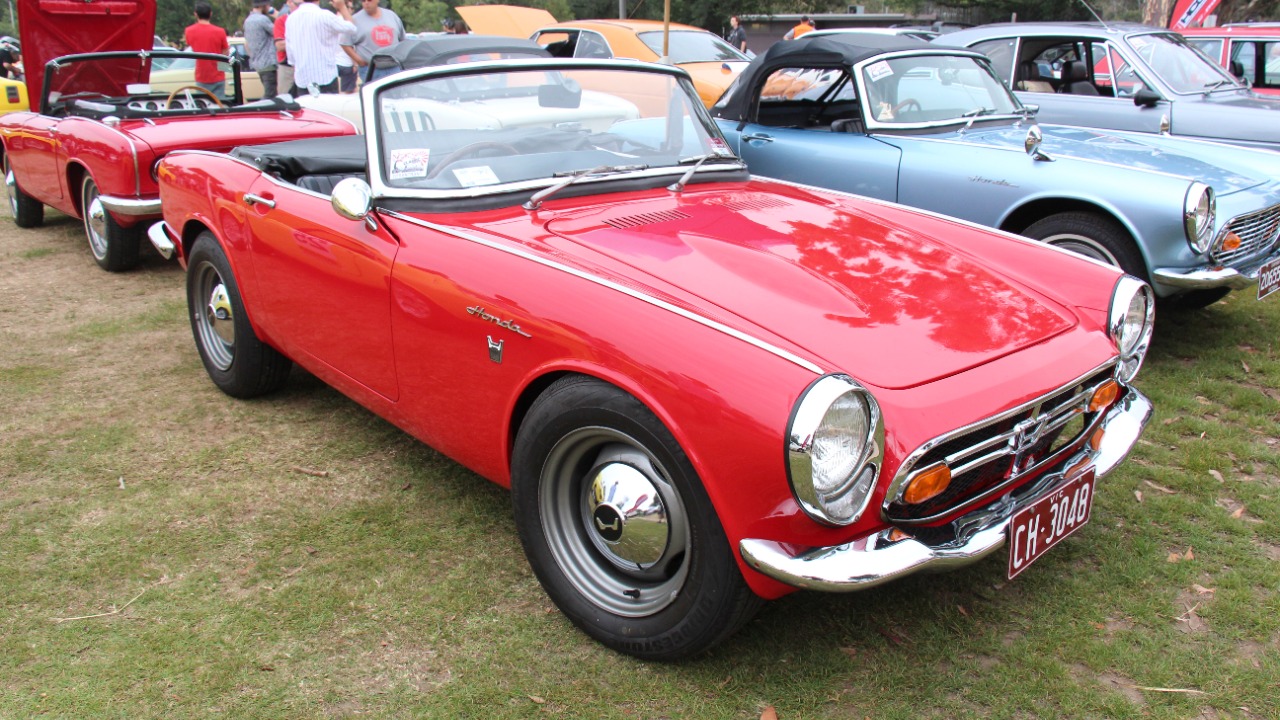
The Honda S800 was a remarkable little roadster that demonstrated how much engineering could be packed into a tiny sports car. Its high-revving engine reflected Honda’s motorcycle background, while the compact body gave it an unusually lively character. It was sold in relatively limited numbers outside Japan, making surviving examples particularly uncommon in many countries. Its tiny proportions and distinctive mechanical personality make it one of the most interesting early Japanese sports cars.
Toyota Sports 800
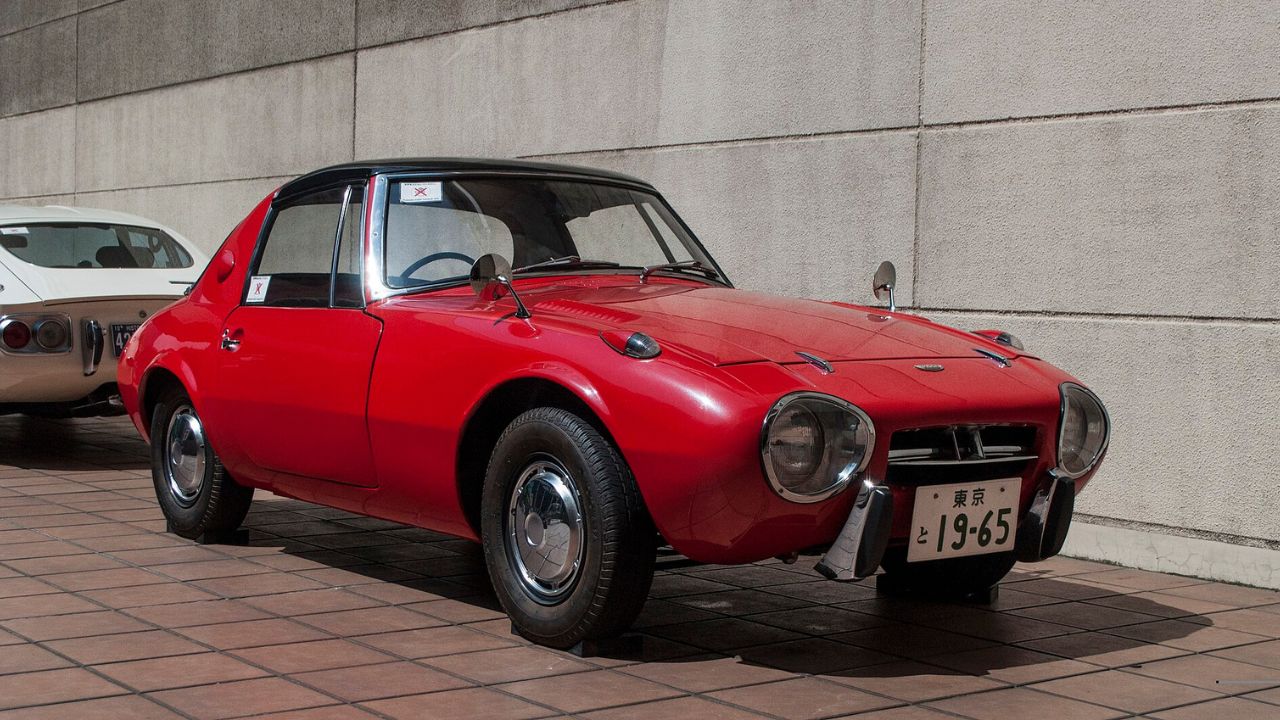
The Toyota Sports 800 was one of Japan’s earliest lightweight sports cars and remains a rare sight outside specialized collections. Its compact body, small-displacement engine, and low weight allowed it to deliver entertaining performance without relying on large amounts of power. The unusual styling also helped separate it from more conventional roadsters. Because relatively few were exported, drivers in many countries are unlikely to encounter one outside a dedicated Japanese-classic event.
Nissan Silvia Convertible
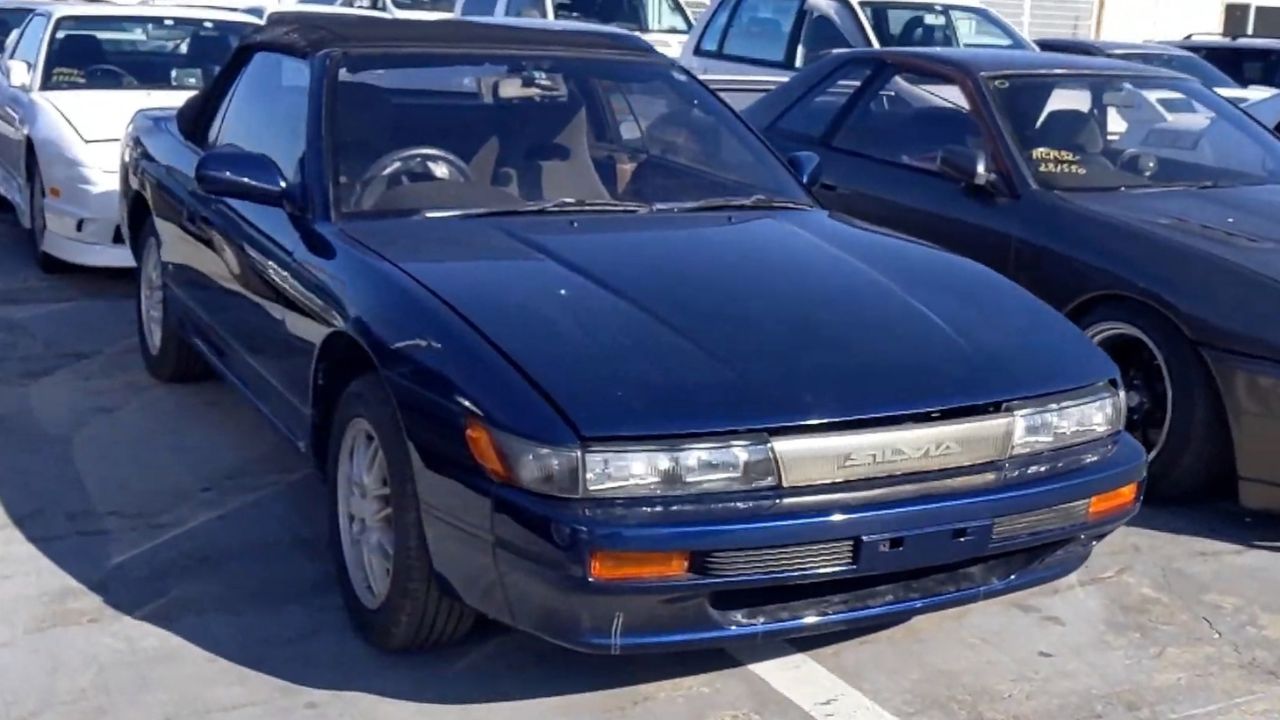
The early Nissan Silvia became known for its sophisticated styling and unusual place in Japanese automotive history. Open versions are especially uncommon, giving them considerably more intrigue than the better-known coupe. The car’s clean lines and compact proportions reflected a period when Japanese manufacturers were experimenting with stylish personal cars for a growing domestic market. A surviving convertible is now an unusual find, particularly outside Japan.
Mazda Cosmo Sport
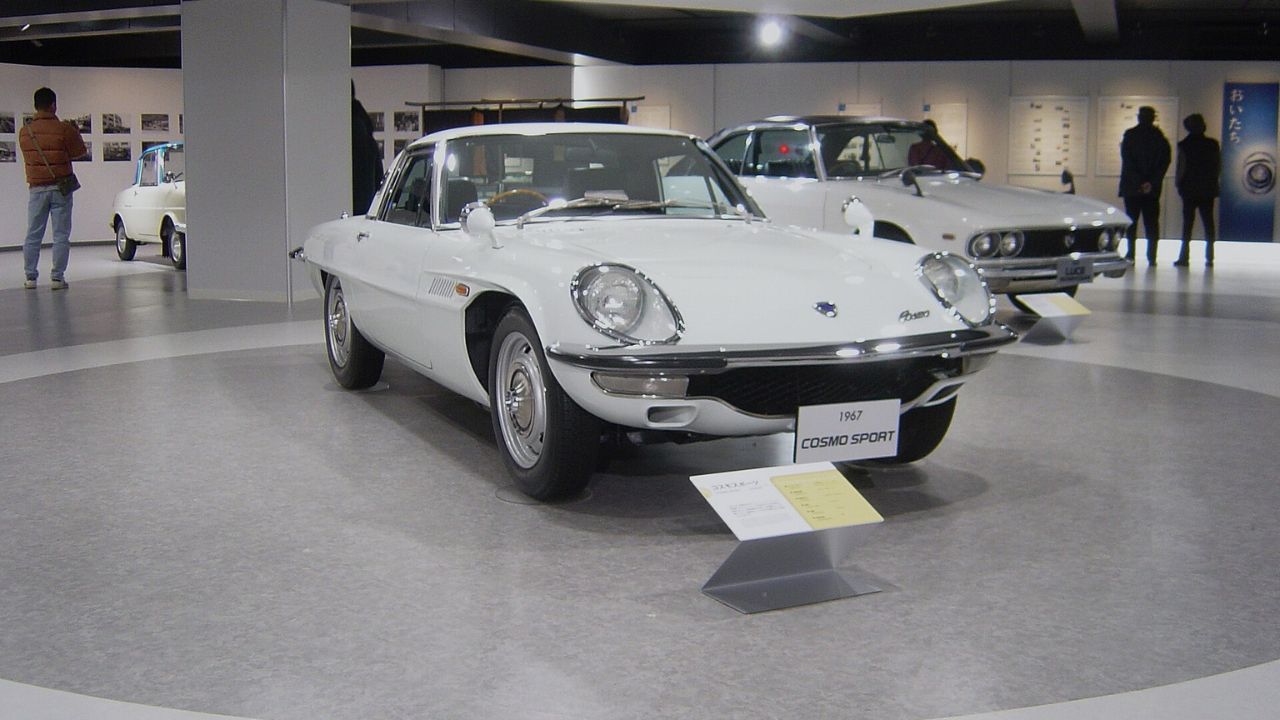
The Mazda Cosmo became famous for its rotary engine and futuristic styling, but open versions are exceptionally unusual. The original Cosmo was primarily known as a coupe, making any genuine open-bodied example a remarkable sight. Its rotary engine already made the car mechanically fascinating, while the roadster-like configuration adds another layer of rarity. Even serious Mazda enthusiasts may go years without encountering one in person.
Goggomobil TS
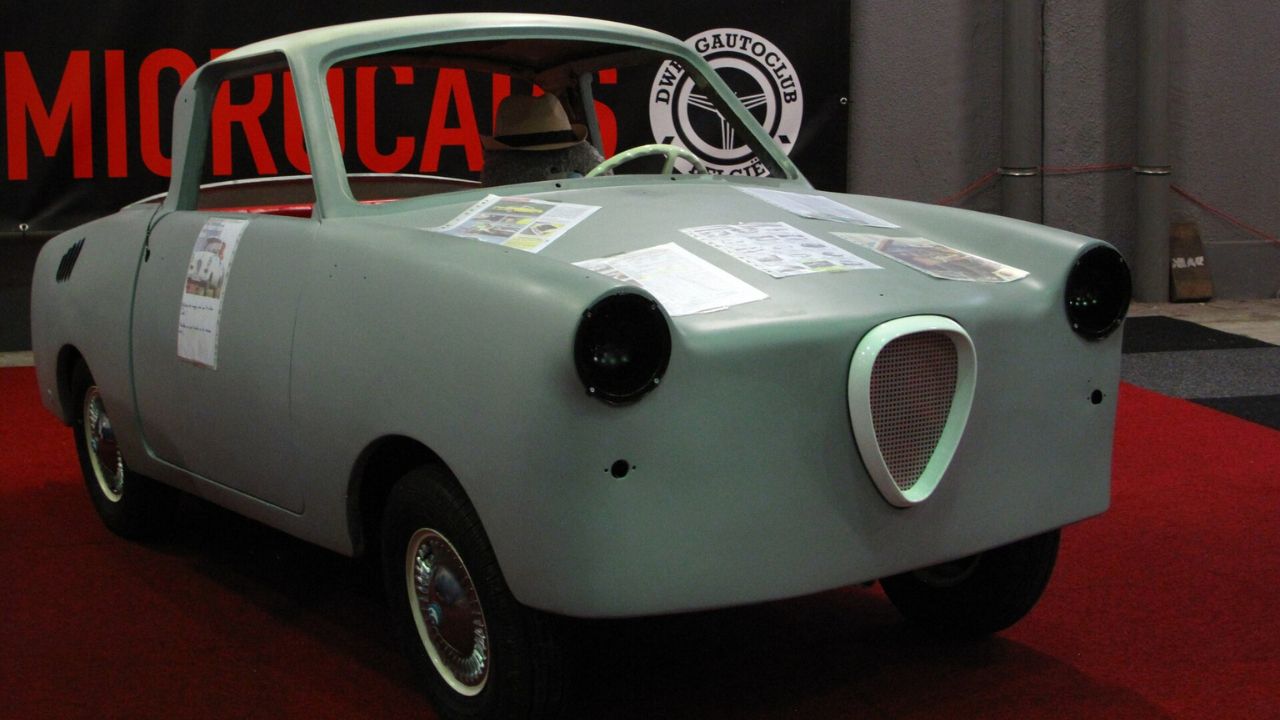
The Goggomobil TS was a tiny German coupe and sports-oriented car that reflected the unusual automotive landscape of postwar Europe. Its miniature proportions, lightweight construction, and small engine made it dramatically different from the large American cars of the same period. Open-bodied versions and conversions are particularly uncommon today. The car’s diminutive size and unfamiliar name mean that even many classic-car fans have probably never encountered one outside photographs.
Daimler SP250
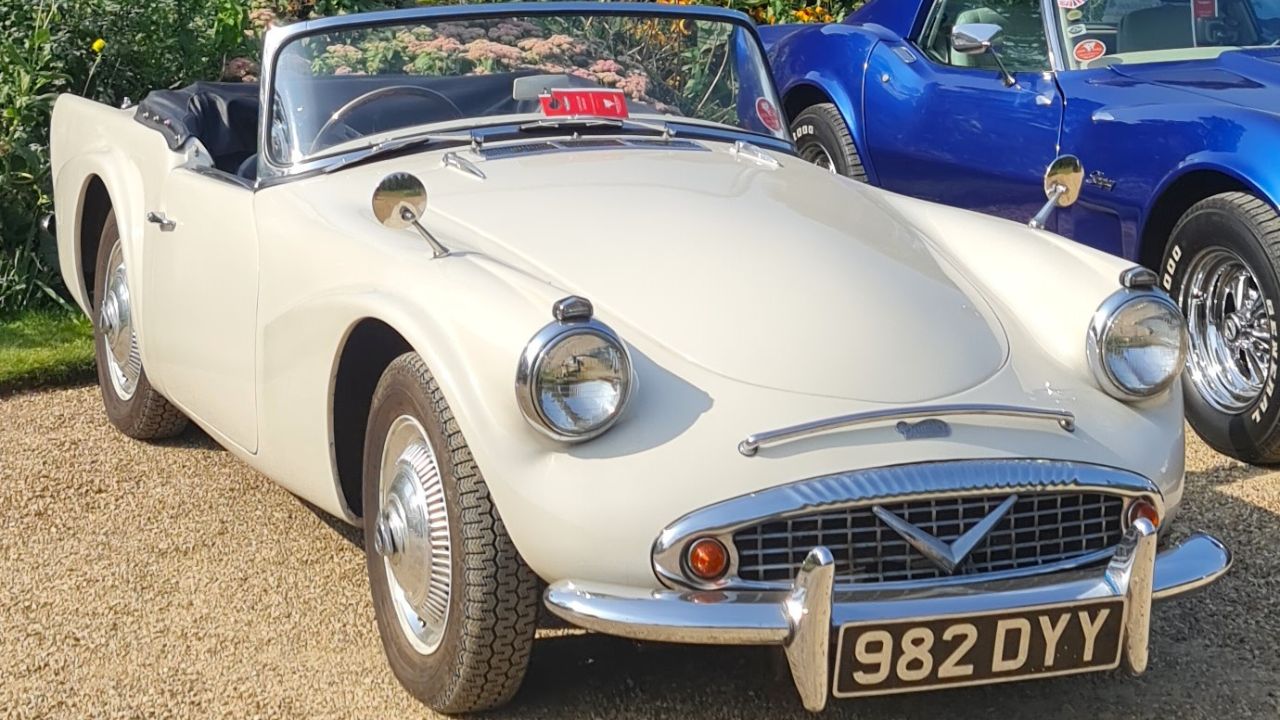
The Daimler SP250 was an unusual British roadster with a fiberglass body and a compact V8 engine. Its styling was distinctive enough to divide opinion when new, but its mechanical specification made it genuinely interesting. Daimler was not producing the same sort of roadster as MG or Triumph, and the SP250’s limited production ensured that it remained a rare sight. Today, its combination of British character and V8 power makes it one of the more unusual vintage roadsters collectors can find.
More from Fast Lane Only
- Unboxing the WWII Jeep in a Crate
- 15 rare Chevys collectors are quietly buying
- 10 underrated V8s still worth hunting down
- Police notice this before you even roll window down
*Research for this article included AI assistance, with all final content reviewed by human editors.