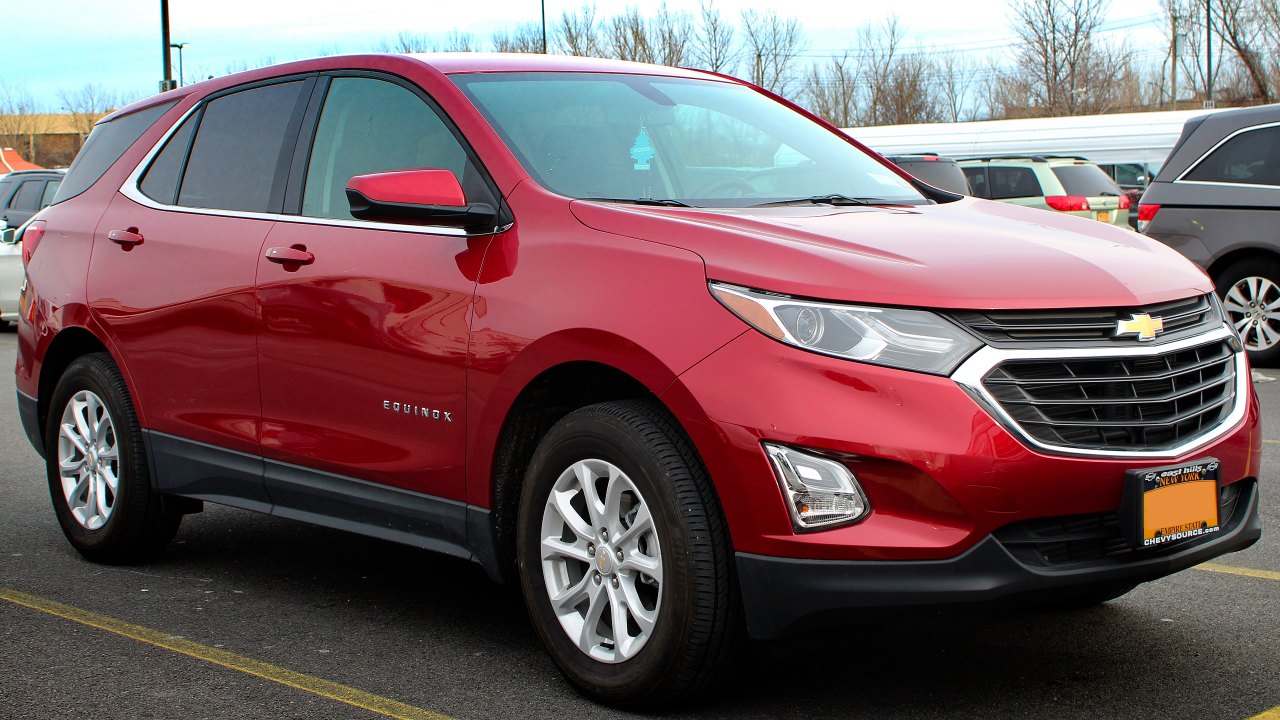
General Motors is facing a proposed class action accusing the company of selling three popular compact SUVs with a brake defect that can leave drivers struggling to stop. The complaint targets the Chevrolet Equinox, GMC Terrain, and Buick Envision, alleging a vacuum pump flaw that can suddenly strip away power assist and turn the brake pedal stiff and unresponsive. At stake are not only repair bills for owners but also questions about how a safety issue tied to the heart of a vehicle’s stopping system was handled.
The case revives memories of past safety controversies and recalls for one of the world’s largest automakers. It also lands at a time when trust in advanced automotive technology is already under strain, increasing pressure on General Motors to show that basic systems such as brakes are being engineered and monitored with uncompromising care.
The lawsuit’s core allegations and who is affected
The federal complaint, identified as Thieme et al. v. General Motors LLC, claims that General Motors knowingly sold thousands of Buick, Chevrolet, and GMC compact crossovers with a brake system defect that can remove power assist with little warning. According to the filing, the affected vehicles include the Chevrolet Equinox, GMC Terrain, and Buick Envision, and the alleged defect renders the brakes stiff and unresponsive when the driver presses the pedal. Plaintiffs argue that this is not a minor annoyance but a life-threatening condition that can dramatically increase stopping distances and leave motorists unable to avoid collisions.
Attorneys bringing the case describe a common pattern in which owners report a hard brake pedal, grinding noises, and a sudden need to apply far more pressure to slow the vehicle. The complaint cites drivers who say they experienced these symptoms in real-world traffic, including one owner, Meghan Morley in New Jersey, who reported that her 2020 Terrain suffered vacuum pump failure that also damaged the engine, suggesting that the alleged defect can trigger a cascade of mechanical problems. By grouping together drivers of the Equinox, Terrain, and Envision, the lawsuit asserts that all three crossovers share a common vacuum pump design and that General Motors should have warned buyers about the risk or redesigned the system before selling additional units.
How the vacuum pump defect allegedly works
At the center of the case is a mechanical part that most drivers never think about: the brake booster vacuum pump. In vehicles with traditional internal combustion engines, this pump helps create the vacuum that allows a brake booster to multiply the driver’s pedal effort, so that a light press can generate strong clamping force at the wheels. The lawsuit alleges that in the Chevrolet Equinox, GMC Terrain, and Buick Envision, a defect in the vacuum pump or its drive system can lead to a sudden loss of vacuum, which in turn strips away power assist and forces the driver to press much harder for the same stopping effect. One report states that the problem stems from a camshaft-driven pump that can degrade over time, leaving the system unable to maintain adequate vacuum for consistent braking.
Drivers who experience this failure describe a pedal that goes from normal to rock hard, accompanied in some cases by noises from the engine compartment and a dashboard warning. According to a detailed account of the allegations, vacuum pump failure can lead to hard or unresponsive brakes and a sudden loss of power assist, raising the risk of rear-end crashes and other incidents in everyday traffic. The complaint argues that this is not simply wear and tear, but an inherent design defect that manifests across different model years of the Equinox, Terrain, and Envision that share the same pump architecture. Plaintiffs further contend that General Motors had internal knowledge of the problem, including data from warranty claims and field reports, long before many owners were informed of any potential danger.
GM’s recall history and what makes this case different
General Motors is not new to brake-related scrutiny. In 2019, General Motors issued a vacuum pump recall on more than 3.4 million trucks and SUVs in the United States after determining that a separate vacuum pump configuration could degrade and reduce braking performance. That earlier action, which did not involve the current trio of compact crossovers, is now being cited by plaintiffs as evidence that the company was familiar with the safety implications of vacuum pump failures and had experience designing remedies. Advocates for Equinox, Terrain, and Envision owners argue that GM should have applied similar urgency once patterns of complaints began to emerge for these smaller SUVs.
Reports summarizing the new complaint state that General Motors is facing allegations that it knew about brake booster vacuum pump problems in popular compact crossover models for years.” One analysis notes that owners of the Buick Envision, Chevy Equinox, and GMC Terrain have reported repeated brake issues and that some drivers paid out of pocket for repairs while others were told that the condition was normal. Coverage of the filing emphasizes that the proposed class action seeks to represent a nationwide group of SUV owners who allegedly experienced similar failures, arguing that GM addressed the issue for some vehicles but left others on the road without an equivalent fix.
What owners, regulators, and the courts may do next
The proposed class action asks the court to certify a broad class of Chevrolet Equinox, GMC Terrain, and Buick Envision owners and lessees, and to require General Motors to cover repairs or provide buybacks for vehicles with the alleged defect. Legal filings indicate that the plaintiffs are also seeking damages for diminished resale value, arguing that the presence of a latent brake flaw makes these SUVs less desirable on the used market. The complaint cites owner accounts, forum posts about repeat failures, and technical documents to support the claim that GM had notice of the issue but did not act promptly to alert the public or regulators.
More from Fast Lane Only