Electric vehicles were supposed to be the car you buy once and never look back from, yet you are now surrounded by mixed signals. Some drivers are quietly trading their EVs for gasoline models again, citing high prices and thin incentives, even as others say they would never give up the plug. You sit in the middle of that tension, trying to decide whether the economics and daily reality of owning an EV still add up for you.
If you feel pulled toward a conventional engine after an early electric experiment, you are not alone. Surveys show a sizable share of EV owners considering a return to internal combustion, while other research finds only a tiny fraction would ever go back. Your choice now hinges on how you weigh price, charging, and policy support against long-term fuel savings and the satisfaction many drivers report once they adapt.
Sticker shock meets fading incentives
When you shop for a new car, the first thing that hits you is the price tag, and electric models still tend to sit above comparable gasoline vehicles. One detailed guide to EV pricing in explains that New electric vehicles are still priced higher than similar internal combustion models, even as used EV prices soften. Advocates point out that Over the course of more than 100 years, automakers optimized the cost of building engines that burn fuel, and that long head start leaves you facing a higher upfront cost of EVs, as one analysis of how a megabill affects adoption puts it when it notes that Over the manufacturing advantage of combustion cars translates into sticker shock for electric buyers.
That gap might feel manageable when generous tax credits or rebates step in, but you now live through a period when those incentives are more limited and more complex to claim. A policy brief on what happens After the Credits warns that as purchase subsidies shrink, cost becomes a hard affordability test and EV growth will be challenged unless automakers and policymakers cut prices or find new ways to support buyers. If you earn too much to qualify for a credit, or your preferred model does not meet battery sourcing rules, you absorb the full premium yourself, which can make a well-equipped gasoline crossover look like the safer financial move.
Surveys show a split verdict from current owners
When you look at what existing EV drivers say, you find a striking split between warning signs and reassurance. A global survey from a major consulting firm, summarized in several reports, found that Forty six percent of current electric vehicle owners in the United States told researchers they are unlikely to buy another EV and would prefer an internal combustion engine next time, a figure echoed in coverage that highlights how Charging concerns, high cost of ownership and the complexity of long distance trips are the three leading reasons why more than 40 percent are reconsidering. One detailed story on that research notes that Globally 29 percent of EV owners are thinking about switching back, which suggests that your doubts are shared well beyond your local charging lot.
At the same time, other surveys tell you a very different story. One international Survey of drivers across 18 countries reports that only 1 percent of EV owners would go back to gas powered cars, describing widespread satisfaction once people adapt to home charging and lower running costs, and you can read that finding in more depth in the new Survey. Another world wide survey from the Global EV Alliance concludes that 92% of electric vehicle drivers plan to buy another EV, and that 92% figure is presented as evidence that once you go electric you rarely choose to return to a gas powered vehicle. A separate study of satisfaction levels finds that Ninety four percent of owners say they are likely to choose an EV again, which suggests that your experience will depend heavily on how well your charging arrangements and local infrastructure match your daily routine.
Why some drivers are tempted back to gas
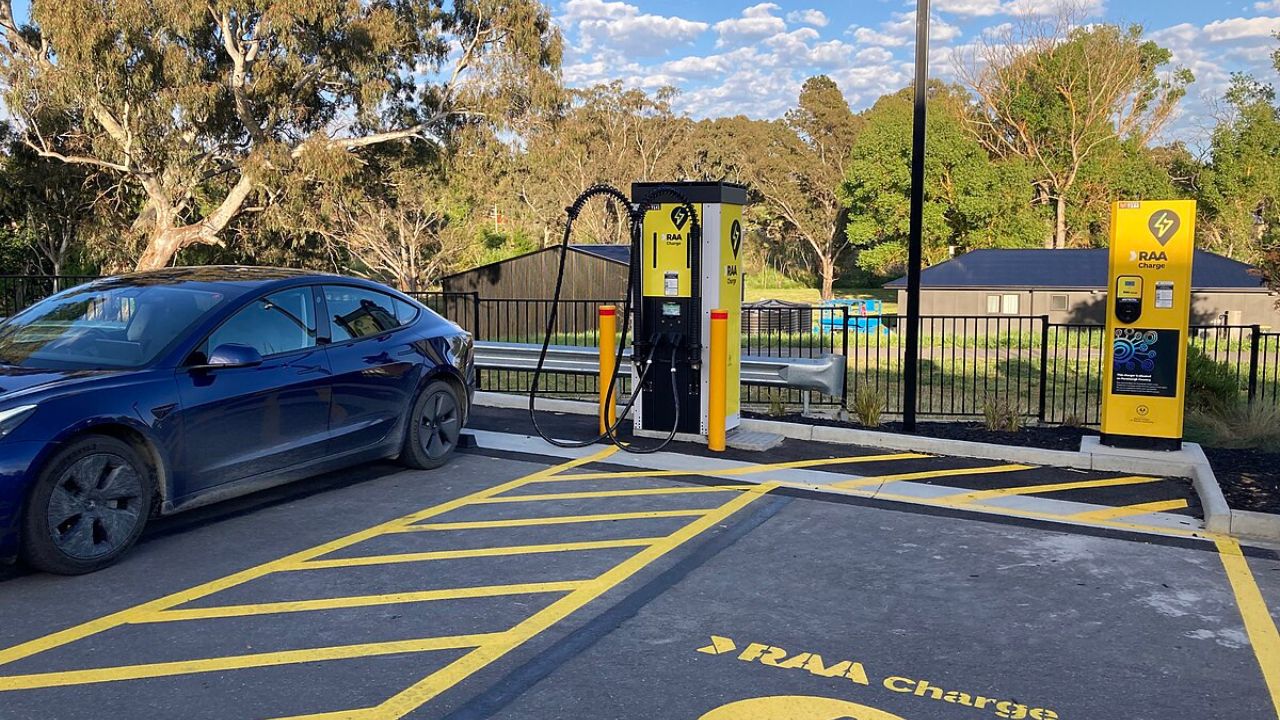
When you talk to EV owners who are eyeing a return to gasoline, the same frustrations surface again and again. One analysis of the McKinsey research, which you can find summarized in mobility report coverage, stresses that Charging concerns, high cost of ownership and the complexity of long distance trips are the dominant pain points. Another summary of the same survey explains that Globally 29 percent of EV drivers say inadequate charging infrastructure is the main reason they are considering a return to gasoline, and that many cite the time they spend at public fast chargers and the stress of planning routes around limited stations. A separate study of owner sentiment notes that Respondents who are unhappy often point to bad coverage of fast chargers, the time consuming nature of charging sessions and subpar reliability of some networks, especially on highways.
Those frustrations hit hardest when you combine them with high purchase prices and weaker incentives. If you bought an early model at a premium and now watch used values slide, the math can feel punishing compared with a conventional car that holds value more predictably. One report on global consumer sentiment explains that Half of global car buyers now plan to choose internal combustion engines, a 13 point jump as electric vehicle demand softens, and that shift is tied to concerns about Rang anxiety and cost. Another story on early adopters notes that Nearly 30% of electric vehicle owners globally are likely to go back to gasoline for their next purchase, and that figure is highlighted in a Jul feature that attributes the change in part to disappointing charging experiences in countries such as the United States, Italy and South Korea.
Why most EV owners still plan to stay electric
Even with those headwinds, you should not overlook how many EV drivers say they are happier on the plug side of the market. A detailed study of satisfaction that you can explore through Most Would Buy reports that Ninety four percent of owners are likely to choose another electric vehicle for their next purchase, and that mainstream models often outperform luxury ones on satisfaction. The world wide survey by the Global EV Alliance, which you can find summarized through a Feb update, goes further and says that 92% of EV drivers will never go back, framing that 92% as evidence that day to day benefits outweigh the hassles for most people. Another analysis of owner sentiment, which you can read in a Dec study, finds that less than 1 percent of owners wish to switch back and that satisfied Respondents often highlight the convenience of home charging and the smooth driving experience.
Cost of ownership also looks different once you move past the initial sticker shock. A policy analysis from a major advocacy group on how a megabill affects adoption argues that Over the lifetime of a vehicle, lower fuel and maintenance costs can offset the higher upfront price, even though Switch to electric powertrains still results in a higher upfront cost of EVs. Another research piece on what happens After the Credits emphasizes that if you can charge at home or at work, your running costs often undercut gasoline by a wide margin, especially when fuel prices spike. As a result, many owners who stick with their EVs through the first year or two find that the financial and practical benefits grow, which helps explain why the Survey that reports only 1 percent would go back to gas powered cars finds such strong loyalty once drivers adjust their routines.
More from Fast Lane Only