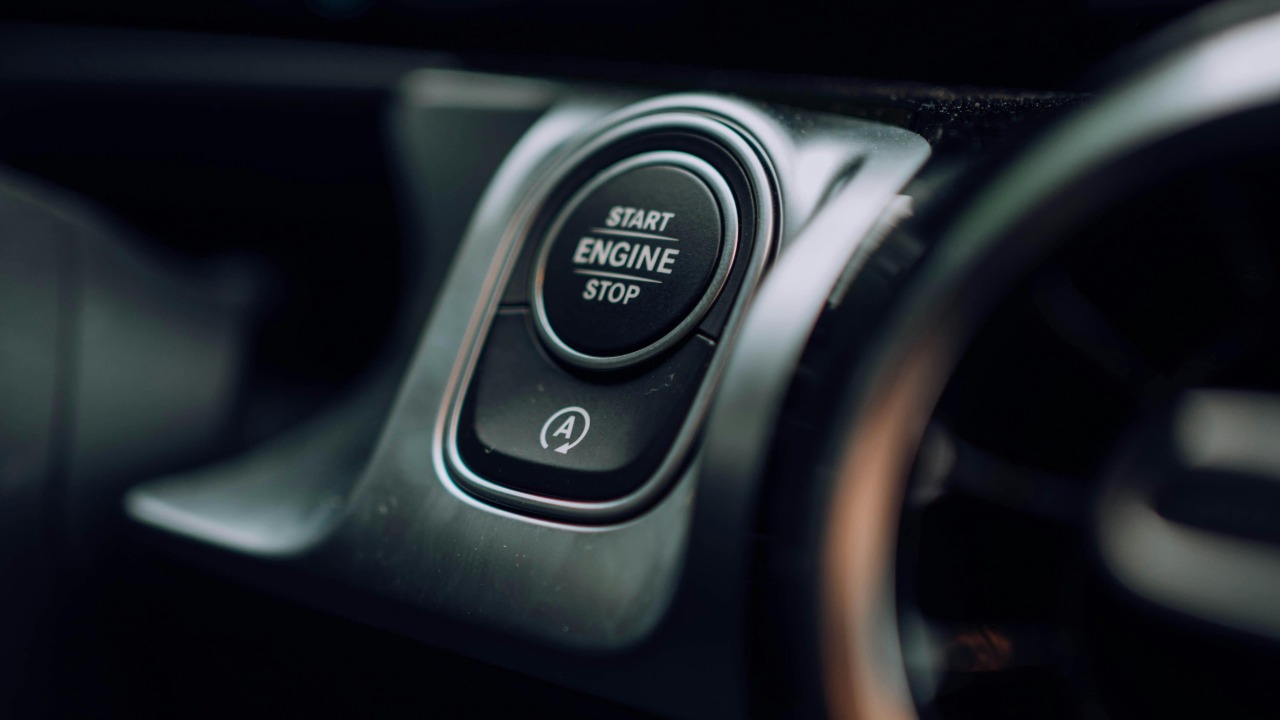
Automatic engine stop start, the feature that shuts your engine off at red lights whether you like it or not, is about to disappear from most new cars in the United States as a default requirement. A quiet but sweeping move by federal regulators has cut off the main incentive that pushed automakers to install the system, turning a once mandatory-feeling technology into something you are more likely to choose rather than tolerate. For you as a buyer, that means a different mix of costs, comfort and climate benefits to weigh when you shop for your next vehicle.
What the EPA actually changed
Your car’s stop start system exists largely because of a technical corner of federal rules known as “off cycle” credits. Earlier this year in WASHINGTON, the U.S. Environmental Protection Agency said those credits would no longer be available for the feature, with Administrator Lee Zeldin announcing that the Environmental Protection Agency would make the automatic engine stop start credit “a thing of the past” for most new vehicles, a shift described in an official EPA statement. Those off cycle credits had allowed automakers to count stop start as a meaningful emissions improvement even when real world gains were hard to measure precisely. By removing the credit, regulators have effectively told manufacturers that the system will no longer help them meet greenhouse gas targets on paper.
Administrator Lee Zeldin framed the move as part of a broader affordability push, saying that “This Administration is taking a whole-of-government approach to make cars more affordable again” and linking the decision to a wider reset of mileage standards and regulatory costs that affect what you pay at the dealership, a message spelled out in another EPA communication. By explicitly tying the rollback to consumer choice and price pressure, the agency signaled that it is less interested in nudging every new car toward incremental fuel savings and more focused on trimming features that drivers complain about and that add complexity and cost.
Why regulators turned against stop start
If you have ever felt your engine cut out at a light and worried about whether it would restart, you are not alone. In the official explanation, Administrator Lee Zeldin described the program as an “Off Cycle Credit for Almost Universally Hated Start Stop Feature in Vehicles” and argued that the technology produced “questionable emission reductions” compared with its regulatory value, language that appears in the EPA’s own rule announcement. That framing reflects years of driver frustration with the shudder of repeated restarts, the delay when you try to pull into traffic and the perception that the system wears out starters and batteries faster.
Critics inside and outside government have also pointed to the gap between lab tests and real streets. Earlier this year, analysts described how the EPA ended the off cycle emissions credit for automatic engine start stop systems after concluding that the measured benefits were modest and sometimes outweighed by added maintenance, a change summarized in an industry analysis. Combined with a political climate that favors visible relief from regulations, the feature became an easy target: unpopular with many drivers, hard to defend as a major climate tool and relatively simple to unwind by deleting a single credit line from the rulebook.
How automakers are likely to respond
For automakers, the loss of off cycle credits changes the math behind every starter, battery and software module they install. One detailed breakdown of the change noted that the policy shift closes what was described as a $2,400 loophole in incentives that had encouraged companies such as General Motors and others to deploy stop start widely without offering you a permanent off switch, a point made in a $2,400 incentive analysis. With that regulatory bonus gone, more brands are likely to treat the system as an optional efficiency feature on certain trims rather than a default baked into nearly every gasoline model.
Some automakers are also rethinking how much control you should have over the technology. One consumer-focused review of the rule change pointed out that eliminating the credit removes the regulatory pressure that discouraged a permanent “off” button and argued that the shift restores your ability to choose how often the engine shuts down, a conclusion drawn in a consumer choice explainer. In practice, that could mean future versions of popular trucks such as the Chevrolet Silverado, Ford F-150 or Ram 1500 give you a true set-it-and-forget-it override, or drop the system entirely on certain engines where the cost and complexity no longer pencil out without federal credits.
What this means for your next new car
As a shopper, you will notice the impact of this rule first in how new models feel at low speeds and in stop-and-go traffic. Without automatic shutoffs kicking in at every light, your next gasoline sedan, SUV or pickup is more likely to behave like older vehicles, idling quietly rather than cycling off and on, which many drivers find more predictable and less jarring. At the same time, you may see slightly lower advertised fuel economy on window stickers for models that drop stop start, since those incremental gains in city driving will no longer be there to pad the official figures that automakers report to the EPA and to you at the dealership.
You should also be realistic about what you are giving up in environmental terms. Technical explainers on the policy shift remind you that the technology automatically shuts off the engine when a vehicle is stopped and restarts it when you release the brake, which can reduce fuel use and emissions in heavy traffic, as described in a stop start overview. If you live in a dense city with long red lights and frequent congestion, the loss of widespread stop start could mean a modest increase in fuel burned and tailpipe pollution over the life of each vehicle, even if the EPA judged those savings too small or uncertain to justify the credit.
How to shop smarter in the new rules era
With the federal nudge gone, you now have more responsibility to decide how much you value this kind of technology. When you test drive a new model, pay close attention to how any remaining stop start system behaves, how quickly the engine restarts and whether there is a clear, easy-to-use override that stays set the way you prefer. If a salesperson tells you the feature cannot be disabled, you can push back and ask whether software updates or higher trims provide more control, especially as manufacturers adjust their strategies in response to the EPA decision.
You can also think more broadly about how this change fits into your own balance between comfort, cost and climate impact. If you dislike stop start but still want lower emissions, you might look at hybrid versions of models such as the Toyota RAV4 Hybrid or Ford Maverick, which handle engine shutoffs more smoothly and deliver bigger fuel savings than conventional systems ever did. And if you care most about having regulators respond to your complaints, you can see this rule as a signal that when a feature is described as “almost universally hated,” as in the EPA’s own language, and when it offers only “questionable emission reductions,” your feedback eventually shapes what technology shows up in your driveway, a process that runs through official channels such as the EPA complaint portal as well as through what you choose to buy.
More from Fast Lane Only