During the 1990s, active suspension appeared poised to revolutionize the luxury automobile. Instead of relying solely on springs and shock absorbers, these advanced systems used computers, sensors, and hydraulic or electronic actuators to control body movement in real time. The technology promised an unprecedented combination of comfort and handling, leading many to believe it would soon become standard equipment on premium vehicles.
Luxury Brands Invested in a Bold New Technology
By the late 1980s and early 1990s, luxury automakers were searching for ways to improve ride quality without sacrificing handling. Traditional suspension designs always involved compromise—a softer setup delivered greater comfort but reduced cornering performance, while a firmer suspension improved control at the expense of ride quality.
Active suspension offered a different solution. Sensors continuously monitored steering input, vehicle speed, braking, acceleration, and body movement, allowing onboard computers to adjust the suspension almost instantly. Instead of merely reacting to bumps, the system actively controlled the vehicle’s attitude.
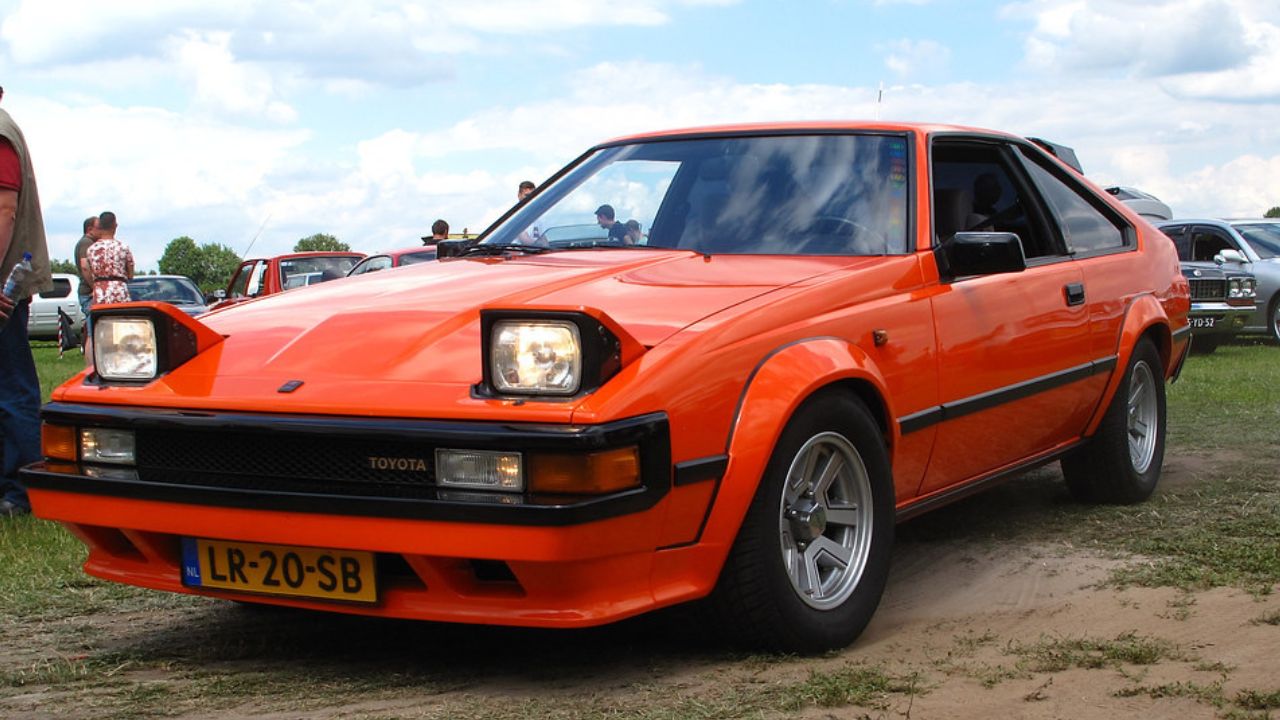
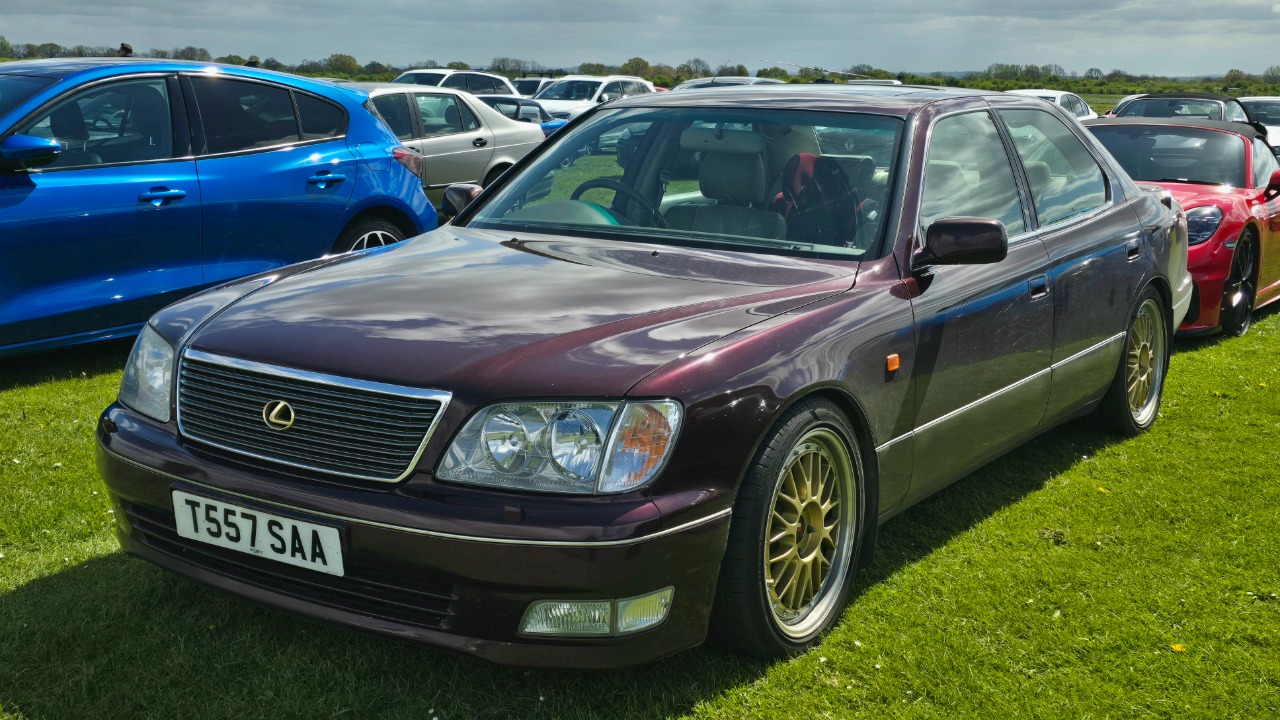
Manufacturers such as Lotus, Mercedes-Benz, Toyota, Nissan, and Infiniti introduced or experimented with increasingly sophisticated active suspension systems, believing they represented the future of premium automotive engineering.
The technology generated enormous excitement among engineers and automotive journalists alike.
The Results Were Remarkably Impressive
Drivers who experienced early active suspension systems often praised their ability to keep vehicles unusually flat through corners while maintaining an exceptionally comfortable ride. Body roll during turns was dramatically reduced, front-end dive under braking became less noticeable, and acceleration squat was minimized.
The improvements extended beyond spirited driving. On rough roads, the suspension continuously adapted to changing conditions, helping isolate passengers from vibrations and road imperfections more effectively than many conventional systems of the era.
Luxury sedans equipped with active suspension demonstrated that computers could significantly enhance both comfort and handling without requiring the compromises traditionally associated with suspension tuning.
For many reviewers, it felt like experiencing an entirely new generation of automotive refinement.
Complexity Prevented Widespread Adoption
Despite its impressive performance, active suspension faced significant obstacles that limited widespread adoption. The systems required numerous sensors, hydraulic pumps, electronic controllers, actuators, and specialized components, making them considerably more expensive than conventional suspensions.
The additional complexity also increased vehicle weight and made repairs more costly if components failed outside warranty coverage. Many buyers appreciated the improved ride quality but found it difficult to justify the higher purchase price and potential maintenance expenses.
At the same time, manufacturers were investing heavily in other emerging technologies, including electronic stability control, advanced safety systems, navigation, and improved engine management. These features often reached a larger customer base while requiring fewer specialized mechanical components.
As a result, fully active suspension remained largely confined to premium models and limited-production performance cars.
Modern Systems Finally Fulfilled the Original Vision
Although fully active suspension never became commonplace during the 1990s, its core ideas influenced nearly every modern luxury vehicle. Advances in computing power, lightweight materials, electronic dampers, and adaptive air suspension have made sophisticated ride-control systems far more practical and reliable.
Today’s luxury sedans and SUVs can automatically adjust damping, ride height, and suspension firmness within milliseconds, providing comfort and handling characteristics that early engineers could only imagine. Some of the newest systems even scan the road ahead with cameras to prepare the suspension before the vehicle reaches bumps or uneven pavement.
Looking back, active suspension nearly transformed luxury cars in the 1990s because its engineering vision was remarkably accurate. It simply arrived before electronics, manufacturing costs, and supporting technologies had advanced enough for widespread adoption. Many of the features now considered standard in premium automobiles trace their origins to those pioneering systems that were decades ahead of their time.
More from Fast Lane Only
- Unboxing the WWII Jeep in a Crate
- 15 rare Chevys collectors are quietly buying
- 10 underrated V8s still worth hunting down
- Police notice this before you even roll window down
*Research for this article included AI assistance, with all final content reviewed by human editors