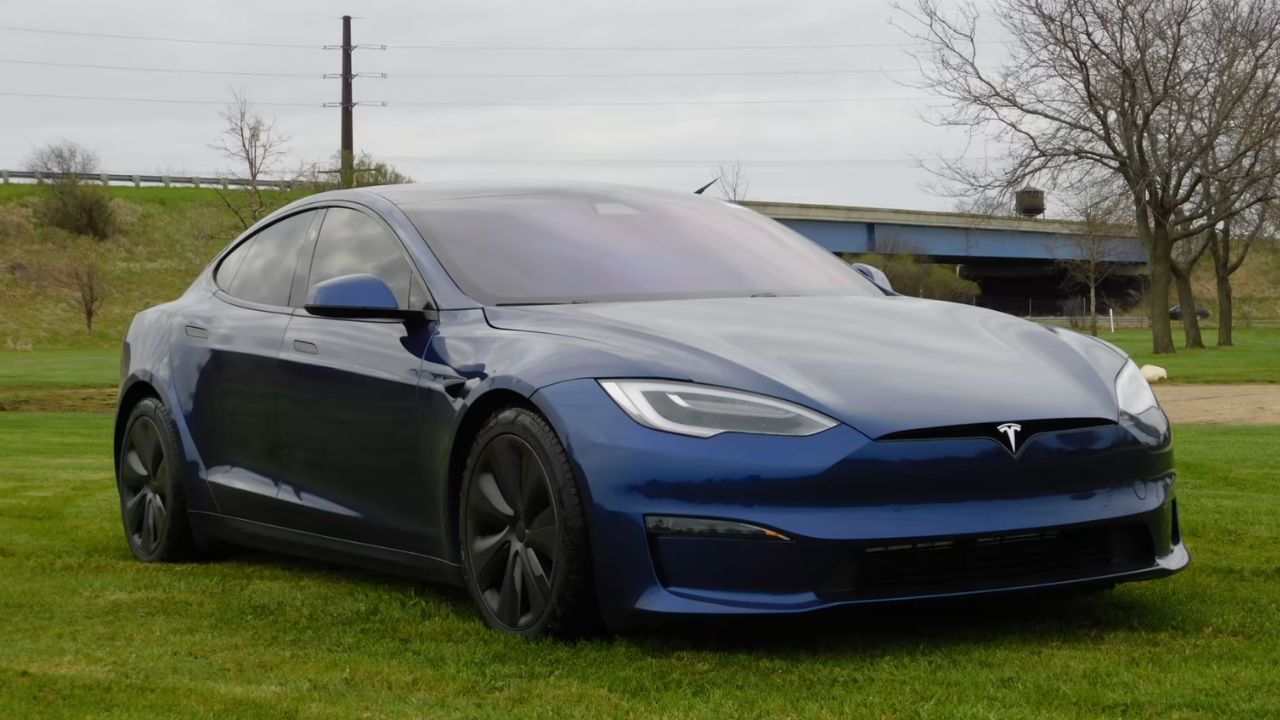
As the automotive industry shifts towards sustainability, the iconic muscle car is undergoing a revolutionary transformation. Electric Vehicle (EV) muscle cars are not only preserving the legacy of performance-driven vehicles but are also redefining what it means to be a muscle car in the modern age. The emergence of these high-powered EVs is breaking new ground and reshaping the future of automotive engineering.
Performance Redefined
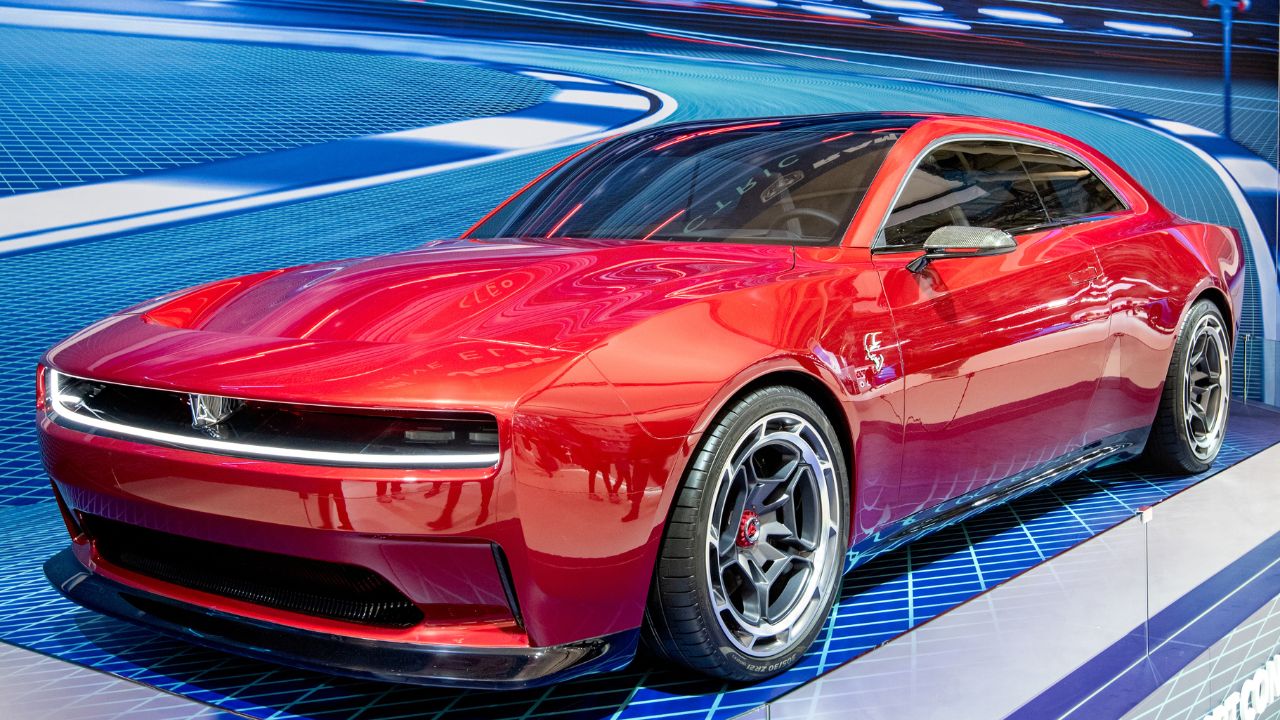
One of the most significant advantages of EV muscle cars is their ability to deliver instant torque and acceleration. Unlike traditional combustion engines, which require time to reach their peak performance, electric powertrains provide immediate power. This technological advancement allows EV muscle cars to achieve exhilarating speeds, offering a driving experience that surpasses many traditional counterparts. The innovation in electric powertrains is not just about speed; it’s about redefining what performance means.
Battery technology plays a crucial role in the performance and range of EV muscle cars. Recent advancements in energy density have allowed these vehicles to maintain high speeds without compromising on range. The balance between performance and range is continually improving, making these vehicles more practical for everyday use. This evolution in battery innovations ensures that EV muscle cars remain competitive in the market while offering the thrill that enthusiasts expect.
While the roar of a traditional muscle car is a part of its charm, EV manufacturers are creatively addressing the sound and sensation aspects by incorporating synthesized engine sounds. This innovation utilizes advanced speaker systems to mimic the auditory experience of classic muscle cars, enhancing the driving sensation without compromising on the quiet, smooth operation of electric motors.
Design Evolution
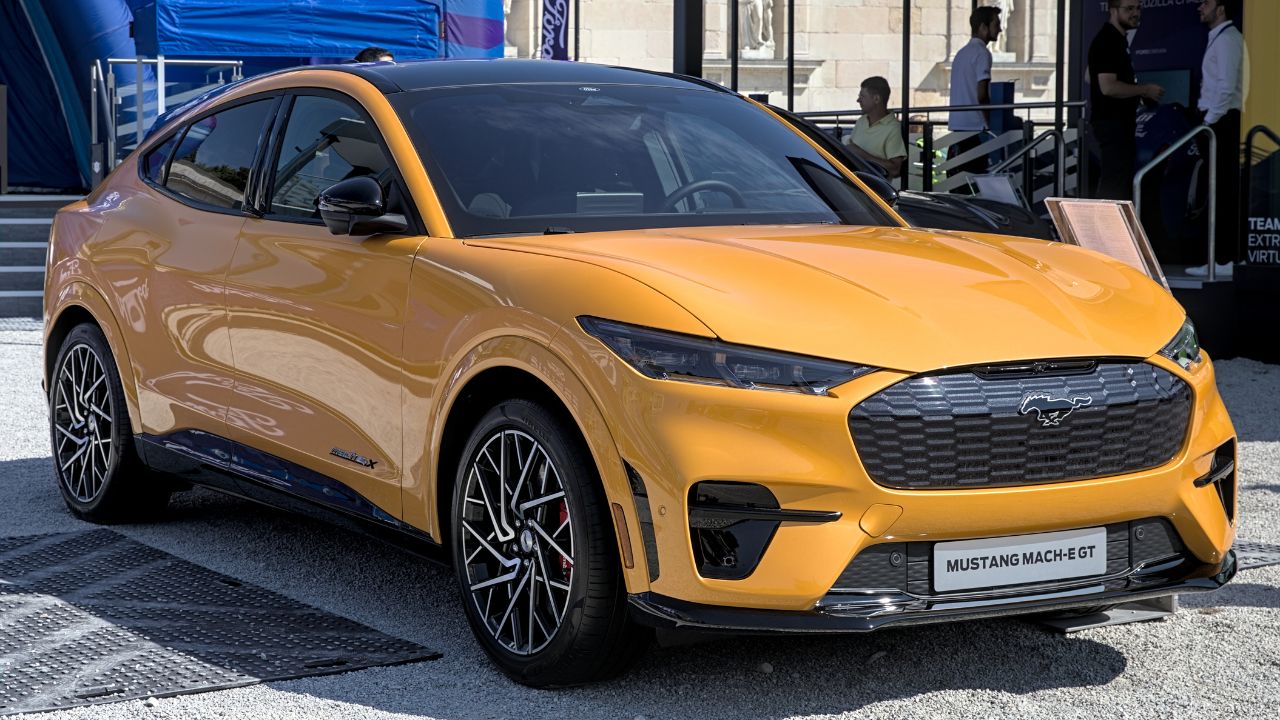
The design language of muscle cars is evolving to accommodate the unique requirements of electric powertrains. Aerodynamics plays a significant role in optimizing the efficiency and performance of EV muscle cars. By focusing on sleek, aerodynamic designs, manufacturers are able to reduce drag and improve range, all while preserving the bold aesthetics that muscle cars are known for. This design evolution blends the best of both worlds: modern innovation and classic appeal.
Material innovation is another area where EV muscle cars are making strides. The use of lightweight and sustainable materials helps improve efficiency and performance. By reducing the overall weight of the vehicle, these materials contribute to better acceleration and handling without compromising structural integrity. This shift not only benefits performance but also aligns with broader environmental goals.
Inside the cabin, EV muscle cars are integrating cutting-edge technology and luxury features to create a futuristic yet comfortable driving environment. From advanced infotainment systems to ergonomic seating, the interior of these vehicles reflects the latest in automotive technology. The focus on interior tech and comfort is attracting a new generation of drivers who value both performance and convenience.
The Market and Consumer Perception
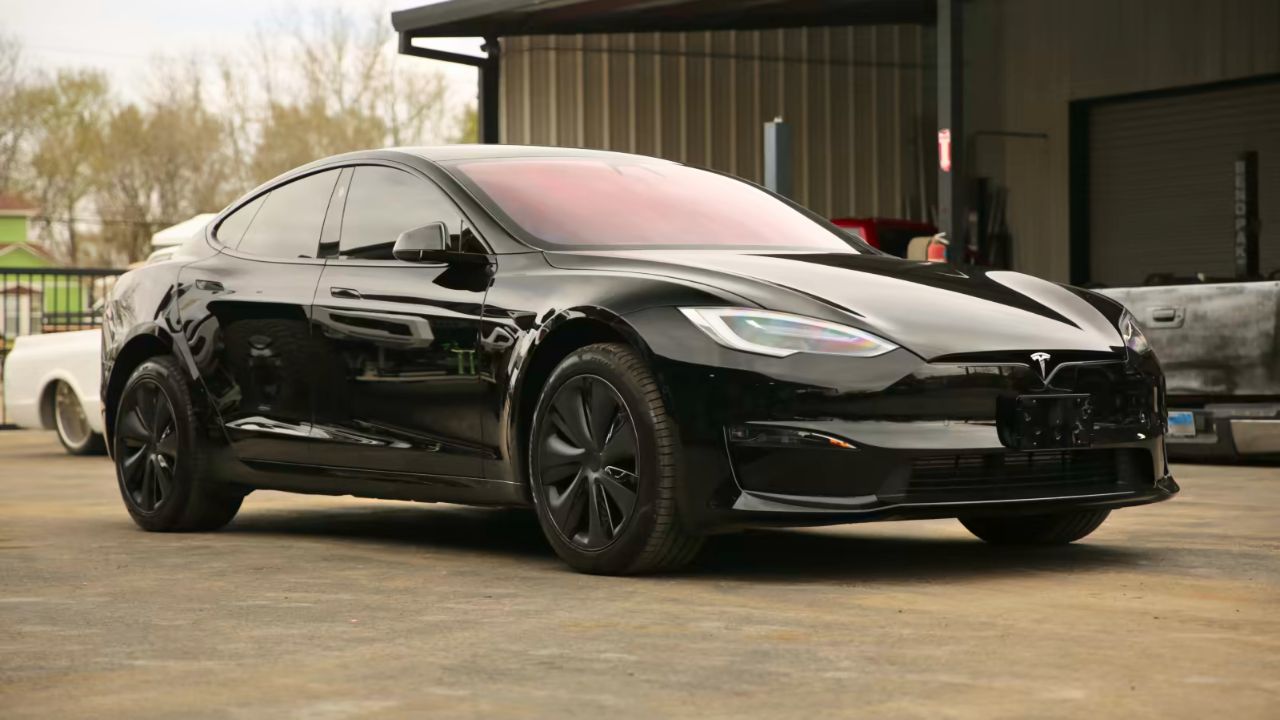
EV muscle cars are appealing to a broader demographic, including environmentally conscious buyers and younger generations interested in technology. This shift in consumer perception is expanding the market for muscle cars, traditionally dominated by enthusiasts. The appeal of these vehicles lies not only in their performance but also in their alignment with sustainability and innovation.
Traditional muscle car brands are leveraging their heritage to maintain brand loyalty while embracing the electric future. By incorporating elements of their storied past, these brands reassure traditionalists who may be skeptical of the shift to electric. Brand loyalty is being nurtured through strategic marketing and the preservation of iconic design elements, ensuring that the essence of muscle cars is not lost in the transition.
Economic considerations, including pricing strategies and incentives, are making EV muscle cars more accessible to a wider audience. Governments and manufacturers are working together to offer incentives that reduce the financial barrier for consumers. This approach is crucial for increasing the adoption of high-performance electric vehicles, ensuring that they are not just a niche market but a viable option for many.
Like Fast Lane Only’s content? Be sure to follow us.
Here’s more from us:
*Created with AI assistance and editor review.